73 saves
Podocarpus
We track 8 varieties; the ones most used by real gardeners.
The 8 most-saved Podocarpus varieties
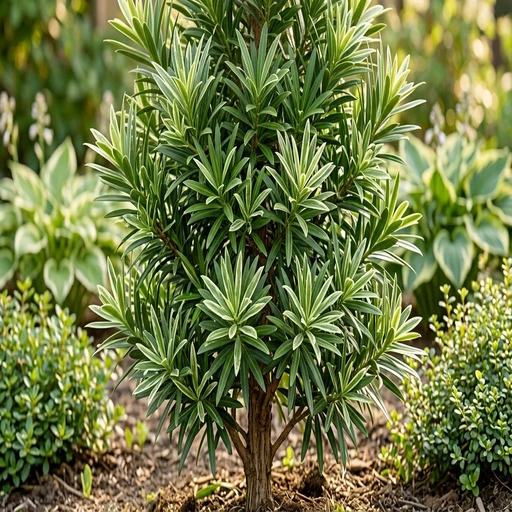
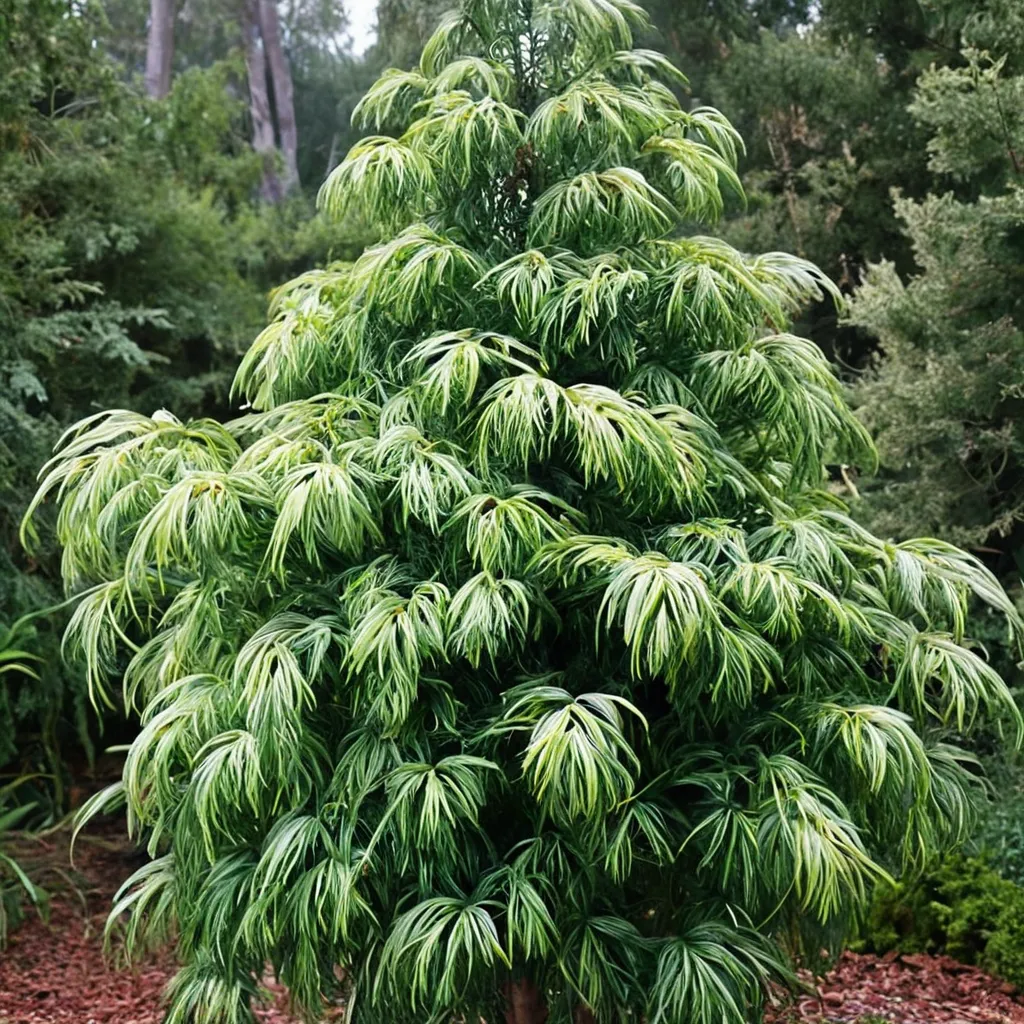
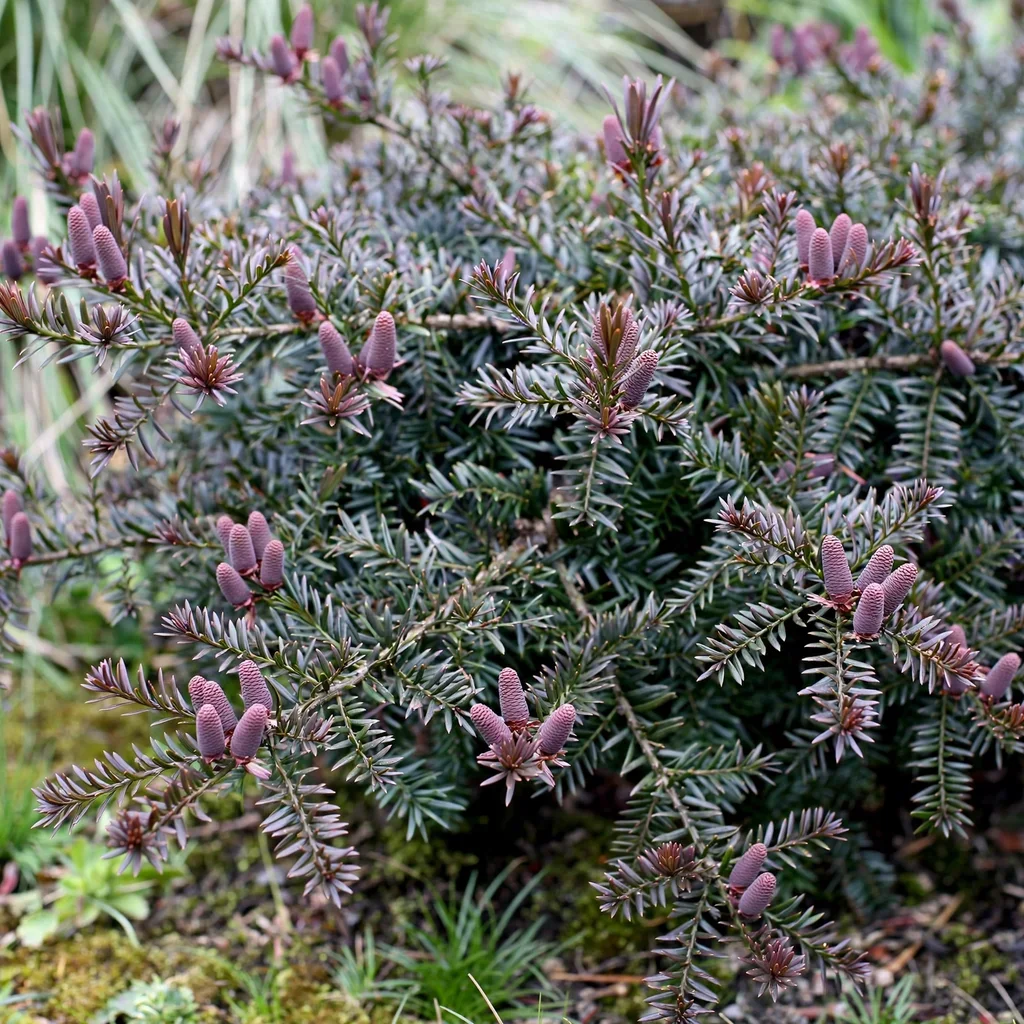
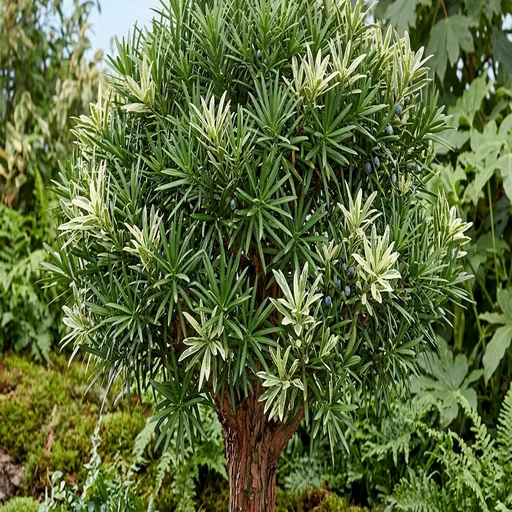
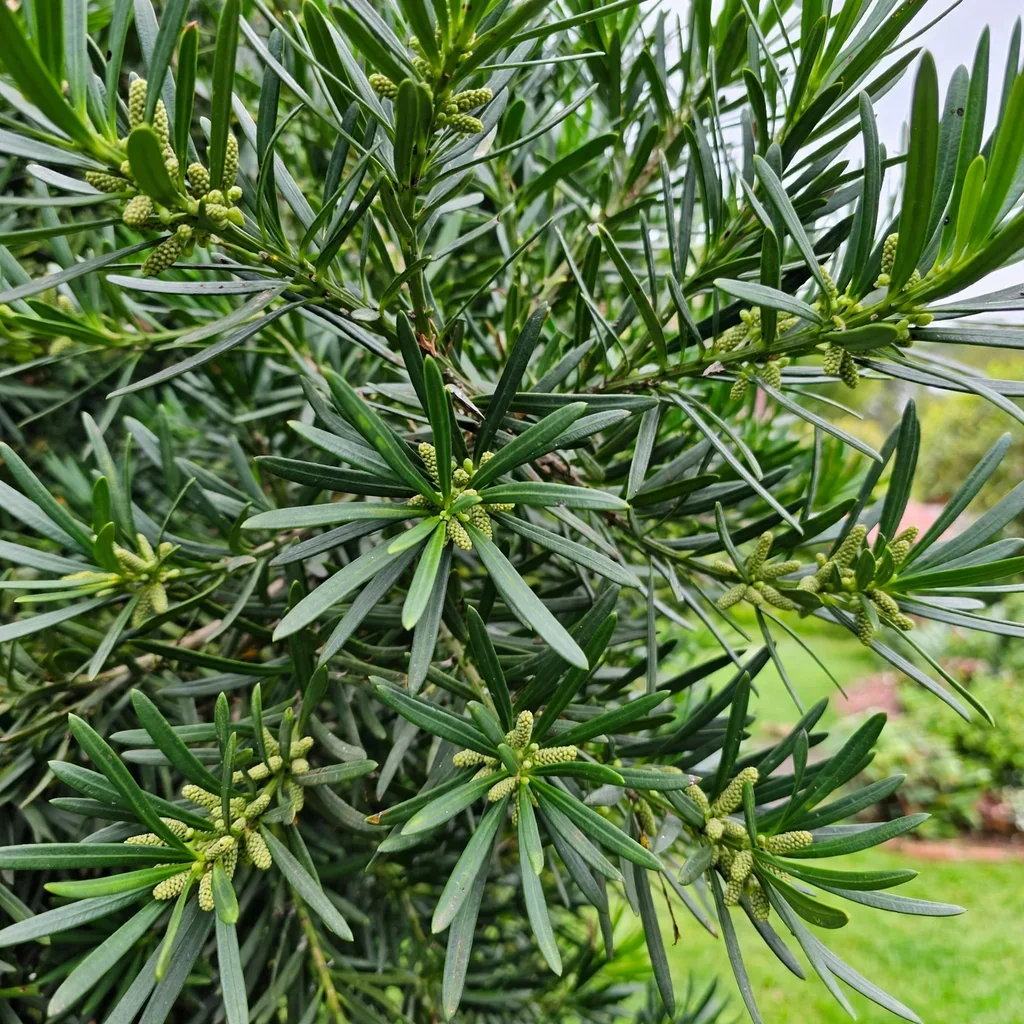
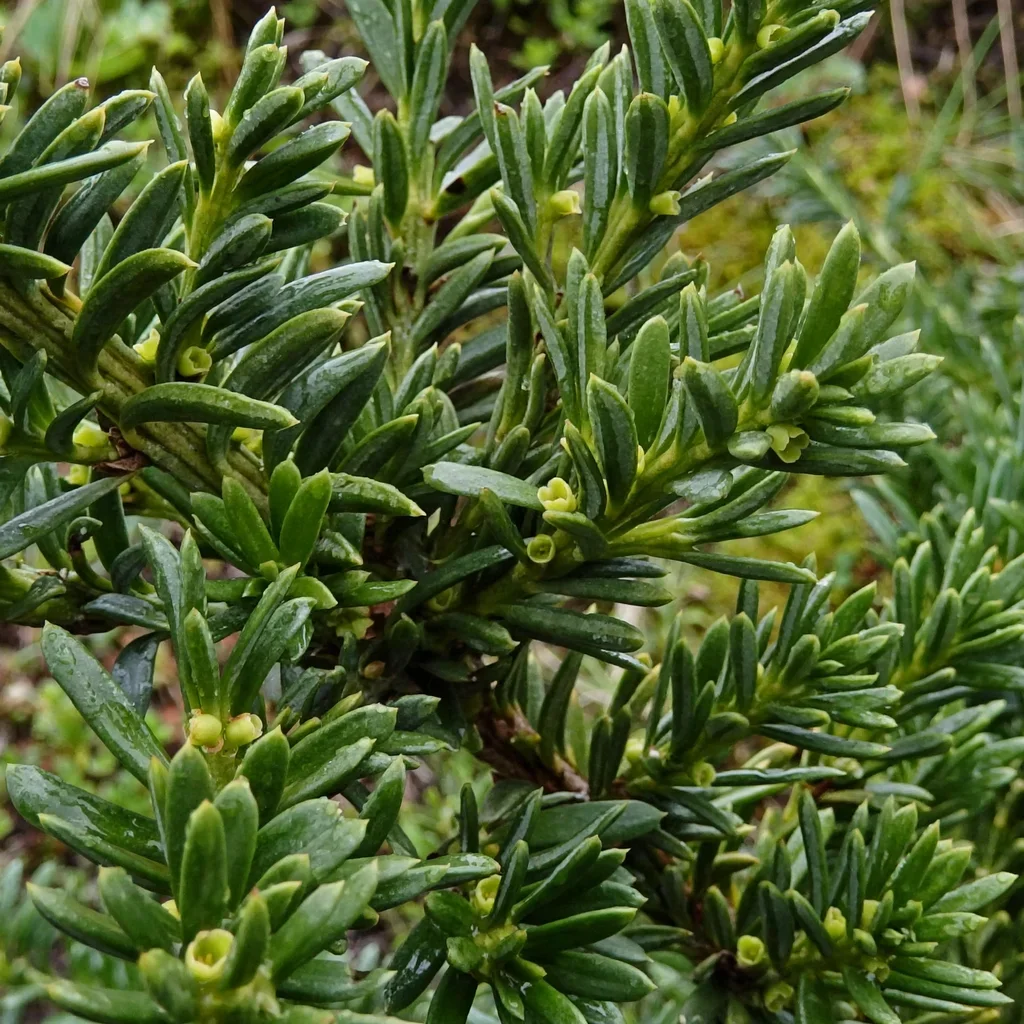
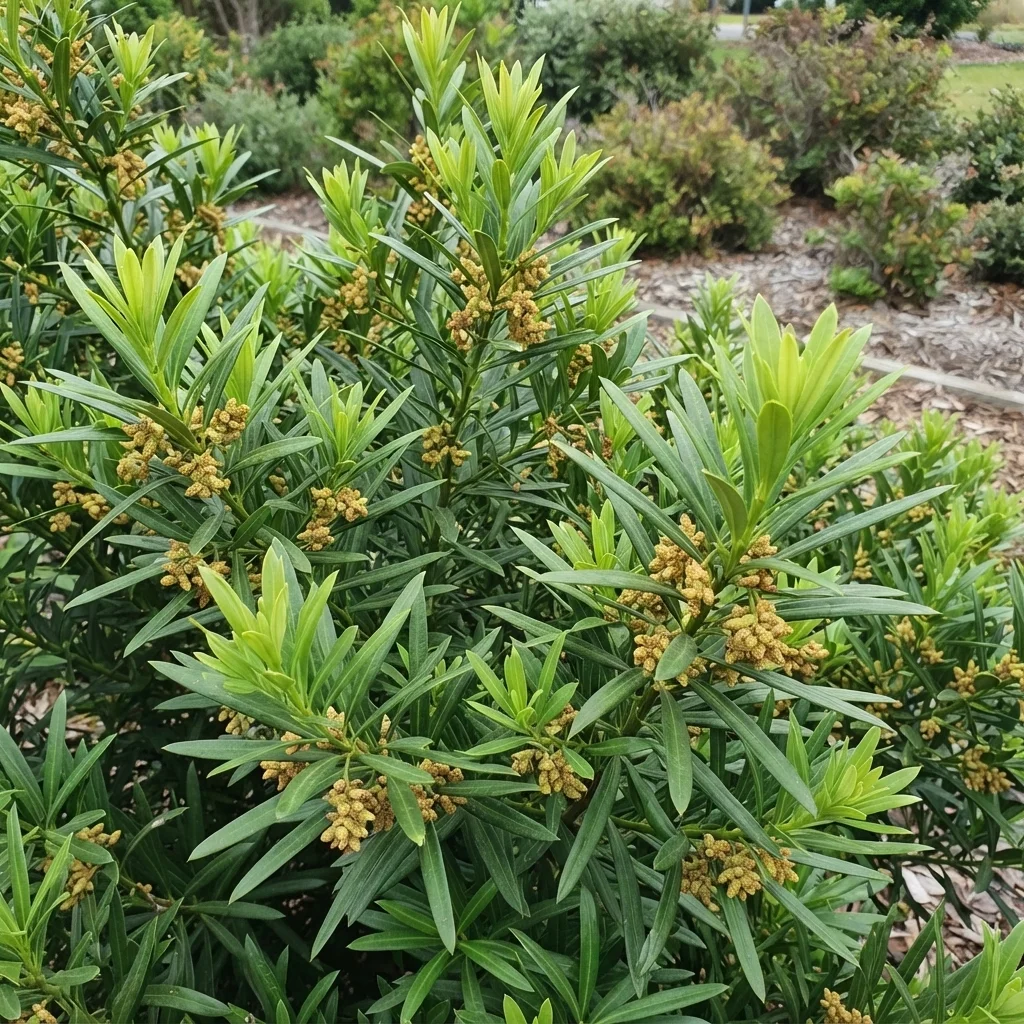
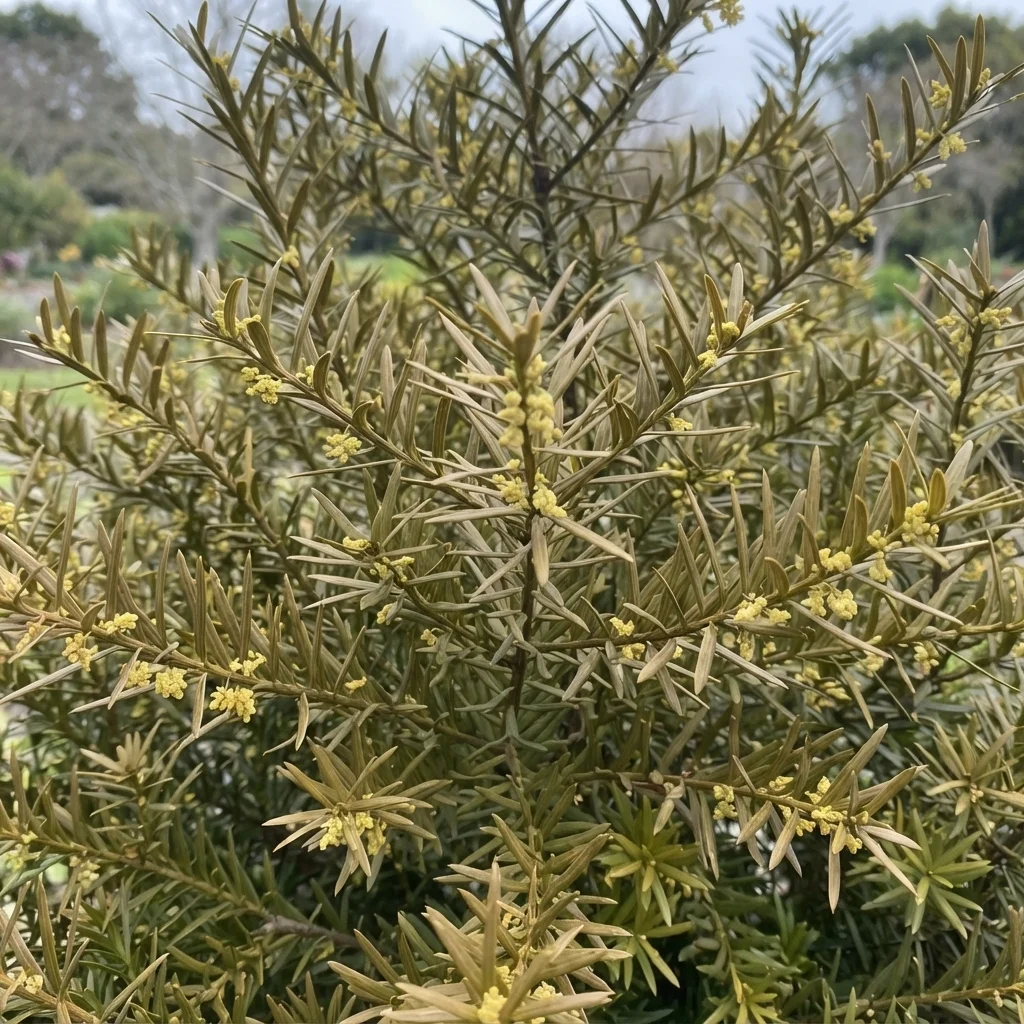
2 species of Podocarpus
Each one is a parent of the varieties above.
Track your Podocarpus in Sow
Save the Podocarpus you grow and get care reminders timed to your zone.
How to grow Podocarpus
Whats common across all Podocarpus varieties in our catalog — drawn from the care records of the 8 most-grown of them.
The Podocarpus year
- PruneMarch, June and July100% of varieties
Prune or shear as needed during the growing season to maintain shape.
- FertilizeApril100% of varieties
Apply a balanced, slow-release fertilizer in early spring.
- PlantApril, May, October and November75% of varieties
Plant in spring or fall in well-drained soil.


Do
- Prune to maintain shape and remove dead branches ✂️
- Water deeply during dry spells 🌱
- Water regularly during the first year to establish a deep root system
- Prune to shape and encourage dense growth
- Provide good drainage; it dislikes constantly wet feet
Avoid
- Do not plant in a waterlogged or poorly drained location
- Avoid letting the plant dry out completely when young
- Don't plant too deep, which can lead to root issues
- Avoid heavy fertilization, which is generally unnecessary
What goes wrong with Podocarpus
| Problem | What you'll see | What to do |
|---|---|---|
| Scale insects | Sticky residue and yellowing leaves | Apply horticultural oil or insecticidal soap |
| Scale | Small bumps on stems, sticky honeydew, and sooty mold. | Apply horticultural oil during the dormant season or when crawlers are active. Systemic insecticides can be effective for heavy infestations. |
| Spider mites | Fine webbing and speckled leaves | Use neem oil or insecticidal soap |
| Scale Insects | Small bumps on stems and leaves, leading to sooty mold from honeydew. | Scrape off small infestations. Apply horticultural oil in the crawler stage. Use a systemic insecticide for severe problems. |
| Root rot | Wilting and browning foliage | Improve drainage and reduce watering |
| Root Rot | Yellowing foliage, wilting, and plant decline, especially in heavy, wet soils. | Prevention is the only cure. Ensure excellent drainage. Plant in raised beds or on slopes if soil is heavy. |
| Phytophthora root rot | Foliage yellowing, wilting, and branch dieback caused by root decay in saturated soils. | Improve soil drainage, reduce watering frequency, and avoid planting in poorly drained clay. |
Making more Podocarpus
Cuttings
- Select healthy semi-hardwood cuttings.
- Dip in rooting hormone.
- Plant in moist, well-draining soil.
- Keep soil consistently moist for 6 weeks.
Seeds
- Collect seeds after cone maturation in fall.
- Clean and soak seeds in water for 24 hours.
- Plant in seed-starting mix, cover lightly.
- Keep soil moist and maintain warm temperature for germination over 8 weeks.
Podocarpus questions
How many types of Podocarpus are there?
The Sow catalog tracks 8 distinct Podocarpus varieties. The most popular — ranked by 73 real gardeners — are shown first above.
What zones does Podocarpus grow in?
Across its varieties, Podocarpus covers USDA Zones 7–10. Individual varieties differ — each plant page lists its exact range, and Sow filters the catalog to your zone automatically.
When does Podocarpus bloom?
Most Podocarpus varieties bloom in late spring, spring. Staggering early, mid, and late varieties extends the genus's season in one bed.
Which Podocarpus should I choose?
Start from the most-saved varieties above — popularity across thousands of gardens is a strong signal of reliability — then filter by your zone and sun. In the Sow app you can preview any of them in a photo of your actual yard before you buy.