Also known as Poplar · 252 saves
Populus
Populus, the genus most gardeners know as poplar. We track 12 varieties; the ones most used by real gardeners.
The 12 most-saved Populus varieties
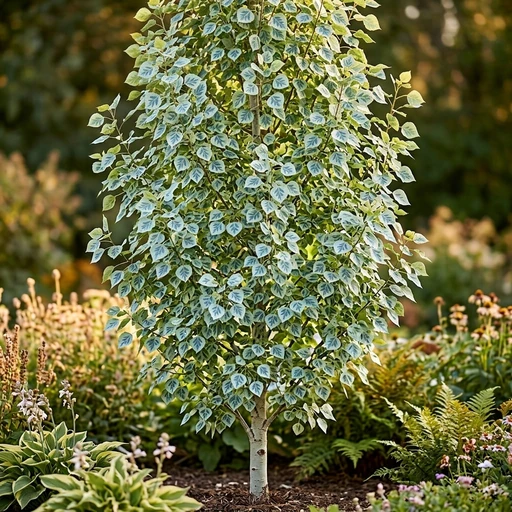
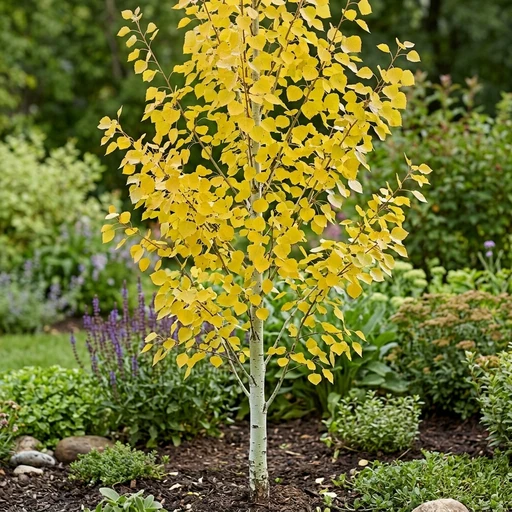
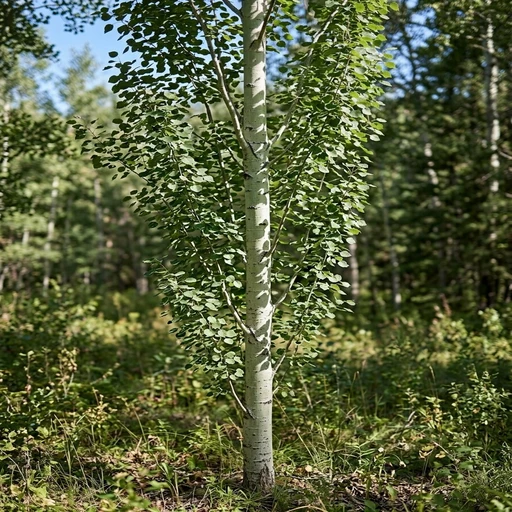
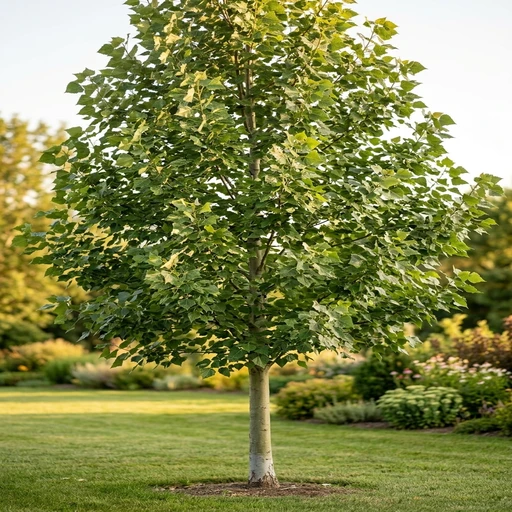
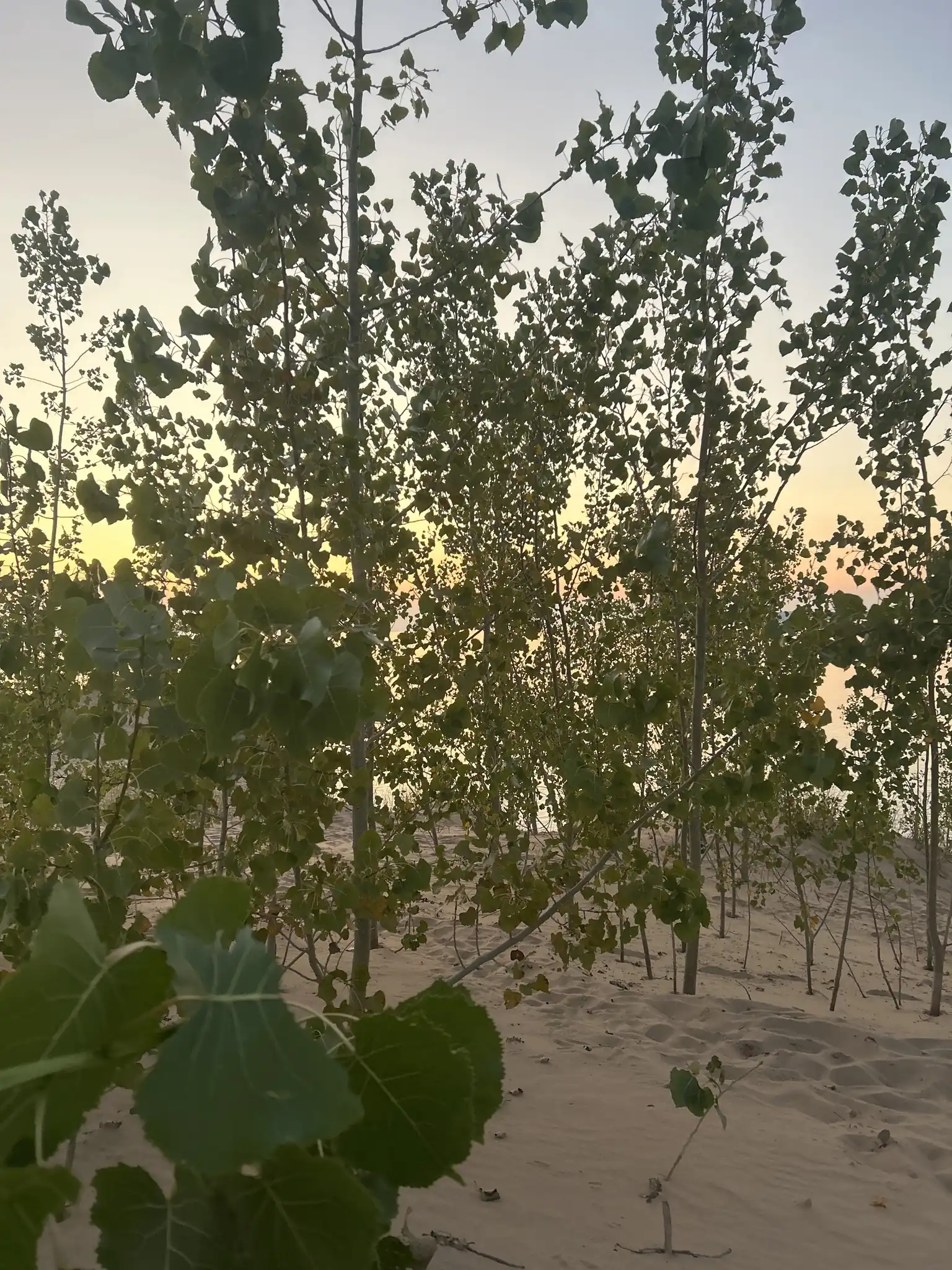
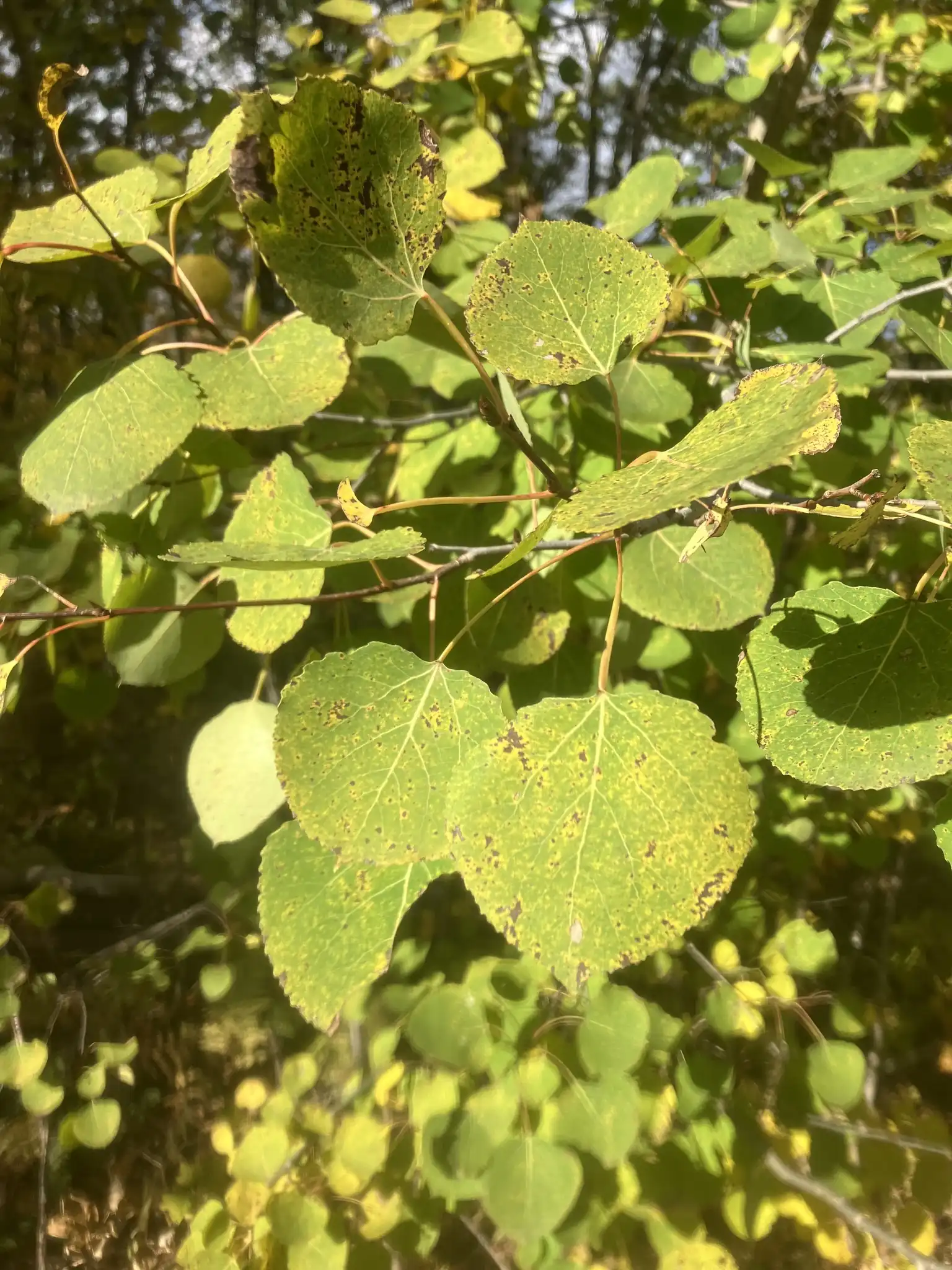
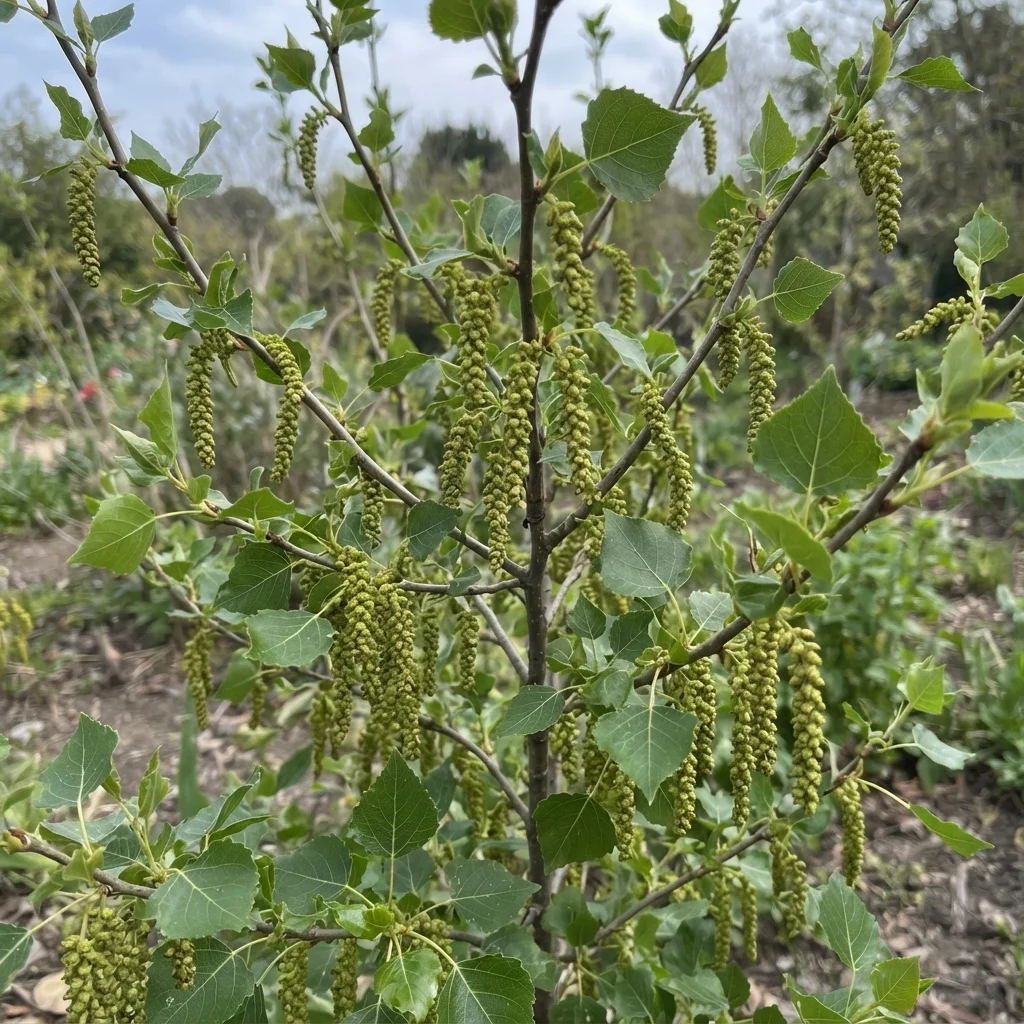
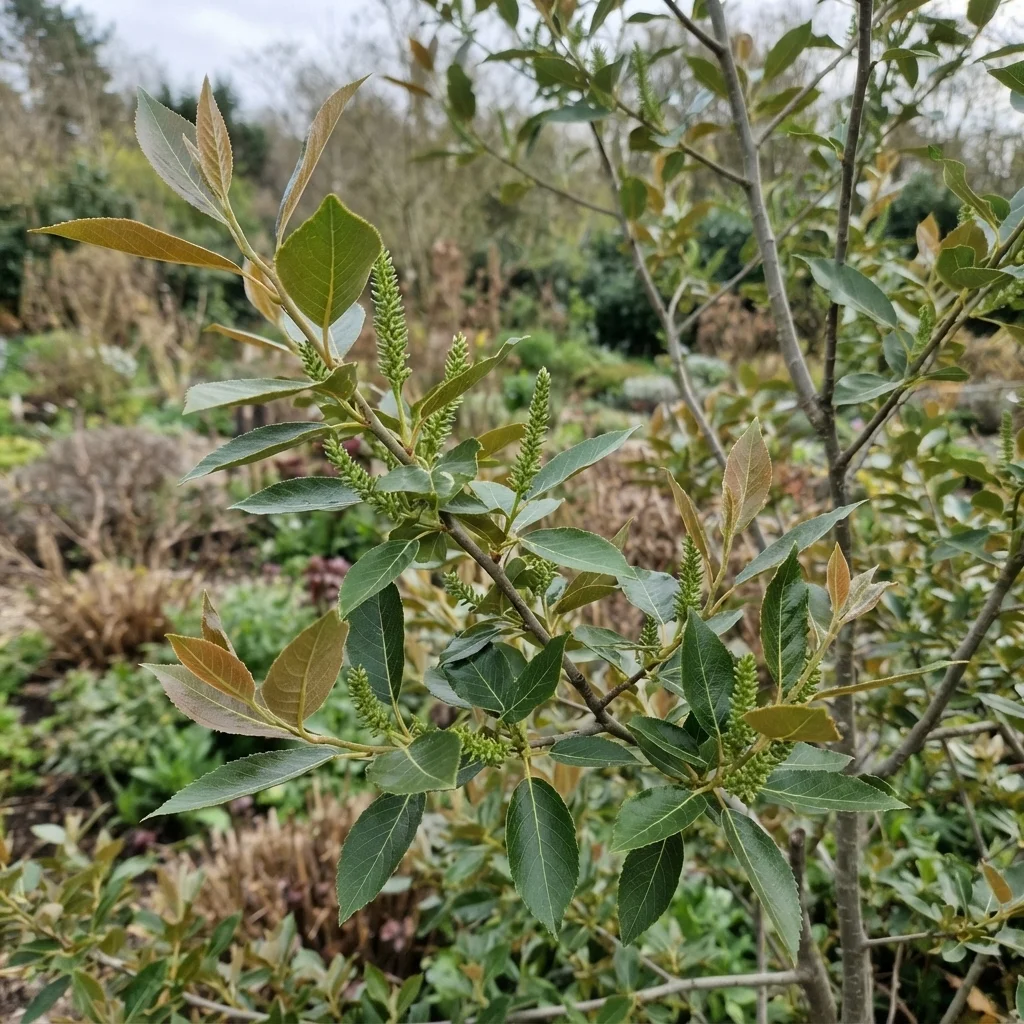
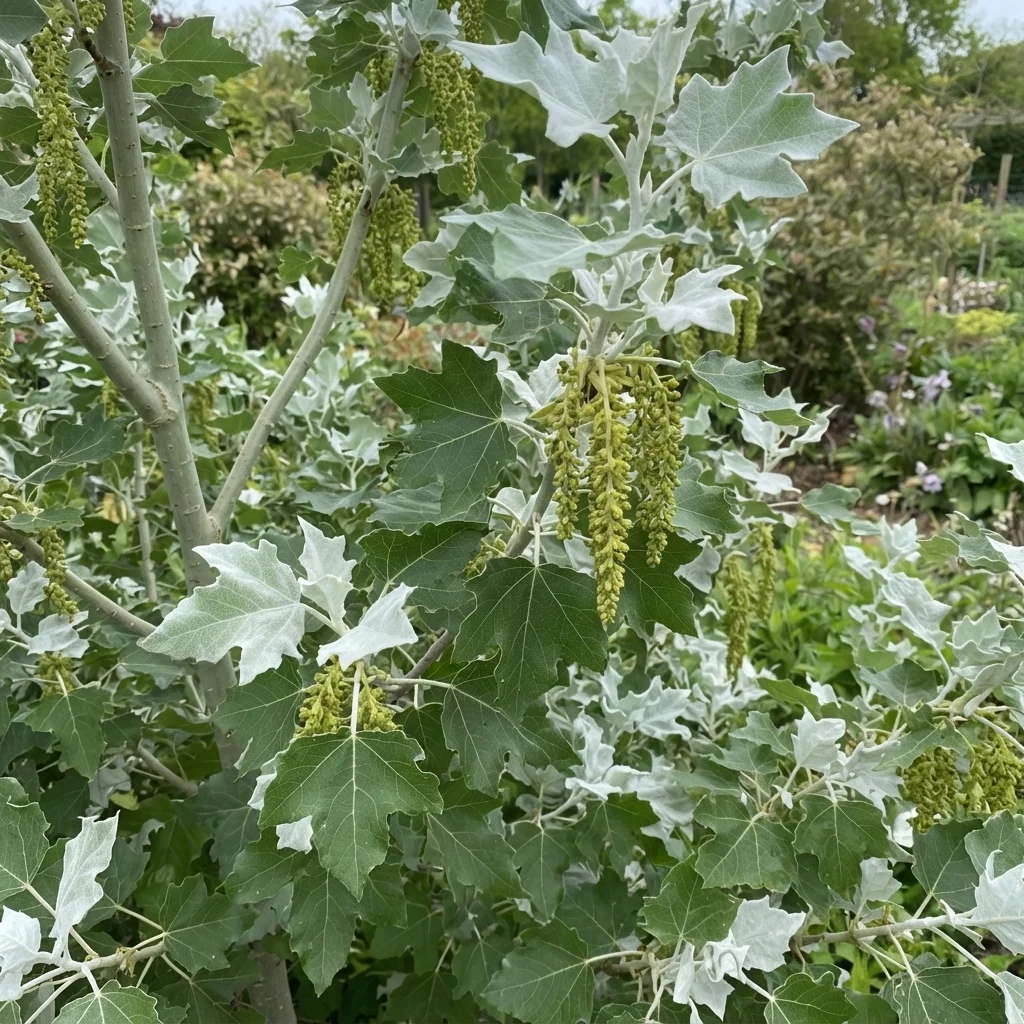
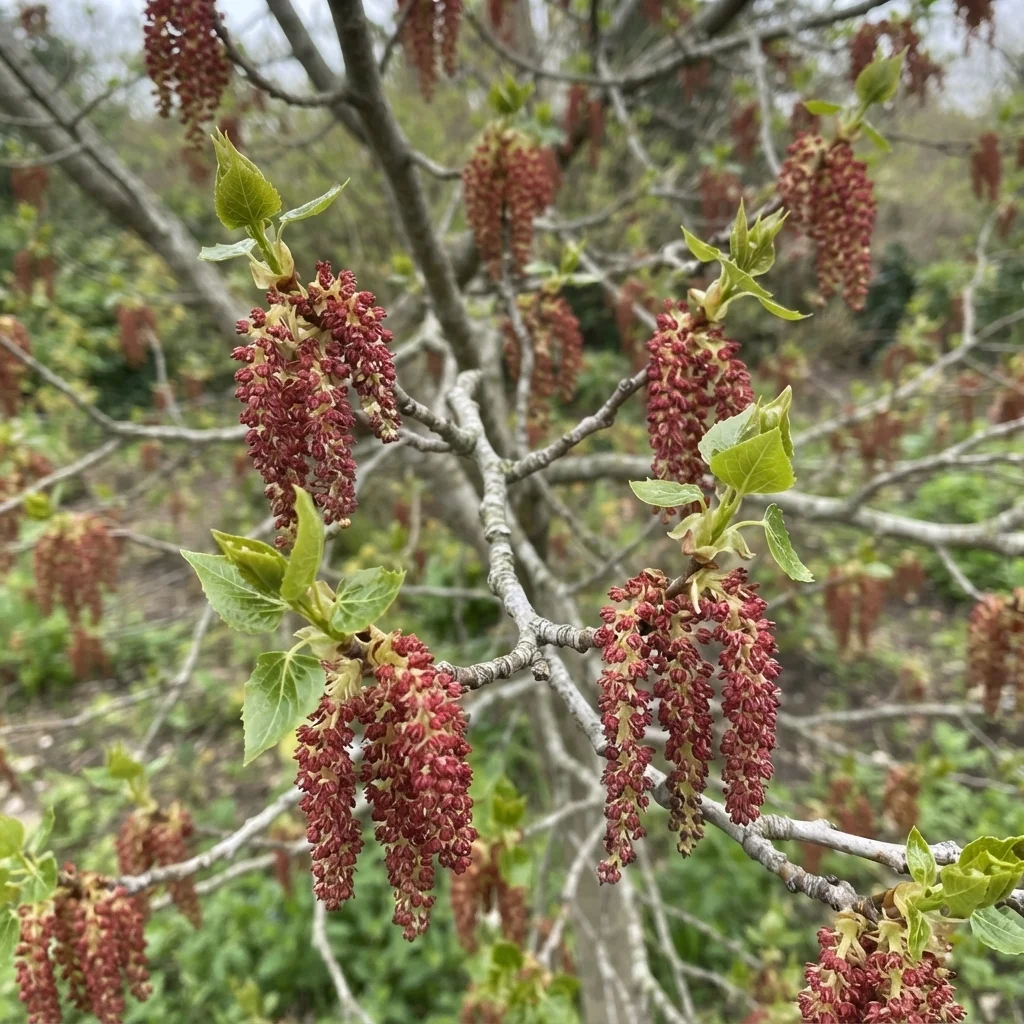
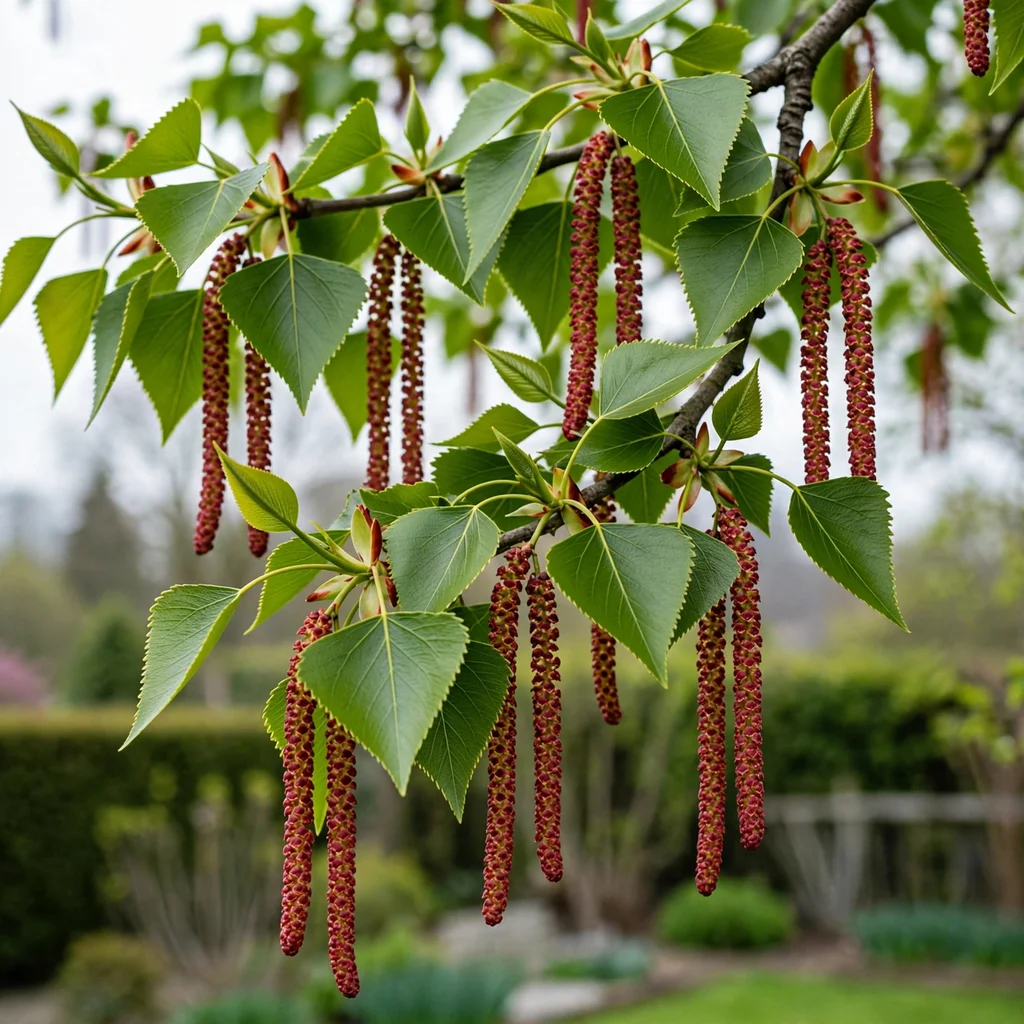
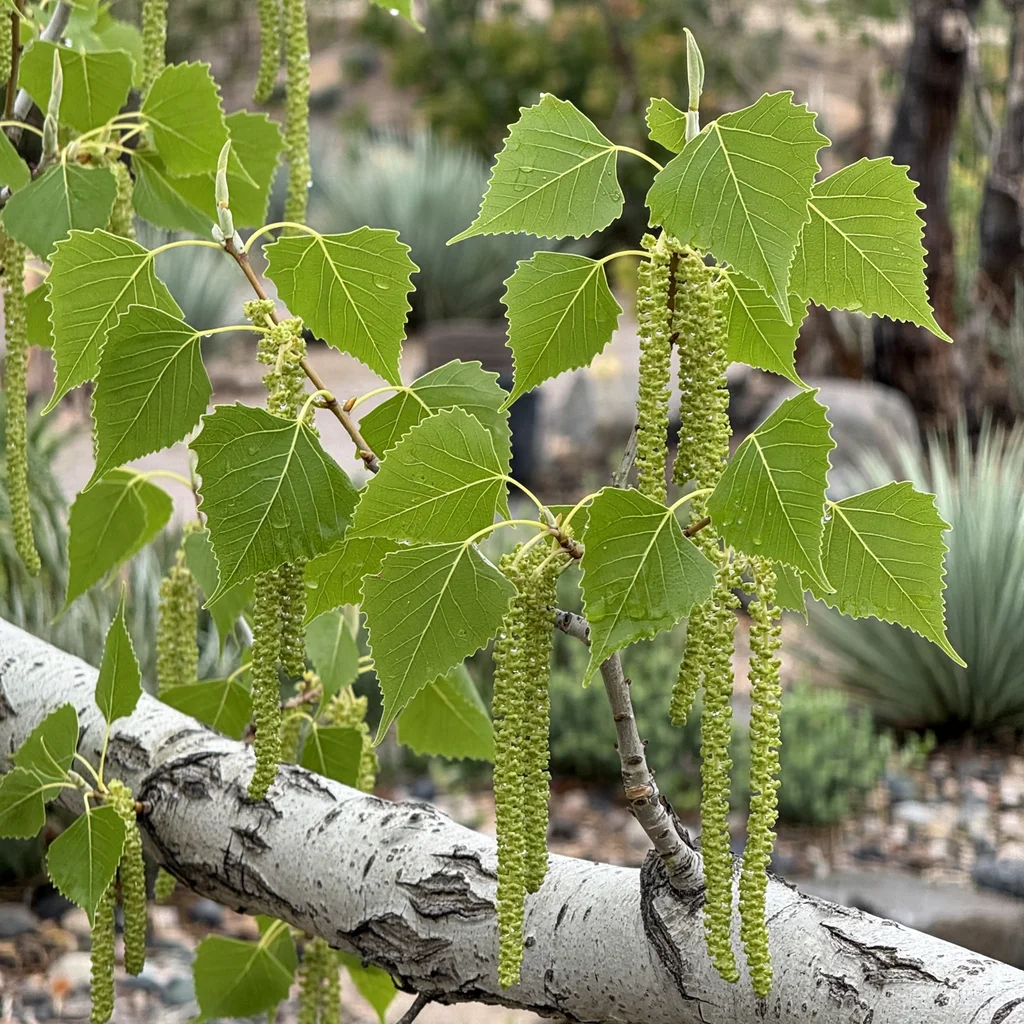
7 species of Populus
Each one is a parent of the varieties above.
Track your Populus in Sow
Save the Populus you grow and get care reminders timed to your zone.
How to grow Populus
Whats common across all Populus varieties in our catalog — drawn from the care records of the 12 most-grown of them.
The Populus year
- PruneJanuary–March100% of varieties
Perform structural pruning during winter dormancy to avoid bleeding sap.
- Check for PestsJune–August83% of varieties
Inspect the trunk and branches for borer entry holes and sap-sucking pests.
- Spring CleanupMarch and April42% of varieties
Clear away any winter debris and monitor for emerging root suckers.
- PlantApril, May, October and November33% of varieties
Plant in spring or fall in a location with ample space to grow.


Do
- Provide deep, supplemental irrigation during extended dry spells to prevent crown dieback.
- Protect young tree trunks with wire cages to deter rabbits, deer, and livestock.
- Site the tree at least 50 feet away from sewer lines, septic fields, and foundations.
- Water deeply during extended dry spells to prevent drought stress and minimize susceptibility to canker.
- Prune out dead, damaged, or diseased wood in late winter while the tree is dormant.
Avoid
- Expect a long-lived specimen tree ❌
- Do not apply heavy nitrogen fertilizers, which stimulate weak, pest-prone structural growth.
- Do not use overhead sprinklers, as wet foliage encourages foliar rusts and powdery mildew.
- Do not prune the tree during the active spring and summer growing seasons.
What goes wrong with Populus
| Problem | What you'll see | What to do |
|---|---|---|
| Aphids | Sticky honeydew on leaves and distorted new growth. | Blast foliage with a strong stream of water or apply insecticidal soap if infestations are severe. |
| Borers | Tiny exit holes in the bark and sawdust-like frass on the trunk. | Maintain tree vigor through deep watering; prune and destroy infested branches during winter dormancy. |
| Poplar Borer | Holes in the trunk and branches, often with sawdust-like frass. | Maintain tree vigor with proper watering. Chemical controls like permethrin can be applied to the trunk during egg-laying season. There is no organic cure. |
| Oyster Shell Scale | Small, gray, oyster-shaped bumps on the bark. Heavy infestations can cause branch dieback. | Apply dormant horticultural oil in late winter to smother overwintering scales. Use targeted insecticides when crawlers are active in late spring. |
| Cytospora Canker | Sunken bark lesions and branch dieback, often proving fatal to stressed trees. | Avoid physical damage and drought stress; prune infected branches well below the lesion. |
| Powdery Mildew | White, talcum-like fungal coating on leaf surfaces. | Rake and destroy fallen leaves in autumn to reduce overwintering spores. |
| Root Rot | Yellowing foliage, branch dieback, and fungal decay at the soil line. | Ensure soil has adequate drainage and avoid planting in low-lying, waterlogged clay traps without active water movement. |
Making more Populus
Hardwood Cuttings
- Cut 12-to-18-inch dormant hardwood stems in late winter.
- Insert the cuttings directly into moist, sandy propagation medium or alluvial soil.
- Keep the medium consistently moist but not waterlogged.
- Transplant to the permanent site once a vigorous root system establishes.
Stem Cuttings
- Take hardwood cuttings in late winter from vigorous, one-year-old wood.
- Cut stems into 8- to 12-inch sections, ensuring each has several viable buds.
- Insert the cuttings directly into moist, sandy propagation medium or prepared outdoor beds.
- Keep the medium consistently moist until roots establish and new growth emerges in spring.
Populus questions
How many types of Populus are there?
The Sow catalog tracks 12 distinct Populus varieties. The most popular — ranked by 252 real gardeners — are shown first above.
What zones does Populus grow in?
Across its varieties, Populus covers USDA Zones 4–10. Individual varieties differ — each plant page lists its exact range, and Sow filters the catalog to your zone automatically.
When does Populus bloom?
Most Populus varieties bloom in early spring, spring, late winter. Staggering early, mid, and late varieties extends the genus's season in one bed.
Which Populus should I choose?
Start from the most-saved varieties above — popularity across thousands of gardens is a strong signal of reliability — then filter by your zone and sun. In the Sow app you can preview any of them in a photo of your actual yard before you buy.