Also known as Pomegranate · 63 saves
Punica
Punica, the genus most gardeners know as pomegranate. We track 5 varieties; the ones most used by real gardeners.
The 5 most-saved Punica varieties
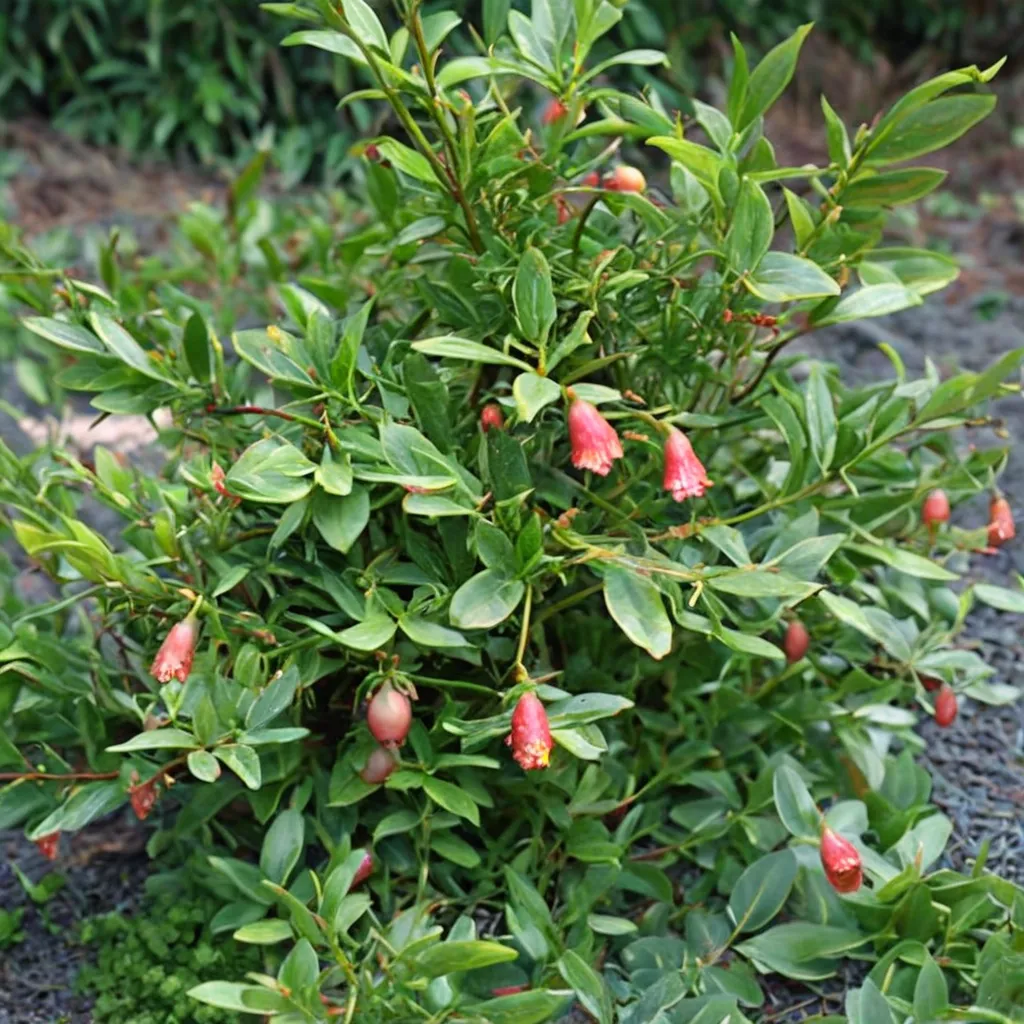
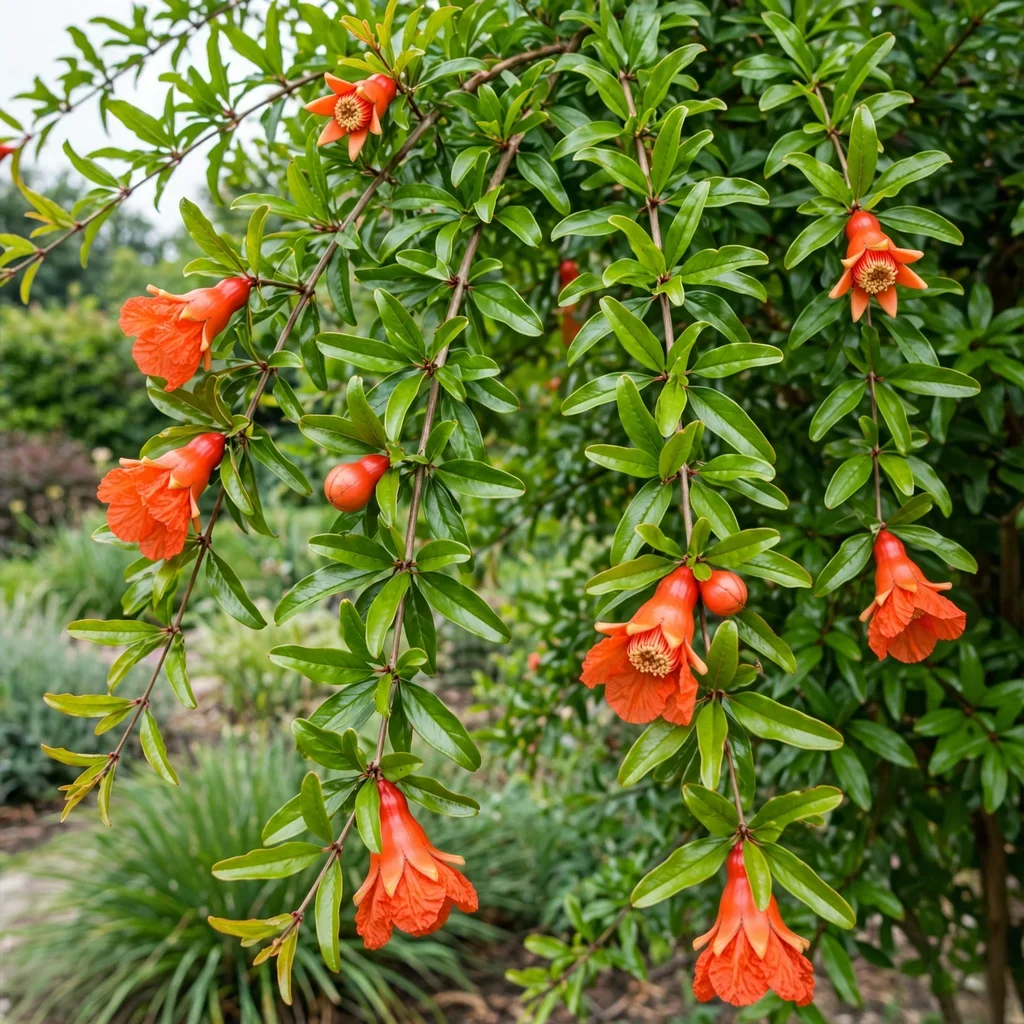
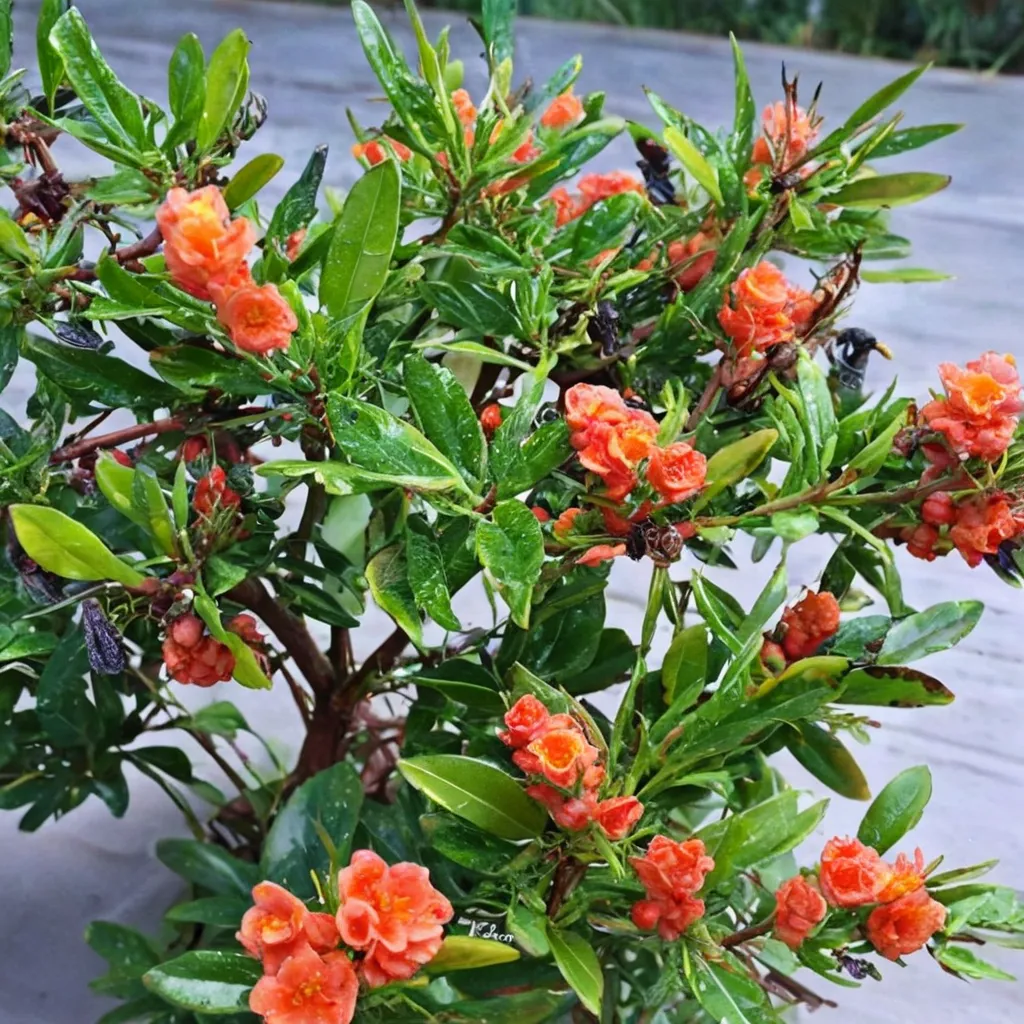
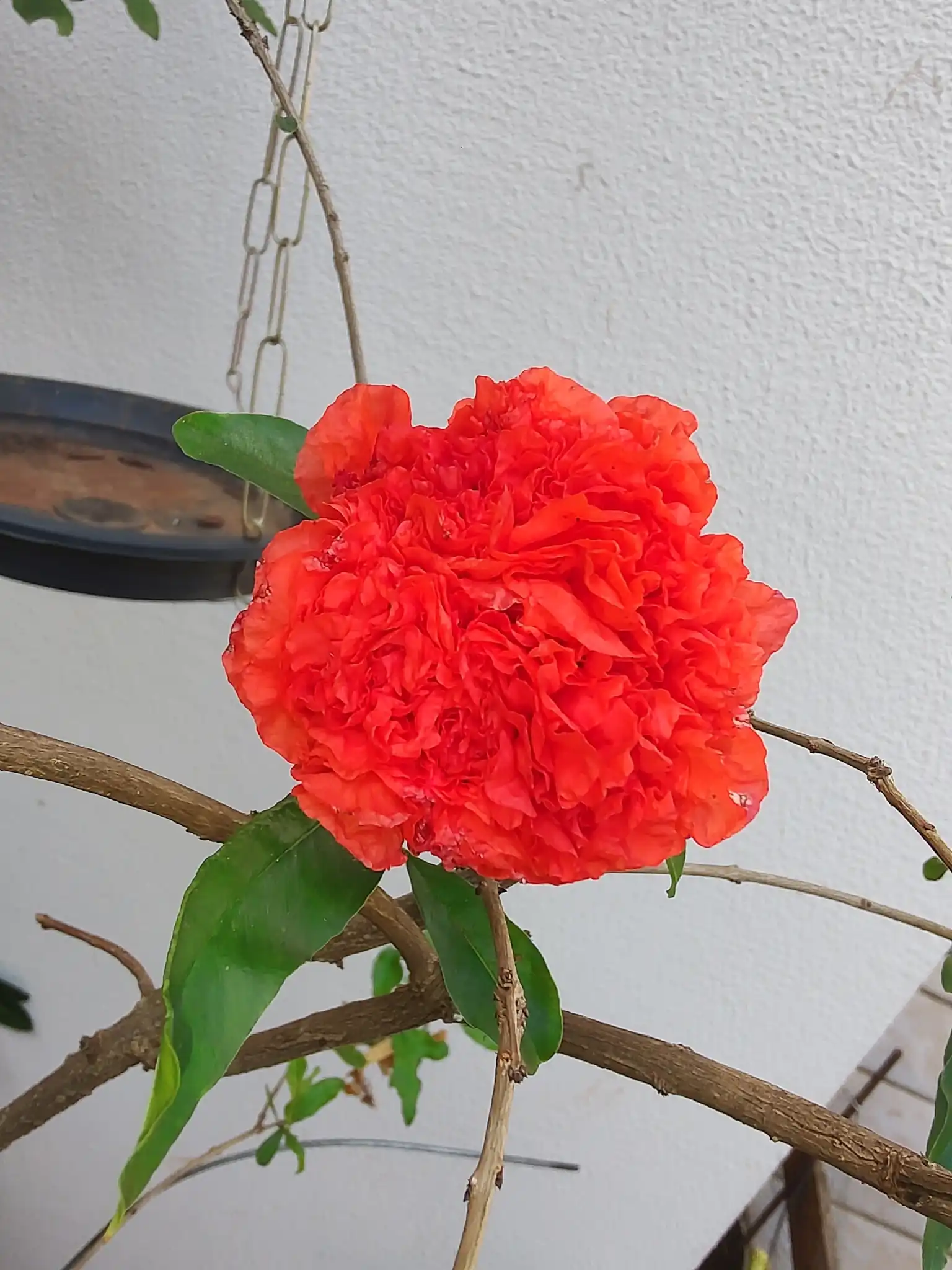
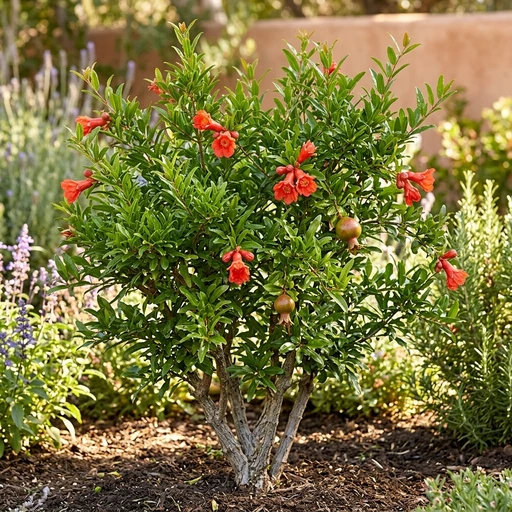
Species of Punica
Each one is a parent of the varieties above.
Track your Punica in Sow
Save the Punica you grow and get care reminders timed to your zone.
How to grow Punica
Whats common across all Punica varieties in our catalog — drawn from the care records of the 5 most-grown of them.
The Punica year
- PruneFebruary and March100% of varieties
Remove suckers and dead wood; thin crowded branches in late winter.
- HarvestSeptember–November100% of varieties
Harvest when fruit is deep burgundy/black and sounds metallic when tapped.
- FertilizeApril and July80% of varieties
Apply balanced fertilizer in early spring and again mid-summer.
- Winter PrepDecember40% of varieties
For container plants, move to a protected, unheated location.


Do
- Water deeply during dry periods 🌱
- Prune to maintain shape
- Fertilize in early spring
- Provide full sun for maximum fruit production.
- Water deeply and regularly during the first few years.
Avoid
- Overwater in winter ❌
- Allow soil to become waterlogged ❌
- Neglect pruning ❌
- Do not overwater, as this can lead to root rot.
What goes wrong with Punica
| Problem | What you'll see | What to do |
|---|---|---|
| Aphids | Sticky residue and distorted leaves | Spray with insecticidal soap |
| Pomegranate Butterfly | Larvae bore into the fruit, causing rot and making it inedible. | Bag individual fruits after pollination; apply Bacillus thuringiensis (Bt) or spinosad sprays. |
| Leaf-footed bug | Fruit drops early or develops sunken, discoloured patches where the bugs have fed | Hand-pick the adults in the early morning and clear weedy cover nearby where they overwinter |
| Leaf Spot | Dark spots on leaves | Remove affected foliage and improve air circulation |
| Leaf spot | Dark spots on leaves | Apply organic fungicide and remove affected leaves |
| Alternaria Fruit Rot | Black rot develops inside the fruit with little external sign, often near the blossom end. | Improve air circulation through pruning; apply copper-based fungicides before fruit sets. |
Making more Punica
Cuttings
- Take semi-hardwood cuttings in late summer.
- Dip cut end in rooting hormone.
- Plant in well-drained soil or potting mix.
- Keep moist and in indirect sunlight.
- Roots develop in about 6 weeks.
Seeds
- Extract seeds from ripe fruit.
- Clean and dry seeds for 1 week.
- Tuck seeds in moist soil in spring.
- Maintain temperature at 70°F for germination.
- Expect sprouting in 4–6 weeks.
Punica questions
How many types of Punica are there?
The Sow catalog tracks 5 distinct Punica varieties. The most popular — ranked by 63 real gardeners — are shown first above.
What zones does Punica grow in?
Across its varieties, Punica covers USDA Zones 7–10. Individual varieties differ — each plant page lists its exact range, and Sow filters the catalog to your zone automatically.
When does Punica bloom?
Most Punica varieties bloom in late spring, late spring to summer, mid-summer. Staggering early, mid, and late varieties extends the genus's season in one bed.
Which Punica should I choose?
Start from the most-saved varieties above — popularity across thousands of gardens is a strong signal of reliability — then filter by your zone and sun. In the Sow app you can preview any of them in a photo of your actual yard before you buy.