The Story
Plant Bio
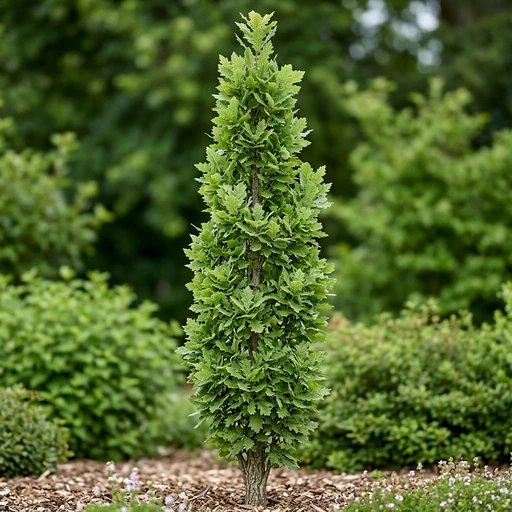
Oaks are majestic, long-lived deciduous trees, prized for their strong wood, distinctive lobed leaves, and acorns, which are a vital food source for wildlife. This is a hybrid of English Oak (Quercus robur) and White Oak (Quercus alba).
Skinny Genes is a remarkable cultivar known for its extremely narrow, columnar habit, making it suitable for tight urban spaces. It combines the fastigiate form of its English Oak parent with the mildew resistance and adaptability of its White Oak parent.
Uses & Benefits:
Essentials
At a Glance
Plant Type
Tree
Height
540"
Width
120"
Light
Full Sun
Zones
4, 5, 6, 7, 8
Water
Low to moderate once established
Humidity
Adaptable
Lifespan
Very long-lived
Native To
Hybrid of European and North American species
Toxicity
Leaves and acorns are toxic to horses if ingested in large quantities.
Bloom period
Mid-spring – Late spring
In flower about 2 months of the year
Planting
How to Grow
- Choose a location with at least six hours of direct sunlight daily.
- Dig a hole two to three times wider than the root ball.
- Ensure the root flare is level with or slightly above the soil line.
- Backfill with the original soil, breaking up any large clumps.
- Water thoroughly after planting to settle the soil around the roots.
- Apply a 2-3 inch layer of mulch, keeping it away from the trunk.
Pro Tip
Ensure good air circulation to maximize its excellent powdery mildew resistance, a key trait from its White Oak parentage.
Keep It Thriving
Care Guide
Do
- Water deeply and infrequently once established to encourage deep roots.
- Provide ample space for its mature height, despite its narrow width.
- Perform a soil test and amend if pH is extremely alkaline.
- Stake only if necessary for the first year in windy locations.
Don't
- Do not plant too deep; keep the root flare visible.
- Avoid high-nitrogen fertilizers which can promote weak growth.
- Do not overwater, as oaks are susceptible to root rot in soggy soils.
- Refrain from heavy pruning, which can spoil its natural columnar form.
Seasonal Care Calendar
| Task | Jan | Feb | Mar | Apr | May | Jun | Jul | Aug | Sep | Oct | Nov | Dec |
|---|---|---|---|---|---|---|---|---|---|---|---|---|
| Pest Check | ||||||||||||
| Plant | ||||||||||||
| Prune |
Watch Out For
Pests & Diseases
Common Pests
Common Diseases
In the Garden
Landscape Uses & Companions
Landscape Uses
Multiply
Propagation Methods
Good to Know
Common Questions
Skinny Genes Oak questions
What zones can Skinny Genes Oak grow in?
Skinny Genes Oak is hardy in USDA Zones 4–8. Inside that range it survives winter in the ground; outside it, grow it as an annual or a container plant you protect.
Is Skinny Genes Oak deer resistant?
Yes — Skinny Genes Oak is rated deer-resistant. Deer typically pass it over, though extreme hunger can override any plant's defenses.
When does Skinny Genes Oak bloom?
Skinny Genes Oak typically blooms in mid-spring through late spring. Exact timing shifts a week or two with your zone — Sow's bloom calendar maps it to your garden.
Does Skinny Genes Oak need full sun?
Skinny Genes Oak does best in full sun (6+ hours).
Is Skinny Genes Oak drought tolerant?
Yes — once established (usually after the first full season), Skinny Genes Oak handles dry spells with minimal watering. Water deeply its first year to build the root system that makes that possible.
More Quercus to compare
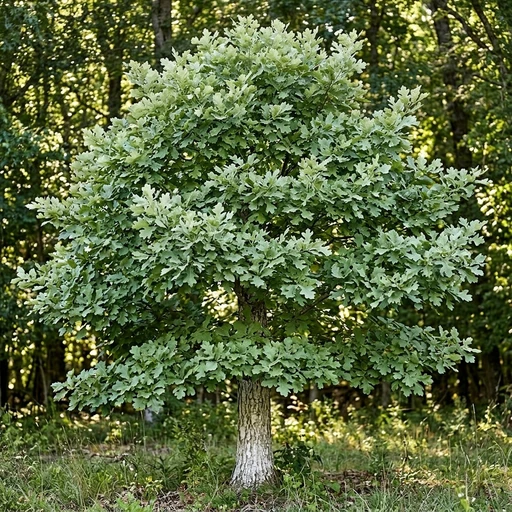
White Oak
Quercus alba
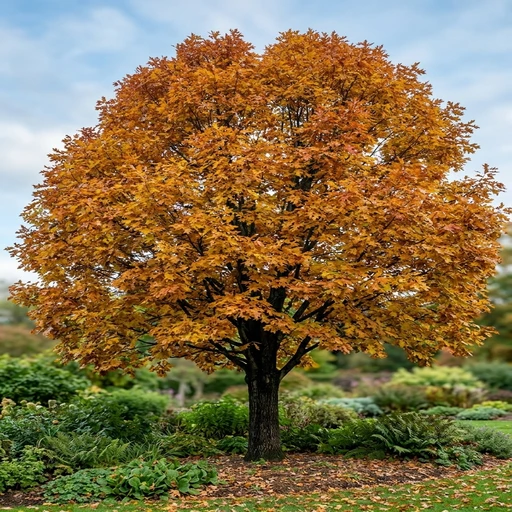
Black Oak
Quercus velutina
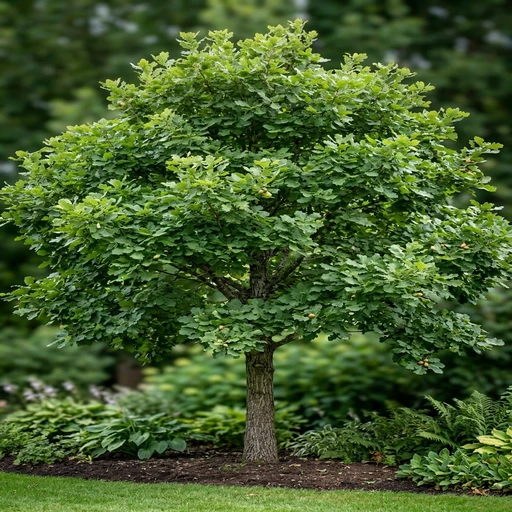
English Oak
Quercus robur
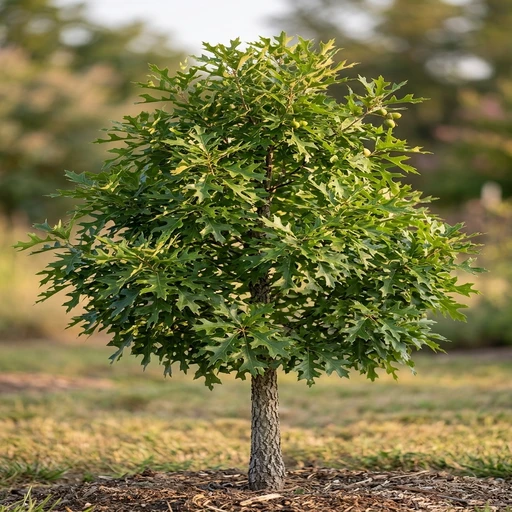
Nuttall Oak
Quercus texana
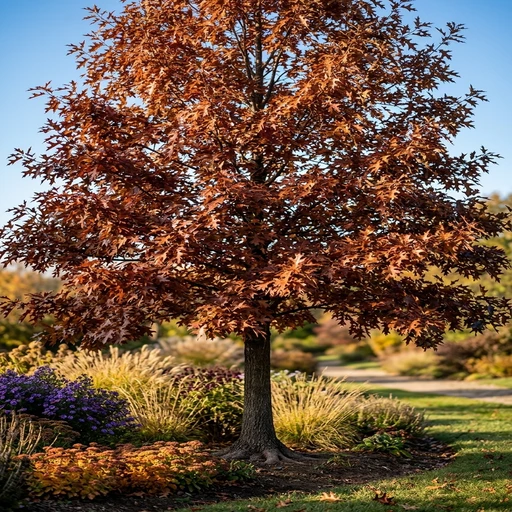
Pin Oak
Quercus palustris
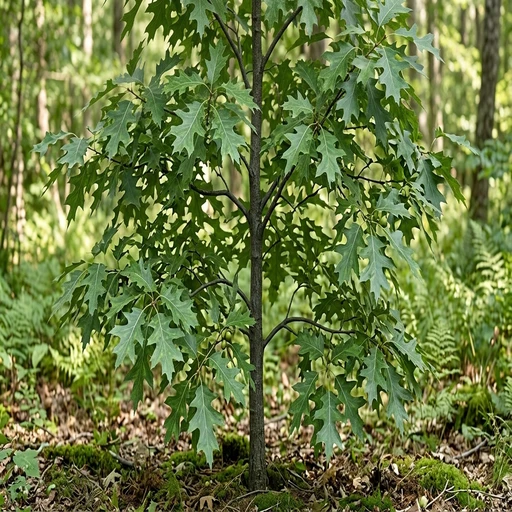
Scarlet Oak
Quercus coccinea
Keep exploring
Explore the genus
Hardy in your zone?
Grow Skinny Genes Oak with confidence
See it in a design of your actual yard, get zone-matched care reminders, and track it season by season in your garden journal.