Also known as Buckthorn · 138 saves
Rhamnus
Rhamnus, the genus most gardeners know as buckthorn. We track 6 varieties; the ones most used by real gardeners.
The 6 most-saved Rhamnus varieties
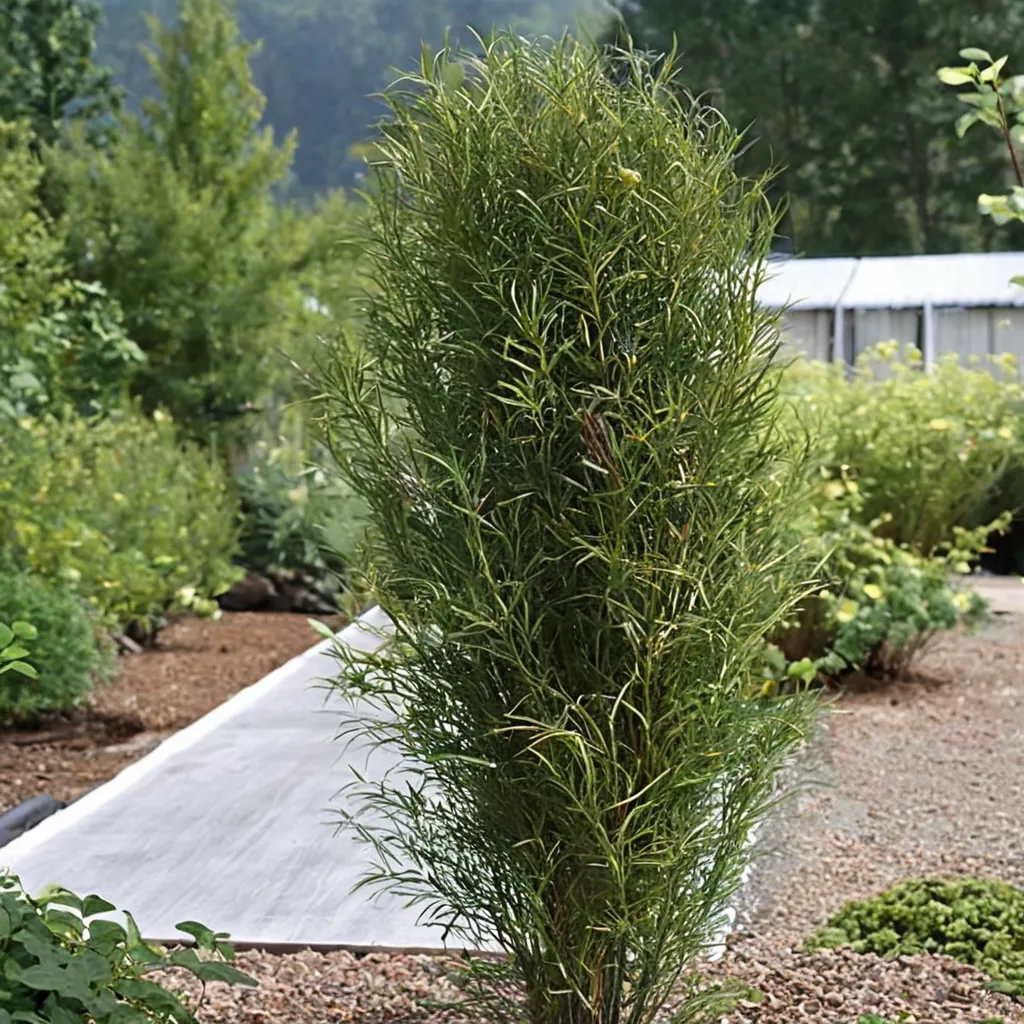
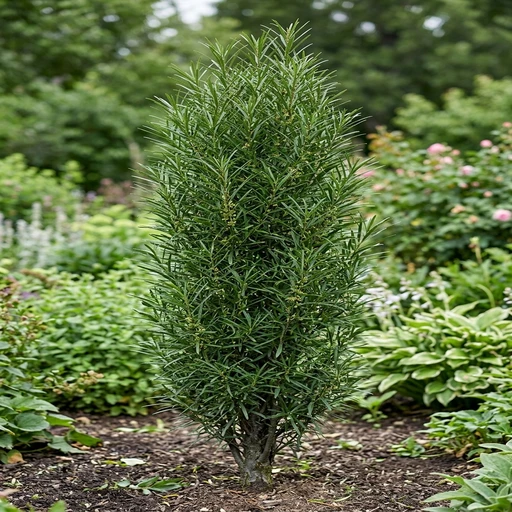
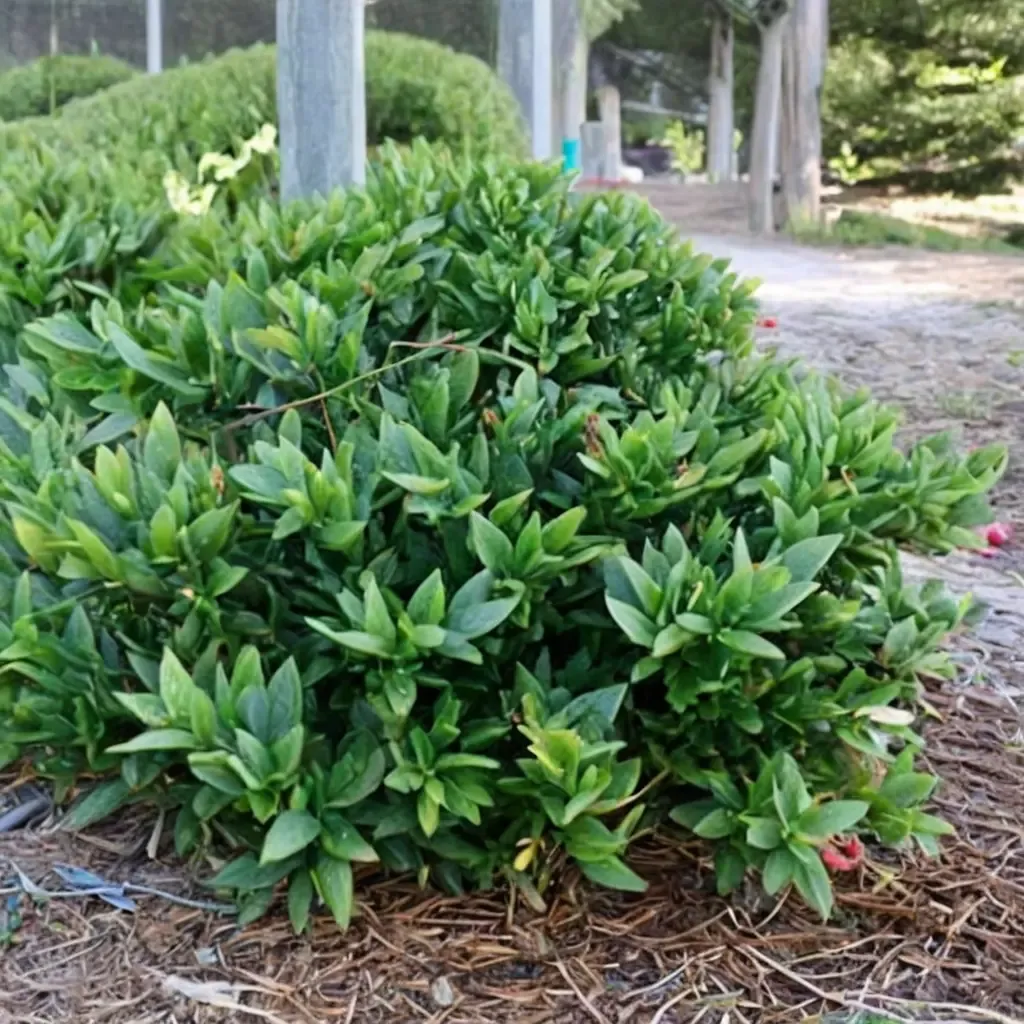
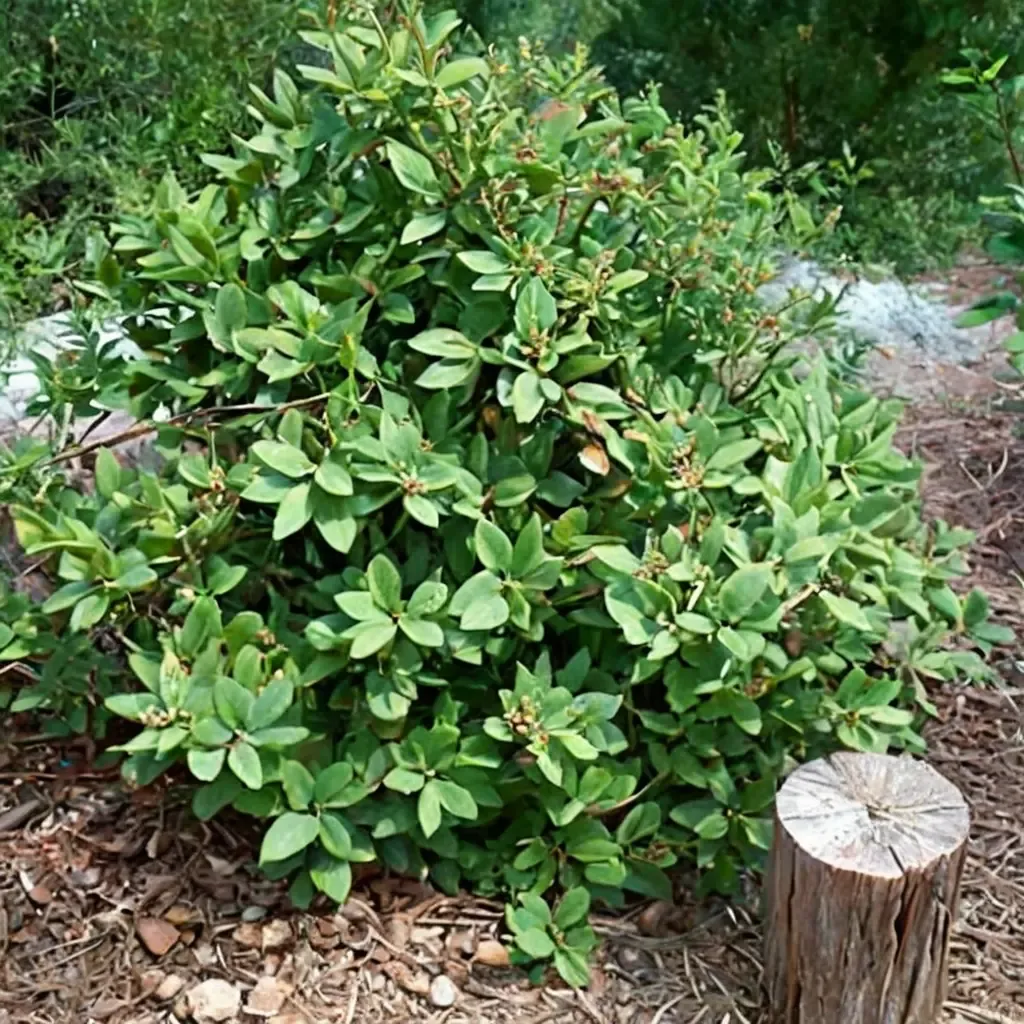
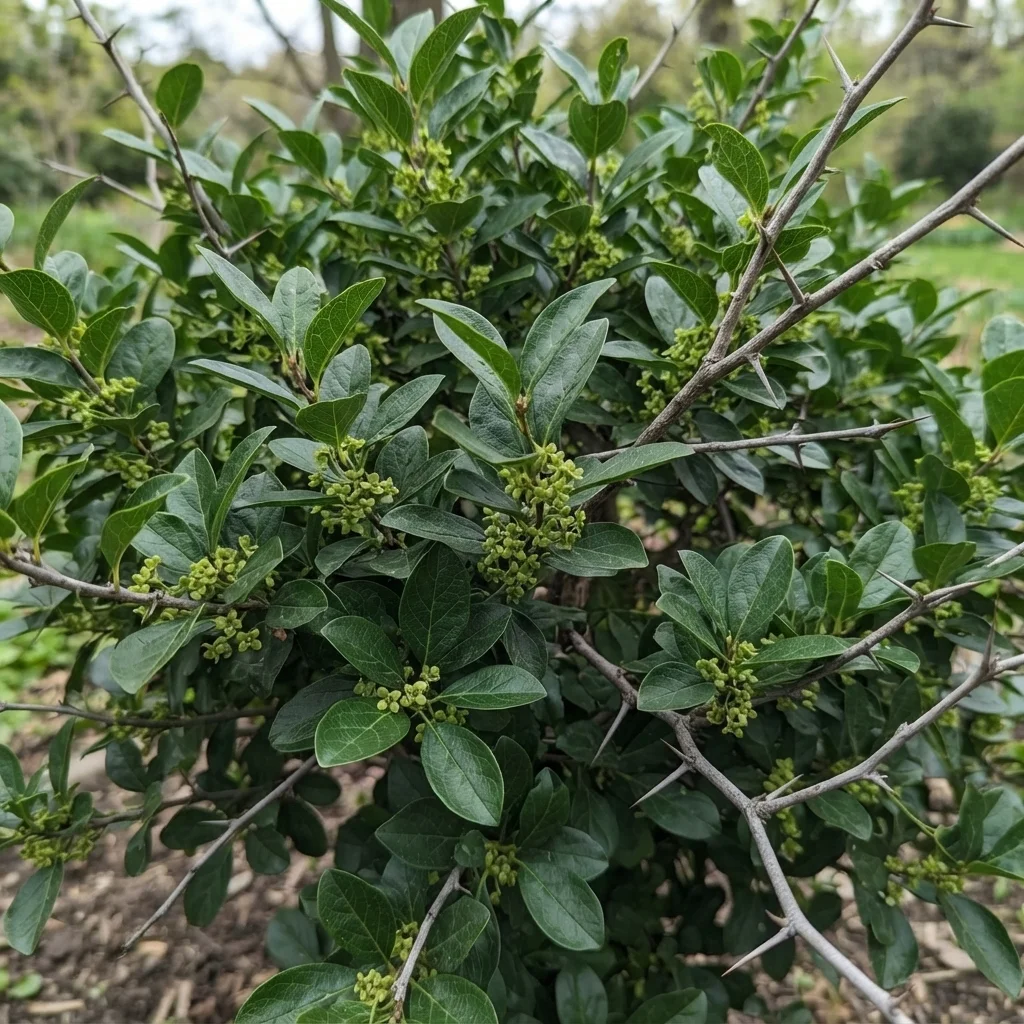
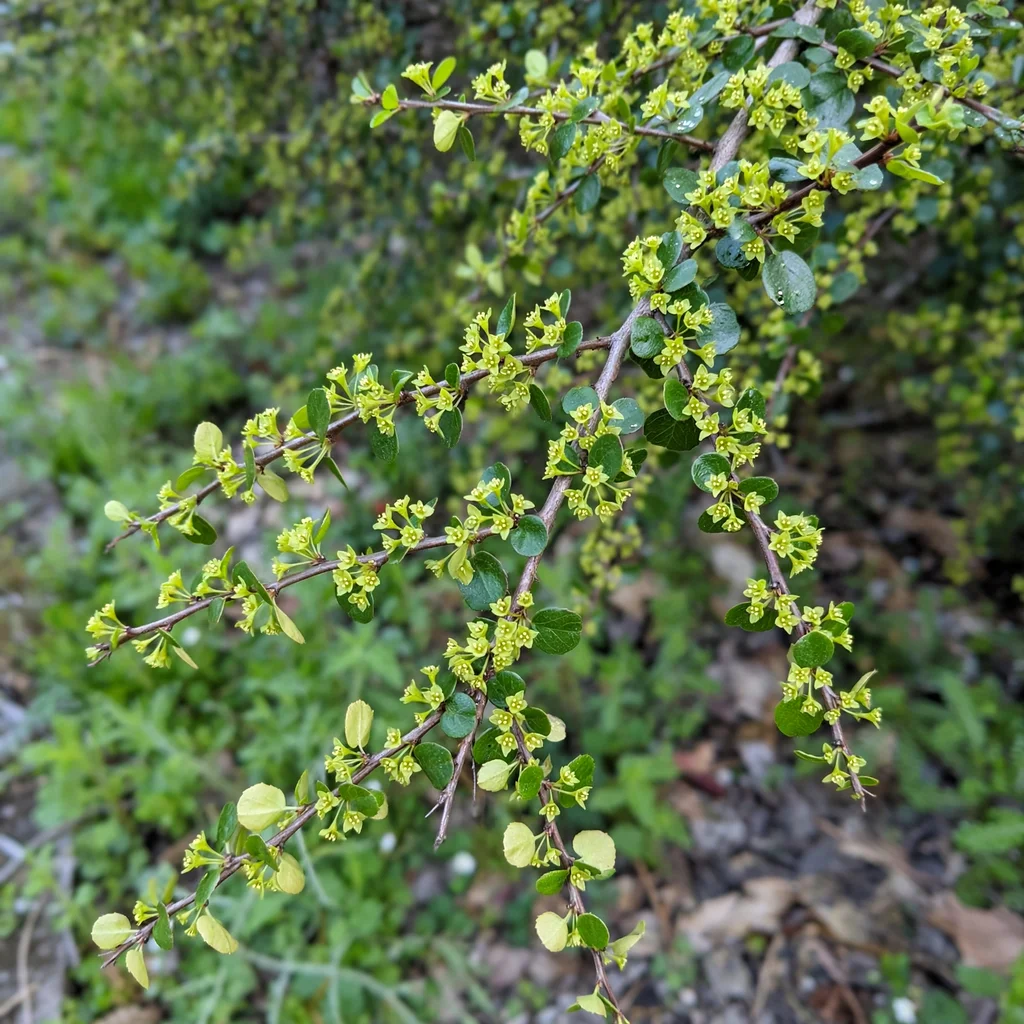
2 species of Rhamnus
Each one is a parent of the varieties above.
Track your Rhamnus in Sow
Save the Rhamnus you grow and get care reminders timed to your zone.
How to grow Rhamnus
Whats common across all Rhamnus varieties in our catalog — drawn from the care records of the 6 most-grown of them.
The Rhamnus year
- PruneFebruary and March100% of varieties
Requires minimal pruning; remove any dead or damaged branches in late winter.
- PlantOctober–December50% of varieties
Plant in fall to establish roots over the winter.
- PropagateJuly and August50% of varieties
Collect semi-hardwood cuttings from firm summer shoots.
- MulchMay33% of varieties
Apply a layer of mulch in spring to retain soil moisture.
- Check for PestsMay and June33% of varieties
Check foliage for scale, aphids, and spider mites in warmer months.


Do
- Water consistently during dry spells 🌱
- Prune to maintain desired shape
- Mulch to retain moisture
- Water deeply during dry spells to establish roots 🌱
- Prune in late winter to maintain shape and remove dead wood
Avoid
- Avoid overwatering to prevent root rot ❌
- Don’t fertilize late in the season
- Never ignore pest signs
- Do not prune in late summer or fall to prevent stress
What goes wrong with Rhamnus
| Problem | What you'll see | What to do |
|---|---|---|
| Aphids | Sticky residue on leaves, distorted growth | Use insecticidal soap or neem oil |
| Scale insects | Bumps on stems and leaves | Apply horticultural oil during dormant season |
| Spider mites | Stippled, dusty leaves under dry conditions. | Apply horticultural oil spray or rinse leaf undersides with water. |
| Soybean aphid | Insects clustering on leaf undersides, causing leaf curling and secreting sticky honeydew. | Apply insecticidal soap or encourage natural predators like ladybugs. |
| Root rot | Wilting, yellowing leaves | Improve drainage and reduce watering |
| Powdery mildew | White powdery patches on leaves during damp or humid conditions. | Improve air circulation around stems and apply elemental sulfur if severe. |
| Leaf spot | Dark spots on foliage | Remove affected leaves and improve air circulation |
Making more Rhamnus
Cuttings
- Take semi-hardwood cuttings in late summer
- Dip in rooting hormone
- Plant in moist soil
- Keep soil moist for 6 weeks until roots develop
Seed
- Clean ripe red berries in late summer to extract clean seeds.
- Scarify seed coats lightly with sandpaper or hot water soak.
- Cold stratify seeds at 39°F (4°C) for 60 to 90 days.
- Sow prepared seed into gritty seed mix and maintain light moisture until spring germination.
Rhamnus questions
How many types of Rhamnus are there?
The Sow catalog tracks 6 distinct Rhamnus varieties. The most popular — ranked by 138 real gardeners — are shown first above.
What zones does Rhamnus grow in?
Across its varieties, Rhamnus covers USDA Zones 4–10. Individual varieties differ — each plant page lists its exact range, and Sow filters the catalog to your zone automatically.
When does Rhamnus bloom?
Most Rhamnus varieties bloom from early spring to early summer.
Which Rhamnus should I choose?
Start from the most-saved varieties above — popularity across thousands of gardens is a strong signal of reliability — then filter by your zone and sun. In the Sow app you can preview any of them in a photo of your actual yard before you buy.