Also known as Rhubarb · 85 saves
Rheum
Rheum, the genus most gardeners know as rhubarb. We track 4 varieties; the ones most used by real gardeners.
The 4 most-saved Rheum varieties
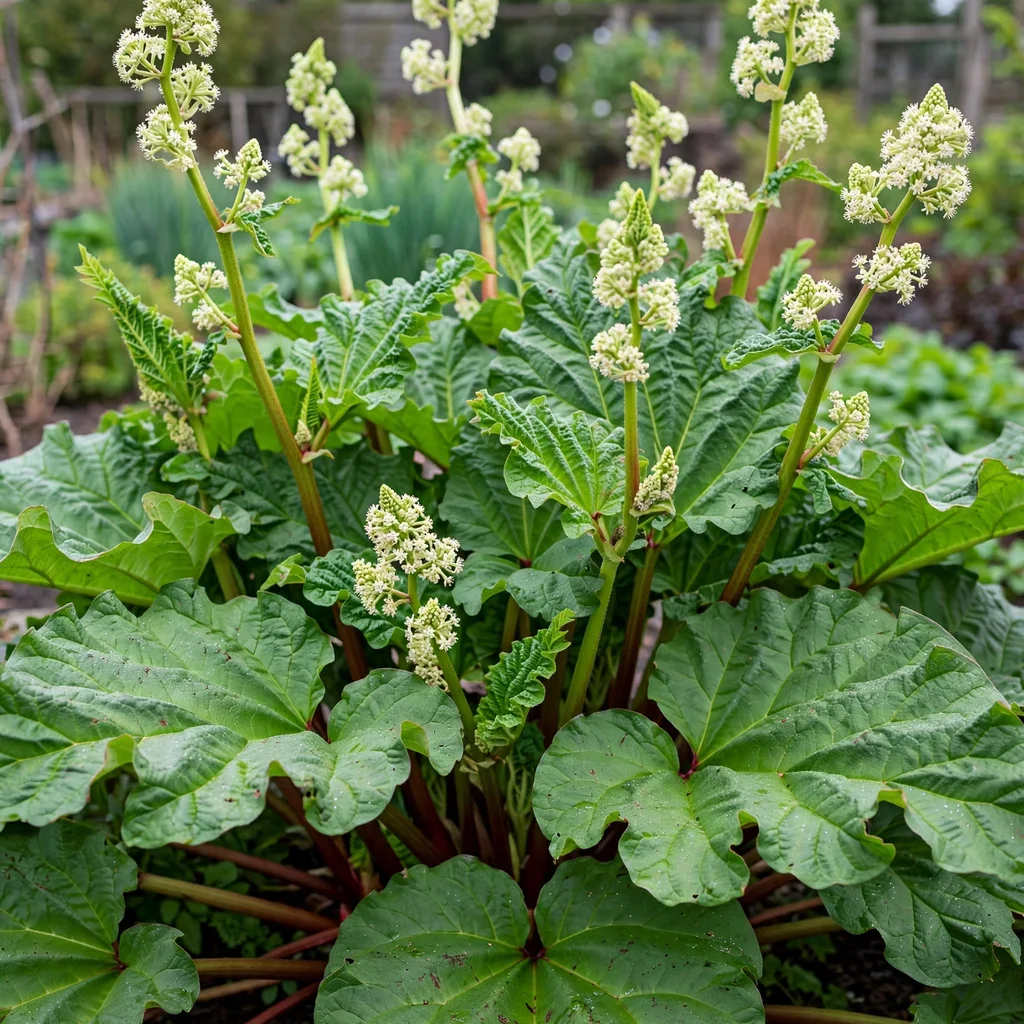
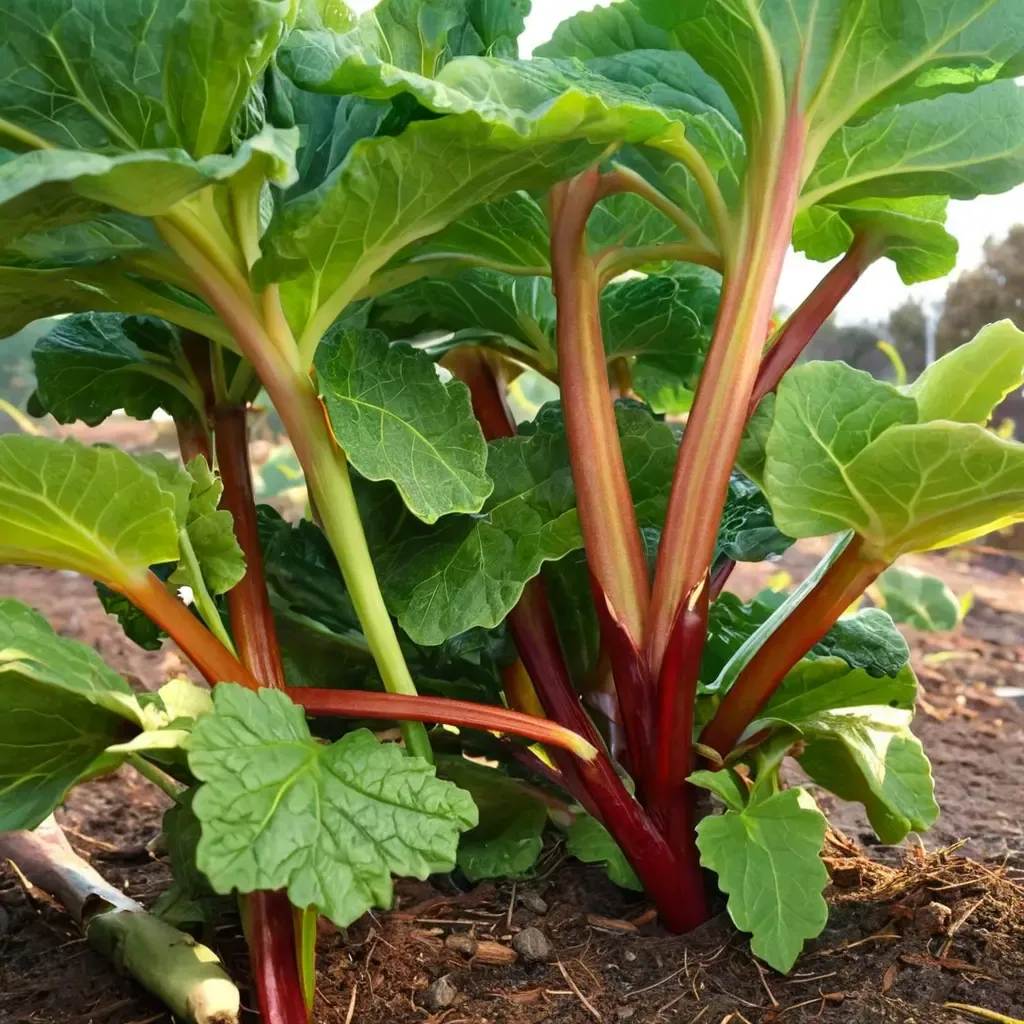
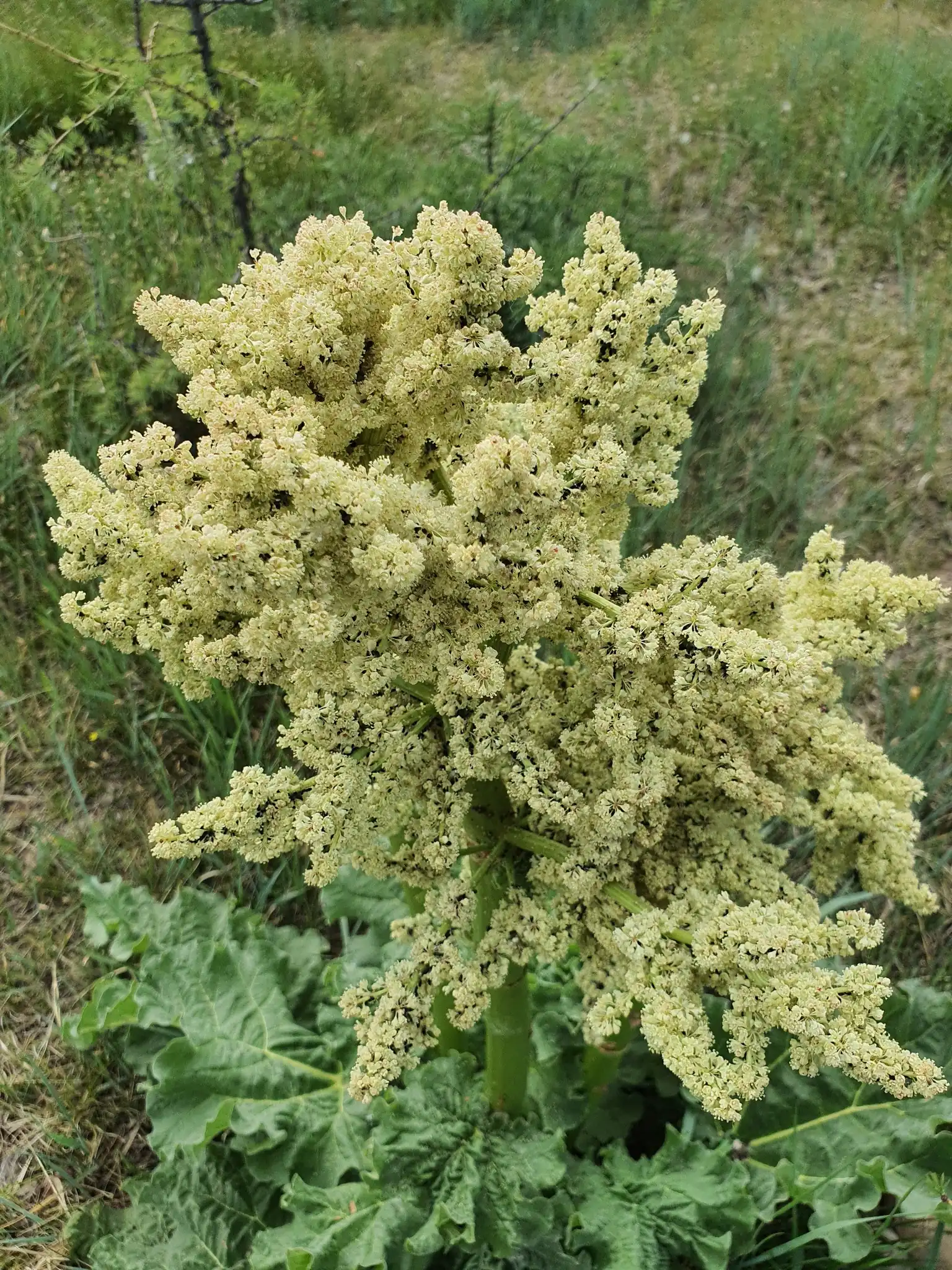
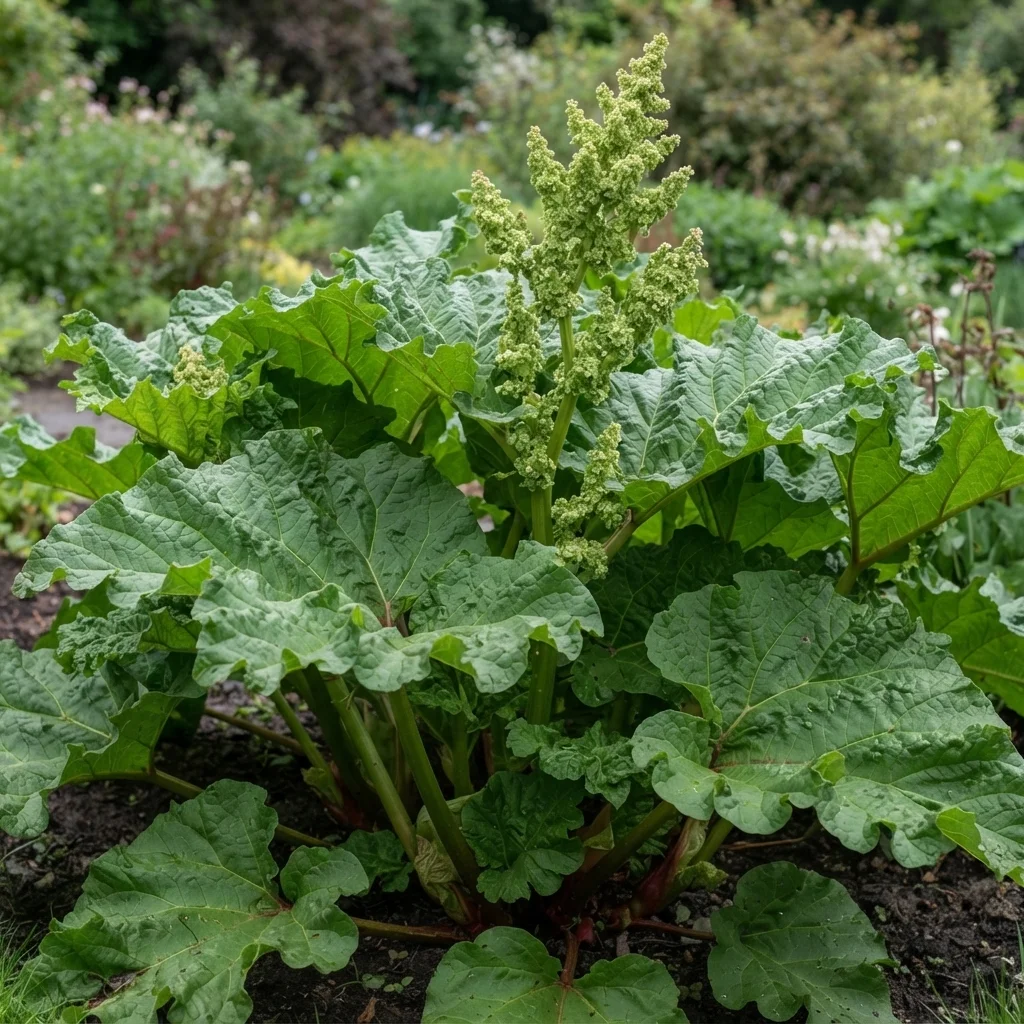
2 species of Rheum
Each one is a parent of the varieties above.
Track your Rheum in Sow
Save the Rheum you grow and get care reminders timed to your zone.
How to grow Rheum
Whats common across all Rheum varieties in our catalog — drawn from the care records of the 4 most-grown of them.
The Rheum year
- DivideMarch and October75% of varieties
Divide crowded crowns every 5-10 years
- HarvestApril–July75% of varieties
Pull stalks when 12-18 inches long; stop harvesting by mid-summer
- FertilizeMarch and April75% of varieties
Apply compost or balanced fertilizer as new growth emerges
- MulchApril50% of varieties
Apply thick layer of mulch to retain moisture
- PlantMarch and October50% of varieties
Plant crowns in early spring or early fall
- Spring CleanupMarch50% of varieties
Remove old foliage and debris from around the crown
- PruneMay and June50% of varieties
Cut flower stalks immediately to direct energy to leaf and stalk production


Do
- Water consistently to keep soil moist but not waterlogged 🌱
- Apply organic compost annually to boost soil fertility
- Prune back old or damaged leaves to encourage new growth
- Mulch to conserve moisture and regulate soil temperature
- Water regularly to keep soil moist but not soggy 💧
Avoid
- Avoid overwatering to prevent root rot ❌
- Do not fertilize late in the season to prevent weak growth
- Avoid disturbing the roots excessively during transplanting
- Refrain from harvesting too early to allow proper plant establishment
What goes wrong with Rheum
| Problem | What you'll see | What to do |
|---|---|---|
| Aphids | Sticky honeydew on leaves, distorted growth | Apply neem oil or insecticidal soap |
| Slugs and snails | Holes chewed through emerging spring foliage and damage at the base of young stalks | Clear damp debris around the crown and set traps or barriers as growth begins |
| Rhubarb curculio | Punctured stalks with oozing sap and dark scars. | Hand-pick the beetles and remove nearby wild dock weeds where they breed. |
| Stalk borers | Tunnels inside the stems leading to sudden stem collapse. | Clear away surrounding grassy weeds in fall to destroy overwintering eggs. |
| Downy mildew | Yellow patches on upper leaf surfaces, fuzzy gray mold underneath | Ensure good air circulation and apply organic fungicide |
| Crown rot | Stalks collapse and the crown goes soft and brown at soil level, in wet or poorly drained ground | Plant in freely drained soil on a slight mound; remove affected crowns, as there is no cure |
| Crown and root rot | Wilting foliage and mushy, dark decay at the base of the root crown. | Ensure excellent soil drainage, plant in raised beds, and destroy infected plants immediately. |
Making more Rheum
Division
- Dig up mature plants in early spring or fall.
- Carefully separate the root crowns into smaller sections, each with buds and roots.
- Replant divisions immediately at the same depth, water thoroughly.
- Allow 4-6 weeks for establishment.
Seeds
- Sow seeds indoors 8-10 weeks before last frost.
- Press seeds into moist soil and cover lightly.
- Maintain temperature at 65-75°F and keep soil moist.
- Transplant seedlings outdoors after danger of frost passes, about 2-3 years for maturity.
Rheum questions
How many types of Rheum are there?
The Sow catalog tracks 4 distinct Rheum varieties. The most popular — ranked by 85 real gardeners — are shown first above.
What zones does Rheum grow in?
Across its varieties, Rheum covers USDA Zones 4–8. Individual varieties differ — each plant page lists its exact range, and Sow filters the catalog to your zone automatically.
When does Rheum bloom?
Most Rheum varieties bloom in late spring. Staggering early, mid, and late varieties extends the genus's season in one bed.
Which Rheum should I choose?
Start from the most-saved varieties above — popularity across thousands of gardens is a strong signal of reliability — then filter by your zone and sun. In the Sow app you can preview any of them in a photo of your actual yard before you buy.