Also known as Snowberry · 240 saves
Symphoricarpos
Symphoricarpos, the genus most gardeners know as snowberry. We track 6 varieties; the ones most used by real gardeners.
The 5 most-saved Symphoricarpos varieties
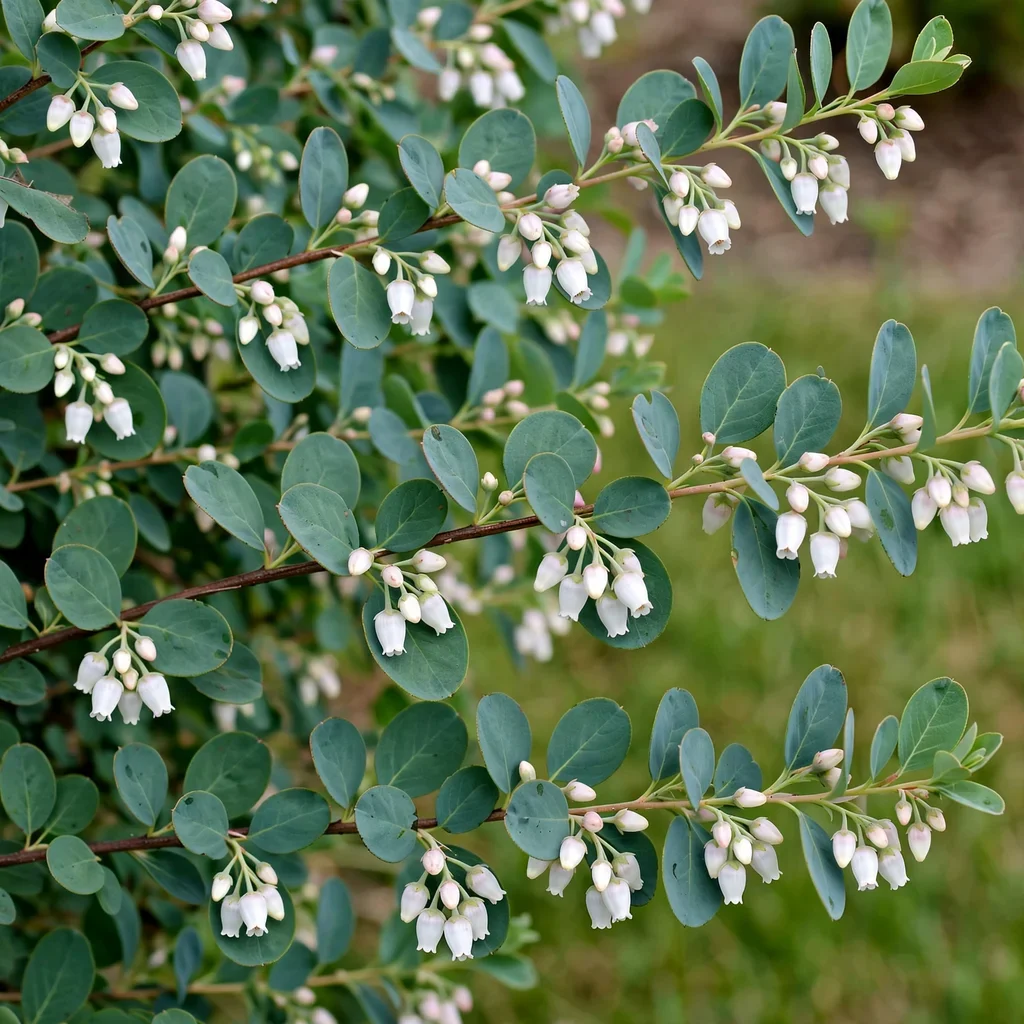
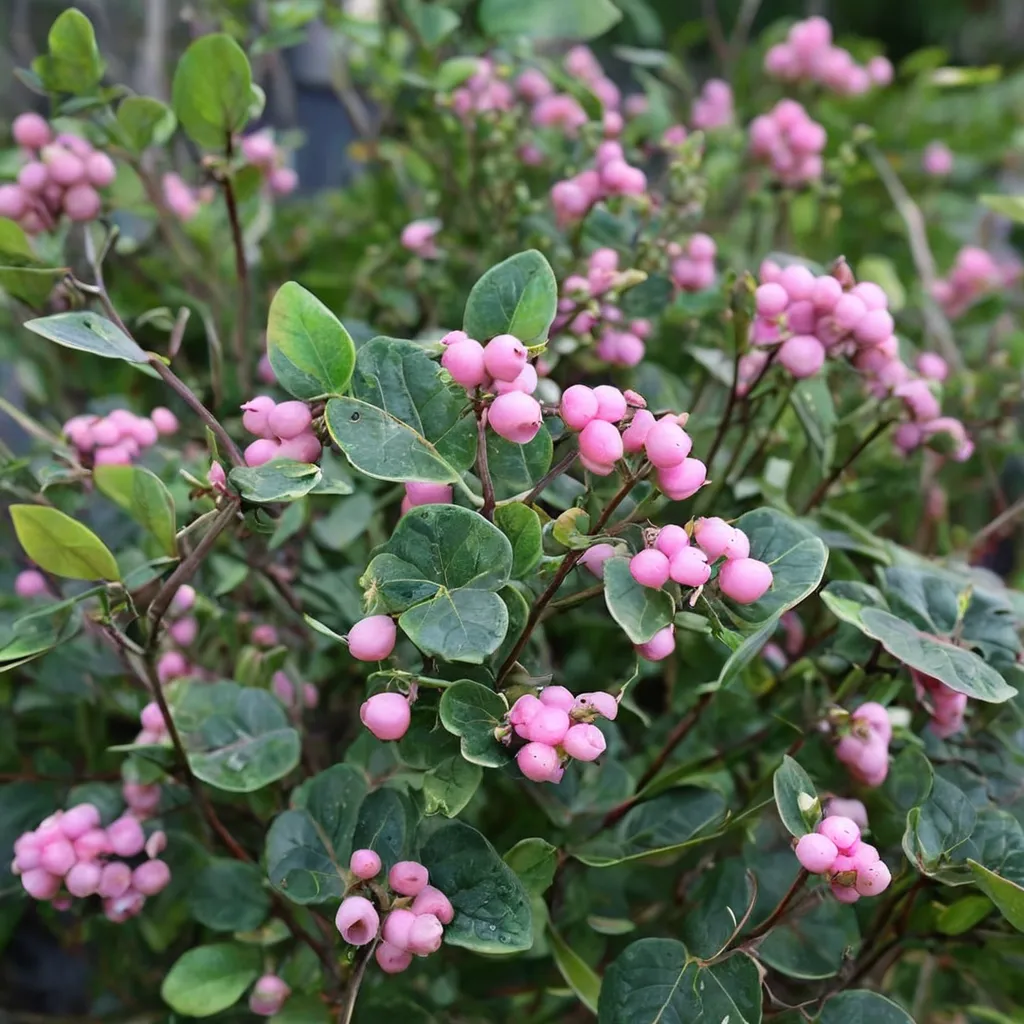
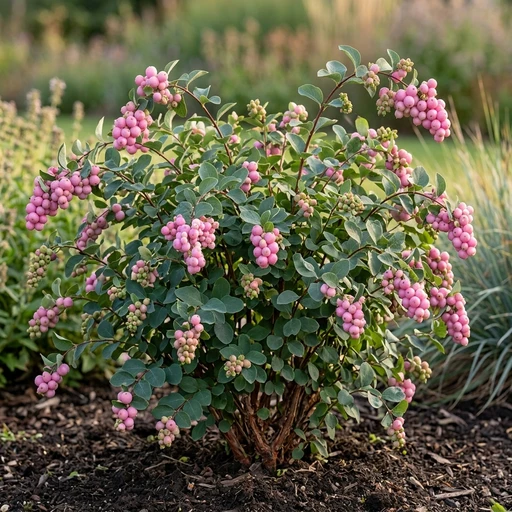
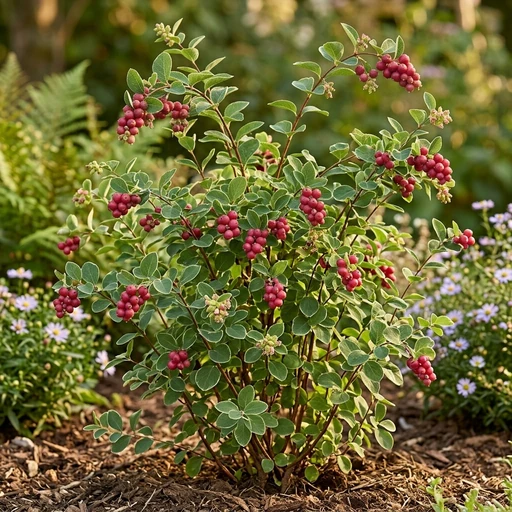
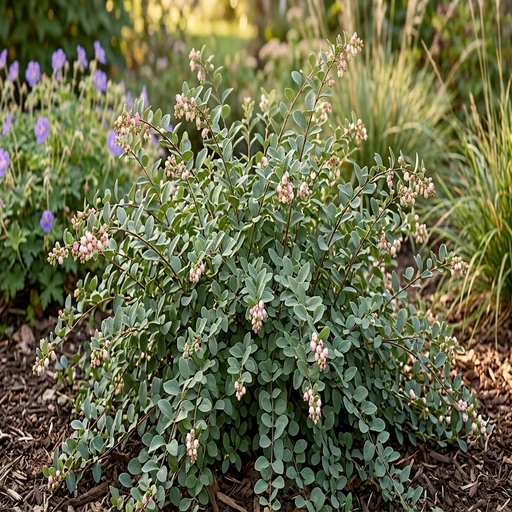
Browse all 6 Symphoricarpos varieties →
2 species of Symphoricarpos
Each one is a parent of the varieties above.
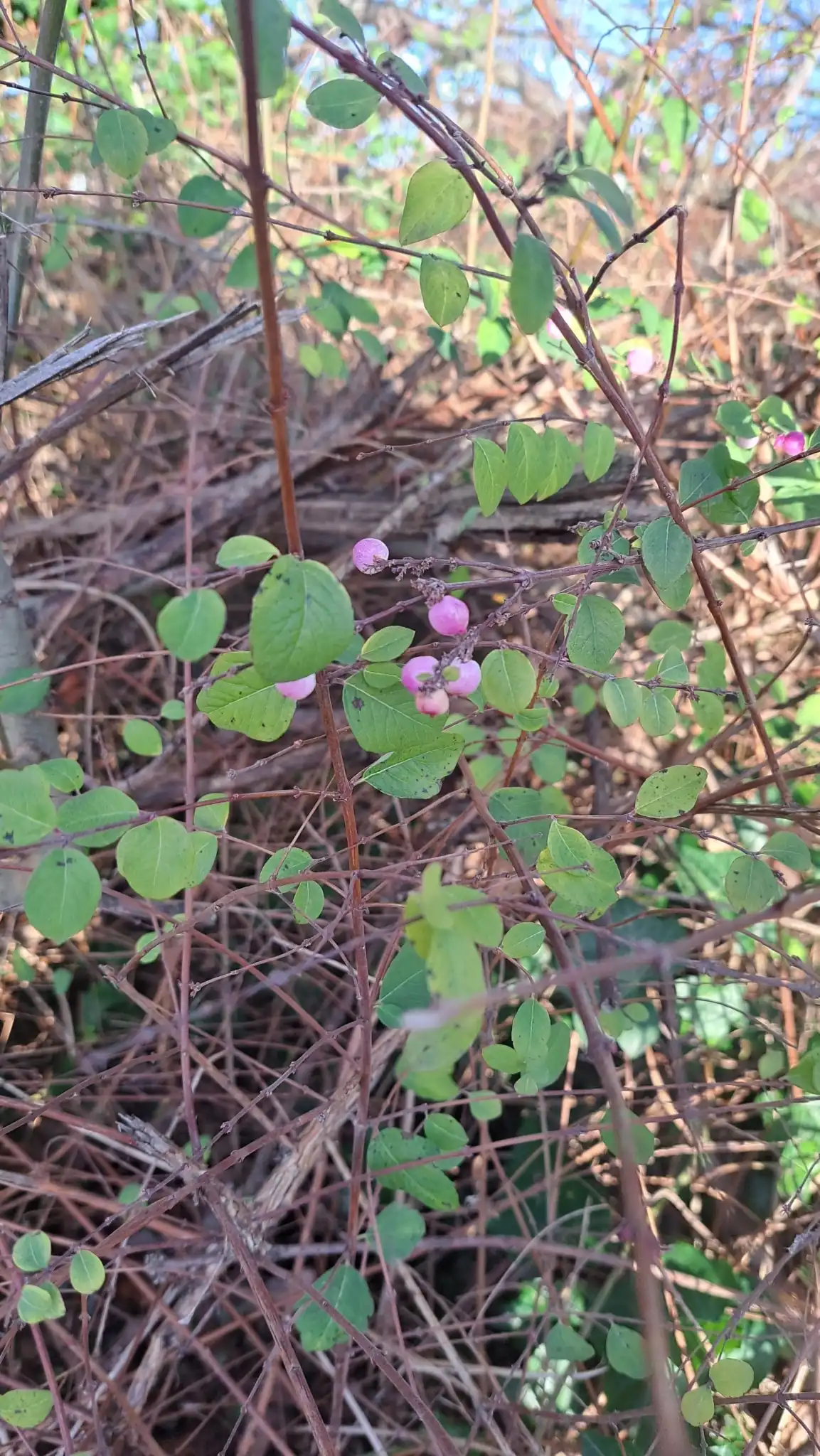
Track your Symphoricarpos in Sow
Save the Symphoricarpos you grow and get care reminders timed to your zone.
How to grow Symphoricarpos
Whats common across all Symphoricarpos varieties in our catalog — drawn from the care records of the 6 most-grown of them.
The Symphoricarpos year
- PruneMarch and April100% of varieties
Prune heavily in late winter to encourage vigorous new stems for best berry display.
- PlantApril, May, October and November67% of varieties
Plant container stock in early spring or fall.


Do
- Water regularly during dry periods 🌱
- Prune after flowering to maintain shape
- Apply mulch to retain soil moisture
- Plant in sun for the best berry set ☀️
- Use it on banks where suckering helps 🪨
Avoid
- Avoid overwatering to prevent root rot ❌
- Don’t prune in late fall or winter
- Avoid heavy fertilization in late season
- Plant it in deep shade and expect fruit ❌
What goes wrong with Symphoricarpos
| Problem | What you'll see | What to do |
|---|---|---|
| Aphids | Sticky residue on leaves | Use insecticidal soap or neem oil |
| Scale | Immobile bumps along the stems | Prune out heavily infested stems in late winter |
| Spider Mites | Fine webbing and speckled leaves | Spray with insecticidal soap or neem oil |
| Powdery Mildew | White powdery coating on leaves in humid weather. | Ensure good air circulation. This variety has good resistance. Fungicides are rarely necessary. |
| Powdery mildew | White powder on leaves | Apply fungicide and improve air circulation |
| Anthracnose | Can cause leaf spots and berry rot in very wet seasons. | Rake up and dispose of fallen leaves and debris. Improve air circulation. Generally not severe enough to warrant chemical treatment. |
Making more Symphoricarpos
Cuttings
- Take 4-6 inch semi-hardwood cuttings in late summer
- Dip in rooting hormone
- Insert into moist soil or perlite
- Keep in warm, bright location
- Roots develop in 6-8 weeks
Hardwood Cuttings
- Take 8-12 inch cuttings from dormant, one-year-old wood in late fall.
- Make a straight cut at the bottom and an angled cut at the top.
- Dip the bottom end in rooting hormone.
- Insert cuttings two-thirds of their length into a prepared outdoor bed.
- Roots will form by the following fall.
Symphoricarpos questions
How many types of Symphoricarpos are there?
The Sow catalog tracks 6 distinct Symphoricarpos varieties. The most popular — ranked by 240 real gardeners — are shown first above.
What zones does Symphoricarpos grow in?
Across its varieties, Symphoricarpos covers USDA Zones 4–8. Individual varieties differ — each plant page lists its exact range, and Sow filters the catalog to your zone automatically.
When does Symphoricarpos bloom?
Most Symphoricarpos varieties bloom in late summer, mid-summer. Staggering early, mid, and late varieties extends the genus's season in one bed.
Which Symphoricarpos should I choose?
Start from the most-saved varieties above — popularity across thousands of gardens is a strong signal of reliability — then filter by your zone and sun. In the Sow app you can preview any of them in a photo of your actual yard before you buy.