Also known as Comfrey · 227 saves
Symphytum
Symphytum, the genus most gardeners know as comfrey. We track 7 varieties; the ones most used by real gardeners.
The 7 most-saved Symphytum varieties
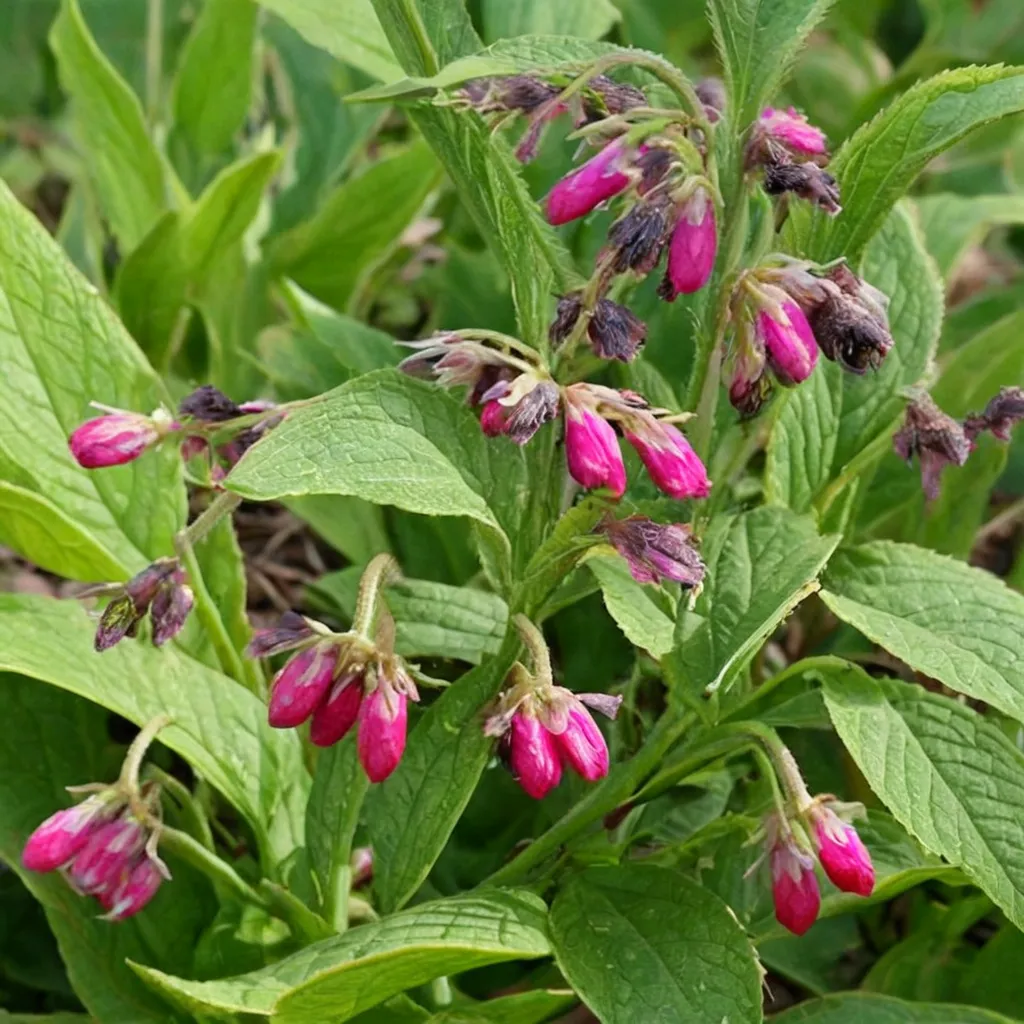
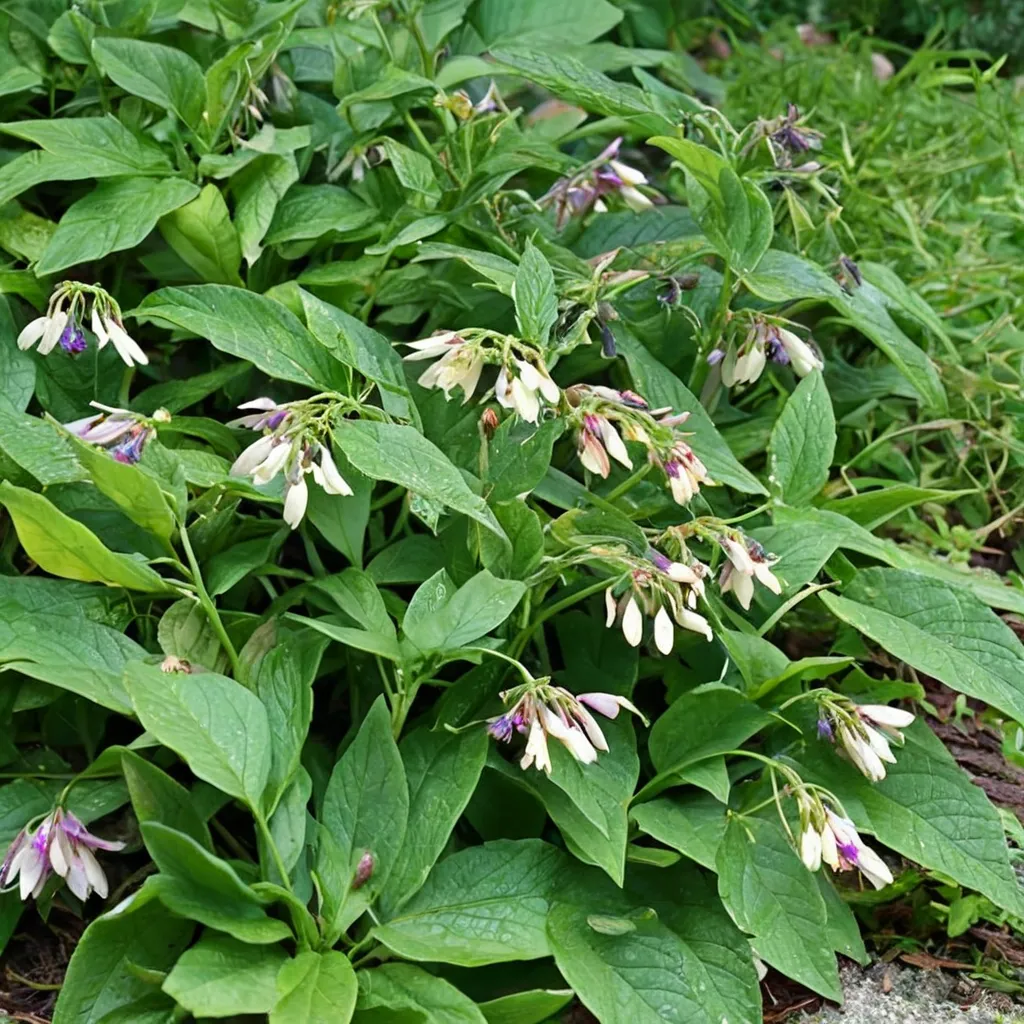
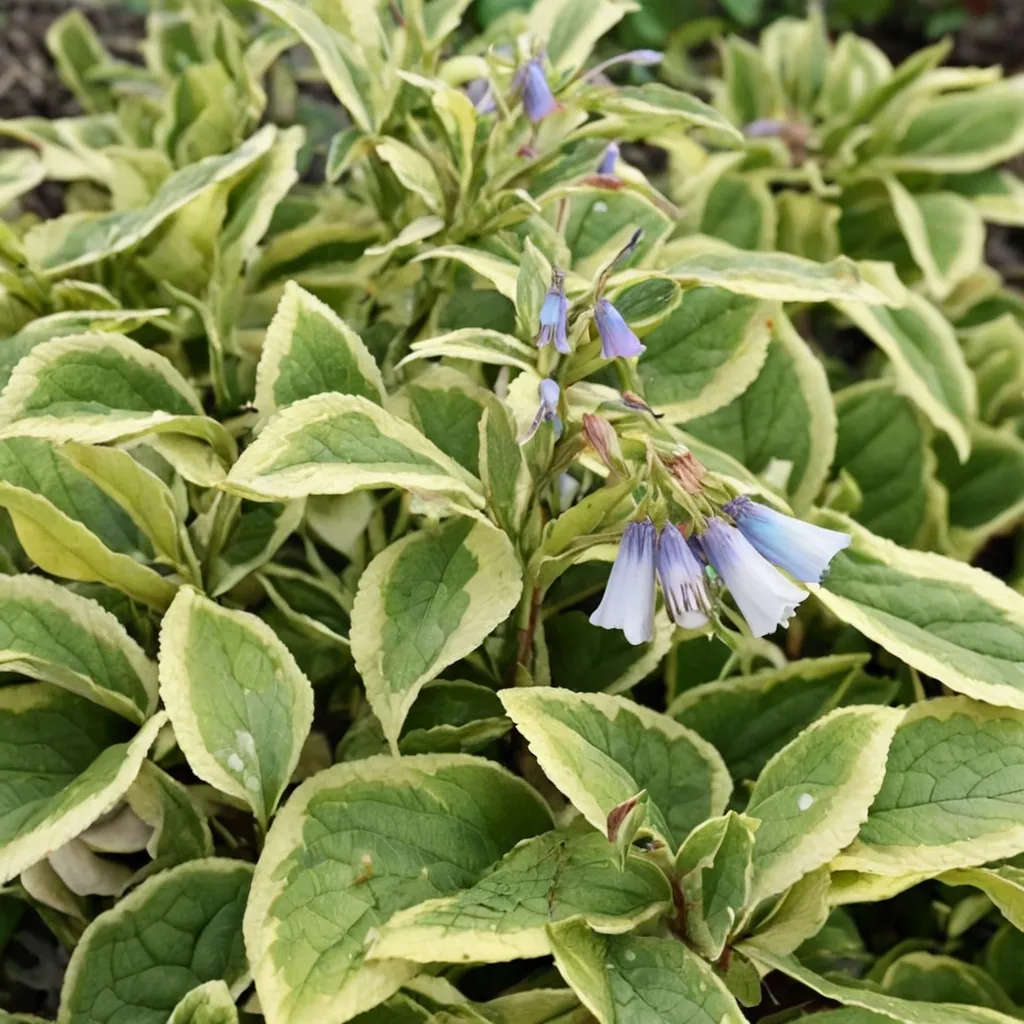
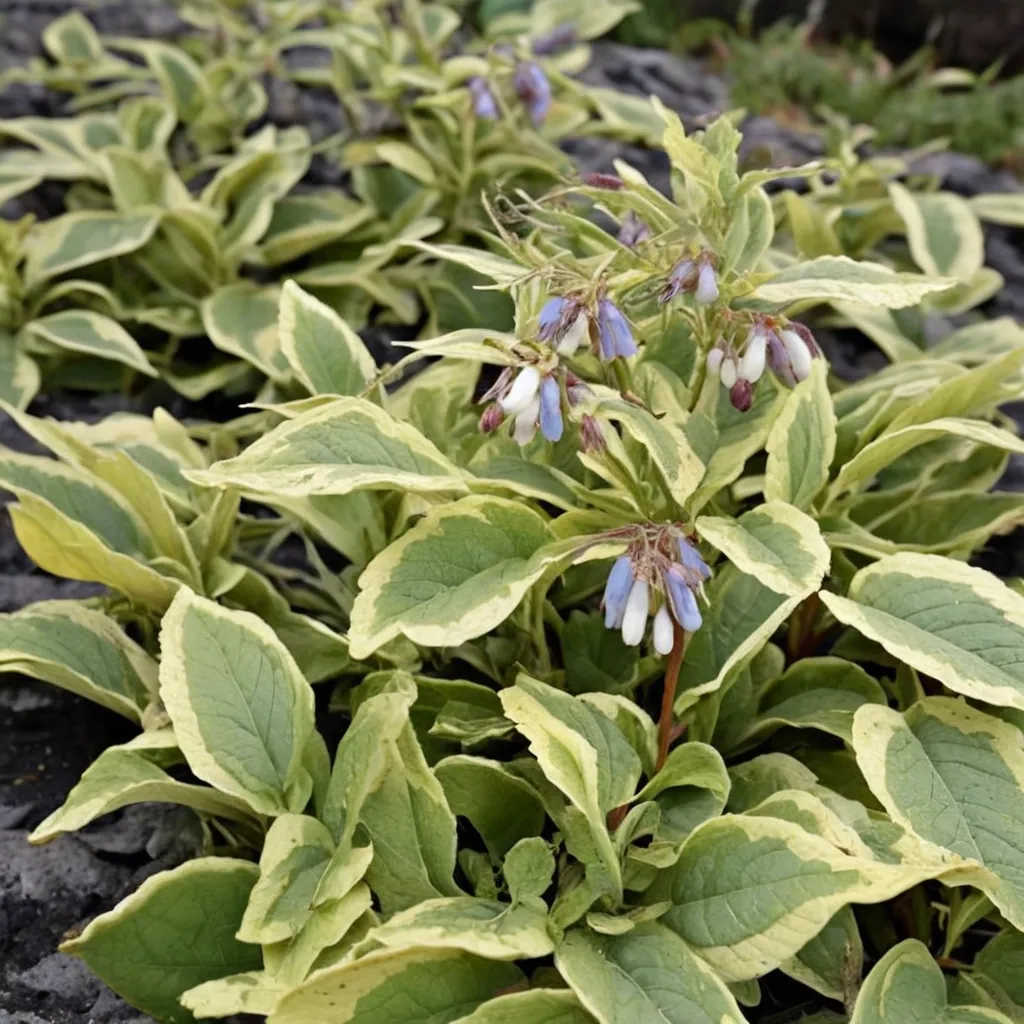
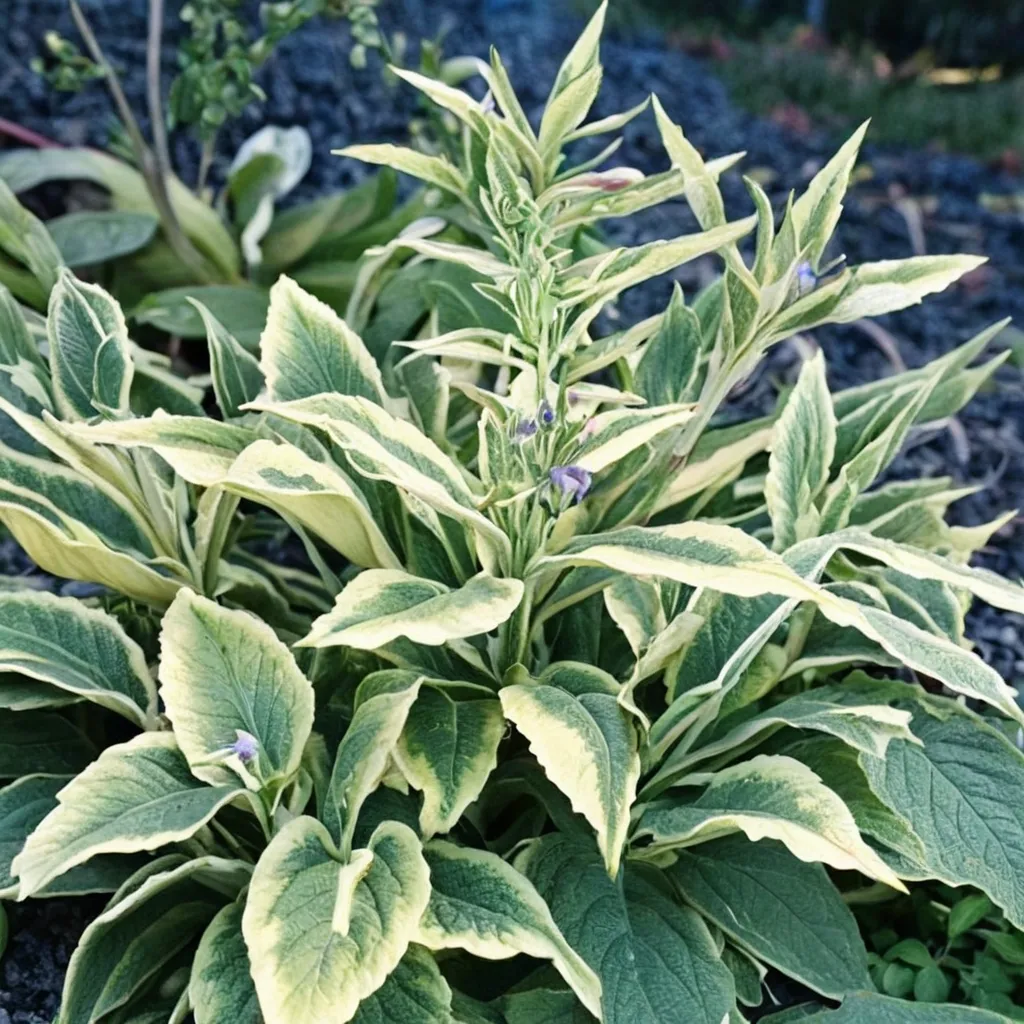
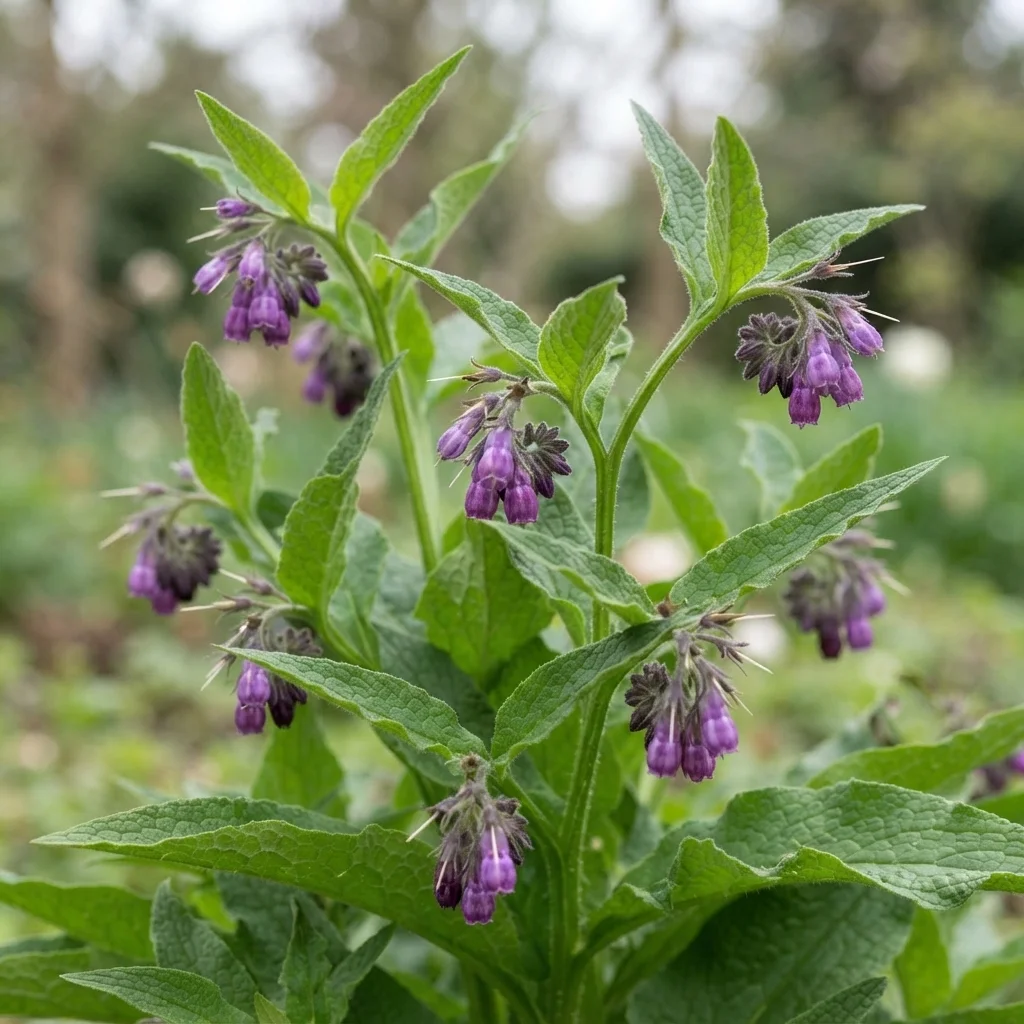
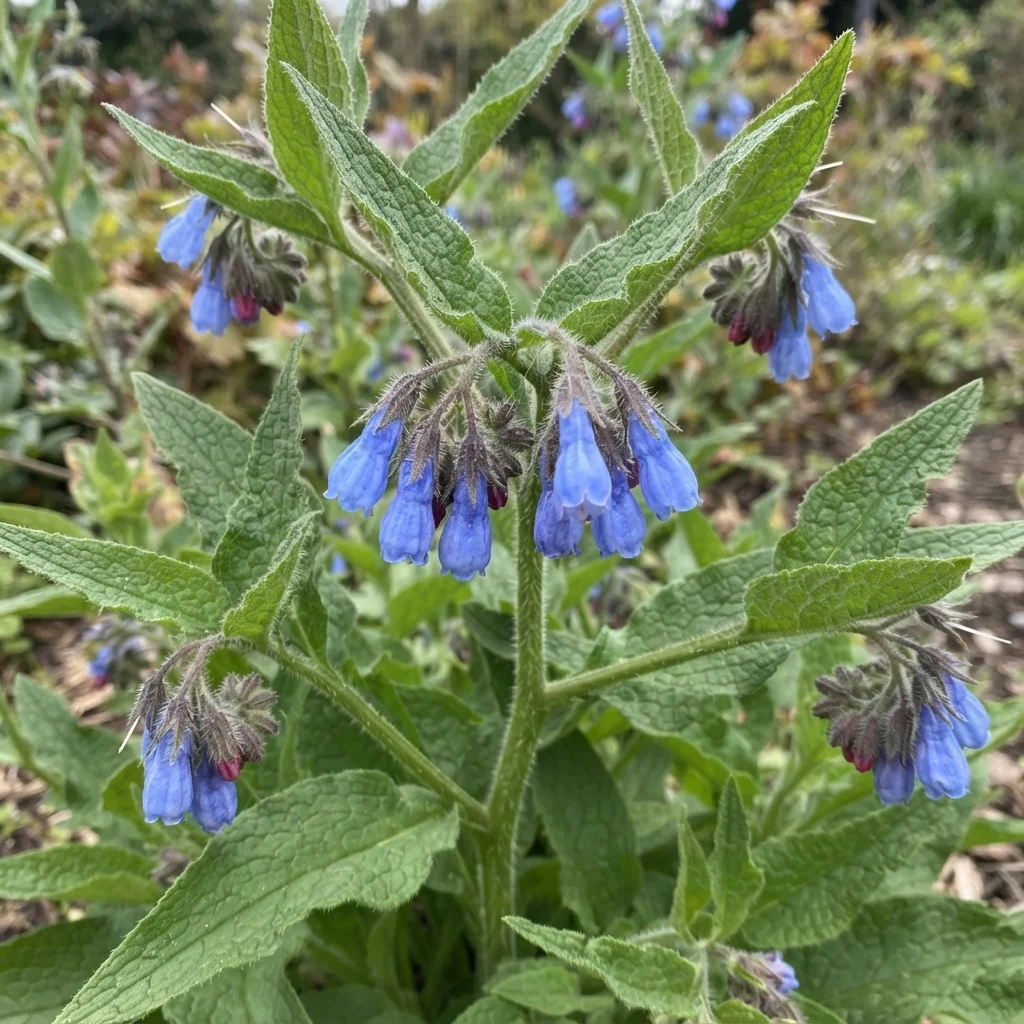
2 species of Symphytum
Each one is a parent of the varieties above.
Track your Symphytum in Sow
Save the Symphytum you grow and get care reminders timed to your zone.
How to grow Symphytum
Whats common across all Symphytum varieties in our catalog — drawn from the care records of the 7 most-grown of them.
The Symphytum year
- PruneJune and July71% of varieties
Cut back hard (the 'Chelsea chop') after first bloom to refresh foliage
- DivideApril and October71% of varieties
Divide every 3-4 years to manage vigorous spreading habit
- Spring CleanupMarch and April57% of varieties
Remove old, dead foliage before new growth emerges


Do
- Mulch to conserve moisture
- Water regularly during dry periods 🌱
- Water regularly during dry spells 🌱
- Prune after flowering to maintain shape
- Do cut foliage down to ground level two to three times per season to harvest leaves for mulch or liquid fertilizer.
Avoid
- Avoid overwatering to prevent root rot ❌
- Don't prune the woody crowns down into dead tissue during the winter months.
- Don't allow the soil to dry out completely, as severe drought causes the foliage to wither and drop.
- Don't plant comfrey unrestricted in small garden borders where its deep root system cannot be contained.
What goes wrong with Symphytum
| Problem | What you'll see | What to do |
|---|---|---|
| Aphids | Sticky residue and distorted leaves | Use insecticidal soap or neem oil |
| Slugs and snails | Chewed holes and feeding damage on the lower foliage. | Apply organic bait if populations surge, and clear away old basal debris to reduce shelter. |
| Aphids and flea beetles | Occasional minor feeding damage on new leaves. | Monitor plants regularly; minor damage rarely requires intervention on established, vigorous clumps. |
| Deer | Browsed foliage and torn stems on young spring growth. | Install physical fencing if browsing pressure is high, as the prickly mature leaves are less favored but still vulnerable. |
| Root rot | Wilting, yellowing foliage and decaying crowns. | Improve soil drainage and avoid planting in poorly drained, waterlogged soils. |
| Powdery mildew | White, powdery fungal growth on leaf surfaces, especially during dry soil conditions or high humidity. | Ensure good air circulation around the plants and avoid overhead watering. |
| Powdery Mildew | White powder on leaf surfaces | Ensure good air circulation and apply sulfur-based fungicide |
Making more Symphytum
Division
- Dig up mature plant in early spring or fall
- Divide root clump into sections with a sharp knife
- Plant divisions at same depth and water thoroughly
- Allow 6 weeks for roots to establish
Root cuttings
- Dig up a portion of the established root system in early spring or fall.
- Cut the fleshy taproot into segments measuring two to three inches long.
- Plant the cuttings horizontally or vertically in moist, fertile soil.
- Keep the soil consistently moist until new green shoots emerge.
Symphytum questions
How many types of Symphytum are there?
The Sow catalog tracks 7 distinct Symphytum varieties. The most popular — ranked by 227 real gardeners — are shown first above.
What zones does Symphytum grow in?
Across its varieties, Symphytum covers USDA Zones 4–9. Individual varieties differ — each plant page lists its exact range, and Sow filters the catalog to your zone automatically.
When does Symphytum bloom?
Most Symphytum varieties bloom in late spring, spring. Staggering early, mid, and late varieties extends the genus's season in one bed.
Which Symphytum should I choose?
Start from the most-saved varieties above — popularity across thousands of gardens is a strong signal of reliability — then filter by your zone and sun. In the Sow app you can preview any of them in a photo of your actual yard before you buy.