Also known as Hemlock · 101 saves
Tsuga
Tsuga, the genus most gardeners know as hemlock. We track 5 varieties; the ones most used by real gardeners.
The 5 most-saved Tsuga varieties
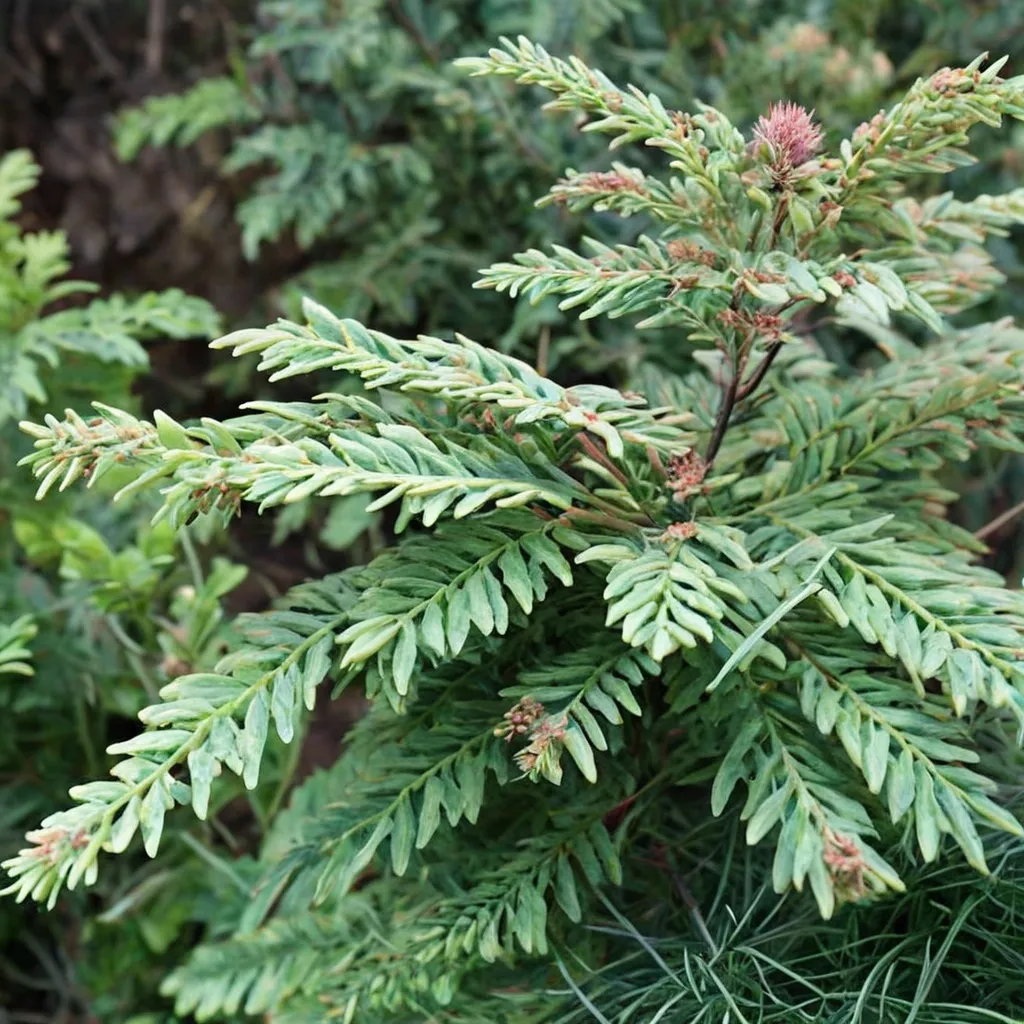
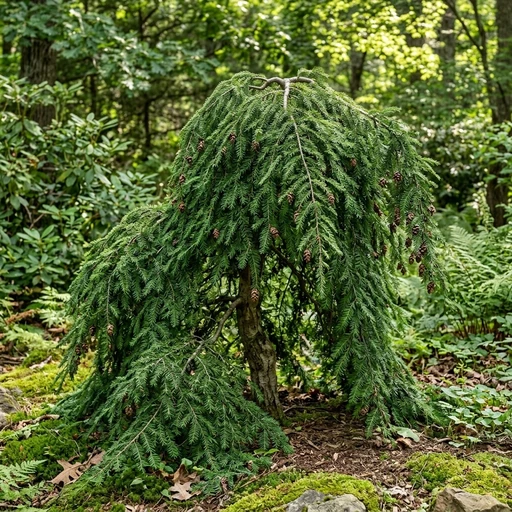

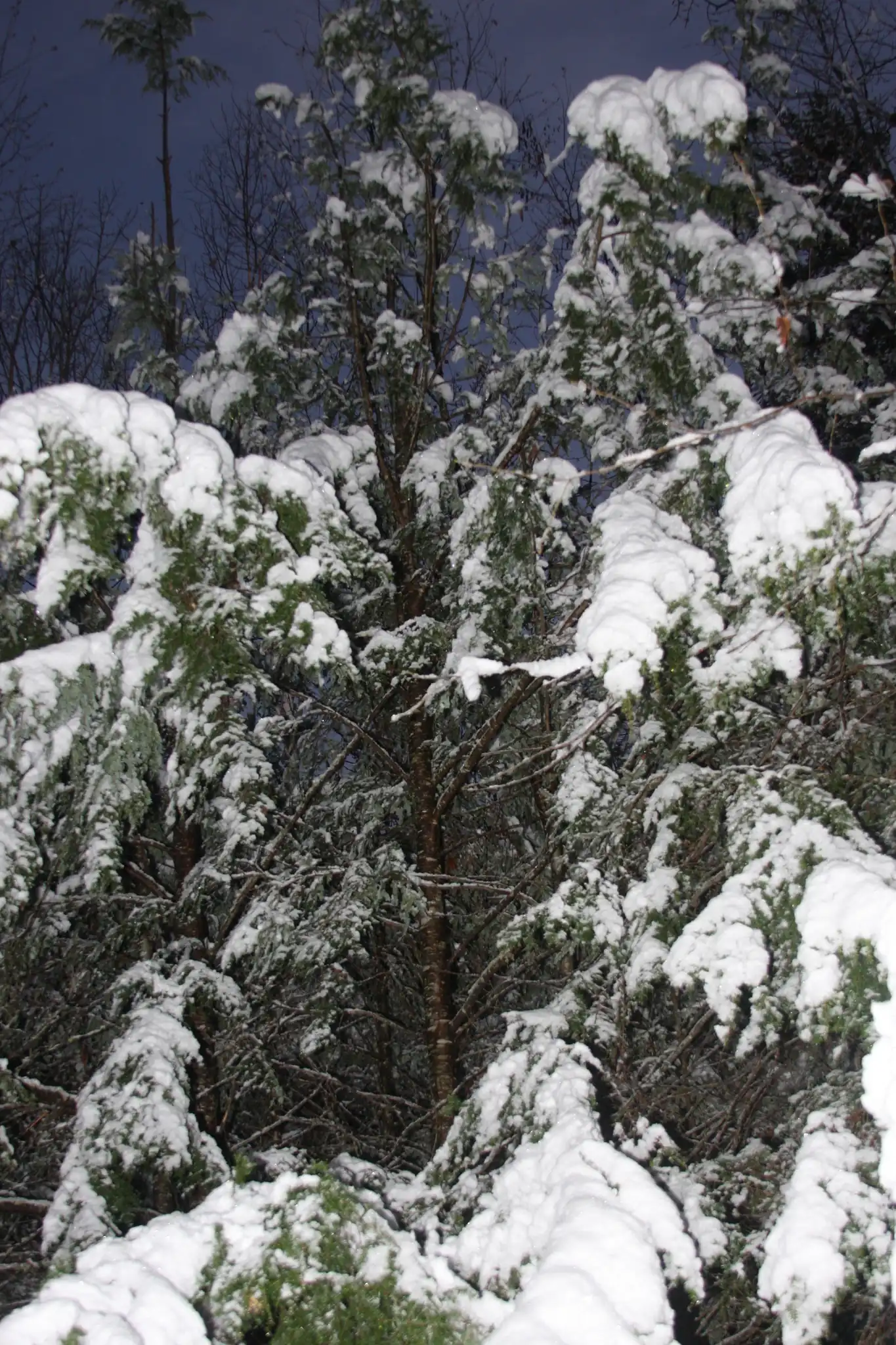
Species of Tsuga
Each one is a parent of the varieties above.
Track your Tsuga in Sow
Save the Tsuga you grow and get care reminders timed to your zone.
How to grow Tsuga
Whats common across all Tsuga varieties in our catalog — drawn from the care records of the 5 most-grown of them.
The Tsuga year
- Check for PestsApril–November80% of varieties
Inspect for Hemlock Woolly Adelgid (white cottony masses).
- PlantApril, May, October and November60% of varieties
Plant in well-drained, acidic soil during cool weather.
- PruneMarch and April60% of varieties
Lightly shape in late winter; remove dead or crossing branches.
- Spray TreatmentMarch40% of varieties
Apply dormant oil in late winter or late fall for pest control (HWA).


Do
- Plant in shade with moist acidic soil 🌱
- Mulch well to protect shallow roots 🍂
- Inspect yearly for woolly adelgid 🔍
- Shelter it from drying wind 🌲
- Water regularly during dry spells 🌱
Avoid
- Plant in hot, dry or exposed sites ❌
- Let the root zone dry out ❌
- Ignore white woolly masses on the needles ❌
- Avoid overwatering to prevent root rot ❌
What goes wrong with Tsuga
| Problem | What you'll see | What to do |
|---|---|---|
| Aphids | Sticky residue and distorted growth | Use insecticidal soap or neem oil |
| Hemlock Woolly Adelgid | White woolly masses at needle bases, then needle drop and dieback | Treat promptly with horticultural oil or a systemic; untreated infestations are usually fatal |
| Spider Mites | Stippled, bronzed needles in hot dry weather | Hose down foliage; keep the tree well watered |
| Scale insects | Bumps on stems and leaves | Apply horticultural oil and prune infested branches |
| Root rot | Wilting and discolored needles | Ensure well-draining soil and avoid overwatering |
| Needle Blight | Browning needles shed from the inner canopy | Improve air circulation and avoid overhead watering |
| Eastern Hemlock Blight | Needle browning and dieback | Improve air circulation, remove affected parts, use fungicide |
Making more Tsuga
Cuttings
- Take semi-hardwood cuttings in late summer.
- Dip cut ends in rooting hormone.
- Insert into moist rooting medium.
- Maintain humidity and keep in indirect light for 6 weeks.
- Transplant rooted cuttings into the garden.
Seeds
- Collect cones in autumn and dry to release seed.
- Cold-stratify for about three months.
- Sow in spring in a shaded frame.
Tsuga questions
How many types of Tsuga are there?
The Sow catalog tracks 5 distinct Tsuga varieties. The most popular — ranked by 101 real gardeners — are shown first above.
What zones does Tsuga grow in?
Across its varieties, Tsuga covers USDA Zones 4–8. Individual varieties differ — each plant page lists its exact range, and Sow filters the catalog to your zone automatically.
When does Tsuga bloom?
Most Tsuga varieties bloom in early spring, mid-spring, spring. Staggering early, mid, and late varieties extends the genus's season in one bed.
Which Tsuga should I choose?
Start from the most-saved varieties above — popularity across thousands of gardens is a strong signal of reliability — then filter by your zone and sun. In the Sow app you can preview any of them in a photo of your actual yard before you buy.