Also known as Chaste Tree · 81 saves
Vitex
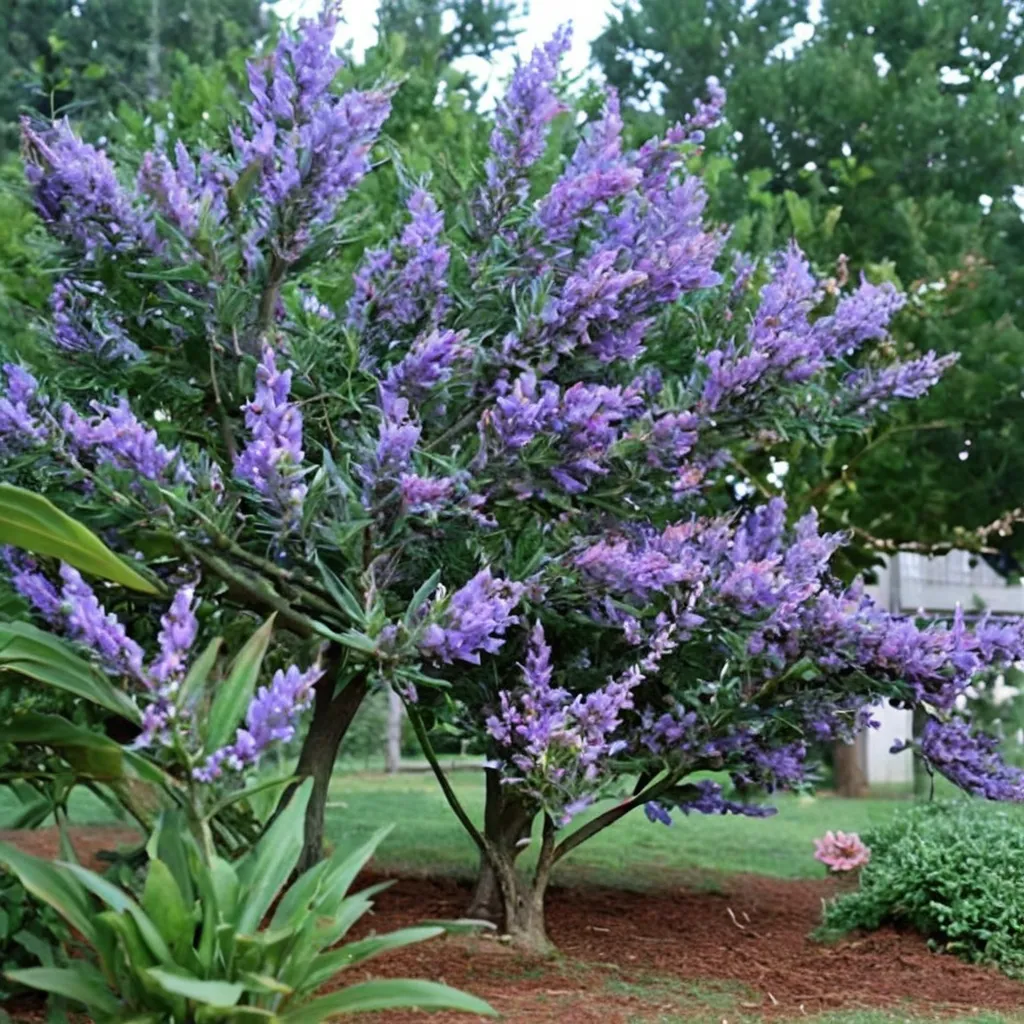
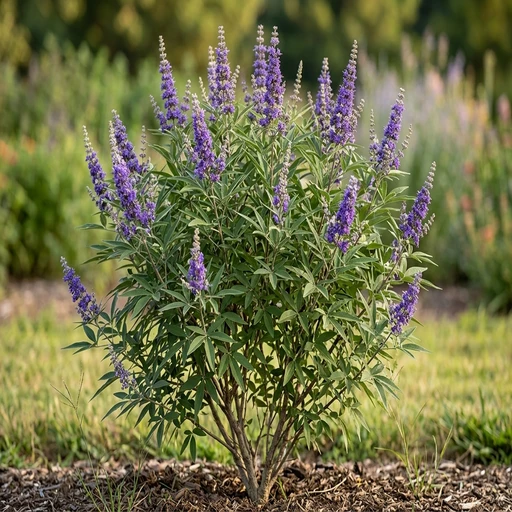
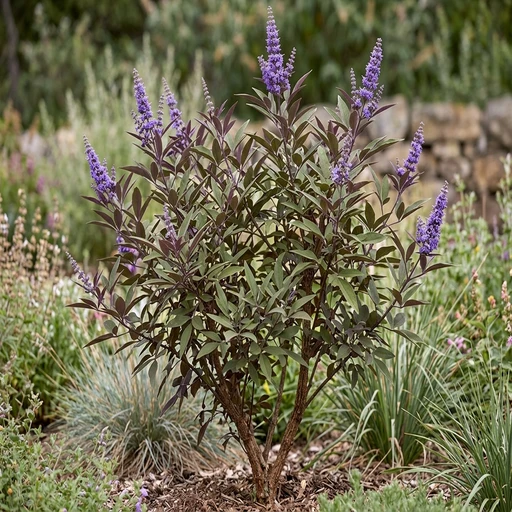
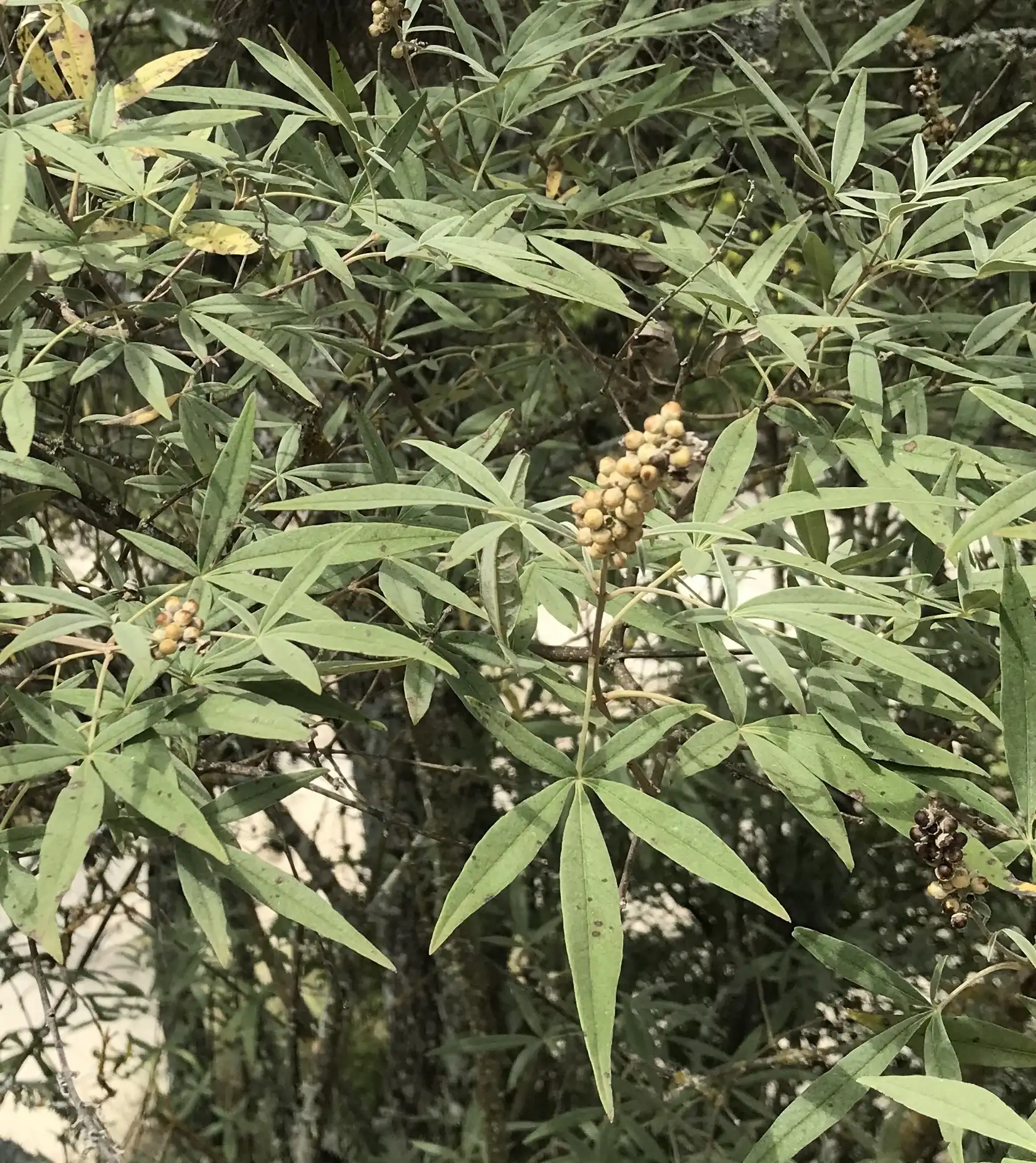
Vitex, the genus most gardeners know as chaste tree. We track 6 varieties; the ones most used by real gardeners.
The 5 most-saved Vitex varieties
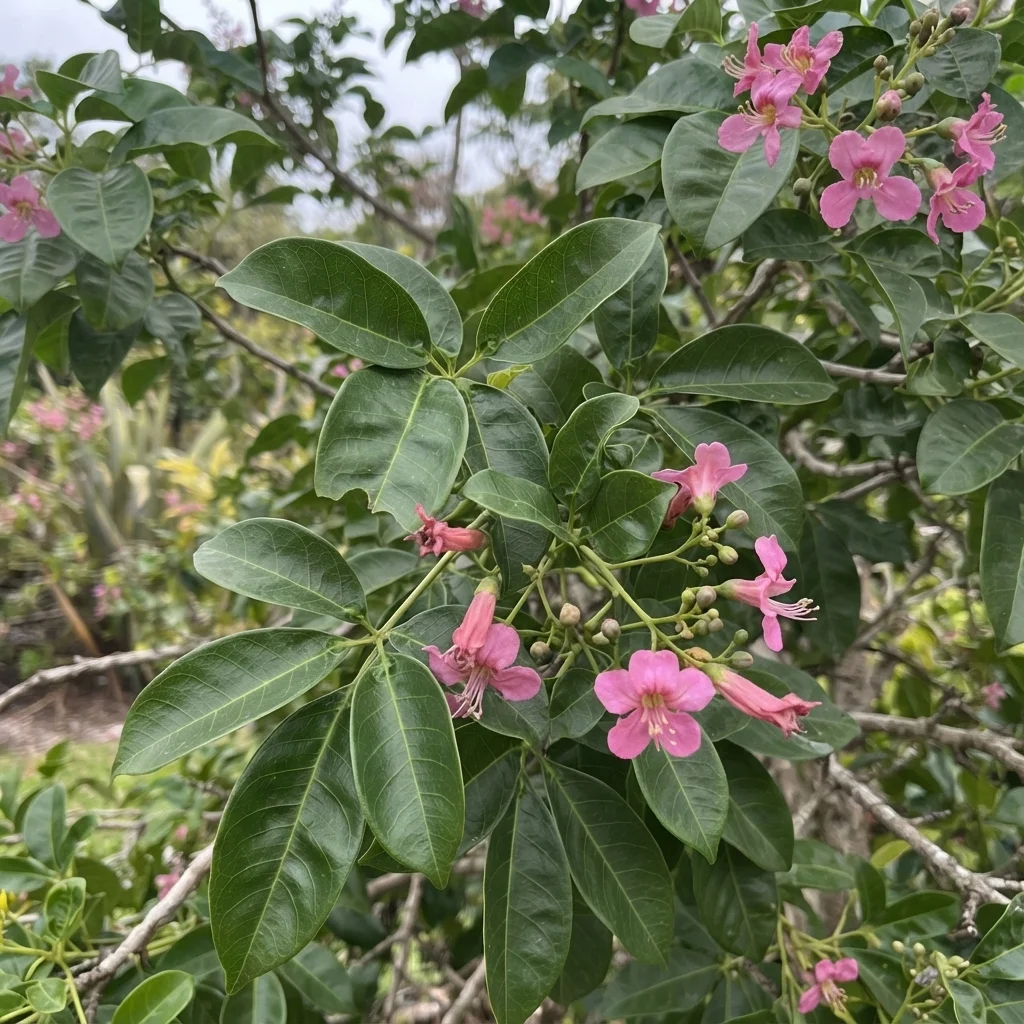
Browse all 6 Vitex varieties →
2 species of Vitex
Each one is a parent of the varieties above.
Track your Vitex in Sow
Save the Vitex you grow and get care reminders timed to your zone.
How to grow Vitex
Whats common across all Vitex varieties in our catalog — drawn from the care records of the 6 most-grown of them.
The Vitex year
- PruneFebruary and March100% of varieties
Cut back hard in late winter; it flowers entirely on the current season's growth.
- DeadheadJune–September67% of varieties
Shear spent flower spikes off to bring on repeat flushes through summer.
- FertilizeMarch and April50% of varieties
Apply a balanced, slow-release general-purpose fertilizer sparingly if growth is sluggish.
- Check for PestsJuly33% of varieties
Inspect the undersides of glossy leaves for scale insects and spider mites.


Do
- Give it full sun and sharp drainage ☀️
- Cut back hard in late winter ✂️
- Deadhead for repeat flushes 🌸
- Plant it where bees can work it 🐝
- Provide a warm, sheltered position shielded from strong winds when the tree is young.
Avoid
- Plant it in shade ❌
- Feed or water it richly ❌
- Let it seed near natural areas ❌
- Do not plant in heavy, poorly drained clay soils that hold standing water.
What goes wrong with Vitex
| Problem | What you'll see | What to do |
|---|---|---|
| Aphids | Distorted new growth and sticky honeydew on leaf surfaces. | Spray with insecticidal soap or apply a strong stream of water to dislodge them. |
| Spider mites | Fine webbing on the undersides of leaves accompanied by yellow stippling. | Increase local humidity and apply horticultural oil during cool periods. |
| Scale insects | Small, waxy bumps on stems and leaves, often accompanied by sooty mold. | Scrape off light infestations manually or apply systemic insecticide or horticultural oil. |
| Generally pest-free | No significant insect damage is typical | Monitor only; NCSU rates it resistant to insect pests and deer |
| Root rot | Leaves yellow and the plant declines in heavy or poorly drained ground, especially over winter | Plant in free-draining soil; it tolerates drought far better than wet feet and needs no irrigation once established |
| Leaf Spot | Brown or black spots on the leaves, particularly during wet weather. | Generally cosmetic. Ensure good air circulation. Rake up and dispose of fallen leaves. Water at the base of the plant. |
| Powdery mildew | White, powdery fungal growth on leaf surfaces in stagnant, humid conditions. | Prune nearby vegetation to improve air circulation and avoid overhead watering. |
Making more Vitex
Stem cuttings
- Take softwood cuttings in early summer.
- Root in gritty compost under humidity.
- Pot on and overwinter under cover.
Softwood Cuttings
- Take 4-6 inch cuttings of new growth in late spring or early summer
- Remove the lower leaves and dip the cut end in rooting hormone
- Insert into a pot of moist, well-drained potting mix
- Cover with a plastic dome or bag to maintain humidity
- Roots should form within 4-8 weeks
Vitex questions
How many types of Vitex are there?
The Sow catalog tracks 6 distinct Vitex varieties. The most popular — ranked by 81 real gardeners — are shown first above.
What zones does Vitex grow in?
Across its varieties, Vitex covers USDA Zones 6–10. Individual varieties differ — each plant page lists its exact range, and Sow filters the catalog to your zone automatically.
When does Vitex bloom?
Most Vitex varieties bloom in mid-summer, summer, year round. Staggering early, mid, and late varieties extends the genus's season in one bed.
Which Vitex should I choose?
Start from the most-saved varieties above — popularity across thousands of gardens is a strong signal of reliability — then filter by your zone and sun. In the Sow app you can preview any of them in a photo of your actual yard before you buy.