Also known as Fan Palm · 23 saves
Washingtonia
Washingtonia, the genus most gardeners know as fan palm. We track 5 varieties; the ones most used by real gardeners.
The 5 most-saved Washingtonia varieties
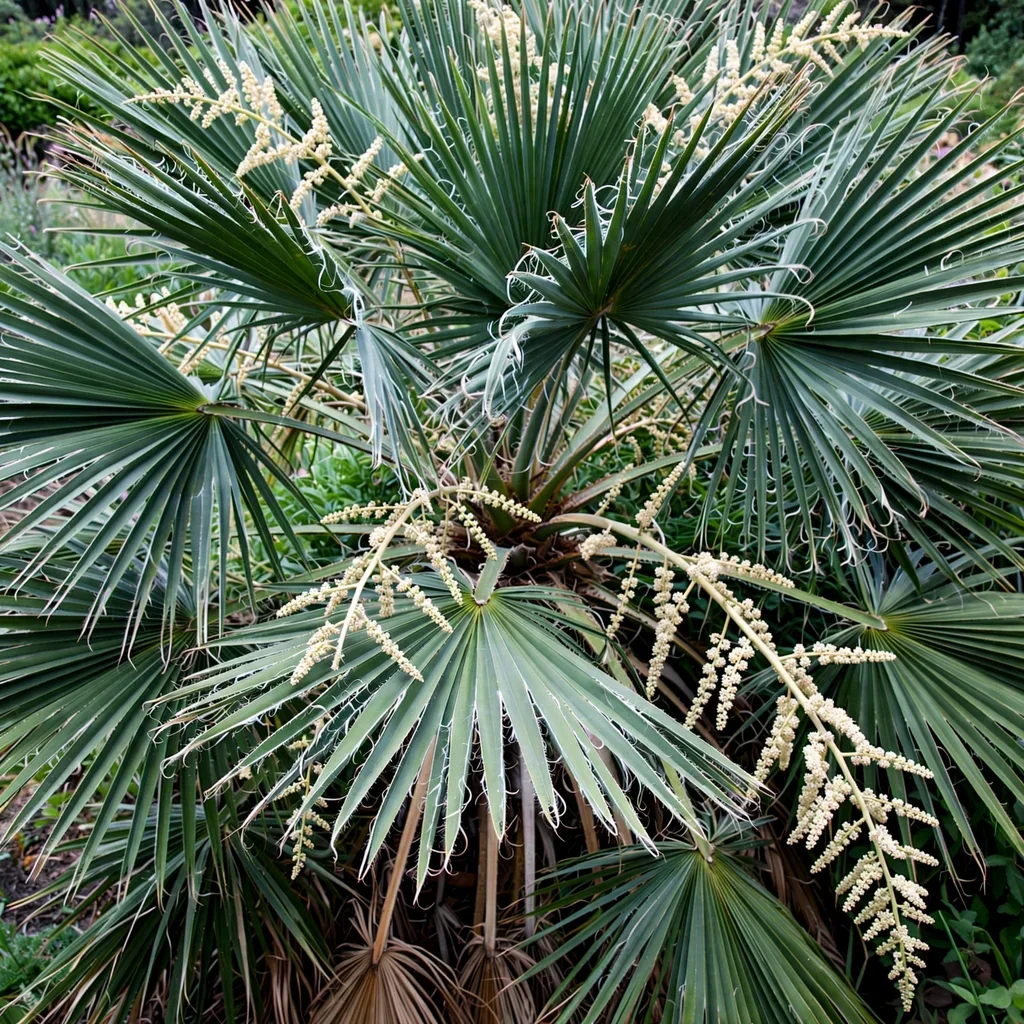
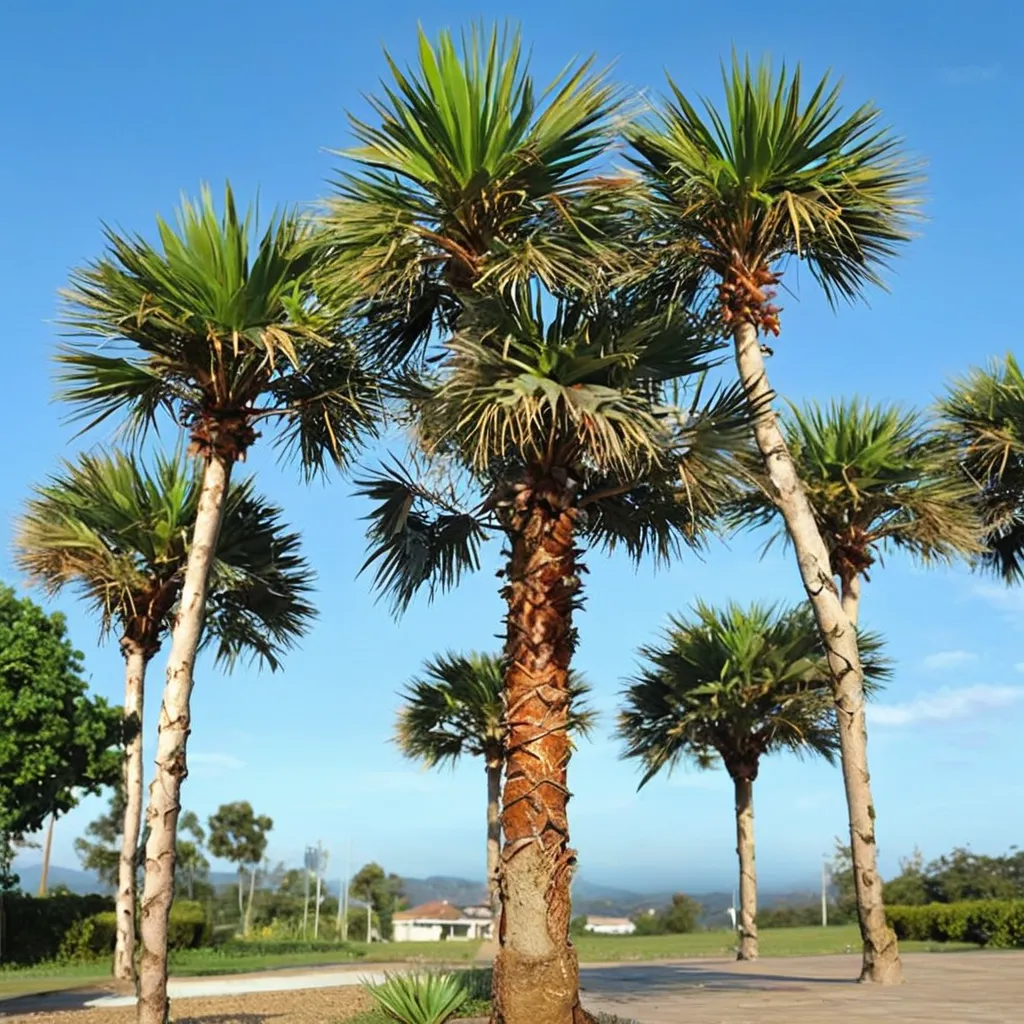
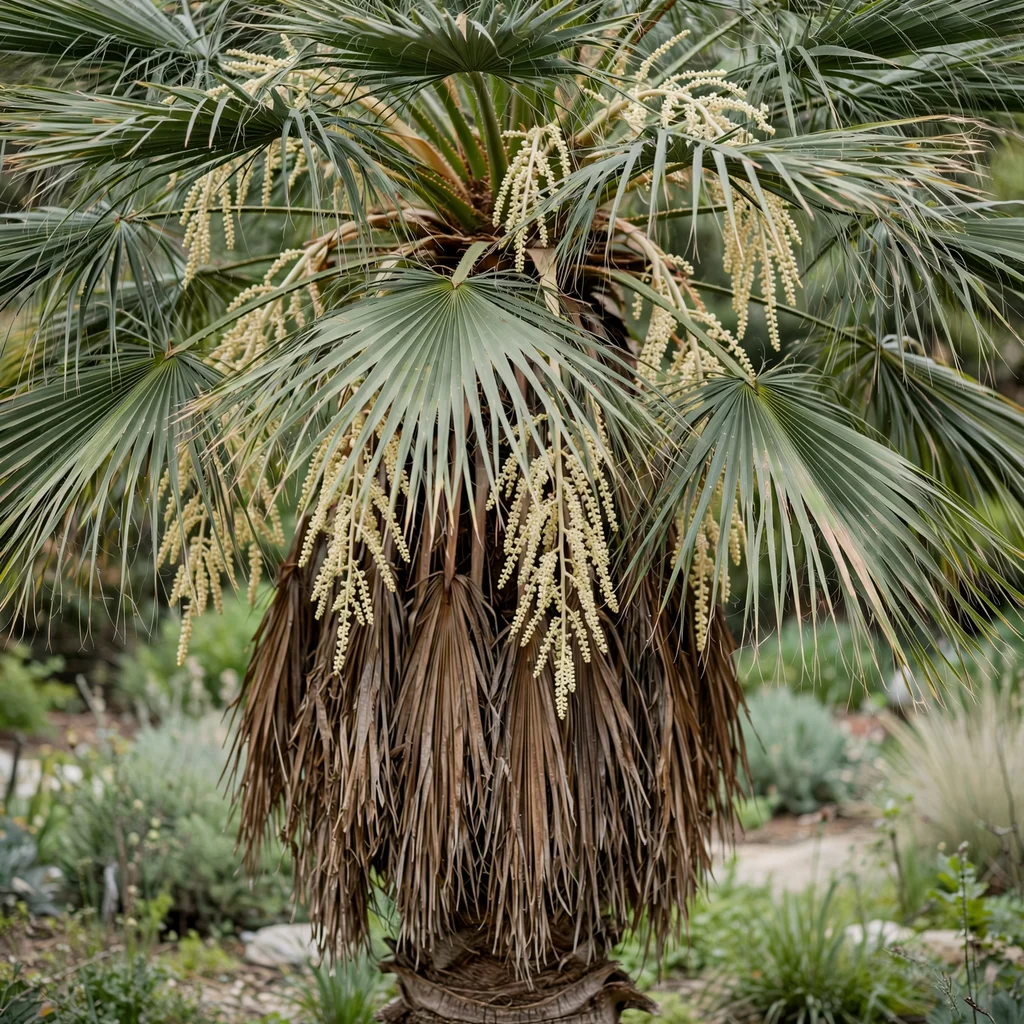
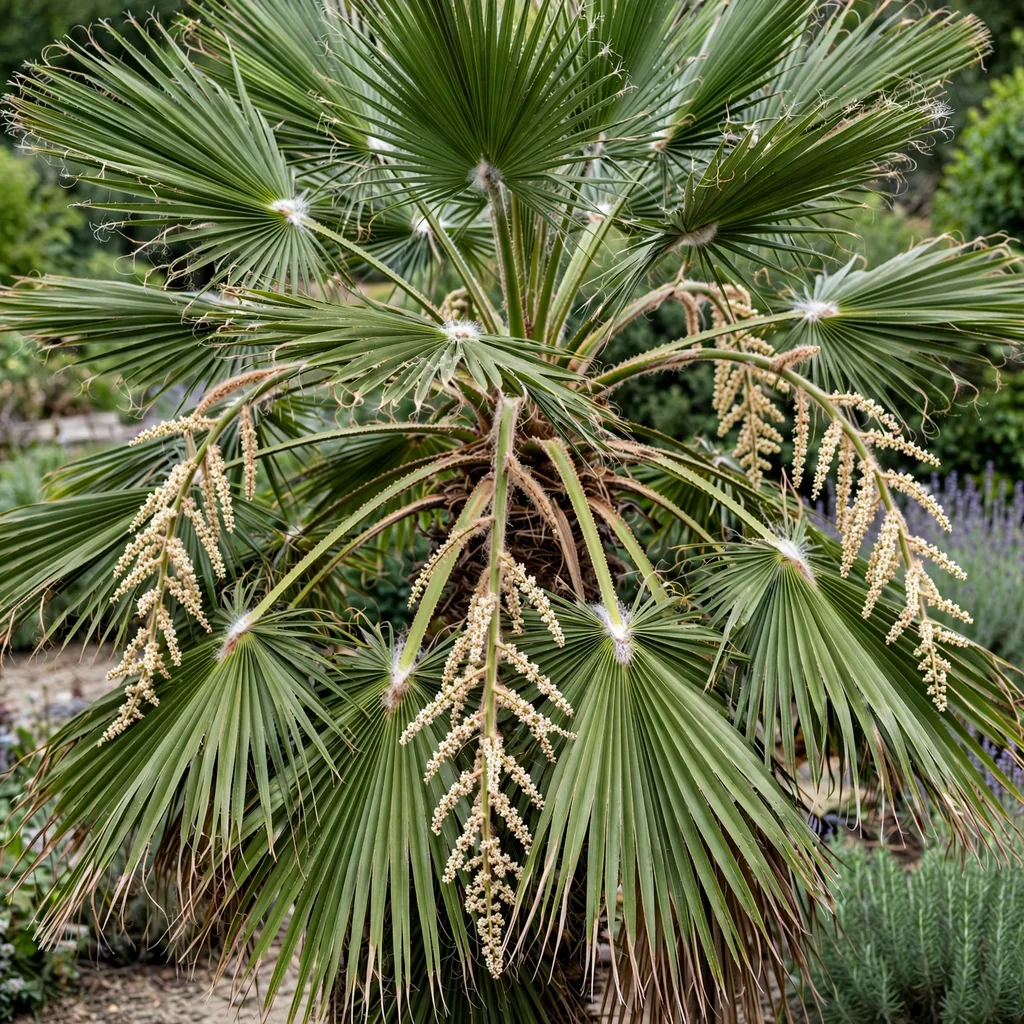

2 species of Washingtonia
Each one is a parent of the varieties above.
Track your Washingtonia in Sow
Save the Washingtonia you grow and get care reminders timed to your zone.
How to grow Washingtonia
Whats common across all Washingtonia varieties in our catalog — drawn from the care records of the 5 most-grown of them.
The Washingtonia year
- PruneApril–September100% of varieties
Remove dead or brown fronds (skirting) for aesthetics
- FertilizeApril–July100% of varieties
Apply slow-release palm fertilizer in early spring
- Winter PrepNovember and December80% of varieties
Wrap trunk and protect crown of young palms from hard frost in Zone 7
- PlantApril–June40% of varieties
Plant in spring or early summer after frost danger has passed
- Check for PestsJune40% of varieties
Monitor for scale insects or palm weevils


Do
- Water deeply during dry periods 🌱
- Prune dead or damaged fronds annually
- Apply fertilizer in spring for healthy growth
- Prune dead fronds to maintain shape
- Apply palm fertilizer annually
Avoid
- Overwater to avoid root rot ❌
- Avoid heavy clay soil without amendments ❌
- Don't prune healthy fronds unnecessarily
- Avoid overwatering ❌
What goes wrong with Washingtonia
| Problem | What you'll see | What to do |
|---|---|---|
| Scale insects | Sticky residue or honeydew on fronds | Use neem oil or insecticidal soap |
| Spider mites | Fine webbing and speckled fronds | Increase humidity and apply insecticidal soap |
| Palm weevils | Wilting and browning of fronds | Use organic neem oil or insecticidal soap |
| Giant palm boring beetle | Larvae tunnel into the trunk, creating structural weakening and visible exit holes. | Maintain palm health to resist attack; remove and destroy severely infested specimens to prevent spread. |
| Fusarium wilt | Wilting and browning of fronds | Improve drainage and remove infected plants |
| Root rot | Wilting and yellowing leaves | Improve drainage and reduce watering |
| Ganoderma butt rot | Decay at the base of the trunk | Remove affected parts and improve drainage |
Making more Washingtonia
Seed
- Tuck seeds in moist soil, keep warm for 4 weeks
- Transplant seedlings after 6 months
Seeds
- Tuck seeds into moist soil and keep warm for 6 weeks.
- Maintain consistent moisture for germination.
- Transplant seedlings after 6 inches tall.
Washingtonia questions
How many types of Washingtonia are there?
The Sow catalog tracks 5 distinct Washingtonia varieties. The most popular — ranked by 23 real gardeners — are shown first above.
What zones does Washingtonia grow in?
Across its varieties, Washingtonia covers USDA Zones 8–10. Individual varieties differ — each plant page lists its exact range, and Sow filters the catalog to your zone automatically.
When does Washingtonia bloom?
Most Washingtonia varieties bloom in late summer, spring. Staggering early, mid, and late varieties extends the genus's season in one bed.
Which Washingtonia should I choose?
Start from the most-saved varieties above — popularity across thousands of gardens is a strong signal of reliability — then filter by your zone and sun. In the Sow app you can preview any of them in a photo of your actual yard before you buy.