70 saves
Zelkova
We track 6 varieties; the ones most used by real gardeners.
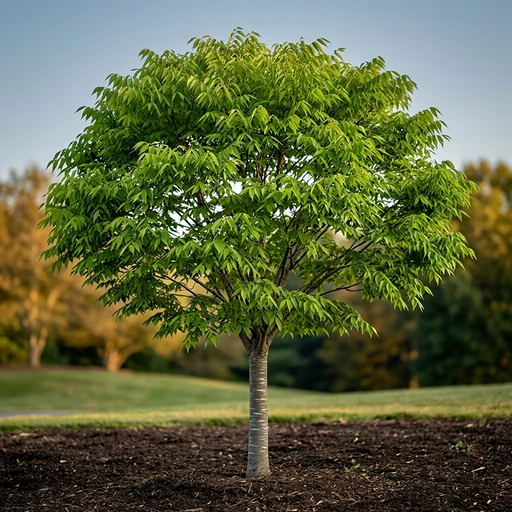
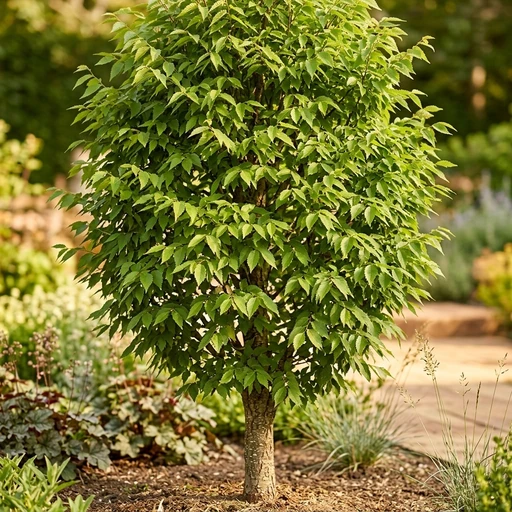
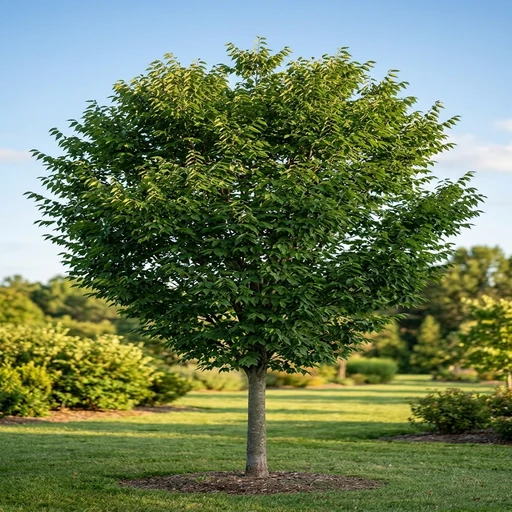
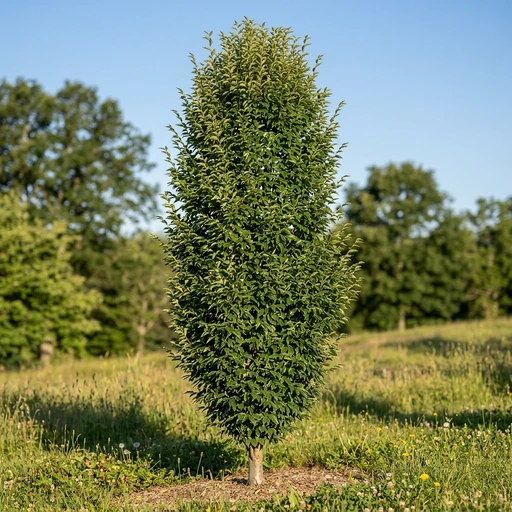
The 5 most-saved Zelkova varieties
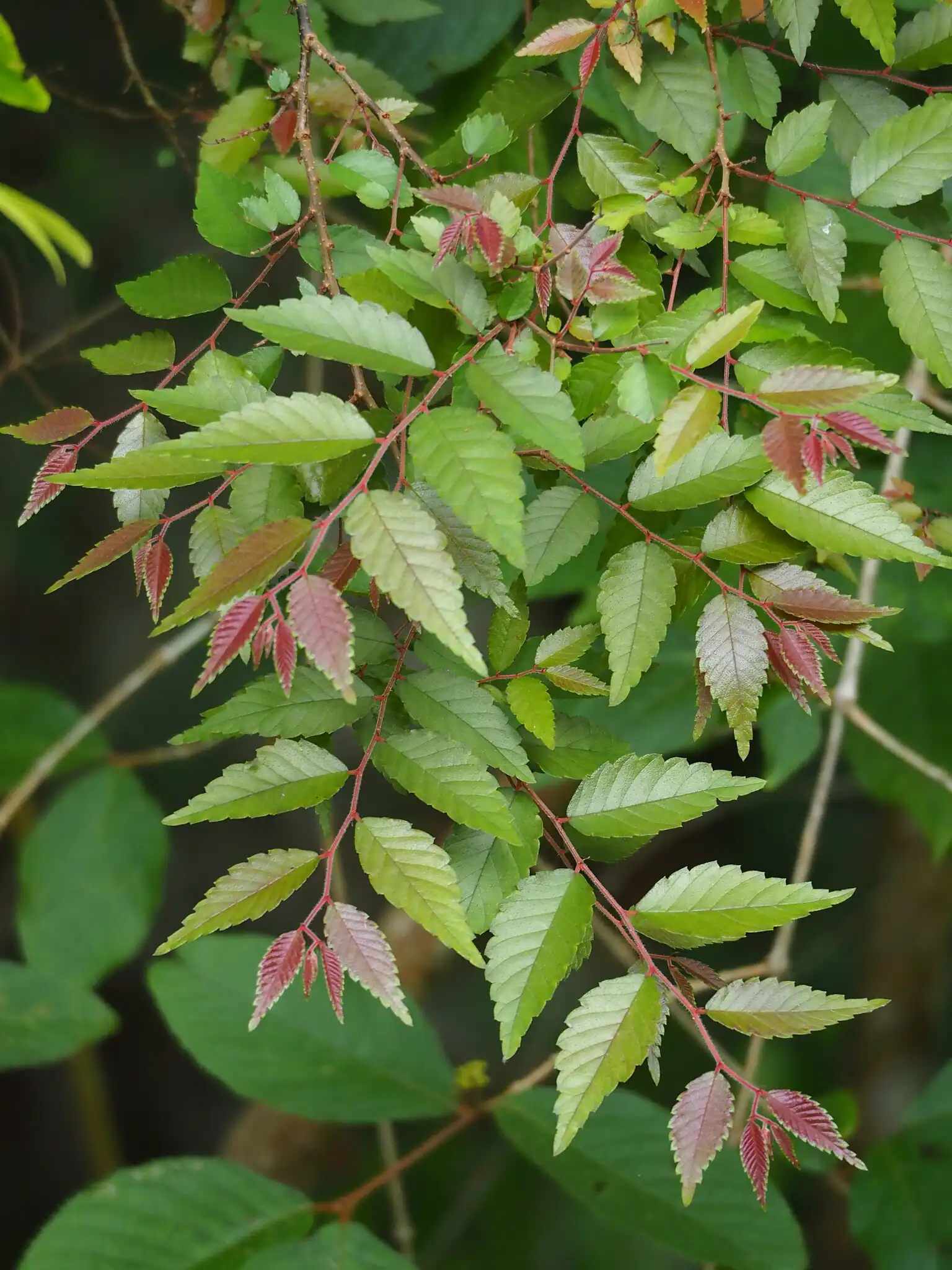
Browse all 6 Zelkova varieties →
Species of Zelkova
Each one is a parent of the varieties above.
Track your Zelkova in Sow
Save the Zelkova you grow and get care reminders timed to your zone.
How to grow Zelkova
Whats common across all Zelkova varieties in our catalog — drawn from the care records of the 6 most-grown of them.
The Zelkova year
- PruneFebruary and March83% of varieties
Prune in late winter to establish a strong structure and remove crossing branches.
- FertilizeApril83% of varieties
Fertilize young trees in early spring if growth is slow; mature trees rarely need it.
- PlantApril, October and November67% of varieties
Plant in fall to allow root establishment before winter.


Do
- Water regularly during the first few years to establish a deep root system.
- Prune in the dormant season to maintain its shape and structure.
- Provide ample space for root development, even for a compact variety.
- Select a site with full sun exposure for best growth.
- Water deeply during extended dry spells to maintain vigor and prevent leaf scorch.
Avoid
- Avoid excessive fertilization, which can lead to weak growth.
- Do not plant in poorly drained, constantly wet soils.
- Do not plant too deeply; keep the root flare visible.
- Do not top the tree, as this ruins its natural form.
What goes wrong with Zelkova
| Problem | What you'll see | What to do |
|---|---|---|
| Japanese Beetle | Adult beetles chew holes in leaves, skeletonizing them. | Hand-pick beetles in the morning. Use neem oil or pyrethrin-based sprays as a deterrent. |
| Elm Leaf Beetle | Skeletonized leaves, appearing lacy and brown. | Encourage beneficial insects. For severe cases, use products containing spinosad or a systemic insecticide. |
| Japanese Beetles | Skeletonized leaves during summer months. | Hand-pick into soapy water. For large trees, systemic insecticides like imidacloprid can be effective if applied in spring. |
| Generally pest-free | No significant insect damage is typical | Monitor only; no routine treatment needed |
| Canker | Sunken, dead areas on branches or trunk, sometimes with oozing. | Prune out infected branches well below the canker. Keep the tree healthy and avoid wounding the bark. |
| Nectria Canker | Sunken, discolored areas on bark, often leading to branch dieback. | Prune out and destroy infected branches. Maintain tree vigor through proper watering and care. |
| Dutch Elm Disease | Zelkova has high resistance, but is not immune. Symptoms include yellowing and wilting of branches (flagging). | Select resistant species like Zelkova over susceptible elms. If symptoms appear, consult an arborist immediately. There is no cure. |
Making more Zelkova
Softwood Cuttings
- Take 4- to 6-inch cuttings from semi-mature current season's growth in early summer.
- Remove the lower leaves and dip the cut base in a liquid or powder rooting hormone.
- Insert the cuttings into a well-drained medium of perlite and peat moss.
- Maintain high humidity and bottom heat until roots establish, typically in four to six weeks.
Grafting
- Collect scion wood from 'City Sprite' in winter.
- In late winter or early spring, graft onto Zelkova serrata seedling rootstock.
- Use a whip-and-tongue or similar graft.
- Wrap the union and allow it to heal in a protected environment.
Zelkova questions
How many types of Zelkova are there?
The Sow catalog tracks 6 distinct Zelkova varieties. The most popular — ranked by 70 real gardeners — are shown first above.
What zones does Zelkova grow in?
Across its varieties, Zelkova covers USDA Zones 5–8. Individual varieties differ — each plant page lists its exact range, and Sow filters the catalog to your zone automatically.
When does Zelkova bloom?
Most Zelkova varieties bloom in early spring, mid-spring, spring, insignificant. Staggering early, mid, and late varieties extends the genus's season in one bed.
Which Zelkova should I choose?
Start from the most-saved varieties above — popularity across thousands of gardens is a strong signal of reliability — then filter by your zone and sun. In the Sow app you can preview any of them in a photo of your actual yard before you buy.