The Story
Plant Bio
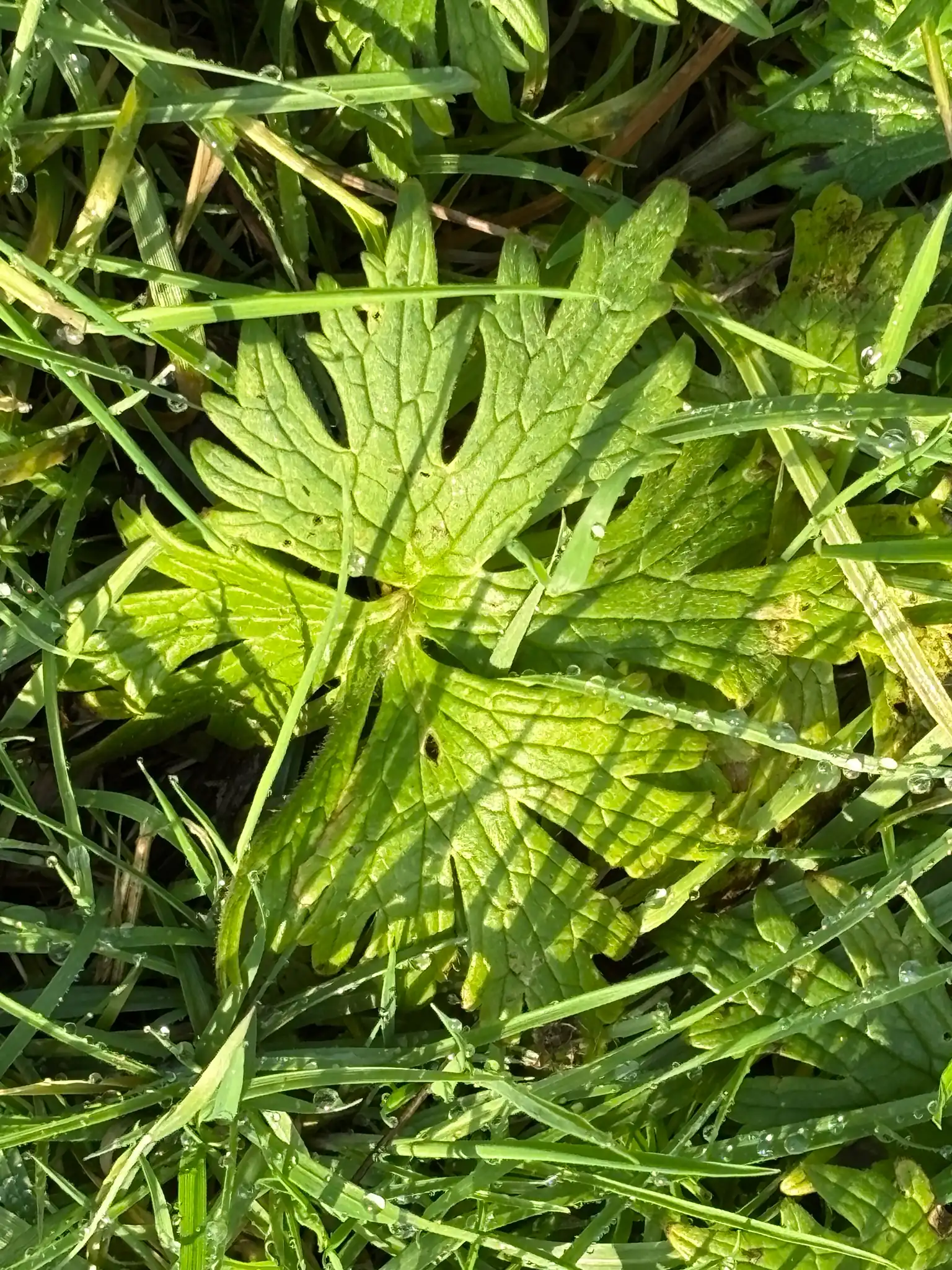
Ranunculus acris is an erect herbaceous perennial native to Europe and temperate Eurasia, growing up to three feet tall with deeply divided, palmately lobed leaves. In late spring through early summer, it produces loose clusters of cup-shaped flowers featuring five glossy, brilliant yellow petals.
The species is easily distinguished by its bright yellow petals and smooth, ungrooved stems rising from a short rhizomatous root system. All plant parts contain protoanemonin, an acrid sap that causes skin blistering on contact and deters grazing animals.
Uses & Benefits:
Essentials
At a Glance
Plant Type
Perennial
Height
39"
Width
24"
Light
Full Sun, Partial Sun
Zones
4, 5, 6, 7, 8
Water
Moist to Wet
Humidity
Moderate
Lifespan
Perennial
Native To
Europe, Temperate Eurasia
Toxicity
Toxic if ingested; causes contact skin blistering
Bloom period
Late spring – Midsummer
In flower about 3 months of the year
Planting
How to Grow
- Select a site in full sun or partial shade with consistently moist to damp soil.
- Plant dormant crowns or container stock in early spring, spacing plants 18 to 24 inches apart.
- Keep the soil uniformly moist, providing supplemental irrigation during hot summer periods.
- Deadhead fading flower stalks down to the base to prevent aggressive self-seeding.
- Cut back dead winter foliage in late winter before new spring growth emerges.
Pro Tip
Wear thick rubber gloves when handling or cutting stems to prevent skin contact with the acrid, blistering sap.
Keep It Thriving
Care Guide
Do
- Wear protective gloves and long sleeves when handling plant stems or foliage.
- Maintain high soil moisture in loamy, heavy, or clay garden beds.
- Deadhead spent bloom clusters to control unwanted self-sowing.
Don't
- Do not plant in dry, unwatered soil beds subject to drought.
- Do not allow livestock, dogs, or cats to graze on fresh foliage.
- Do not apply excess nitrogen fertilizer, which induces floppy, invasive growth.
Seasonal Care Calendar
| Task | Jan | Feb | Mar | Apr | May | Jun | Jul | Aug | Sep | Oct | Nov | Dec |
|---|---|---|---|---|---|---|---|---|---|---|---|---|
| Deadhead | ||||||||||||
| Divide | ||||||||||||
| Mulch | ||||||||||||
| Spring Cleanup |
Watch Out For
Pests & Diseases
Common Pests
Common Diseases
In the Garden
Landscape Uses & Companions
Landscape Uses
Companion Plants
Multiply
Propagation Methods
Good to Know
Common Questions
Meadow Buttercup questions
What zones can Meadow Buttercup grow in?
Meadow Buttercup is hardy in USDA Zones 4–8. Inside that range it survives winter in the ground; outside it, grow it as an annual or a container plant you protect.
Is Meadow Buttercup deer resistant?
Yes — Meadow Buttercup is rated deer-resistant. Deer typically pass it over, though extreme hunger can override any plant's defenses.
When does Meadow Buttercup bloom?
Meadow Buttercup typically blooms in late spring through midsummer. Exact timing shifts a week or two with your zone — Sow's bloom calendar maps it to your garden.
Does Meadow Buttercup need full sun?
Meadow Buttercup does best in full sun to part shade. In hot climates, afternoon shade keeps blooms fresher longer.
More Ranunculus to compare
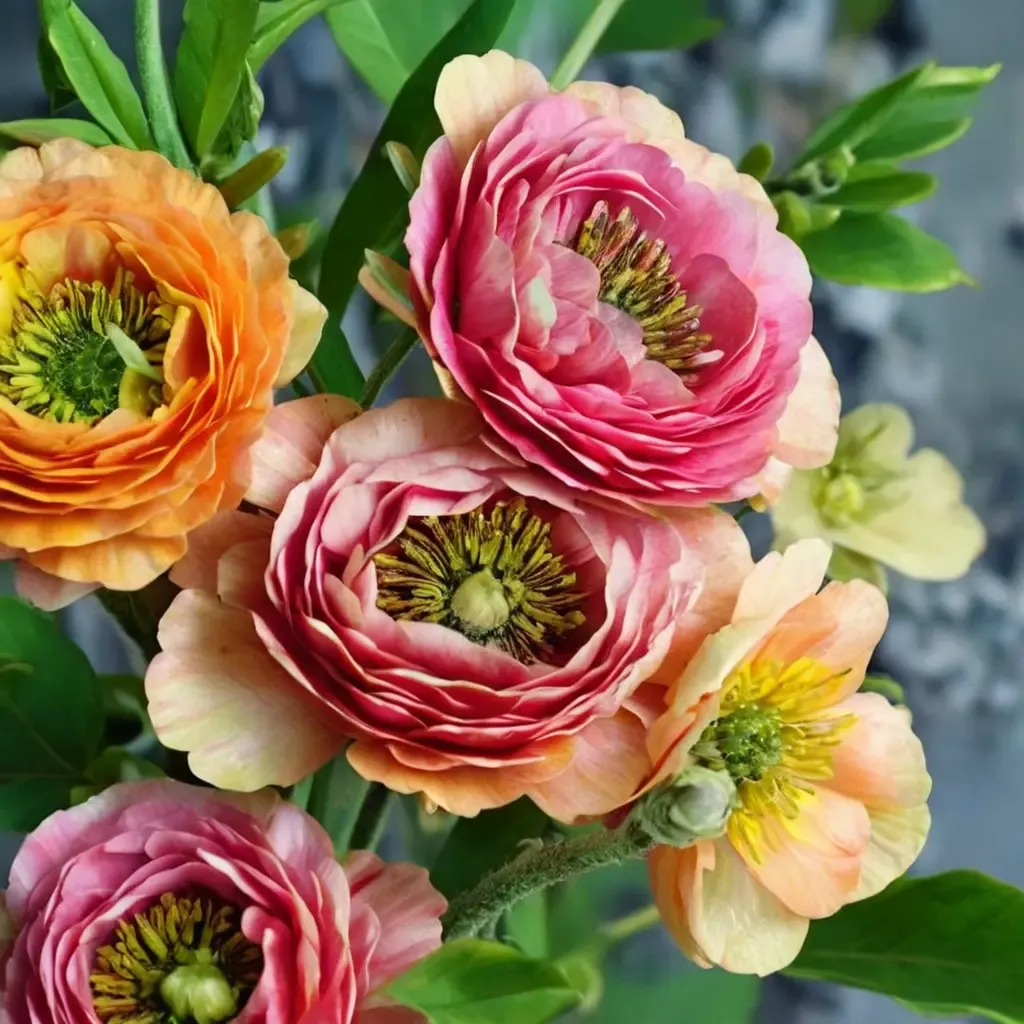
Greater Spearwort
Ranunculus lingua
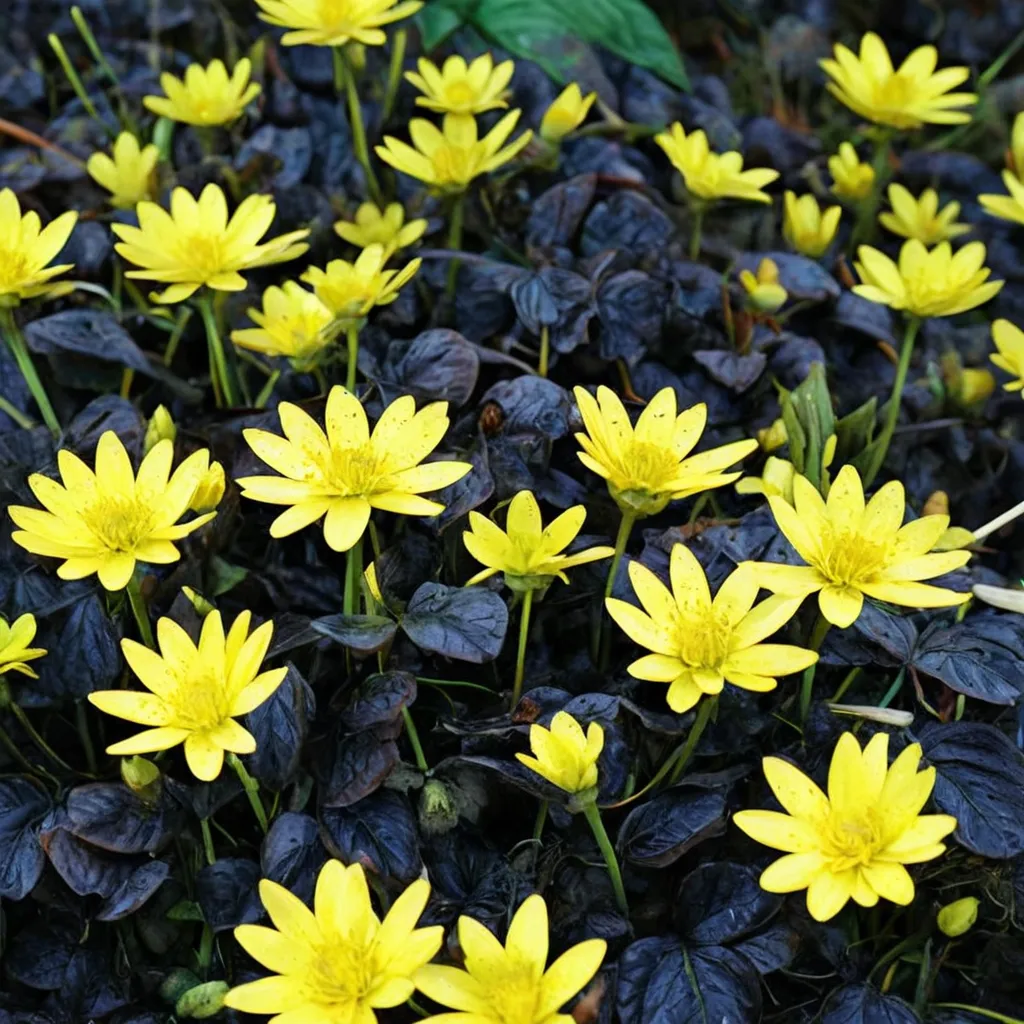
'Brazen Hussy' Lesser Celandine
Ranunculus ficaria 'Brazen Hussy'
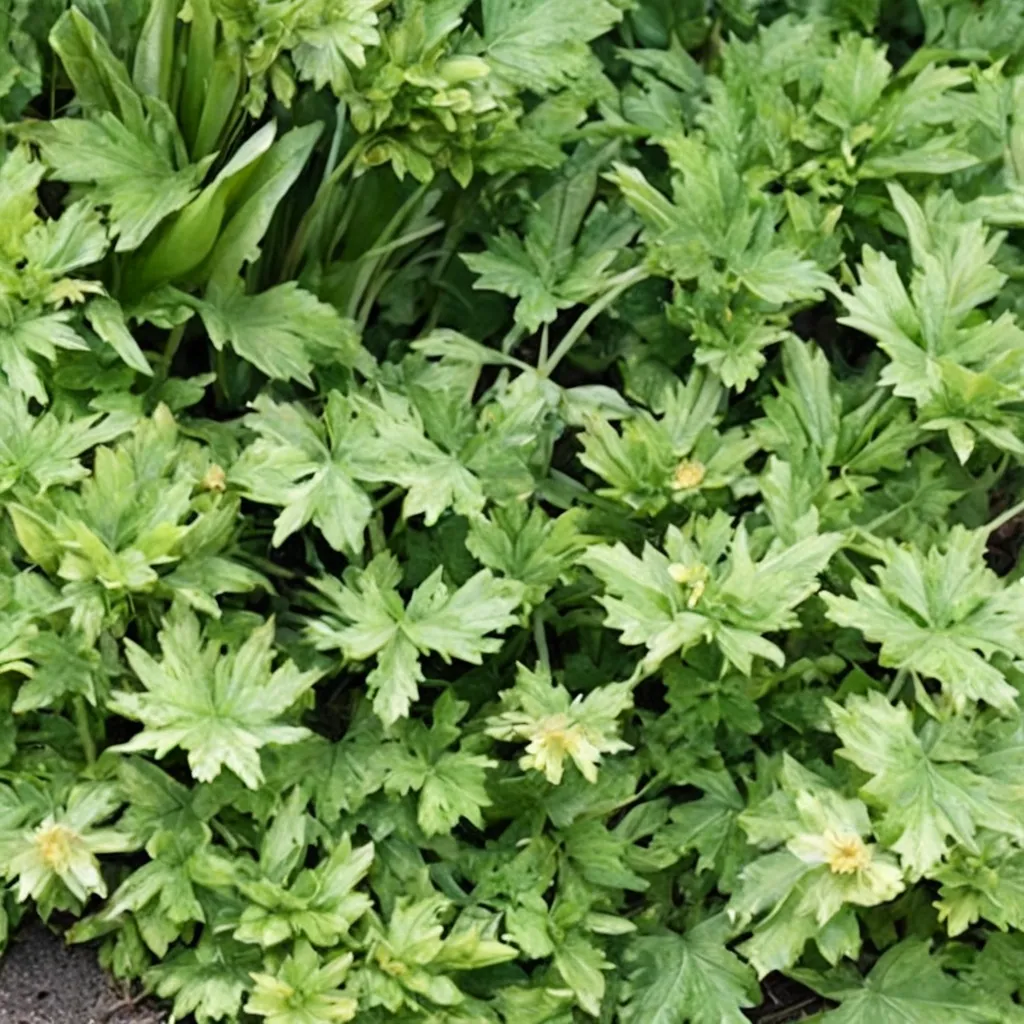
'Buttered Popcorn' Creeping Buttercup
Ranunculus repens 'Buttered Popcorn'
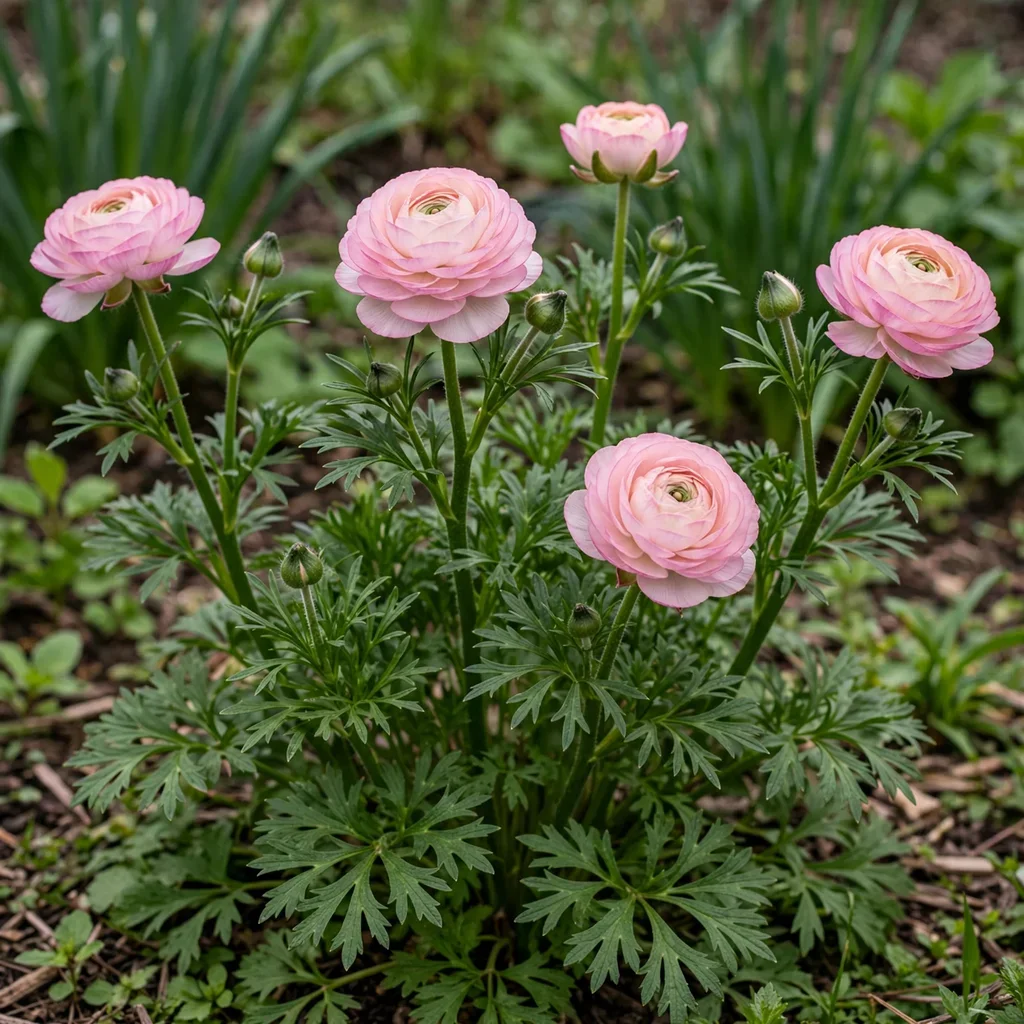
Persian Buttercup 'Amandine Pastel Pink'
Ranunculus asiaticus 'Amandine Pastel Pink'
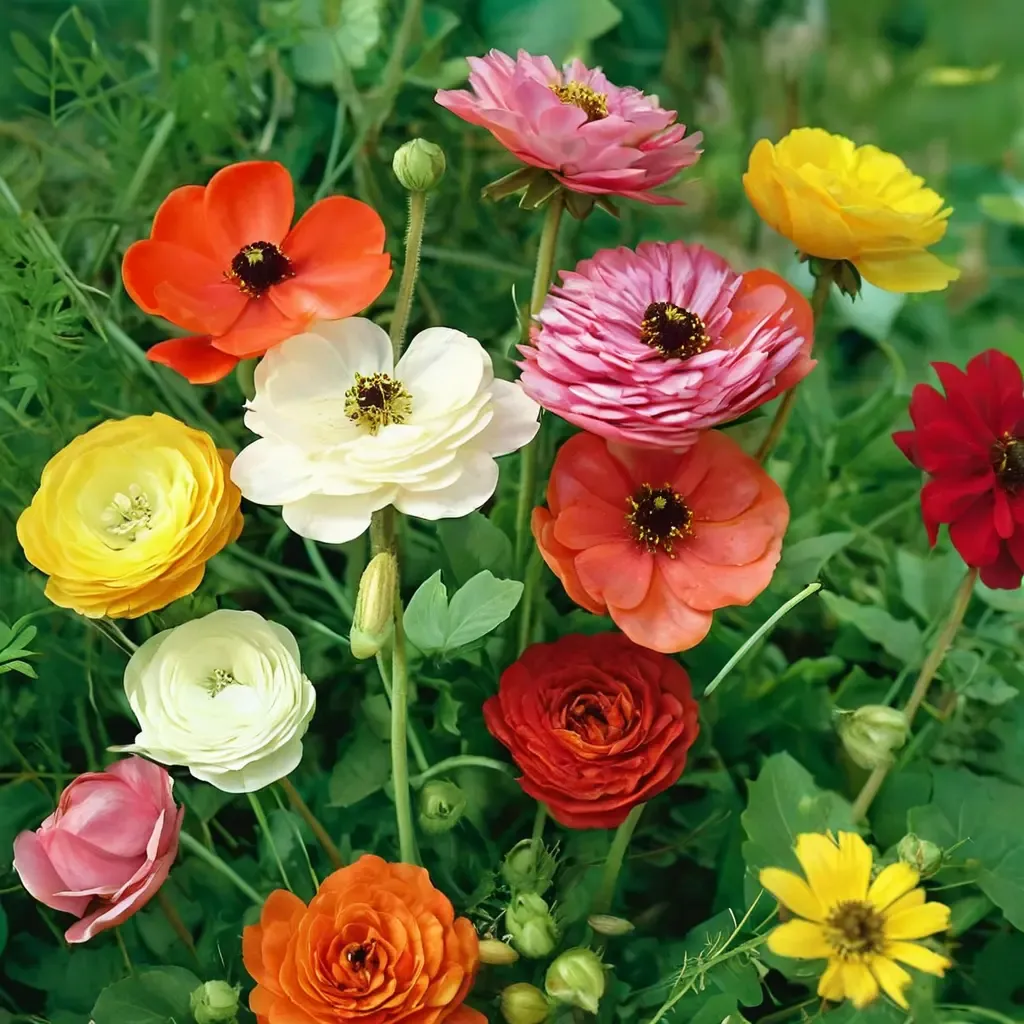
Persian Buttercup
Ranunculus asiaticus
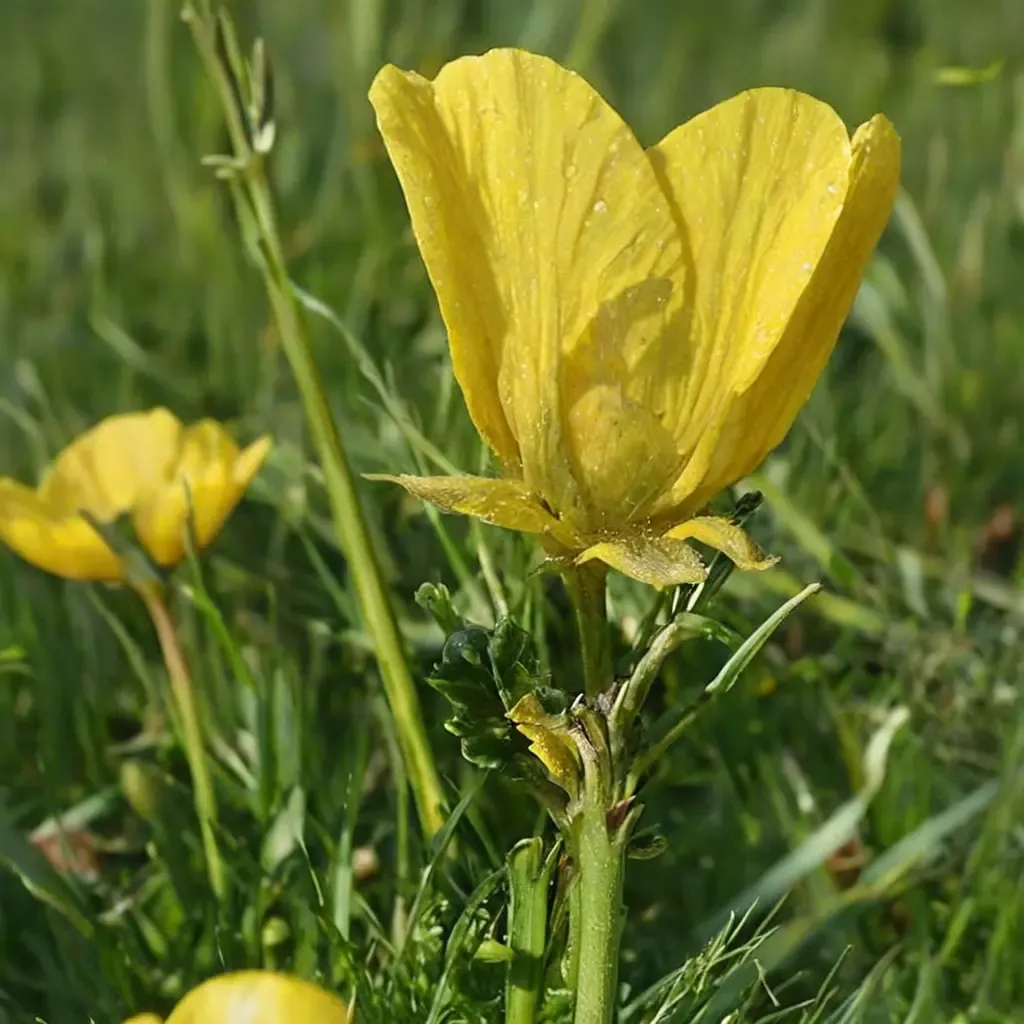
Bulbous Buttercup
Ranunculus bulbosus 'Mix'
Keep exploring
Explore the genus
Hardy in your zone?
Grow Meadow Buttercup with confidence
See it in a design of your actual yard, get zone-matched care reminders, and track it season by season in your garden journal.