The Story
Plant Bio
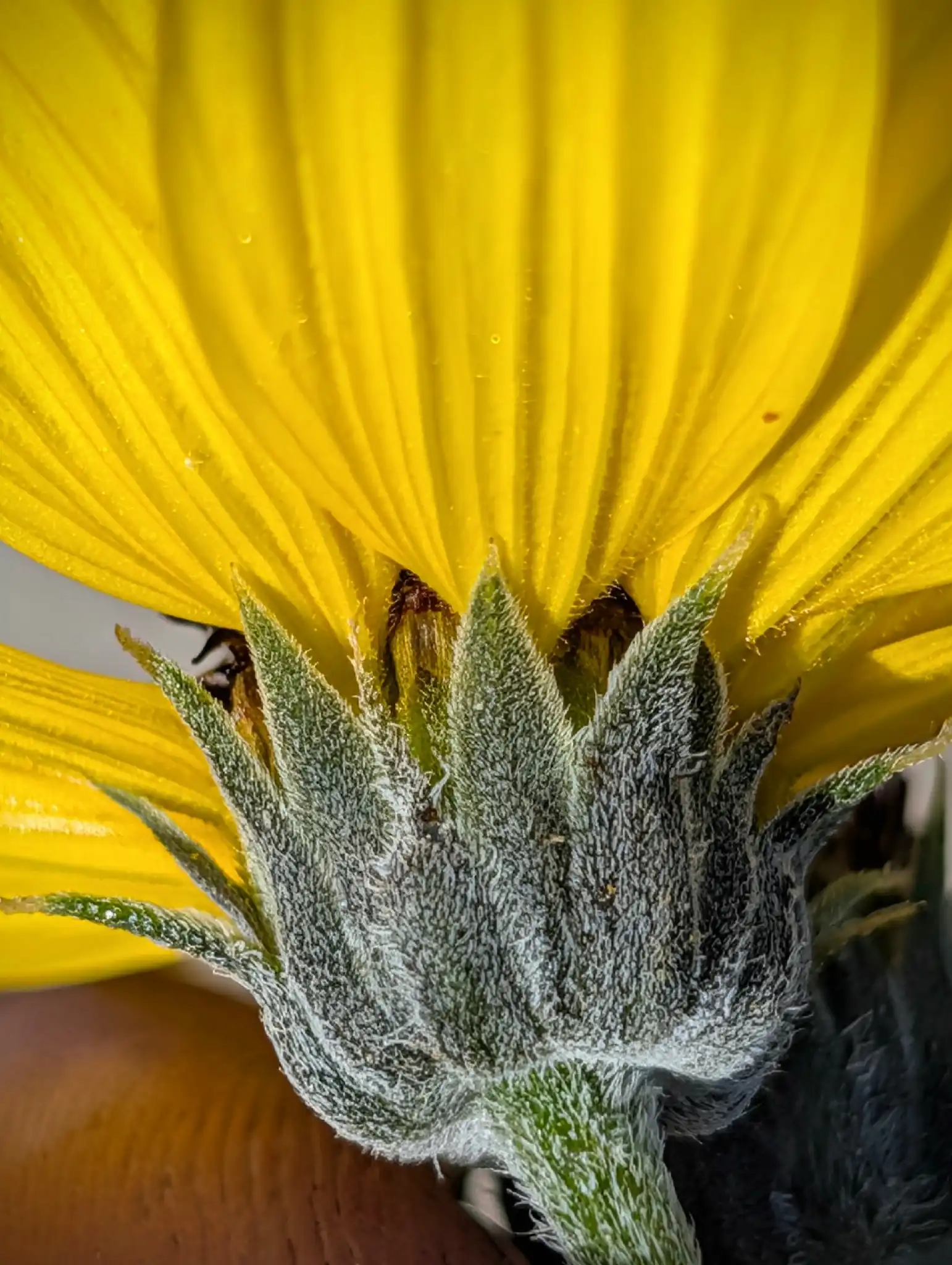
Helianthus petiolaris, commonly known as the prairie sunflower, is an upright, branching summer annual native to the sandy plains and open prairies of North America. It features rough-hairy stems and lance-shaped to ovate leaves that support solitary flower heads with bright yellow ray florets surrounding a dark purple-brown central disc.
This species is distinguished by its highly developed taproot system, which allows it to thrive in exceptionally dry, nutrient-poor soils where other annuals fail. The foliage often carries a silvery-green cast due to a dense covering of fine, protective hairs.
Uses & Benefits:
Essentials
At a Glance
Plant Type
Annual
Height
71"
Width
35"
Light
Full Sun
Zones
4, 5, 6, 7, 8, 9, 10
Water
Low
Humidity
Low to moderate
Lifespan
Annual
Native To
North America
Toxicity
Non-toxic
Bloom period
Summer – Early fall
In flower about 4 months of the year
Planting
How to Grow
- Select a site in full sun with light, sandy, or coarse loamy soil that drains rapidly.
- Sow seeds directly into the soil after the final spring frost, burying them to a depth of one-half inch.
- Water lightly to keep the soil moist until germination, then reduce watering frequency to allow the soil to dry completely between applications.
- Thin emerging seedlings to a spacing of twelve to eighteen inches to ensure adequate air circulation and prevent fungal issues.
Pro Tip
Sow seeds directly into their permanent garden position; the rapid development of the deep taproot makes seedlings highly sensitive to transplant shock.
Keep It Thriving
Care Guide
Do
- Provide full sun exposure to prevent the stems from becoming weak and leggy.
- Ensure the soil drains completely, as waterlogged roots will quickly rot.
- Deadhead spent flower heads regularly to prolong the blooming period into early fall.
Don't
- Do not apply heavy fertilizers, which stimulate excessive vegetative growth at the expense of flowers.
- Do not attempt to transplant established seedlings once the taproot has begun to develop.
- Do not water from overhead in humid conditions, as wet foliage encourages powdery mildew.
Seasonal Care Calendar
| Task | Jan | Feb | Mar | Apr | May | Jun | Jul | Aug | Sep | Oct | Nov | Dec |
|---|---|---|---|---|---|---|---|---|---|---|---|---|
| Deadhead | ||||||||||||
| Pest Check | ||||||||||||
| Plant | ||||||||||||
| Spring Cleanup |
Watch Out For
Pests & Diseases
Common Pests
Common Diseases
In the Garden
Landscape Uses & Companions
Landscape Uses
Companion Plants
Multiply
Propagation Methods
Good to Know
Common Questions
Prairie Sunflower questions
What zones can Prairie Sunflower grow in?
Prairie Sunflower is hardy in USDA Zones 4–10. Inside that range it survives winter in the ground; outside it, grow it as an annual or a container plant you protect.
Is Prairie Sunflower deer resistant?
Not reliably. Deer may browse Prairie Sunflower, especially tender spring growth — plan on repellents or fencing where pressure is high.
When does Prairie Sunflower bloom?
Prairie Sunflower typically blooms in summer through early fall. Exact timing shifts a week or two with your zone — Sow's bloom calendar maps it to your garden.
Does Prairie Sunflower need full sun?
Prairie Sunflower does best in full sun (6+ hours).
Is Prairie Sunflower drought tolerant?
Yes — once established (usually after the first full season), Prairie Sunflower handles dry spells with minimal watering. Water deeply its first year to build the root system that makes that possible.
More Helianthus to compare
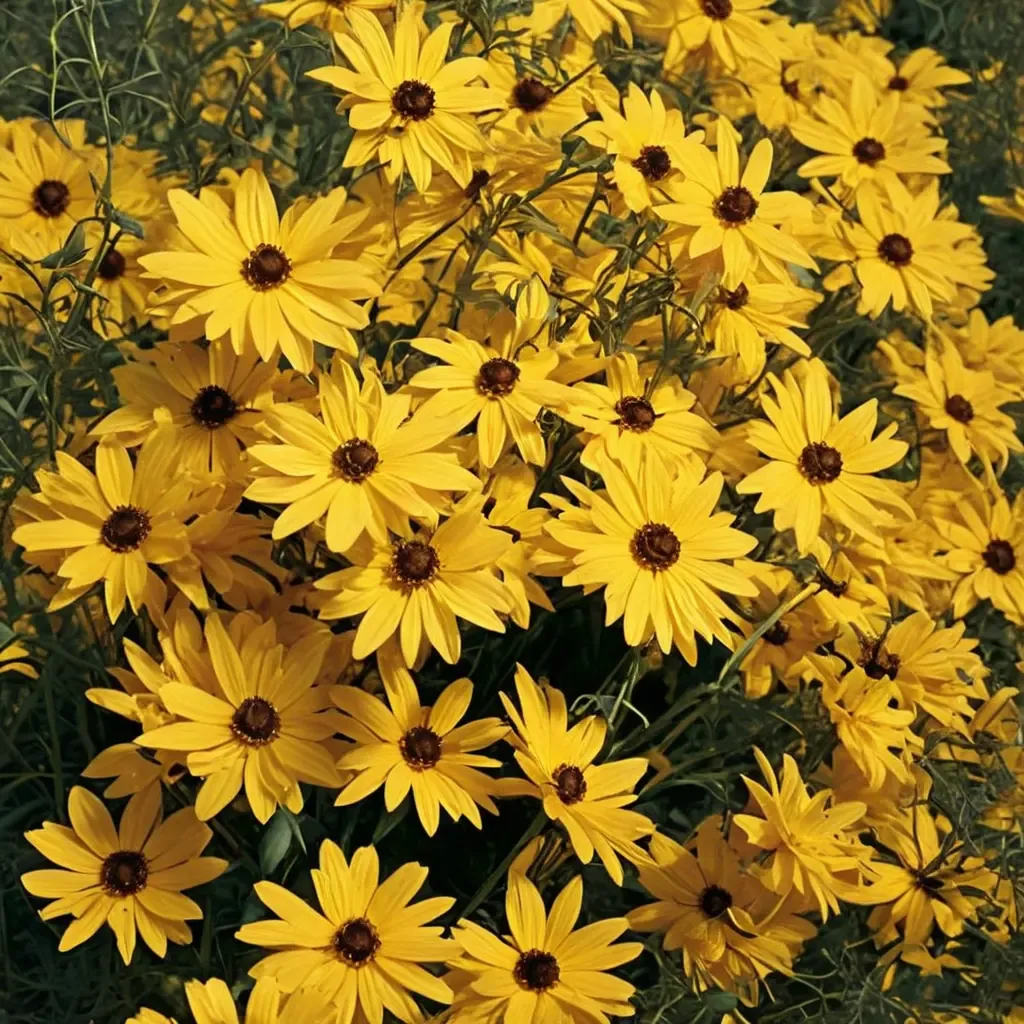
Swamp Sunflower
Helianthus angustifolius 'First Light'
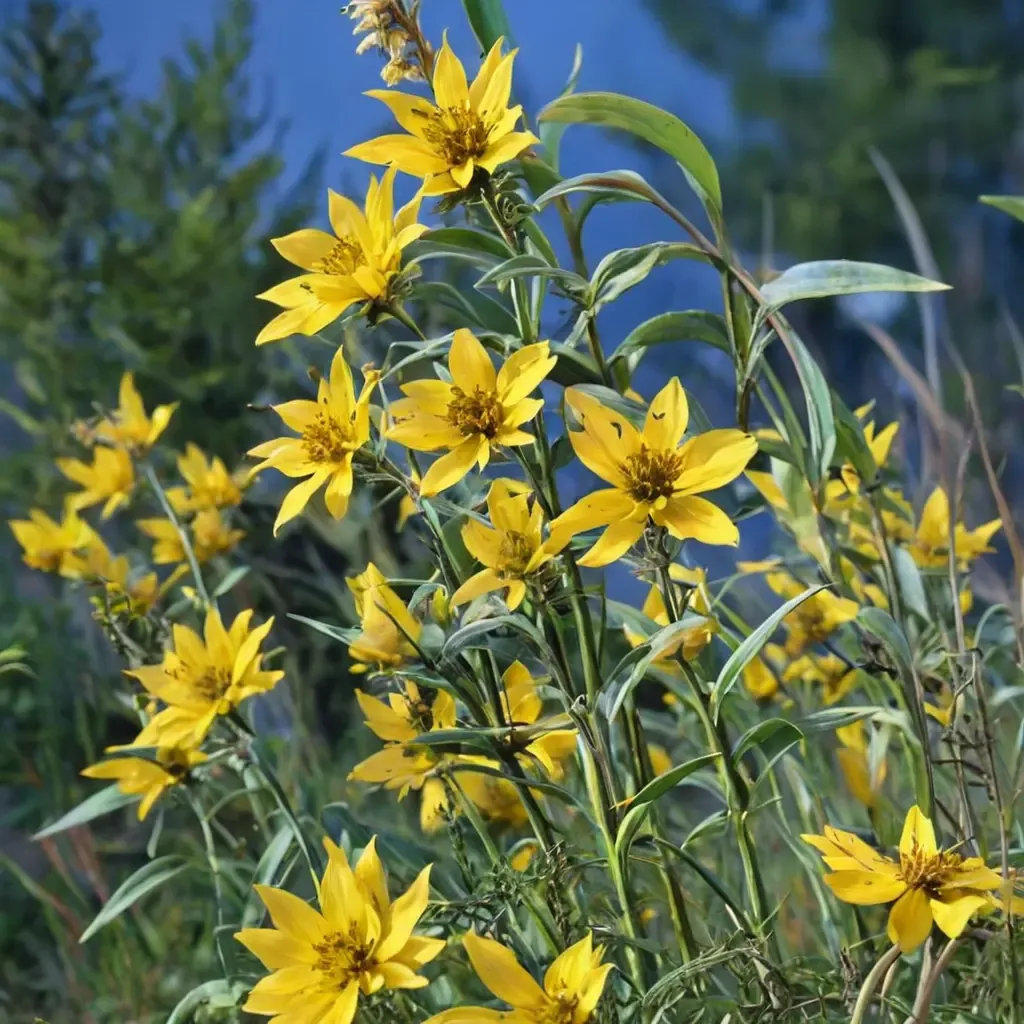
Maximilian sunflower
Helianthus maximiliani
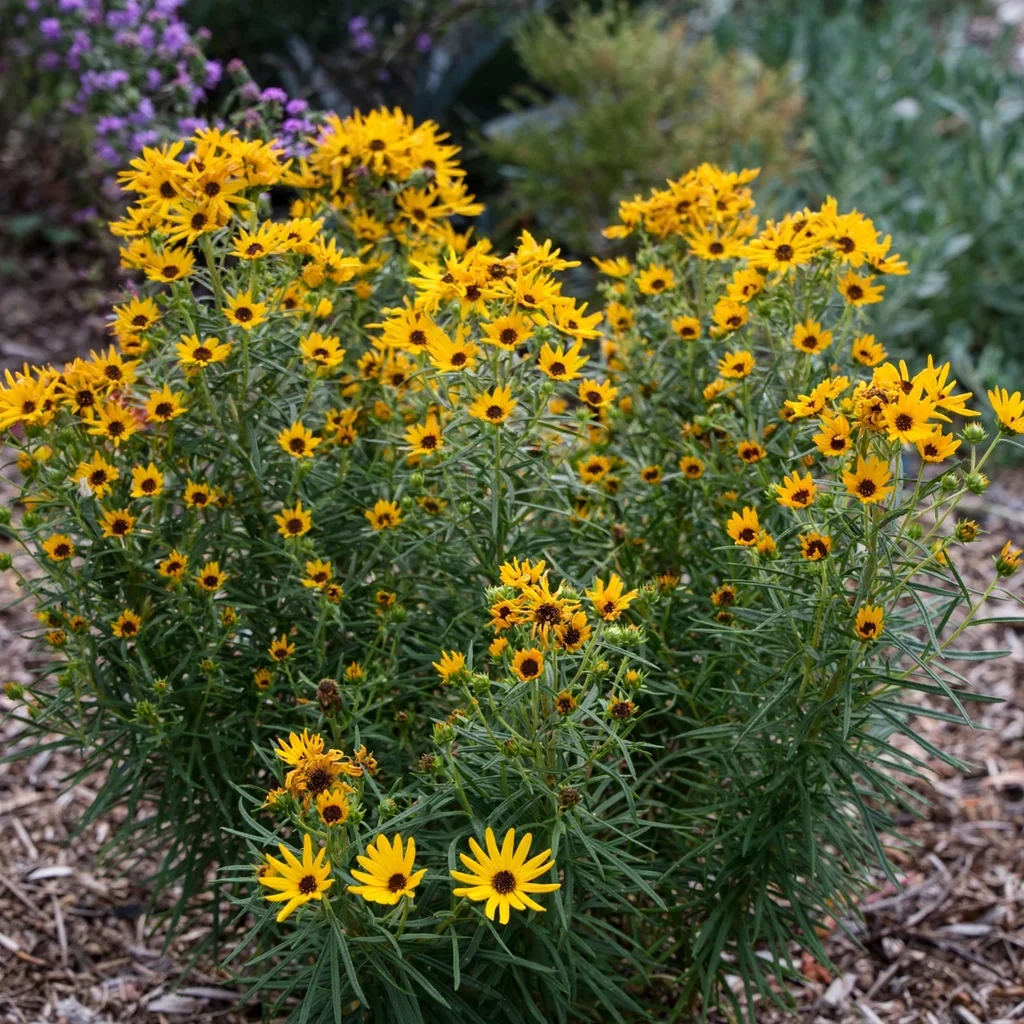
Narrow-Leaf Sunflower Low Down
Helianthus angustifolius 'Low Down'
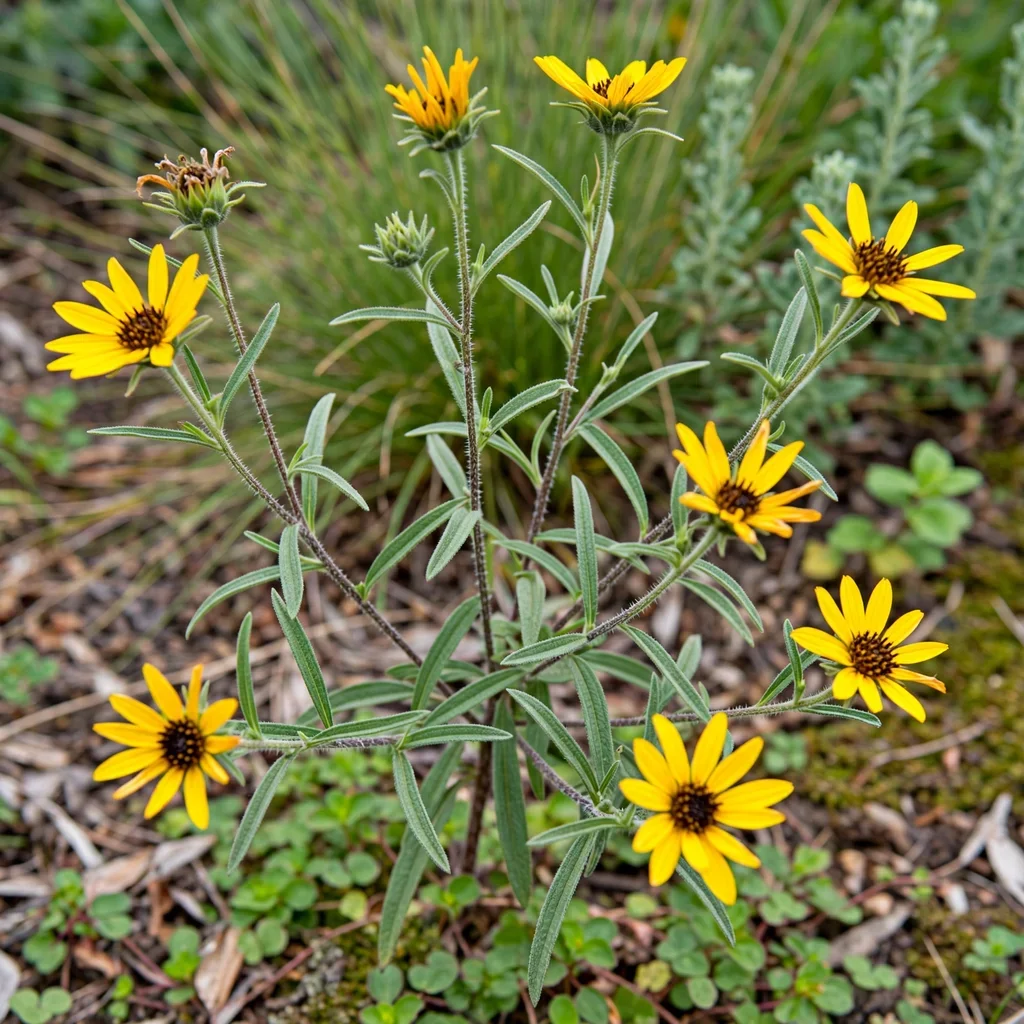
Bolander's Sunflower
Helianthus bolanderi
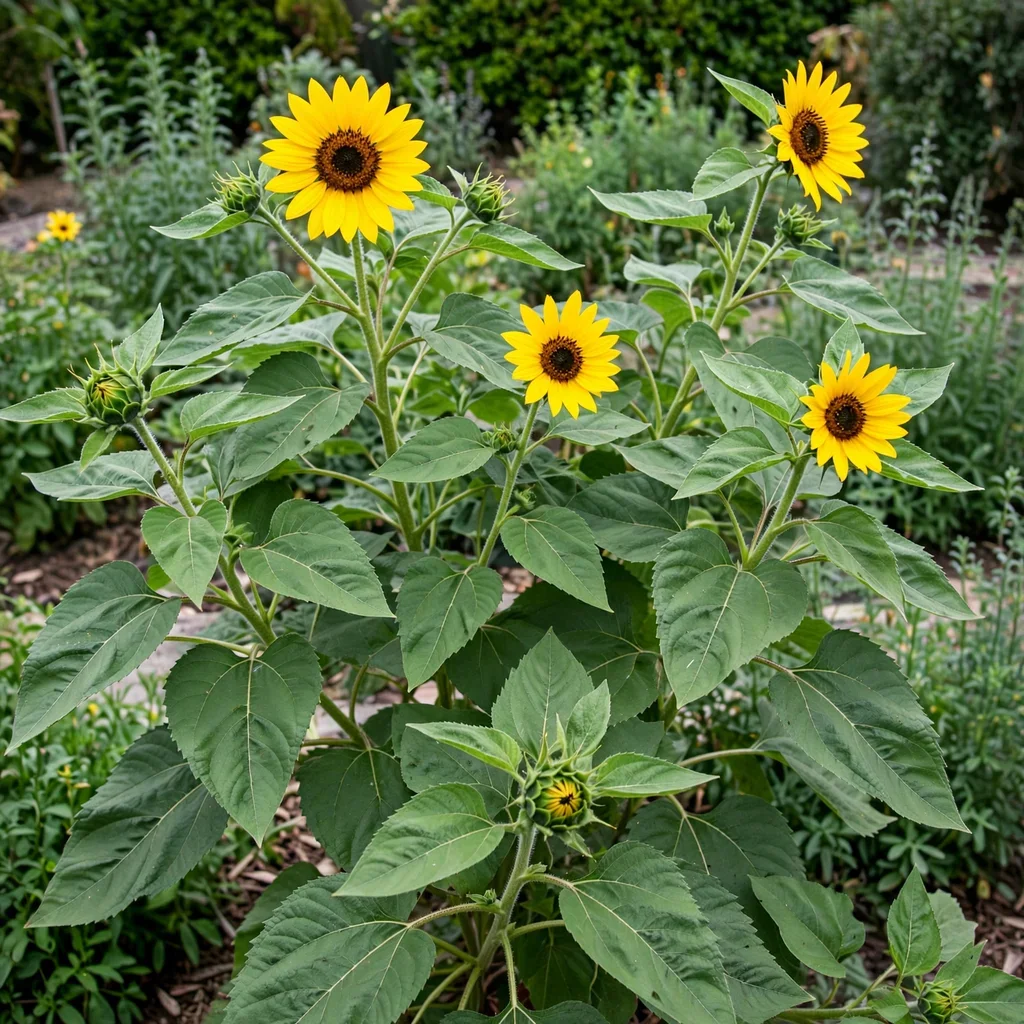
Table Mountain Sunflower
Helianthus annuus 'Table Mountain'
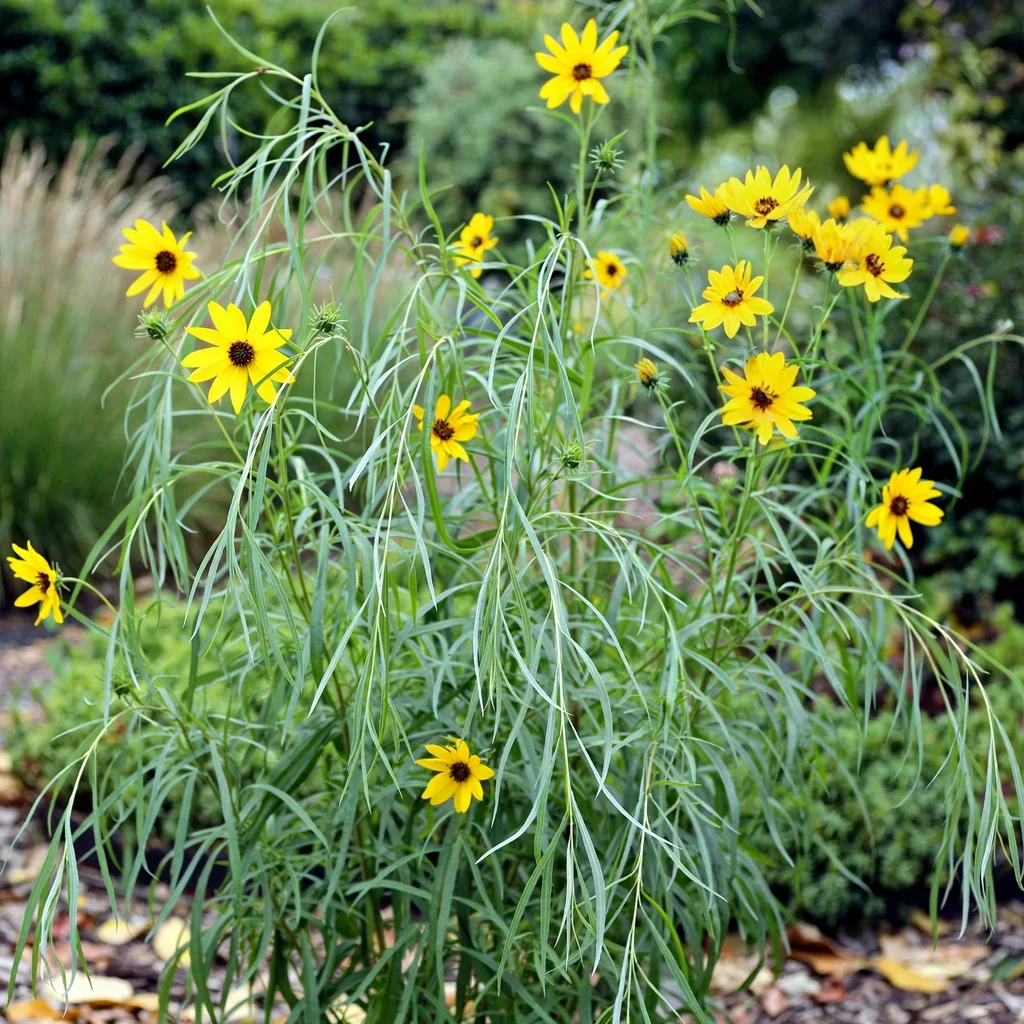
Salicifolius Sunflower Willowleaf Sunflower
Helianthus salicifolius
Keep exploring
Explore the genus
Grow Prairie Sunflower with confidence
See it in a design of your actual yard, get zone-matched care reminders, and track it season by season in your garden journal.