The Story
Plant Bio
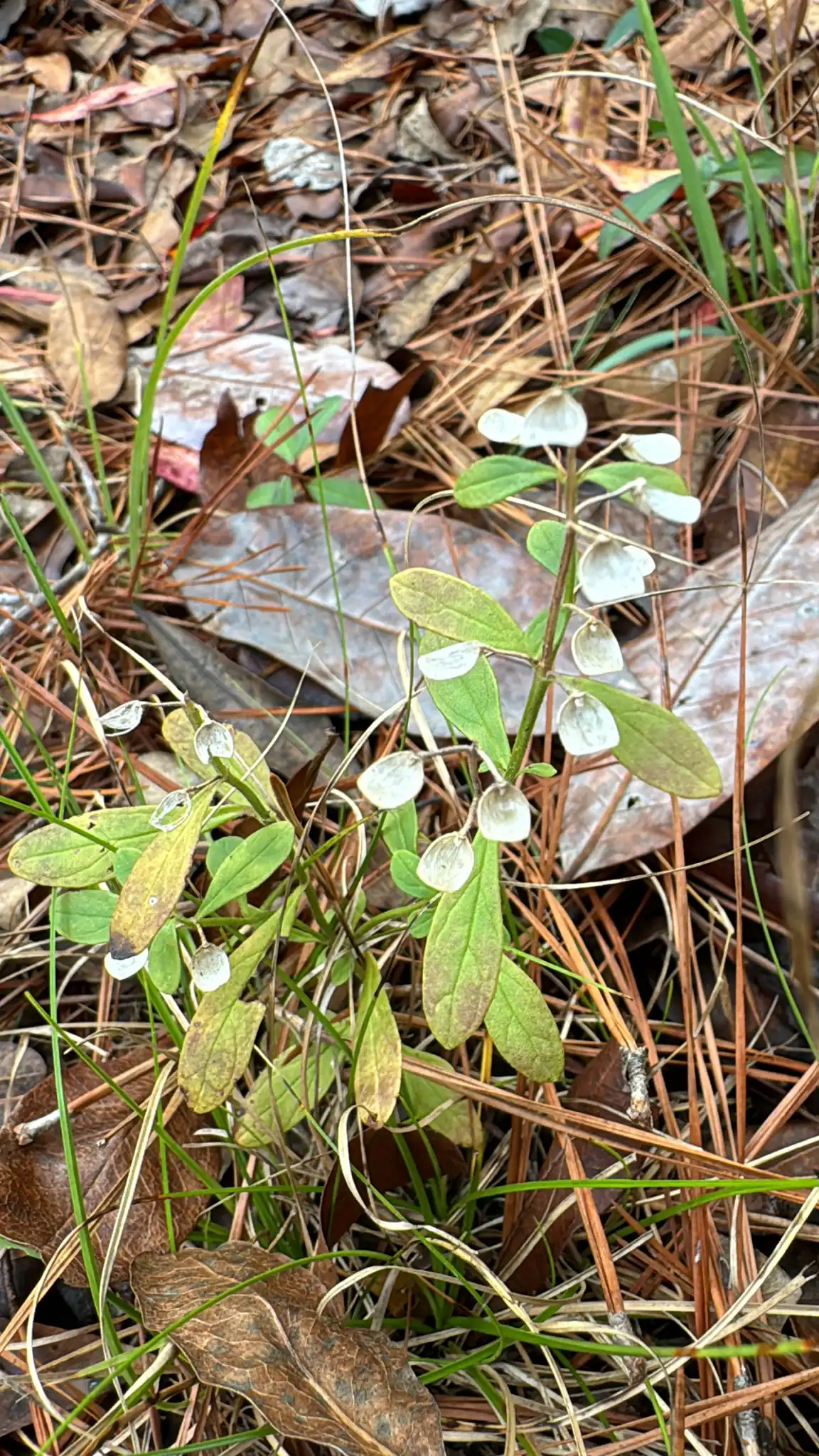
Scutellaria integrifolia, commonly known as helmet skullcap, is an upright, short-lived perennial wildflower native to the eastern and southeastern United States. It produces erect, square, finely hairy stems reaching 12 to 24 inches high, clad in simple opposite leaves that transition from coarsely toothed at the base to smooth-edged near the top.
Terminal clusters of two-lipped, blue-purple flowers open from late spring into summer, each marked with a distinct white landing pad on the lower lip for native bees. Despite appearing on wetland plant indices, it requires well-drained soil in cultivation and rots if subjected to standing water.
Uses & Benefits:
Essentials
At a Glance
Plant Type
Perennial
Height
24"
Width
12"
Light
Full Sun, Partial Sun
Zones
6, 7, 8, 9
Water
Low to moderate
Humidity
High
Lifespan
Short-lived perennial
Native To
Eastern and Southeastern United States
Toxicity
Non-toxic
Bloom period
Late spring – Summer
In flower about 4 months of the year
Planting
How to Grow
- Select a planting site in full sun to partial shade featuring well-drained, acidic to neutral soil.
- Space plants 12 inches apart to allow clumps room to develop and maintain adequate air circulation.
- Water regularly during the initial planting phase until roots establish, allowing upper soil layers to dry slightly between waterings.
- Apply a light layer of compost around the base to conserve moisture without suffocating the crown.
Pro Tip
Plant in well-drained sandy loam or peaty garden soil rather than saturated boggy sites, as poor drainage triggers rapid root rot.
Keep It Thriving
Care Guide
Do
- Plant in light, sharply draining soil mixtures.
- Cut back previous year's dead stems in late winter before spring shoots emerge.
- Top-dress annually with organic compost to supply gentle nutrition.
Don't
- Do not plant in heavy, waterlogged clay soils or areas subject to standing water.
- Do not apply high-nitrogen synthetic fertilizers.
- Do not shear foliage back heavily during the active summer growth period.
Seasonal Care Calendar
| Task | Jan | Feb | Mar | Apr | May | Jun | Jul | Aug | Sep | Oct | Nov | Dec |
|---|---|---|---|---|---|---|---|---|---|---|---|---|
| Mulch | ||||||||||||
| Pest Check | ||||||||||||
| Plant | ||||||||||||
| Propagate | ||||||||||||
| Spring Cleanup |
Watch Out For
Pests & Diseases
Common Pests
Common Diseases
In the Garden
Landscape Uses & Companions
Landscape Uses
Multiply
Propagation Methods
Good to Know
Common Questions
Helmet Skullcap questions
What zones can Helmet Skullcap grow in?
Helmet Skullcap is hardy in USDA Zones 6–9. Inside that range it survives winter in the ground; outside it, grow it as an annual or a container plant you protect.
Is Helmet Skullcap deer resistant?
Not reliably. Deer may browse Helmet Skullcap, especially tender spring growth — plan on repellents or fencing where pressure is high.
When does Helmet Skullcap bloom?
Helmet Skullcap typically blooms in late spring through summer. Exact timing shifts a week or two with your zone — Sow's bloom calendar maps it to your garden.
Does Helmet Skullcap need full sun?
Helmet Skullcap does best in full sun to part shade. In hot climates, afternoon shade keeps blooms fresher longer.
Is Helmet Skullcap drought tolerant?
Yes — once established (usually after the first full season), Helmet Skullcap handles dry spells with minimal watering. Water deeply its first year to build the root system that makes that possible.
More Scutellaria to compare
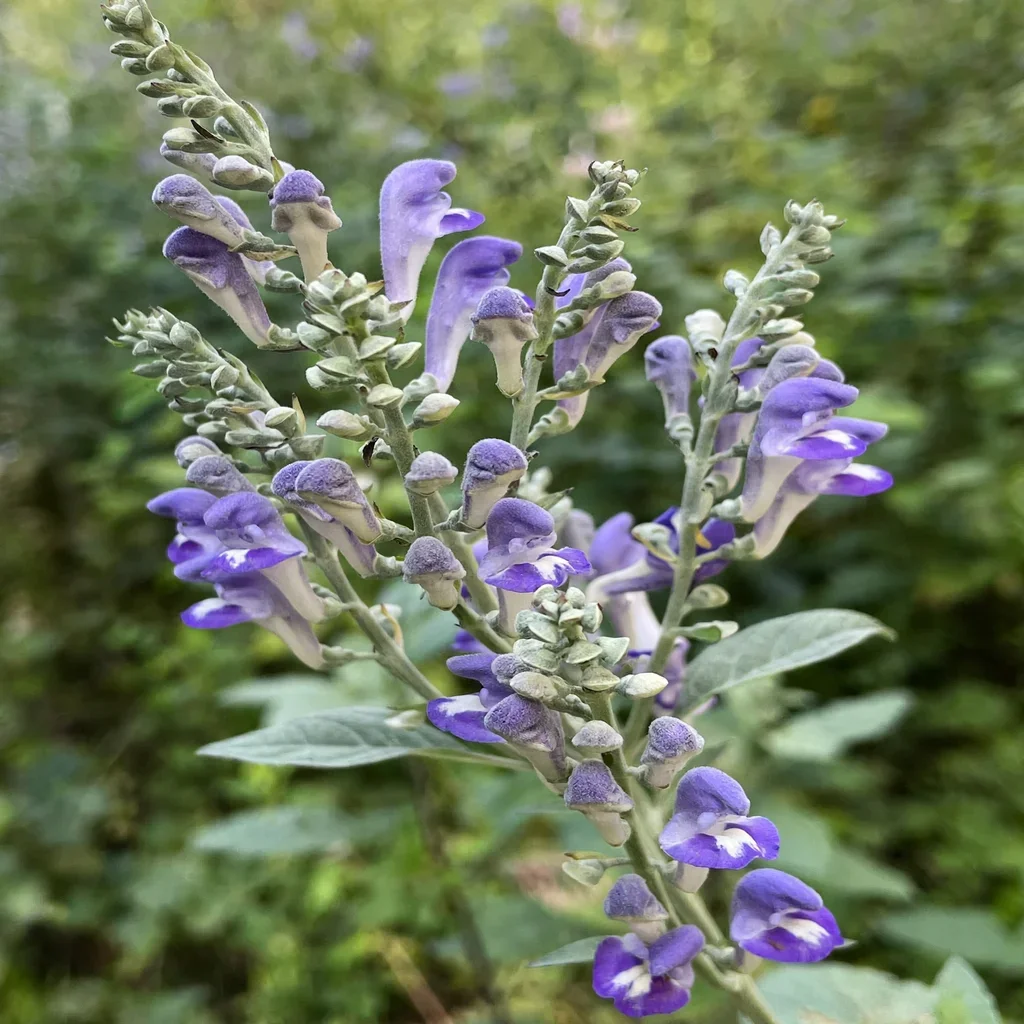
Hoary Skullcap
Scutellaria incana
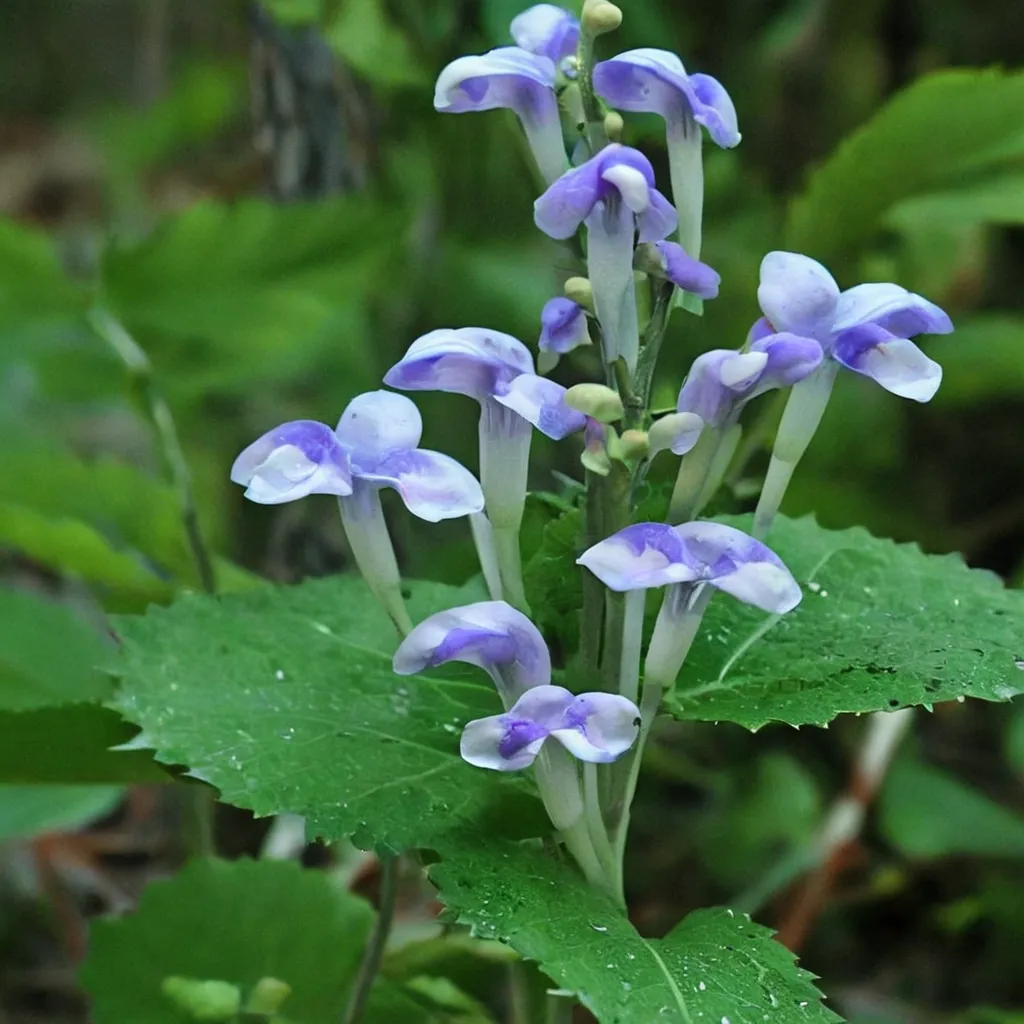
Blue Sky Skullcap
Scutellaria montana 'Blue Sky'
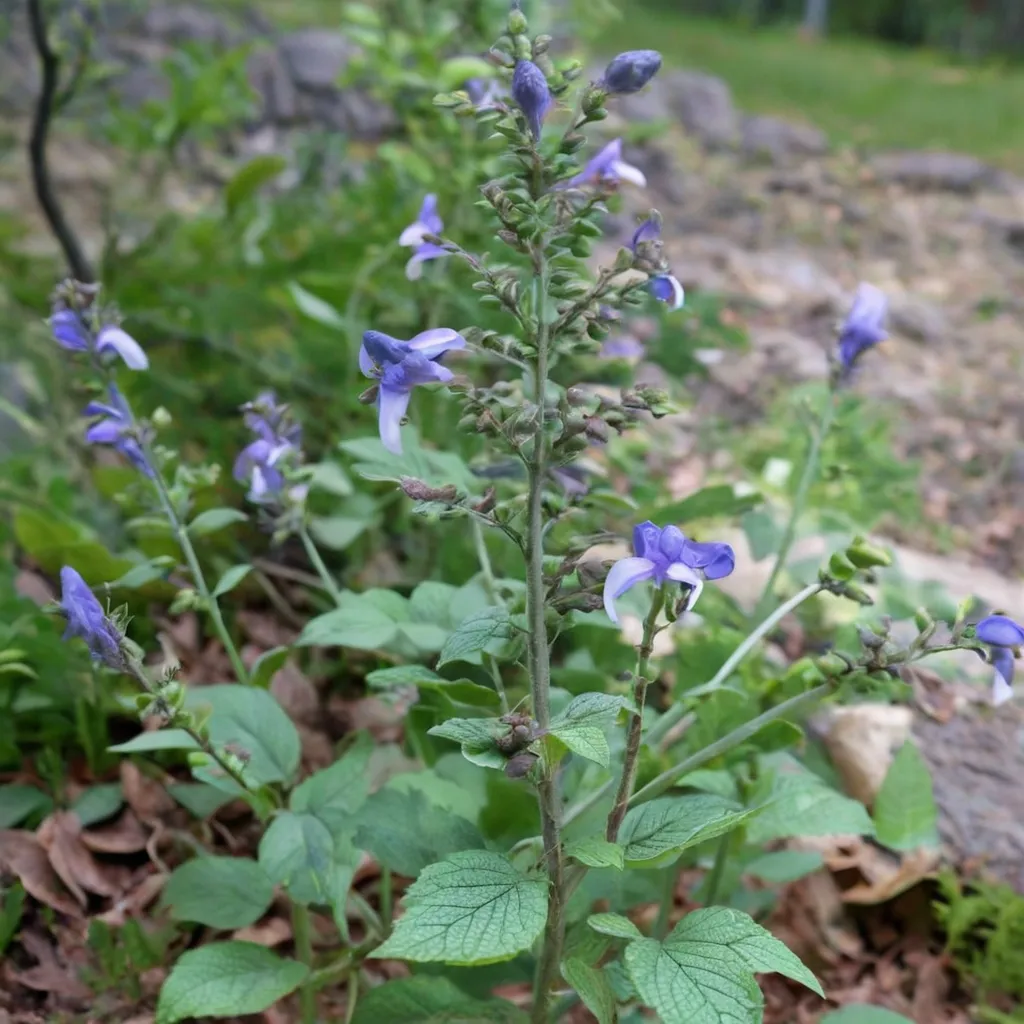
Heart-leaved Skullcap
Scutellaria ovata
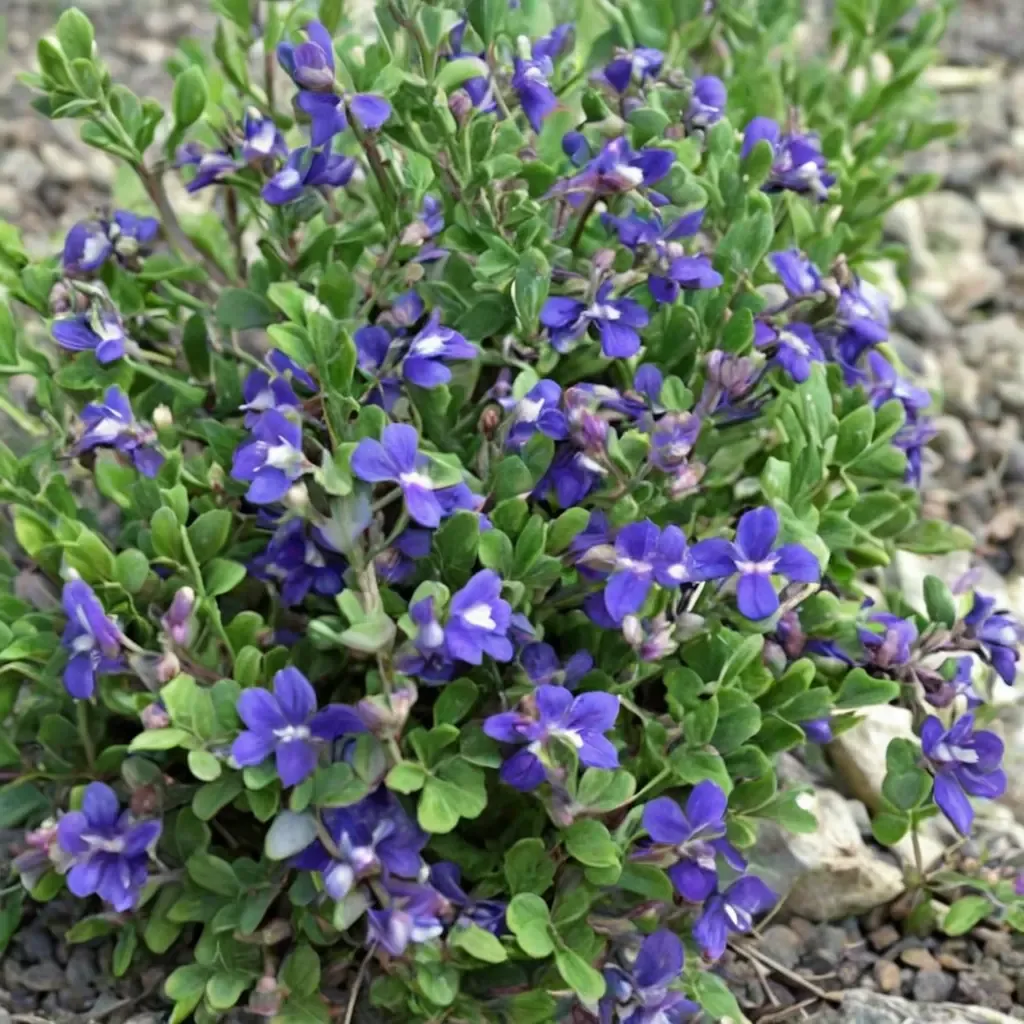
Resinous Skullcap
Scutellaria resinosa
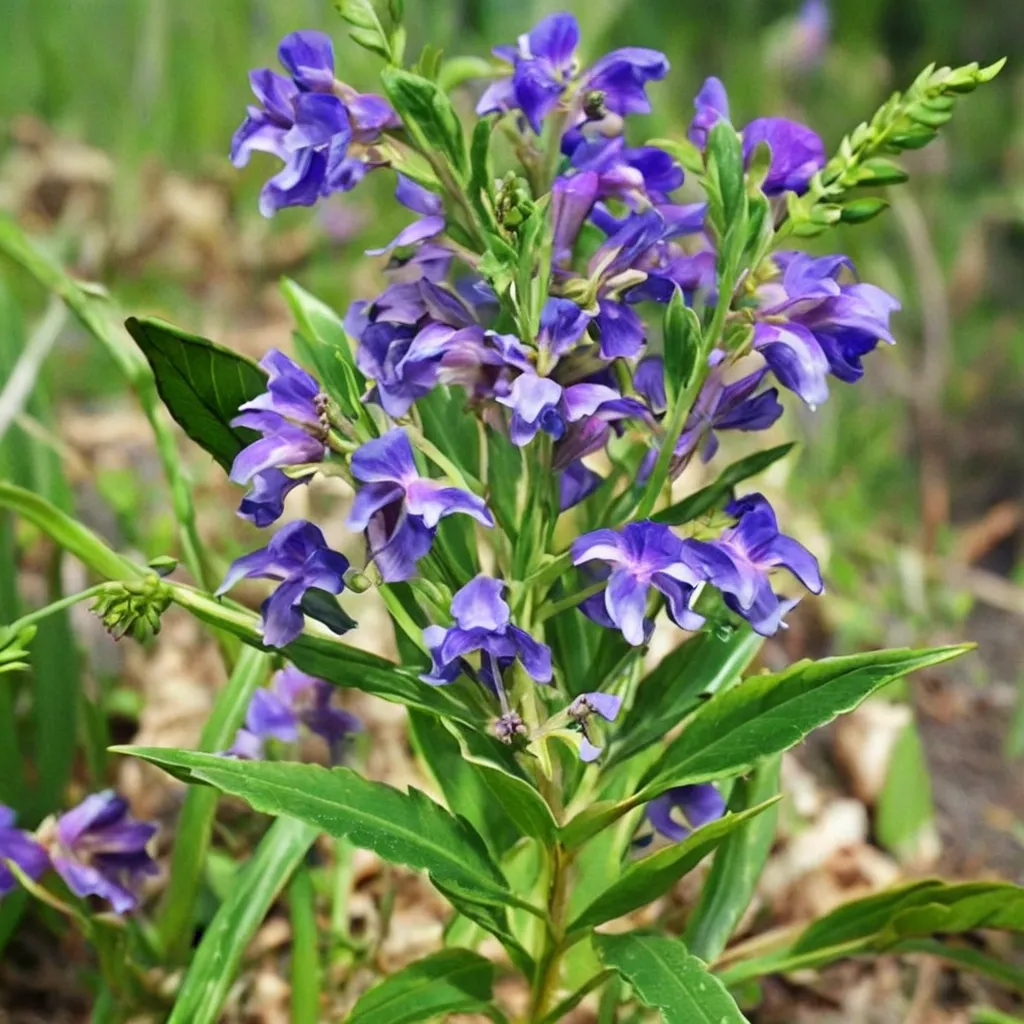
Baikal Skullcap
Scutellaria baicalensis
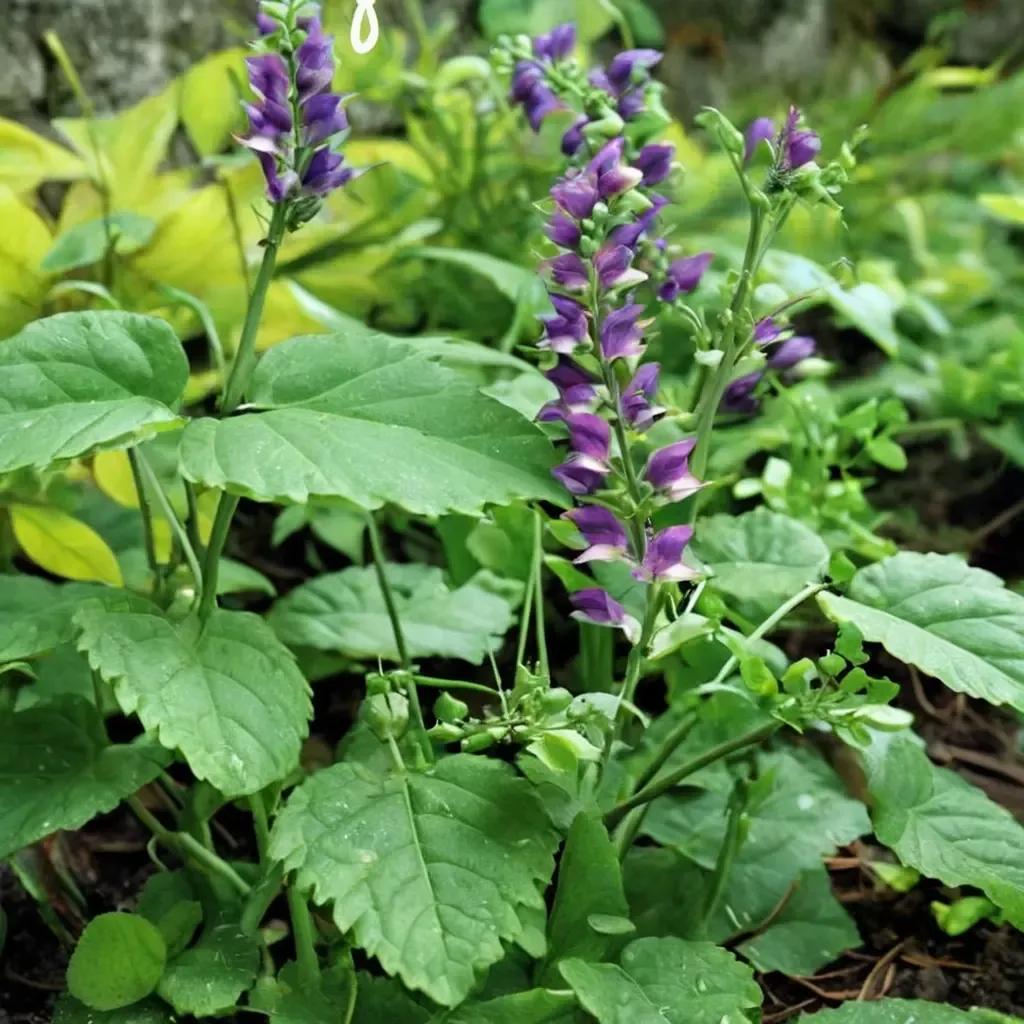
Somerset Skullcap
Scutellaria altissima
Keep exploring
Explore the genus
Hardy in your zone?
Grow Helmet Skullcap with confidence
See it in a design of your actual yard, get zone-matched care reminders, and track it season by season in your garden journal.