

The Story
Plant Bio
Prunus x yedoensis, the Yoshino cherry, is a small to medium-sized deciduous tree famous for its spectacular spring display of flowers. It has a graceful, spreading habit and is the iconic cherry of the Washington D.C. Tidal Basin.
'Akebono' is a popular cultivar distinguished by its abundant, fragrant, double pale pink flowers that fade to nearly white. It is also slightly more cold-hardy and has a more pronounced weeping habit than the species.
Uses & Benefits:
Essentials
At a Glance
Plant Type
Tree
Height
300"
Width
300"
Light
Full Sun
Zones
5, 6, 7, 8
Water
Medium
Humidity
Average
Lifespan
Relatively short-lived (20-30 years)
Native To
Hybrid of Japanese origin
Toxicity
Stems, leaves, and seeds contain cyanide, toxic if ingested
Bloom period
Early spring – Mid-spring
In flower about 2 months of the year
Marketplace
Where to Buy
Shipping costs Year-round shipping Free shipping
Planting
How to Grow
- Choose a location in full sun with excellent drainage.
- Dig a hole twice as wide as the root ball but no deeper.
- Gently tease out any circling roots before planting.
- Place the tree in the hole, ensuring the root flare is visible.
- Backfill with the original soil and water deeply.
- Mulch around the base, keeping it away from the trunk.
Pro Tip
Avoid pruning in fall or winter, as this can expose the tree to silver leaf and other fungal diseases.
Keep It Thriving
Care Guide
Do
- Provide consistent water, especially in dry periods.
- Mulch to protect the shallow roots and retain moisture.
- Plant in a location with good air circulation to deter disease.
- Enjoy the fleeting but glorious bloom.
Don't
- Don't plant in wet, poorly drained soil.
- Don't damage the trunk with mowers or string trimmers.
- Don't over-fertilize, which can lead to weak growth.
- Don't prune major branches unless necessary.
Seasonal Care Calendar
| Task | Jan | Feb | Mar | Apr | May | Jun | Jul | Aug | Sep | Oct | Nov | Dec |
|---|---|---|---|---|---|---|---|---|---|---|---|---|
| Fertilize | ||||||||||||
| Pest Check | ||||||||||||
| Prune |
Watch Out For
Pests & Diseases
Common Pests
Common Diseases
In the Garden
Landscape Uses & Companions
Landscape Uses
Companion Plants
Multiply
Propagation Methods
Good to Know
Common Questions
Akebono Yoshino Cherry questions
What zones can Akebono Yoshino Cherry grow in?
Akebono Yoshino Cherry is hardy in USDA Zones 5–8. Inside that range it survives winter in the ground; outside it, grow it as an annual or a container plant you protect.
Is Akebono Yoshino Cherry deer resistant?
Not reliably. Deer may browse Akebono Yoshino Cherry, especially tender spring growth — plan on repellents or fencing where pressure is high.
When does Akebono Yoshino Cherry bloom?
Akebono Yoshino Cherry typically blooms in early spring through mid-spring. Exact timing shifts a week or two with your zone — Sow's bloom calendar maps it to your garden.
Does Akebono Yoshino Cherry need full sun?
Akebono Yoshino Cherry does best in full sun (6+ hours).
More Prunus to compare
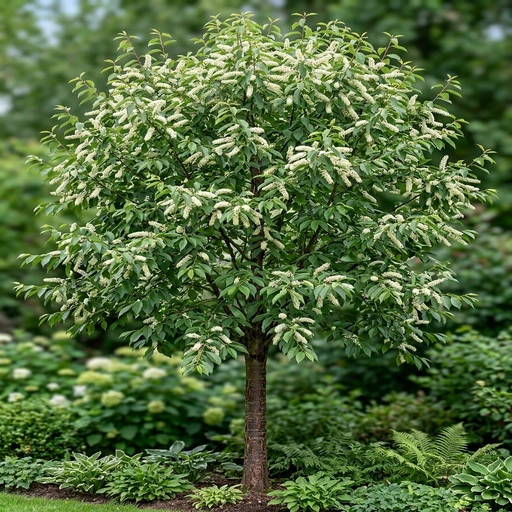
Black Cherry
Prunus serotina
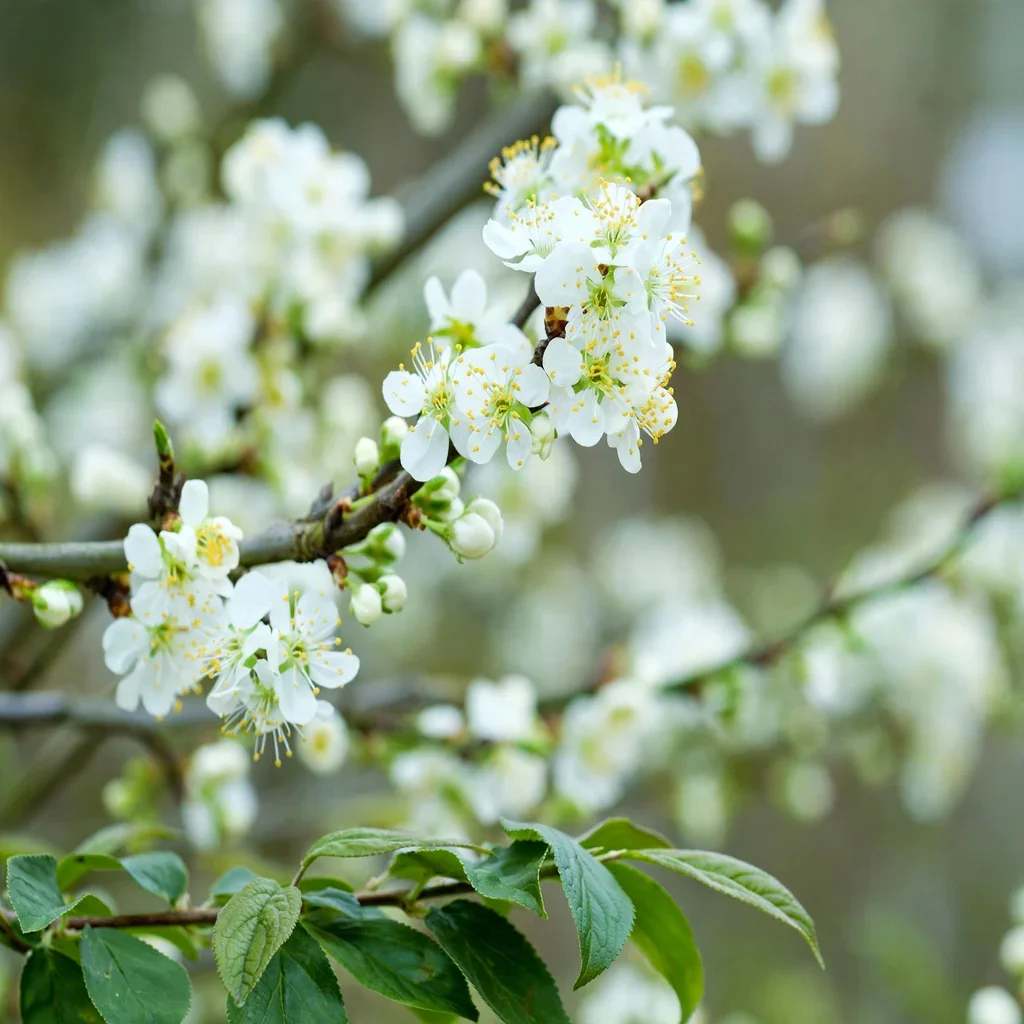
Sugar Plum
Prunus domestica 'Sugar Plum'
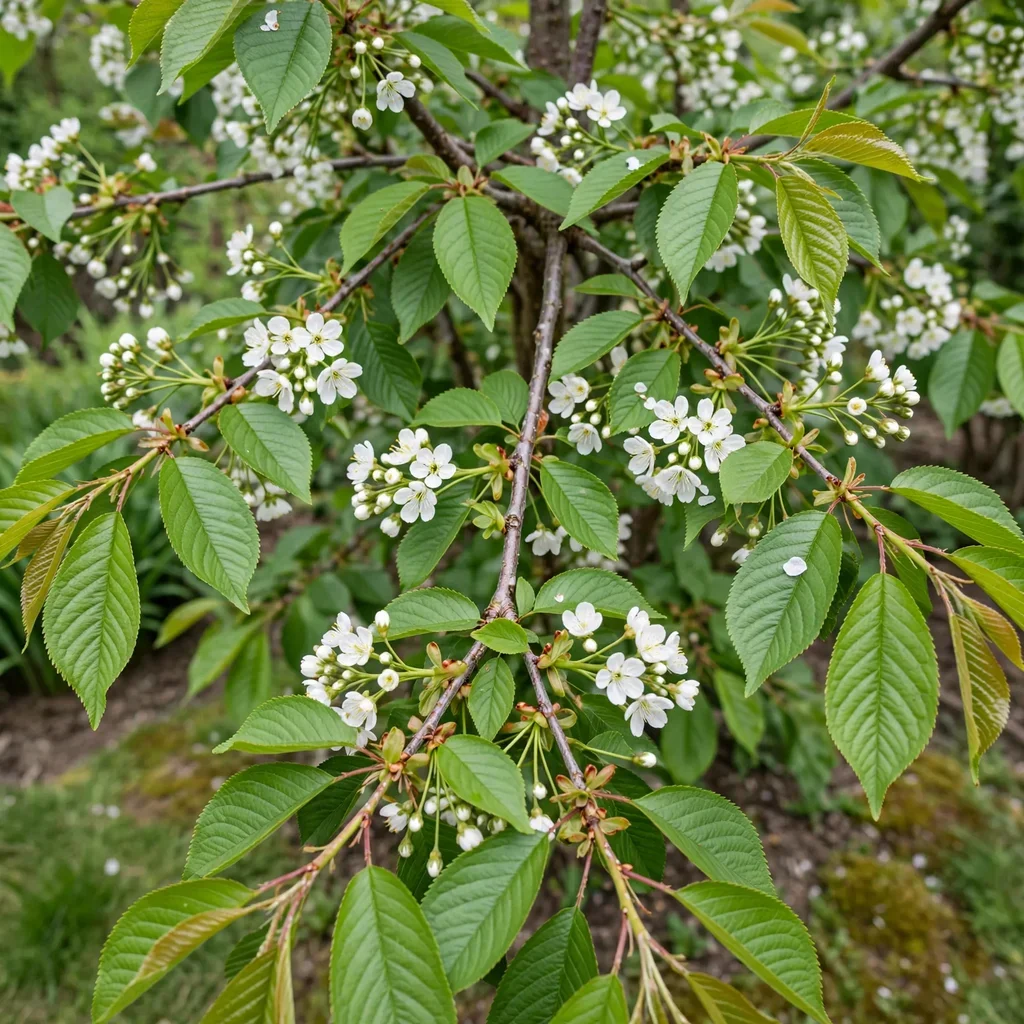
Sweet Cherry
Prunus avium 'Mix'
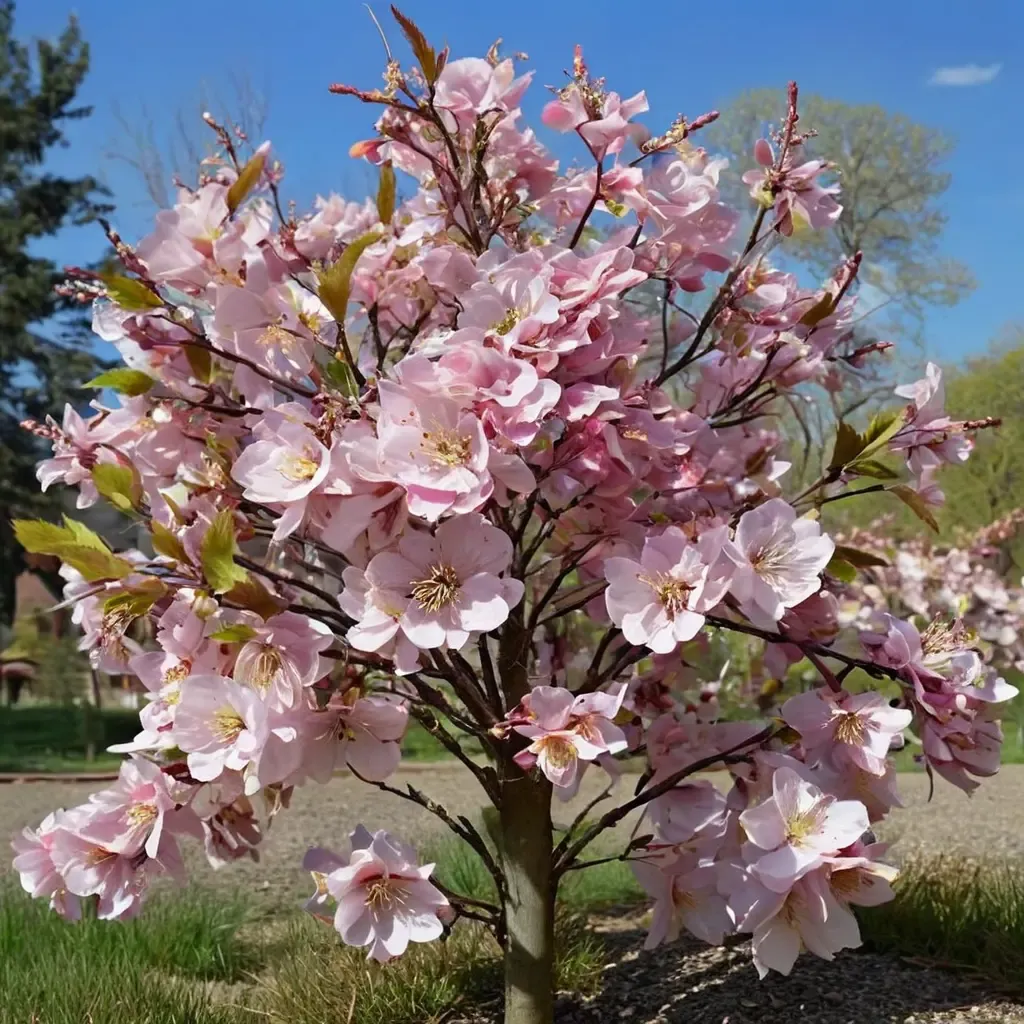
Japanese Flowering Cherry
Prunus serrulata
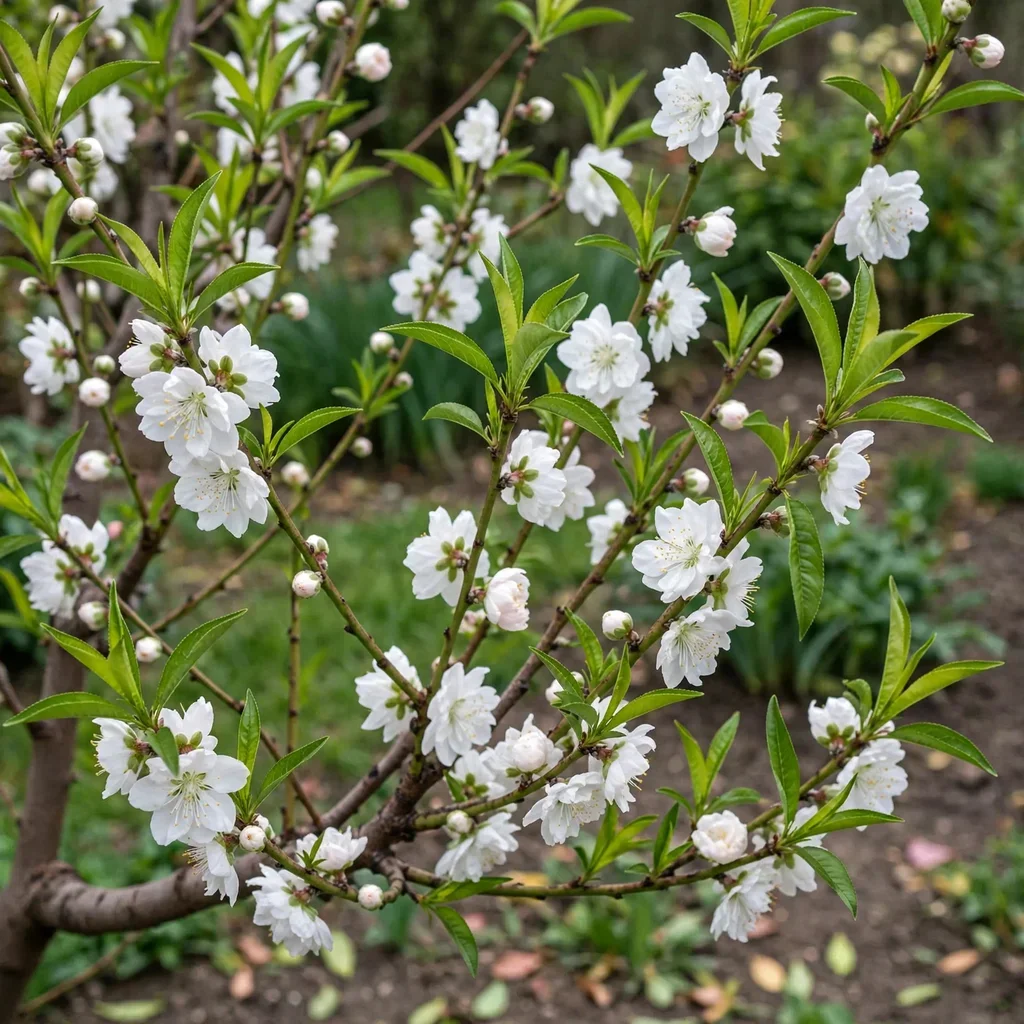
Feiching Tao White Peach
Prunus persica 'Feiching Tao White'
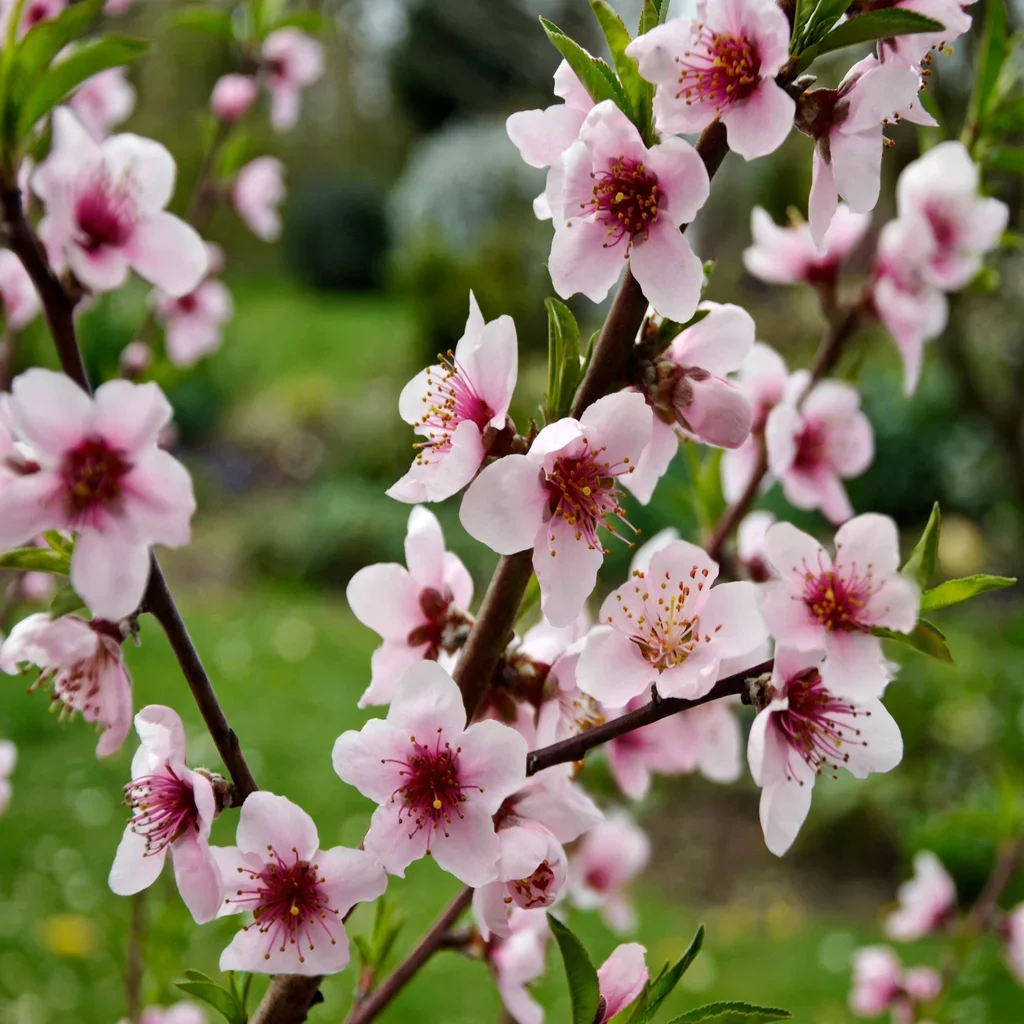
Hale Haven Peach
Prunus persica 'Hale Haven'
Keep exploring
Explore the genus
Hardy in your zone?
Grow Akebono Yoshino Cherry with confidence
See it in a design of your actual yard, get zone-matched care reminders, and track it season by season in your garden journal.