The Story
Plant Bio
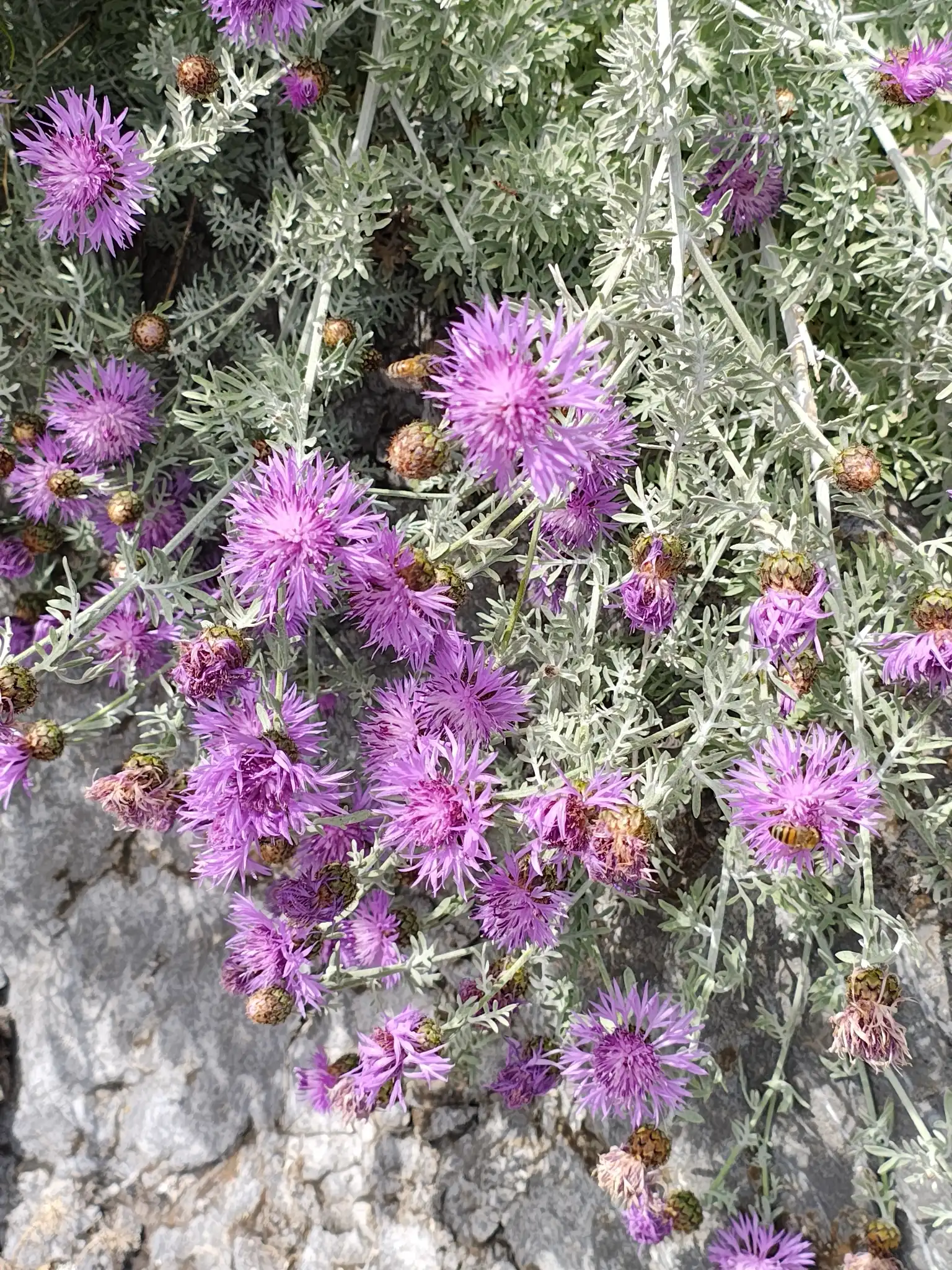
Centaurea cineraria, commonly known as dusty miller, is a mounding, woody-based perennial sub-shrub native to the Mediterranean cliffs. Its deeply lobed, felt-like leaves are completely covered in dense, silvery-white hairs that reflect intense sunlight and conserve moisture.
This species is distinguished by its exceptionally bright, nearly white foliage that retains its intense silver coloration only when grown in full sun. In summer, it produces small, yellow thistle-like flower heads that contrast with the woolly leaves, though they are often sheared off to maintain a clean foliage display.
Uses & Benefits:
Essentials
At a Glance
Plant Type
Perennial
Height
24"
Width
18"
Light
Full Sun
Zones
8, 9, 10
Water
Low
Humidity
Low to Moderate
Lifespan
Perennial
Native To
Mediterranean region
Toxicity
Mildly Toxic
Bloom period
Summer
In flower about 3 months of the year
Planting
How to Grow
- Select a planting site that receives at least six hours of direct sunlight daily to prevent the foliage from turning green and leggy.
- Ensure the soil is exceptionally well-drained, incorporating sand or gravel into heavy soils to prevent root rot.
- Water sparingly once established, allowing the soil to dry out completely between waterings.
- Pinch off emerging flower buds in early summer if you prefer to maintain a uniform, velvety foliage carpet.
Pro Tip
To maintain a dense, compact silver mound, shear the plant back hard in late spring just as new growth begins, but never cut back into old, leafless woody stems.
Keep It Thriving
Care Guide
Do
- Plant in full sun to maximize the silver color of the foliage.
- Provide sharp drainage, using raised beds or containers if necessary.
- Prune back leggy stems in late spring to encourage fresh basal growth.
Don't
- Do not overwater or allow the roots to sit in soggy, waterlogged soil.
- Do not apply heavy fertilizers, which cause weak, green, non-silver growth.
- Do not prune aggressively into old, bare, leafless wood where buds cannot break.
Seasonal Care Calendar
| Task | Jan | Feb | Mar | Apr | May | Jun | Jul | Aug | Sep | Oct | Nov | Dec |
|---|---|---|---|---|---|---|---|---|---|---|---|---|
| Pest Check | ||||||||||||
| Pinch | ||||||||||||
| Propagate | ||||||||||||
| Prune |
Watch Out For
Pests & Diseases
Common Pests
Common Diseases
In the Garden
Landscape Uses & Companions
Landscape Uses
Companion Plants
Multiply
Propagation Methods
Good to Know
Common Questions
Dusty Miller questions
What zones can Dusty Miller grow in?
Dusty Miller is hardy in USDA Zones 8–10. Inside that range it survives winter in the ground; outside it, grow it as an annual or a container plant you protect.
Is Dusty Miller deer resistant?
Yes — Dusty Miller is rated deer-resistant. Deer typically pass it over, though extreme hunger can override any plant's defenses.
When does Dusty Miller bloom?
Dusty Miller typically blooms in summer through summer. Exact timing shifts a week or two with your zone — Sow's bloom calendar maps it to your garden.
Does Dusty Miller need full sun?
Dusty Miller does best in full sun (6+ hours).
Is Dusty Miller drought tolerant?
Yes — once established (usually after the first full season), Dusty Miller handles dry spells with minimal watering. Water deeply its first year to build the root system that makes that possible.
More Centaurea to compare
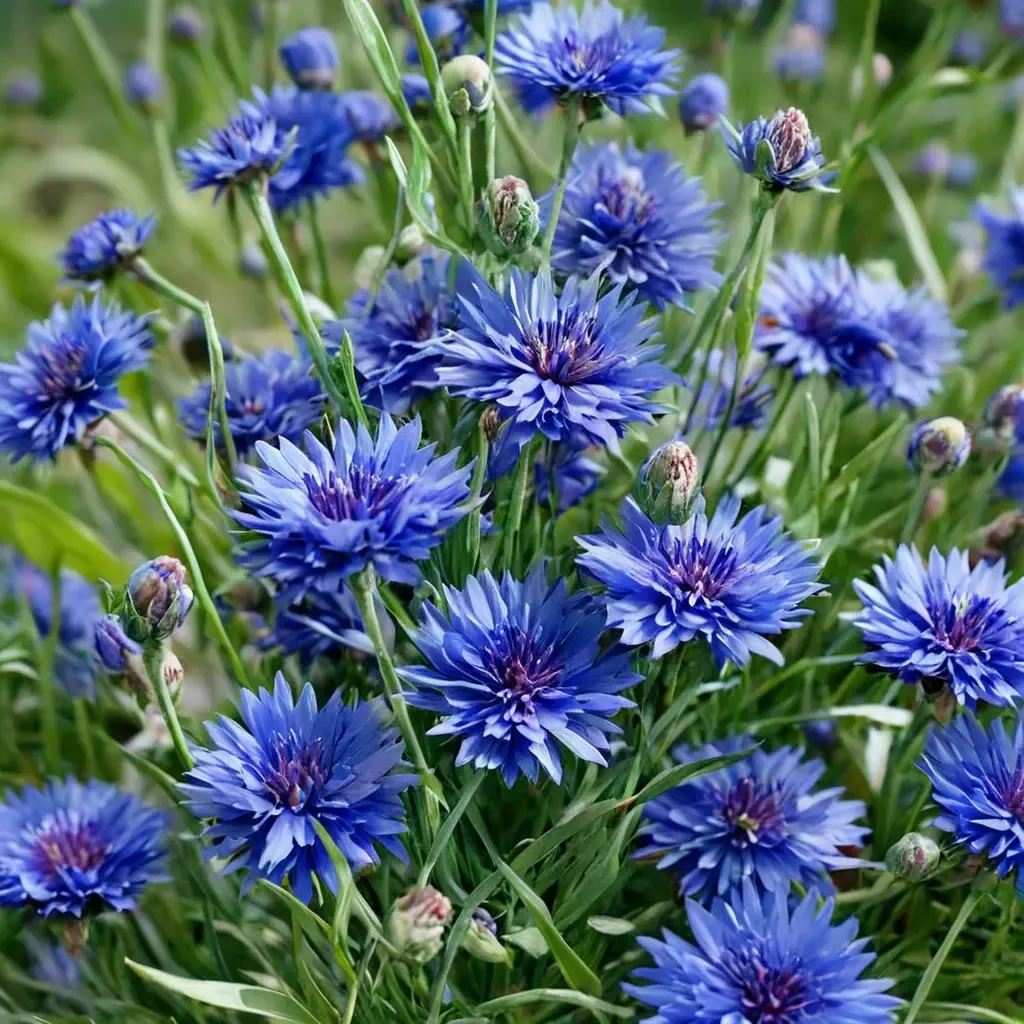
Blue Cornflower
Centaurea cyanus 'Blue Diadem'
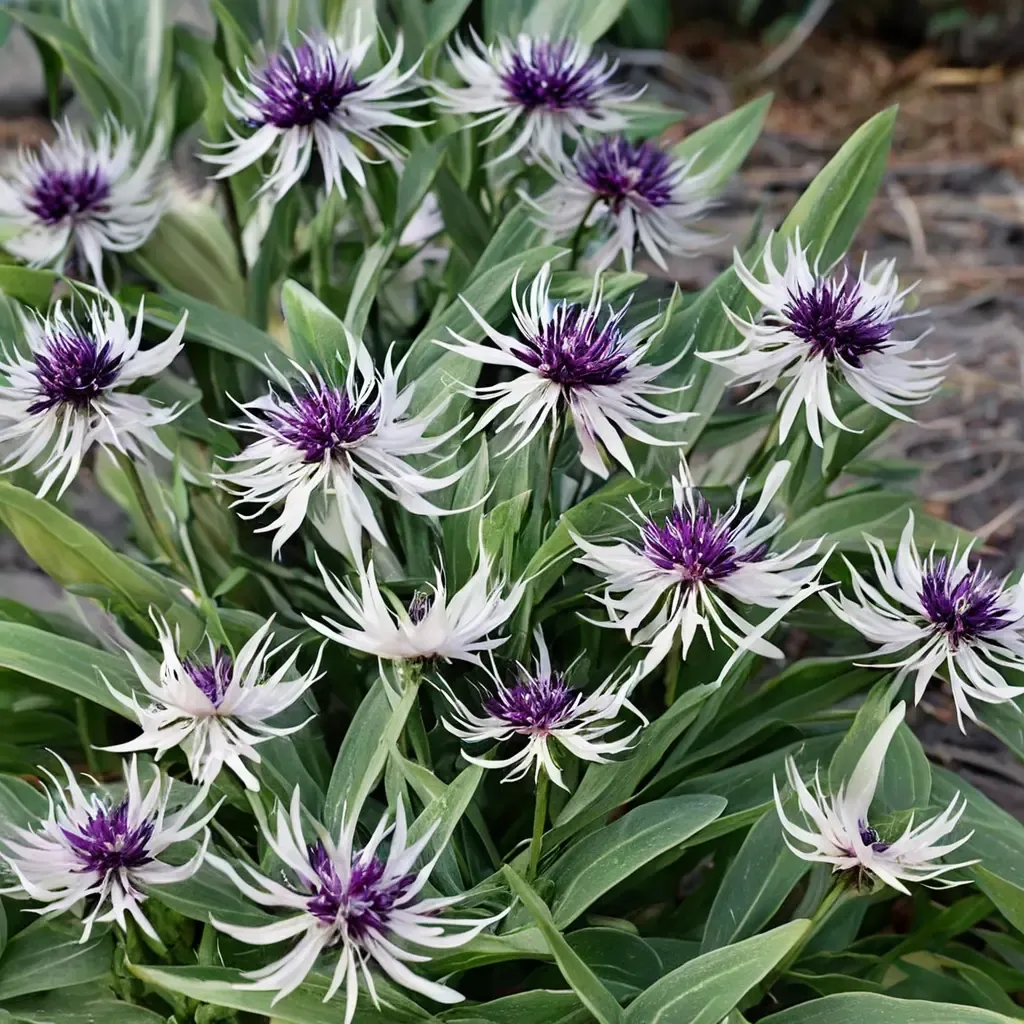
Amethyst in Snow Bachelor's Button
Centaurea cyanus 'Amethyst in Snow'
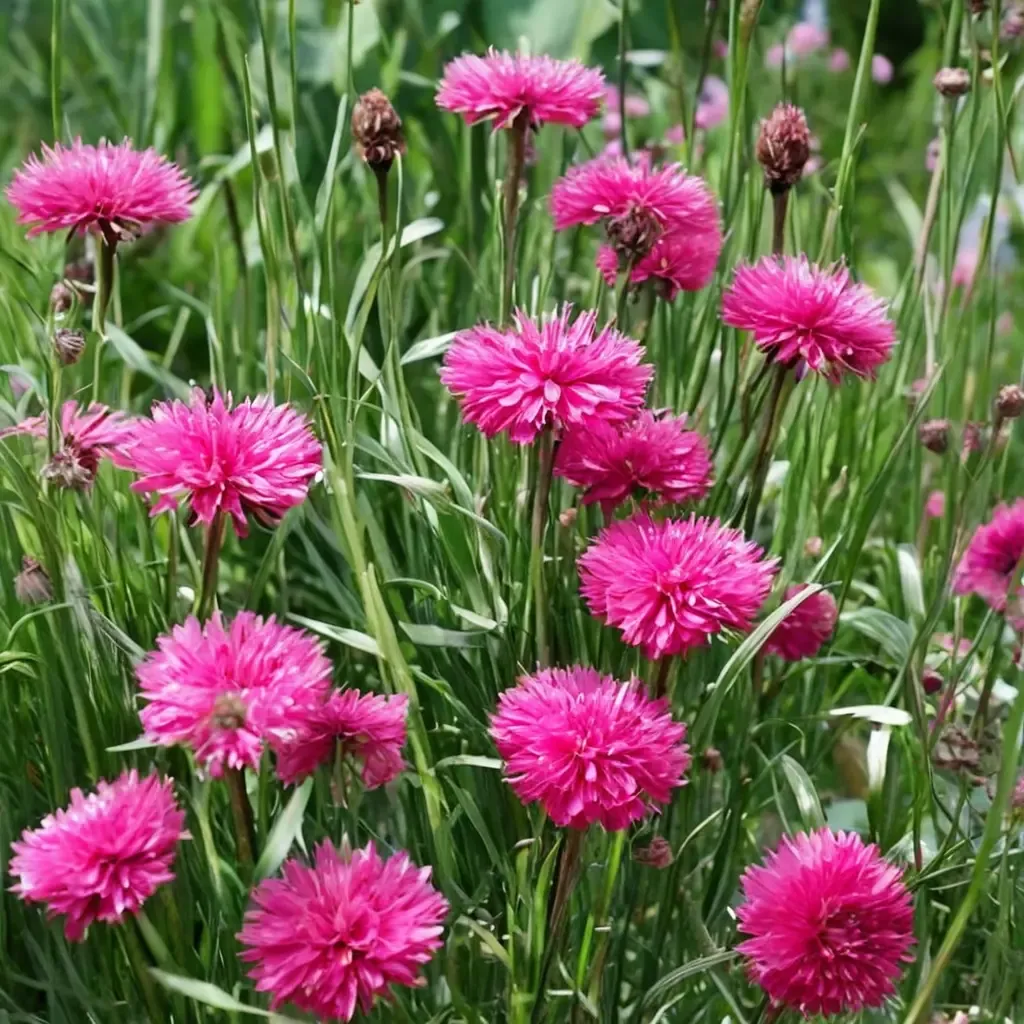
Red Boy Cornflower
Centaurea cyanus 'Red Boy'
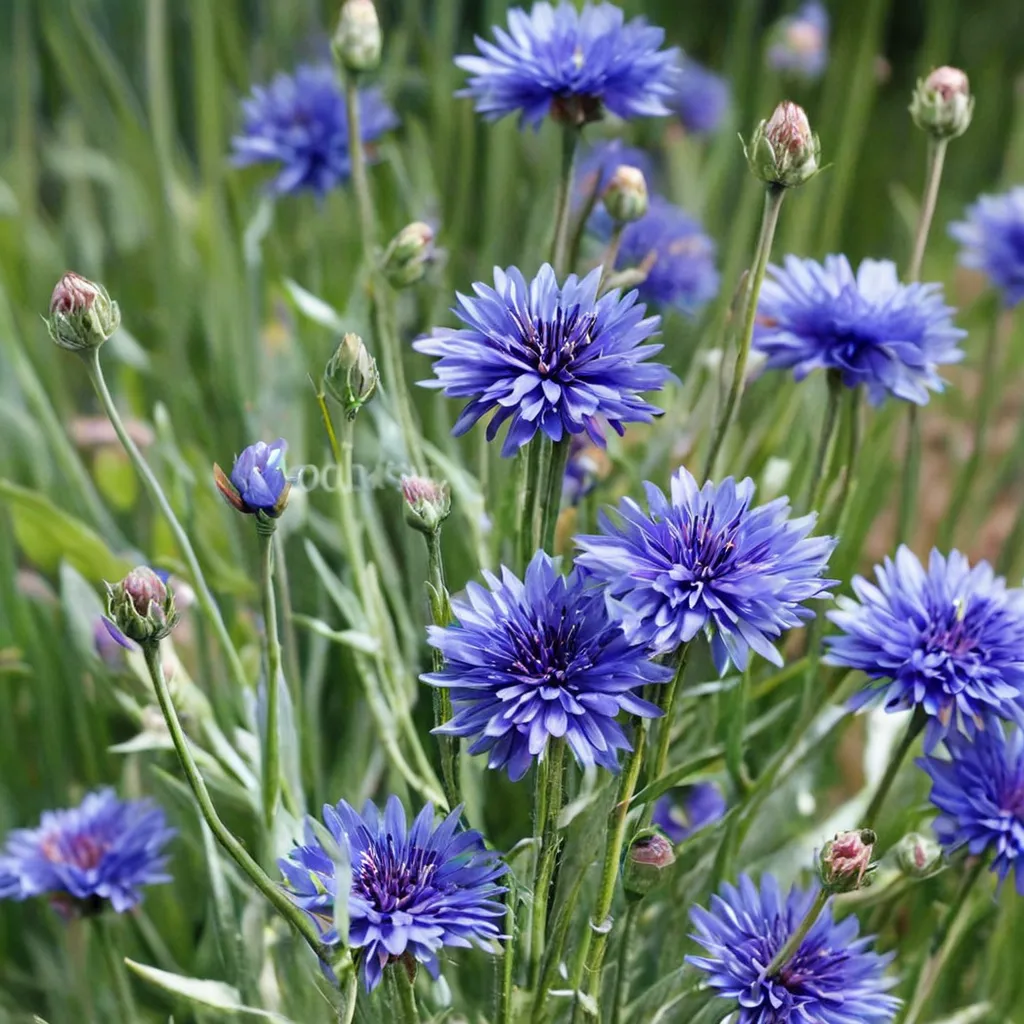
Bachelor's Button Blue Boy
Centaurea cyanus 'Blue Boy'
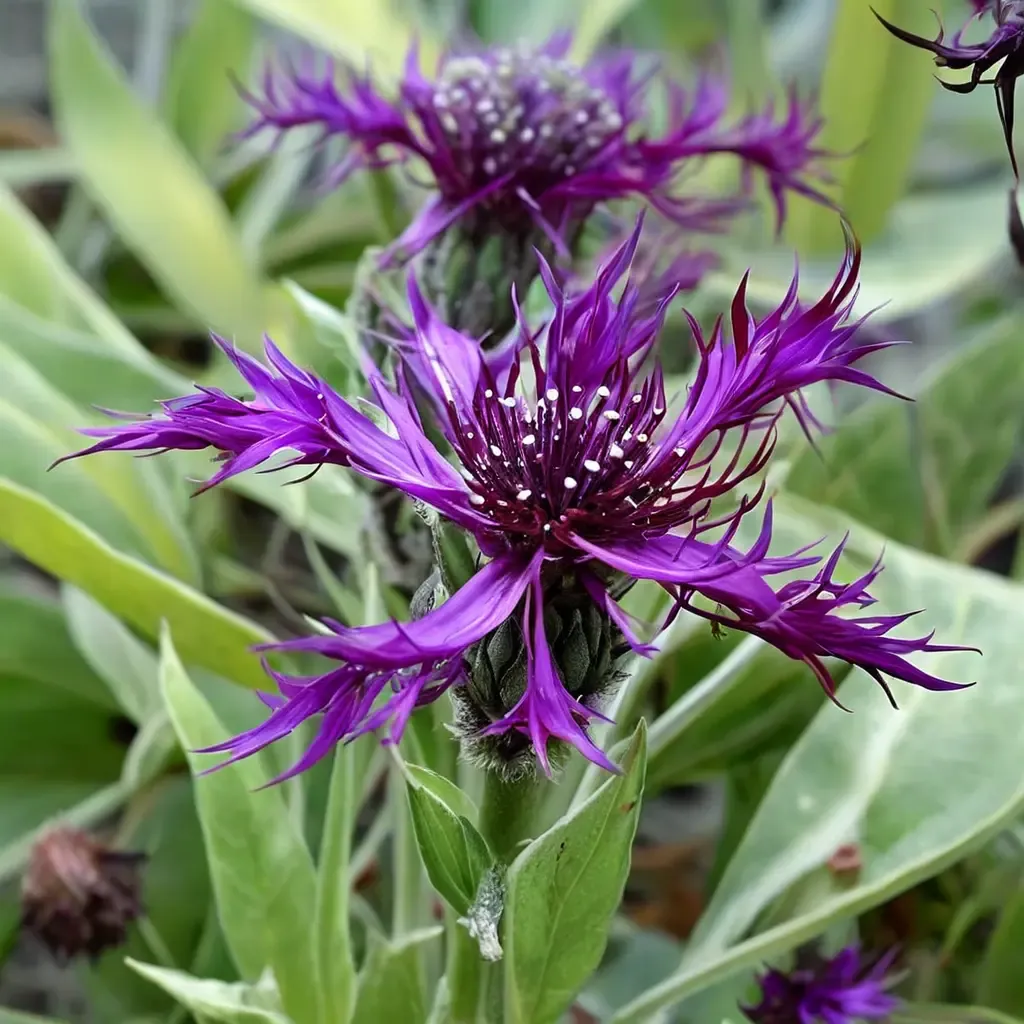
Amethyst Dream Cornflower
Centaurea cyanus 'Amethyst Dream'
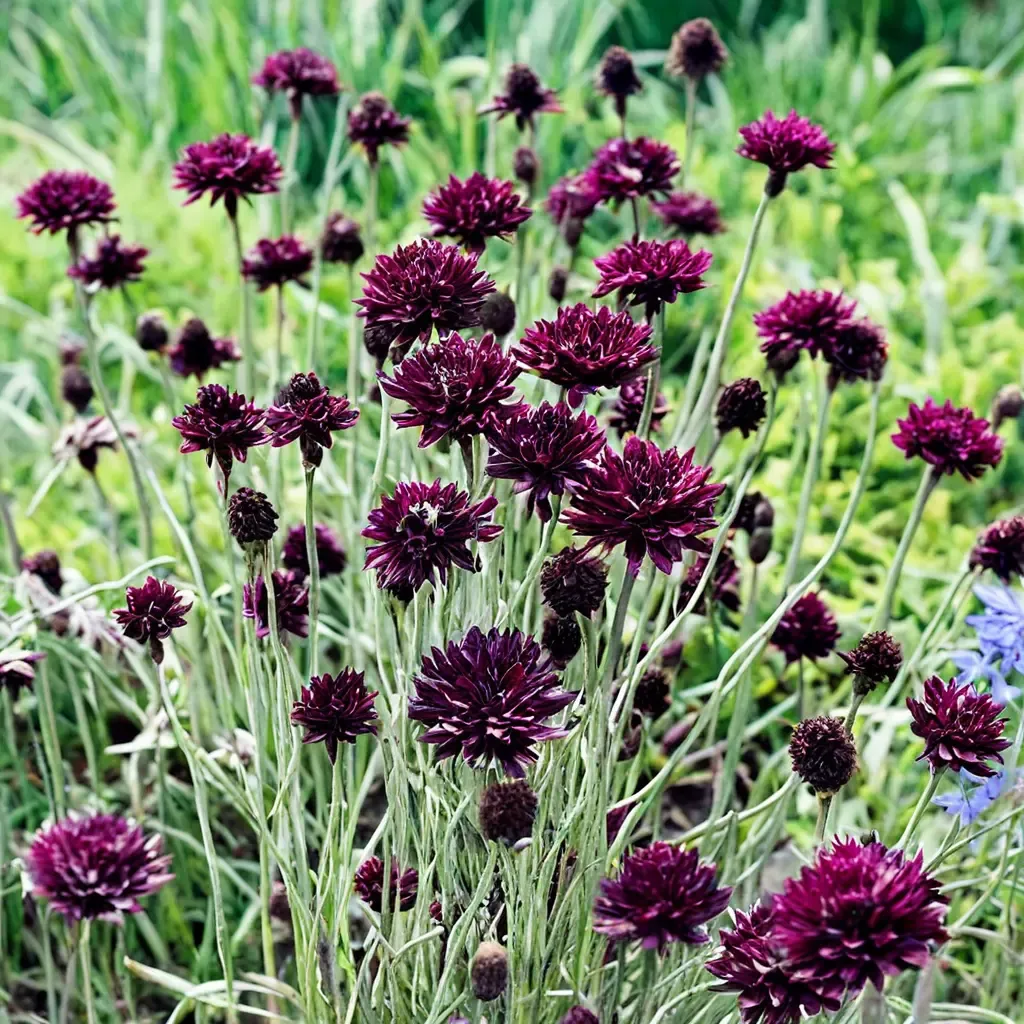
Black Gem Cornflower
Centaurea cyanus 'Black Gem'
Keep exploring
Explore the genus
Hardy in your zone?
Grow Dusty Miller with confidence
See it in a design of your actual yard, get zone-matched care reminders, and track it season by season in your garden journal.