
The Story
Plant Bio
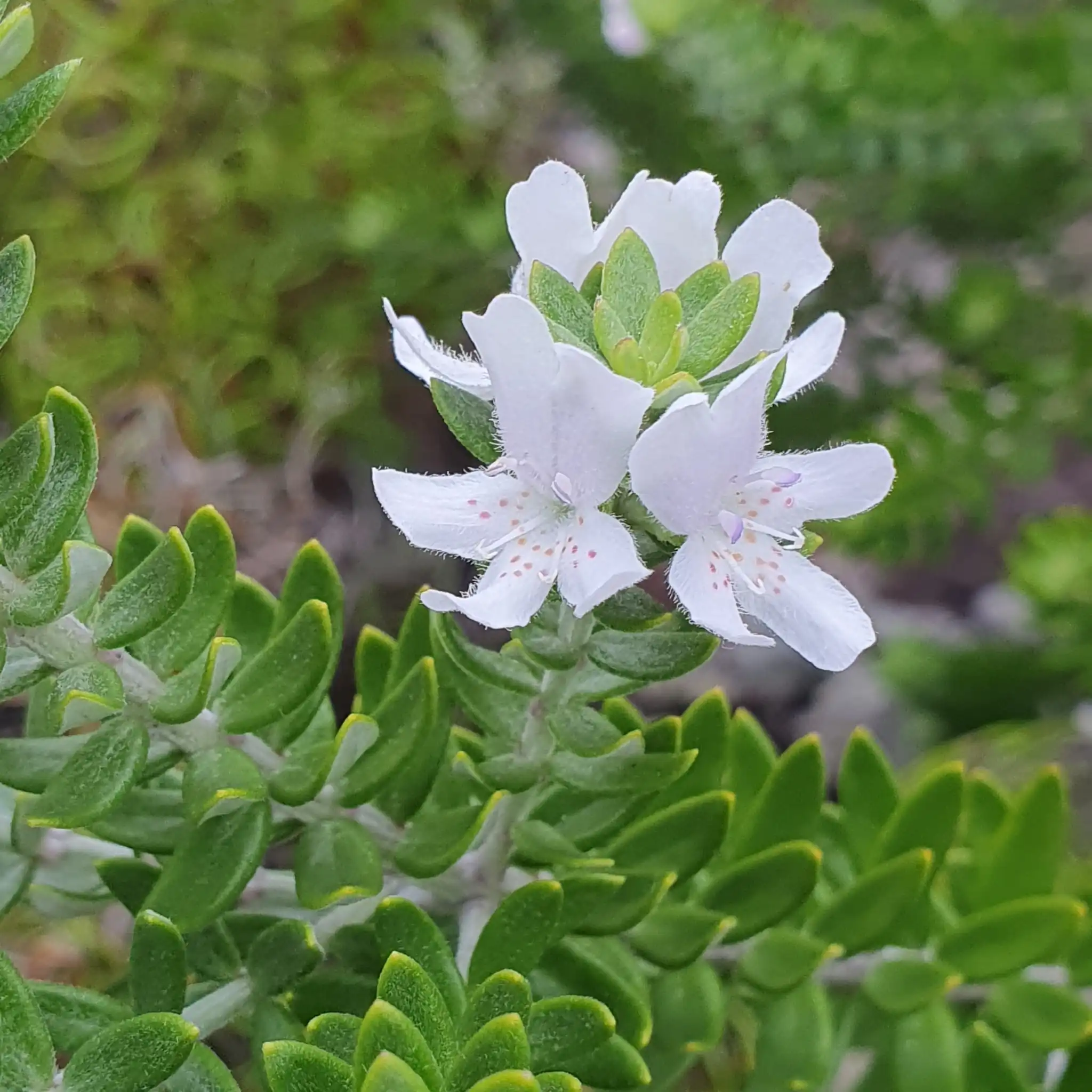
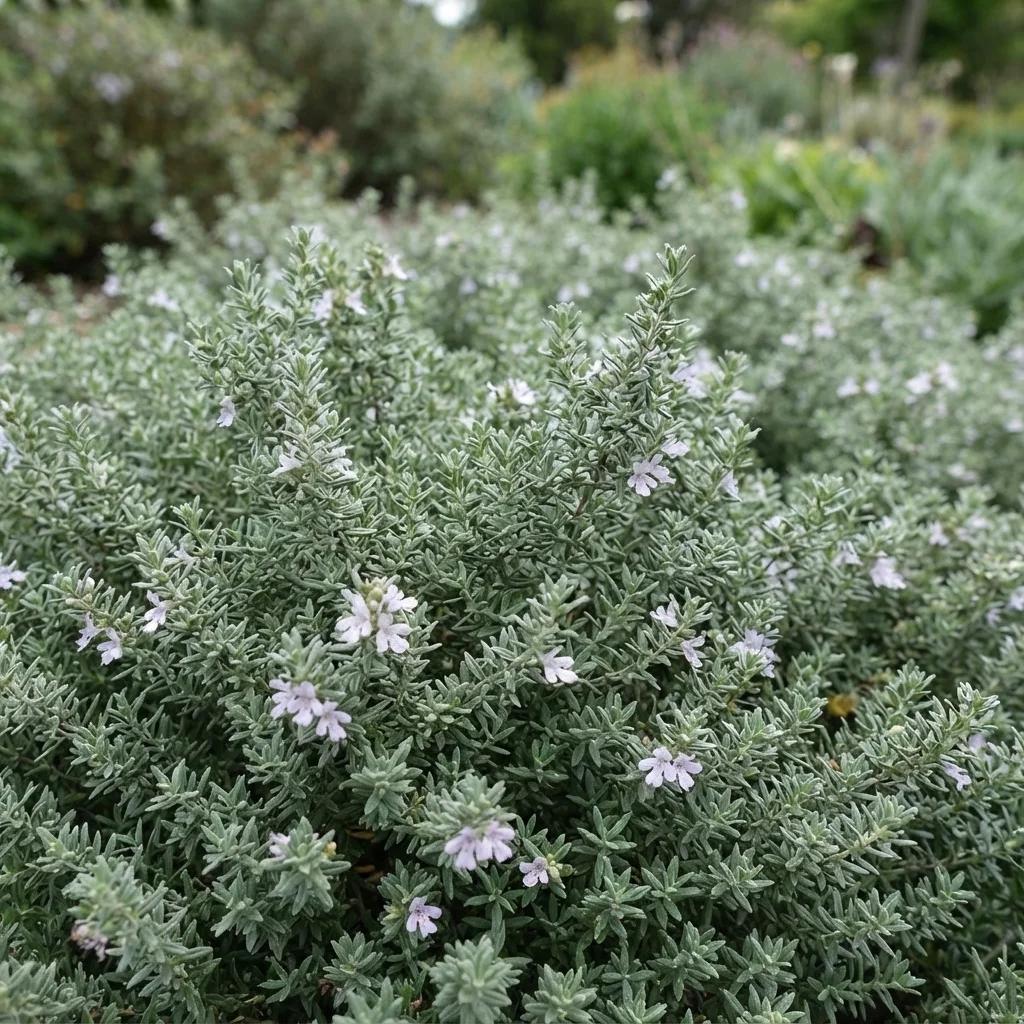
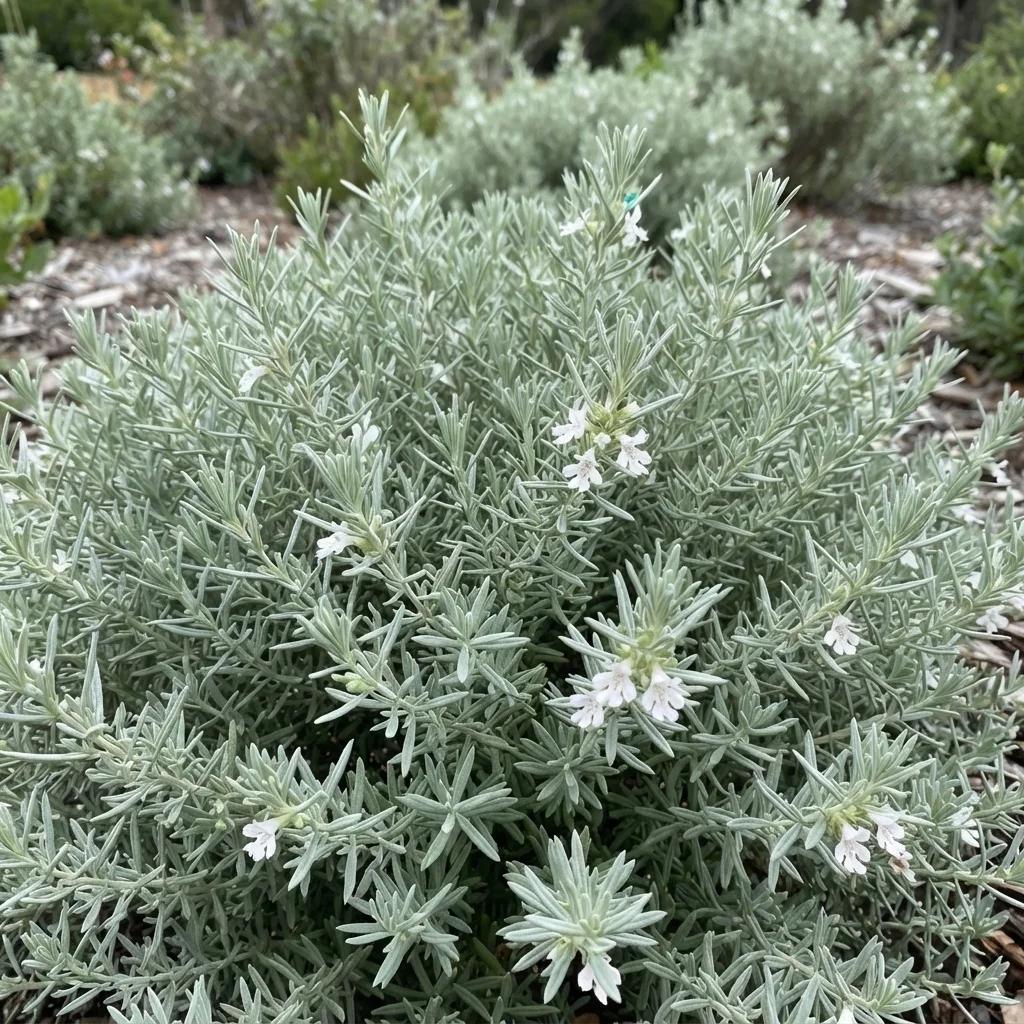
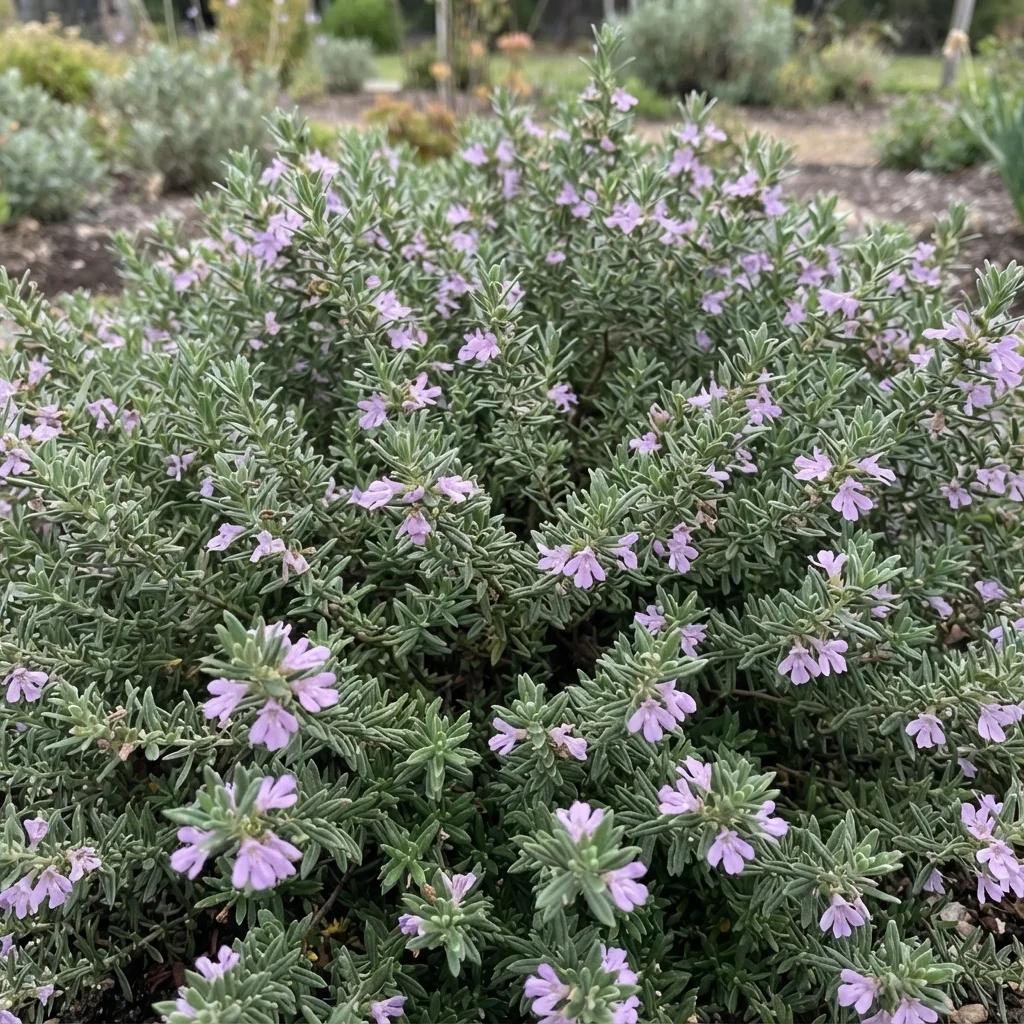
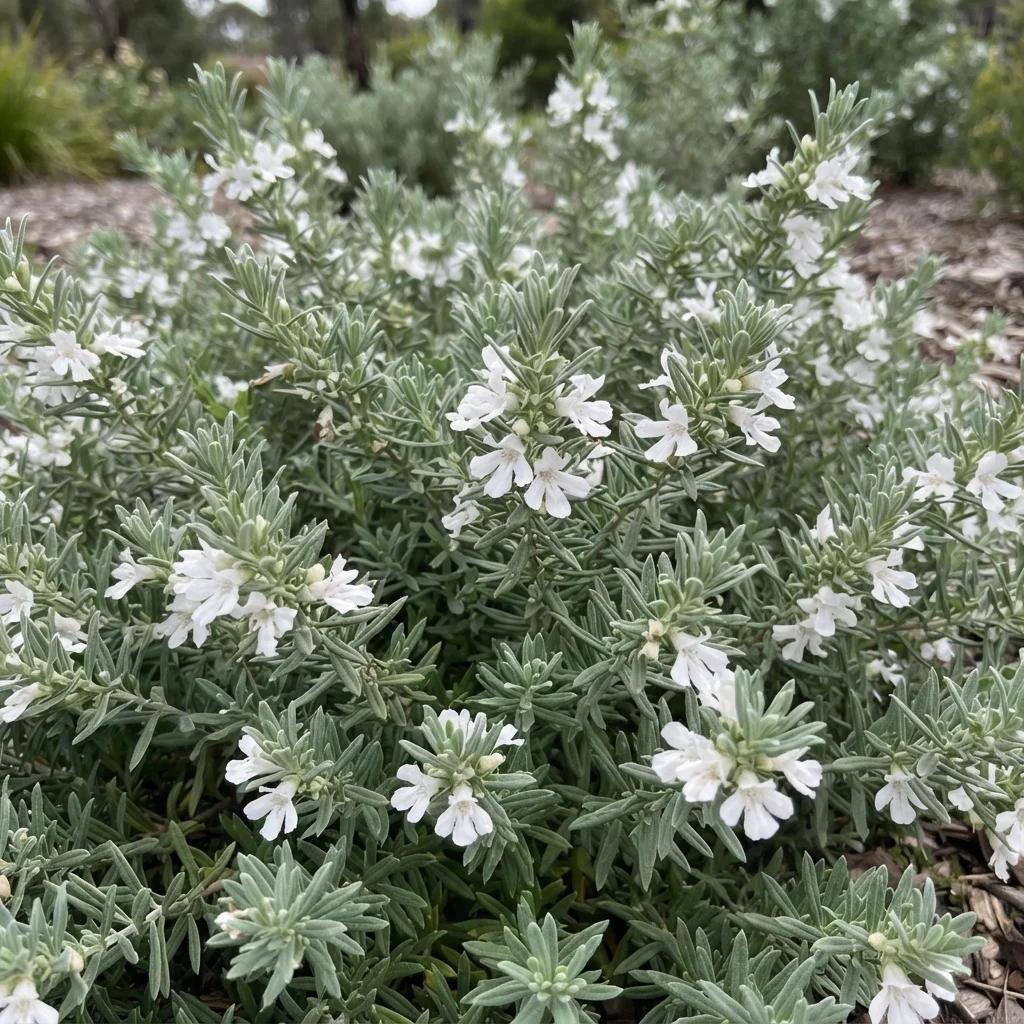
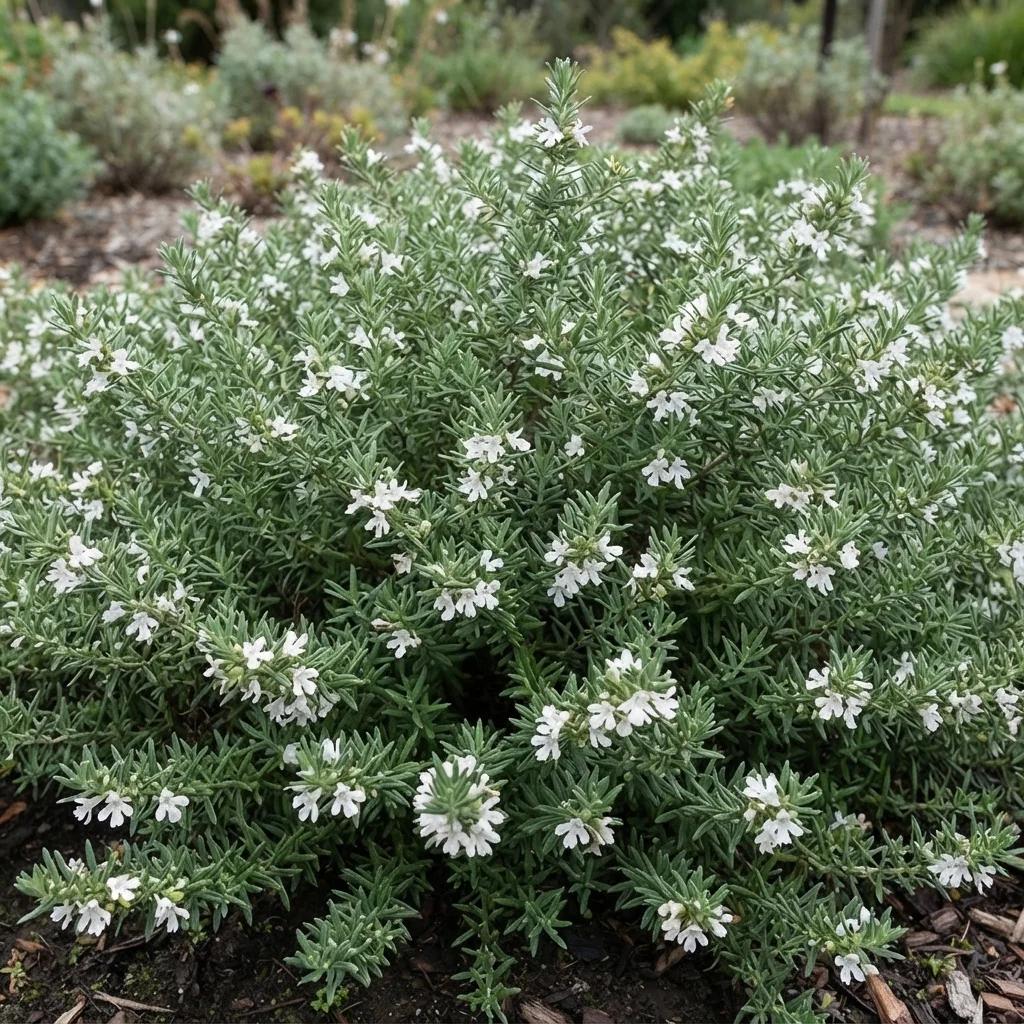
Westringia fruticosa, known as coastal rosemary, is a dense, rounded evergreen shrub native to coastal cliffs of eastern Australia. Its linear, grey-green leaves have rolled margins and downy white undersides, closely resembling rosemary foliage but lacking the aromatic oils.
The small, two-lipped white or pale mauve flowers emerge from the leaf axils primarily during spring and summer, though sporadic blooms can appear year-round. It is exceptionally tolerant of salt spray, wind, and drought, making it a highly reliable structural choice for exposed coastal gardens.
Uses & Benefits:
Essentials
At a Glance
Plant Type
Shrub
Height
79"
Width
197"
Light
Full Sun, Partial Sun
Zones
9, 10
Water
Low
Humidity
Moderate
Lifespan
10-20 years
Native To
Australia
Toxicity
Non-toxic
Planting
How to Grow
- Select a planting site in full sun to partial shade with excellent, sharp drainage.
- Dig a hole twice as wide as the root ball but of equal depth, ensuring the plant sits level with the surrounding soil.
- Backfill with native soil without adding organic matter or heavy compost that might retain excess moisture.
- Water deeply to settle the soil, then water sparingly only until the root system is fully established.
Pro Tip
Always prune within the active, leafy green wood; cutting back into old, leafless grey branches prevents new buds from breaking and leaves permanent bare patches.
Keep It Thriving
Care Guide
Do
- Prune lightly after the main flowering flush to maintain a dense, bushy form.
- Ensure the planting site drains rapidly to prevent root rot.
- Use a low-phosphorus or balanced native fertilizer if nutrient levels are poor.
Don't
- Do not prune hard into old, leafless woody stems as they will not regenerate.
- Do not overwater or plant in boggy, waterlogged soils.
- Do not crowd plants in humid climates, which encourages powdery mildew.
Seasonal Care Calendar
| Task | Jan | Feb | Mar | Apr | May | Jun | Jul | Aug | Sep | Oct | Nov | Dec |
|---|---|---|---|---|---|---|---|---|---|---|---|---|
| Fertilize | ||||||||||||
| Pest Check | ||||||||||||
| Prune | ||||||||||||
| Spring Cleanup |
Watch Out For
Pests & Diseases
Common Pests
Common Diseases
In the Garden
Landscape Uses & Companions
Landscape Uses
Multiply
Propagation Methods
Good to Know
Common Questions
Coastal Rosemary questions
What zones can Coastal Rosemary grow in?
Coastal Rosemary is hardy in USDA Zones 9–10. Inside that range it survives winter in the ground; outside it, grow it as an annual or a container plant you protect.
When does Coastal Rosemary bloom?
Coastal Rosemary typically blooms in spring through summer. Exact timing shifts a week or two with your zone — Sow's bloom calendar maps it to your garden.
Does Coastal Rosemary need full sun?
Coastal Rosemary does best in full sun to part shade. In hot climates, afternoon shade keeps blooms fresher longer.
Is Coastal Rosemary drought tolerant?
Yes — once established (usually after the first full season), Coastal Rosemary handles dry spells with minimal watering. Water deeply its first year to build the root system that makes that possible.
More Westringia to compare
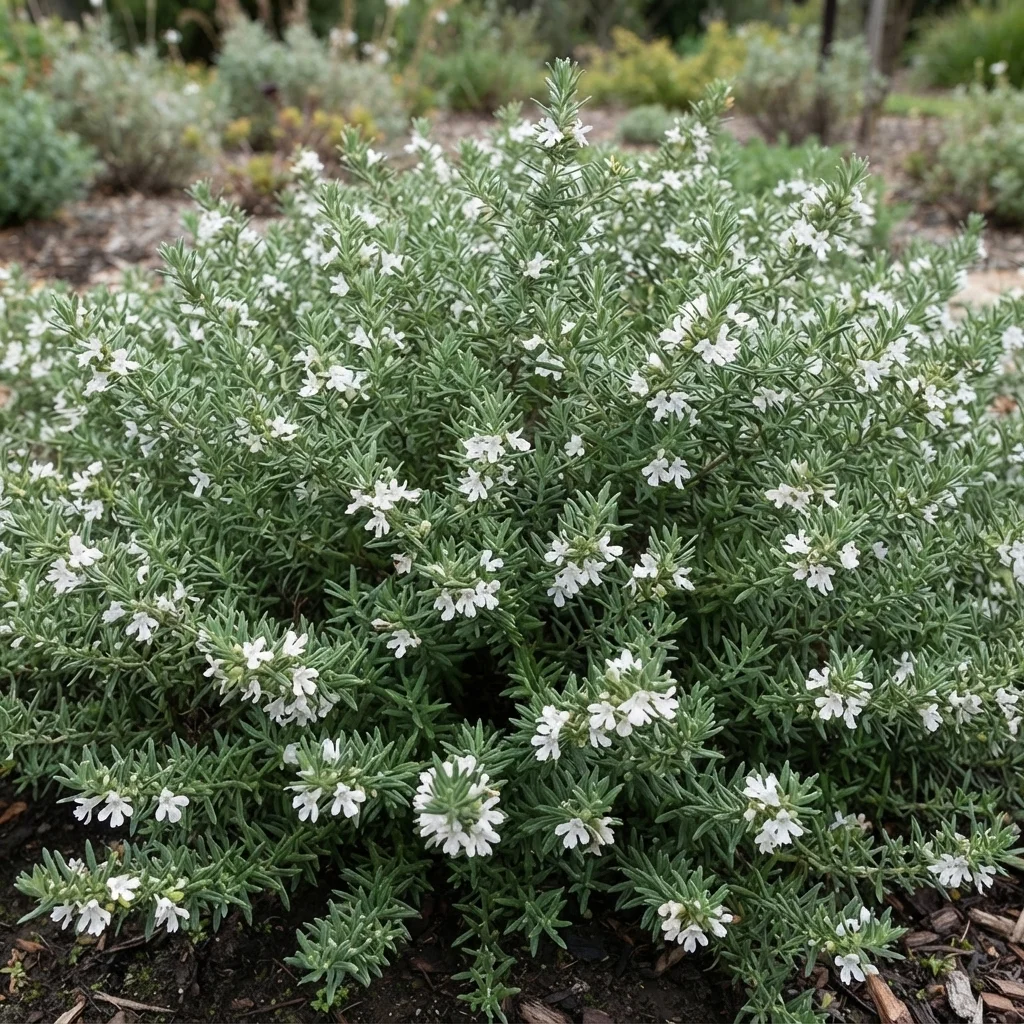
Coast Rosemary
Westringia fruticosa 'Low Horizon'
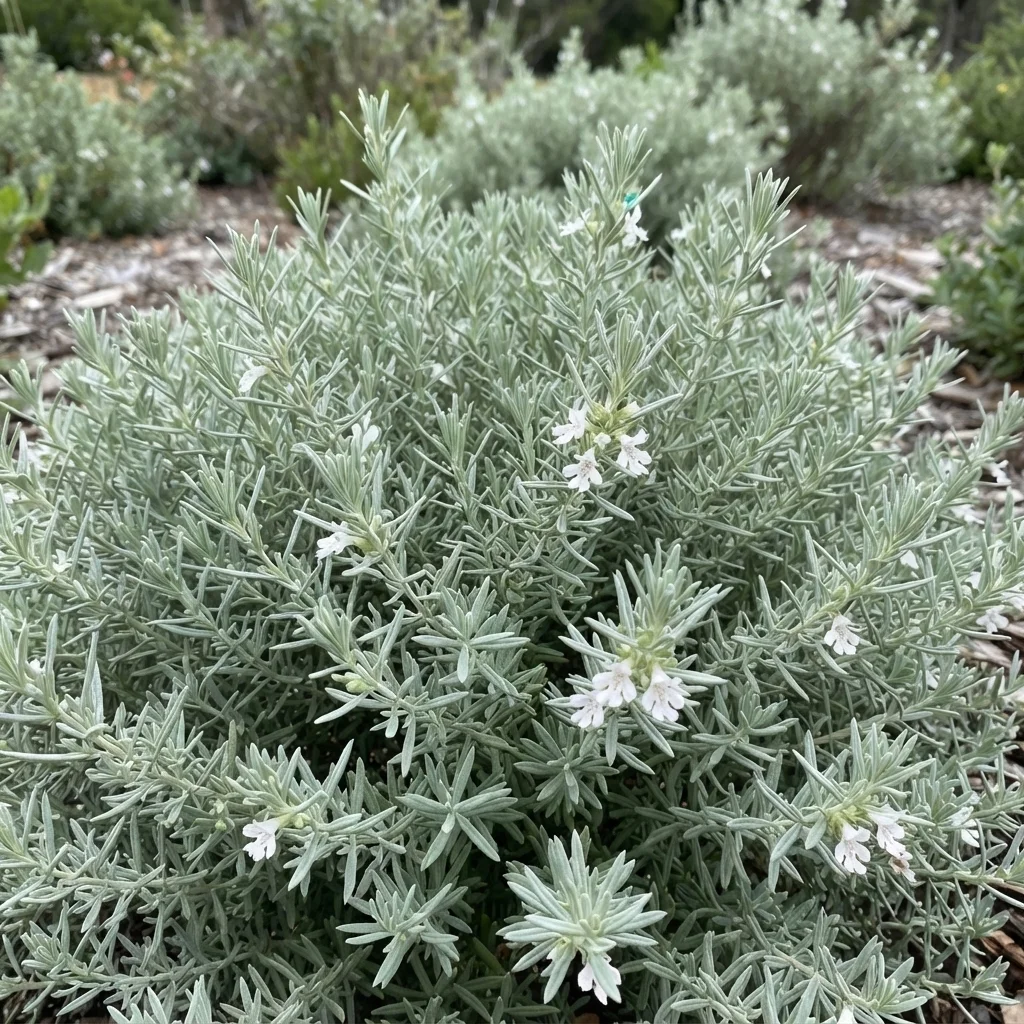
Grey Box Coastal Rosemary
Westringia fruticosa 'Grey Box'
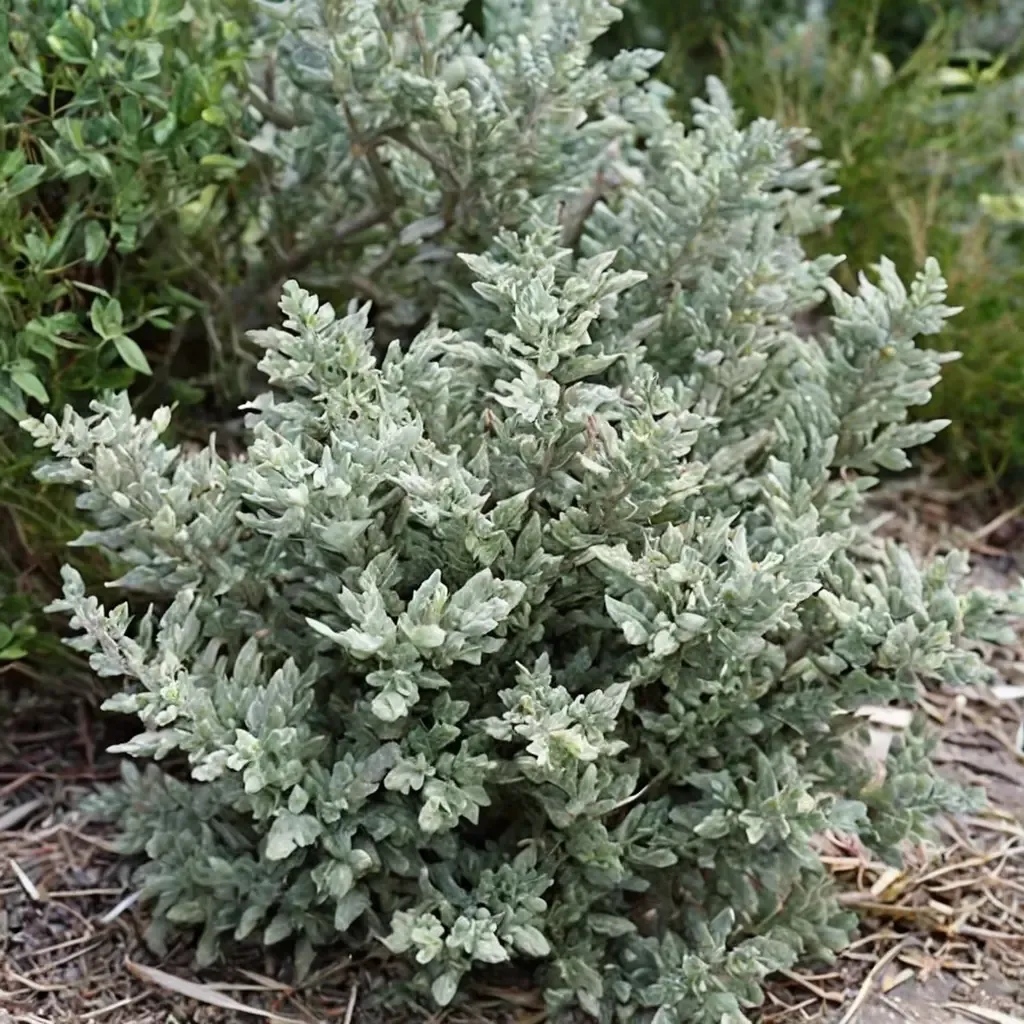
Smokey Coast Rosemary
Westringia fruticosa 'Smokey'
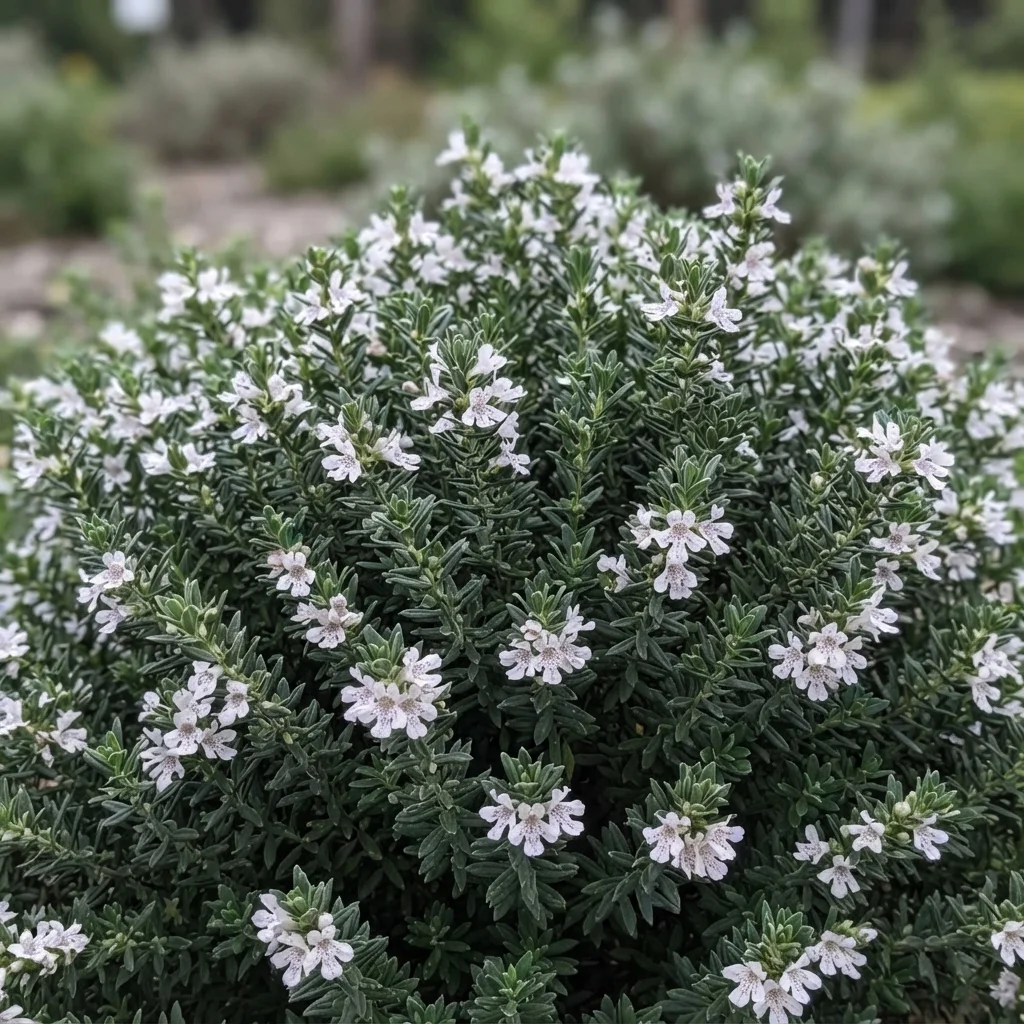
Aussie Box Westringia
Westringia hybrid 'Aussie Box'
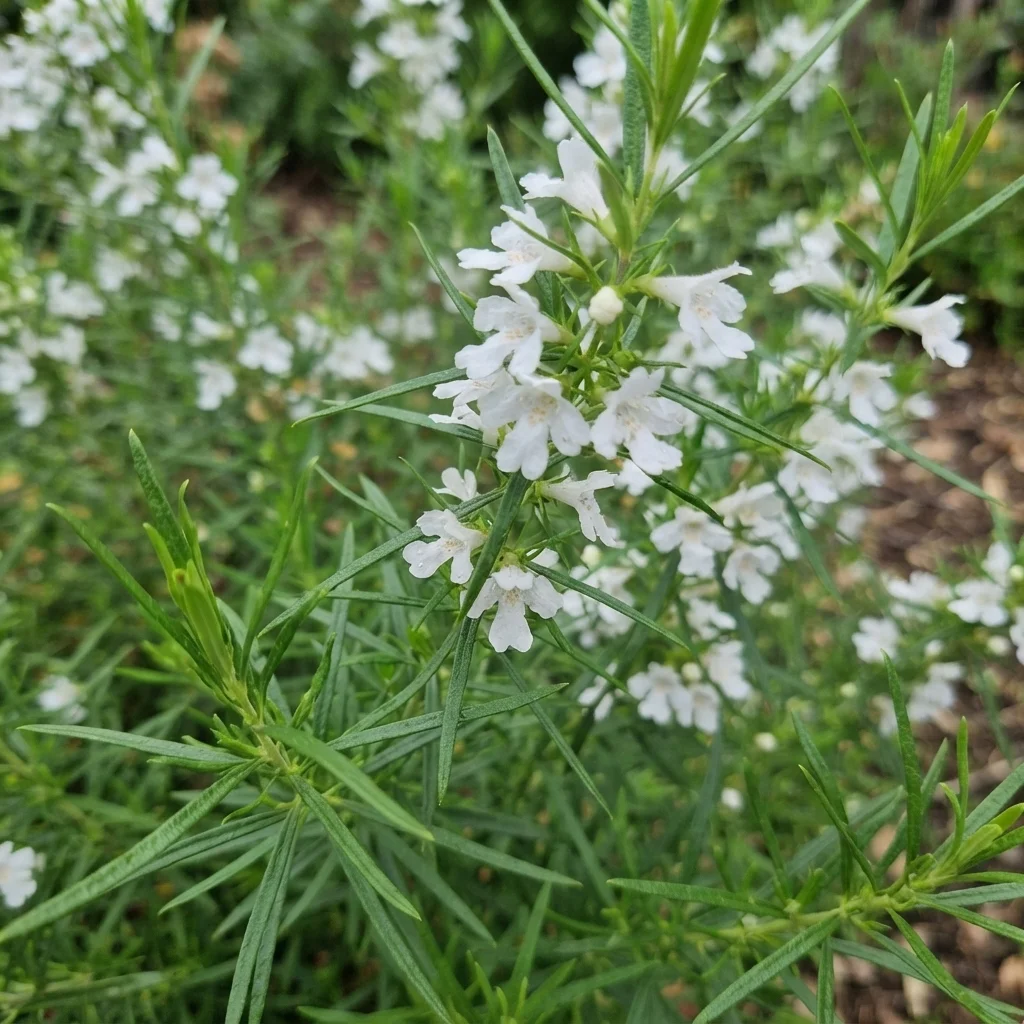
Long-leaved Westringia
Westringia longifolia
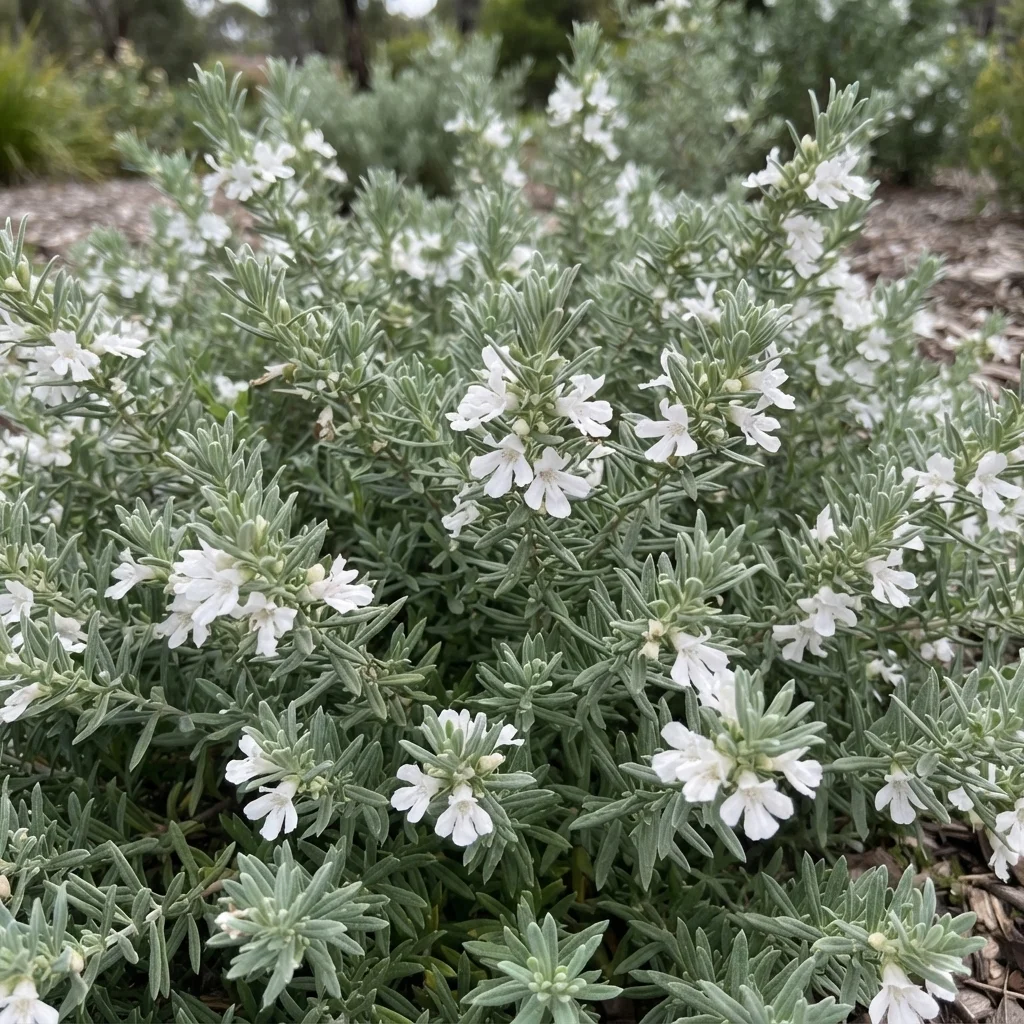
Australian Rosemary
Westringia fruticosa 'Mundi'
Keep exploring
Explore the genus
Hardy in your zone?
Grow Coastal Rosemary with confidence
See it in a design of your actual yard, get zone-matched care reminders, and track it season by season in your garden journal.