


The Story
Plant Bio
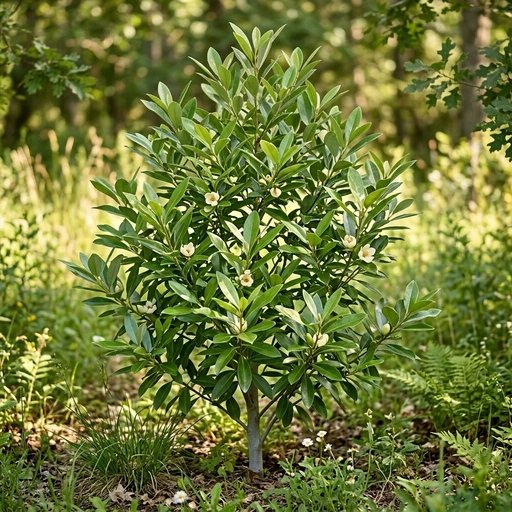
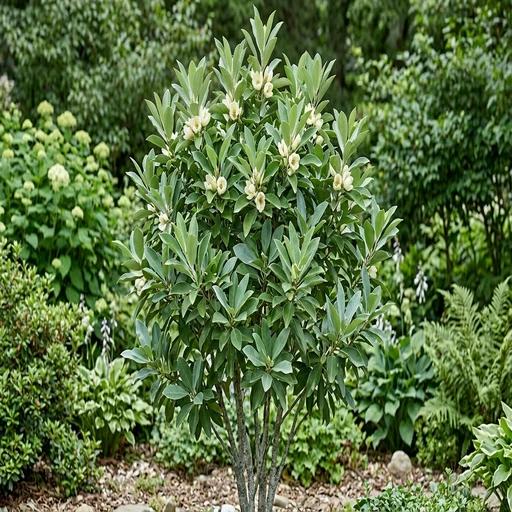
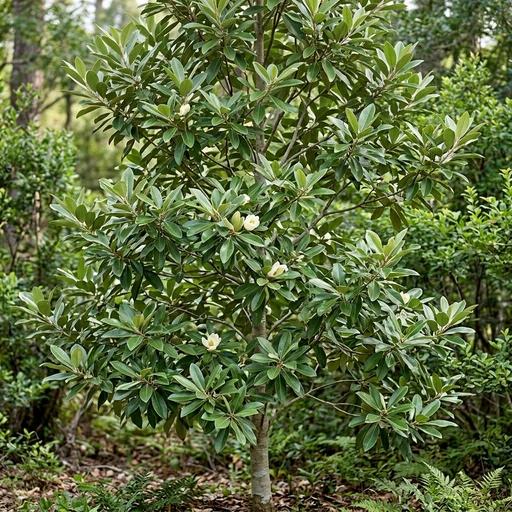
Magnolia virginiana is a native North American tree or large shrub known for its lemon-scented, creamy-white flowers and handsome foliage that is often semi-evergreen.
'Perry Paige', sold as Sweet Thing, is a remarkable dwarf cultivar, forming a dense, compact, rounded shrub. It is exceptionally slow-growing and maintains its small stature, making it perfect for small gardens and containers.
Uses & Benefits:
Essentials
At a Glance
Plant Type
Shrub
Height
48"
Width
48"
Light
Full Sun, Partial Sun
Zones
6, 7, 8, 9
Water
Medium to wet
Humidity
High
Lifespan
30+ years
Native To
Eastern United States
Toxicity
Non-toxic
Bloom period
Late spring – Mid-summer
In flower about 3 months of the year
Planting
How to Grow
- Choose a location with 4-6 hours of sun and acidic, moist soil
- If planting in a container, use a high-quality potting mix
- Dig a hole twice as wide as the root ball
- Set the plant so the top of the root ball is level with the soil
- Backfill, firm the soil gently, and water well
- Apply a thin layer of mulch to retain moisture
Pro Tip
Due to its slow growth, it requires virtually no pruning. Plant it where its ultimate small size will be an asset.
Keep It Thriving
Care Guide
Do
- Provide consistent water, especially for container-grown plants
- Use an acidic fertilizer if leaves start to yellow
- Plant in a location protected from harsh winter winds
- Enjoy the fragrant flowers up close
Don't
- Do not allow the soil to dry out completely
- Avoid planting in alkaline or poorly drained soil
- Don't prune unless absolutely necessary to remove a dead branch
- Avoid deep cultivation near its shallow roots
Seasonal Care Calendar
| Task | Jan | Feb | Mar | Apr | May | Jun | Jul | Aug | Sep | Oct | Nov | Dec |
|---|---|---|---|---|---|---|---|---|---|---|---|---|
| Fertilize | ||||||||||||
| Mulch | ||||||||||||
| Pest Check | ||||||||||||
| Plant |
Watch Out For
Pests & Diseases
Common Pests
Common Diseases
In the Garden
Landscape Uses & Companions
Landscape Uses
Multiply
Propagation Methods
Good to Know
Common Questions
Sweet Thing Magnolia questions
What zones can Sweet Thing Magnolia grow in?
Sweet Thing Magnolia is hardy in USDA Zones 6–9. Inside that range it survives winter in the ground; outside it, grow it as an annual or a container plant you protect.
Is Sweet Thing Magnolia deer resistant?
Yes — Sweet Thing Magnolia is rated deer-resistant. Deer typically pass it over, though extreme hunger can override any plant's defenses.
When does Sweet Thing Magnolia bloom?
Sweet Thing Magnolia typically blooms in late spring through mid-summer. Exact timing shifts a week or two with your zone — Sow's bloom calendar maps it to your garden.
Does Sweet Thing Magnolia need full sun?
Sweet Thing Magnolia does best in full sun to part shade. In hot climates, afternoon shade keeps blooms fresher longer.
More Magnolia to compare
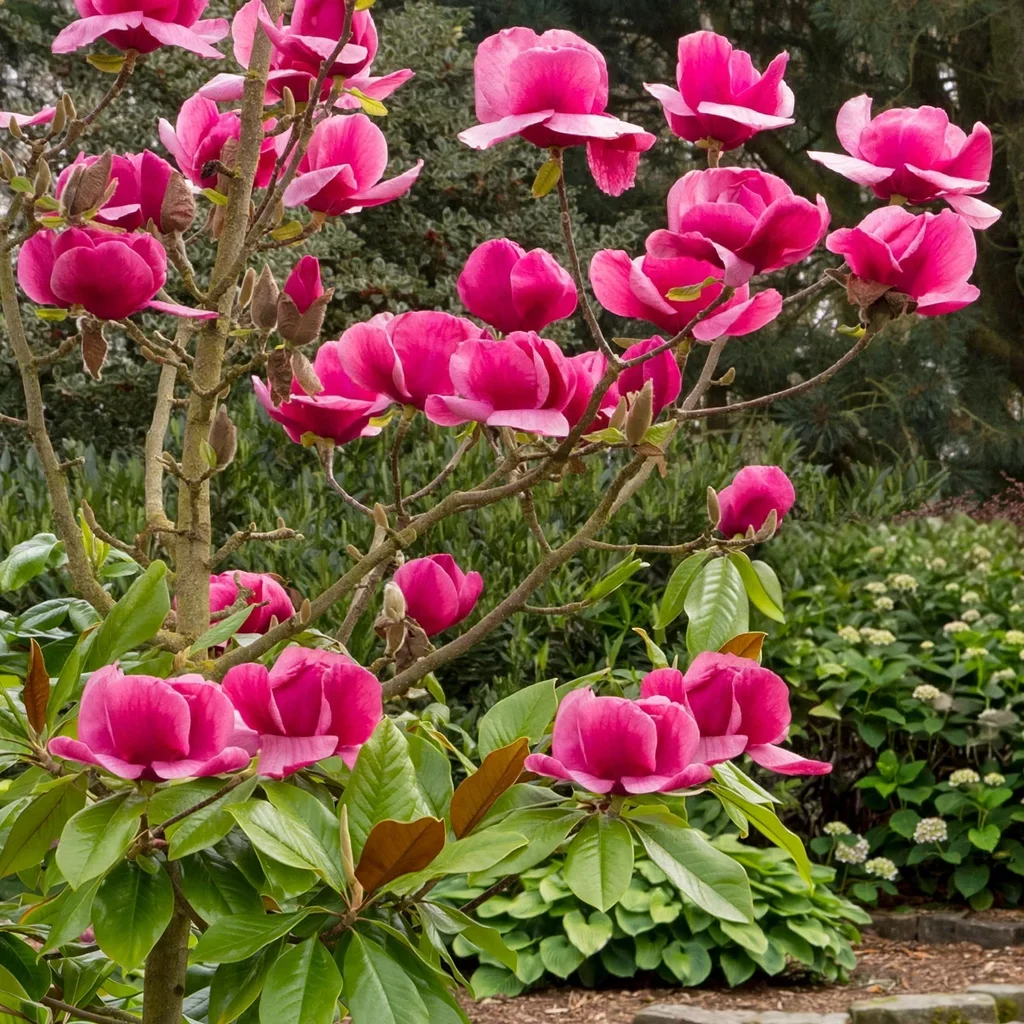
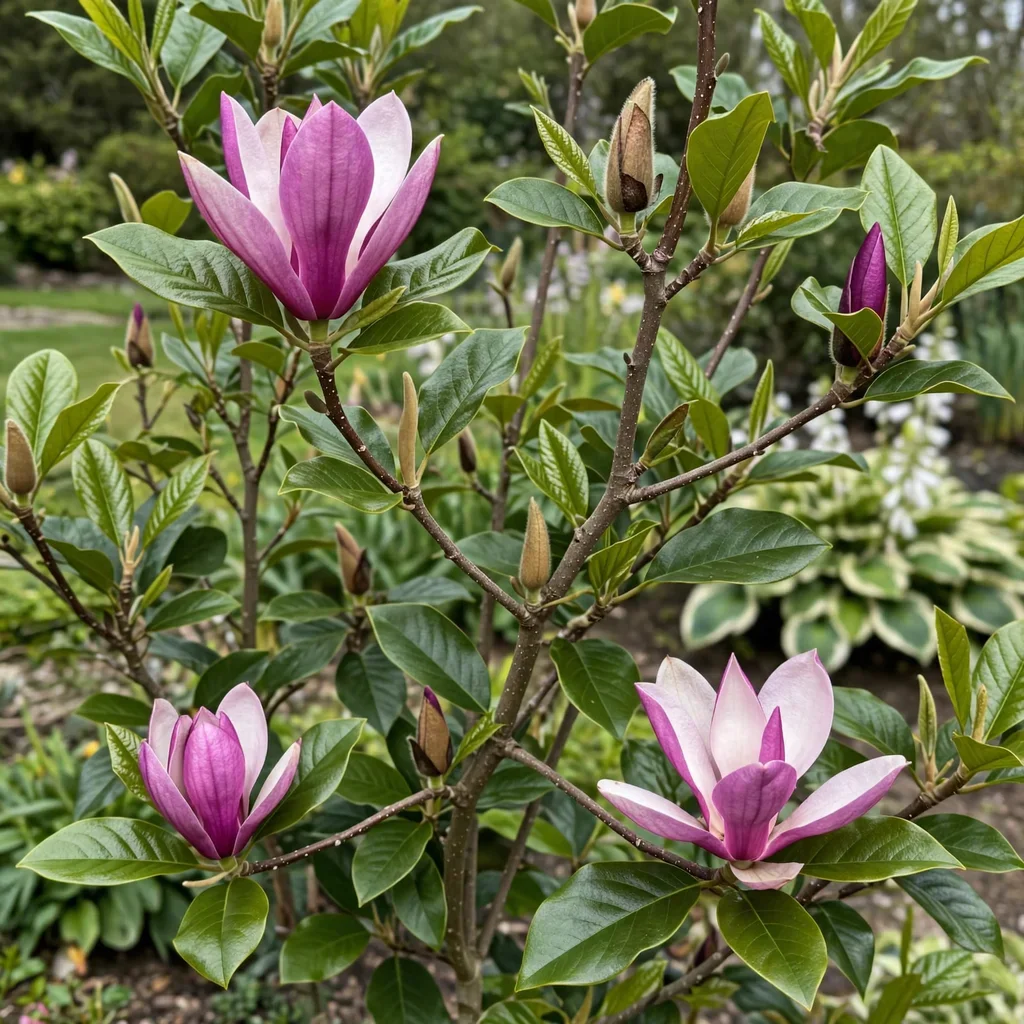
Felix Magnolia
Magnolia grandiflora 'Felix'
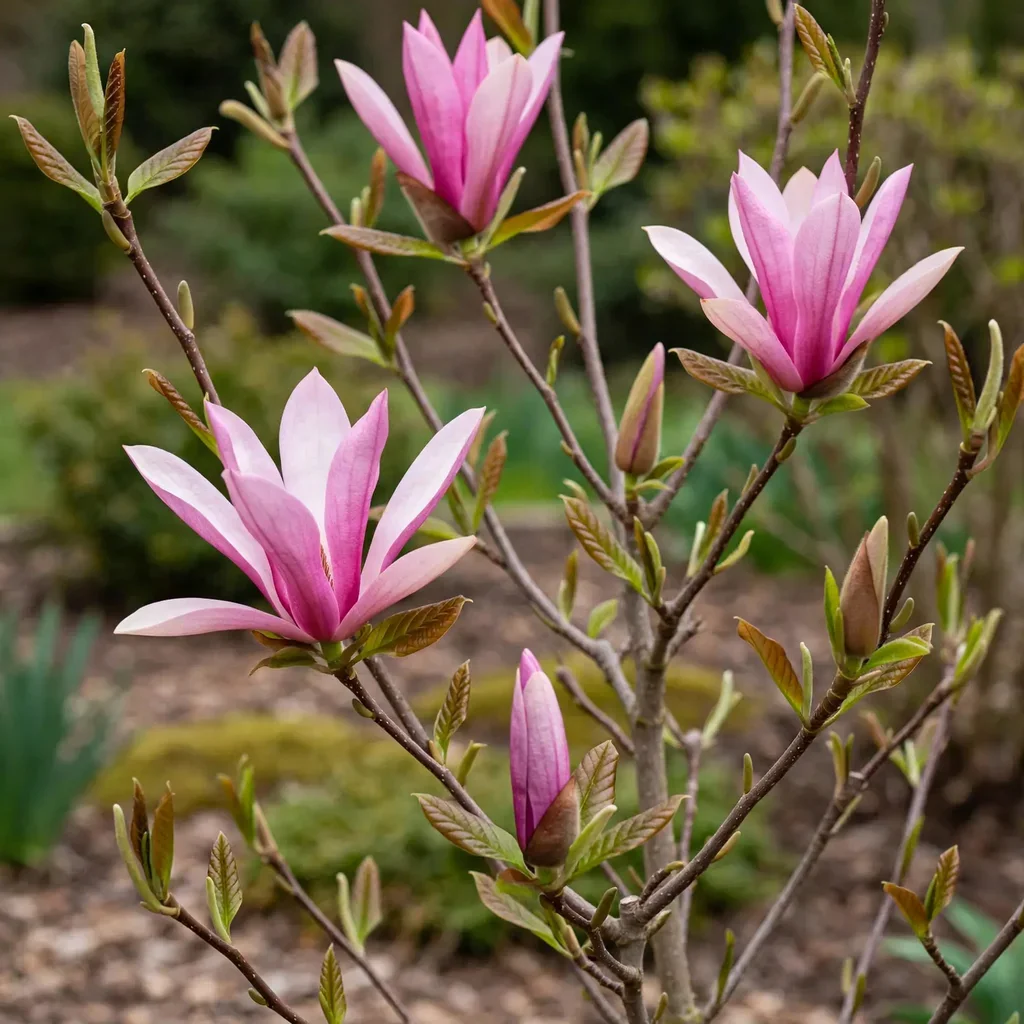
Saucer Magnolia Ann
Magnolia x soulangeana 'Ann'
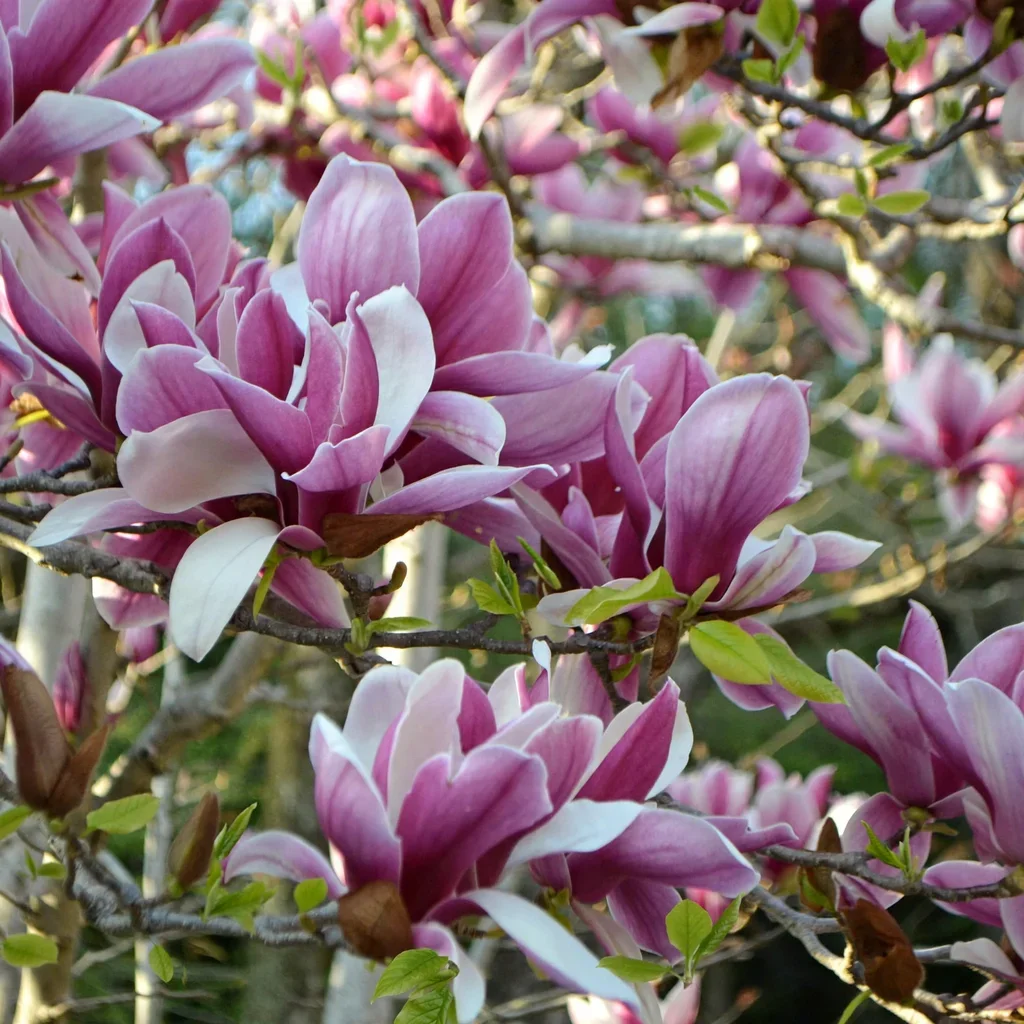
Daybreak Loebner Magnolia
Magnolia stellata 'Daybreak'
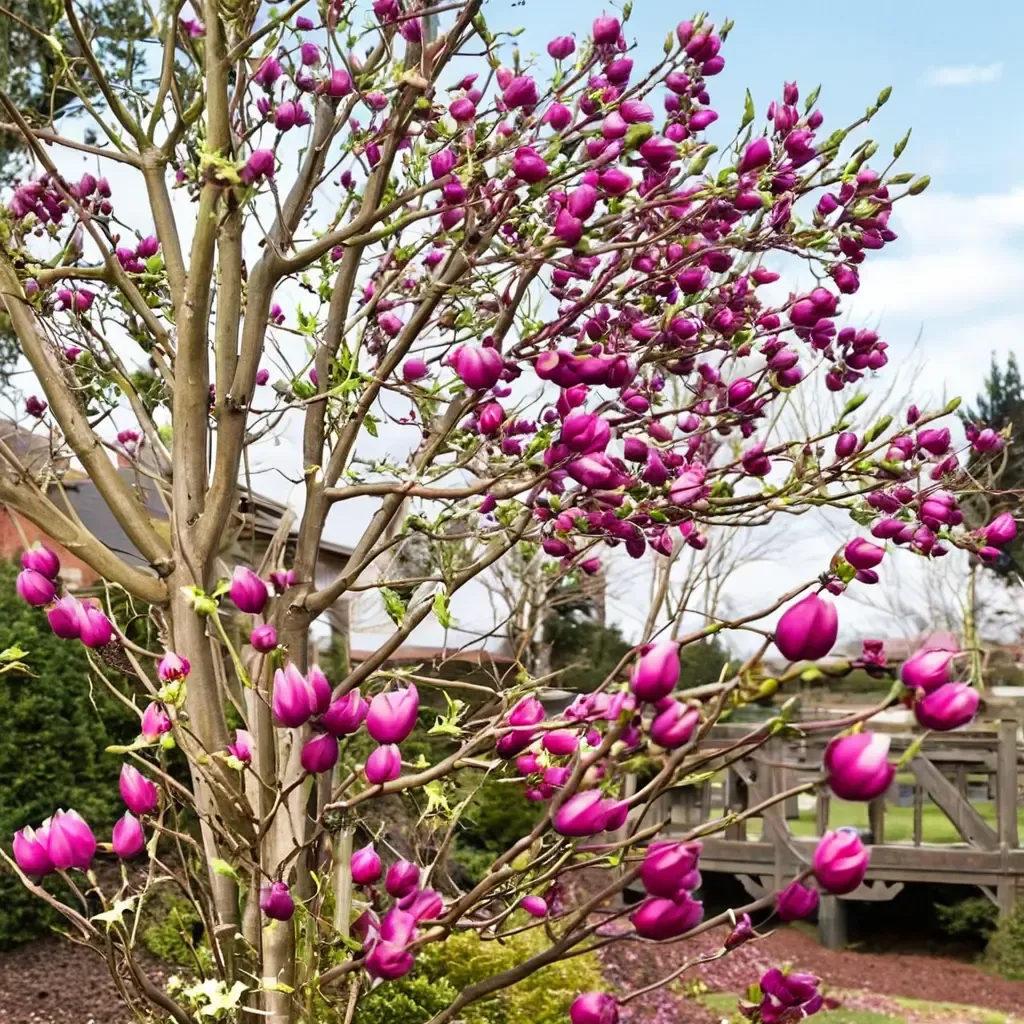
Coppertallica Saucer Magnolia
Magnolia x soulangeana 'Coppertallica'
Black Tulip Magnolia
Magnolia x soulangeana 'Black Tulip'
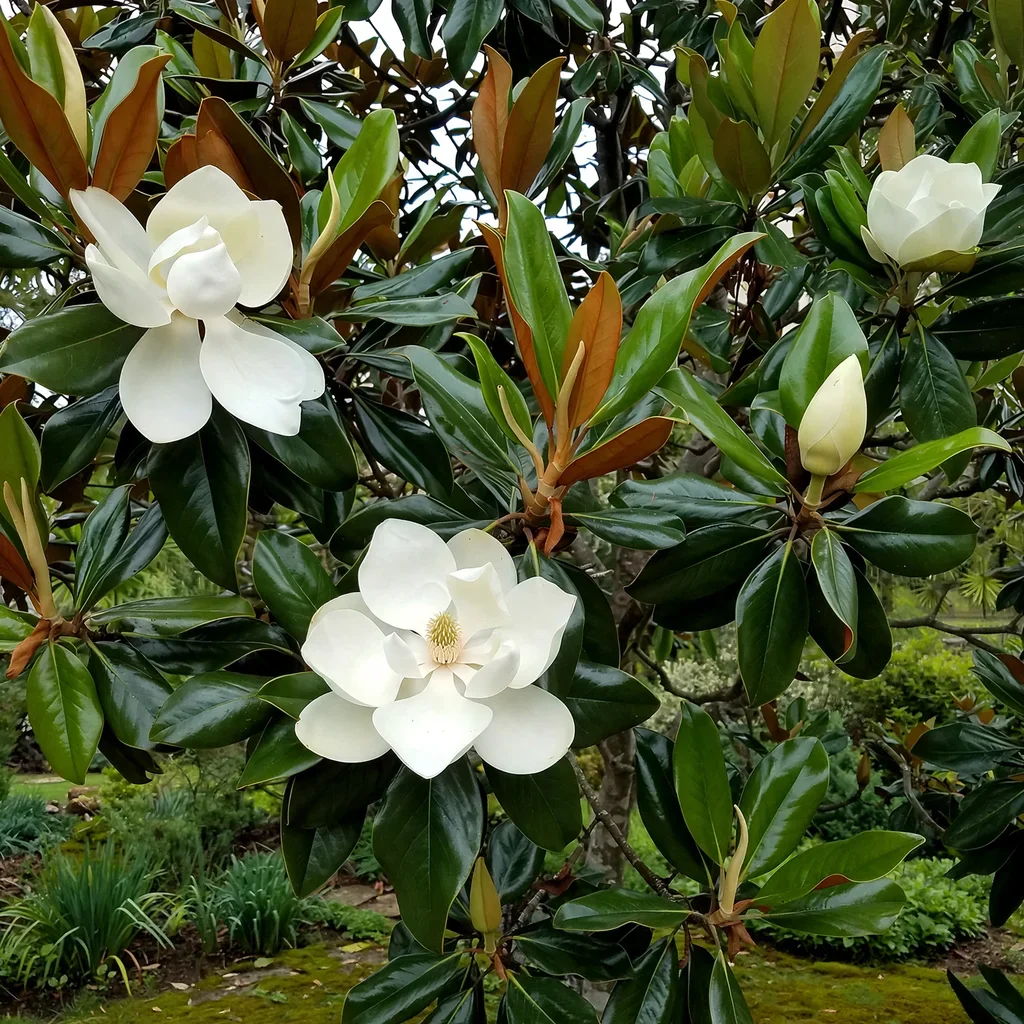
Southern Magnolia
Magnolia grandiflora
Keep exploring
Explore the genus
Hardy in your zone?
Grow Sweet Thing Magnolia with confidence
See it in a design of your actual yard, get zone-matched care reminders, and track it season by season in your garden journal.