
The Story
Plant Bio
A tender, evergreen climbing vine prized for its unique, star-shaped flowers. A more compact species ideal for containers or small trellises.
Unusual for the genus, its flowers are self-pollinating and it blooms profusely even when young. The small, star-shaped flowers are held horizontally.
Uses & Benefits:
Essentials
At a Glance
Plant Type
Vine
Height
84"
Width
54"
Light
Full Sun, Partial Sun
Zones
10
Water
Moderate, drought tolerant once established
Humidity
Average to high humidity
Lifespan
Perennial
Native To
Central America
Toxicity
Unripe fruit and other plant parts can be toxic if ingested.
Bloom period
Summer to Fall – Late summer
In flower about 3 months of the year
Planting
How to Grow
- Tuck seeds into moist soil in early spring for best germination.
- Mist cuttings regularly to maintain humidity and promote rooting.
- Ensure the vine is supported on trellises or fences for optimal growth.
- Water consistently, especially during dry spells, to keep soil moist.
- Fertilize monthly with a balanced fertilizer during the growing season.
- Prune lightly after flowering to encourage new growth and better blooms.
Pro Tip
Use a warm, sunny location with well-draining soil for vigorous growth.
Keep It Thriving
Care Guide
Do
- Provide full sun for at least 6 hours daily ☀️
- Maintain consistently moist but well-drained soil 💧
- Prune to shape and remove dead or weak stems ✂️
- Support the vine with trellises or arbors
- Use organic mulch to retain soil moisture
Don't
- Avoid overwatering, which can lead to root rot ❌
- Don’t expose to frost; it’s a warm-weather plant
- Refrain from heavy fertilization late in the season
- Don’t neglect support structures for climbing growth
- Avoid planting in heavy clay soil without amendment
Seasonal Care Calendar
| Task | Jan | Feb | Mar | Apr | May | Jun | Jul | Aug | Sep | Oct | Nov | Dec |
|---|---|---|---|---|---|---|---|---|---|---|---|---|
| Deadhead | ||||||||||||
| Fertilize | ||||||||||||
| Lift Store | ||||||||||||
| Plant | ||||||||||||
| Prune | ||||||||||||
| Stake |
Watch Out For
Pests & Diseases
Common Pests
Common Diseases
In the Garden
Landscape Uses & Companions
Landscape Uses
Companion Plants
Multiply
Propagation Methods
Good to Know
Common Questions
Yellow Passion Flower questions
What zones can Yellow Passion Flower grow in?
Yellow Passion Flower is hardy in USDA Zone 10. Inside that range it survives winter in the ground; outside it, grow it as an annual or a container plant you protect.
Is Yellow Passion Flower deer resistant?
Not reliably. Deer may browse Yellow Passion Flower, especially tender spring growth — plan on repellents or fencing where pressure is high.
When does Yellow Passion Flower bloom?
Yellow Passion Flower typically blooms in summer to fall through late summer. Exact timing shifts a week or two with your zone — Sow's bloom calendar maps it to your garden.
Does Yellow Passion Flower need full sun?
Yellow Passion Flower does best in full sun to part shade. In hot climates, afternoon shade keeps blooms fresher longer.
Is Yellow Passion Flower drought tolerant?
Yes — once established (usually after the first full season), Yellow Passion Flower handles dry spells with minimal watering. Water deeply its first year to build the root system that makes that possible.
More Passiflora to compare
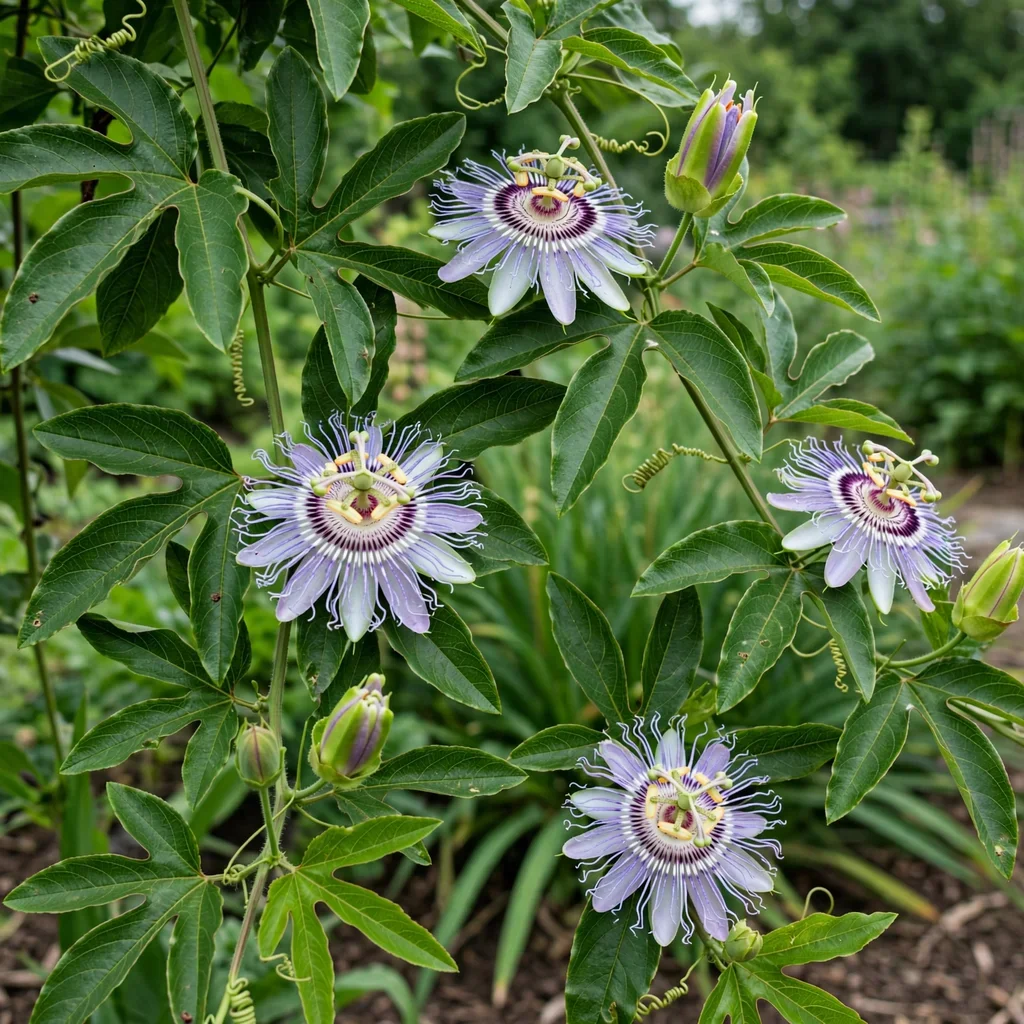
Purple Passionflower
Passiflora incarnata
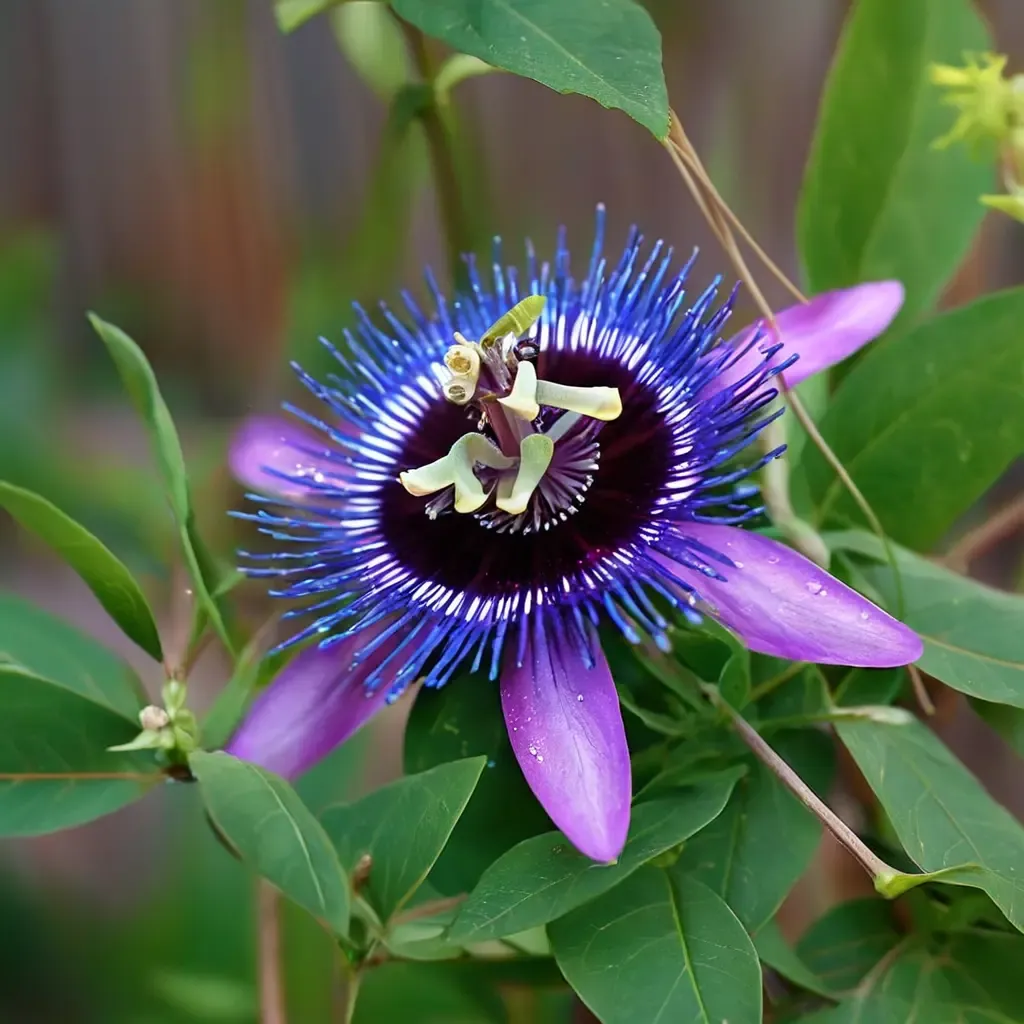
Blue Passionflower
Passiflora loefgrenii
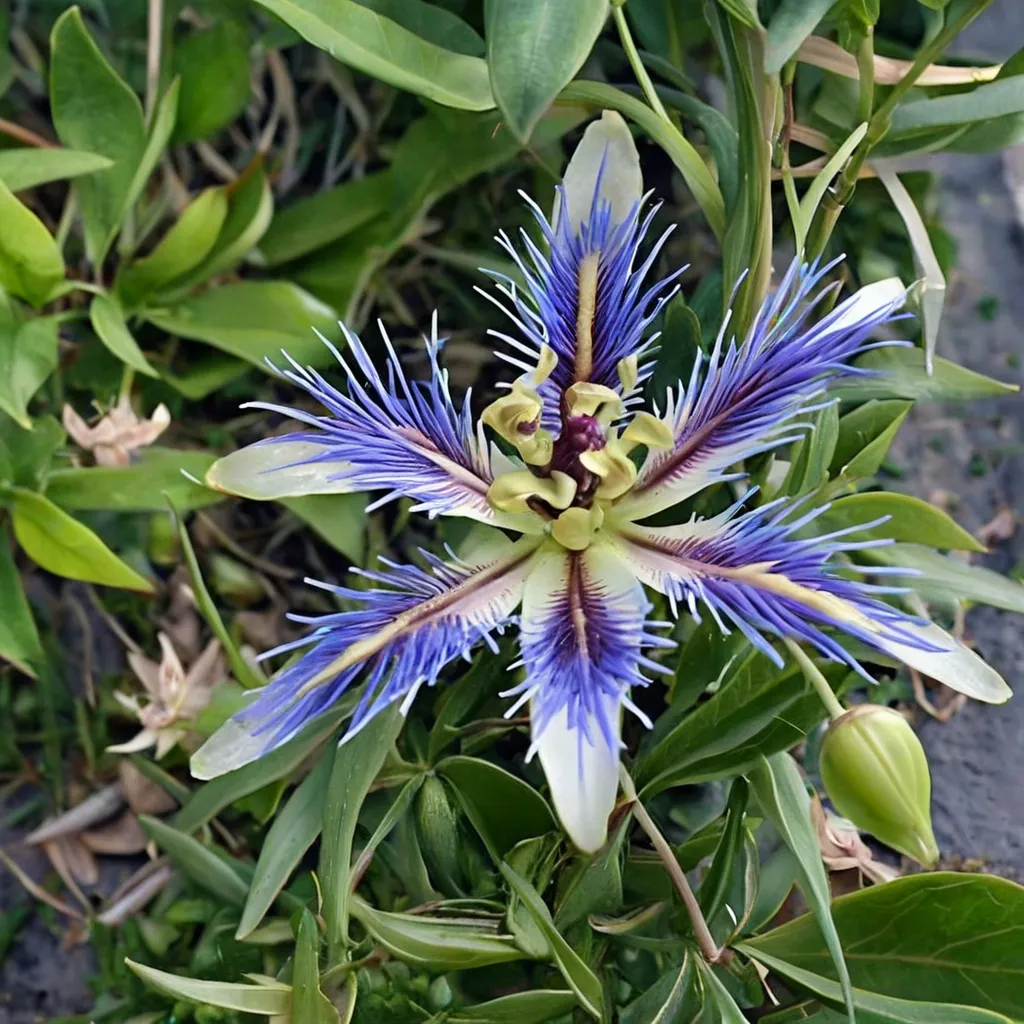
Waterloo Blue Passionflower
Passiflora caerulea 'Waterloo Blue'
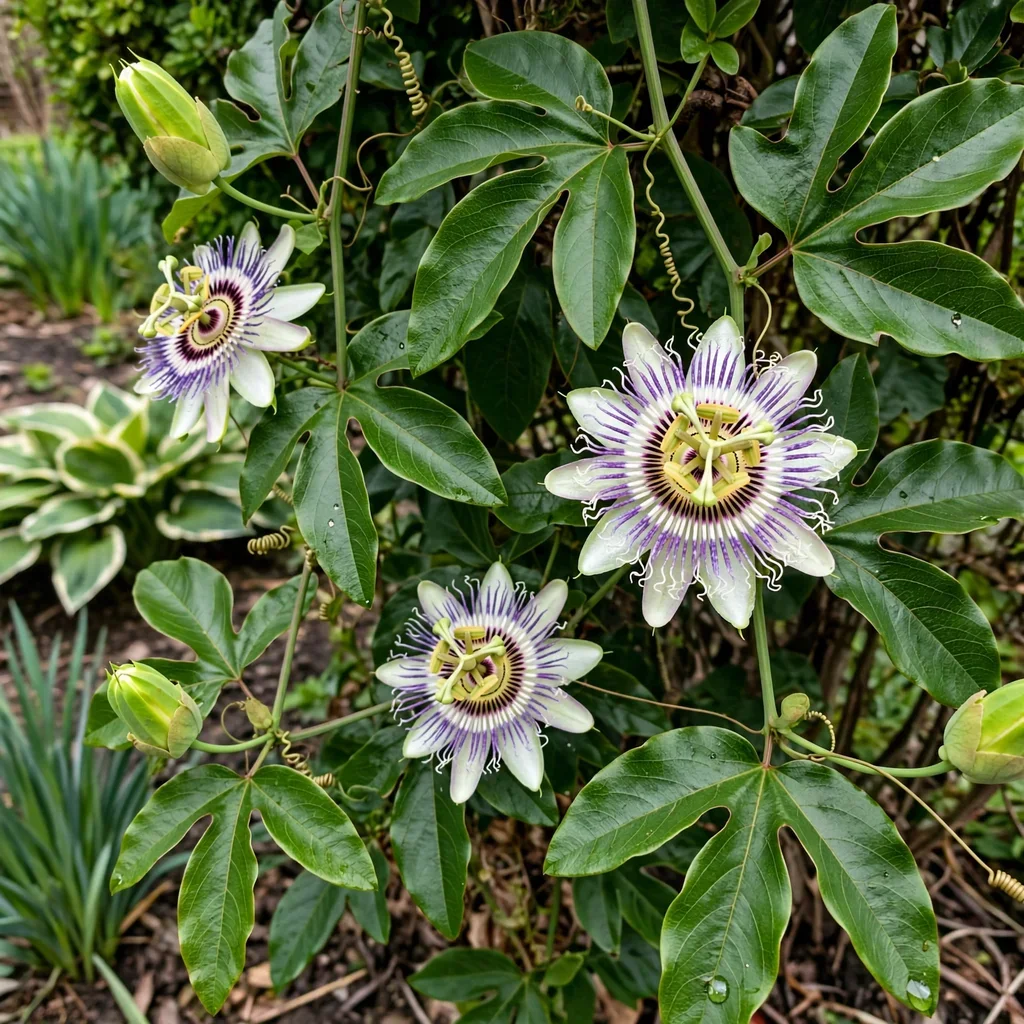
Sea Anemone Passion Flower
Passiflora actinia
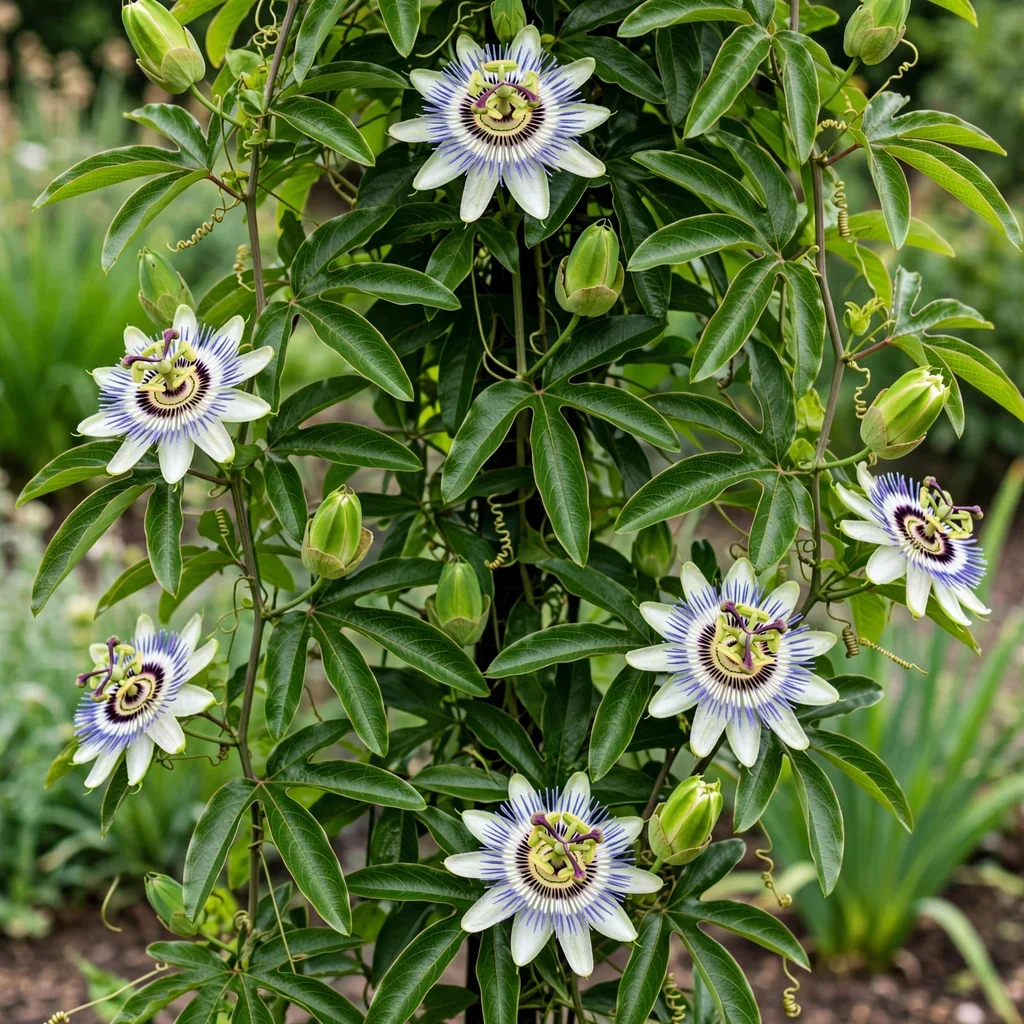
White Passionflower
Passiflora alba 'Blue Horizon'
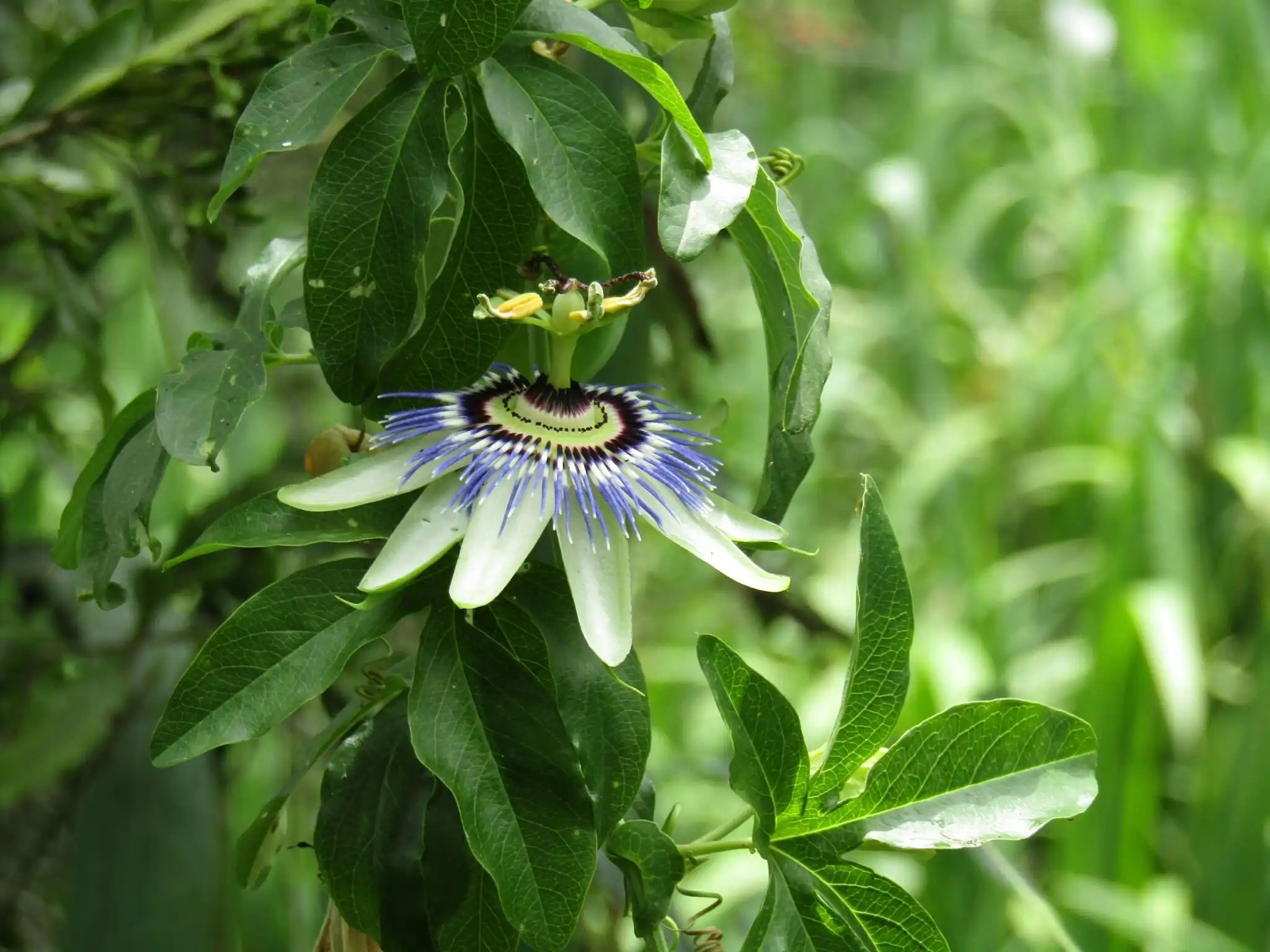
Passionflower
Passiflora caerulea
Keep exploring
Explore the genus
Hardy in your zone?
Grow Yellow Passion Flower with confidence
See it in a design of your actual yard, get zone-matched care reminders, and track it season by season in your garden journal.