The Story
Plant Bio
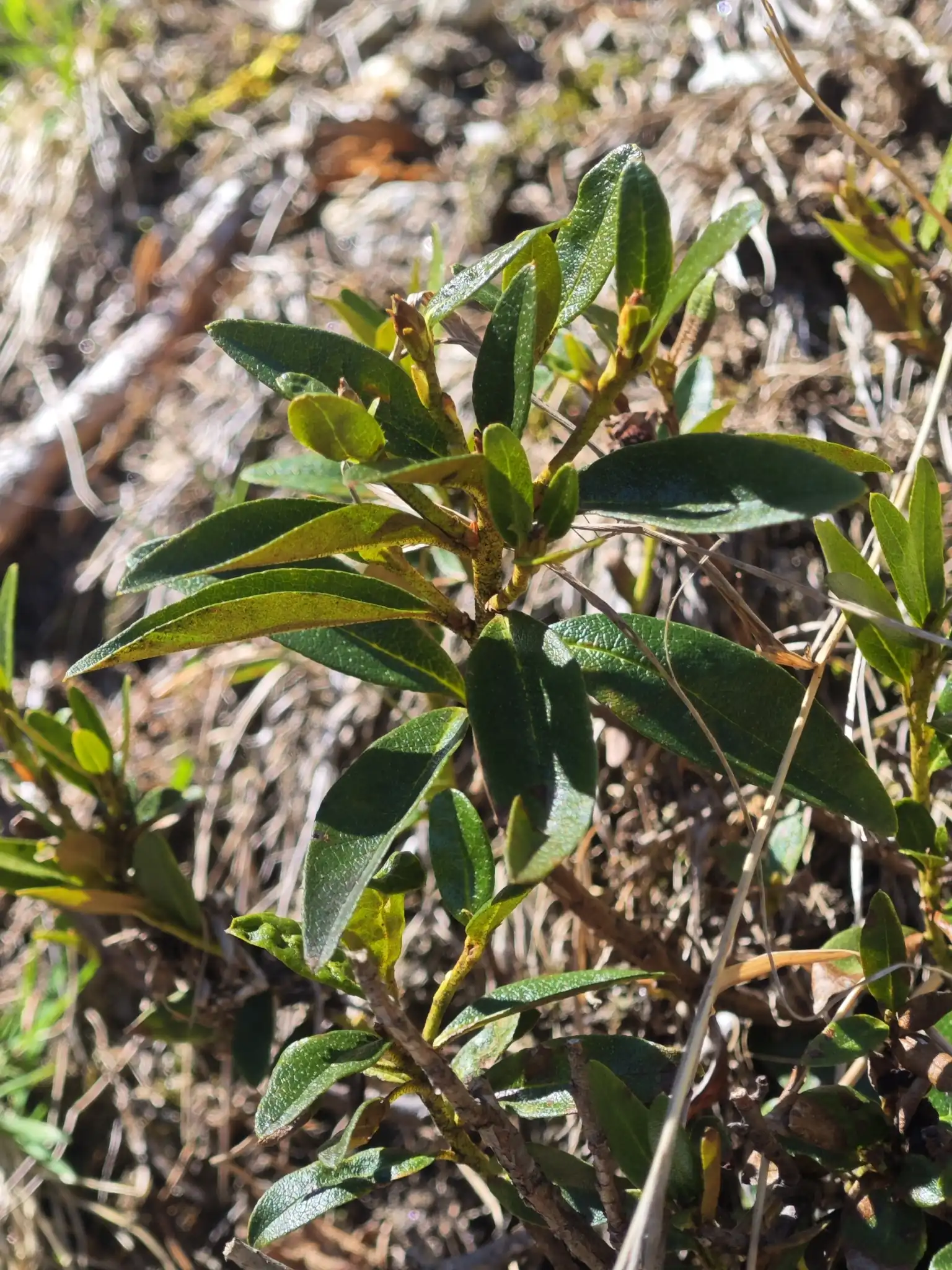
Rhododendron ferrugineum, the alpenrose, is a slow-growing, compact evergreen shrub native to the high-altitude, acidic soils of the European mountains. It forms a dense, twiggy mound reaching twenty to sixty inches in height, with dark glossy green leaves that feature distinctive rust-brown scales on their undersides.
Terminal clusters of six to twelve bell-shaped, rose-pink to crimson flowers emerge in summer above the revolute-margined foliage. The young shoots are also covered in the same golden-brown scales that characterize the mature leaf undersides.
Uses & Benefits:
Essentials
At a Glance
Plant Type
Shrub
Height
60"
Width
60"
Light
Full Sun, Partial Sun
Zones
4, 5, 6, 7, 8
Water
High moisture, low drought tolerance
Humidity
Prefers cool, moist mountain air
Lifespan
Perennial shrub
Native To
Europe (Alps, Pyrenees, Jura, northern Apennines)
Toxicity
Moderately toxic if ingested
Bloom period
Summer
In flower about 3 months of the year
Planting
How to Grow
- Select a site with full sun to partial shade, ensuring protection from intense afternoon heat in warmer regions.
- Prepare a highly organic, rich, and strictly acidic soil mix, avoiding any limestone or calcareous materials.
- Plant in a location with exceptional drainage to prevent root rot while maintaining consistent moisture.
- Apply a thick layer of organic mulch, such as pine bark, to keep the shallow root system cool and damp.
Pro Tip
Prune lightly only immediately after flowering; cutting back hard into old, leafless wood prevents regeneration.
Keep It Thriving
Care Guide
Do
- Maintain a cool, organic mulch layer over the roots.
- Water regularly to ensure the soil remains evenly moist.
- Feed sparingly in early spring with an acidic organic fertilizer.
Don't
- Do not cultivate the soil around the shallow root zone.
- Do not use heavy chemical salt fertilizers.
- Do not plant in alkaline or limestone-heavy soils.
- Do not cut back into old, leafless wood.
Seasonal Care Calendar
| Task | Jan | Feb | Mar | Apr | May | Jun | Jul | Aug | Sep | Oct | Nov | Dec |
|---|---|---|---|---|---|---|---|---|---|---|---|---|
| Fertilize | ||||||||||||
| Mulch | ||||||||||||
| Pest Check | ||||||||||||
| Prune |
Watch Out For
Pests & Diseases
Common Pests
Common Diseases
In the Garden
Landscape Uses & Companions
Landscape Uses
Companion Plants
Multiply
Propagation Methods
Good to Know
Common Questions
Alpenrose questions
What zones can Alpenrose grow in?
Alpenrose is hardy in USDA Zones 4–8. Inside that range it survives winter in the ground; outside it, grow it as an annual or a container plant you protect.
Is Alpenrose deer resistant?
Yes — Alpenrose is rated deer-resistant. Deer typically pass it over, though extreme hunger can override any plant's defenses.
When does Alpenrose bloom?
Alpenrose typically blooms in summer through summer. Exact timing shifts a week or two with your zone — Sow's bloom calendar maps it to your garden.
Does Alpenrose need full sun?
Alpenrose does best in full sun to part shade. In hot climates, afternoon shade keeps blooms fresher longer.
More Rhododendron to compare
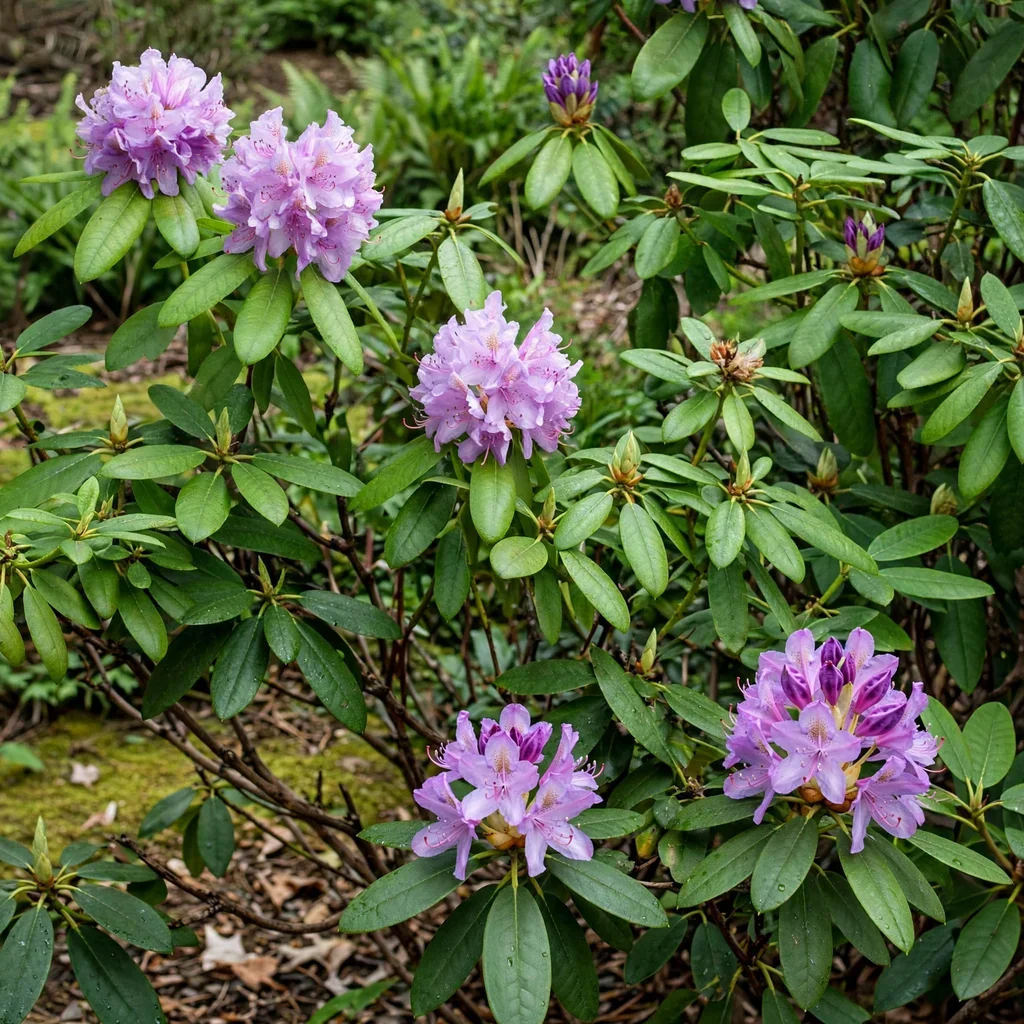
Catawba Rhododendron
Rhododendron catawbiense
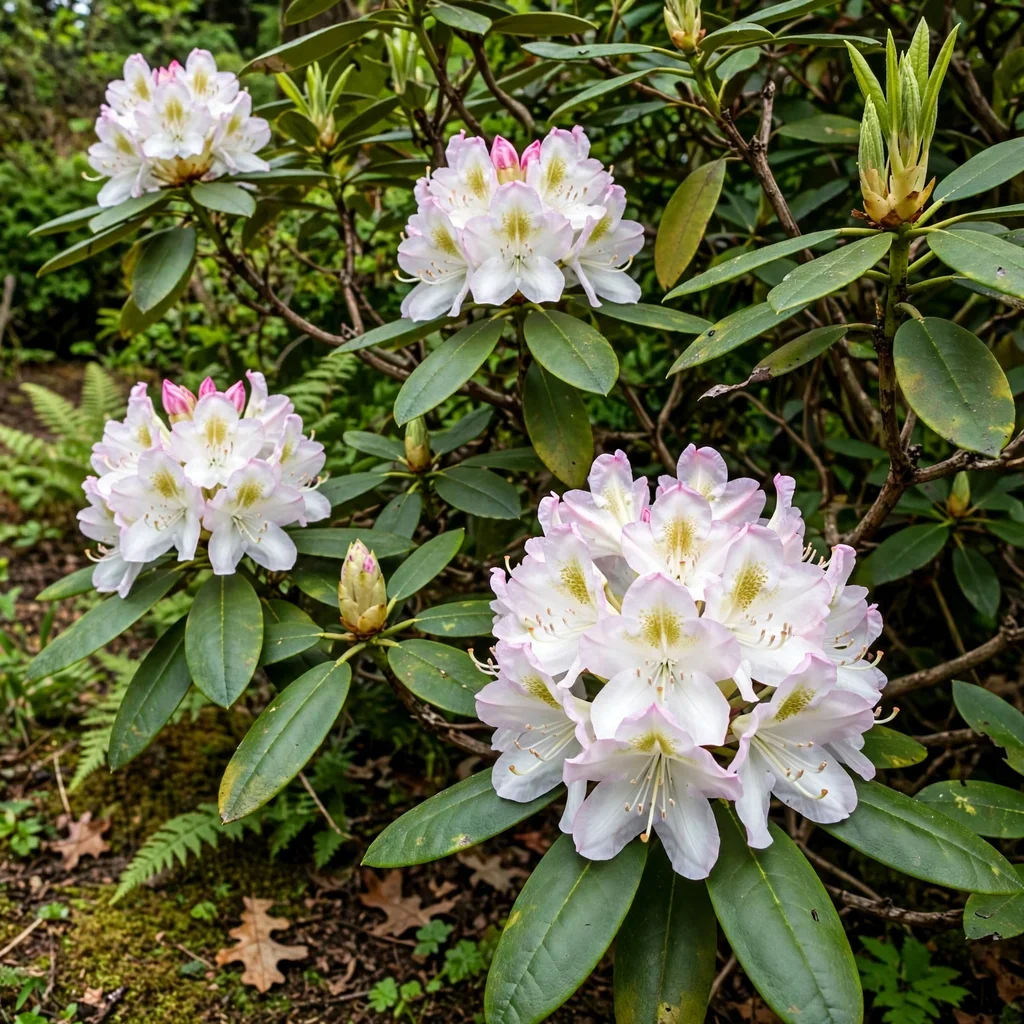
Great Laurel Rhododendron
Rhododendron maximum
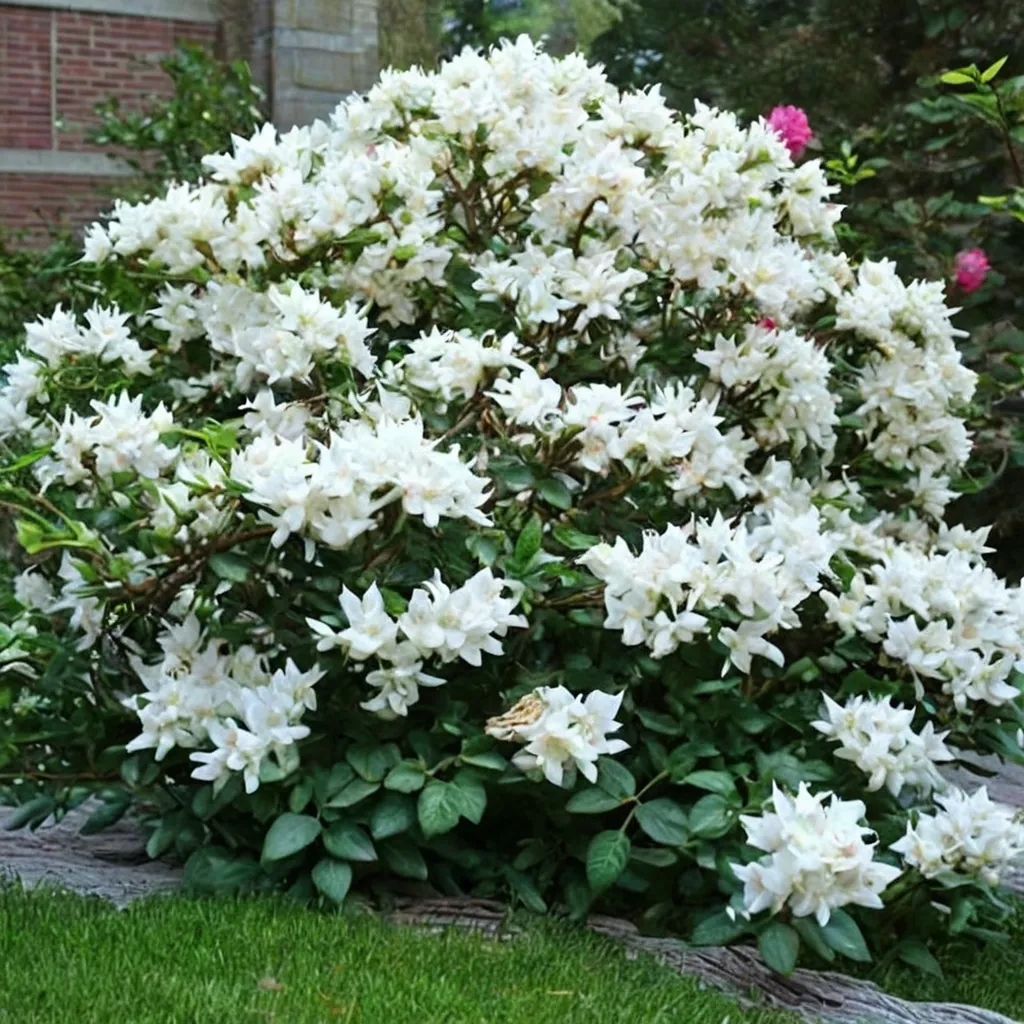
Double White Rhododendron
Rhododendron x hybrida 'Double White'
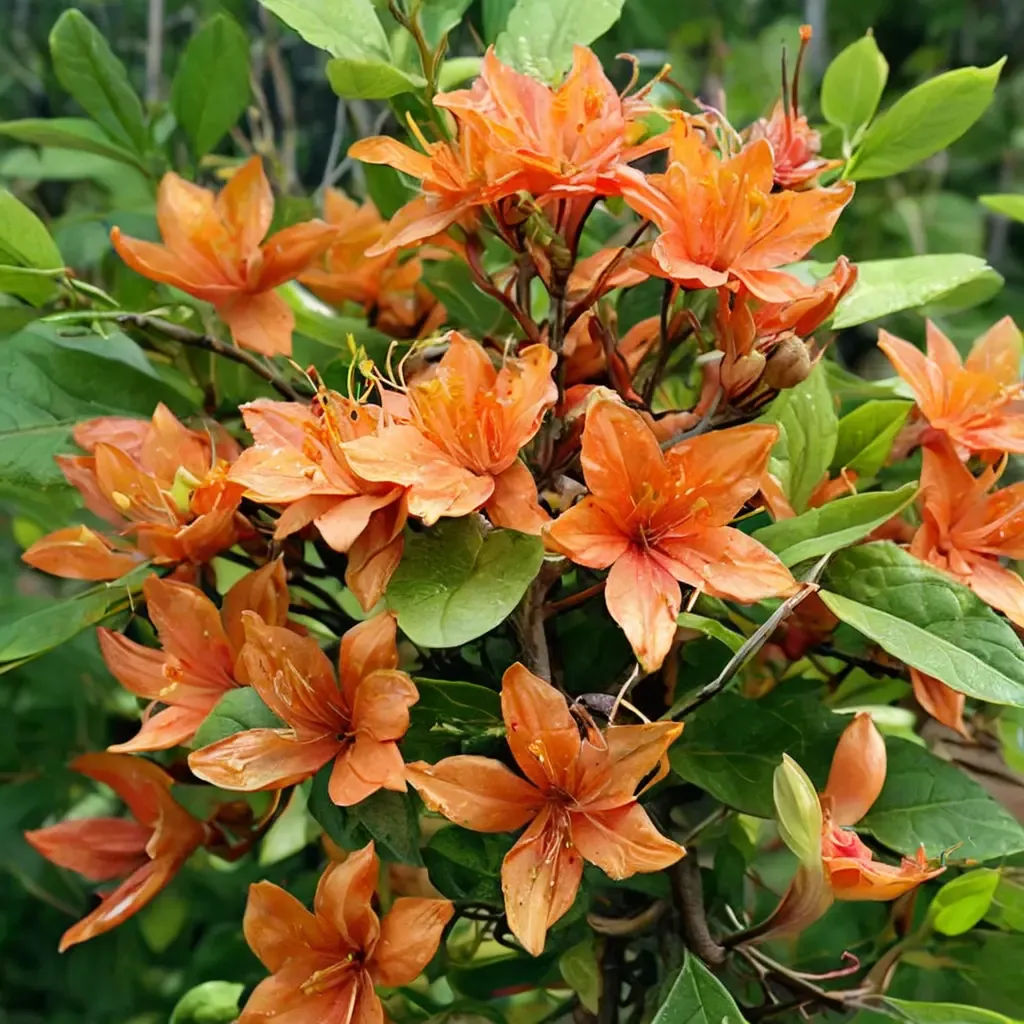
Flame Azalea
Rhododendron calendulaceum
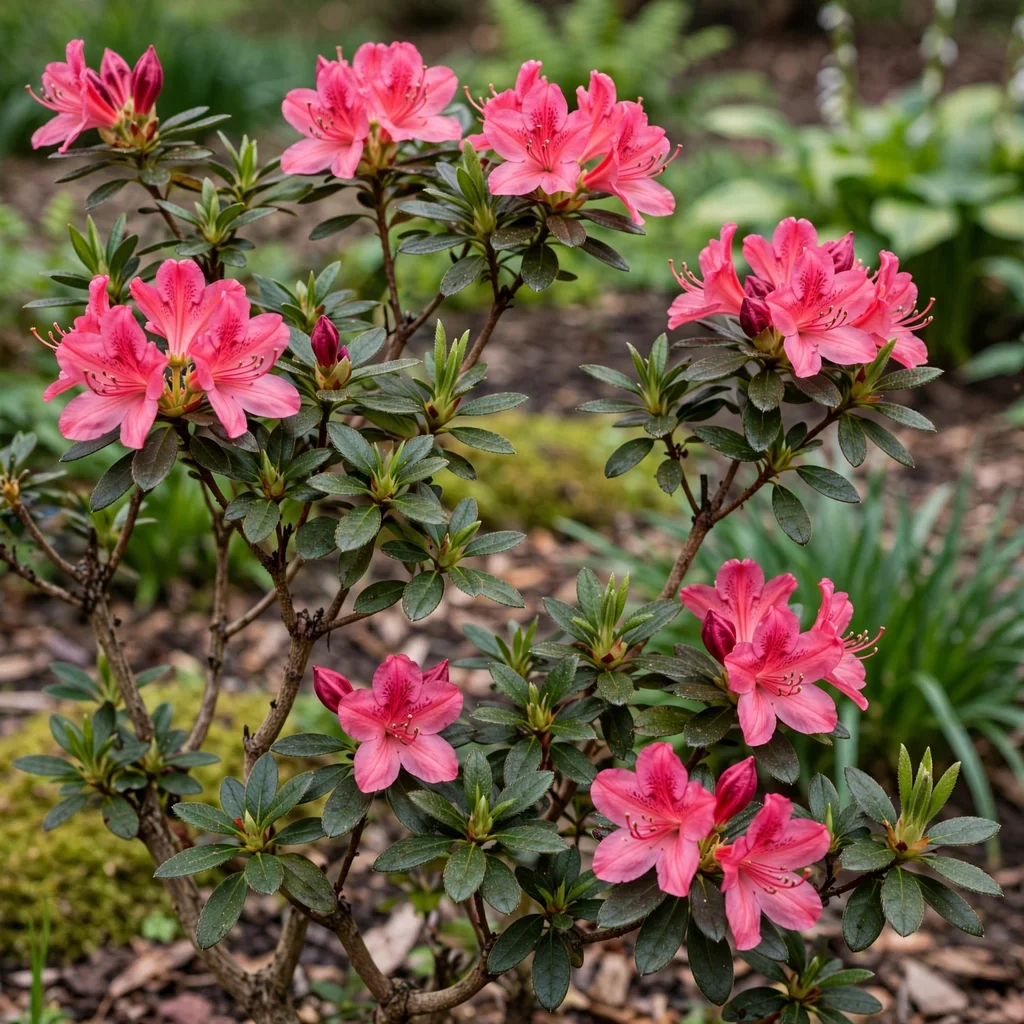
Bone Hardy Azalea
Rhododendron x hybrida 'Bone Hardy Azalea Sampler'
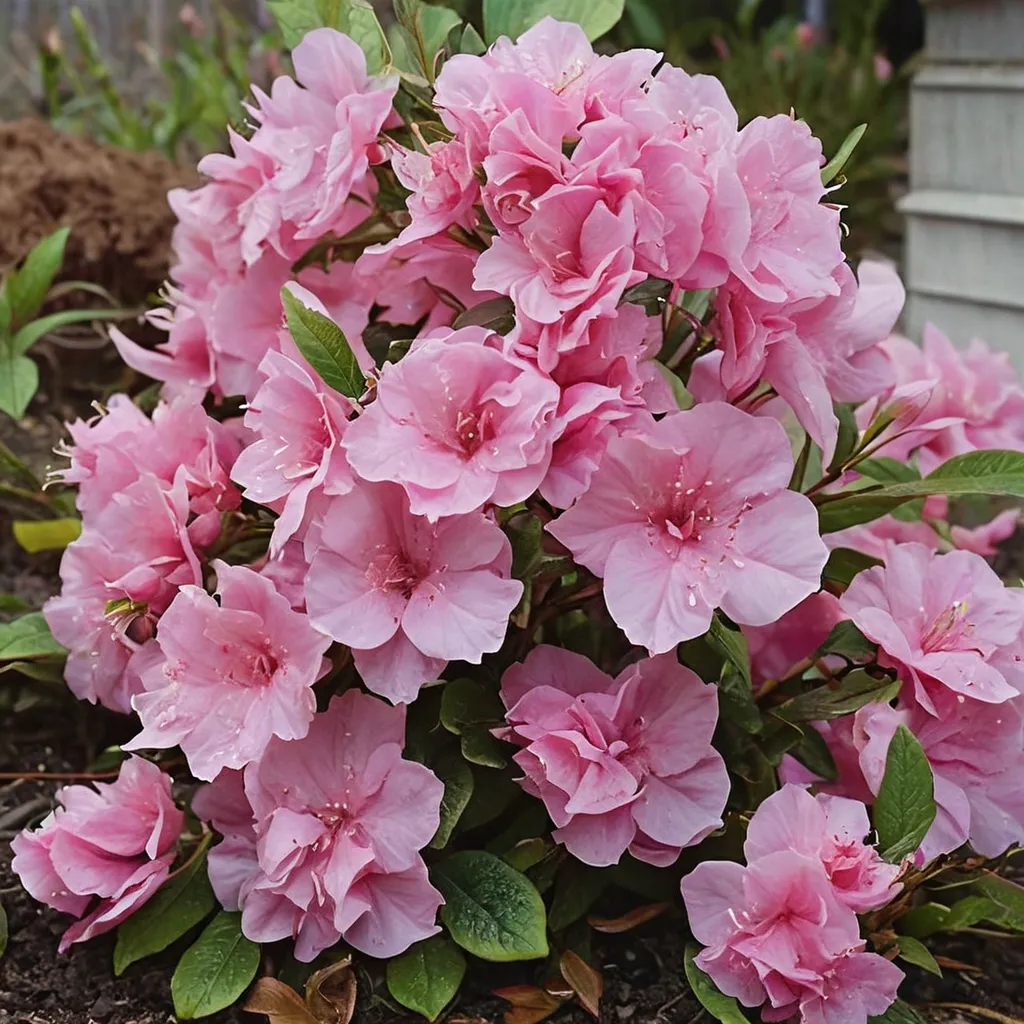
Rhododendron x hybrida Double Pink
Rhododendron x hybrida 'Double Pink'
Keep exploring
Explore the genus
Hardy in your zone?
Grow Alpenrose with confidence
See it in a design of your actual yard, get zone-matched care reminders, and track it season by season in your garden journal.