The Story
Plant Bio
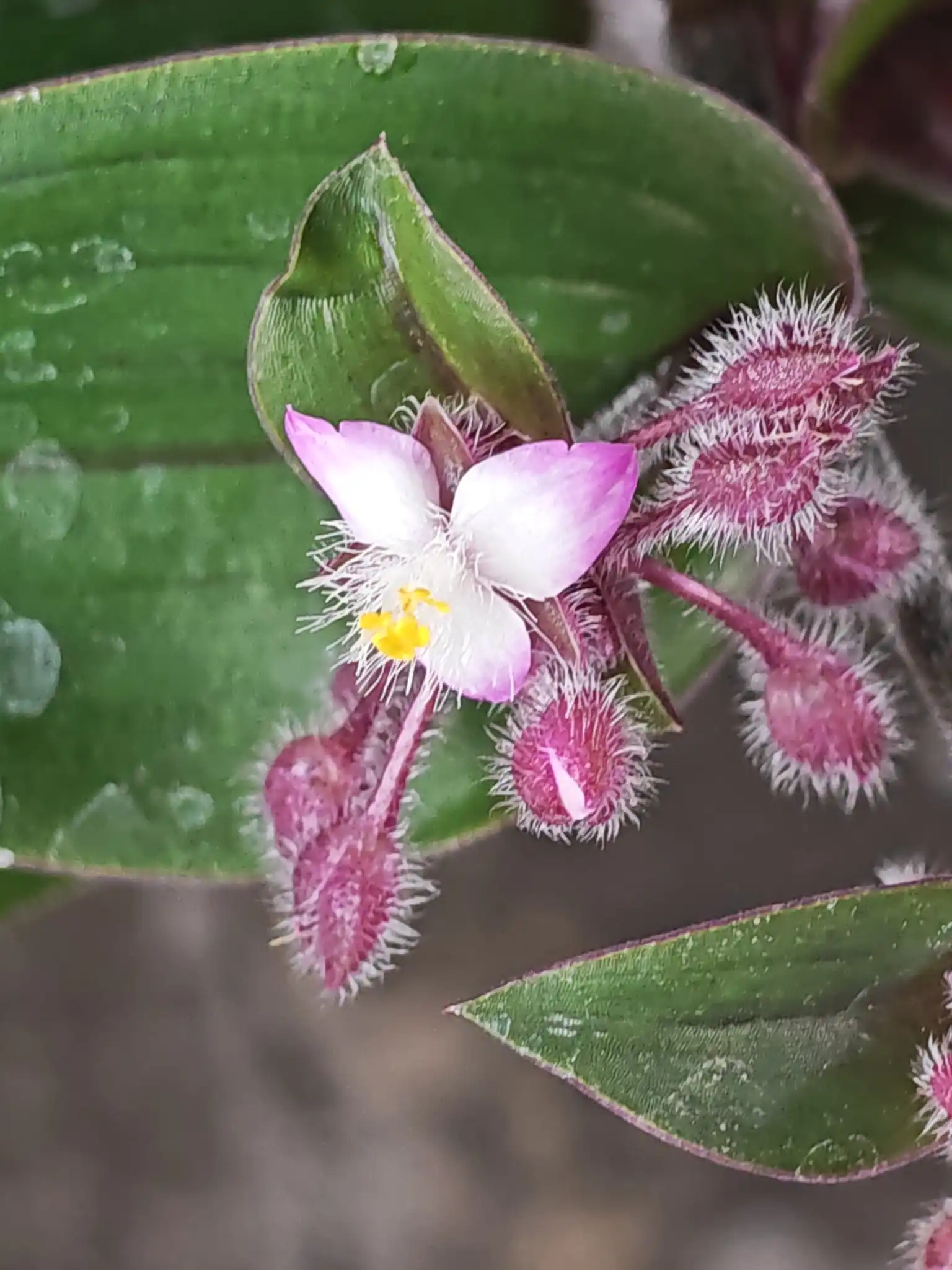
Tradescantia cerinthoides is a trailing herbaceous perennial native to South America, characterized by prostrate stems that root readily at the nodes to form dense, spreading mats. The foliage features grey-green upper leaf surfaces contrasted by distinctly purple, hairy undersides.
This species is distinguished from the highly invasive Tradescantia fluminensis by its pubescent leaves and significantly less aggressive spreading habit. In spring and summer, it produces terminal cymes of small white flowers tipped with pink or purplish-pink, supported by hairy, purple sepals.
Uses & Benefits:
Essentials
At a Glance
Plant Type
Perennial
Height
12"
Width
24"
Light
Full Sun, Partial Sun, Shade
Zones
9, 10
Water
Moderate
Humidity
Moderate to high
Lifespan
Perennial
Native To
South America
Toxicity
Toxic to pets (calcium oxalate)
Bloom period
Spring – Summer
In flower about 6 months of the year
Planting
How to Grow
- Select a site with bright, indirect light or partial shade to prevent leaf scorch while maintaining vibrant foliage color.
- Plant in a well-draining, humus-rich loam or standard potting mix with a pH between 6.0 and 7.0.
- Water thoroughly when the top inch of soil dries, ensuring the container or bed drains completely to prevent stem and root rot.
- Apply a balanced liquid fertilizer sparingly every four to six weeks during the active spring and summer growing seasons.
Pro Tip
Avoid cutting back into old, leafless woody stems where nodes fail to break; instead, prune younger, leggy stems in early spring to stimulate dense, bushy lateral growth.
Keep It Thriving
Care Guide
Do
- Allow the soil to dry slightly between waterings to protect the succulent-like stems from rot.
- Provide moderate to high humidity levels to keep the foliage lush and prevent tip browning.
- Bring outdoor potted plants indoors before the first autumn frost, as the species is highly sensitive to freezing temperatures.
Don't
- Do not allow the plant to sit in waterlogged soil or standing water.
- Do not fertilize during the dormant winter months when growth naturally slows.
- Do not plant in areas exposed to heavy coastal salt spray or high-salinity soils.
Seasonal Care Calendar
| Task | Jan | Feb | Mar | Apr | May | Jun | Jul | Aug | Sep | Oct | Nov | Dec |
|---|---|---|---|---|---|---|---|---|---|---|---|---|
| Fertilize | ||||||||||||
| Pest Check | ||||||||||||
| Propagate | ||||||||||||
| Prune | ||||||||||||
| Winter Prep |
Watch Out For
Pests & Diseases
Common Pests
Common Diseases
In the Garden
Landscape Uses & Companions
Landscape Uses
Companion Plants
Multiply
Propagation Methods
Good to Know
Common Questions
Flowering Inch Plant questions
What zones can Flowering Inch Plant grow in?
Flowering Inch Plant is hardy in USDA Zones 9–10. Inside that range it survives winter in the ground; outside it, grow it as an annual or a container plant you protect.
Is Flowering Inch Plant deer resistant?
Yes — Flowering Inch Plant is rated deer-resistant. Deer typically pass it over, though extreme hunger can override any plant's defenses.
When does Flowering Inch Plant bloom?
Flowering Inch Plant typically blooms in spring through summer. Exact timing shifts a week or two with your zone — Sow's bloom calendar maps it to your garden.
Does Flowering Inch Plant need full sun?
Flowering Inch Plant does best in full sun to part shade. In hot climates, afternoon shade keeps blooms fresher longer.
Is Flowering Inch Plant drought tolerant?
Yes — once established (usually after the first full season), Flowering Inch Plant handles dry spells with minimal watering. Water deeply its first year to build the root system that makes that possible.
More Tradescantia to compare
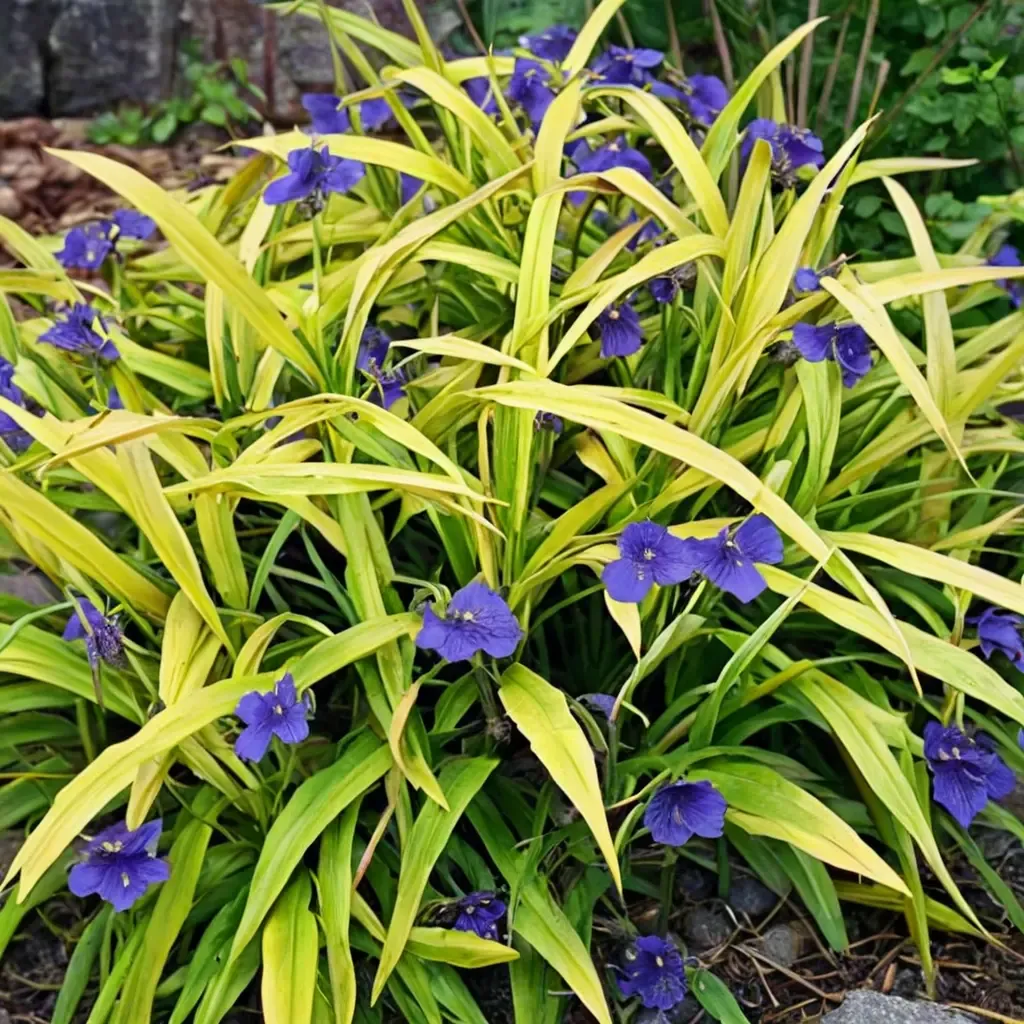
Sweet Kate Spiderwort
Tradescantia occidentalis 'Sweet Kate'
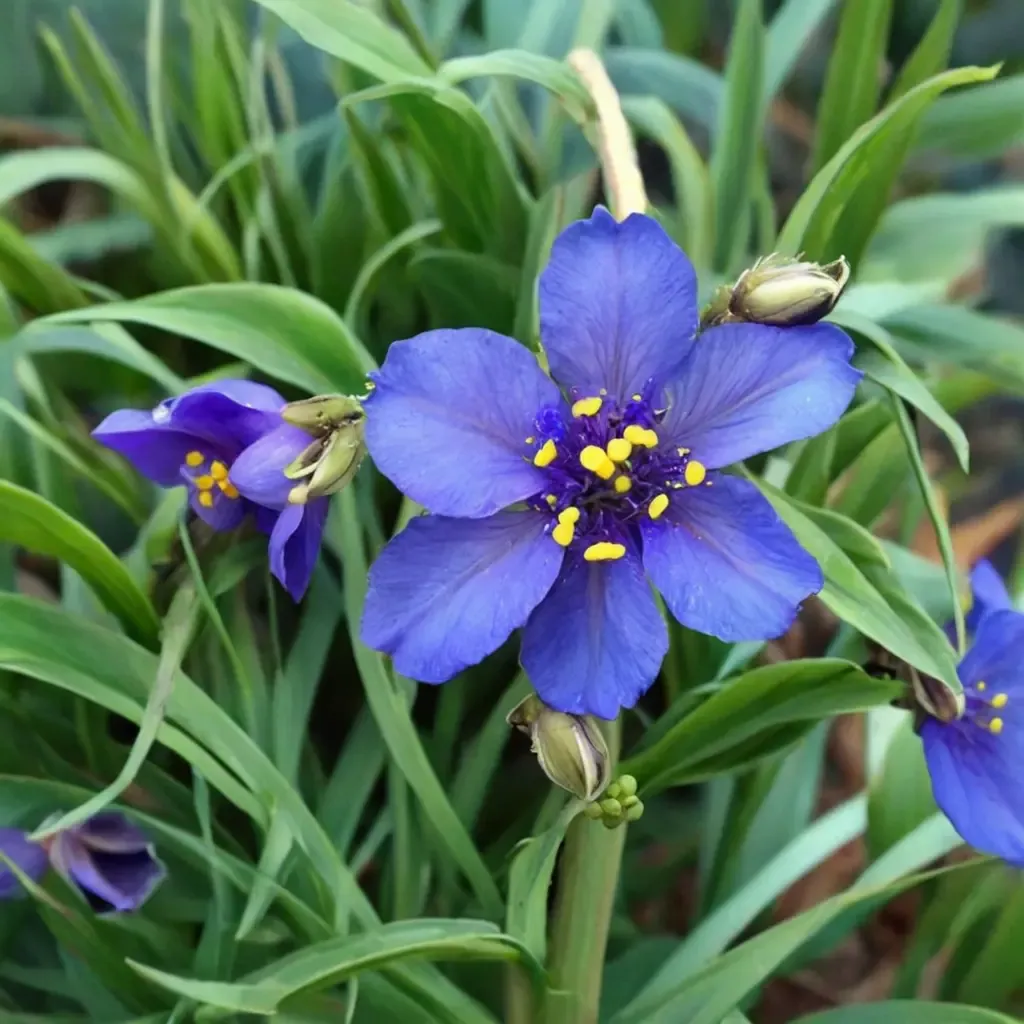
Virginia Spiderwort
Tradescantia virginiana
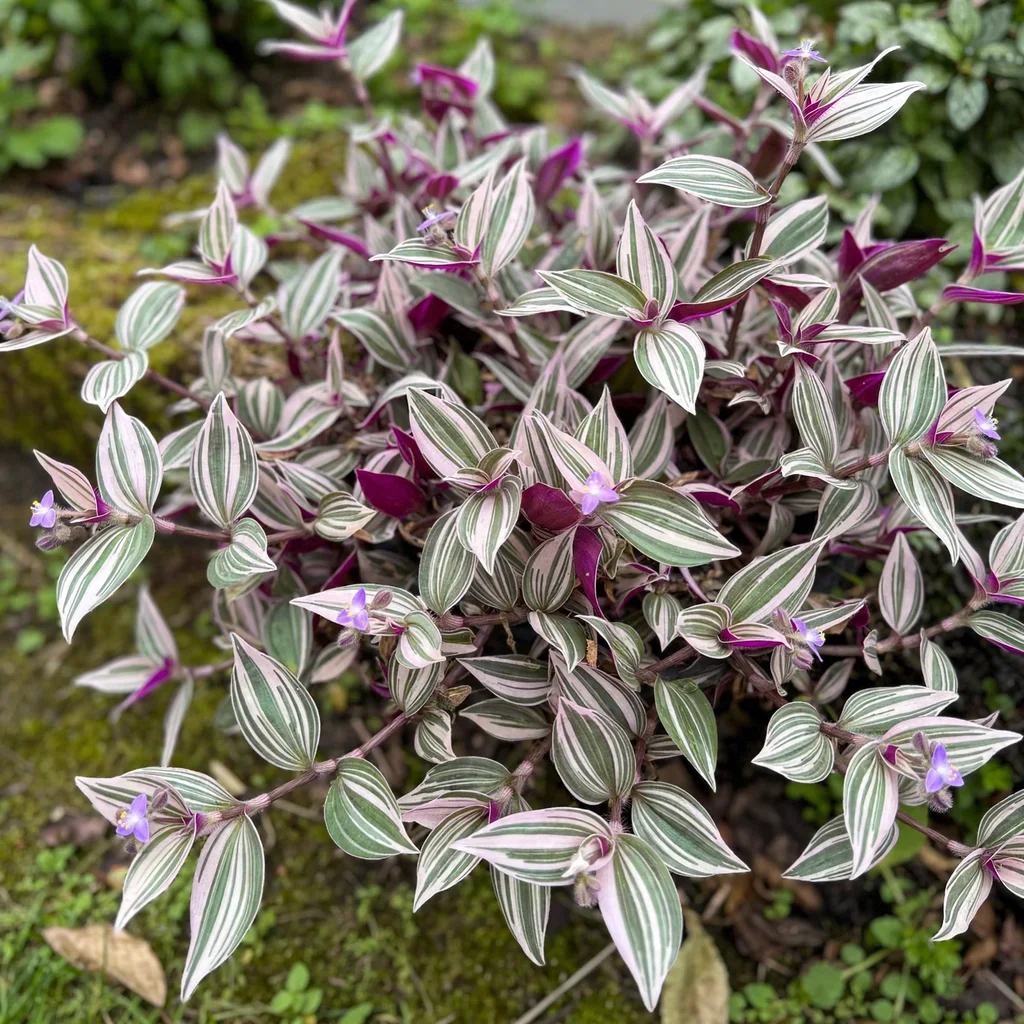
Variegated Wandering Jew
Tradescantia pallida 'Variegata'
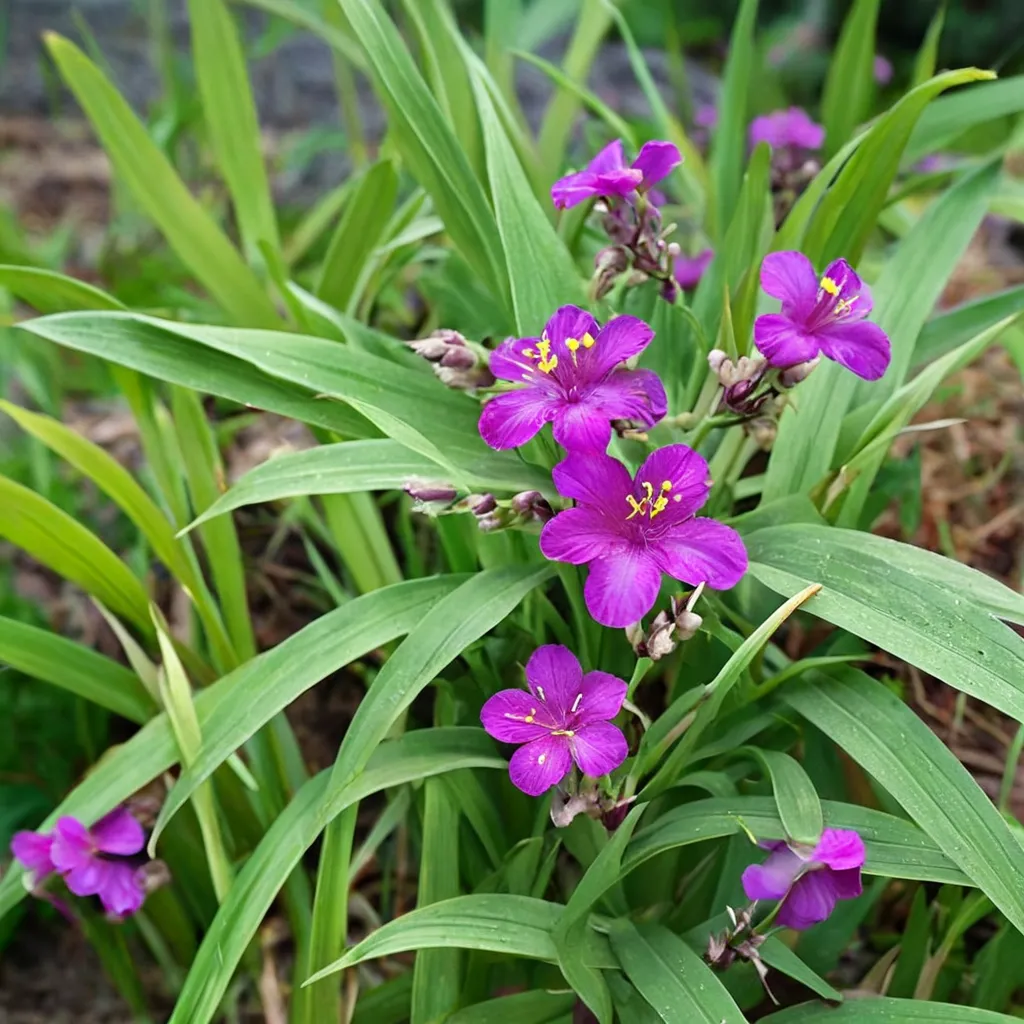
Carmine Glow Spiderwort
Tradescantia x andersoniana 'Karminglut'
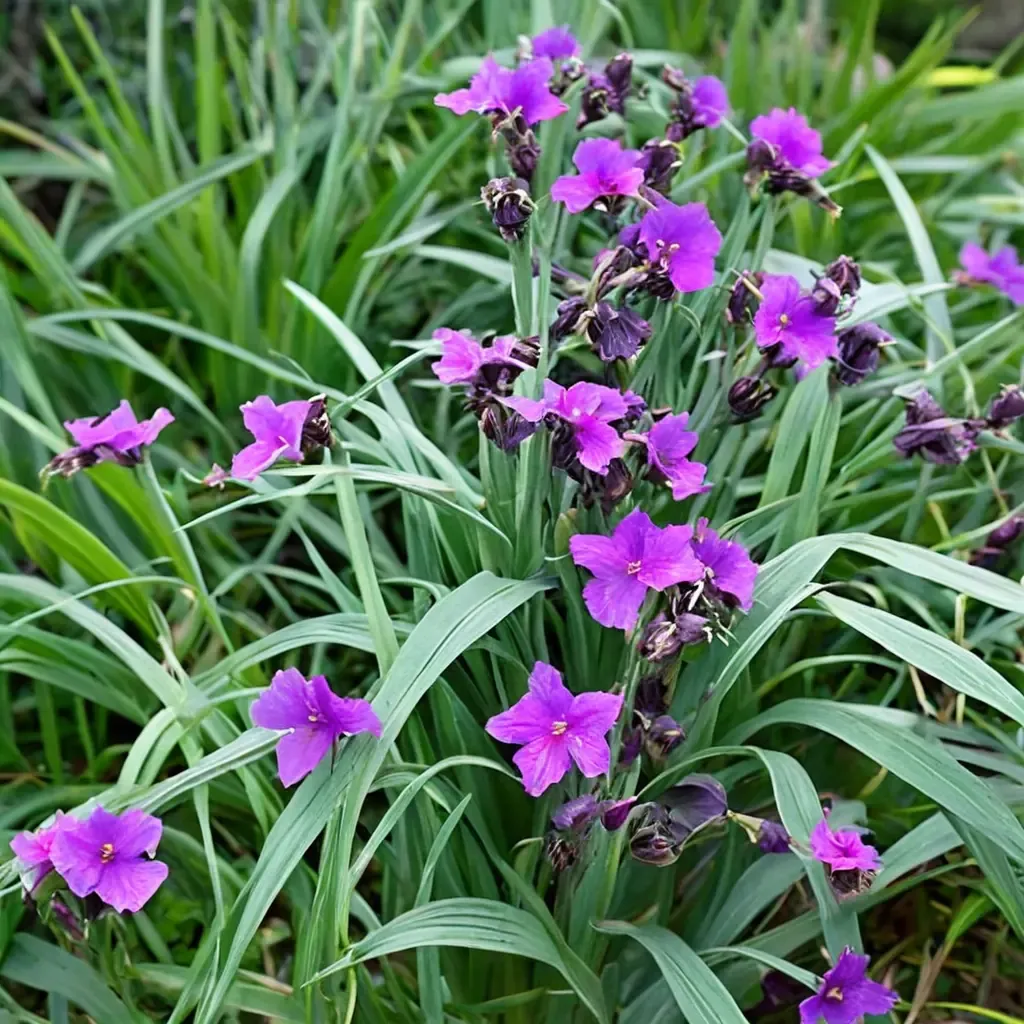
Concord Grape Spiderwort
Tradescantia x andersoniana 'Concord Grape'
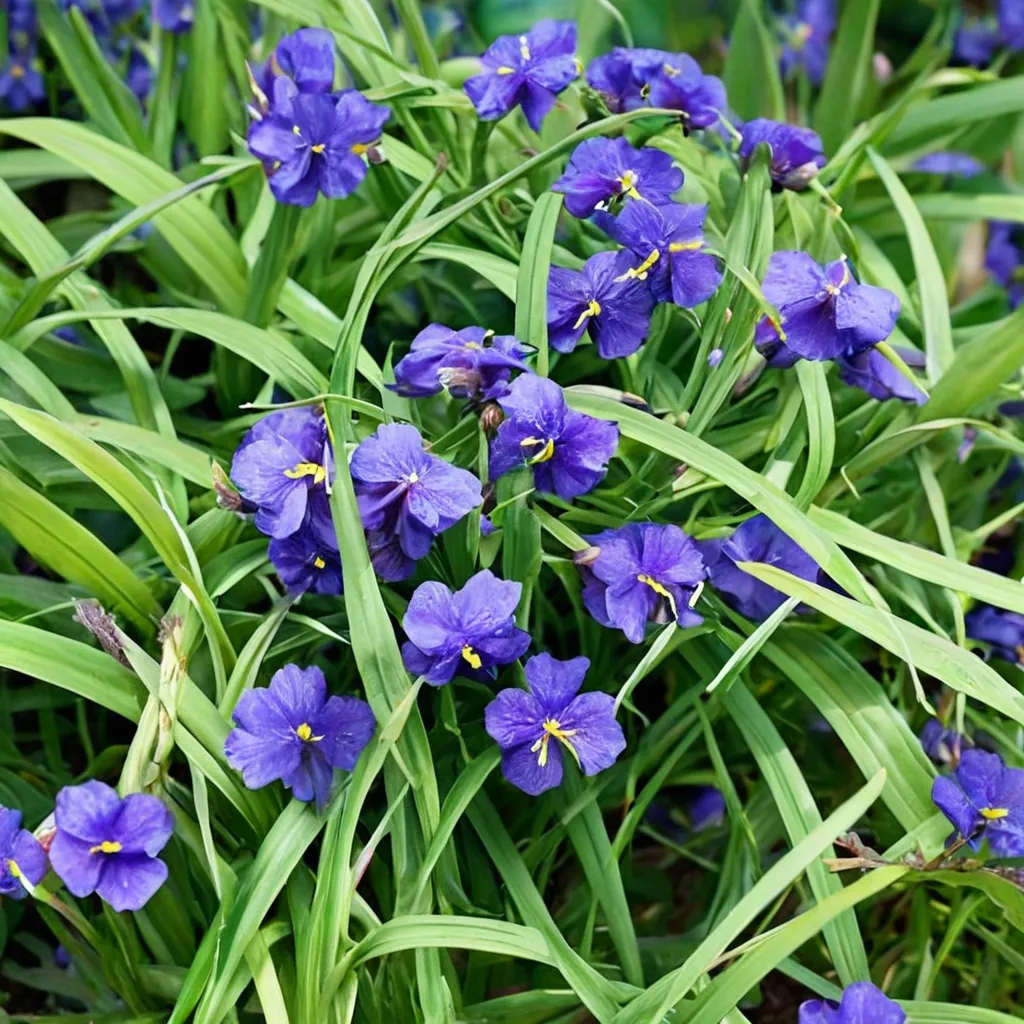
Leonora Spiderwort
Tradescantia x andersoniana 'Leonora'
Keep exploring
Explore the genus
Hardy in your zone?
Grow Flowering Inch Plant with confidence
See it in a design of your actual yard, get zone-matched care reminders, and track it season by season in your garden journal.