Also known as Ragwort · 52 saves
Packera
Packera, the genus most gardeners know as ragwort. We track 4 varieties; the ones most used by real gardeners.
The 3 most-saved Packera varieties
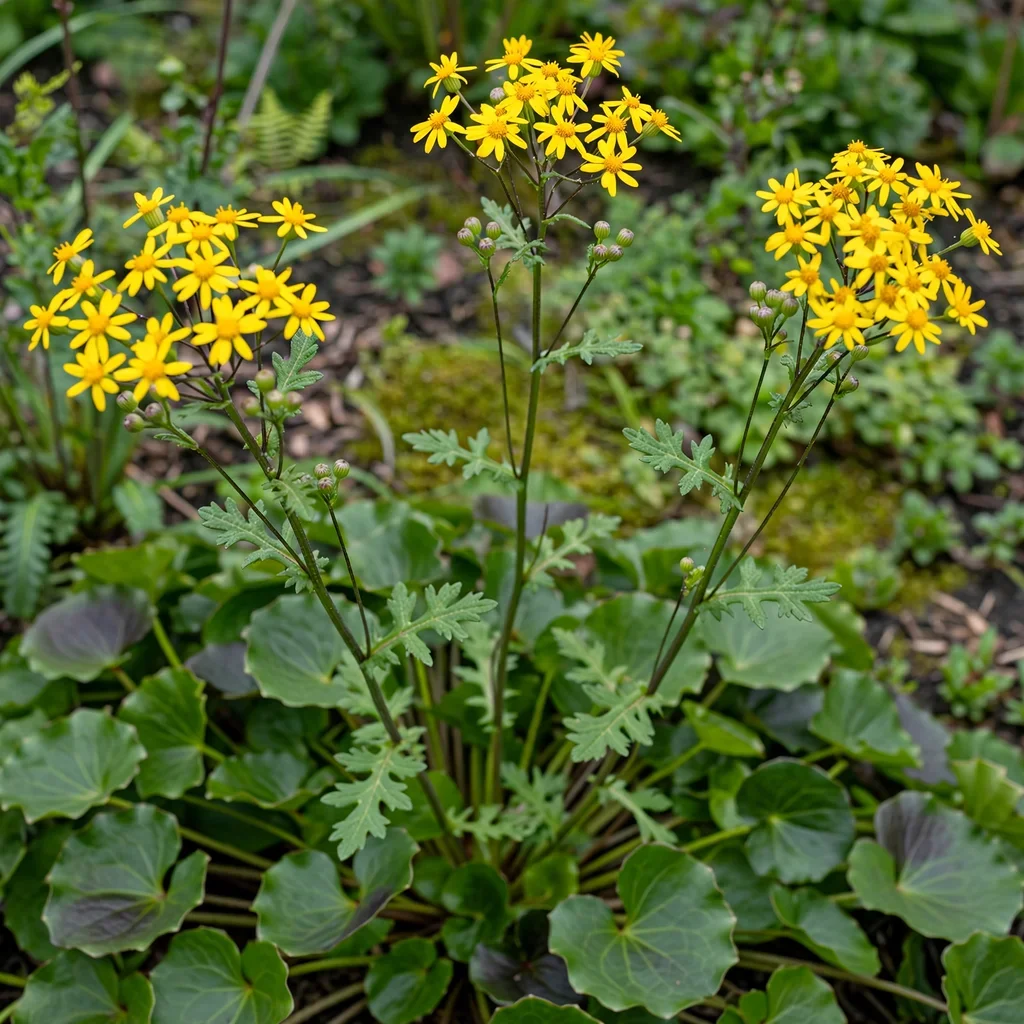
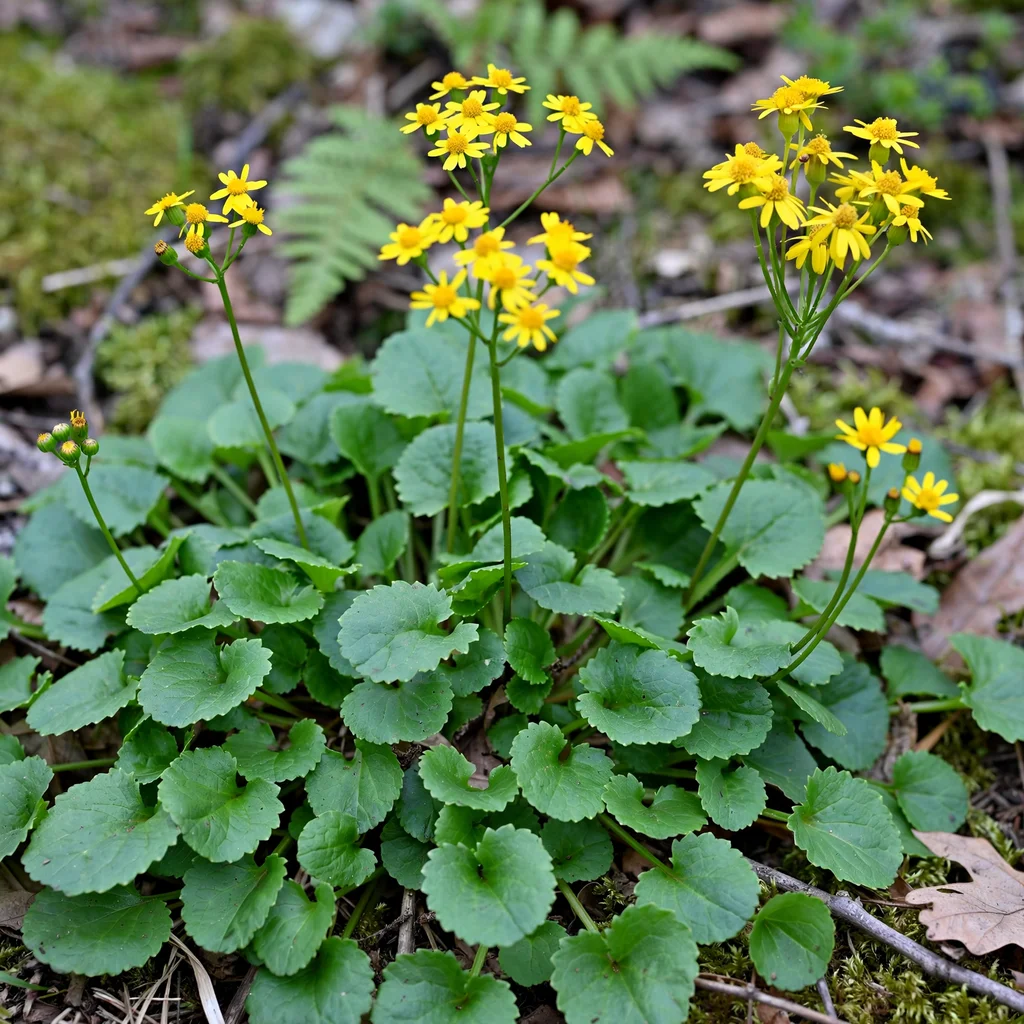
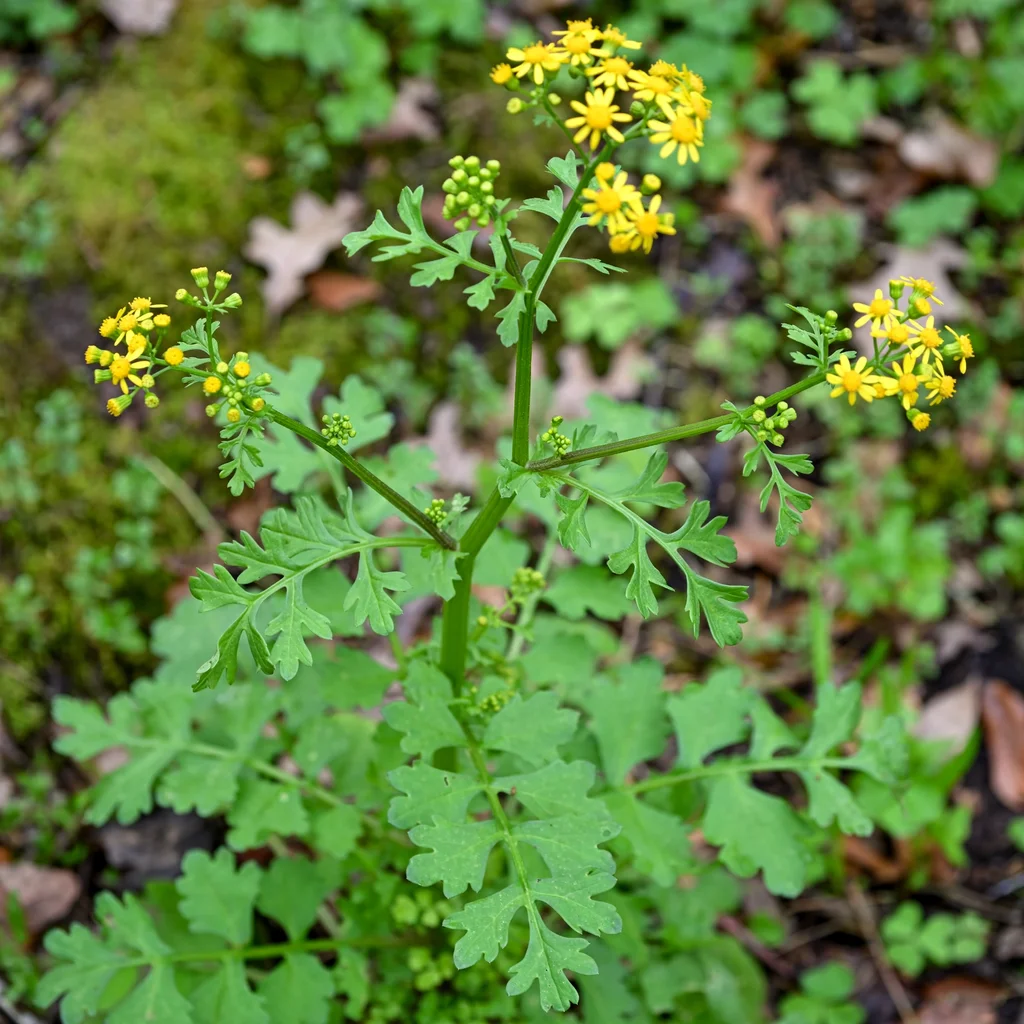
Browse all 4 Packera varieties →
3 species of Packera
Each one is a parent of the varieties above.
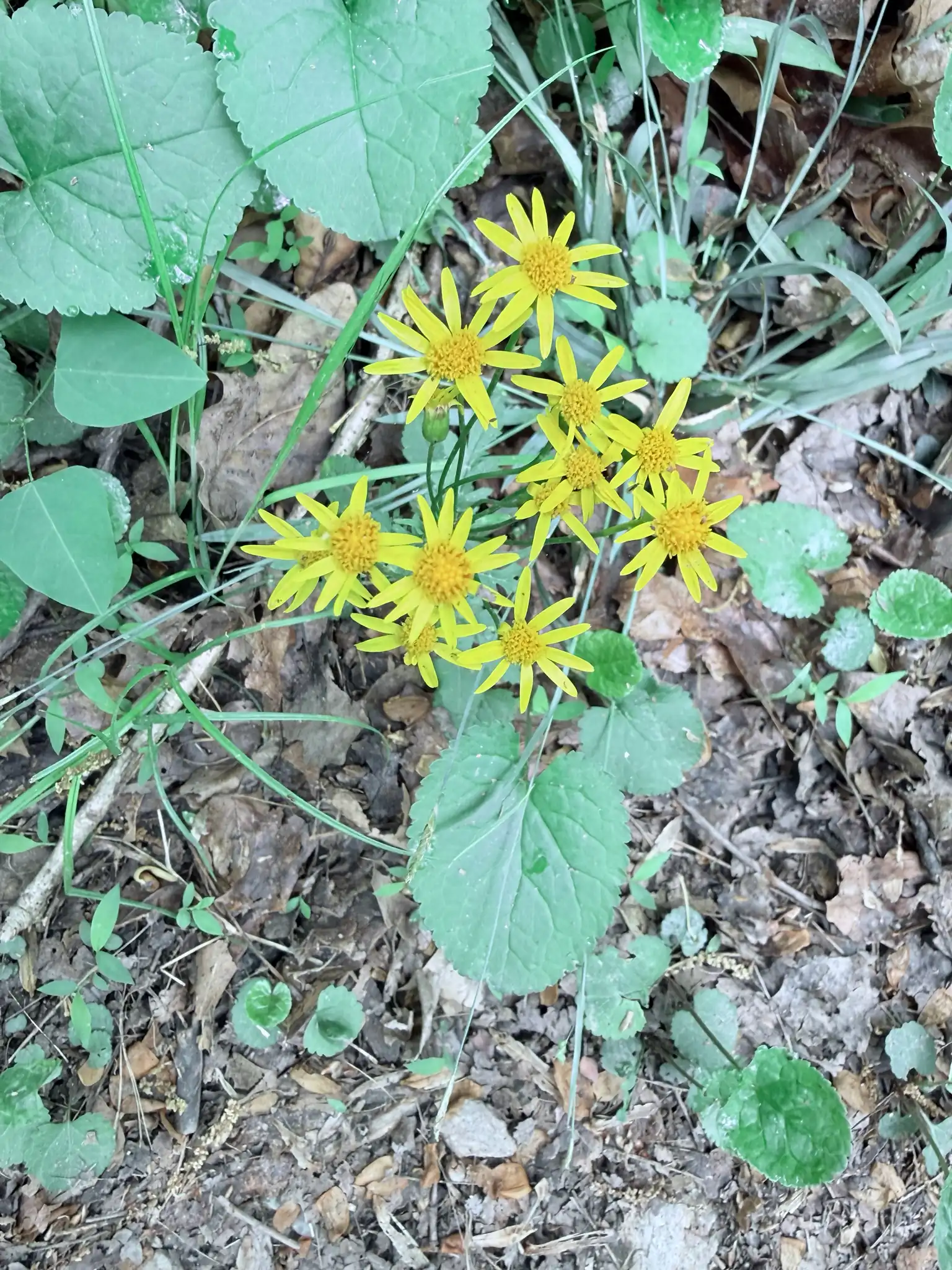
Track your Packera in Sow
Save the Packera you grow and get care reminders timed to your zone.
How to grow Packera
Whats common across all Packera varieties in our catalog — drawn from the care records of the 4 most-grown of them.
The Packera year
- PruneMay and June75% of varieties
Cut spent flowering stems after bloom; the basal rosettes stay evergreen.
- DivideApril, September and October75% of varieties
Lift and divide colonies in spring or autumn to spread them or hold them back.
- Spring CleanupMarch50% of varieties
Clear competing winter debris from around the emerging central flowering stalk.


Do
- Keep the soil moist 💧
- Let it colonise as woodland groundcover 🌱
- Deadhead after flowering to limit seedlings ✂️
- Keep it away from grazing animals 🐄
- Keep soil consistently wet or damp during active winter and spring growth.
Avoid
- Plant it in a small tidy border ❌
- Let it dry out in full sun ❌
- Let livestock or pets graze it ❌
- Do not allow soil to dry out completely during active growth.
What goes wrong with Packera
| Problem | What you'll see | What to do |
|---|---|---|
| Aphids | Clustered insects feeding on soft stem tips and leaf undersides, causing distorted foliage. | Rinse stem tips with a strong jet of water or introduce native ladybugs. |
| Generally pest-free | Alkaloids deter browsing; deer and rabbits avoid it | No treatment needed |
| White-crossed seed bug | Small insects feeding on developing seed heads. | Hand-pick bugs off seed heads or prune spent flower stalks before seeds ripen. |
| Gem moth caterpillars | Chewed foliage on spring leaves. | Allow native predatory insects to control populations naturally or pick caterpillars off by hand. |
| Root rot | Yellowing basal leaves and decaying roots in excessively stagnant water. | Improve drainage slightly or avoid planting in completely oxygen-deprived, standing water. |
| Generally disease-free | No significant disease issues reported | Provide moist soil and air movement |
| Powdery Mildew | White powder on leaf surfaces | Apply fungicide and improve air circulation |
Making more Packera
Division
- Lift rooted rosettes in spring or autumn.
- Separate and replant immediately.
- Water in well.
Seed
- Collect mature seed heads in late spring once seeds turn dark and develop white fluffy pappi.
- Surface-sow seed directly onto wet, weed-free soil in early autumn without covering.
- Maintain high soil moisture through late fall to ensure prompt rosette germination.
- Overwinter the established rosettes outdoors without protection.
Packera questions
How many types of Packera are there?
The Sow catalog tracks 4 distinct Packera varieties. The most popular — ranked by 52 real gardeners — are shown first above.
What zones does Packera grow in?
Across its varieties, Packera covers USDA Zones 4–9. Individual varieties differ — each plant page lists its exact range, and Sow filters the catalog to your zone automatically.
When does Packera bloom?
Most Packera varieties bloom in early spring, spring. Staggering early, mid, and late varieties extends the genus's season in one bed.
Which Packera should I choose?
Start from the most-saved varieties above — popularity across thousands of gardens is a strong signal of reliability — then filter by your zone and sun. In the Sow app you can preview any of them in a photo of your actual yard before you buy.