The Story
Plant Bio
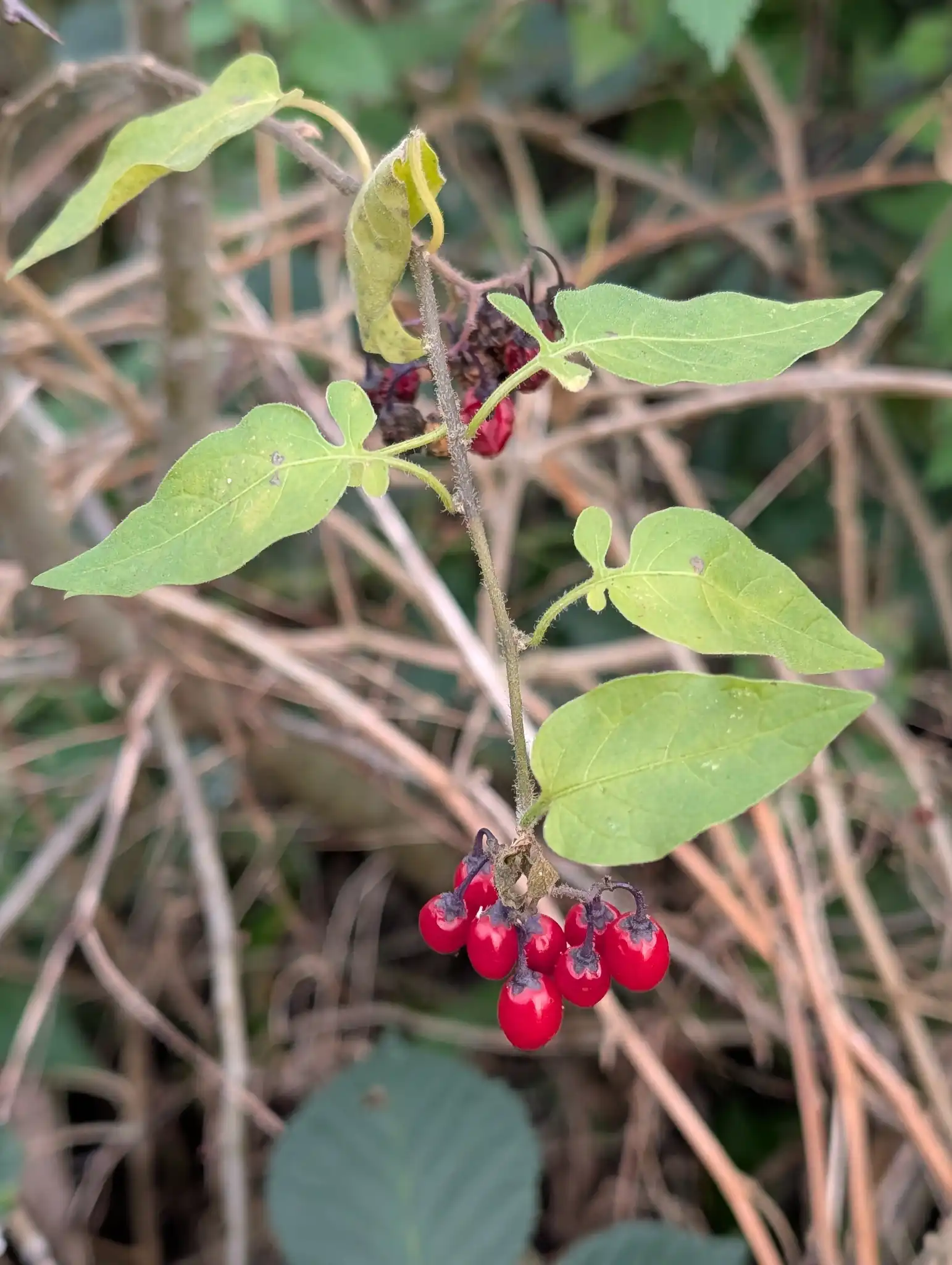
Solanum dulcamara, commonly known as bittersweet nightshade, is a semi-woody perennial vine native to Eurasia that scrambles over structures and other vegetation. The dark green, arrowhead-shaped leaves emit an unpleasant odor when crushed and are joined by clusters of star-shaped purple flowers with prominent yellow stamens from late spring to early fall.
This species is distinguished by its bright red, highly toxic berries that ripen alongside late-season flowers, and its ability to vigorously resprout from deep rhizomes. In North America, it has naturalized extensively and is classified as an invasive weed in several northern and western states.
Uses & Benefits:
Essentials
At a Glance
Plant Type
Vine
Height
78"
Width
78"
Light
Full Sun, Partial Sun
Zones
4, 5, 6, 7, 8
Water
Medium to High
Humidity
High
Lifespan
Perennial
Native To
Eurasia
Toxicity
High
Bloom period
Late spring – Early fall
In flower about 5 months of the year
Planting
How to Grow
- Select a site with full sun to partial shade and moist, rich, neutral to alkaline soil.
- Provide a sturdy trellis, fence, or support structure for the twining stems to scramble over.
- Water regularly to maintain consistent soil moisture, especially during dry summer spells.
- Prune the vine back hard in late winter or early spring to control its spread and remove dead wood.
Pro Tip
When removing unwanted plants, dig out the entire woody root crown and rhizome system; leaving broken root fragments in the soil allows the plant to rapidly resprout.
Keep It Thriving
Care Guide
Do
- Wear gloves when handling the plant to avoid potential skin irritation from the sap.
- Prune annually in late winter to keep the vigorous scrambling habit under control.
- Grow in a contained area or container if you must cultivate it, to prevent aggressive spreading.
Don't
- Do not plant near livestock pastures or areas frequented by children and pets due to extreme toxicity.
- Do not prune back into old, completely leafless wood that lacks visible growth buds.
- Do not allow the plant to self-seed near natural waterways or wetlands where it can become invasive.
Seasonal Care Calendar
| Task | Jan | Feb | Mar | Apr | May | Jun | Jul | Aug | Sep | Oct | Nov | Dec |
|---|---|---|---|---|---|---|---|---|---|---|---|---|
| Pest Check | ||||||||||||
| Propagate | ||||||||||||
| Prune | ||||||||||||
| Winter Prep |
Watch Out For
Pests & Diseases
Common Pests
Common Diseases
In the Garden
Landscape Uses & Companions
Landscape Uses
Companion Plants
Multiply
Propagation Methods
Good to Know
Common Questions
Bittersweet Nightshade questions
What zones can Bittersweet Nightshade grow in?
Bittersweet Nightshade is hardy in USDA Zones 4–8. Inside that range it survives winter in the ground; outside it, grow it as an annual or a container plant you protect.
Is Bittersweet Nightshade deer resistant?
Not reliably. Deer may browse Bittersweet Nightshade, especially tender spring growth — plan on repellents or fencing where pressure is high.
When does Bittersweet Nightshade bloom?
Bittersweet Nightshade typically blooms in late spring through early fall. Exact timing shifts a week or two with your zone — Sow's bloom calendar maps it to your garden.
Does Bittersweet Nightshade need full sun?
Bittersweet Nightshade does best in full sun to part shade. In hot climates, afternoon shade keeps blooms fresher longer.
More Solanum to compare
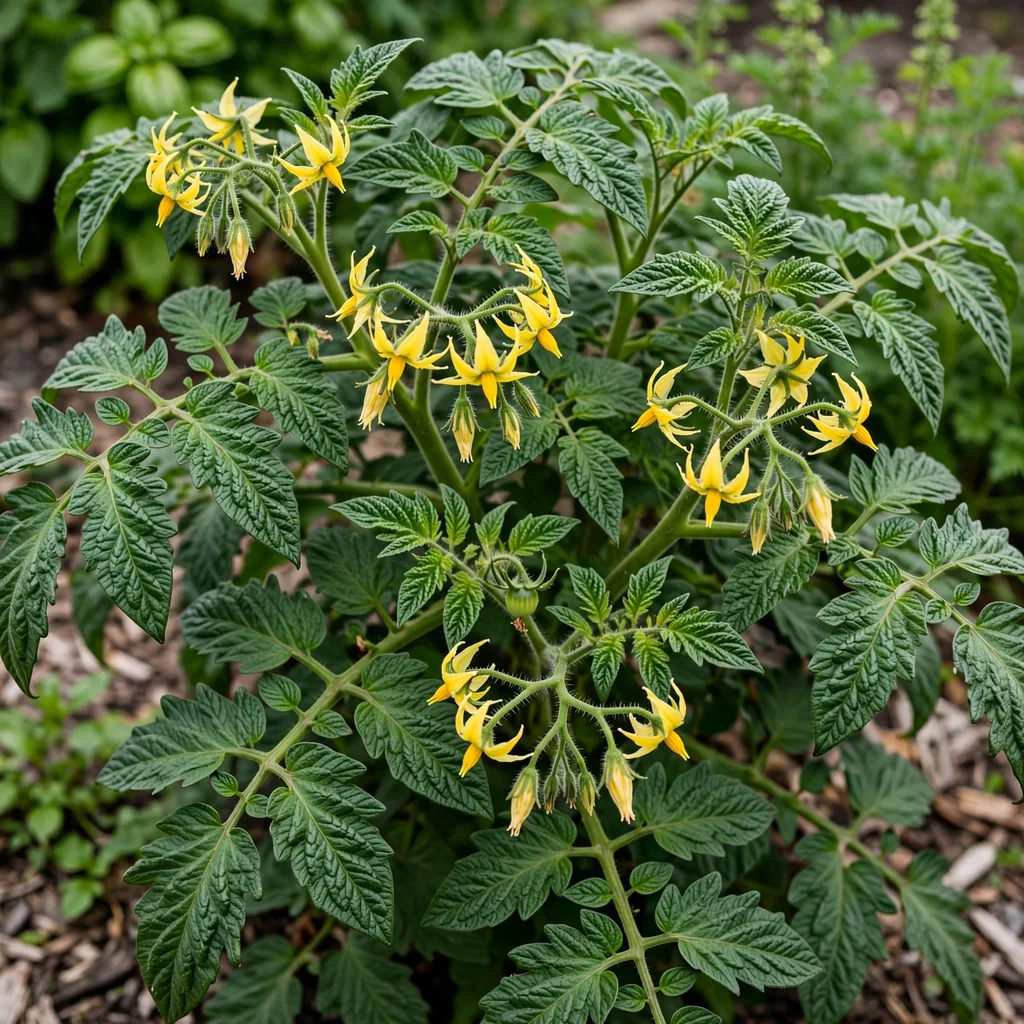
Martino's Roma Tomato
Solanum lycopersicum 'Martino's Roma'
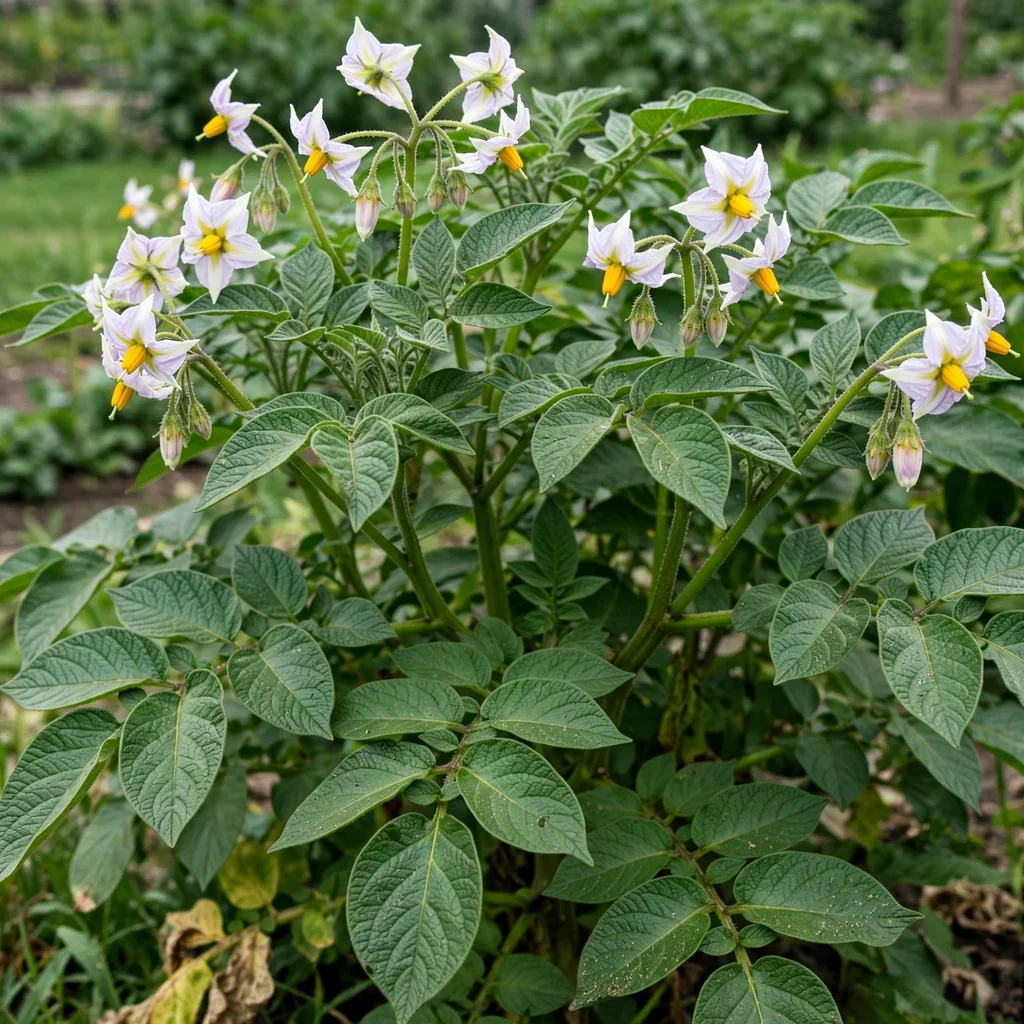
Yukon Gold Potato
Solanum tuberosum 'Yukon Gold'
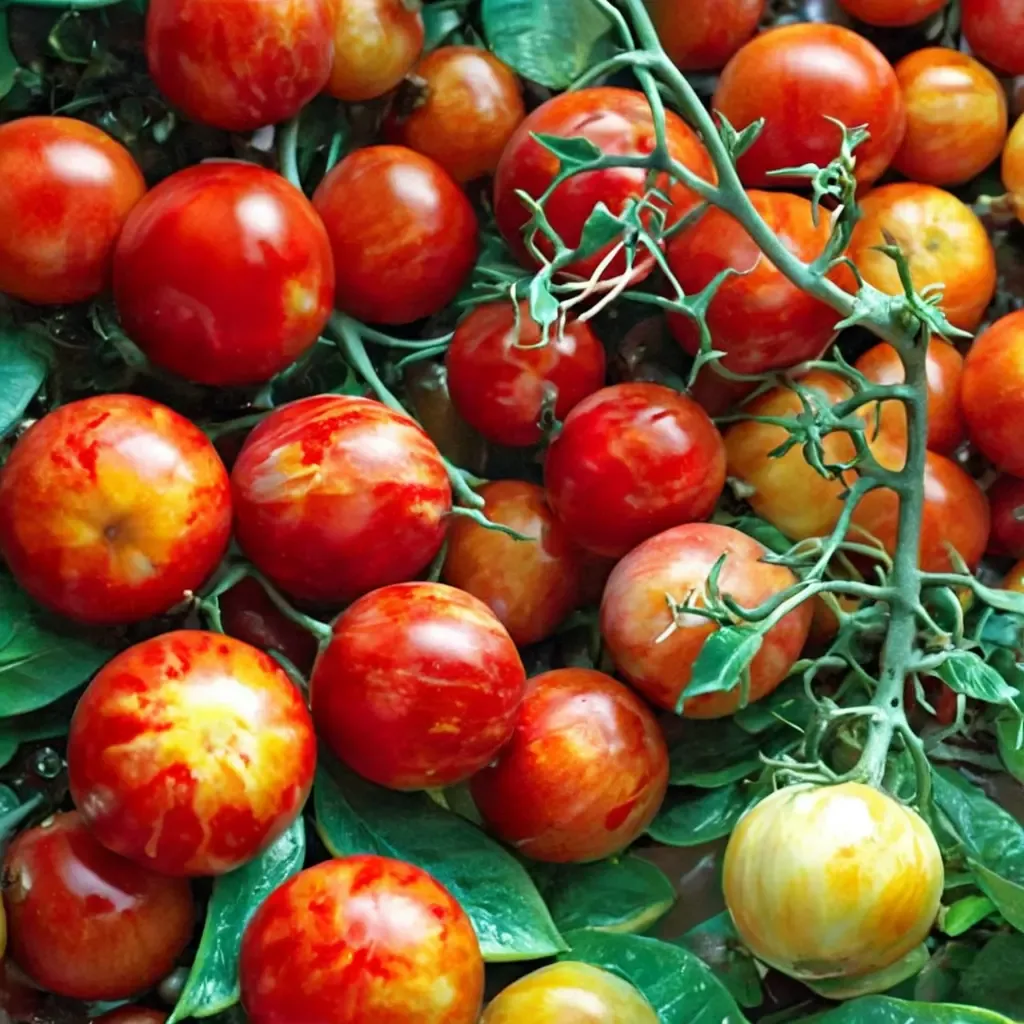
Sweet Tomato
Solanum lycopersicum 'Sweet'
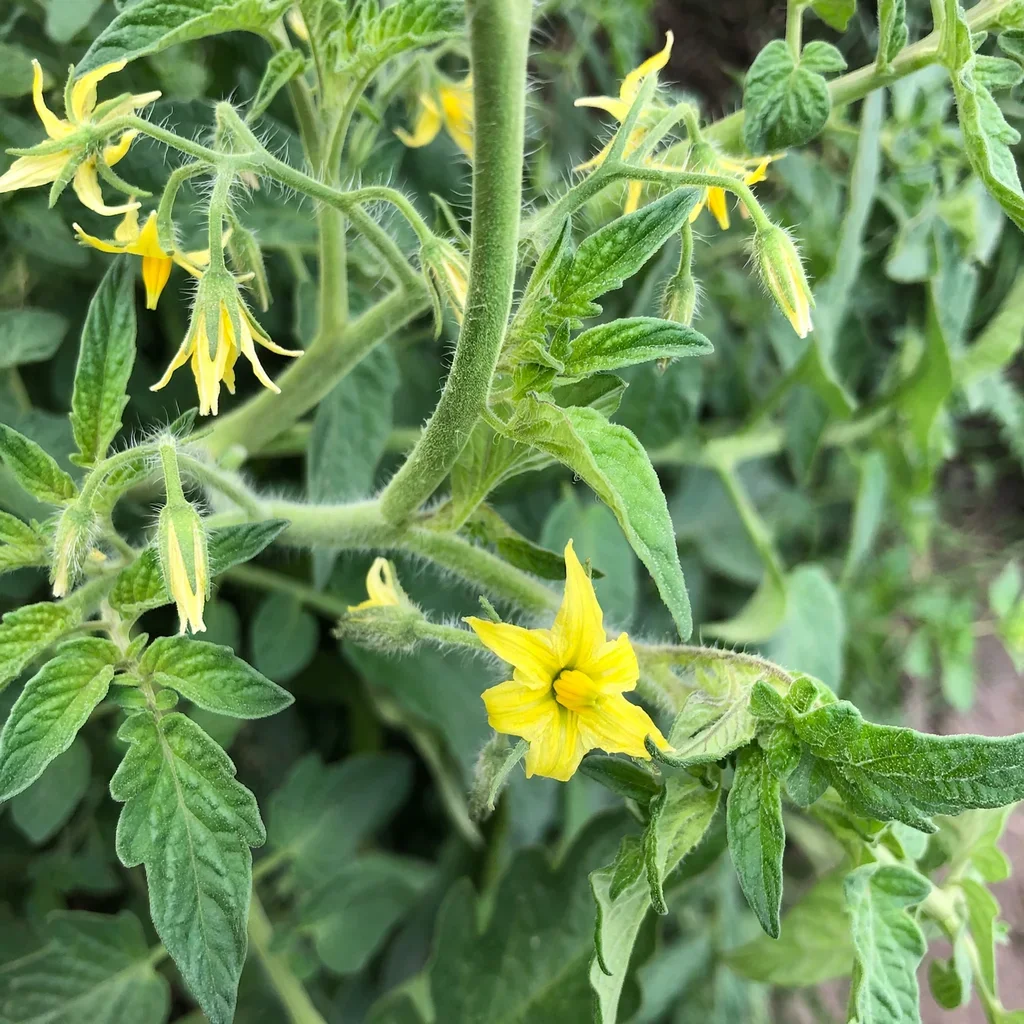
Napa Rose Tomato
Solanum lycopersicum 'Napa Rose'
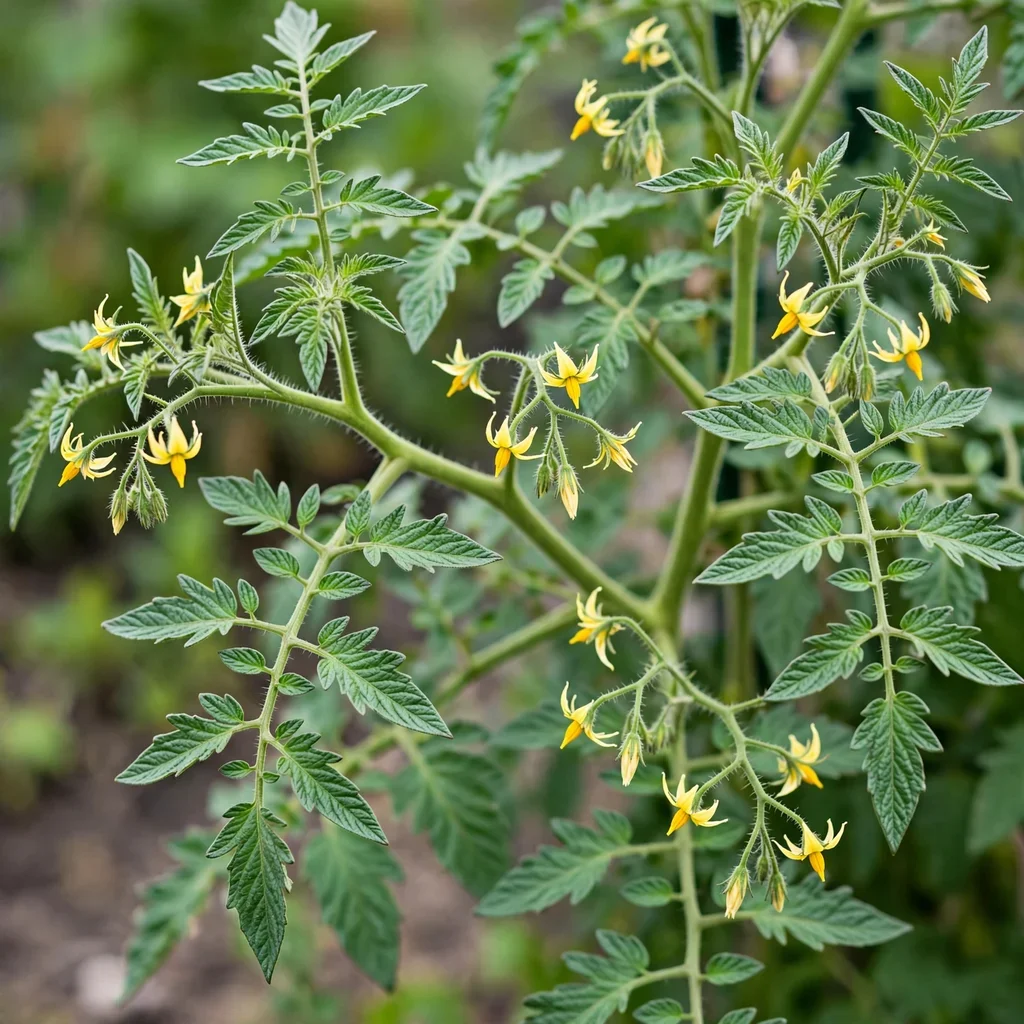
Red Currant Tomato
Solanum lycopersicum 'Red Currant'
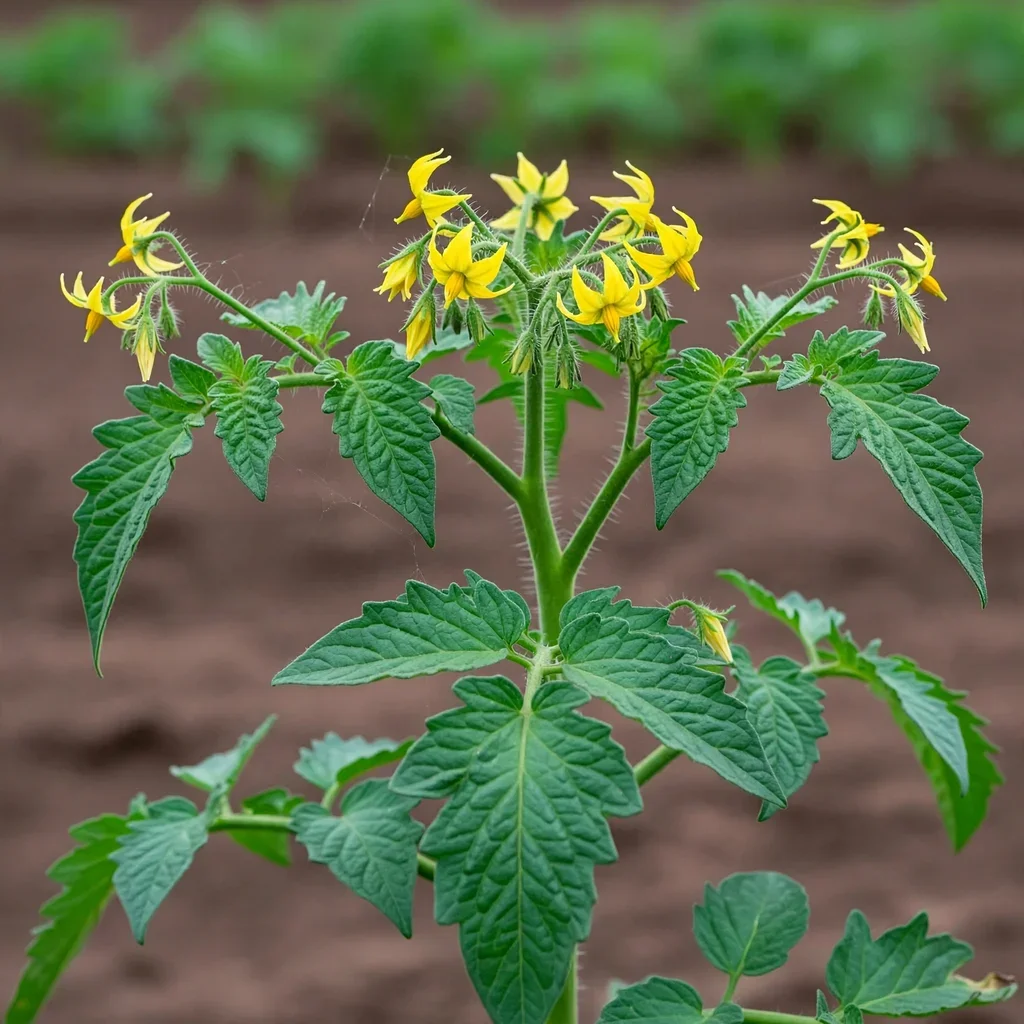
Gold Medal Tomato
Solanum lycopersicum 'Gold Medal'
Keep exploring
Explore the genus
Hardy in your zone?
Grow Bittersweet Nightshade with confidence
See it in a design of your actual yard, get zone-matched care reminders, and track it season by season in your garden journal.