
The Story
Plant Bio
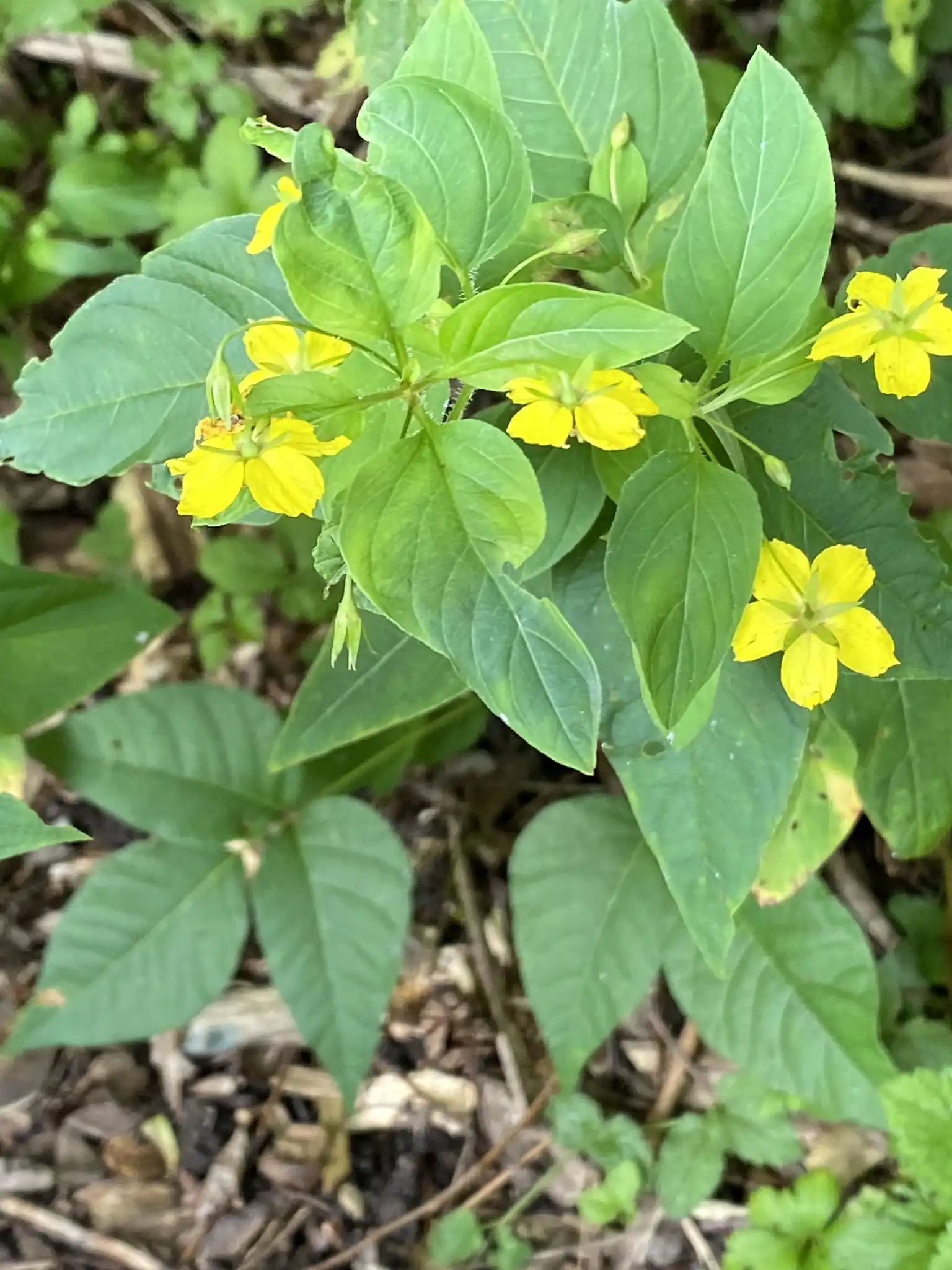
Lysimachia ciliata, fringed loosestrife, is an upright spreading perennial native across Canada and the United States, growing one to four feet tall. Nodding yellow flowers about an inch across, each with a reddish eye, hang from slender stalks through summer. Paired opposite leaves carry distinctive fine hairs along the leaf stalks, which is where the name comes from.
The flowers offer oil rather than nectar, and they are the sole food source for the specialist Macropis bee, which collects that oil to line its nest — remove the plant and the bee has nothing else to visit. It spreads steadily by rhizome in damp ground, so it belongs in naturalised planting rather than a tightly controlled border.
Uses & Benefits:
Essentials
At a Glance
Plant Type
Perennial
Height
30"
Width
24"
Light
Full Sun, Partial Sun, Shade
Zones
4, 5, 6, 7, 8, 9
Water
Moderate to high
Humidity
Moderate
Lifespan
Perennial
Native To
Canada and the United States
Toxicity
Non-toxic
Planting
How to Grow
- Plant in spring in moist, humus-rich soil.
- Choose full sun to partial shade.
- Allow room to spread, or contain the roots.
- Keep the soil consistently moist through summer.
- Divide every few years to control the clump.
- Cut spent stems back in late winter.
Pro Tip
Give it damp ground where spreading is welcome; in a rich moist border it will travel further than you intended.
Keep It Thriving
Care Guide
Do
- Keep the soil consistently moist 💧
- Use it in naturalised and damp planting 🌱
- Divide every few years to limit spread ✂️
- Leave it for the specialist Macropis bees 🐝
Don't
- Plant it in a small tidy border unrestrained ❌
- Let it dry out in summer ❌
- Spray the flowers; they feed an oil-specialist bee ❌
Seasonal Care Calendar
| Task | Jan | Feb | Mar | Apr | May | Jun | Jul | Aug | Sep | Oct | Nov | Dec |
|---|---|---|---|---|---|---|---|---|---|---|---|---|
| Divide | ||||||||||||
| Prune |
Watch Out For
Pests & Diseases
Common Pests
Common Diseases
In the Garden
Landscape Uses & Companions
Landscape Uses
Multiply
Propagation Methods
Good to Know
Common Questions
Fringed Loosestrife questions
What zones can Fringed Loosestrife grow in?
Fringed Loosestrife is hardy in USDA Zones 4–9. Inside that range it survives winter in the ground; outside it, grow it as an annual or a container plant you protect.
Is Fringed Loosestrife deer resistant?
Yes — Fringed Loosestrife is rated deer-resistant. Deer typically pass it over, though extreme hunger can override any plant's defenses.
When does Fringed Loosestrife bloom?
Fringed Loosestrife typically blooms in summer through late summer. Exact timing shifts a week or two with your zone — Sow's bloom calendar maps it to your garden.
Does Fringed Loosestrife need full sun?
Fringed Loosestrife does best in full sun to part shade. In hot climates, afternoon shade keeps blooms fresher longer.
More Lysimachia to compare
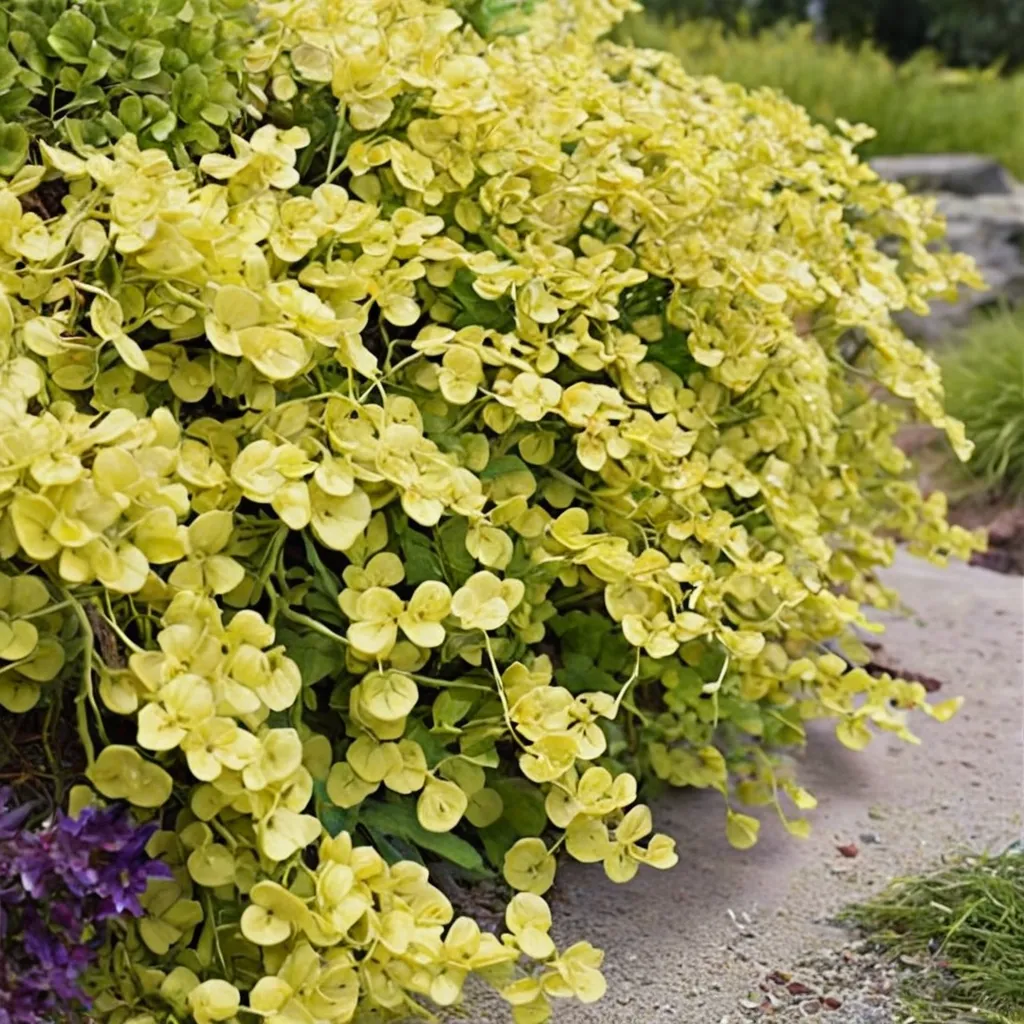
Goldilocks Golden Creeping Jenny
Lysimachia nummularia 'Goldilocks'
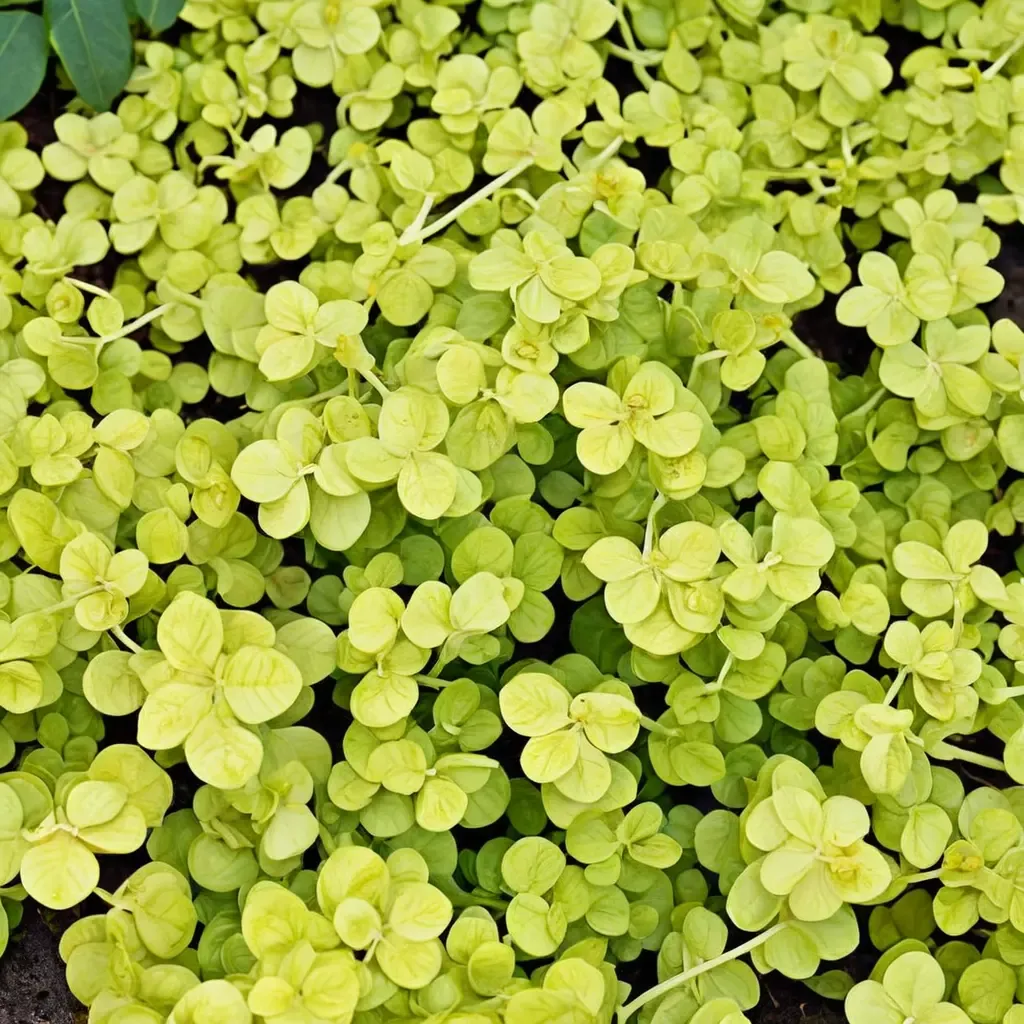
Golden Moneywort
Lysimachia nummularia 'Aurea'
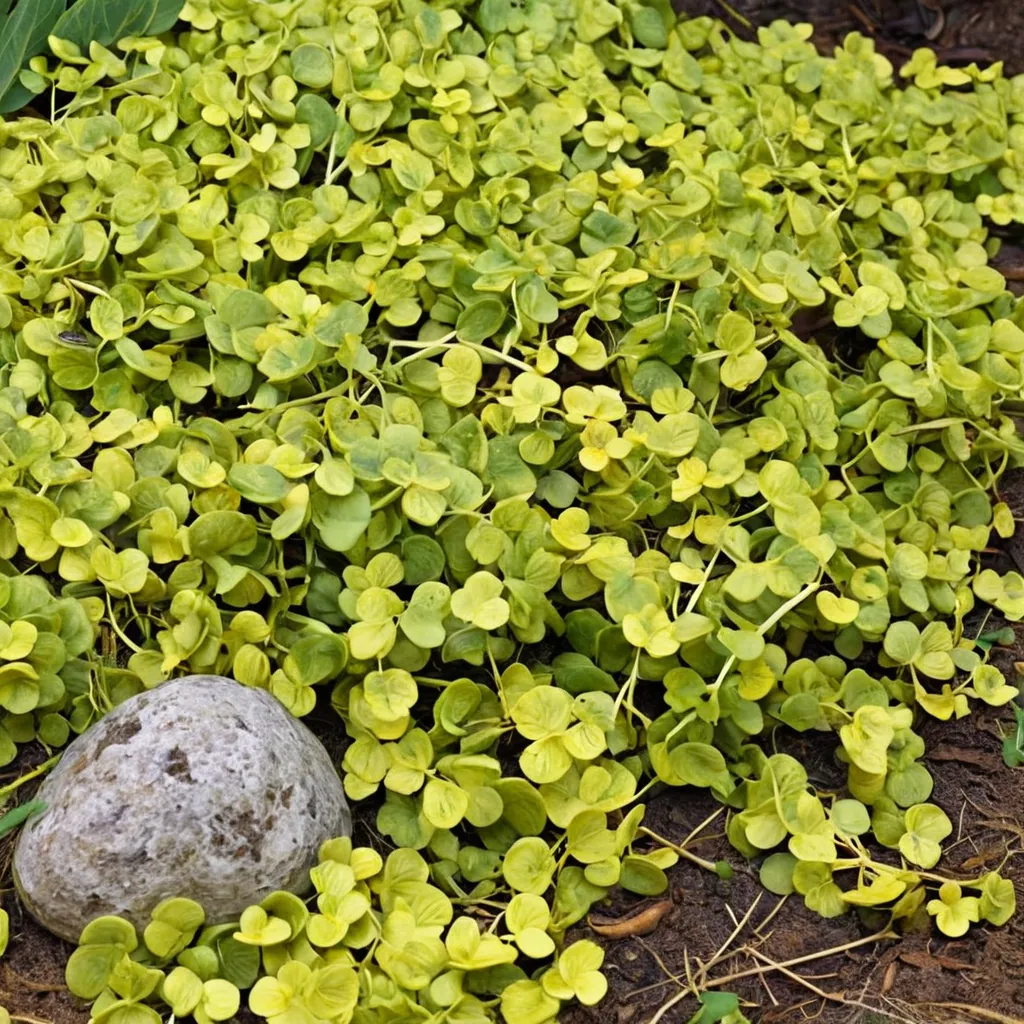
Golden Creeping Jenny
Lysimachia nummularia 'Golden'
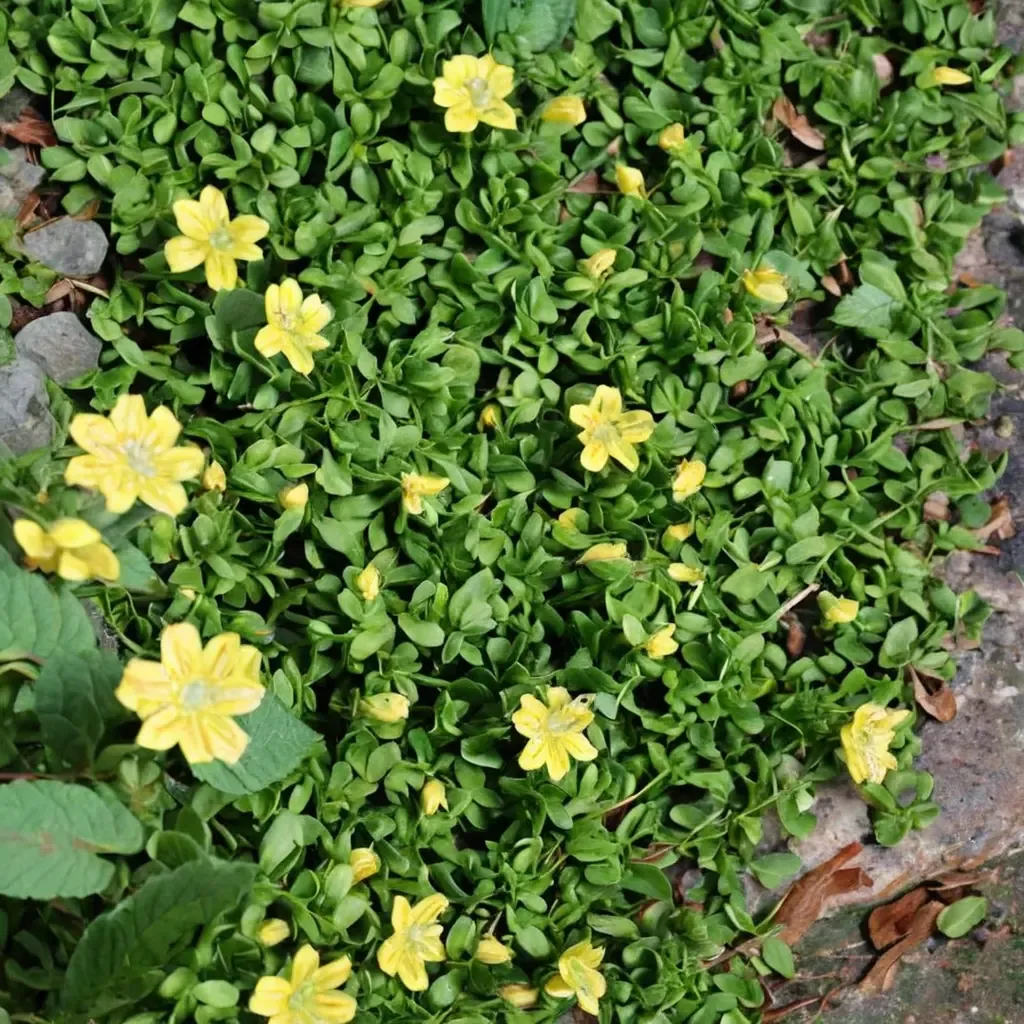
Miniature Creeping Jenny
Lysimachia japonica 'Minutissima'
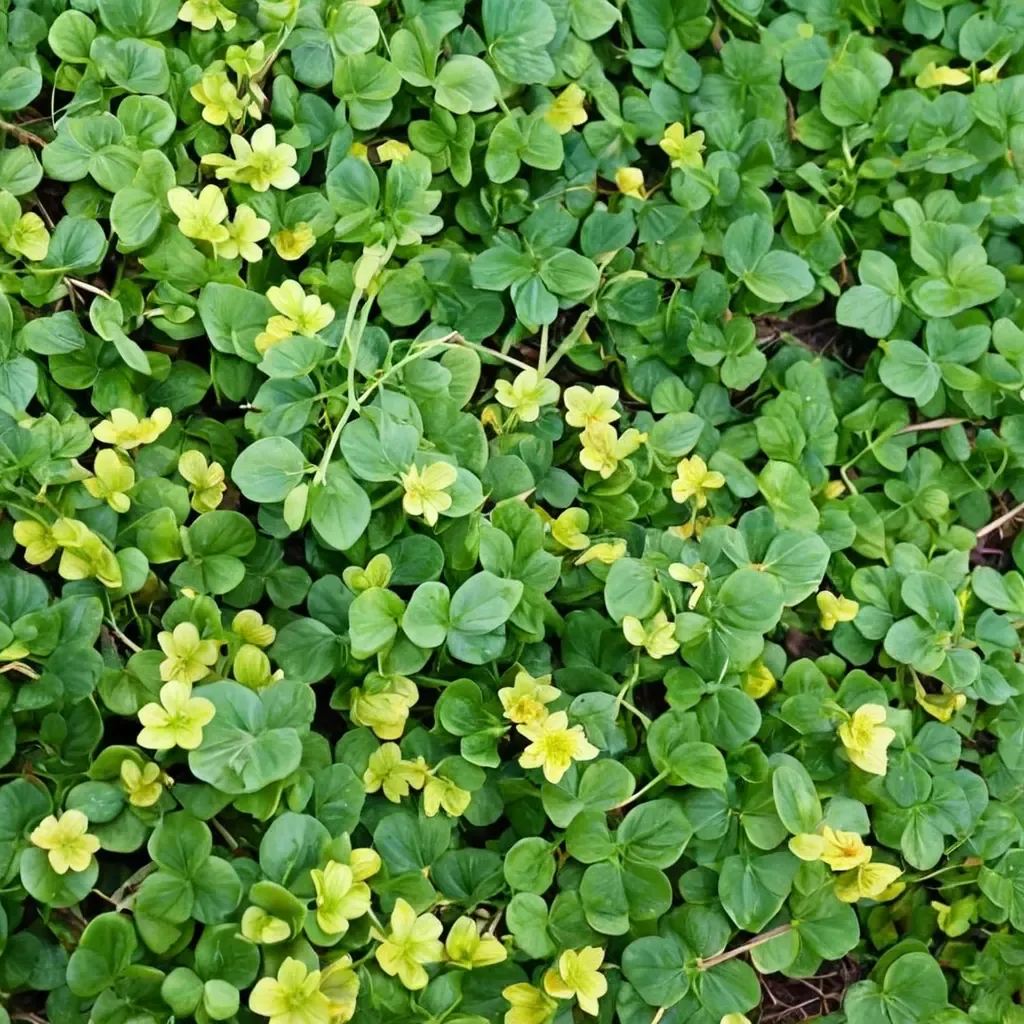
Creeping Jenny
Lysimachia nummularia
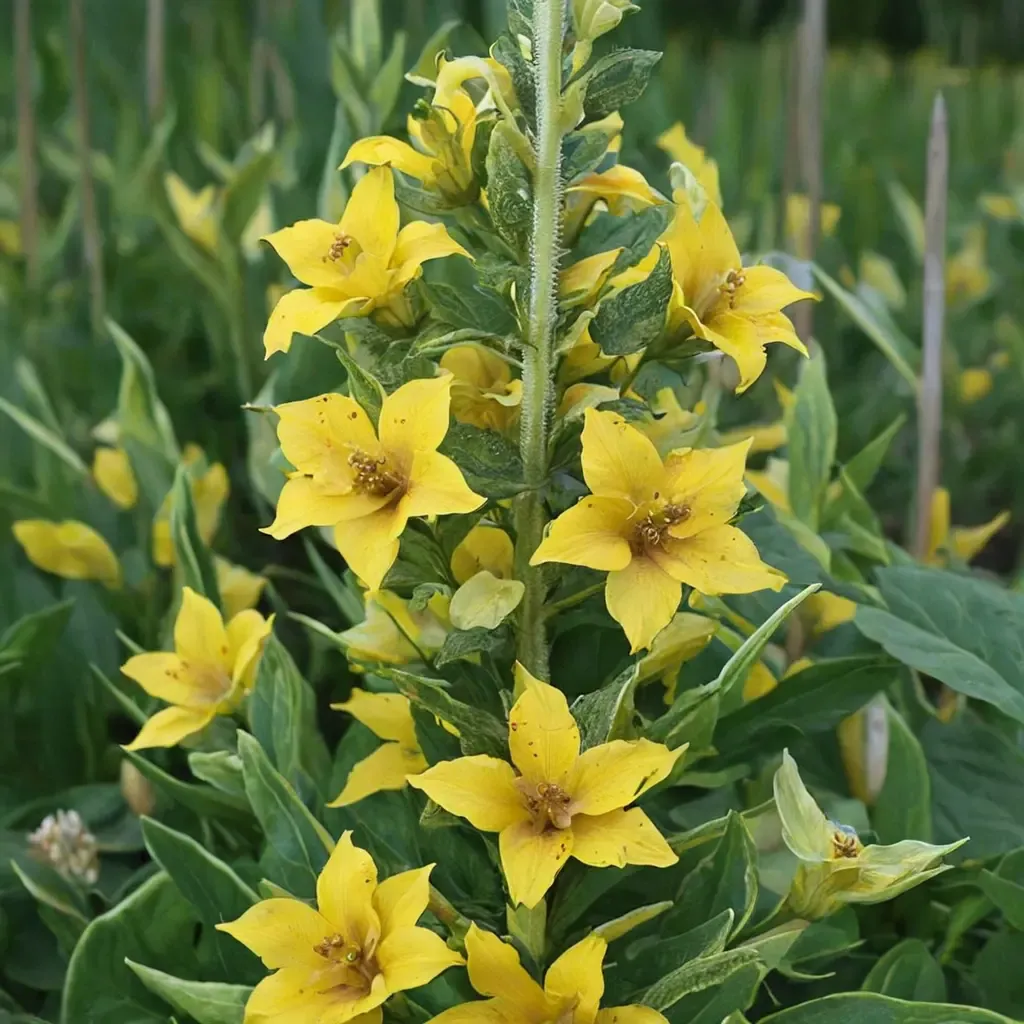
Yellow Loosestrife
Lysimachia punctata
Keep exploring
Explore the genus
Grow Fringed Loosestrife with confidence
See it in a design of your actual yard, get zone-matched care reminders, and track it season by season in your garden journal.