The Story
Plant Bio
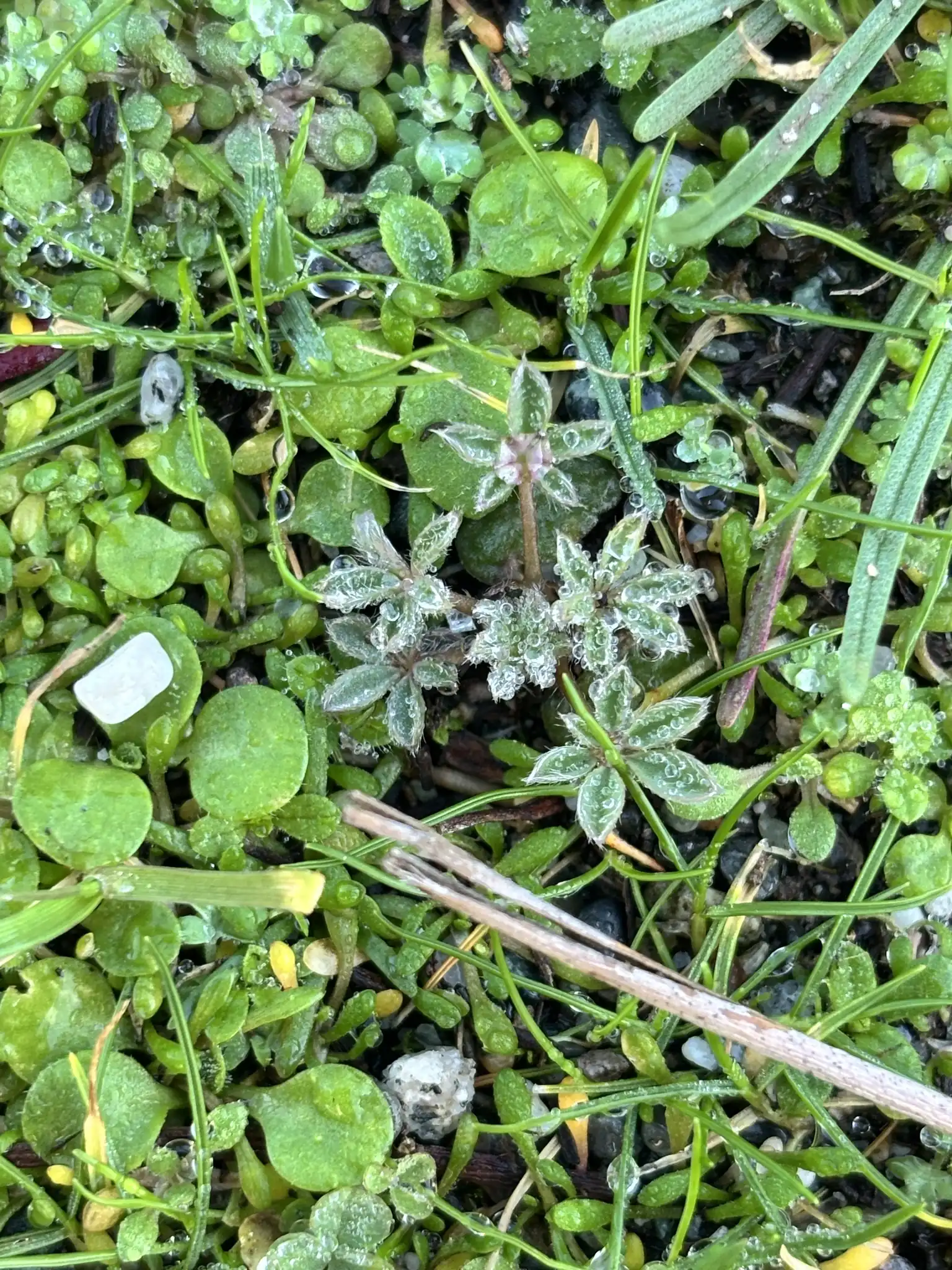
Lupinus bicolor, commonly known as miniature lupine, is a low-growing annual wildflower native to western North America, forming compact, upright mounds of gray-green, palmately compound foliage. The short terminal flower spikes bear tight whorls of small, pea-like blue flowers with white centers that shift to deep magenta after pollination.
This species excels in colonizing poor, sandy, or disturbed soils where its nitrogen-fixing root nodules allow it to thrive without organic intervention. The fine, silvery hairs covering both sides of the leaflets provide moderate drought protection by reducing moisture loss in dry Mediterranean-type climates.
Uses & Benefits:
Essentials
At a Glance
Plant Type
Annual
Height
16"
Width
20"
Light
Full Sun, Partial Sun
Zones
5, 6, 7, 8, 9, 10
Water
Low
Humidity
Moderate
Lifespan
Annual
Native To
Western North America
Toxicity
Toxic if Ingested
Bloom period
Spring – Early summer
In flower about 4 months of the year
Planting
How to Grow
- Select a planting site in full sun with highly drained, sandy, or gravelly soil.
- Sow seeds directly into the soil in autumn, spacing them to allow for a mature spread of up to twenty inches.
- Cover the seeds lightly with approximately one-quarter inch of soil to protect them from birds while allowing light penetration.
- Rely on natural winter and spring rainfall for germination and growth, avoiding supplemental irrigation unless experiencing extreme drought.
Pro Tip
Direct-sow seeds in fall to allow natural winter rains to trigger germination; attempting to transplant established container-grown specimens usually fails due to their highly sensitive, delicate root systems.
Keep It Thriving
Care Guide
Do
- Sow seeds directly in their permanent garden location during the fall.
- Ensure the soil drains rapidly to prevent fungal pathogens.
- Allow the plant to complete its life cycle and drop seed naturally for next year's display.
Don't
- Do not apply nitrogen-rich fertilizers, which cause excessive foliage at the expense of flowers.
- Do not plant in heavy clay or waterlogged soils where root rot is inevitable.
- Do not attempt to transplant established seedlings or container-grown plants.
Seasonal Care Calendar
| Task | Jan | Feb | Mar | Apr | May | Jun | Jul | Aug | Sep | Oct | Nov | Dec |
|---|---|---|---|---|---|---|---|---|---|---|---|---|
| Harvest | ||||||||||||
| Pest Check | ||||||||||||
| Plant | ||||||||||||
| Spring Cleanup |
Watch Out For
Pests & Diseases
Common Pests
Common Diseases
In the Garden
Landscape Uses & Companions
Landscape Uses
Multiply
Propagation Methods
Good to Know
Common Questions
Miniature Lupine questions
What zones can Miniature Lupine grow in?
Miniature Lupine is hardy in USDA Zones 5–10. Inside that range it survives winter in the ground; outside it, grow it as an annual or a container plant you protect.
Is Miniature Lupine deer resistant?
Not reliably. Deer may browse Miniature Lupine, especially tender spring growth — plan on repellents or fencing where pressure is high.
When does Miniature Lupine bloom?
Miniature Lupine typically blooms in spring through early summer. Exact timing shifts a week or two with your zone — Sow's bloom calendar maps it to your garden.
Does Miniature Lupine need full sun?
Miniature Lupine does best in full sun to part shade. In hot climates, afternoon shade keeps blooms fresher longer.
Is Miniature Lupine drought tolerant?
Yes — once established (usually after the first full season), Miniature Lupine handles dry spells with minimal watering. Water deeply its first year to build the root system that makes that possible.
More Lupinus to compare
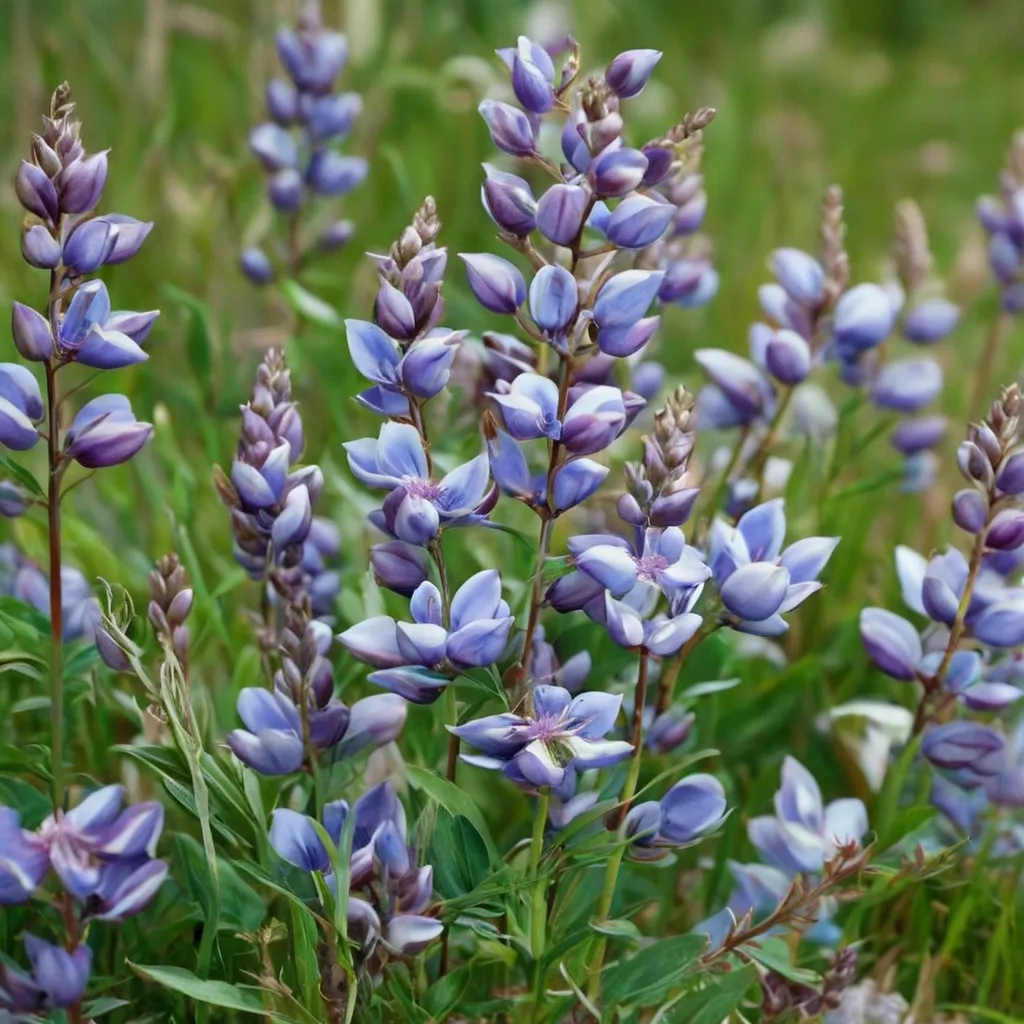
Wild Lupine
Lupinus perennis
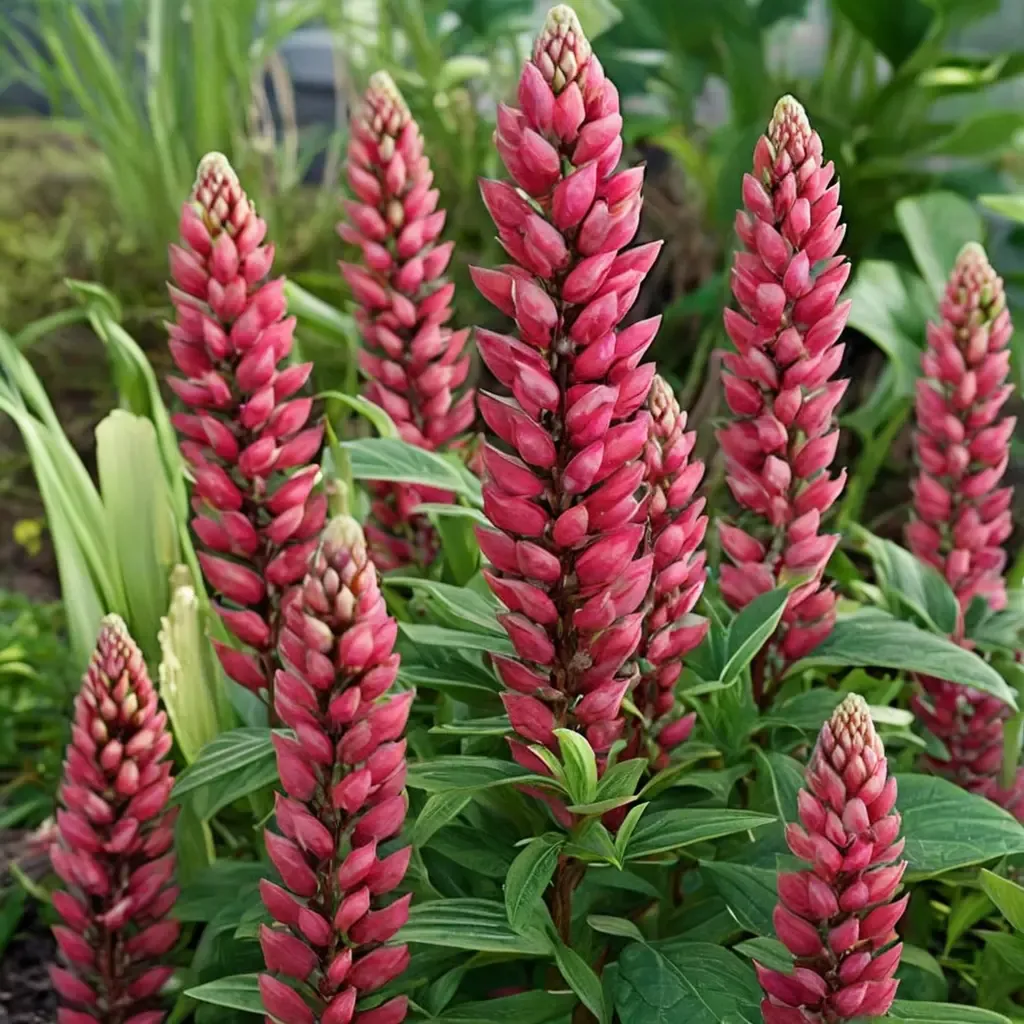
Red Popsicle Lupine
Lupinus polyphyllus 'Red Popsicle'
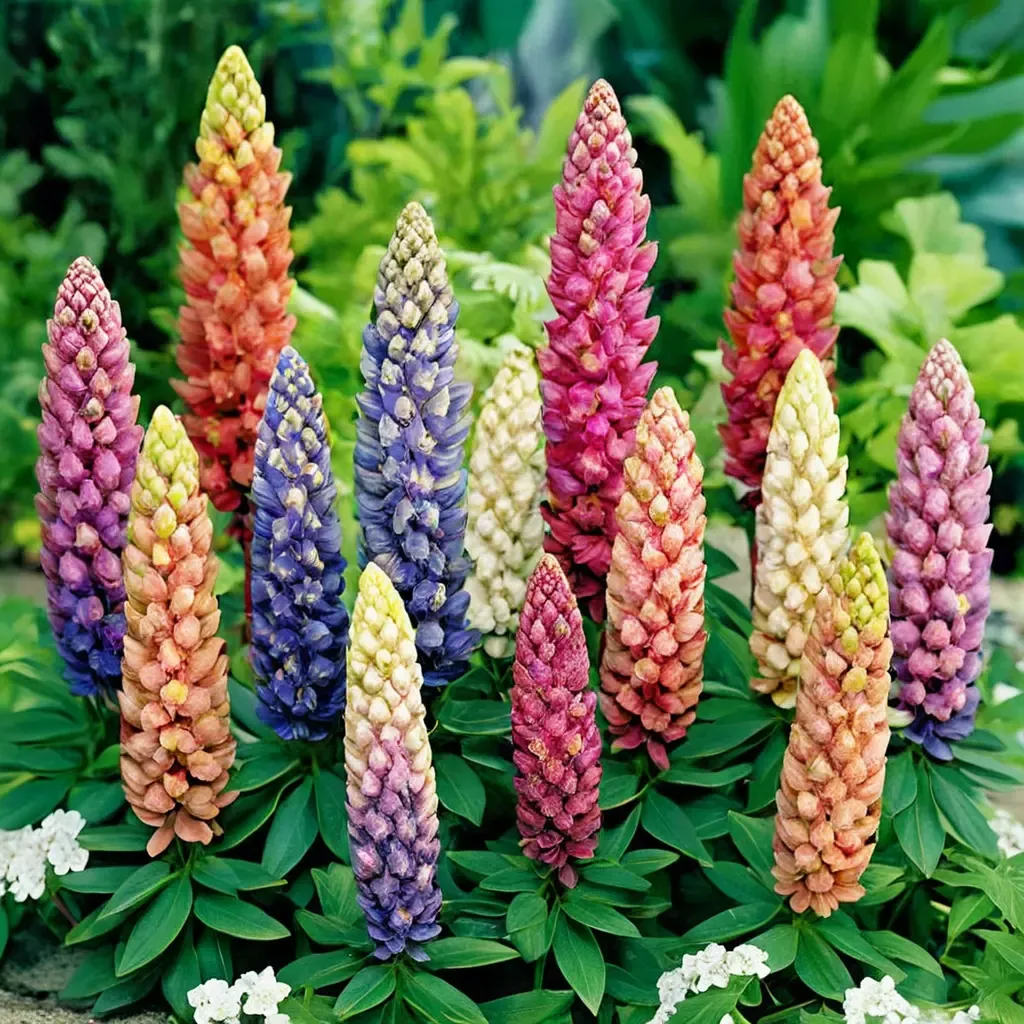
Dwarf Mix Lupine
Lupinus polyphyllus 'Dwarf Mix'
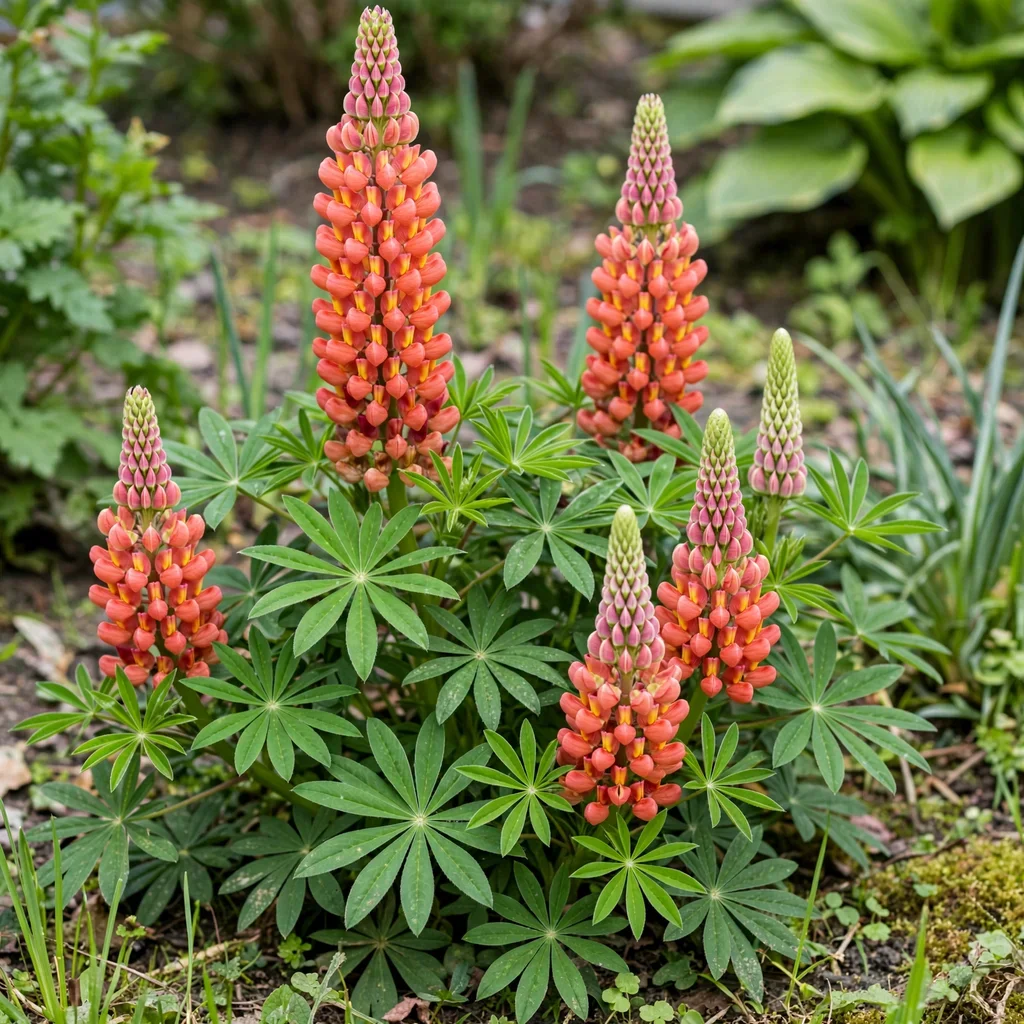
Garden Lupine
Lupinus polyphyllus 'Towering Inferno'
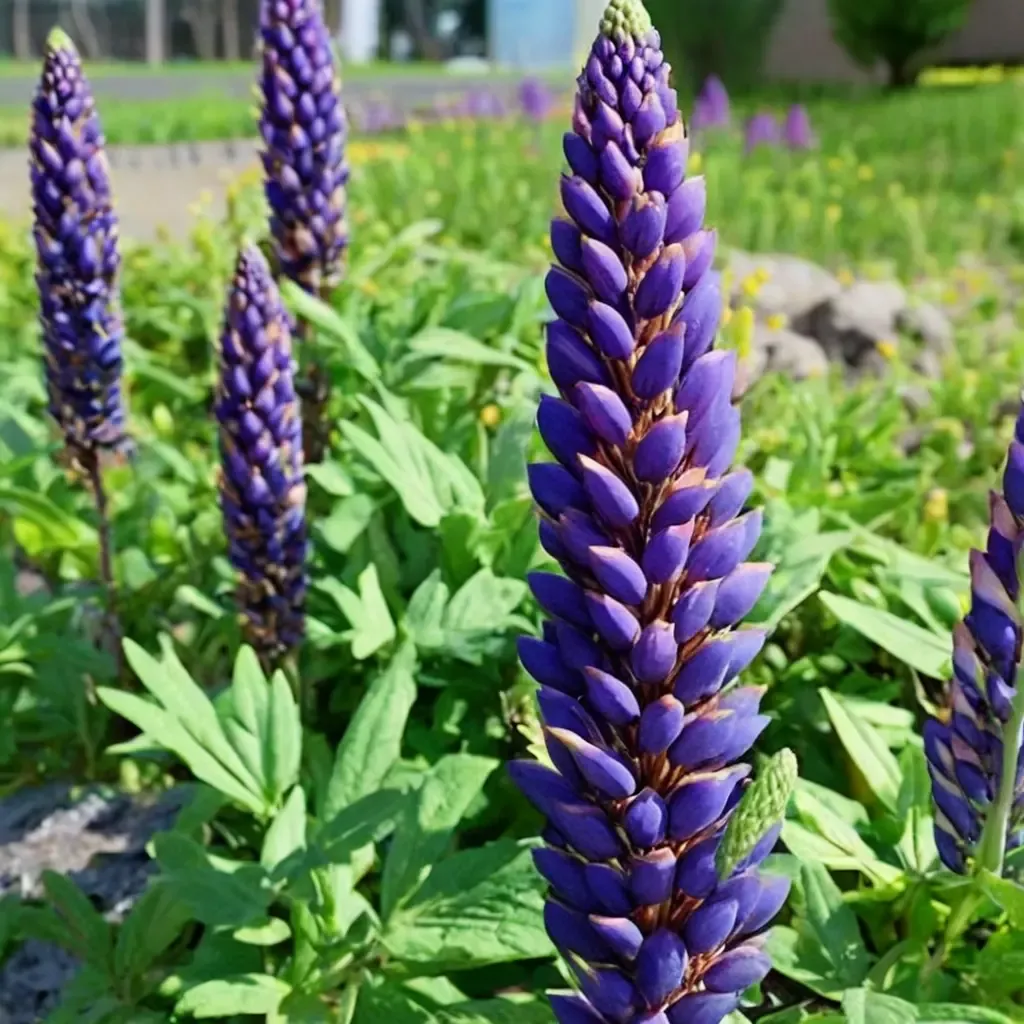
Magic Lantern lupine
Lupinus polyphyllus 'Magic Lantern'
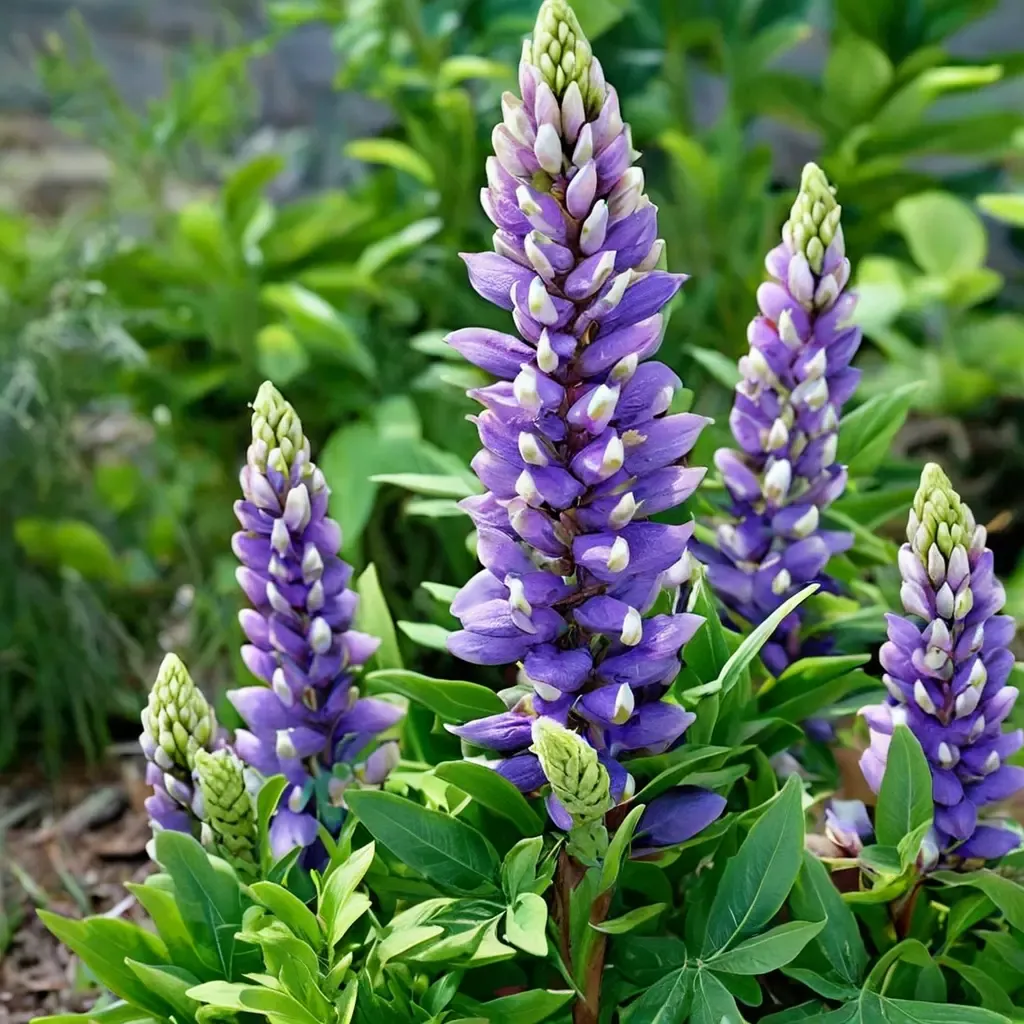
Gallery Blue Lupine
Lupinus polyphyllus 'Gallery Blue'
Keep exploring
Explore the genus
Grow Miniature Lupine with confidence
See it in a design of your actual yard, get zone-matched care reminders, and track it season by season in your garden journal.