The Story
Plant Bio
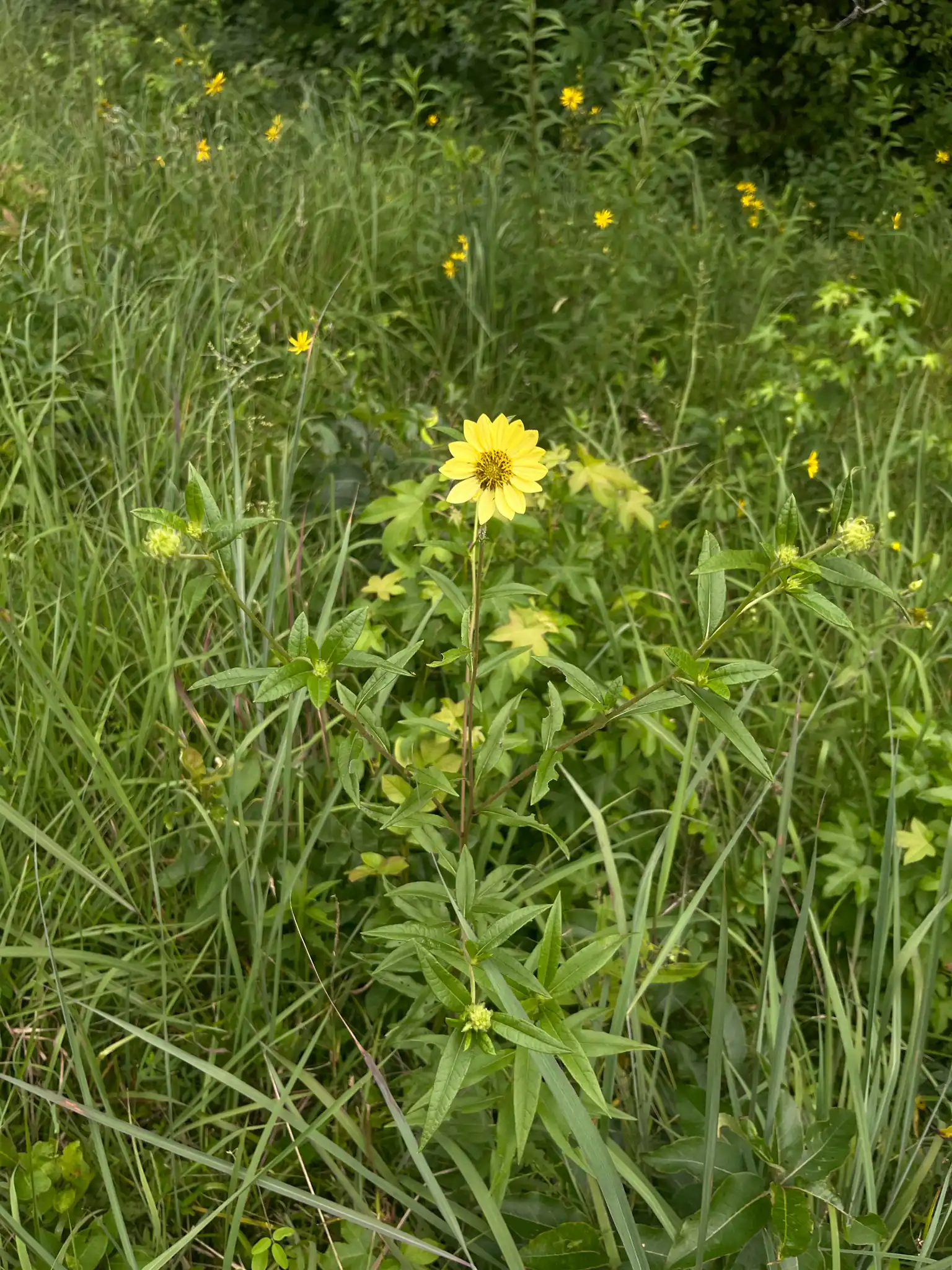
Helianthus giganteus is a robust, upright herbaceous perennial native to eastern and central North America, where it colonizes wet meadows, marshes, and woodland edges via spreading underground rhizomes. The species produces stiff, purplish stems clad in rough, lance-shaped leaves, culminating in loose terminal clusters of yellow flower heads from late summer into fall.
This species is distinguished by its towering height, reaching up to twelve feet in moist soils, though its individual daisy-like flower heads are relatively modest at two to three inches across. The coarse, hairy foliage can cause mild contact dermatitis in sensitive individuals, and the vigorous root system will rapidly dominate small garden borders if not physically restricted.
Uses & Benefits:
Essentials
At a Glance
Plant Type
Perennial
Height
142"
Width
60"
Light
Full Sun, Partial Sun
Zones
4, 5, 6, 7, 8, 9
Water
High
Humidity
High
Lifespan
Perennial
Native To
North America
Toxicity
Toxic to Livestock
Bloom period
Late summer – Autumn
In flower about 4 months of the year
Planting
How to Grow
- Select a site in full sun to light shade with rich, moisture-retentive loam, clay, or sandy soil.
- Space plants three to five feet apart to accommodate the vigorous underground rhizomatous spread.
- Water regularly during the first growing season to maintain consistent soil moisture and support maximum height.
- Cut the dead stems completely to the ground in late fall or early winter after a hard freeze.
Pro Tip
Plant this species at the back of large meadows, rain gardens, or damp wild spaces where its aggressive rhizomatous spread acts as an asset rather than a liability. To prevent tall stems from flopping and to encourage a bushier habit, pinch the growing tips back by half in early summer.
Keep It Thriving
Care Guide
Do
- Provide consistent moisture to ensure the plant reaches its full height and flowering potential.
- Pinch stems back by half in early summer to promote branching and reduce the need for staking.
- Wear gloves when handling the coarse, hairy foliage to prevent skin irritation.
Don't
- Do not plant in small perennial borders where the aggressive rhizomes will quickly overwhelm neighboring plants.
- Avoid over-fertilizing, as excess nutrients lead to weak, floppy stem elongation.
- Do not allow the soil to dry out completely, which stunts growth and reduces vigor.
Seasonal Care Calendar
| Task | Jan | Feb | Mar | Apr | May | Jun | Jul | Aug | Sep | Oct | Nov | Dec |
|---|---|---|---|---|---|---|---|---|---|---|---|---|
| Pest Check | ||||||||||||
| Pinch | ||||||||||||
| Spring Cleanup | ||||||||||||
| Winter Prep |
Watch Out For
Pests & Diseases
Common Pests
Common Diseases
In the Garden
Landscape Uses & Companions
Landscape Uses
Companion Plants
Multiply
Propagation Methods
Good to Know
Common Questions
Giant Sunflower questions
What zones can Giant Sunflower grow in?
Giant Sunflower is hardy in USDA Zones 4–9. Inside that range it survives winter in the ground; outside it, grow it as an annual or a container plant you protect.
Is Giant Sunflower deer resistant?
Not reliably. Deer may browse Giant Sunflower, especially tender spring growth — plan on repellents or fencing where pressure is high.
When does Giant Sunflower bloom?
Giant Sunflower typically blooms in late summer through autumn. Exact timing shifts a week or two with your zone — Sow's bloom calendar maps it to your garden.
Does Giant Sunflower need full sun?
Giant Sunflower does best in full sun to part shade. In hot climates, afternoon shade keeps blooms fresher longer.
More Helianthus to compare
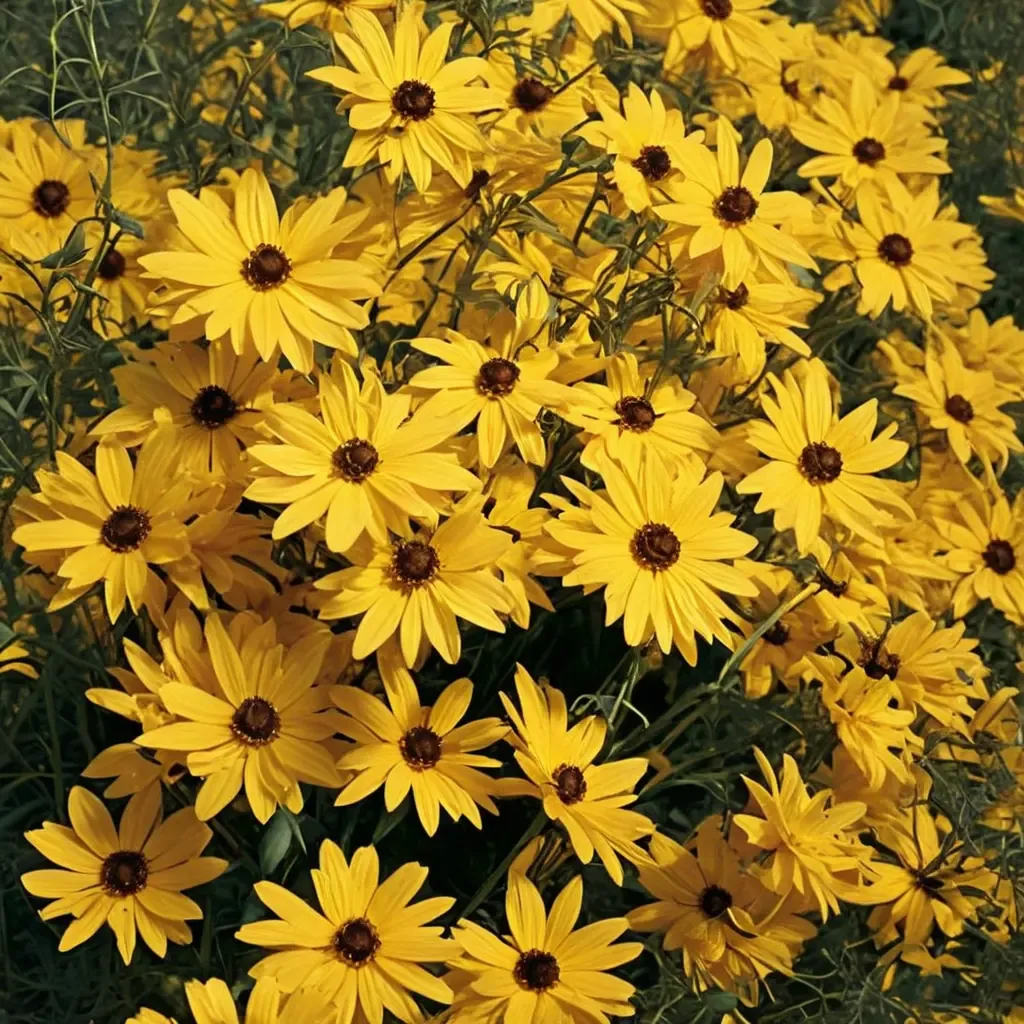
Swamp Sunflower
Helianthus angustifolius 'First Light'
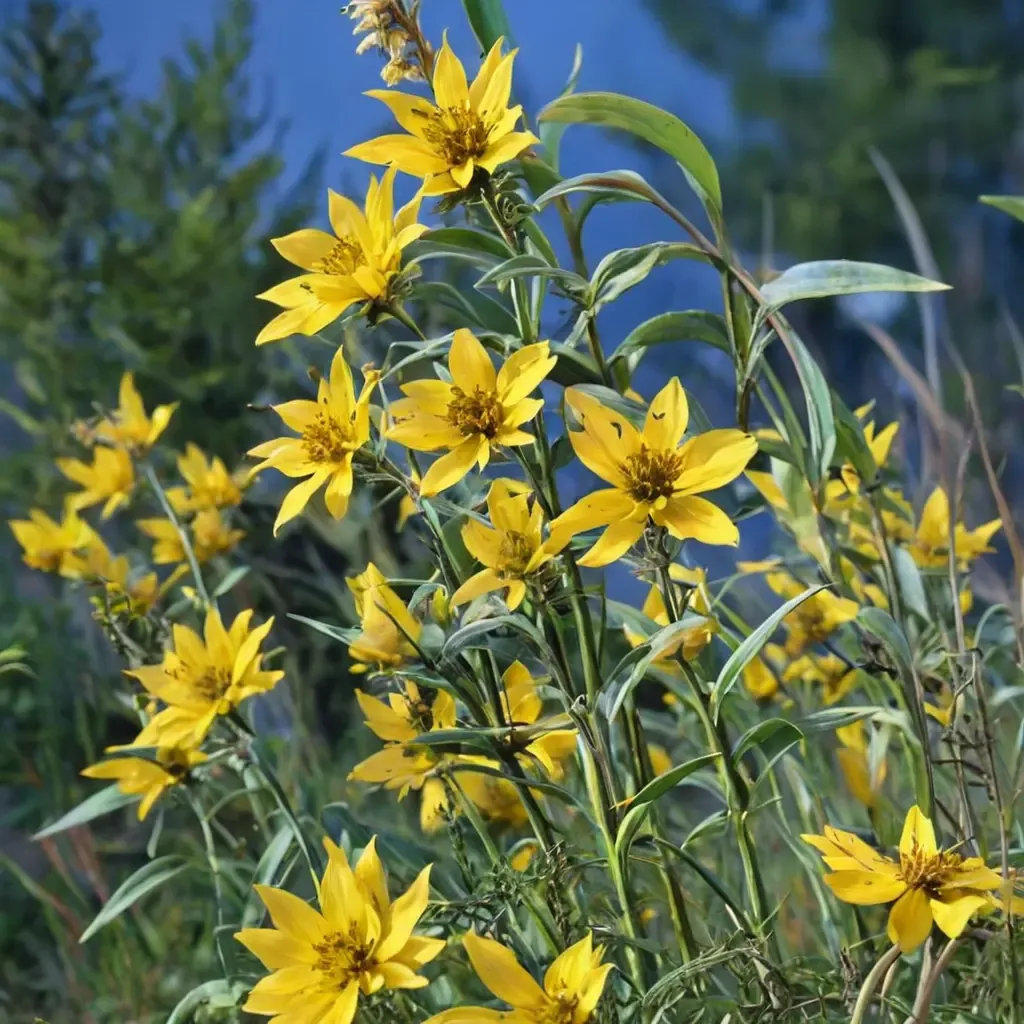
Maximilian sunflower
Helianthus maximiliani
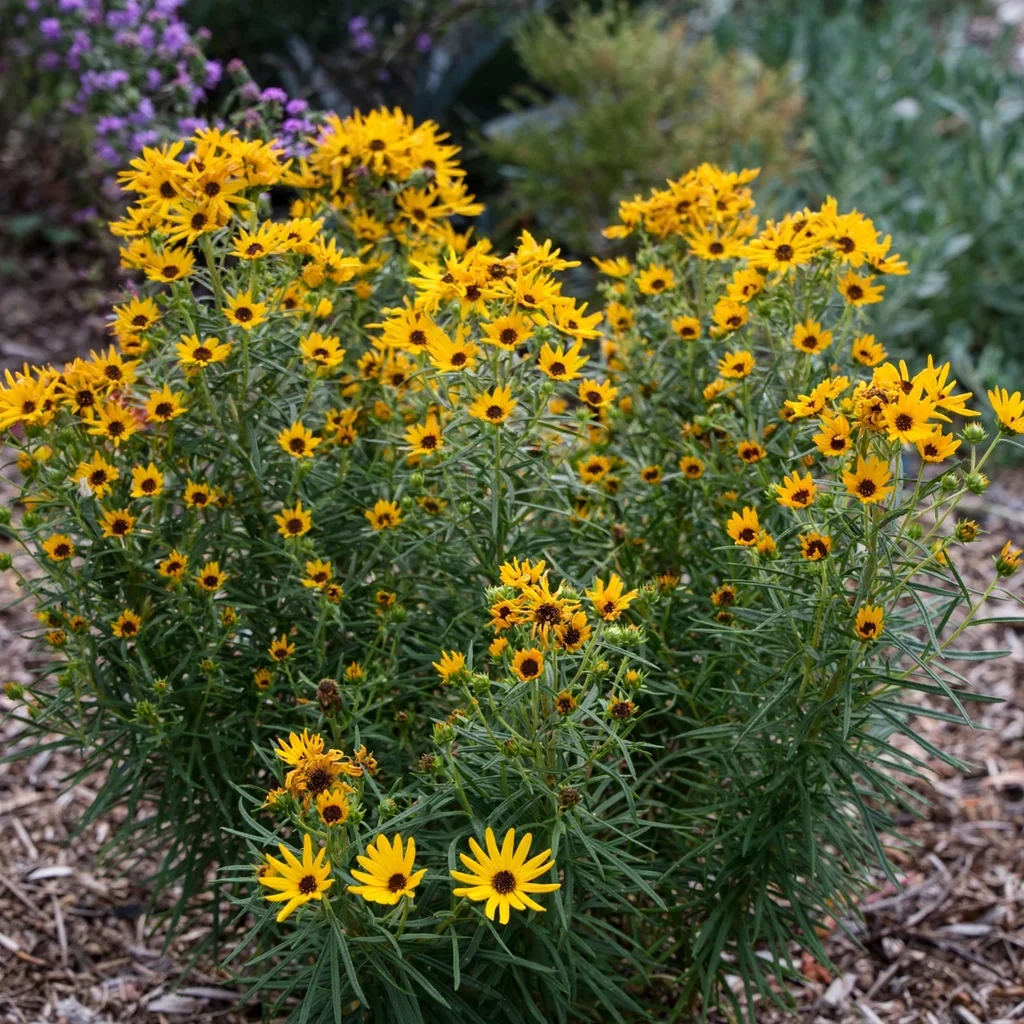
Narrow-Leaf Sunflower Low Down
Helianthus angustifolius 'Low Down'
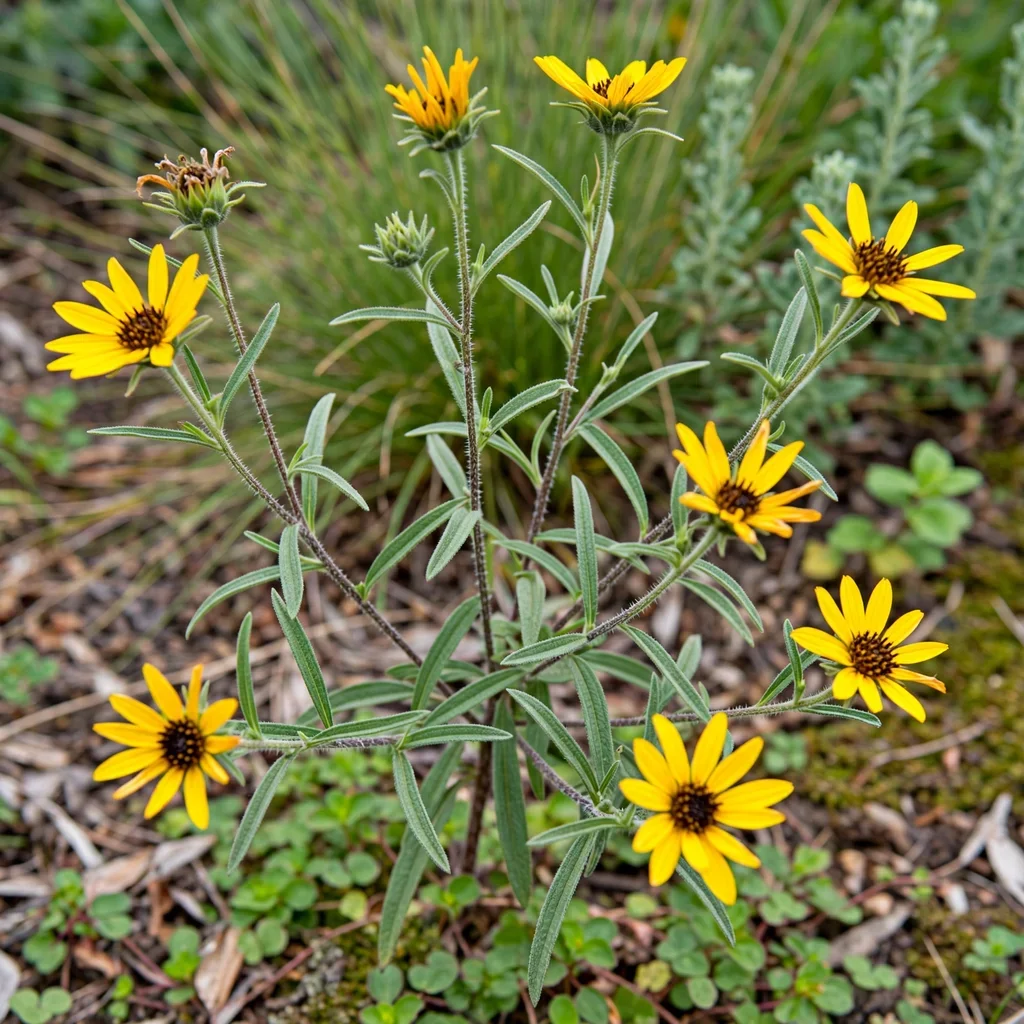
Bolander's Sunflower
Helianthus bolanderi
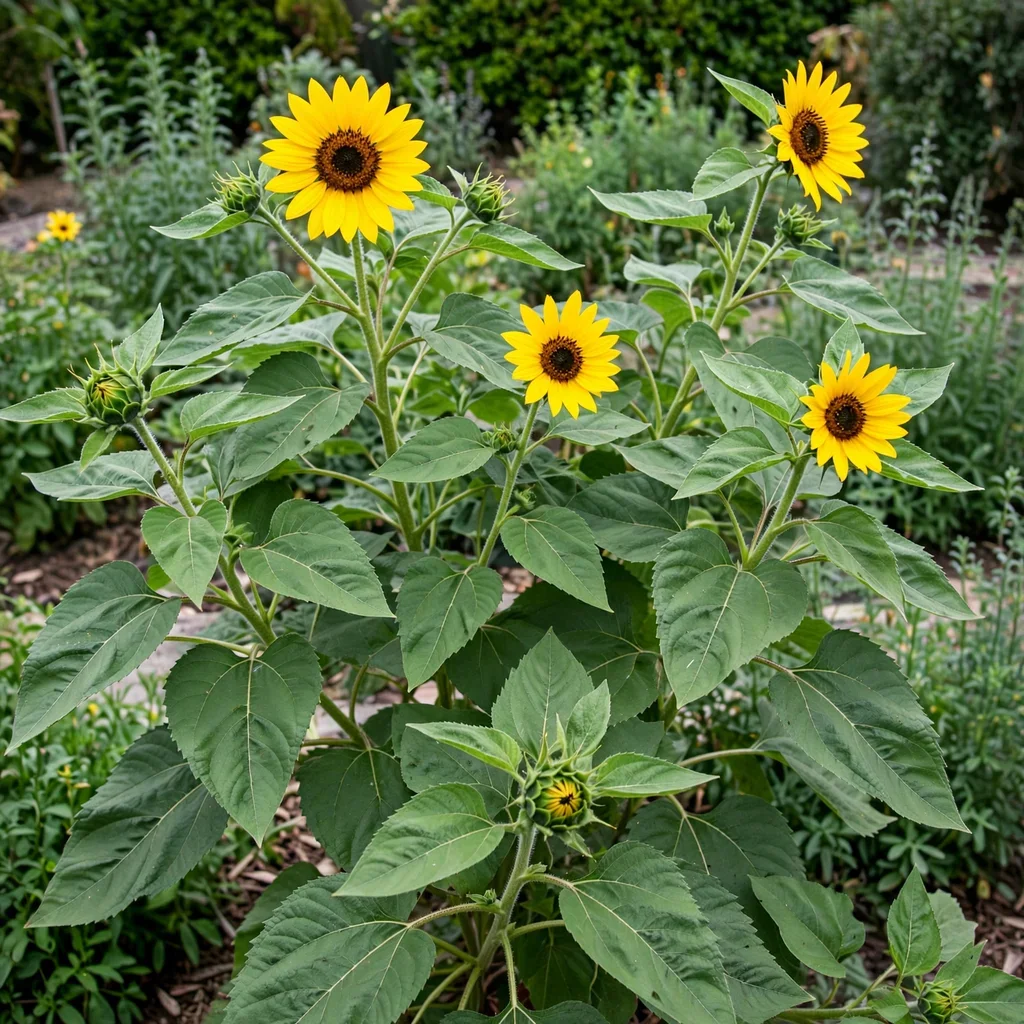
Table Mountain Sunflower
Helianthus annuus 'Table Mountain'
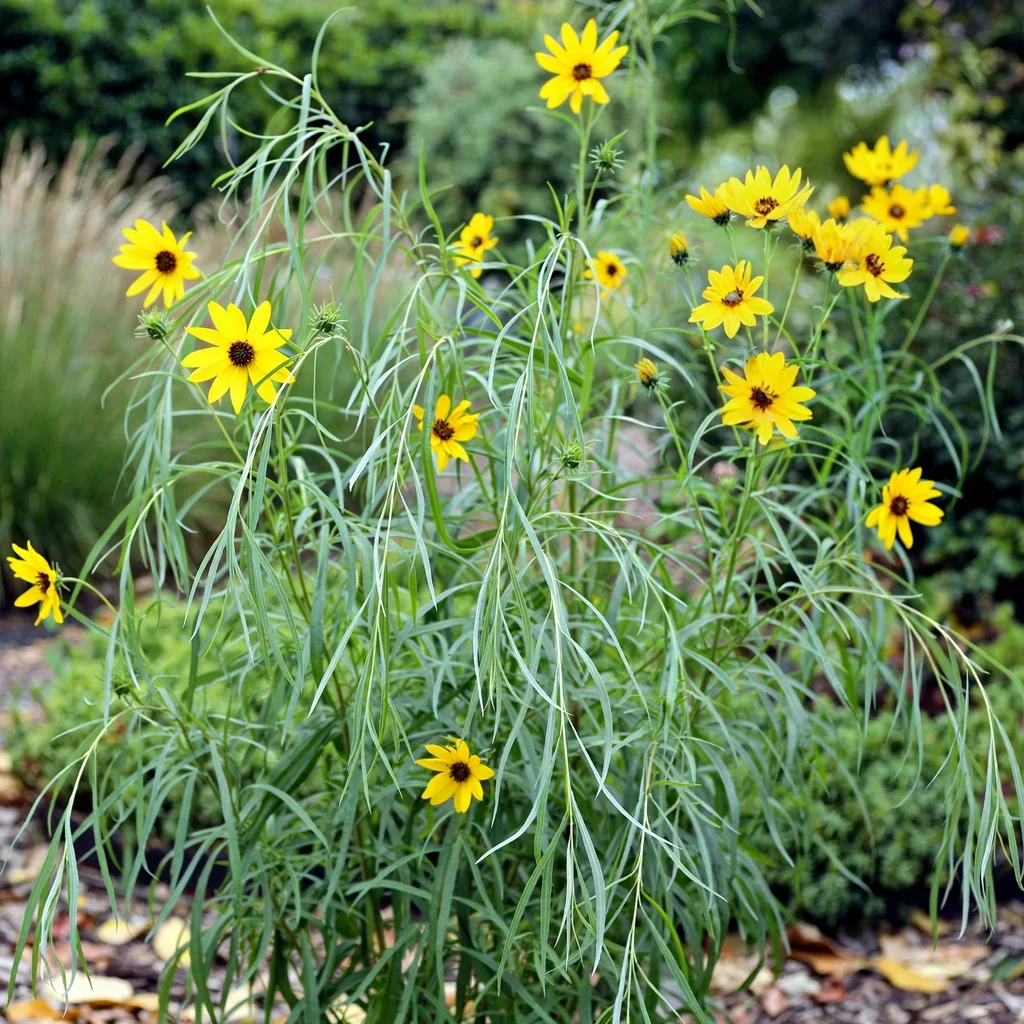
Salicifolius Sunflower Willowleaf Sunflower
Helianthus salicifolius
Keep exploring
Explore the genus
Grow Giant Sunflower with confidence
See it in a design of your actual yard, get zone-matched care reminders, and track it season by season in your garden journal.