The Story
Plant Bio
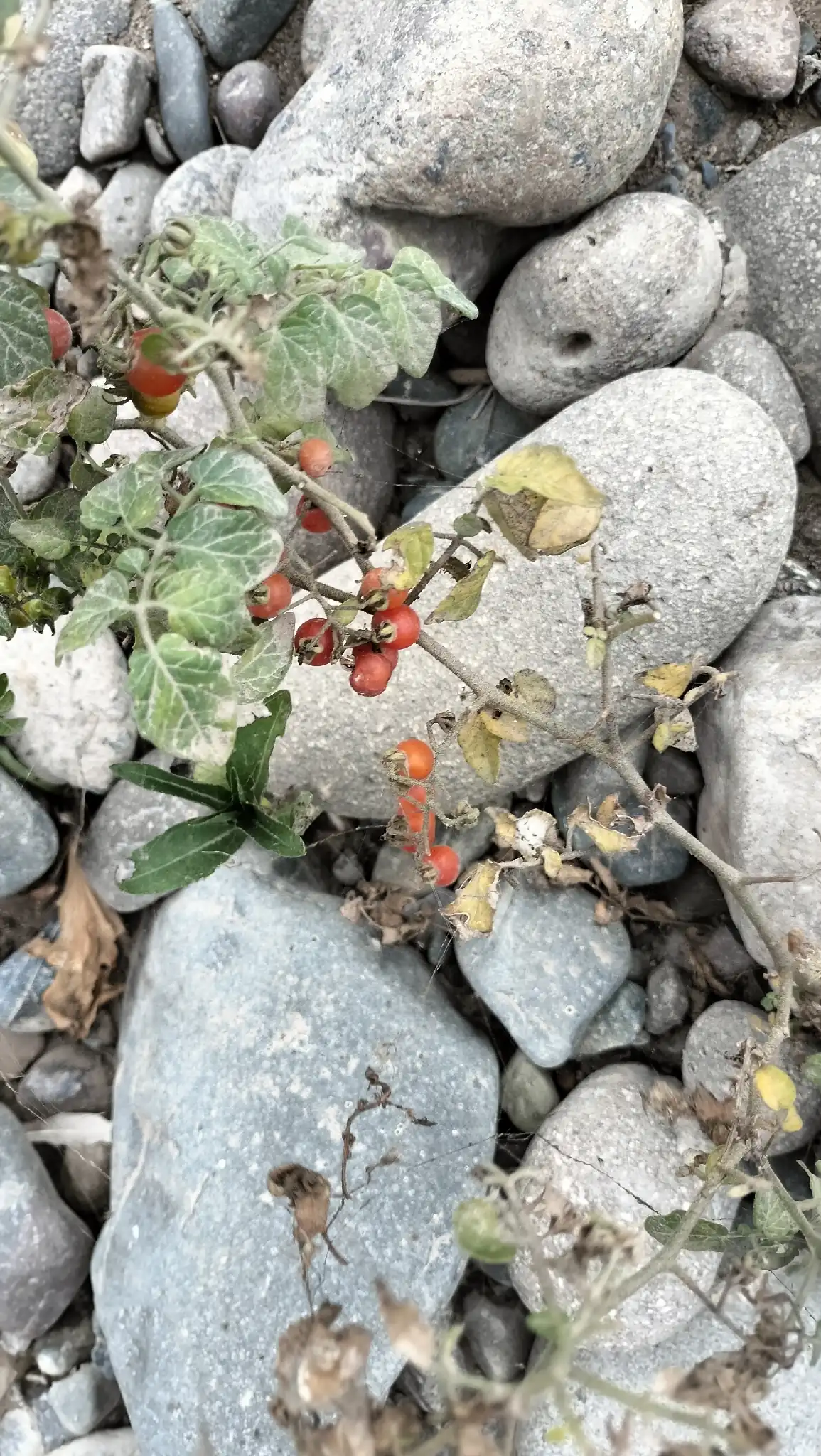
Solanum pimpinellifolium, the currant tomato, is a sprawling, highly branched indeterminate vine native to western South America. It produces finely divided, parsley-like foliage and long, many-flowered racemes bearing dozens of tiny, star-shaped yellow blossoms followed by small, edible red fruits.
This wild species is distinguished by its exceptionally small, intense fruits and superior resistance to common fungal blights compared to domestic cultivars. Its highly branching, trailing habit makes it ideal for spilling over large containers or climbing up trellis supports.
Uses & Benefits:
Essentials
At a Glance
Plant Type
Fruit Vegetable
Height
118"
Width
78"
Light
Full Sun
Zones
4, 5, 6, 7, 8, 9, 10
Water
Moderate
Humidity
Moderate
Lifespan
Annual (Short-lived perennial in zones 10-11)
Native To
Ecuador, Peru
Toxicity
Toxic if Ingested (green parts)
Bloom period
Summer – Fall
In flower about 6 months of the year
Planting
How to Grow
- Sow seeds indoors six to eight weeks before the last expected spring frost, maintaining a soil temperature of 70 to 80 degrees Fahrenheit.
- Transplant hardened-off seedlings into a full-sun location with well-drained soil once all danger of frost has passed.
- Install a sturdy cage, trellis, or staking system immediately at planting to support the sprawling, indeterminate vines.
- Water deeply at the base of the plant to keep the soil consistently moist while keeping the foliage dry to prevent fungal issues.
Pro Tip
Apply a low-nitrogen organic fertilizer monthly rather than a high-nitrogen mix; excess nitrogen stimulates aggressive vine growth at the expense of flower and fruit production.
Keep It Thriving
Care Guide
Do
- Provide a strong support structure to keep the heavy, highly branched vines off the ground.
- Prune lightly to contain excessive sprawling, focusing on removing damaged or crowded stems.
- Wash hands after handling the foliage to prevent potential contact dermatitis from the leaves.
Don't
- Do not shear the plant back hard like a hedge, as cutting into old woody stems severely limits regrowth.
- Do not overwater or plant in poorly drained soil, which quickly leads to root rot.
- Do not ingest any green parts of the plant, including stems, leaves, and unripe green fruit, due to toxic solanine content.
Seasonal Care Calendar
| Task | Jan | Feb | Mar | Apr | May | Jun | Jul | Aug | Sep | Oct | Nov | Dec |
|---|---|---|---|---|---|---|---|---|---|---|---|---|
| Fertilize | ||||||||||||
| Harvest | ||||||||||||
| Pest Check | ||||||||||||
| Plant | ||||||||||||
| Winter Prep |
Watch Out For
Pests & Diseases
Common Pests
Common Diseases
In the Garden
Landscape Uses & Companions
Landscape Uses
Companion Plants
Multiply
Propagation Methods
Good to Know
Common Questions
Currant Tomato questions
What zones can Currant Tomato grow in?
Currant Tomato is hardy in USDA Zones 4–10. Inside that range it survives winter in the ground; outside it, grow it as an annual or a container plant you protect.
When does Currant Tomato bloom?
Currant Tomato typically blooms in summer through fall. Exact timing shifts a week or two with your zone — Sow's bloom calendar maps it to your garden.
Does Currant Tomato need full sun?
Currant Tomato does best in full sun (6+ hours).
Is Currant Tomato drought tolerant?
Yes — once established (usually after the first full season), Currant Tomato handles dry spells with minimal watering. Water deeply its first year to build the root system that makes that possible.
More Solanum to compare
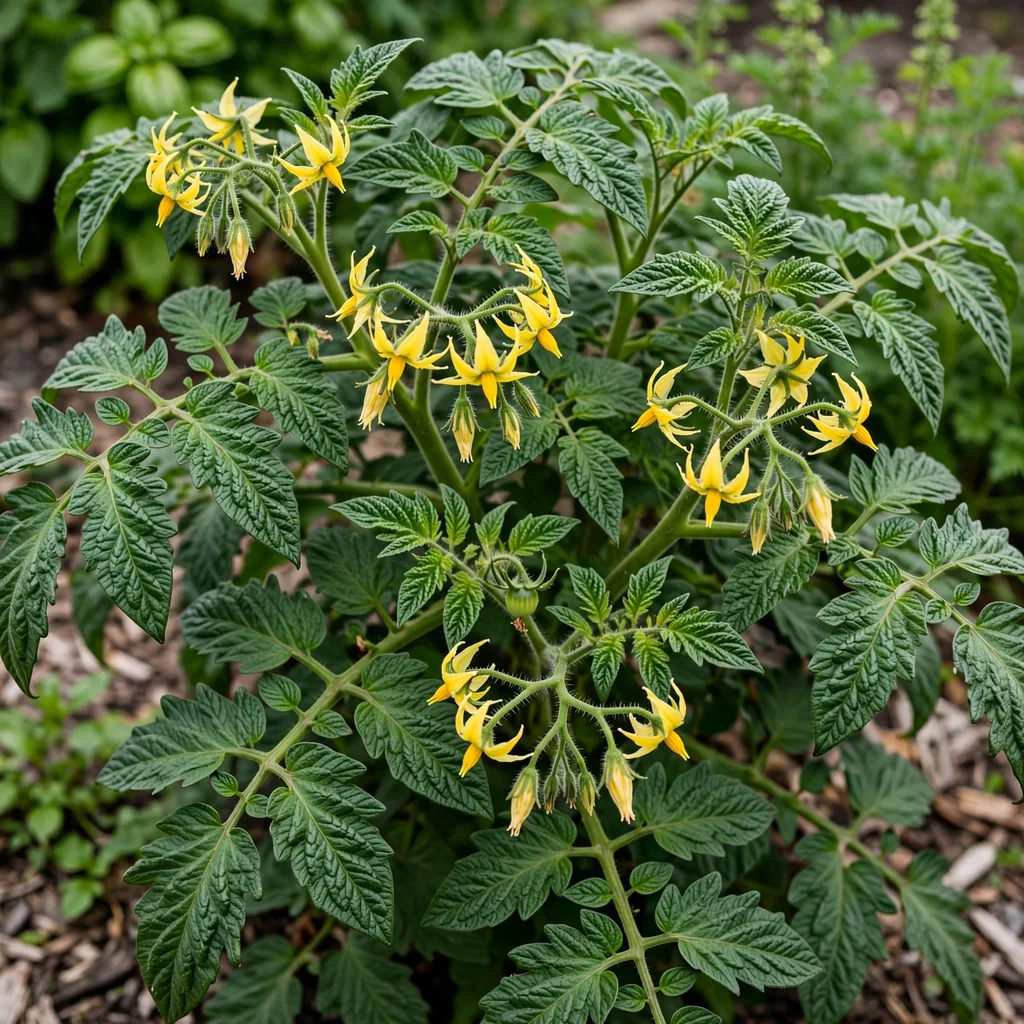
Martino's Roma Tomato
Solanum lycopersicum 'Martino's Roma'
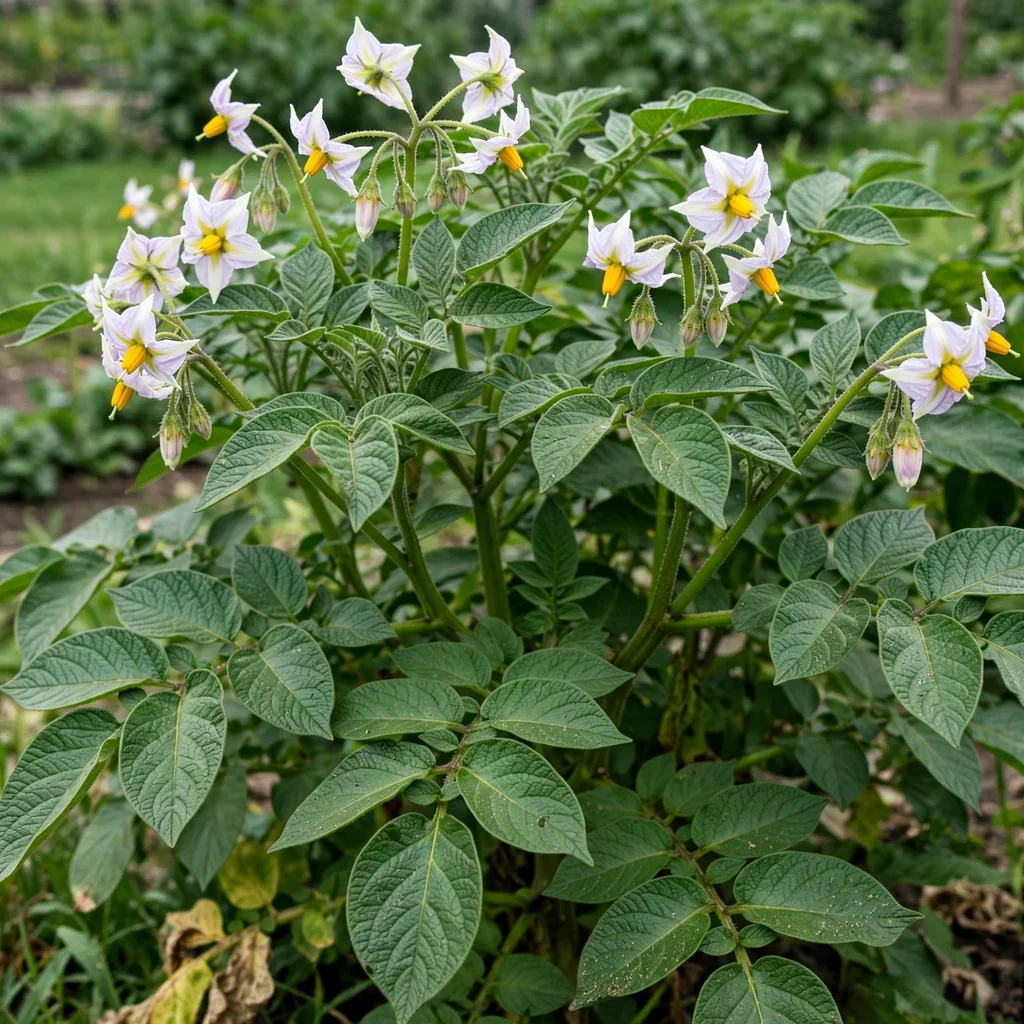
Yukon Gold Potato
Solanum tuberosum 'Yukon Gold'
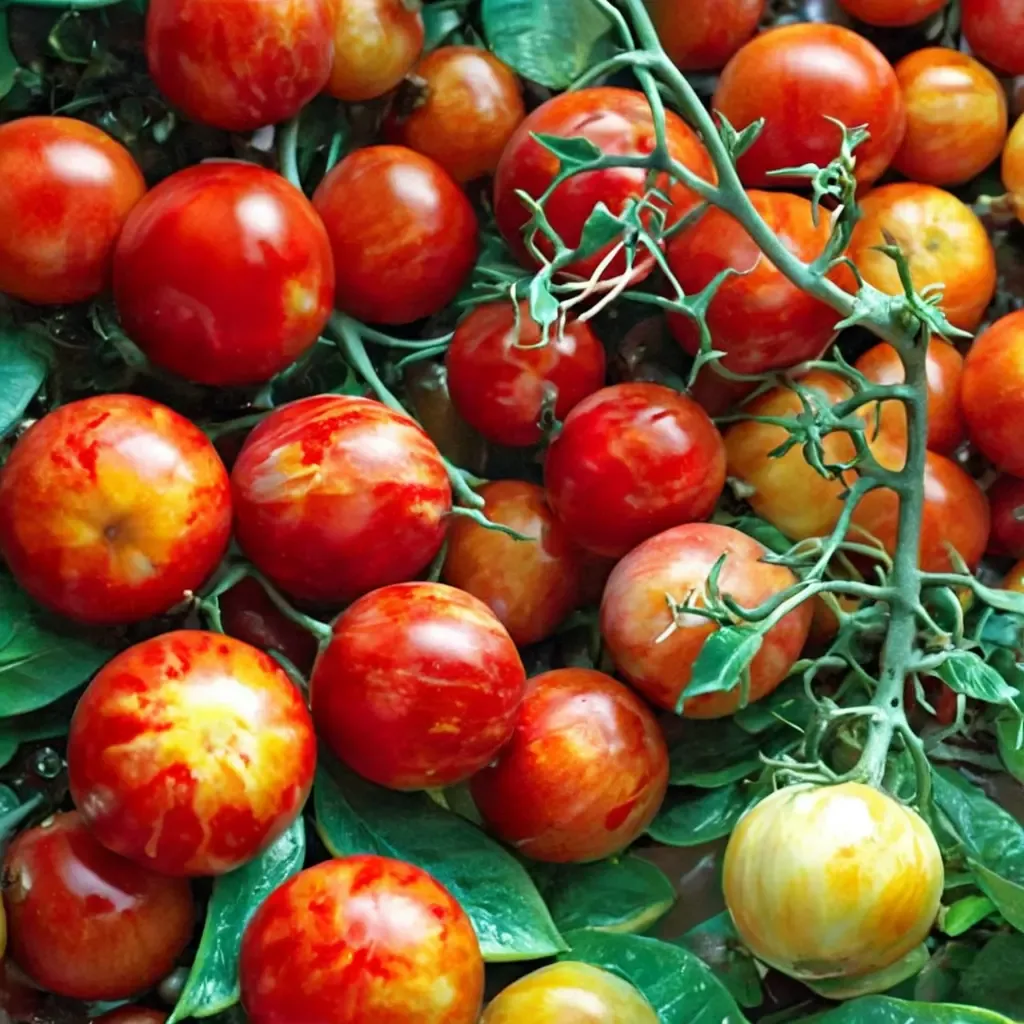
Sweet Tomato
Solanum lycopersicum 'Sweet'
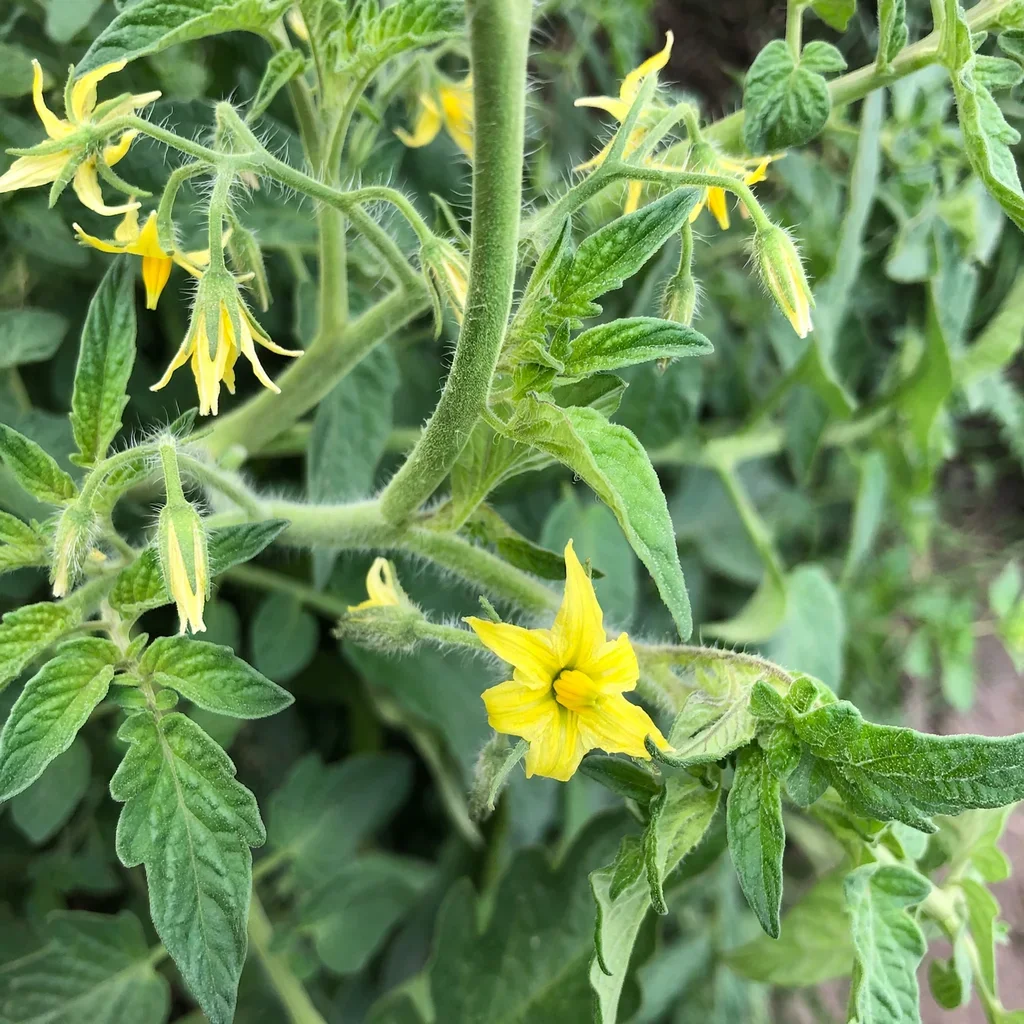
Napa Rose Tomato
Solanum lycopersicum 'Napa Rose'
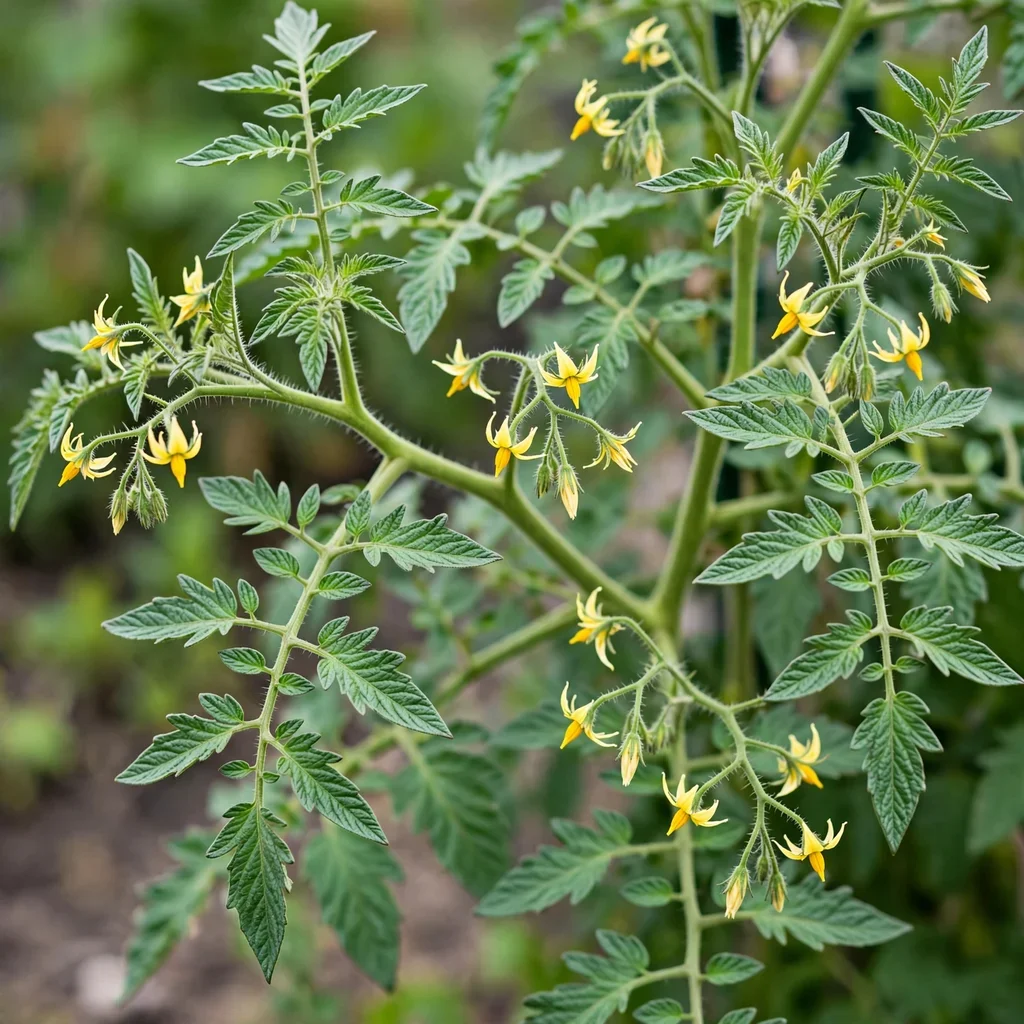
Red Currant Tomato
Solanum lycopersicum 'Red Currant'
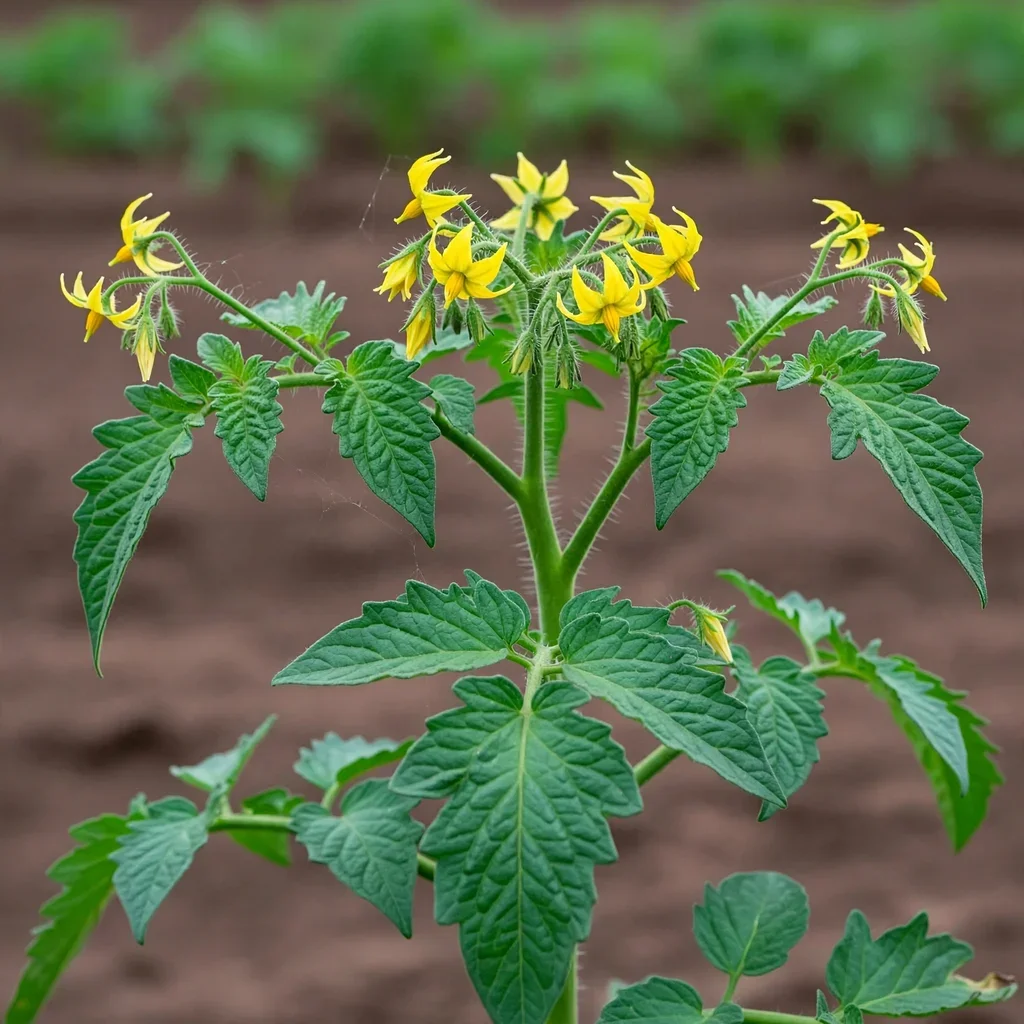
Gold Medal Tomato
Solanum lycopersicum 'Gold Medal'
Keep exploring
Explore the genus
Grow Currant Tomato with confidence
See it in a design of your actual yard, get zone-matched care reminders, and track it season by season in your garden journal.