
The Story
Plant Bio
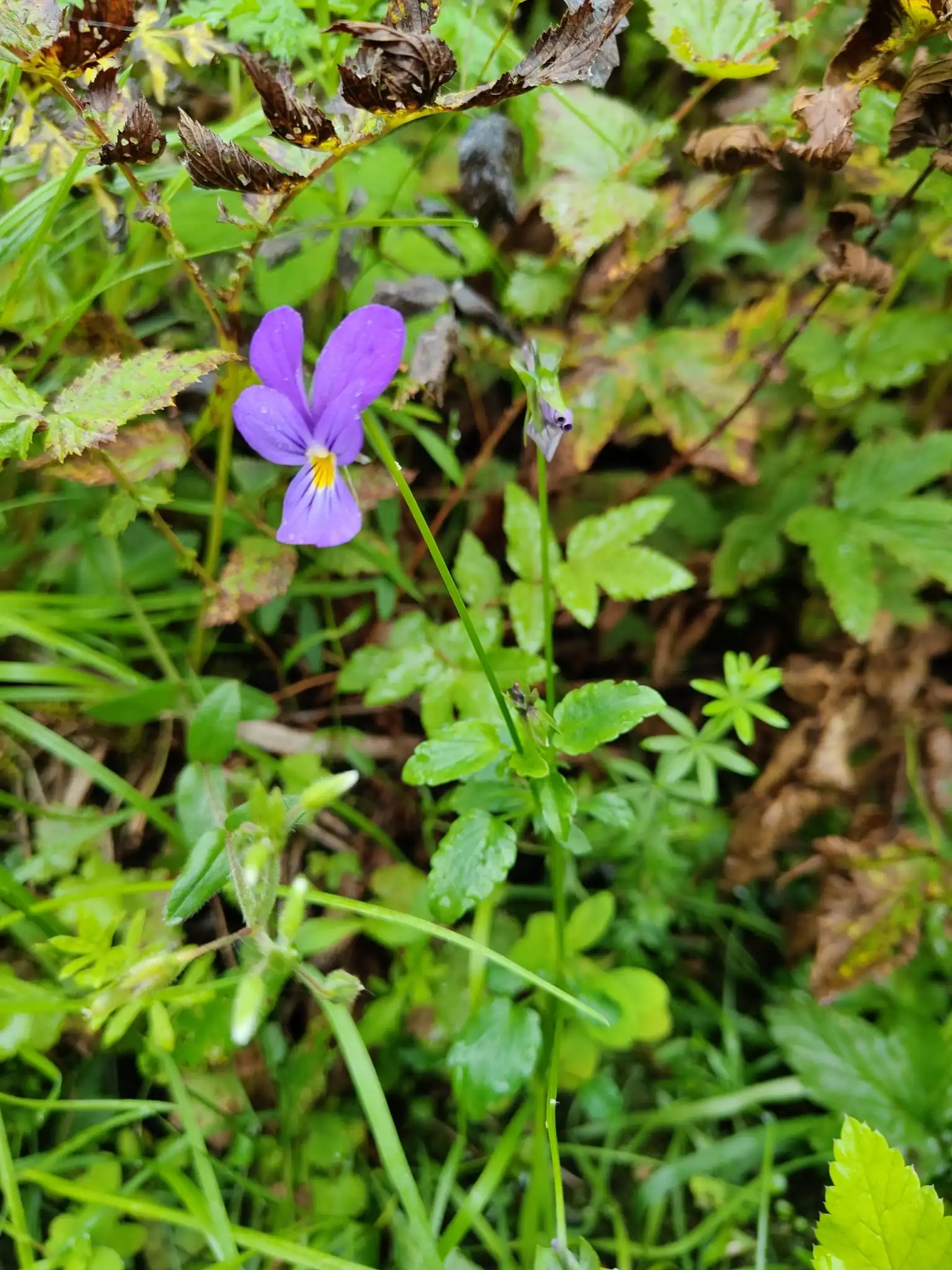
Viola tricolor, heartsease or wild pansy, is a low creeping to erect herbaceous plant from Europe and Asia, standing only 3 to 10 in tall and 3 to 12 in wide. Glabrous leaf blades under 1.5 in long sit below flowers that combine purple, yellow and white in a single small face, produced through spring and summer.
It behaves as an annual or short-lived perennial and keeps itself going by self-sowing; the three-valved capsule flicks its seed away as it dries. The flowers are edible with a faint minty note, and the plant supports fritillary butterfly larvae as well as honeybees, bumblebees and syrphid flies.
Uses & Benefits:
Essentials
At a Glance
Plant Type
Annual Or Short-Lived Perennial
Height
8"
Width
10"
Light
Full Sun, Partial Sun, Shade
Zones
4, 5, 6, 7, 8
Water
Medium; keep evenly moist through the season
Humidity
Prefers cool moist air; fades in dry heat
Lifespan
Short-lived; persists by self-sowing
Native To
Europe and Asia
Toxicity
Flowers are edible; no significant toxicity reported
Planting
How to Grow
- Sow seed in situ in early spring or late summer in moist soil.
- Choose full sun to partial shade; it dislikes hot afternoon glare.
- Barely cover the seed and keep the surface damp until germination.
- Thin seedlings to about 6 in apart once large enough to handle.
- Deadhead regularly to extend flowering into summer.
- Let the last flush set seed if you want it to return next year.
Pro Tip
Stop deadheading in late summer and it will sow its own replacements; deadhead to the end and the colony disappears.
Keep It Thriving
Care Guide
Do
- Sow fresh seed in autumn for the strongest spring flowering 🌱
- Deadhead through spring to keep flowers coming ✂️
- Let a final flush set seed so the colony persists 🌼
- Pick a few flowers for salads; they are edible 🥗
Don't
- Do not plant it in hot, dry, baked positions ❌
- Do not let the soil dry out in summer; it fades quickly ❌
- Do not feed heavily; rich soil gives leaf at the cost of flower ❌
Seasonal Care Calendar
| Task | Jan | Feb | Mar | Apr | May | Jun | Jul | Aug | Sep | Oct | Nov | Dec |
|---|---|---|---|---|---|---|---|---|---|---|---|---|
| Deadhead | ||||||||||||
| Sow And Thin |
Watch Out For
Pests & Diseases
Common Pests
Common Diseases
In the Garden
Landscape Uses & Companions
Landscape Uses
Multiply
Propagation Methods
Good to Know
Common Questions
Johnny Jump Up questions
What zones can Johnny Jump Up grow in?
Johnny Jump Up is hardy in USDA Zones 4–8. Inside that range it survives winter in the ground; outside it, grow it as an annual or a container plant you protect.
Is Johnny Jump Up deer resistant?
Yes — Johnny Jump Up is rated deer-resistant. Deer typically pass it over, though extreme hunger can override any plant's defenses.
When does Johnny Jump Up bloom?
Johnny Jump Up typically blooms in spring through summer through late spring. Exact timing shifts a week or two with your zone — Sow's bloom calendar maps it to your garden.
Does Johnny Jump Up need full sun?
Johnny Jump Up does best in full sun to part shade. In hot climates, afternoon shade keeps blooms fresher longer.
More Viola to compare
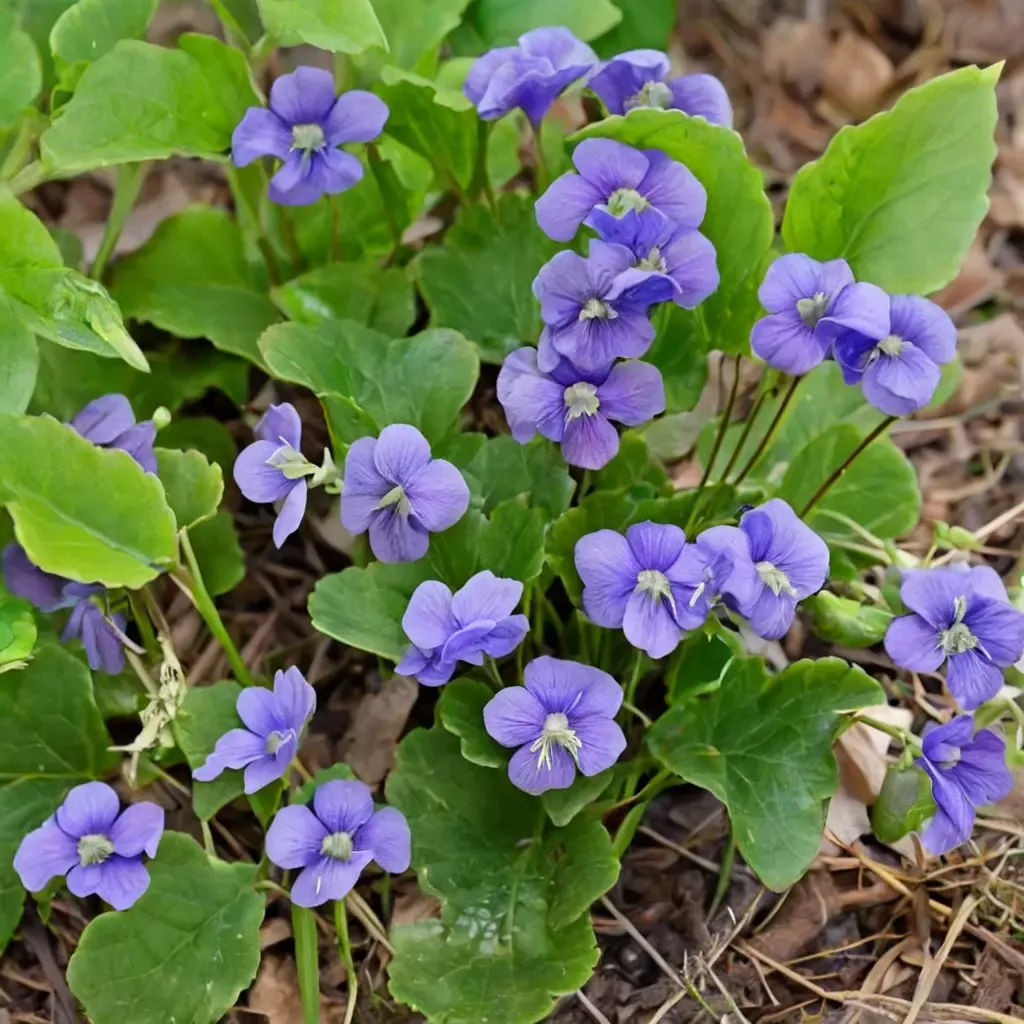
Common Blue Violet
Viola sororia
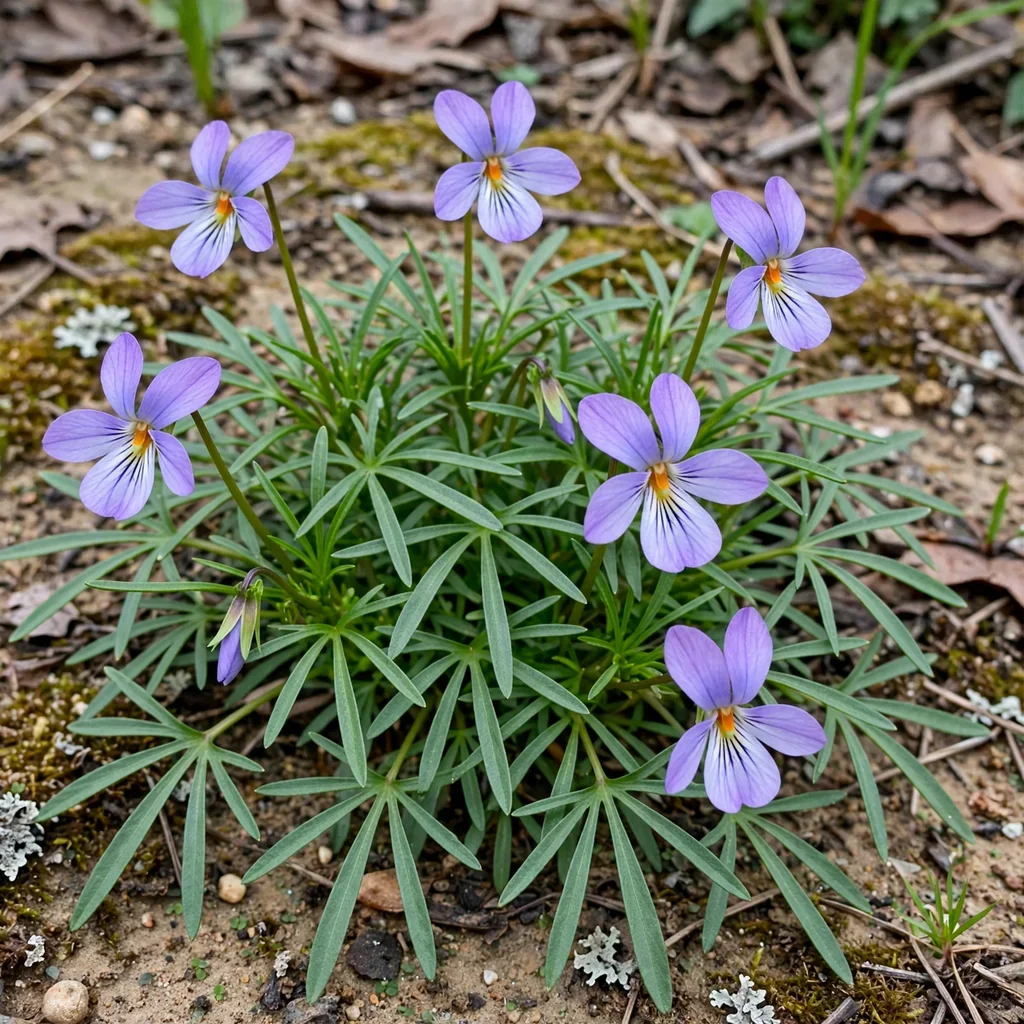
Bird's Foot Violet
Viola pedata
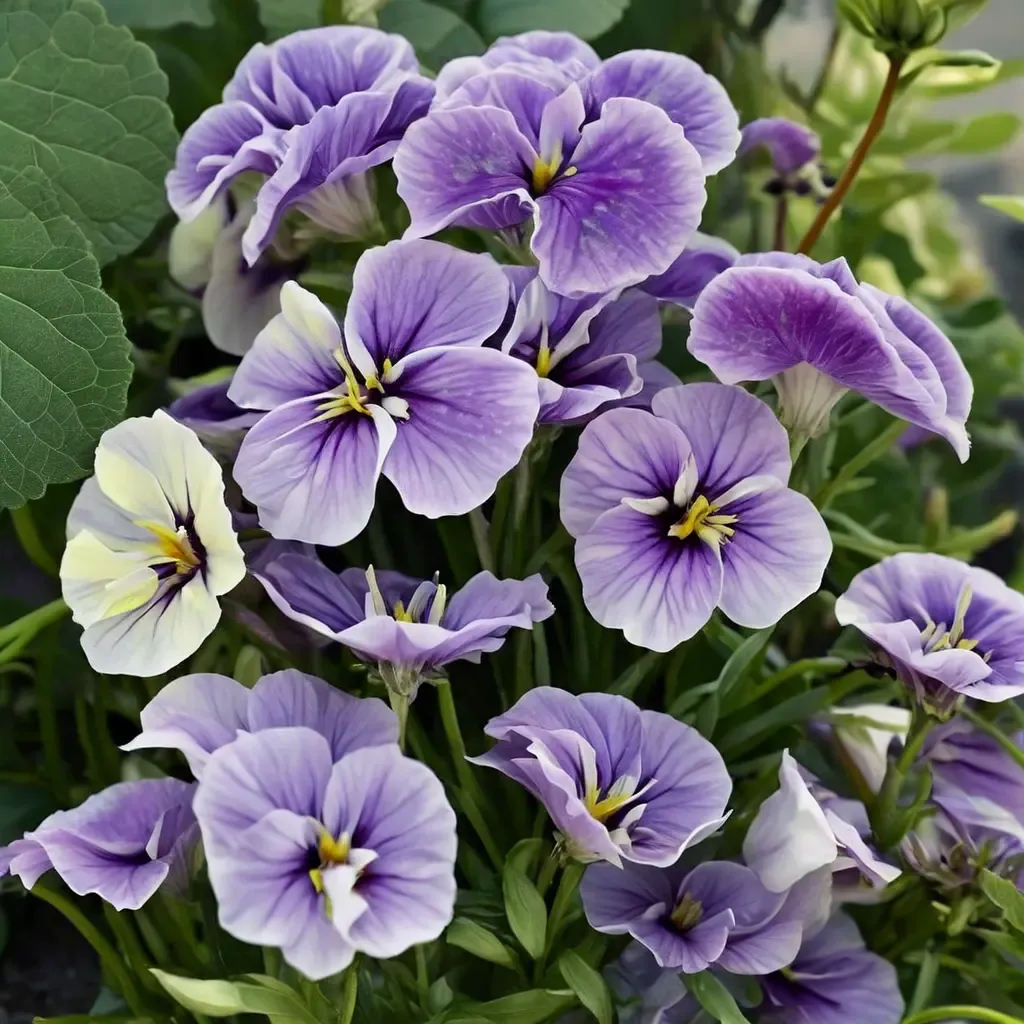
Painted Porcelain Pansy
Viola x wittrockiana 'Painted Porcelain'
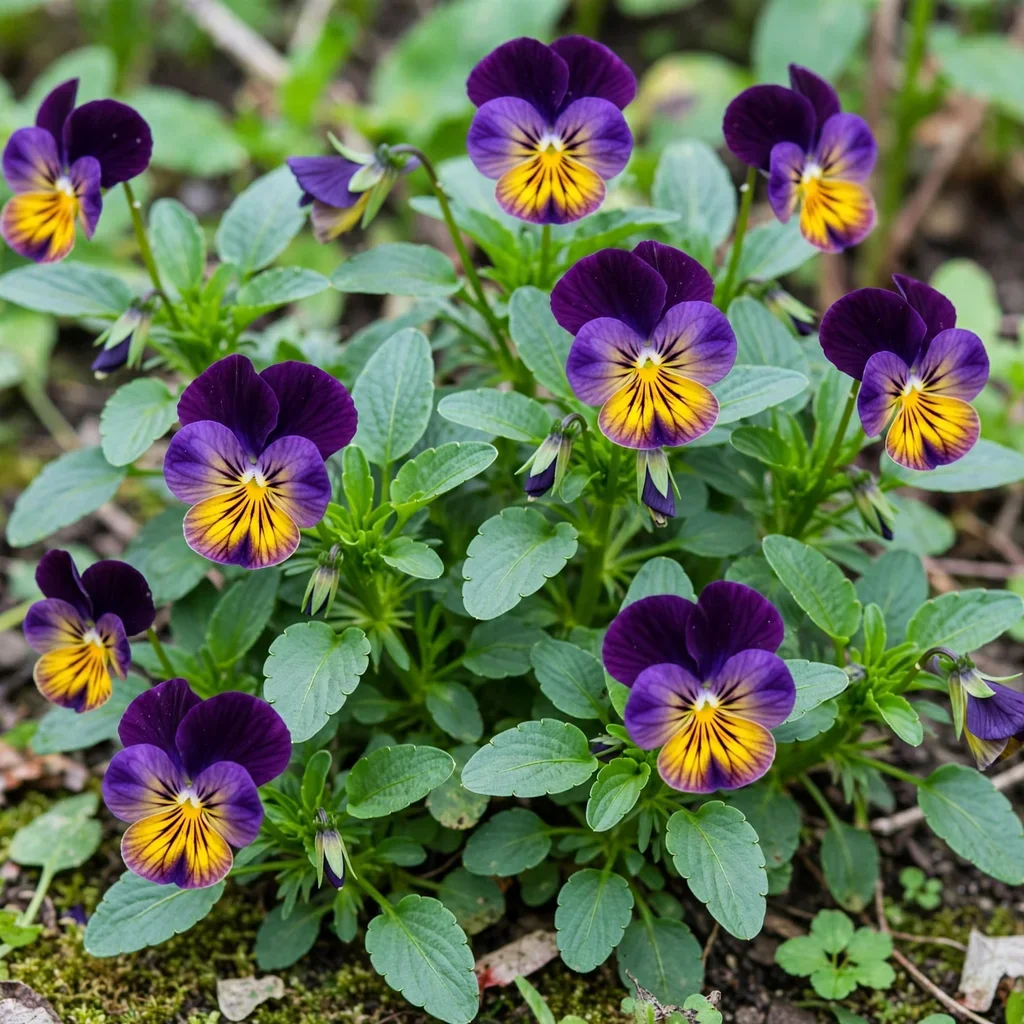
Northern Lights Horned Violet
Viola cornuta 'Northern Lights'
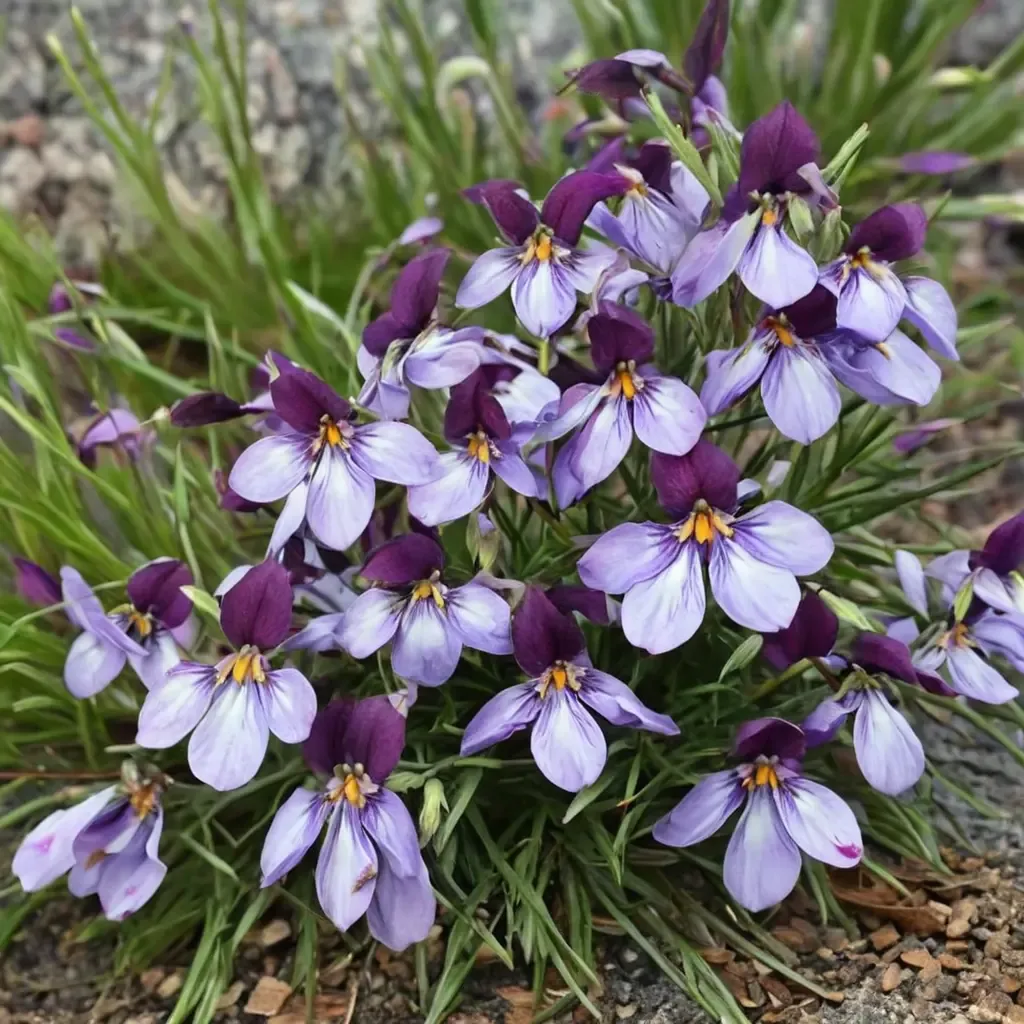
Birdfoot Violet
Viola pedata 'Eco Artist Palette'
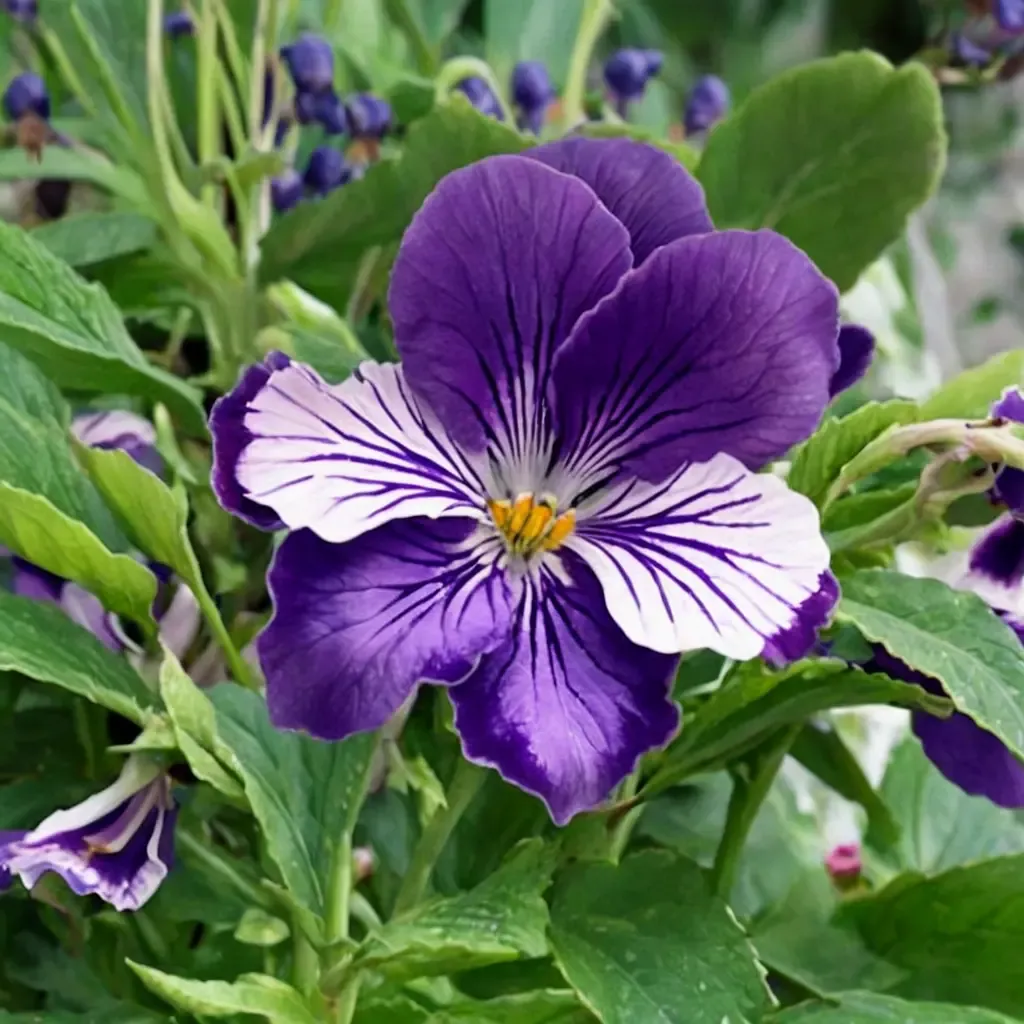
Whopping Purple Whiskers Pansy
Viola tricolor 'Whopping Purple Whiskers'
Keep exploring
Explore the genus
Hardy in your zone?
Grow Johnny Jump Up with confidence
See it in a design of your actual yard, get zone-matched care reminders, and track it season by season in your garden journal.