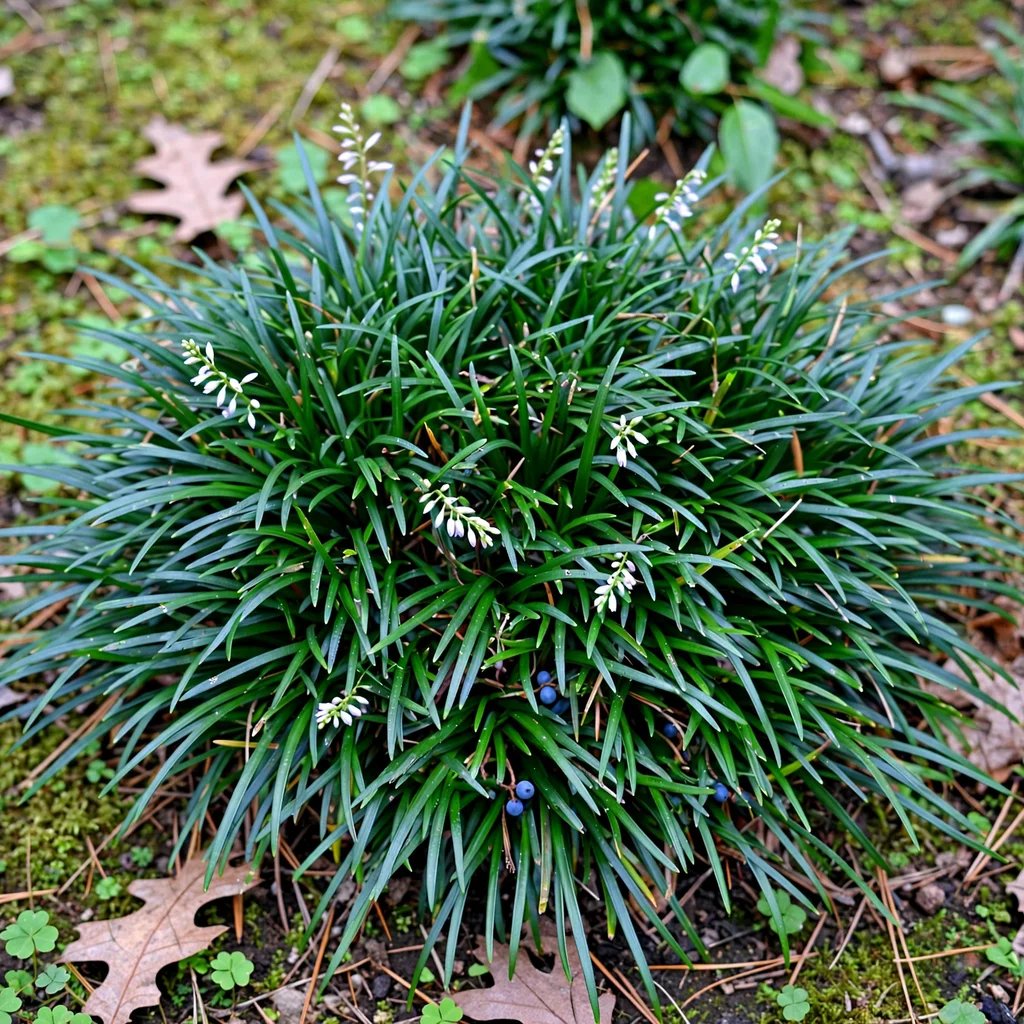
Species
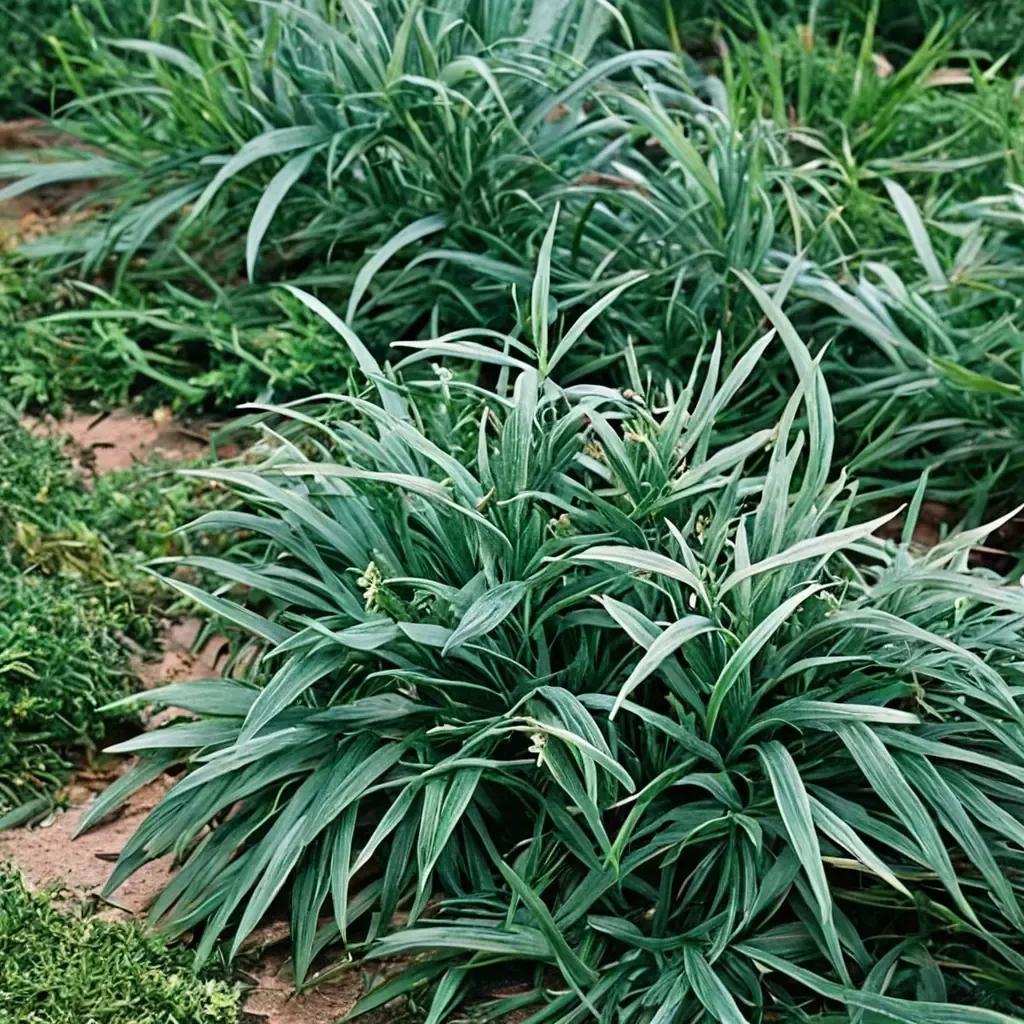 Ophiopogon japonicusMondo Grass
10 other cultivars
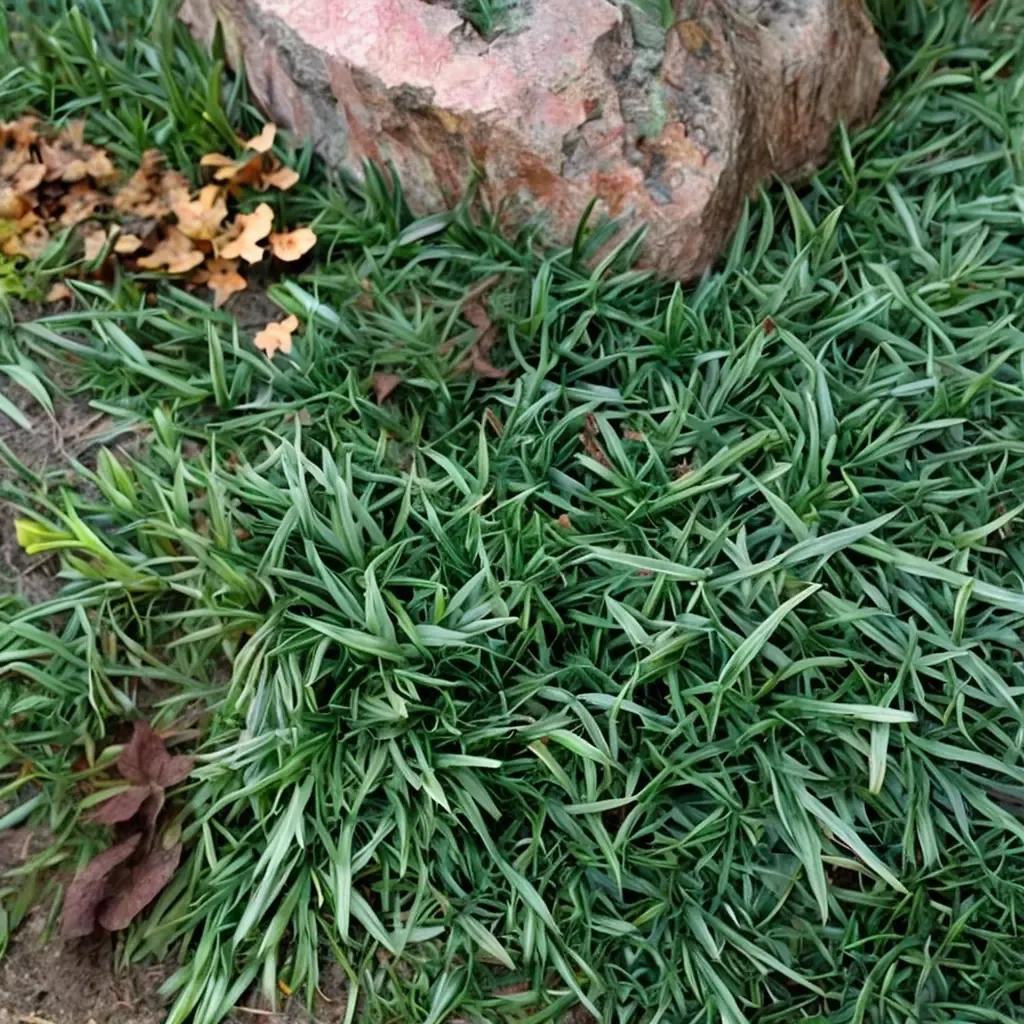 ‘Gyoku Ryu’Gyoku Ryu Mondo Grass
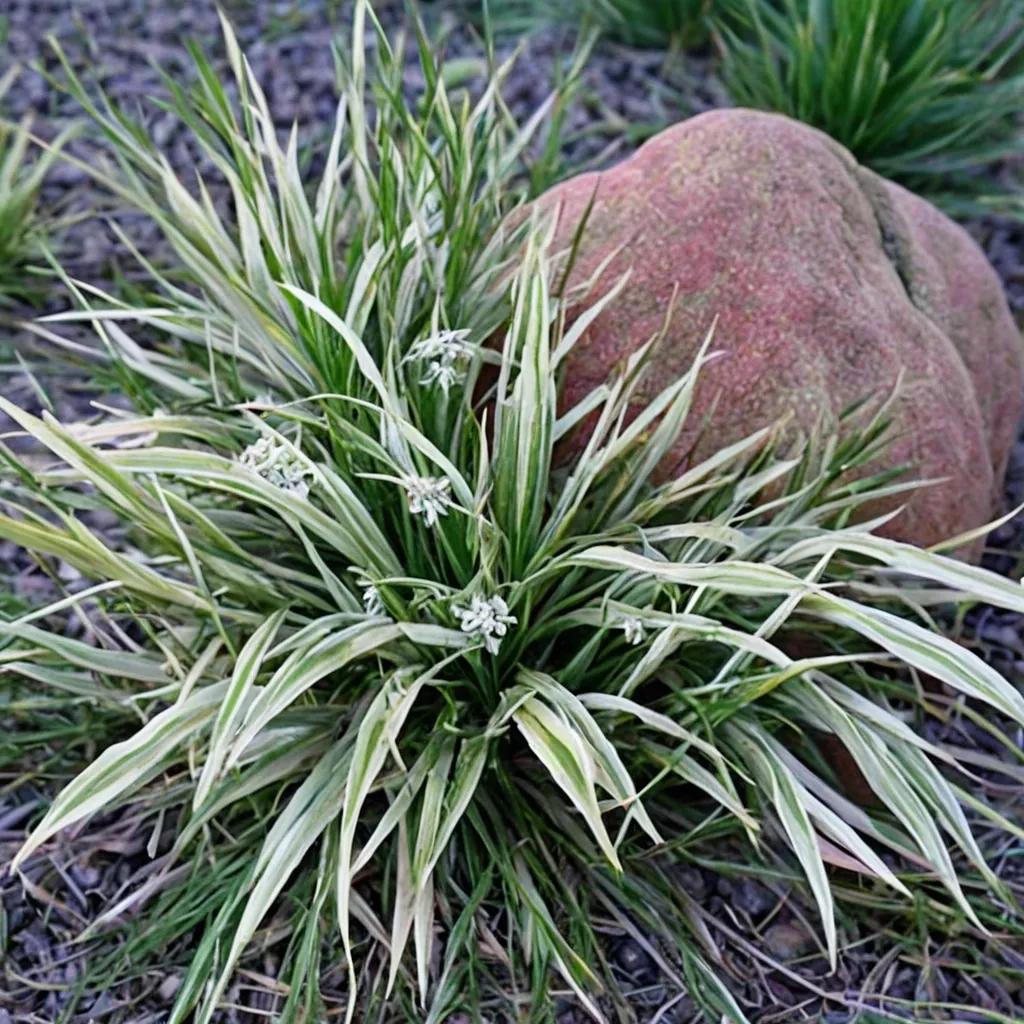 ‘Tuff Tuft Silver’Tuff Tuft Silver
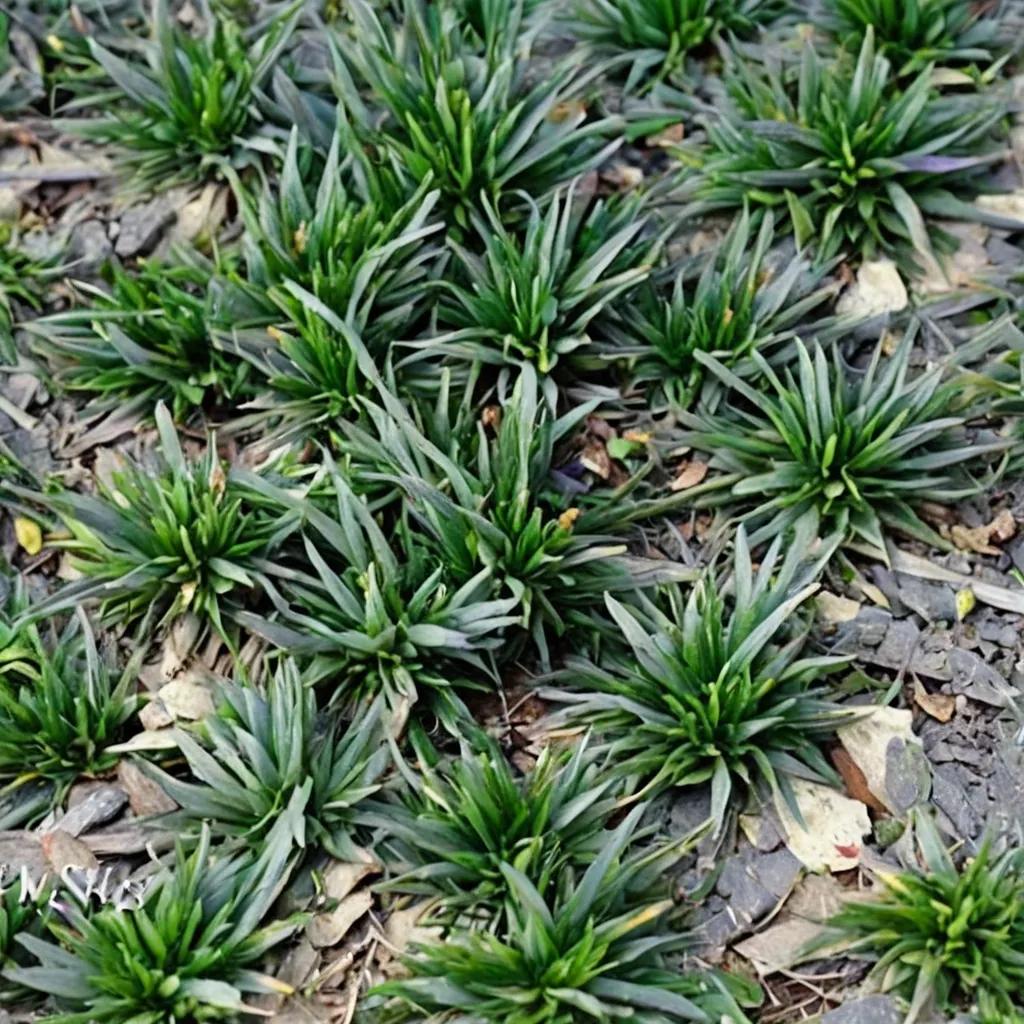 ‘Super Dwarf’Super Dwarf Mondo Grass
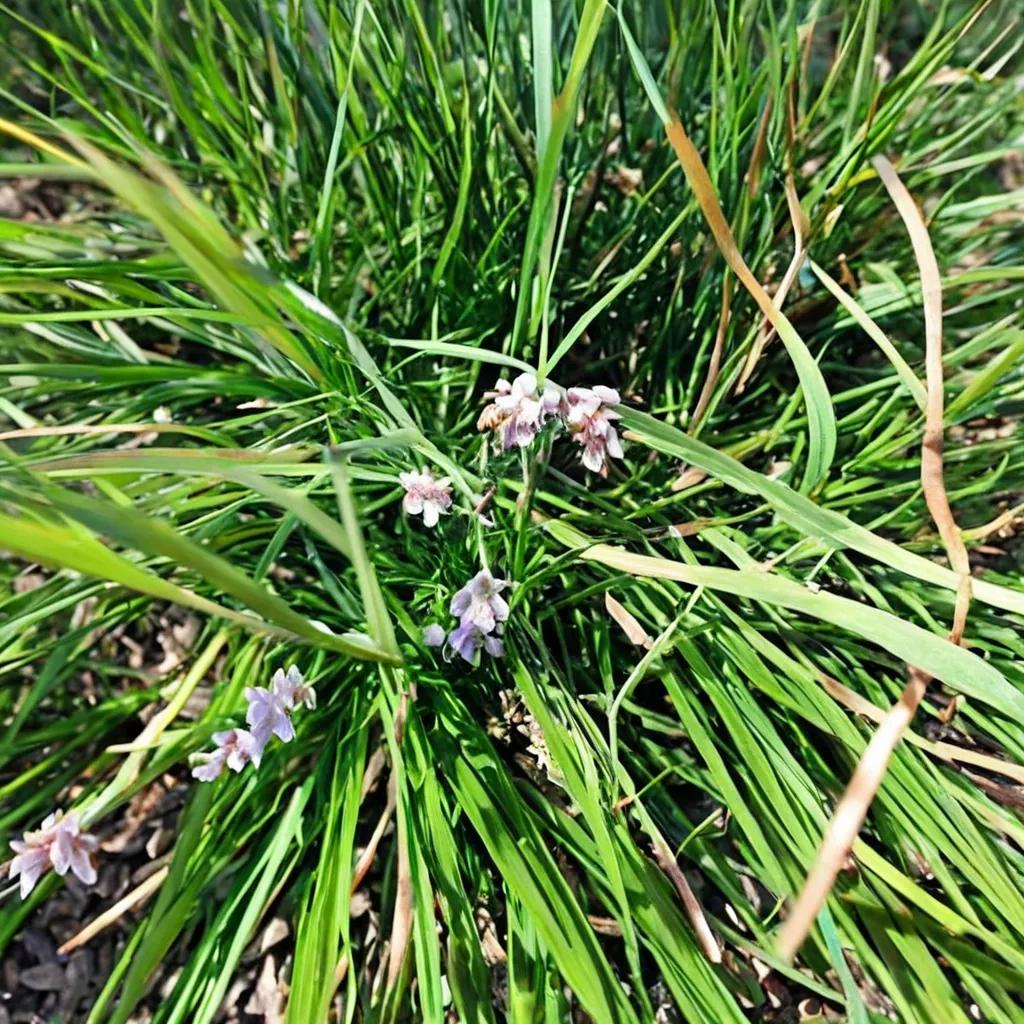 ‘Tuff Tuft Lavender’Tuff Tuft Lavender Ophiopogon
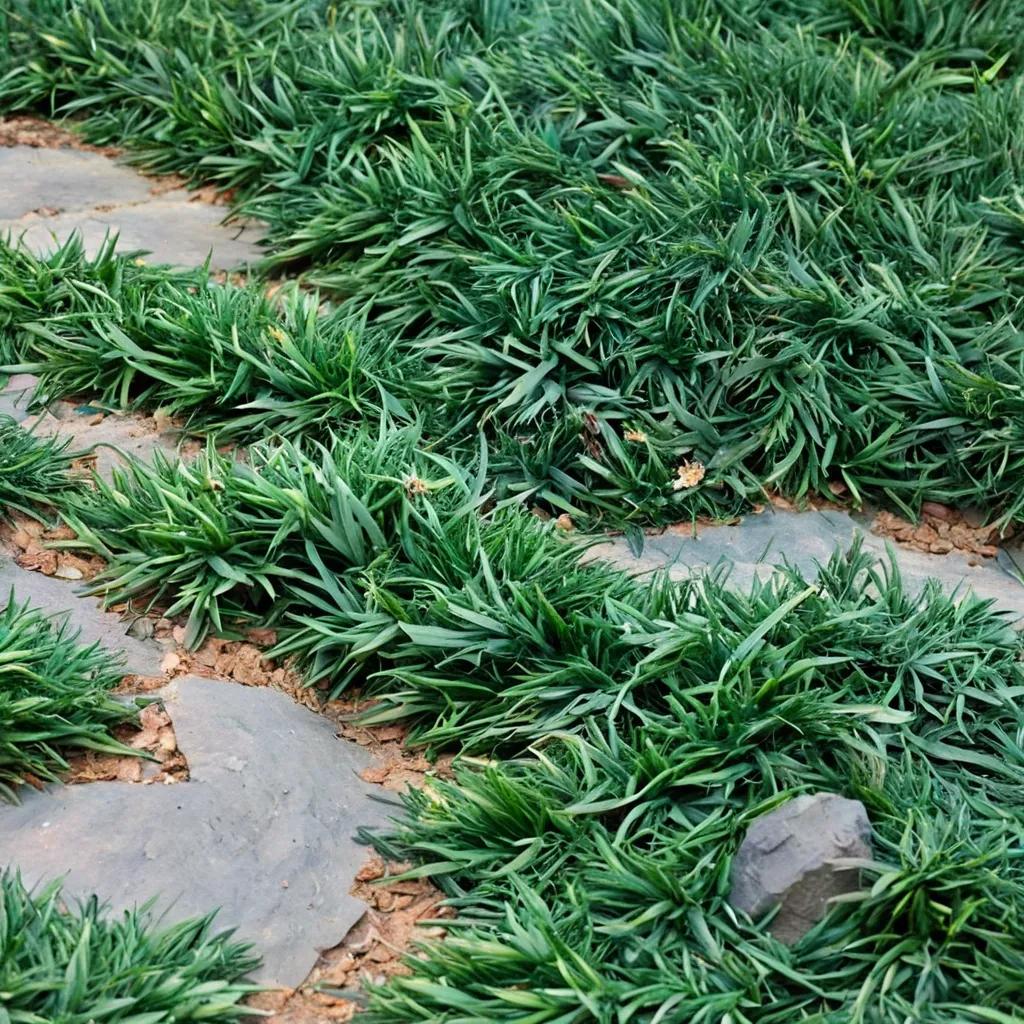 ‘Dwarf Mondo Grass’Dwarf Mondo Grass
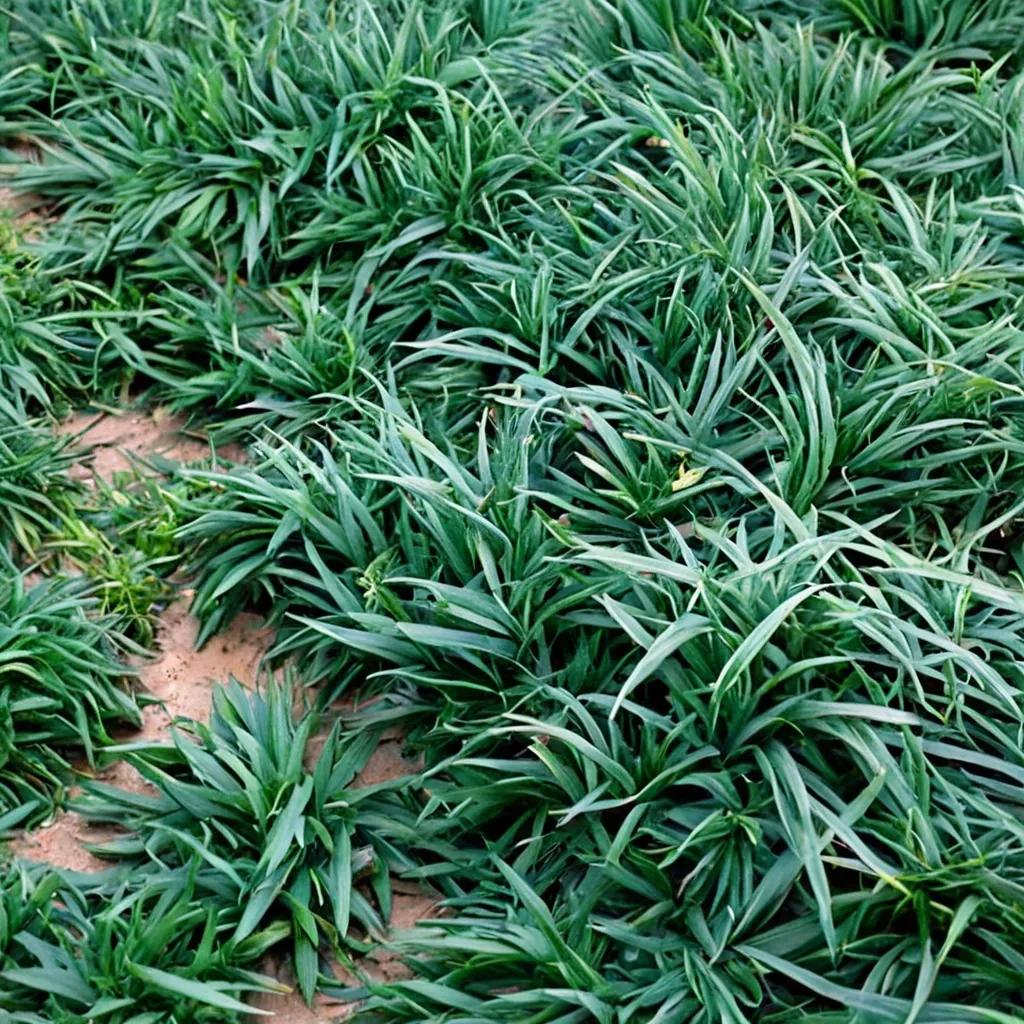 ‘Dwarf’Dwarf Mondo Grass
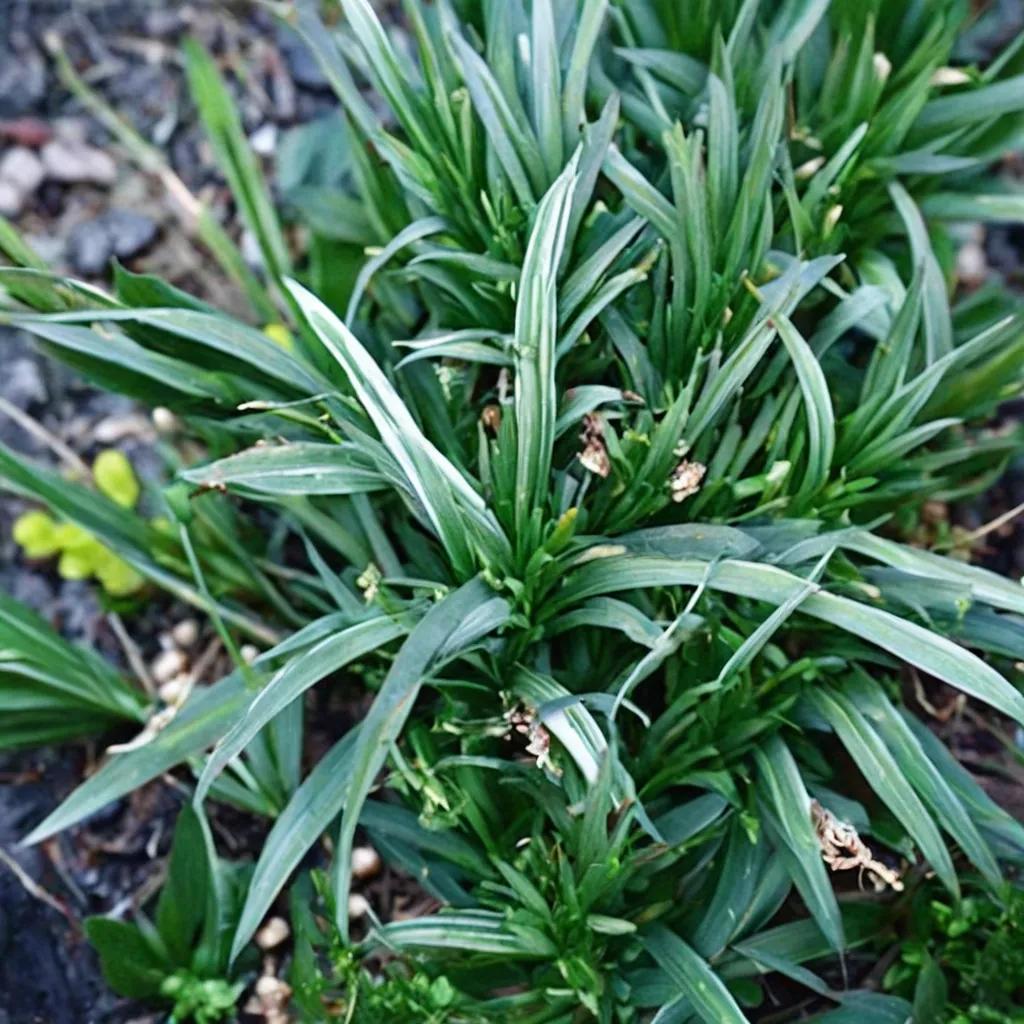 ‘Bluebird’Bluebird Mondo Grass
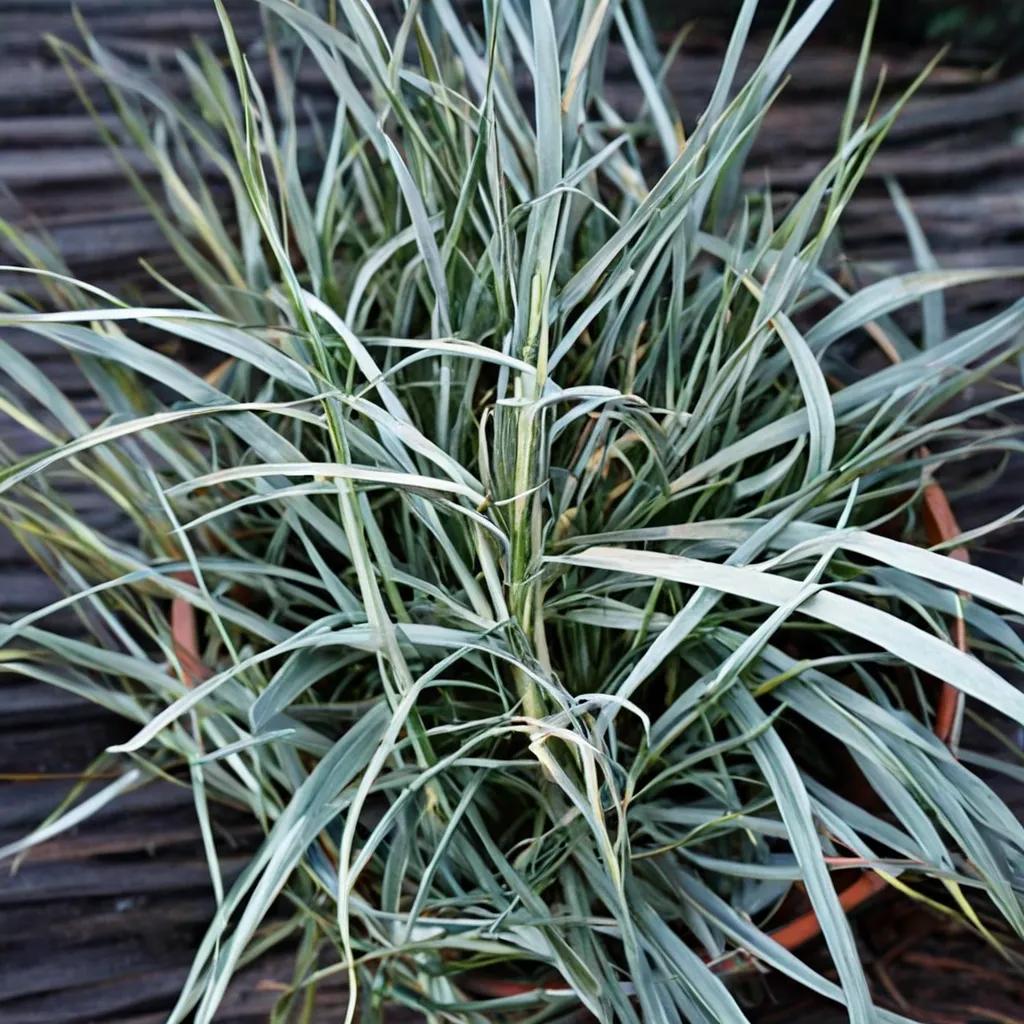 ‘Comet’Comet Mondo Grass
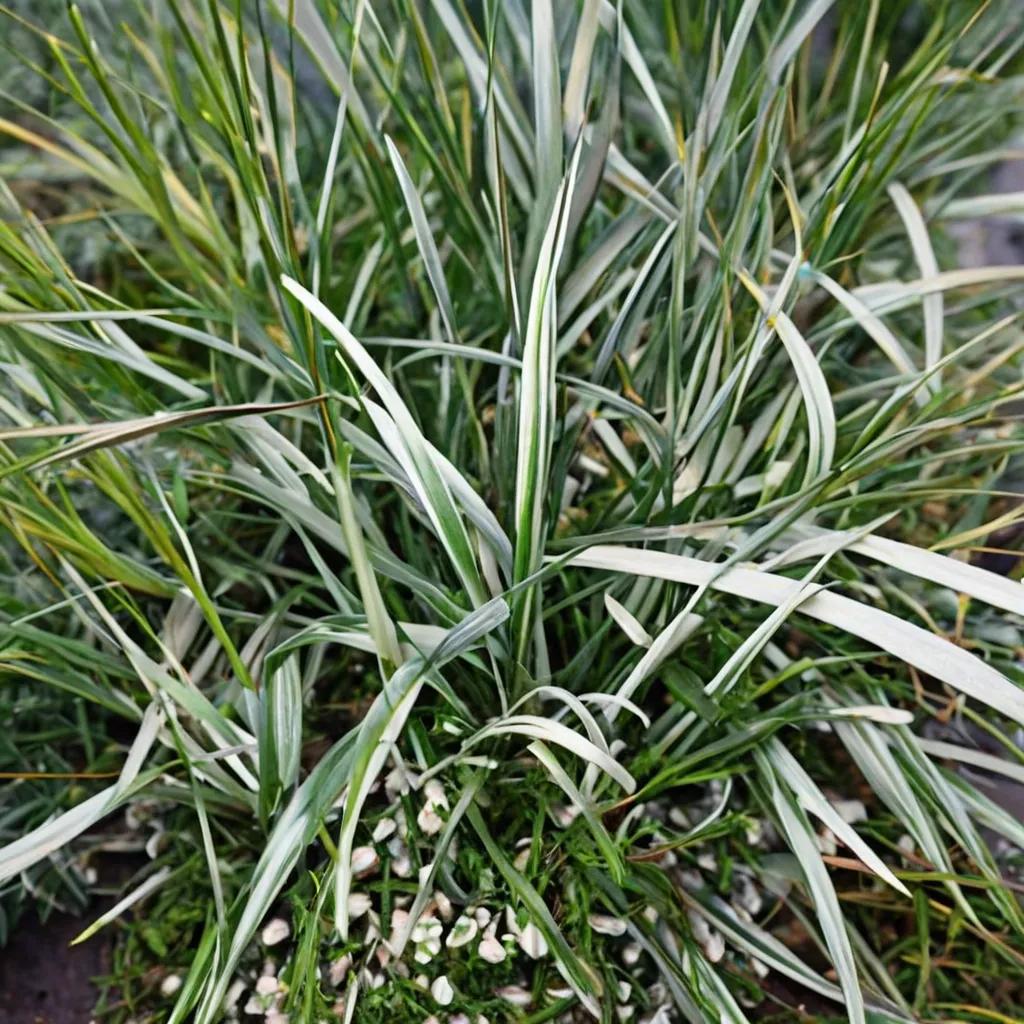 ‘Tears of Gold’Tears of Gold Mondo Grass
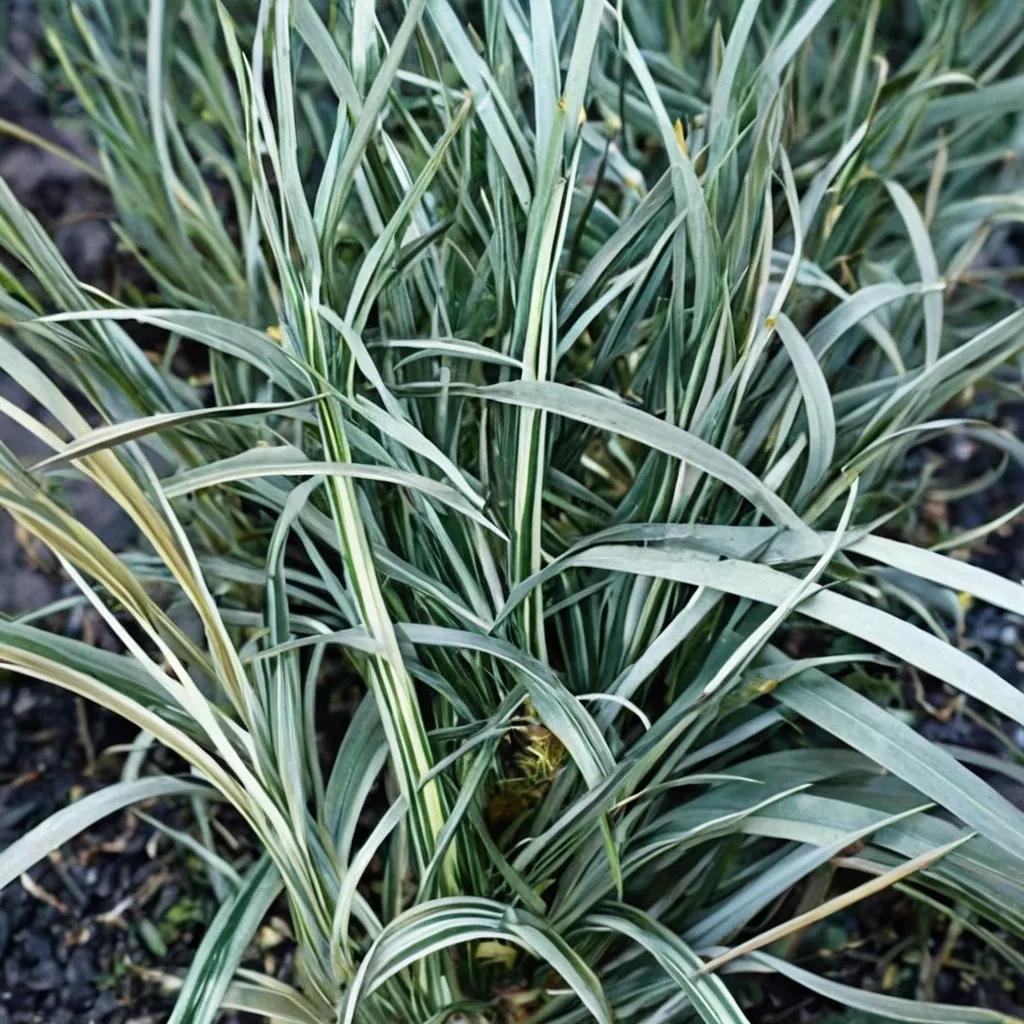 ‘Aritaki’Japanese Mondo Grass
The Story
Plant Bio
Ophiopogon japonicus is a densely tufted, evergreen perennial groundcover native to East and Southeast Asia that spreads via short stolons to form a fine-textured, carpet-like sward. The narrow, linear, arching foliage is dark green with a glossy sheen, producing short racemes of white to pale lilac flowers followed by blue globose berries.
'Nana' is a dwarf cultivar that reaches only three to six inches in height and spreads slowly to form an exceptionally tight, low-growing mat. This cultivar is highly favored as a turf alternative or a dense border edging in shaded garden areas where standard turfgrass struggles.
Uses & Benefits:
Essentials
At a Glance
Plant Type
Groundcover
Height
6"
Width
6"
Light
Full Sun, Partial Sun, Shade
Zones
6, 7, 8, 9, 10
Water
Medium
Humidity
Moderate to high
Lifespan
Perennial
Native To
East Asia, South/Southeast Asia
Toxicity
Non-toxic
Bloom period
Summer
In flower about 3 months of the year
Marketplace
Where to Buy
Shipping costs Year-round shipping Free shipping
Planting
How to Grow
- Select a planting site with partial shade to full shade, especially in hot climates, and moist, well-drained soil.
- Space individual clumps or plugs four to six inches apart to allow the stolons to fill in the gaps over time.
- Water regularly after planting to keep the soil consistently moist but never waterlogged while the root system establishes.
- Apply a light layer of organic mulch between plants to retain soil moisture and suppress weed competition during establishment.
Pro Tip
Avoid treating this plant with grass-selective herbicides or mowing it below the crown level, as it is a liliaceous monocot that recovers poorly if the crown is scalped.
Keep It Thriving
Care Guide
Do
- Grow in partial shade to maintain the deepest green foliage color.
- Ensure the soil is well-drained to prevent root and crown rot.
- Divide established clumps in spring to propagate new areas.
Don't
- Do not cut back into old, leafless wood or scalp the crown when shearing.
- Do not allow the soil to remain waterlogged or soggy.
- Do not apply grass-selective herbicides, which will kill this non-grass monocot.
Seasonal Care Calendar
| Task | Jan | Feb | Mar | Apr | May | Jun | Jul | Aug | Sep | Oct | Nov | Dec |
|---|---|---|---|---|---|---|---|---|---|---|---|---|
| Divide | ||||||||||||
| Fertilize | ||||||||||||
| Pest Check | ||||||||||||
| Prune |
Watch Out For
Pests & Diseases
Common Pests
Common Diseases
In the Garden
Landscape Uses & Companions
Landscape Uses
Multiply
Propagation Methods
Good to Know
Common Questions
Dwarf Mondo Grass questions
What zones can Dwarf Mondo Grass grow in?
Dwarf Mondo Grass is hardy in USDA Zones 6–10. Inside that range it survives winter in the ground; outside it, grow it as an annual or a container plant you protect.
Is Dwarf Mondo Grass deer resistant?
Yes — Dwarf Mondo Grass is rated deer-resistant. Deer typically pass it over, though extreme hunger can override any plant's defenses.
When does Dwarf Mondo Grass bloom?
Dwarf Mondo Grass typically blooms in summer through summer. Exact timing shifts a week or two with your zone — Sow's bloom calendar maps it to your garden.
Does Dwarf Mondo Grass need full sun?
Dwarf Mondo Grass does best in full sun to part shade. In hot climates, afternoon shade keeps blooms fresher longer.
Is Dwarf Mondo Grass drought tolerant?
Yes — once established (usually after the first full season), Dwarf Mondo Grass handles dry spells with minimal watering. Water deeply its first year to build the root system that makes that possible.
More Ophiopogon to compare
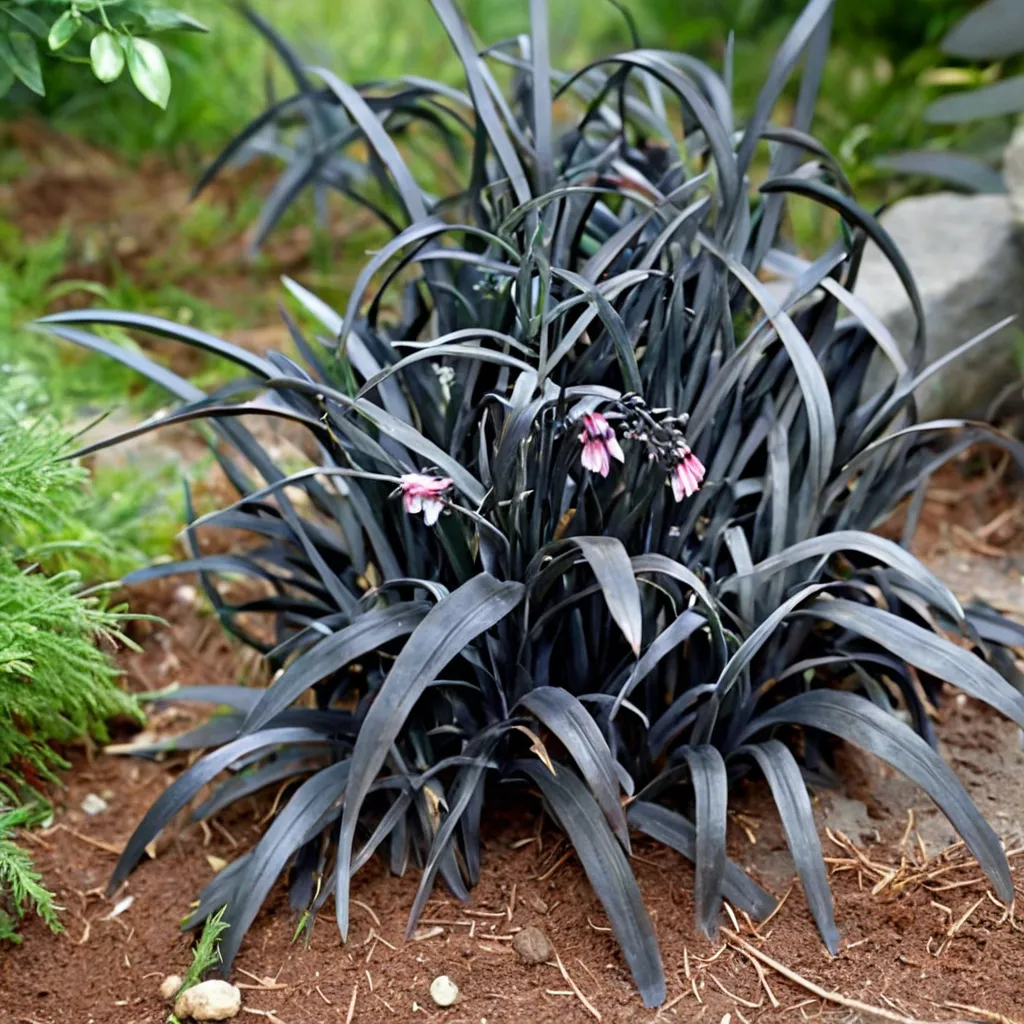
Black Mondo Grass
Ophiopogon planiscapus 'Black Mondo Grass'
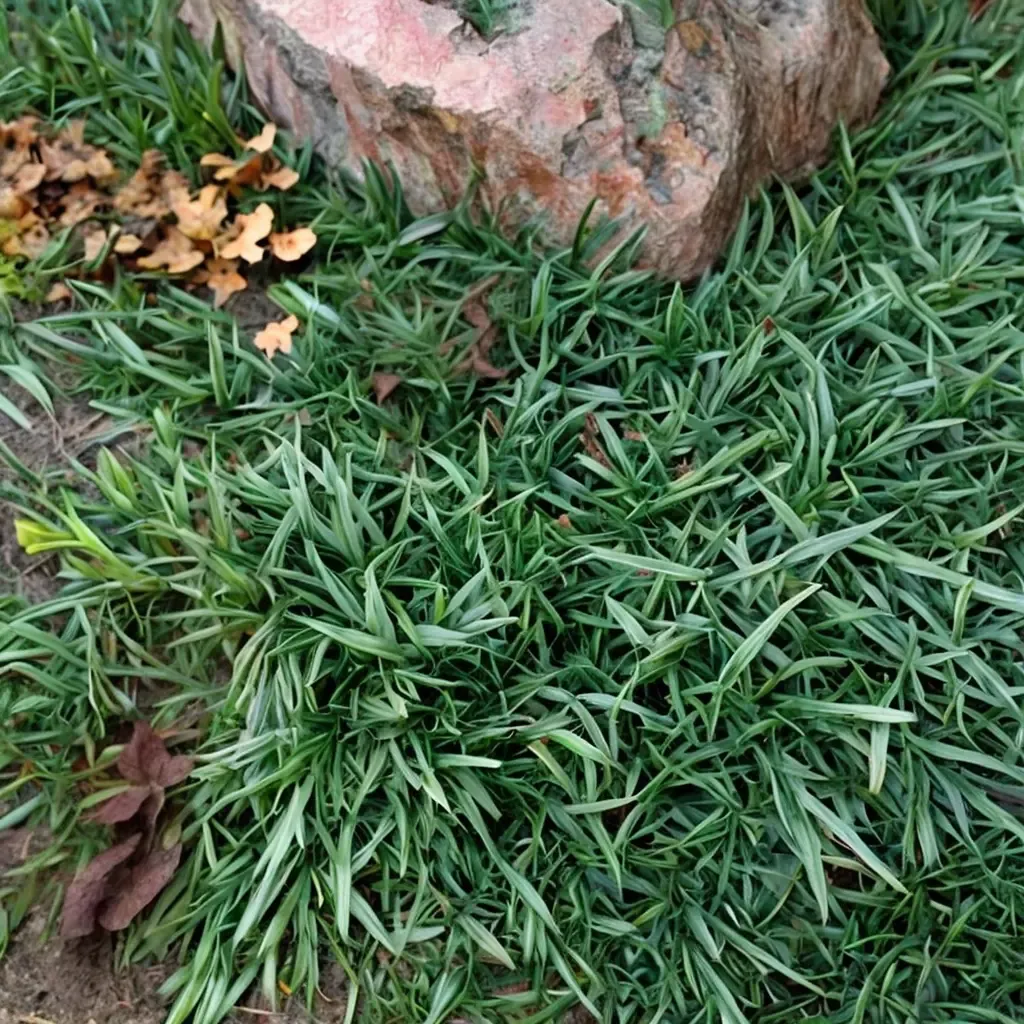
Gyoku Ryu Mondo Grass
Ophiopogon japonicus 'Gyoku Ryu'
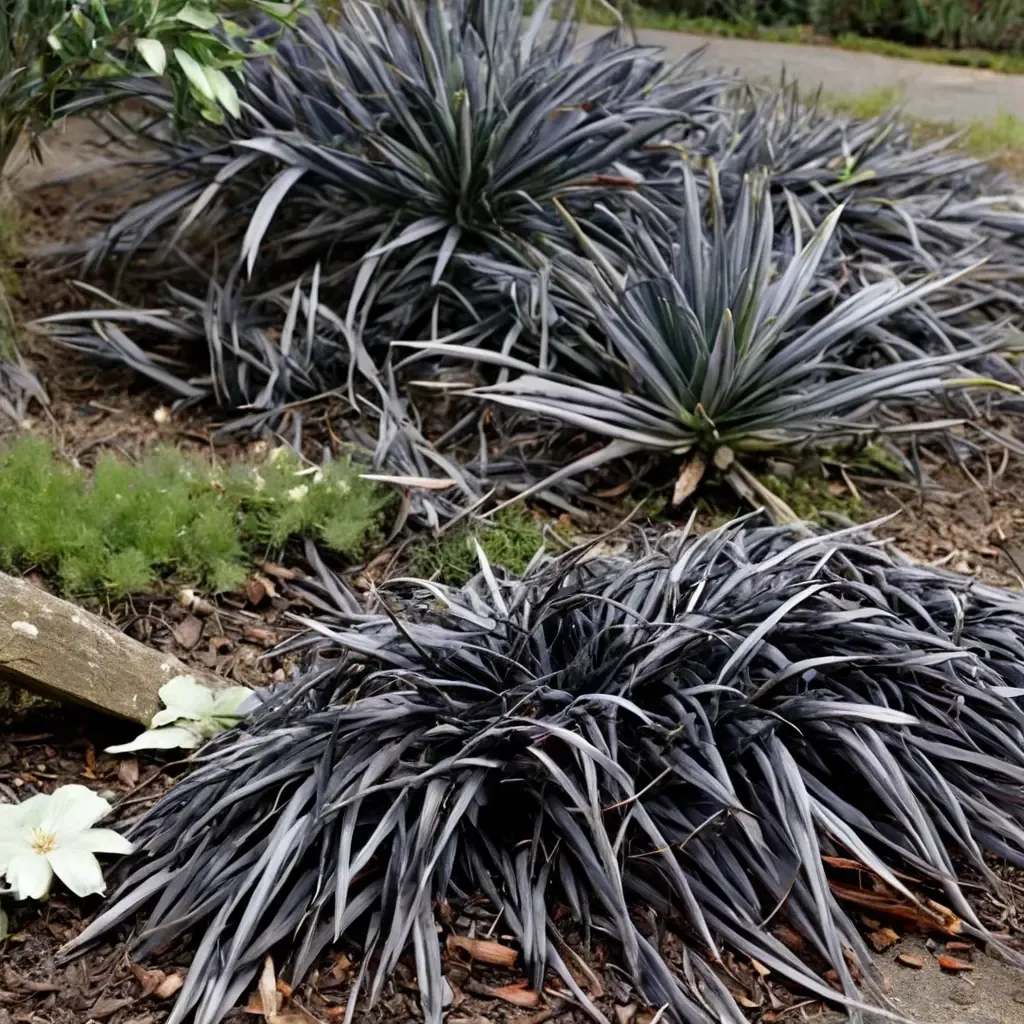
Nigrescens Black Mondo Grass
Ophiopogon planiscapus 'Nigrescens'
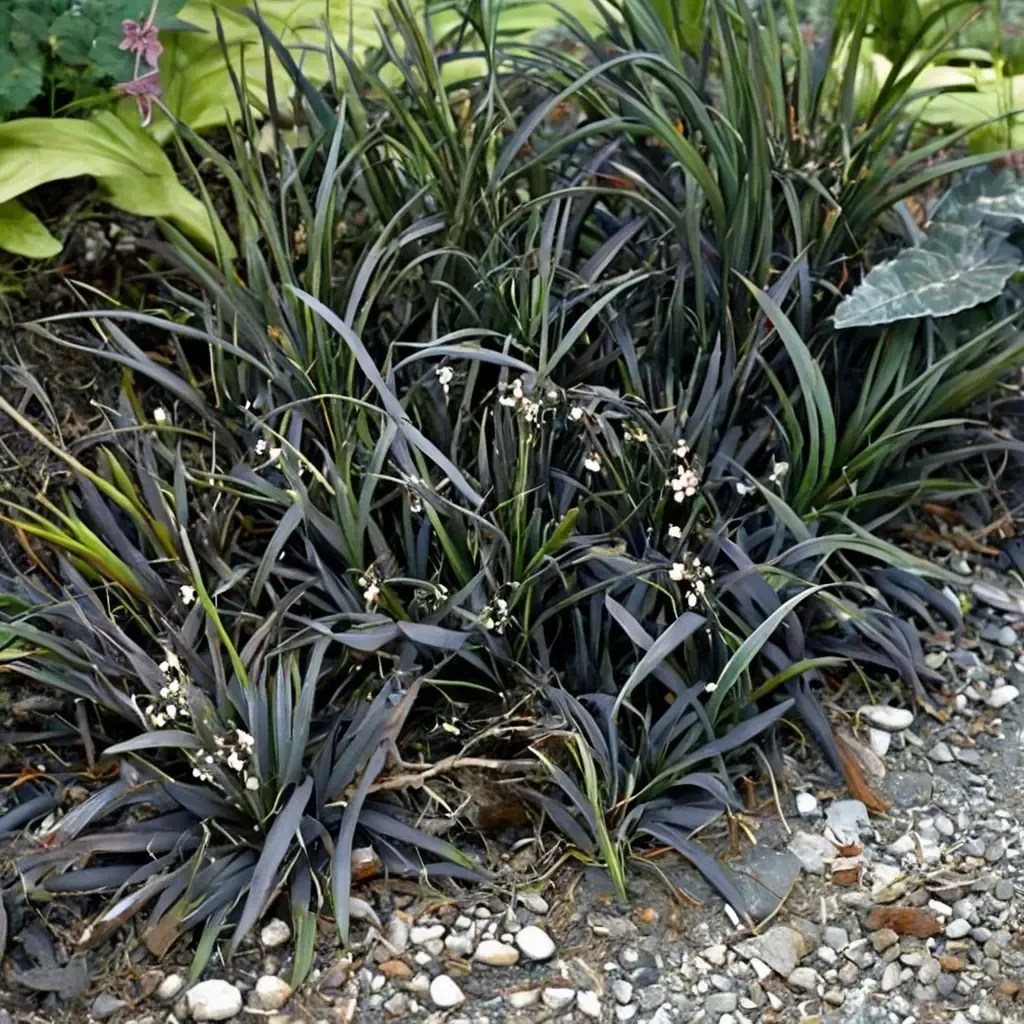
Niger Black Mondo Grass
Ophiopogon planiscapus 'Niger'
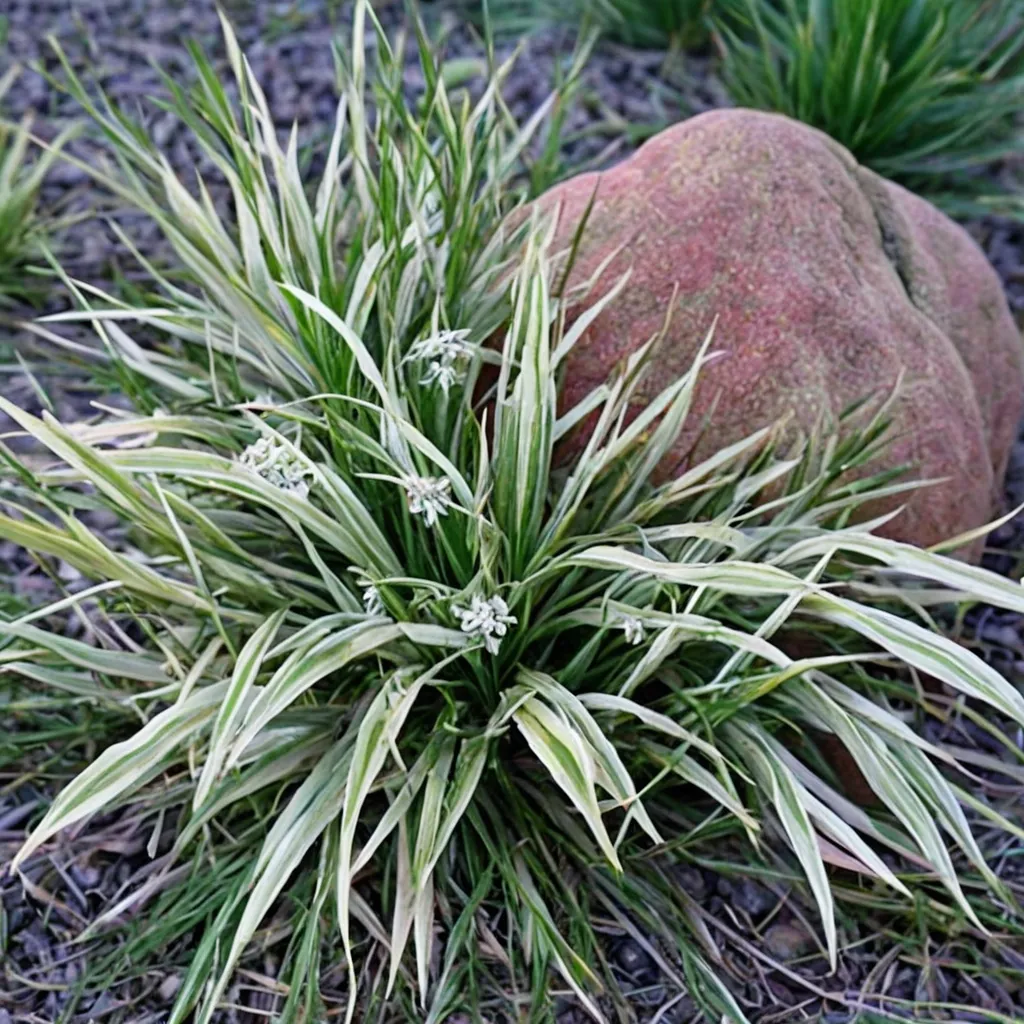
Tuff Tuft Silver
Ophiopogon japonicus 'Tuff Tuft Silver'
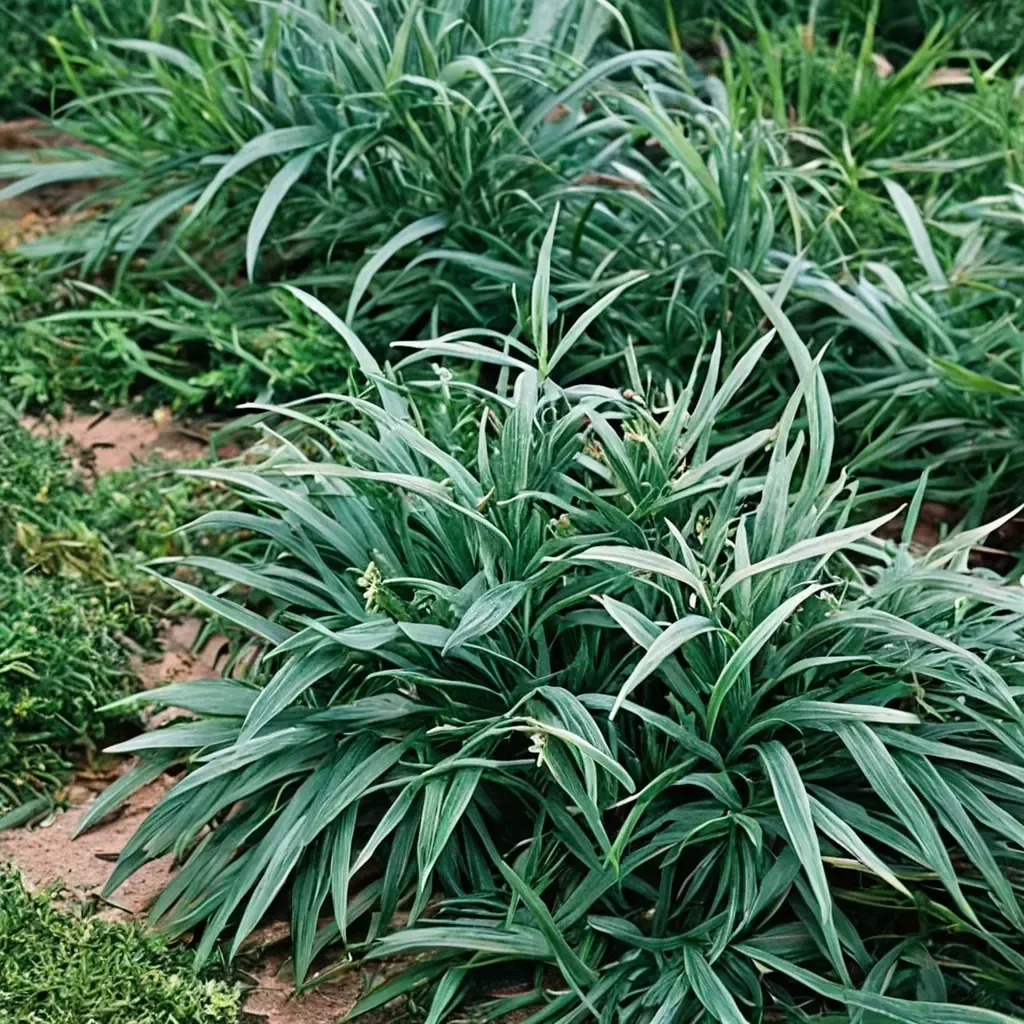
Mondo Grass
Ophiopogon japonicus
Keep exploring
Explore the genus
Hardy in your zone?
Grow Dwarf Mondo Grass with confidence
See it in a design of your actual yard, get zone-matched care reminders, and track it season by season in your garden journal.