The Story
Plant Bio
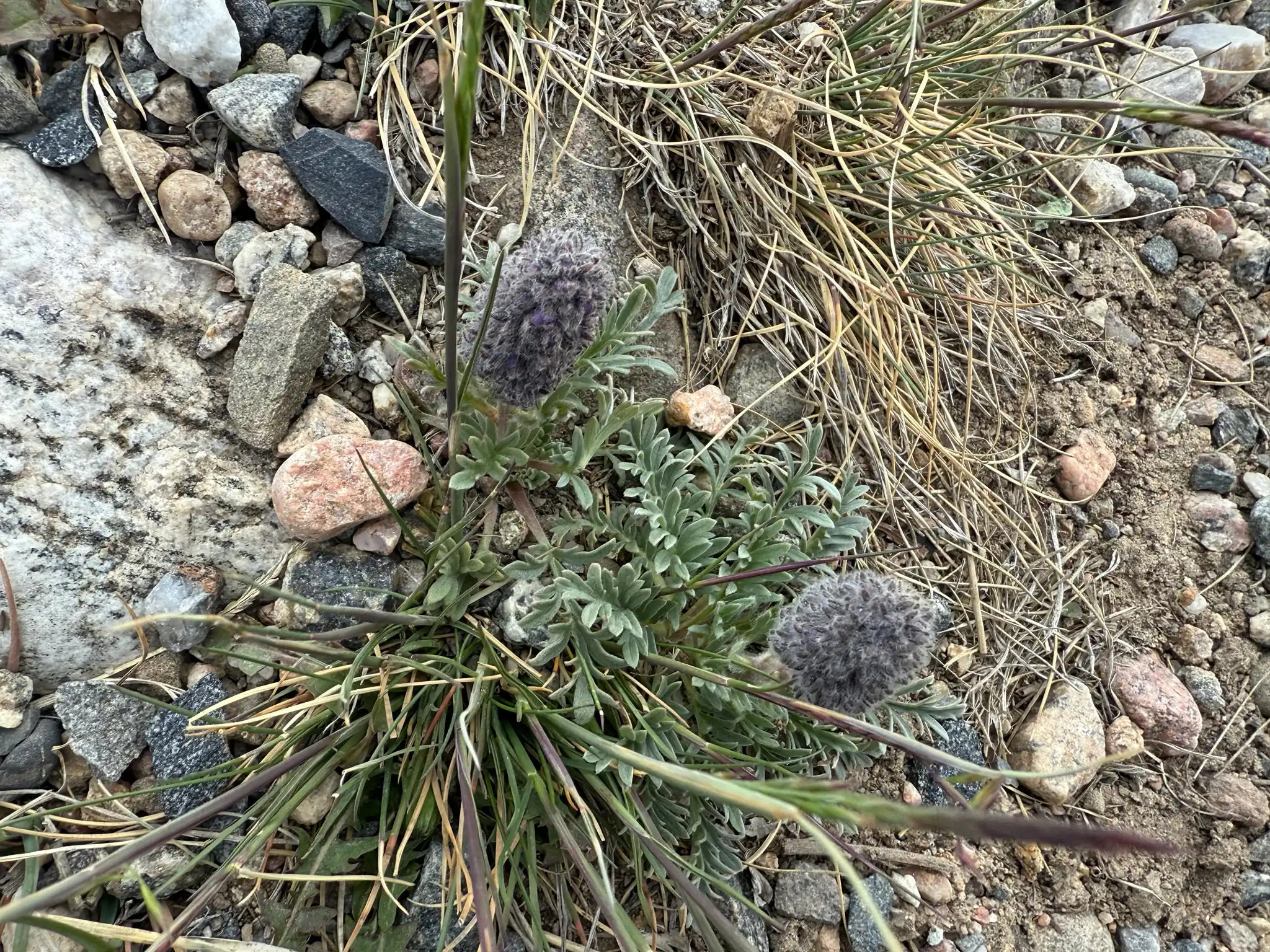
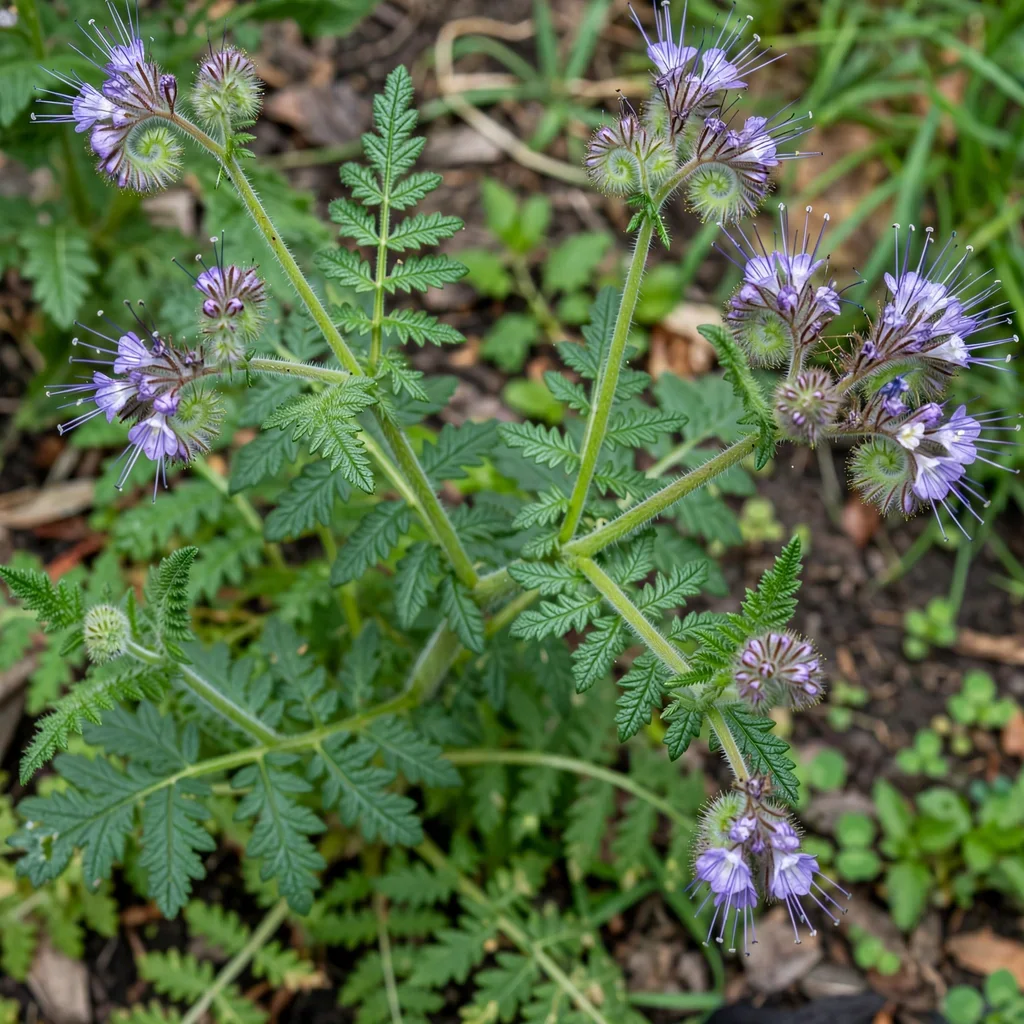
Phacelia sericea is a low-growing, clump-forming herbaceous perennial native to the subalpine and alpine zones of western North America. Rising from a woody, taprooted base, the upright stems bear deeply divided, silvery-green leaves covered in dense, silky hairs.
The dark purple or blue bell-shaped flowers feature prominent, long-protruding stamens with bright yellow anthers, packed into dense, cylindrical, bottlebrush-like clusters. The persistent silvery foliage retains its metallic sheen throughout the growing season, providing stark contrast against rocky substrates.
Uses & Benefits:
Essentials
At a Glance
Plant Type
Perennial
Height
16"
Width
12"
Light
Full Sun
Zones
4, 5, 6, 7
Water
Low
Humidity
Low
Lifespan
Perennial
Native To
North America
Toxicity
Skin Irritant
Bloom period
Late spring – Summer
In flower about 4 months of the year
Planting
How to Grow
- Select a site in full sun with exceptional drainage, such as a rock garden, scree bed, or gravel-filled crevice.
- Excavate a planting hole and backfill with a lean, mineral-rich mixture of gravel, sand, and minimal grit, avoiding organic compost or rich loam.
- Position the plant so the crown sits slightly elevated above the surrounding soil level to prevent water accumulation.
- Water sparingly during the establishment phase, then withhold supplemental irrigation entirely once the taproot is established.
Pro Tip
Plant in pure gravel, talus, or scree with sharp vertical drainage to prevent water from pooling around the woody crown, as any moisture retention in rich loam will rapidly trigger fatal rot.
Keep It Thriving
Care Guide
Do
- Grow in lean, nutrient-poor mineral soils with excellent drainage.
- Provide full sun exposure to maintain the compact, silvery growth habit.
- Wear gloves when handling the foliage to avoid potential skin irritation from glandular hairs.
Don't
- Do not apply fertilizers, which cause weak, floppy growth and shorten the plant's lifespan.
- Do not plant in heavy clay or moisture-retentive soils that trigger crown rot.
- Do not overwater or irrigate during the humid summer months.
Seasonal Care Calendar
| Task | Jan | Feb | Mar | Apr | May | Jun | Jul | Aug | Sep | Oct | Nov | Dec |
|---|---|---|---|---|---|---|---|---|---|---|---|---|
| Deadhead | ||||||||||||
| Plant | ||||||||||||
| Propagate | ||||||||||||
| Winter Prep |
Watch Out For
Pests & Diseases
Common Pests
Common Diseases
In the Garden
Landscape Uses & Companions
Landscape Uses
Companion Plants
Multiply
Propagation Methods
Good to Know
Common Questions
Silky Phacelia questions
What zones can Silky Phacelia grow in?
Silky Phacelia is hardy in USDA Zones 4–7. Inside that range it survives winter in the ground; outside it, grow it as an annual or a container plant you protect.
Is Silky Phacelia deer resistant?
Not reliably. Deer may browse Silky Phacelia, especially tender spring growth — plan on repellents or fencing where pressure is high.
When does Silky Phacelia bloom?
Silky Phacelia typically blooms in late spring through summer. Exact timing shifts a week or two with your zone — Sow's bloom calendar maps it to your garden.
Does Silky Phacelia need full sun?
Silky Phacelia does best in full sun (6+ hours).
Is Silky Phacelia drought tolerant?
Yes — once established (usually after the first full season), Silky Phacelia handles dry spells with minimal watering. Water deeply its first year to build the root system that makes that possible.
More Phacelia to compare
Keep exploring
Explore the genus
Hardy in your zone?
Grow Silky Phacelia with confidence
See it in a design of your actual yard, get zone-matched care reminders, and track it season by season in your garden journal.