The Story
Plant Bio
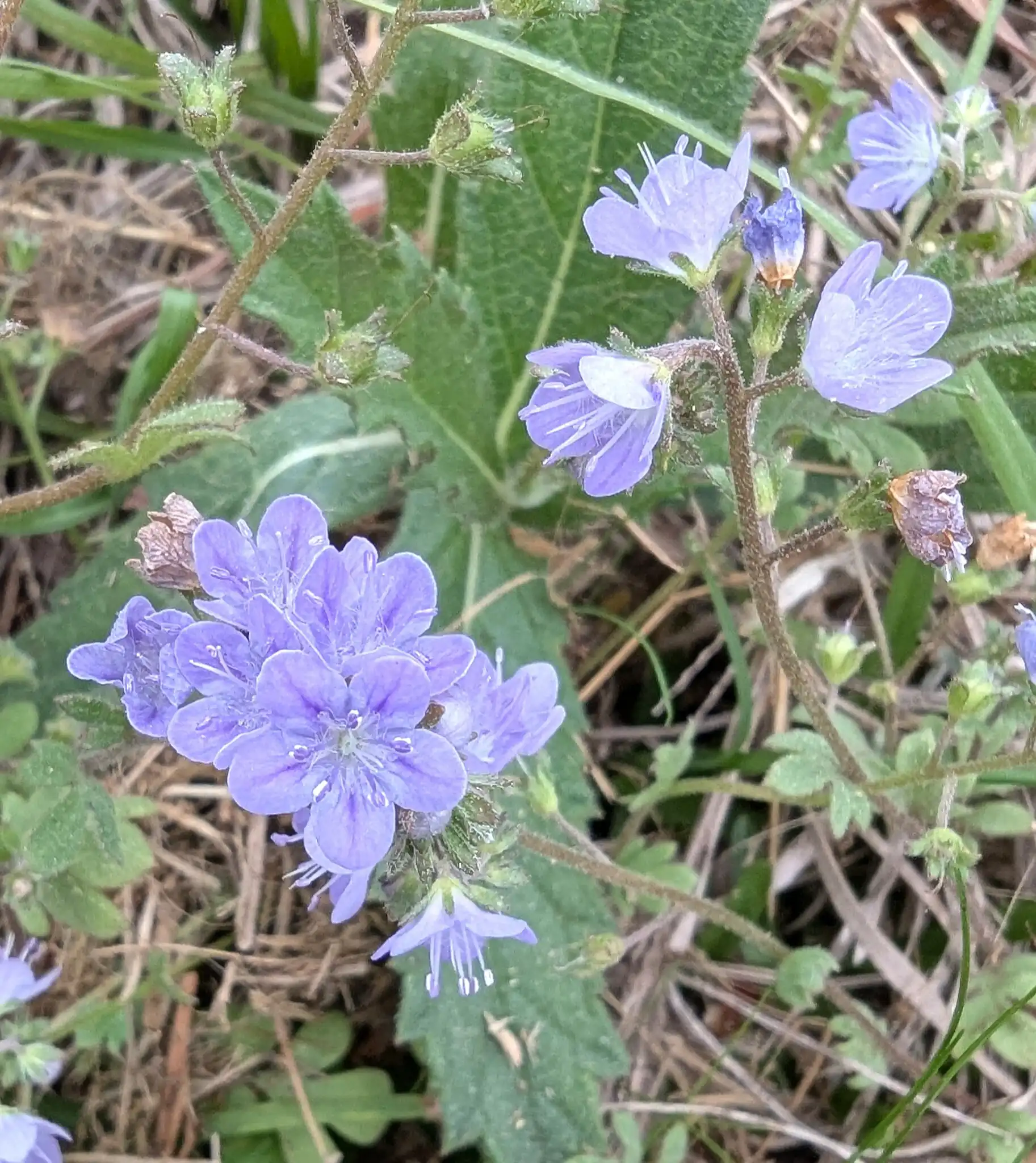
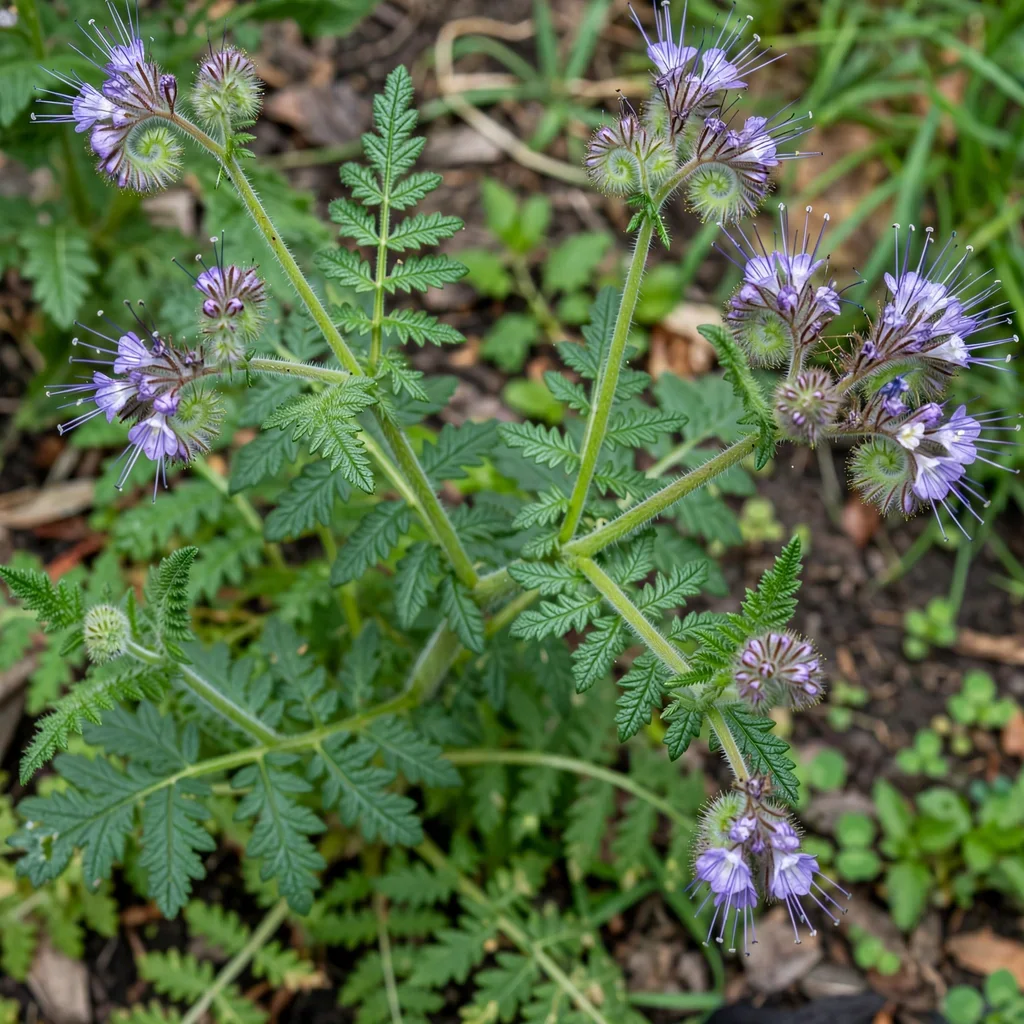
Phacelia dubia, commonly known as smallflower phacelia, is a delicate winter annual native to the eastern and southeastern United States, where it inhabits rocky woodlands, glades, and sandy floodplains. The species forms low, sprawling patches of slender stems and finely textured foliage that overwinters as a flat rosette before blooming in spring.
This species is distinguished by its terminal, coiled clusters of pale lavender to light blue flowers that unfurl sequentially as they mature. The small, five-petaled blossoms provide an important early-season food source for native bees and other beneficial insects in naturalized plantings.
Uses & Benefits:
Essentials
At a Glance
Plant Type
Annual
Height
15"
Width
10"
Light
Full Sun, Partial Sun
Zones
5, 6, 7, 8
Water
Low to medium
Humidity
Moderate
Lifespan
Annual
Native To
North America
Toxicity
Skin irritant
Bloom period
Spring – Early summer
In flower about 4 months of the year
Planting
How to Grow
- Select a site with rocky, sandy, or shallow soil that drains rapidly and receives full sun to partial shade.
- Sow seeds directly onto the soil surface in autumn, pressing them lightly into the ground without burying them, as they require light to germinate.
- Keep the soil moist but never waterlogged through the winter as the seedlings form flat, overwintering rosettes.
- Allow the plants to flower, set seed, and die back naturally in early summer to establish a self-sustaining seed bank for the following year.
Pro Tip
Avoid adding fertilizer or organic soil amendments, as rich soils trigger weak, leggy stems that collapse under their own weight.
Keep It Thriving
Care Guide
Do
- Sow seeds in autumn to allow natural winter cold stratification.
- Ensure the planting site has sharp drainage to prevent winter root rot.
- Leave spent plants in place until they dry and drop their seeds.
Don't
- Do not fertilize, which causes excessive, weak vegetative growth.
- Do not plant in heavy, poorly drained clay soils.
- Do not prune or deadhead, as this prevents the plant from self-sowing.
Seasonal Care Calendar
| Task | Jan | Feb | Mar | Apr | May | Jun | Jul | Aug | Sep | Oct | Nov | Dec |
|---|---|---|---|---|---|---|---|---|---|---|---|---|
| Pest Check | ||||||||||||
| Plant | ||||||||||||
| Propagate | ||||||||||||
| Spring Cleanup |
Watch Out For
Pests & Diseases
Common Pests
Common Diseases
In the Garden
Landscape Uses & Companions
Landscape Uses
Multiply
Propagation Methods
Good to Know
Common Questions
Smallflower Phacelia questions
What zones can Smallflower Phacelia grow in?
Smallflower Phacelia is hardy in USDA Zones 5–8. Inside that range it survives winter in the ground; outside it, grow it as an annual or a container plant you protect.
Is Smallflower Phacelia deer resistant?
Not reliably. Deer may browse Smallflower Phacelia, especially tender spring growth — plan on repellents or fencing where pressure is high.
When does Smallflower Phacelia bloom?
Smallflower Phacelia typically blooms in spring through early summer. Exact timing shifts a week or two with your zone — Sow's bloom calendar maps it to your garden.
Does Smallflower Phacelia need full sun?
Smallflower Phacelia does best in full sun to part shade. In hot climates, afternoon shade keeps blooms fresher longer.
Is Smallflower Phacelia drought tolerant?
Yes — once established (usually after the first full season), Smallflower Phacelia handles dry spells with minimal watering. Water deeply its first year to build the root system that makes that possible.
More Phacelia to compare
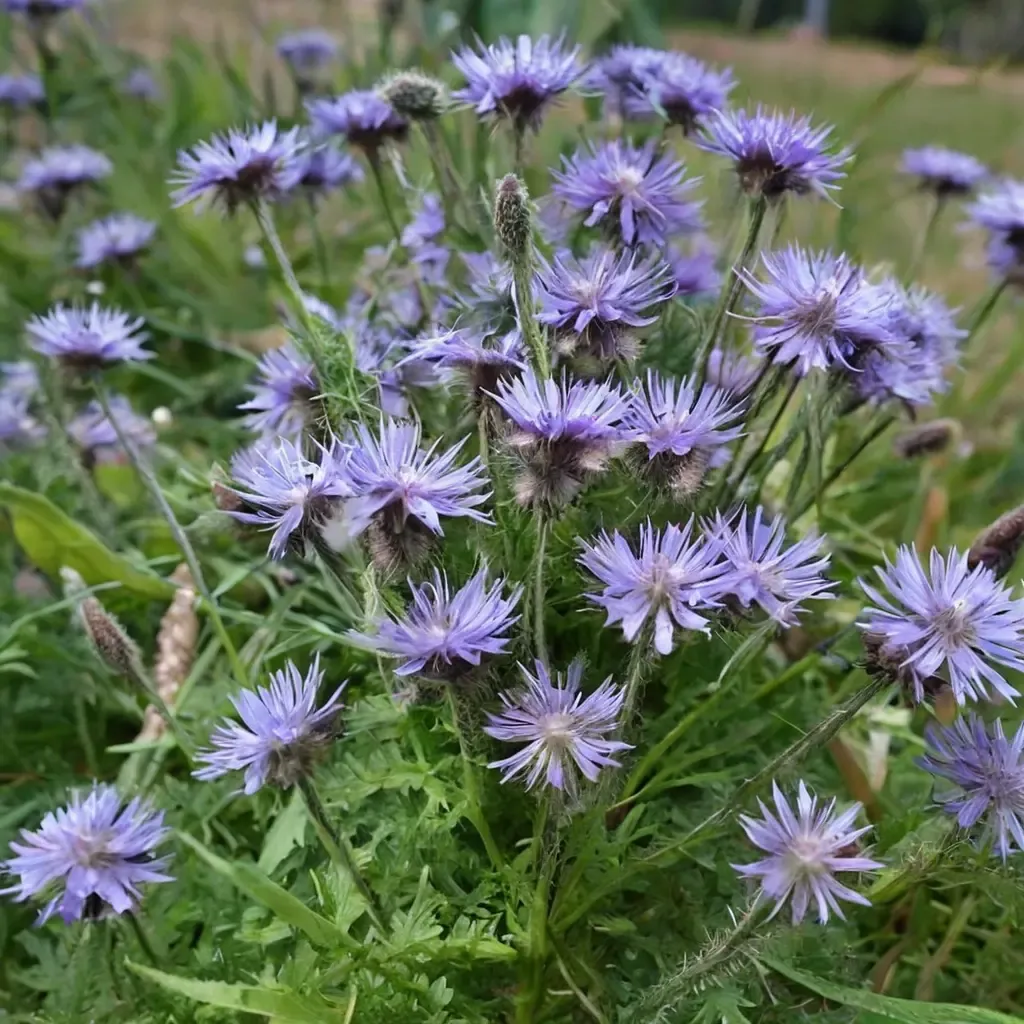
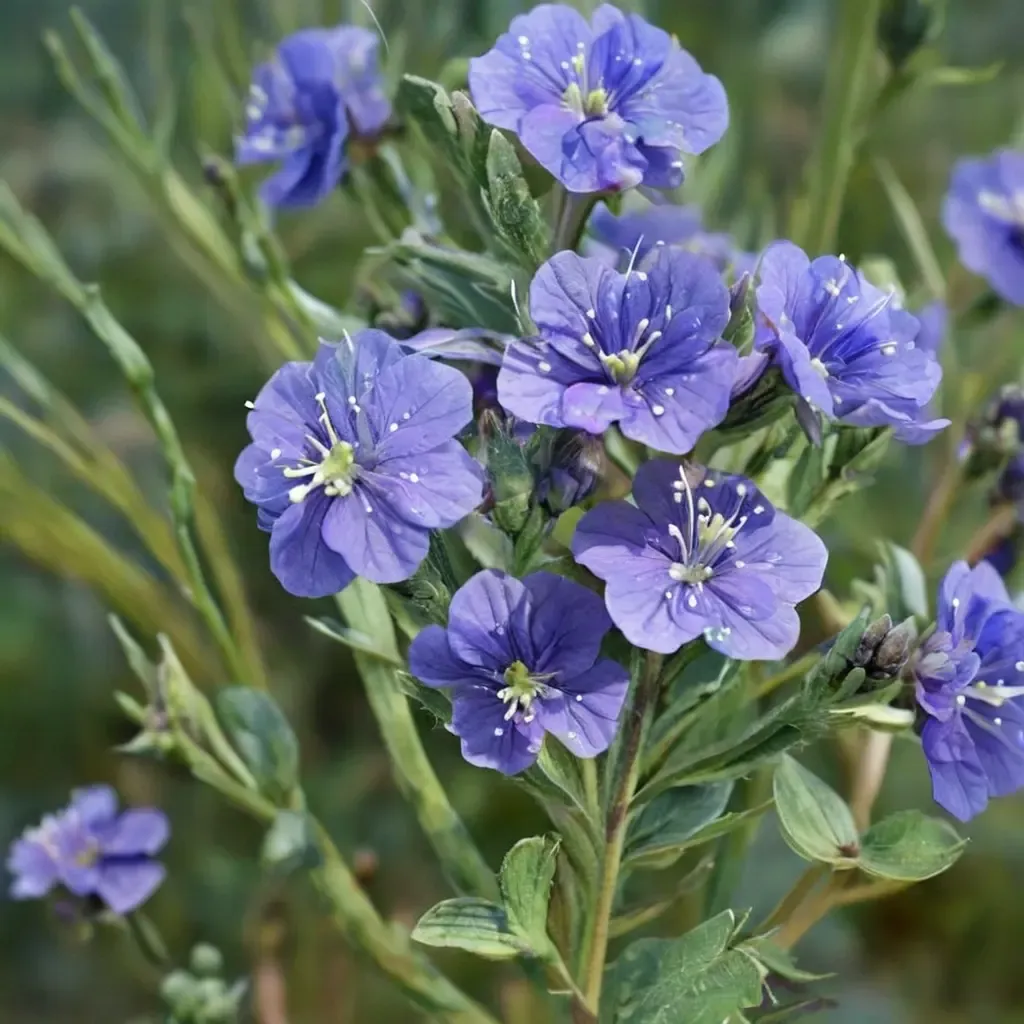
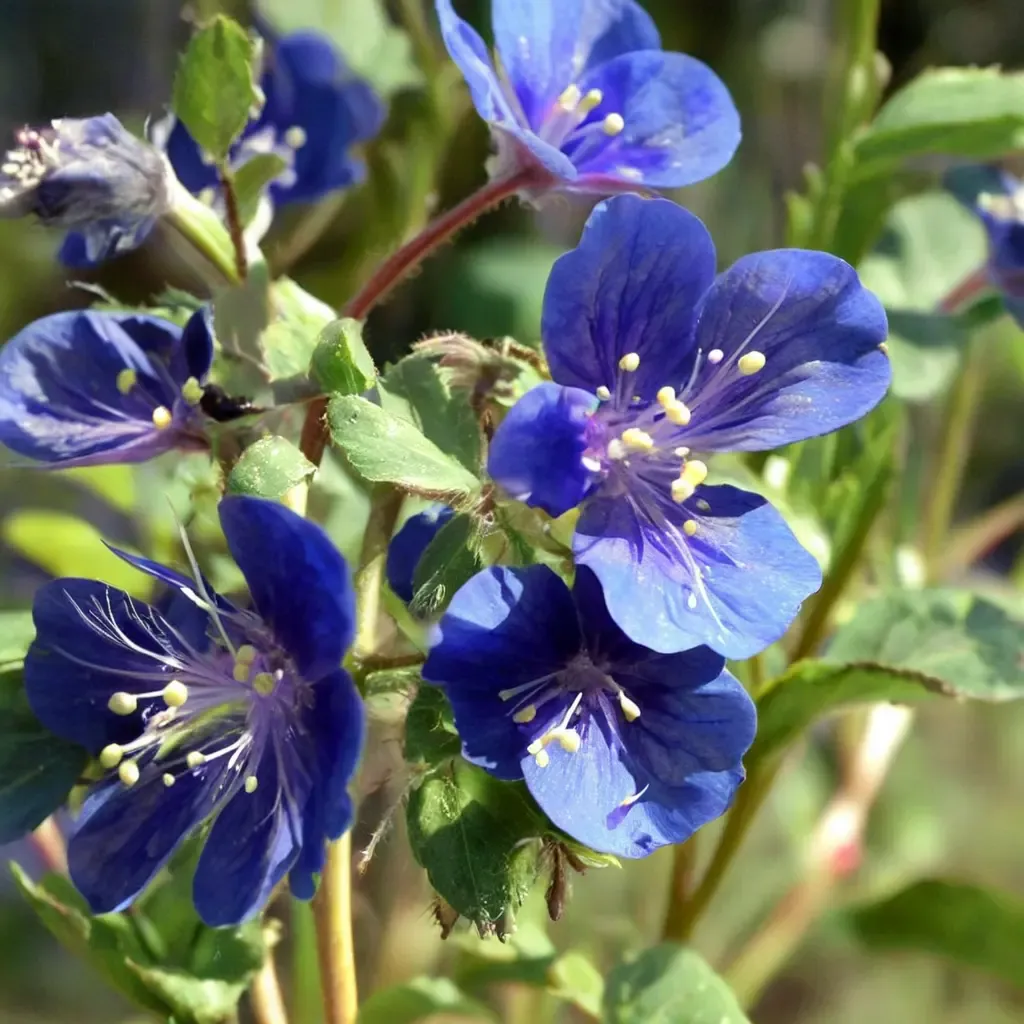
Keep exploring
Explore the genus
Hardy in your zone?
Grow Smallflower Phacelia with confidence
See it in a design of your actual yard, get zone-matched care reminders, and track it season by season in your garden journal.