The Story
Plant Bio
Crinum x goweni is a large bulbous perennial, a hybrid of Crinum bulbispermum and C. zeylanicum, making an arching clump of strap-shaped leaves about three feet across. Stout stems carry eleven to thirteen trumpet flowers in July and August, white with pink central stripes that fade as they age, with strongly recurved tips and a sweet scent.
Crinum bulbs are long-lived and resent disturbance, so this is a plant to site once and leave for decades; clumps improve as they age. All parts contain lycorine and related alkaloids and are toxic if eaten, so keep the bulbs away from children and pets. It is hardy to about 25F and holds through zone 7 winters.
Uses & Benefits:
Essentials
At a Glance
Plant Type
Bulb Corm Tuber
Height
42"
Width
36"
Light
Full Sun, Partial Sun
Zones
7, 8, 9, 10
Water
Medium
Humidity
Average
Lifespan
Perennial
Native To
Garden hybrid
Toxicity
Toxic if ingested; bulbs contain lycorine
Planting
How to Grow
- Plant in sun to partial sun in spring.
- Set the bulb with its neck at or just above soil level.
- Give each bulb three feet of space to fill.
- Keep the soil moist; it tolerates damp ground well.
- Feed with a high-phosphorus feed in mid-May after the first flowering season.
- Mulch the crown where winters drop near 25F.
Pro Tip
Plant it where it can stay for years; Crinum bulbs sulk after being moved and often skip a season or two of flowering.
Keep It Thriving
Care Guide
Do
- Site it once and leave the clump alone 🌿
- Keep the soil reliably moist 💧
- Feed with high phosphorus in mid-May 🌾
- Mulch the crown before a hard winter 🍂
Don't
- Lift and divide an established clump casually ❌
- Plant the bulb too deep ❌
- Let children or pets reach the bulbs ❌
Seasonal Care Calendar
| Task | Jan | Feb | Mar | Apr | May | Jun | Jul | Aug | Sep | Oct | Nov | Dec |
|---|---|---|---|---|---|---|---|---|---|---|---|---|
| Feed | ||||||||||||
| Plant |
Watch Out For
Pests & Diseases
Common Pests
Common Diseases
In the Garden
Landscape Uses & Companions
Landscape Uses
Companion Plants
Multiply
Propagation Methods
Good to Know
Common Questions
Crinum Lily questions
What zones can Crinum Lily grow in?
Crinum Lily is hardy in USDA Zones 7–10. Inside that range it survives winter in the ground; outside it, grow it as an annual or a container plant you protect.
Is Crinum Lily deer resistant?
Not reliably. Deer may browse Crinum Lily, especially tender spring growth — plan on repellents or fencing where pressure is high.
When does Crinum Lily bloom?
Crinum Lily typically blooms in july to august through late fall. Exact timing shifts a week or two with your zone — Sow's bloom calendar maps it to your garden.
Does Crinum Lily need full sun?
Crinum Lily does best in full sun to part shade. In hot climates, afternoon shade keeps blooms fresher longer.
More Crinum to compare
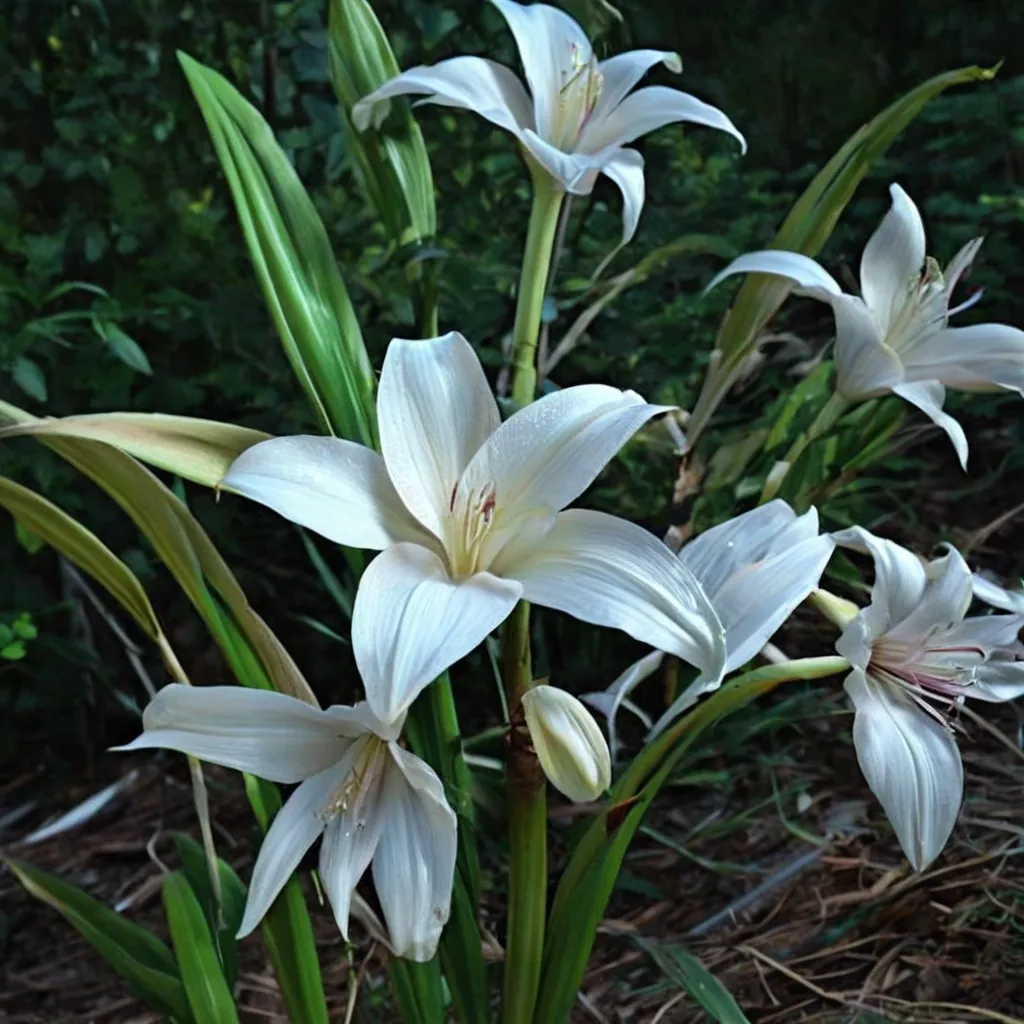
Crinum Lily Ollene
Crinum x hybrida 'Ollene'
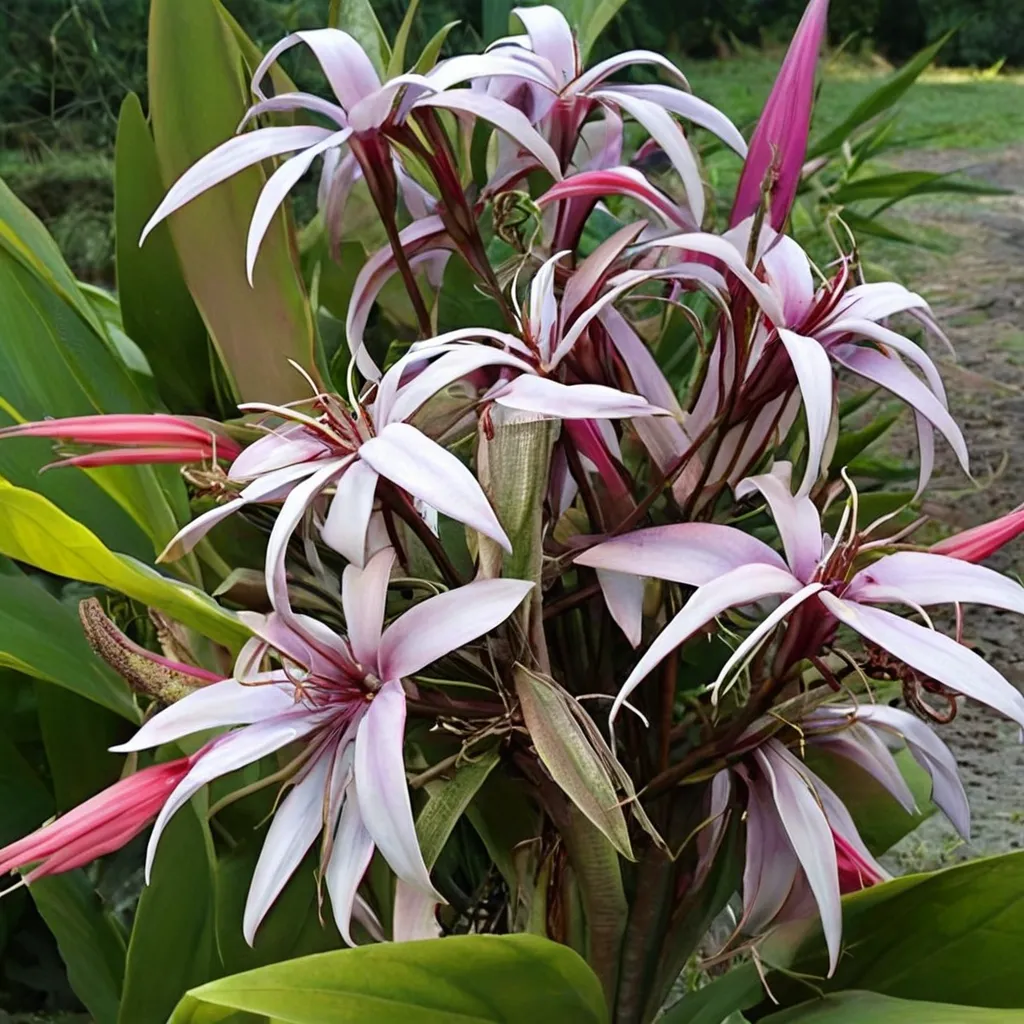
Crinum x augustum Spider Lily
Crinum x augustum
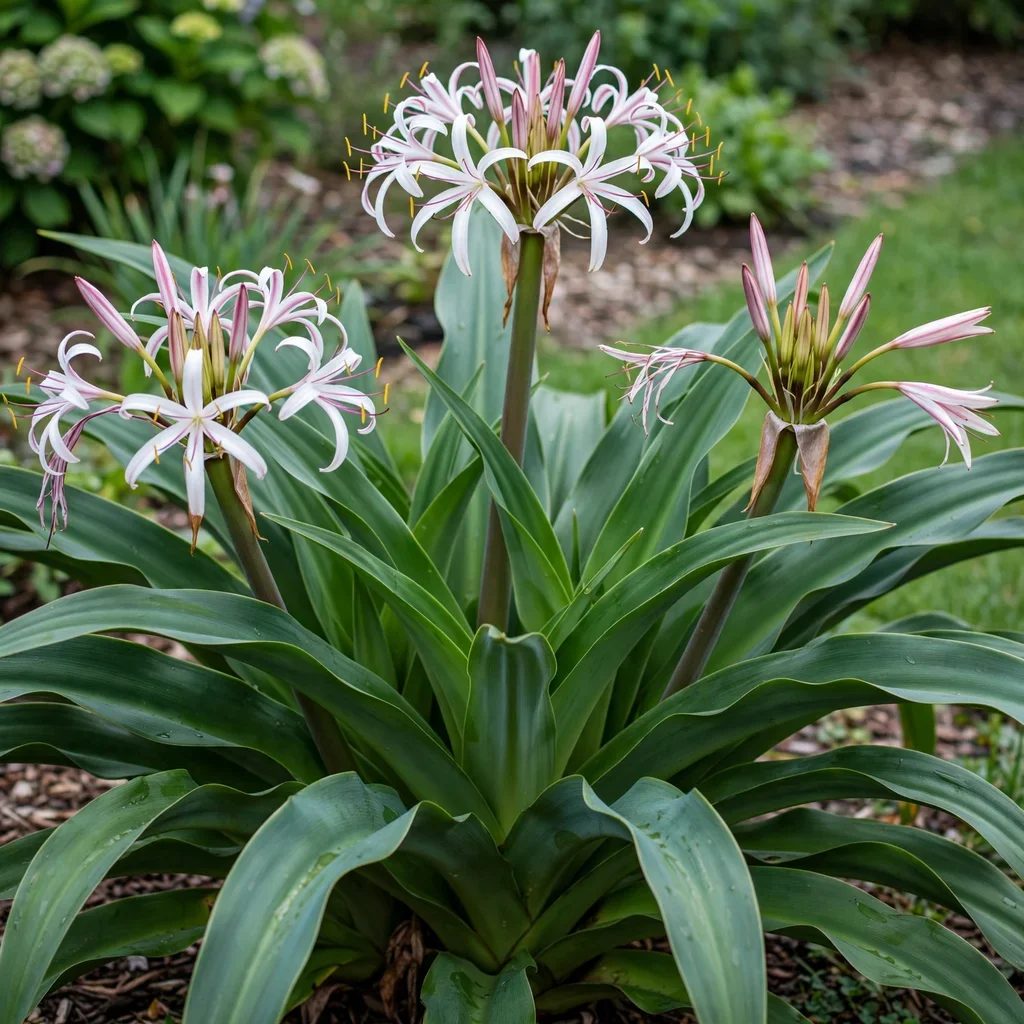
Crinum Lily Mystery
Crinum x hybrida 'Mystery'
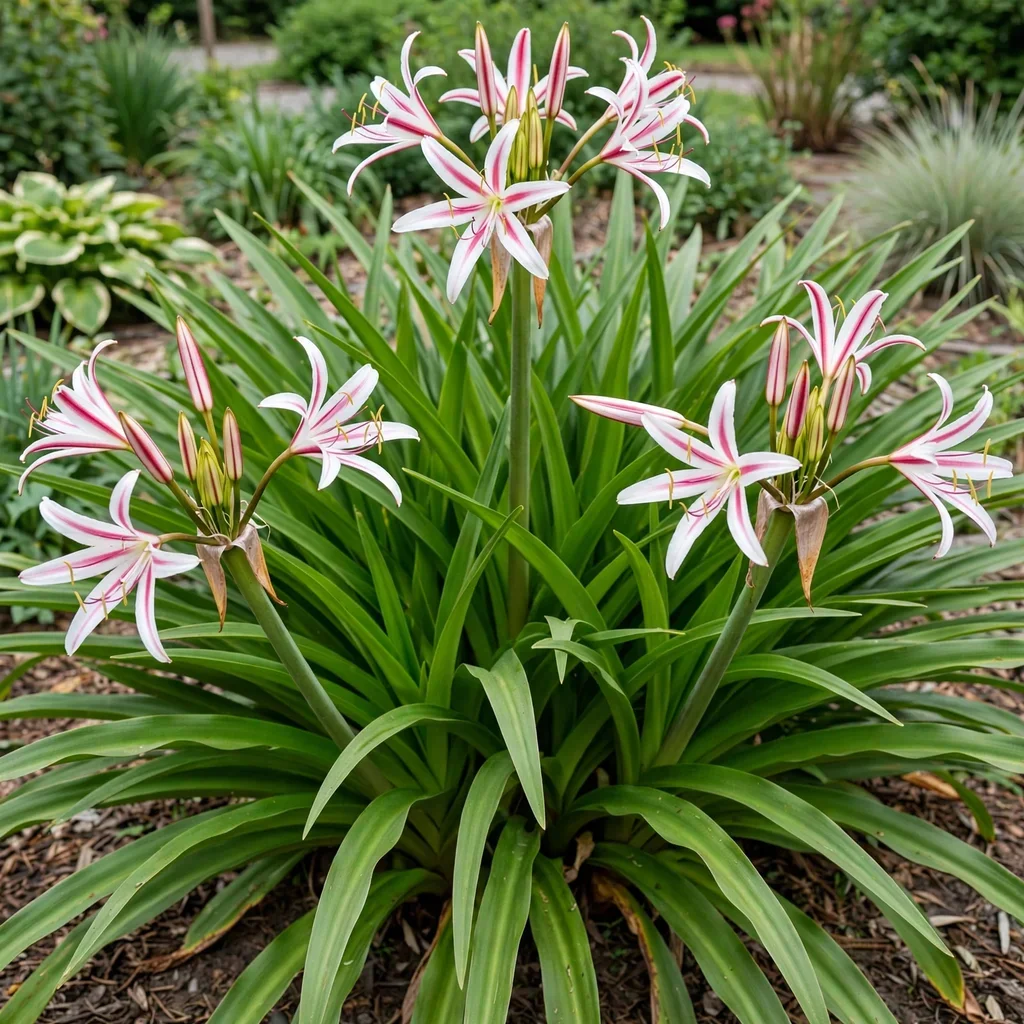
Stars and Stripes Crinum Lily
Crinum x hybrida 'Stars and Stripes'
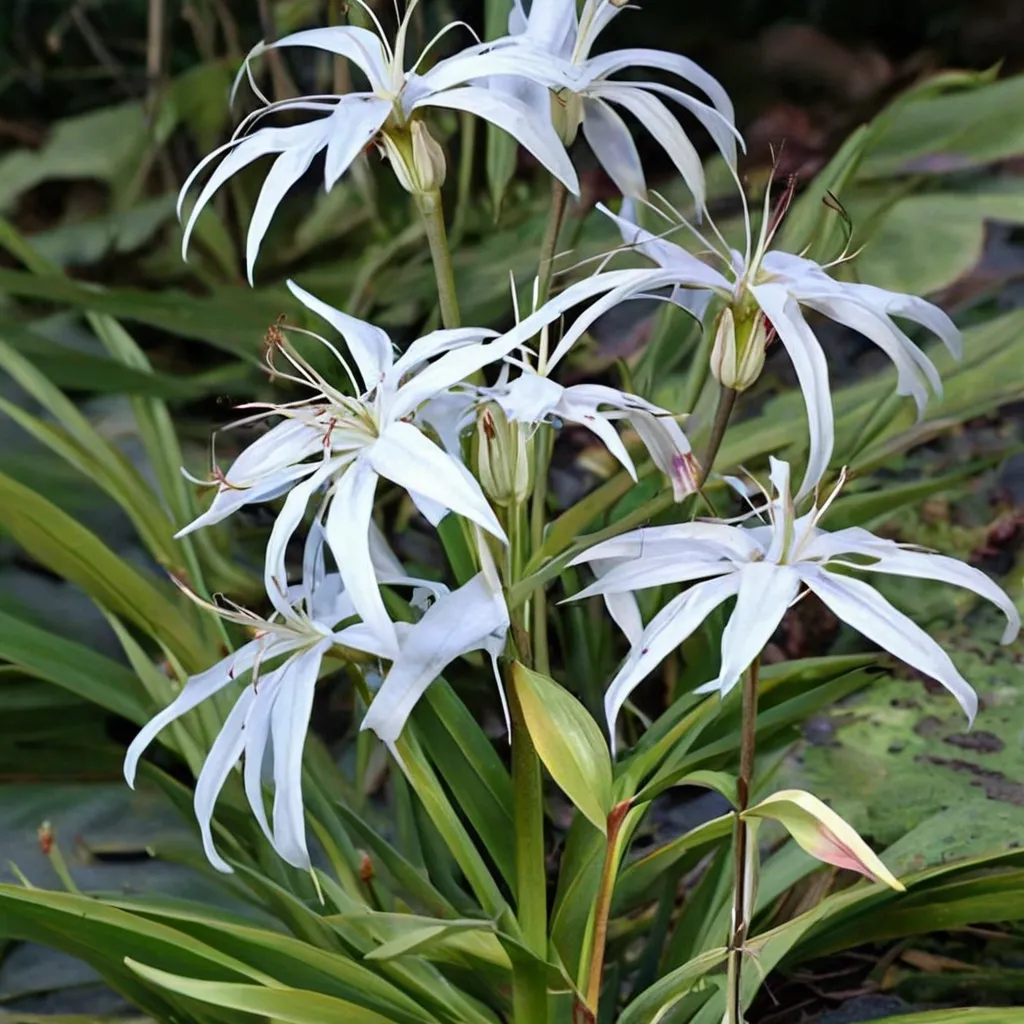
St. Marks Swamp Lily
Crinum americanum 'St Marks'
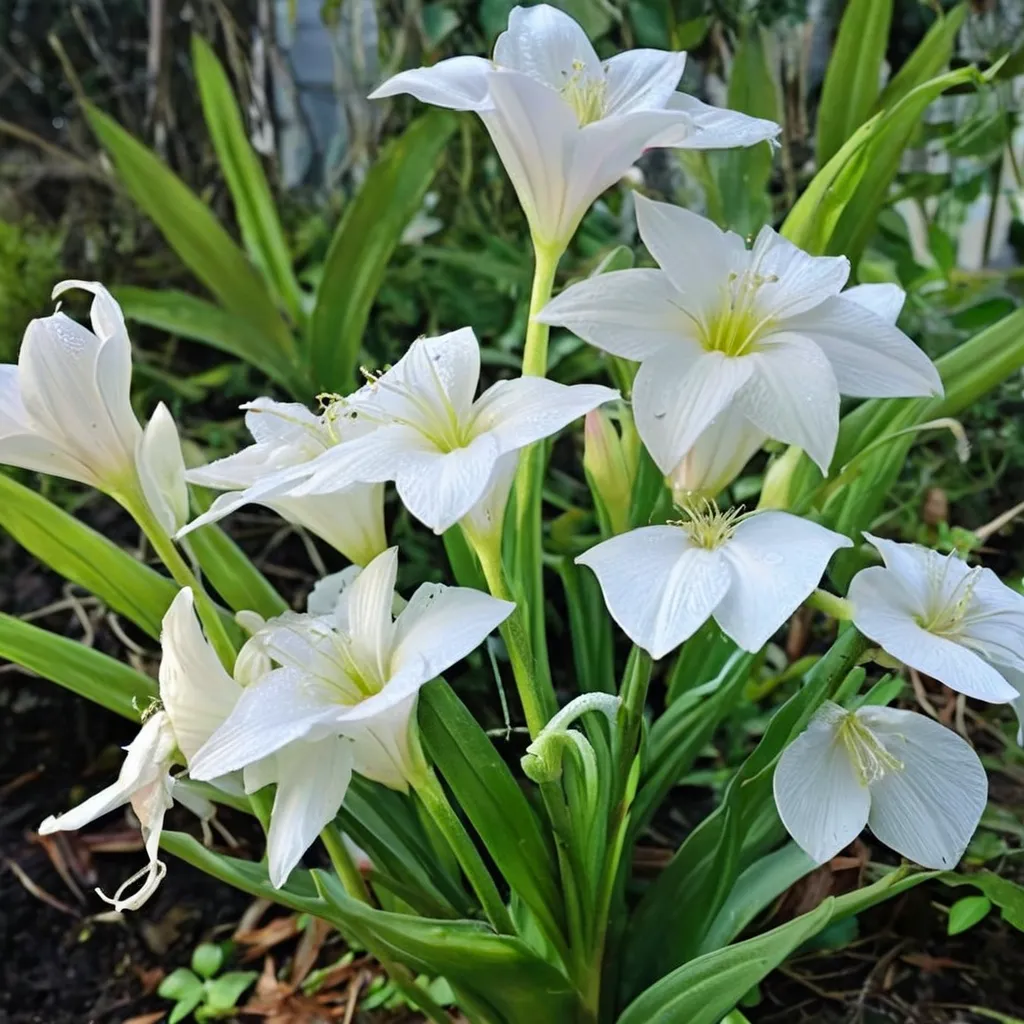
Crinum Moorei Album
Crinum moorei 'Album'
Keep exploring
Explore the genus
Hardy in your zone?
Grow Crinum Lily with confidence
See it in a design of your actual yard, get zone-matched care reminders, and track it season by season in your garden journal.