The Story
Plant Bio
Citrus hystrix is an evergreen shrub or small, thorny tree native to tropical Asia, characterized by its erratic branching and dense, bushy habit. The highly aromatic, dark green leaves feature a distinctive double-lobed structure formed by a heavily winged, hourglass-shaped petiole.
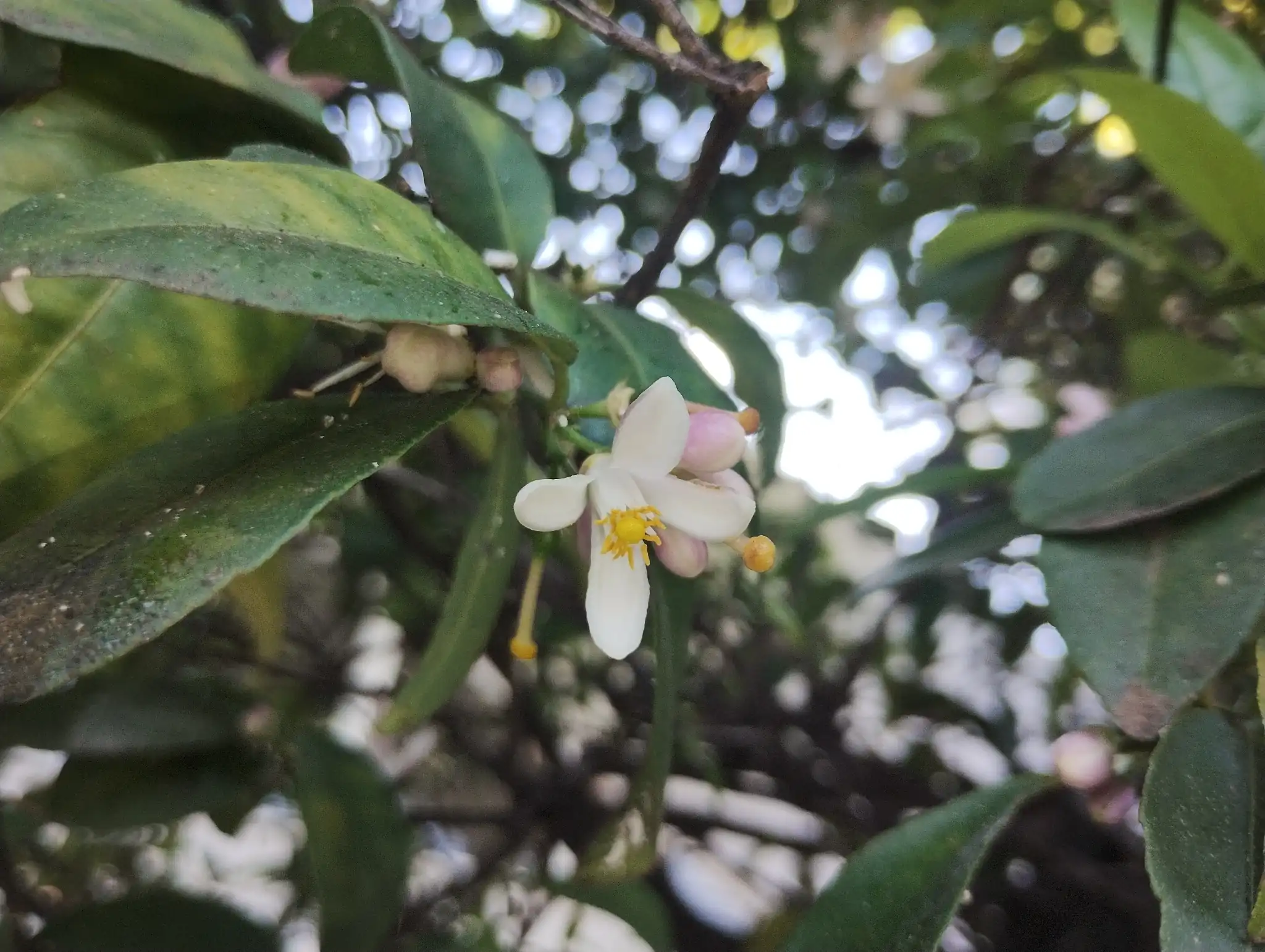
The species produces small, white or purple-tinted flowers in axillary clusters that give way to bumpy, wrinkled green fruits. The foliage and rind contain intense essential oils widely utilized for their distinct citrus fragrance and culinary properties.
Uses & Benefits:
Essentials
At a Glance
Plant Type
Shrub
Height
120"
Width
96"
Light
Full Sun
Zones
9, 10
Water
Medium
Humidity
High
Lifespan
Long-lived
Native To
Tropical Asia
Toxicity
Skin Irritant
Bloom period
Spring – Summer
In flower about 6 months of the year
Planting
How to Grow
- Select a planting site in full sun with rich, sandy loam that drains rapidly.
- Dig a hole twice as wide as the root ball but no deeper, ensuring the graft union remains well above the soil line.
- Water deeply at the base immediately after planting, keeping the soil consistently moist but never waterlogged.
- Apply a balanced, slow-release citrus fertilizer containing micronutrients during the active spring and summer growing seasons.
Pro Tip
Never prune into old, leafless wood, as citrus buds fail to shoot from bare branches; instead, perform light corrective thinning immediately after harvest to maintain shape.
Keep It Thriving
Care Guide
Do
- Grow in containers in USDA zones 8 and colder to allow easy relocation indoors before freezing temperatures occur.
- Water consistently to maintain even moisture, allowing only the top inch of soil to dry out between waterings.
- Provide at least six hours of direct sunlight daily to support flowering and fruit development.
- Use a highly porous potting mix containing perlite or bark when growing in containers to ensure rapid drainage.
Don't
- Do not allow the plant to experience temperatures below 32°F (0°C), which causes immediate foliage and stem damage.
- Do not overwater or let the container sit in standing water, as this triggers fatal Phytophthora root rot.
- Do not shear the plant into a formal hedge, which strips the productive outer canopy and exposes bare wood.
- Do not fertilize during the late fall and winter months when the plant enters semi-dormancy.
Seasonal Care Calendar
| Task | Jan | Feb | Mar | Apr | May | Jun | Jul | Aug | Sep | Oct | Nov | Dec |
|---|---|---|---|---|---|---|---|---|---|---|---|---|
| Fertilize | ||||||||||||
| Harvest | ||||||||||||
| Pest Check | ||||||||||||
| Prune | ||||||||||||
| Winter Prep |
Watch Out For
Pests & Diseases
Common Pests
Common Diseases
In the Garden
Landscape Uses & Companions
Landscape Uses
Companion Plants
Multiply
Propagation Methods
Good to Know
Common Questions
Makrut Lime questions
What zones can Makrut Lime grow in?
Makrut Lime is hardy in USDA Zones 9–10. Inside that range it survives winter in the ground; outside it, grow it as an annual or a container plant you protect.
When does Makrut Lime bloom?
Makrut Lime typically blooms in spring through summer. Exact timing shifts a week or two with your zone — Sow's bloom calendar maps it to your garden.
Does Makrut Lime need full sun?
Makrut Lime does best in full sun (6+ hours).
More Citrus to compare
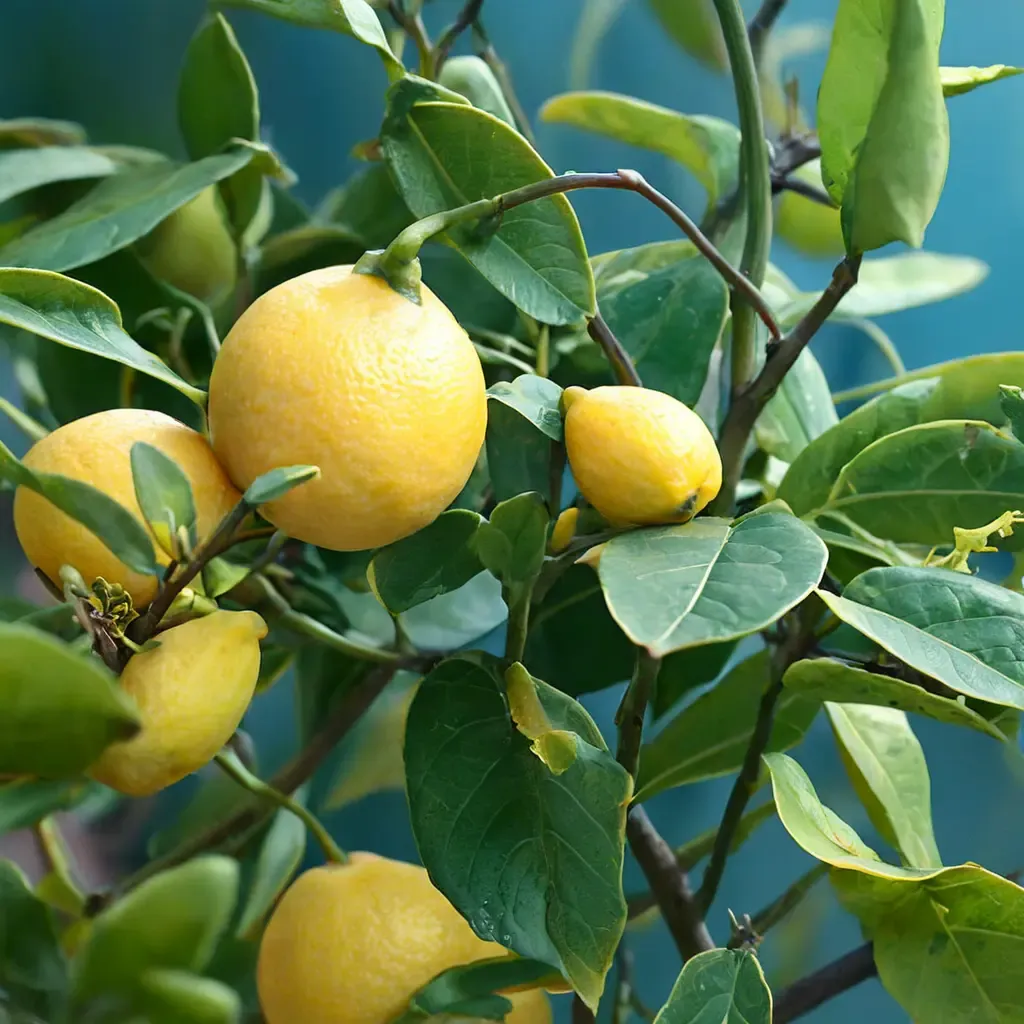
Meyer Lemon
Citrus limon 'Meyer'
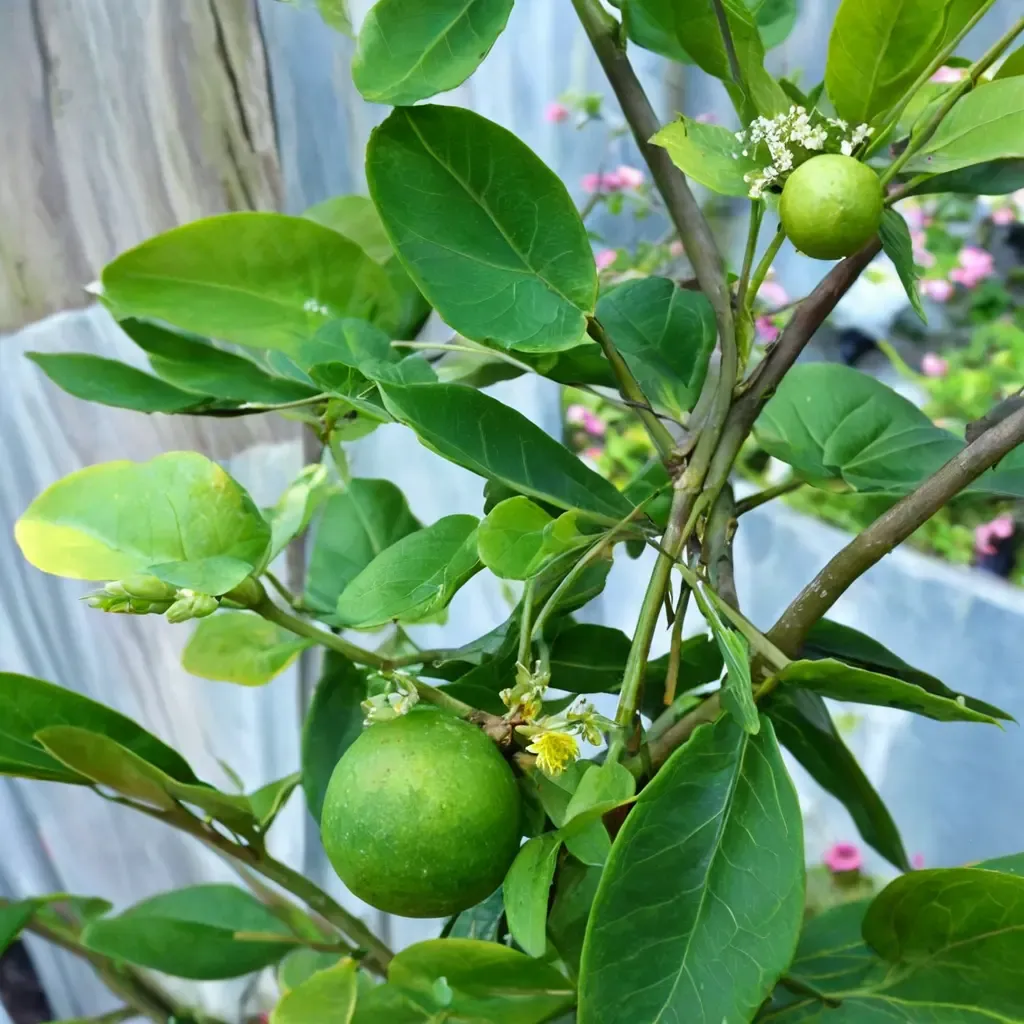
Key Lime
Citrus aurantiifolia
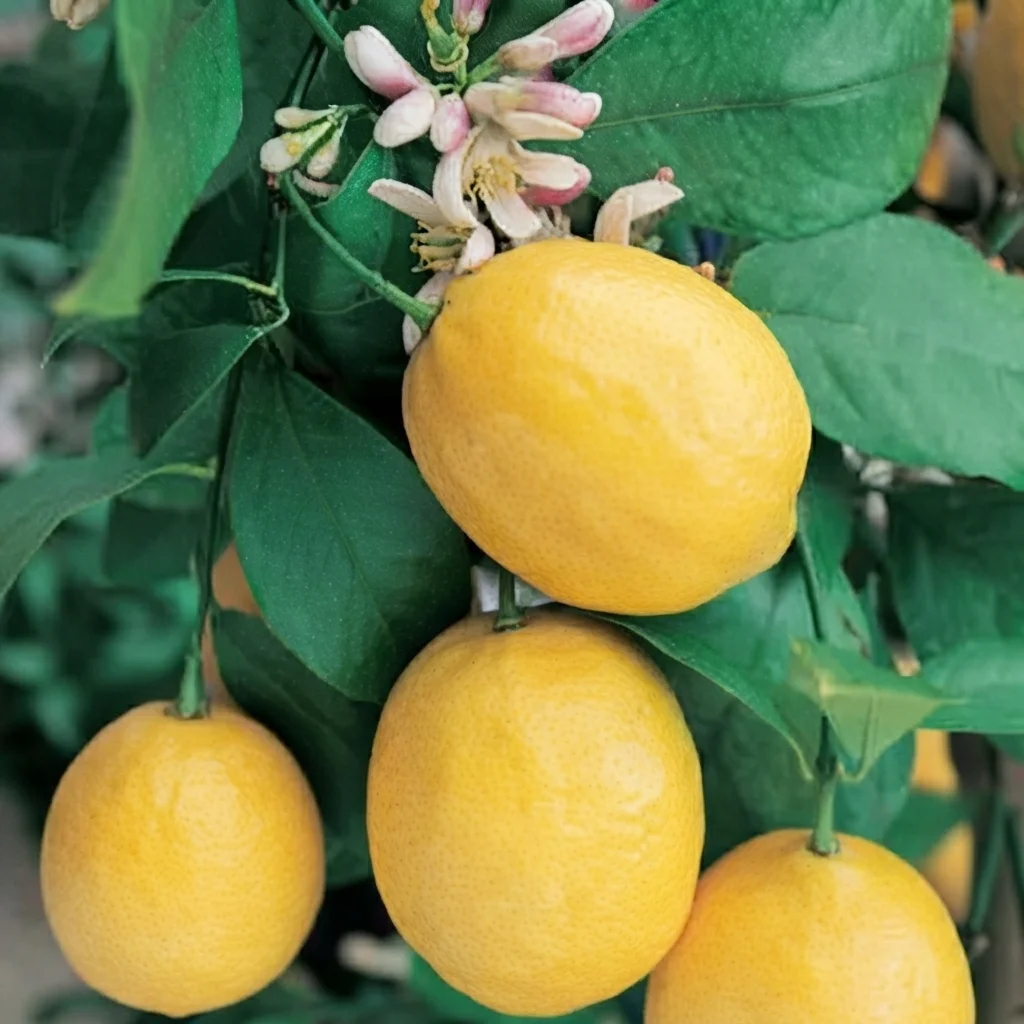
Eureka Lemon
Citrus limon 'Eureka'
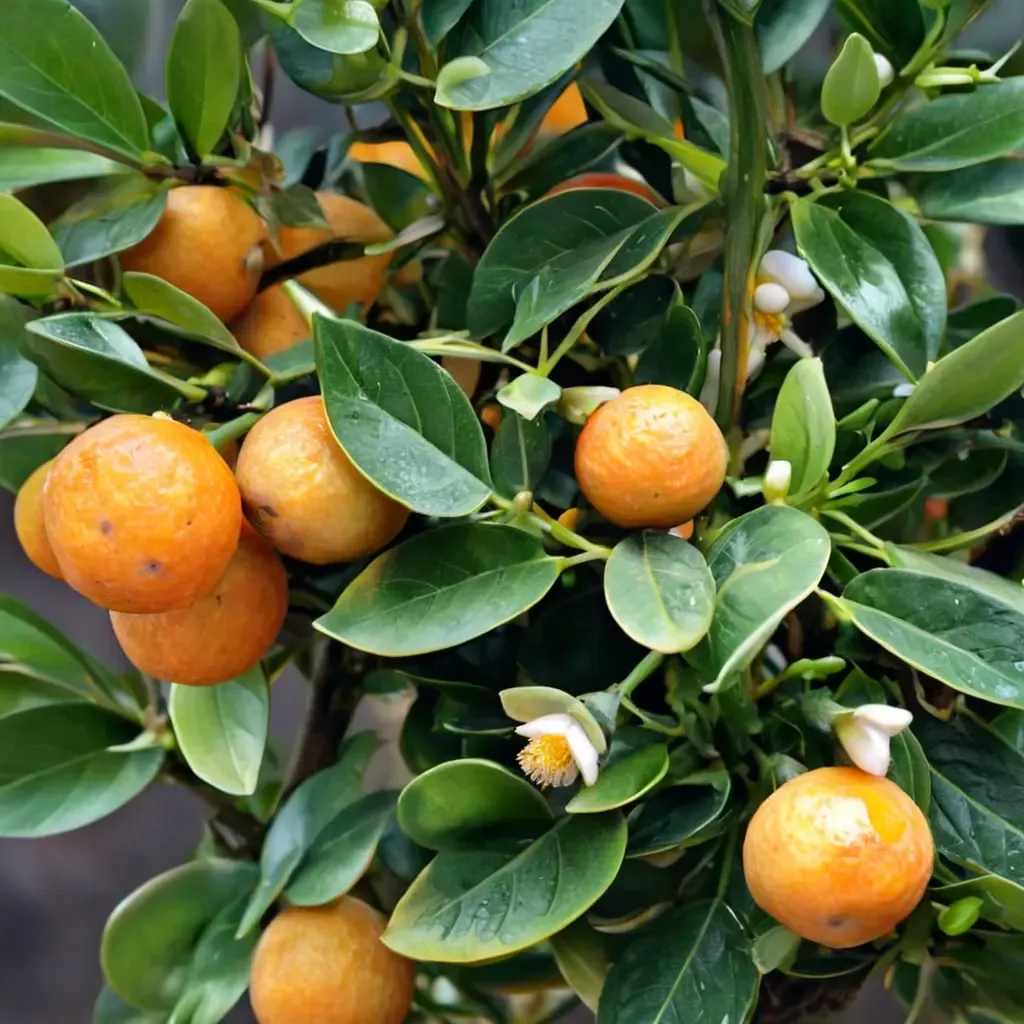
Calamondin
Citrus mitis
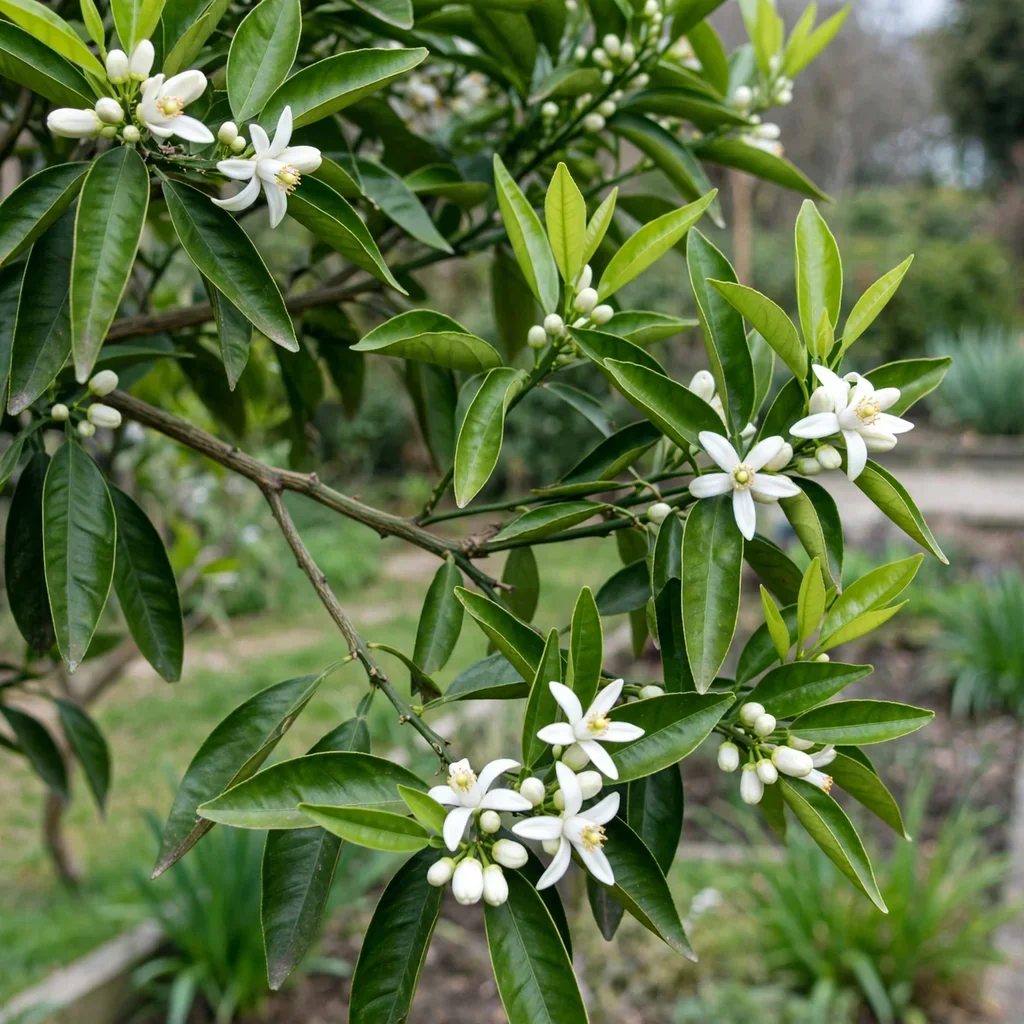
Sanguinello Orange
Citrus reticulata 'Sanguinea'
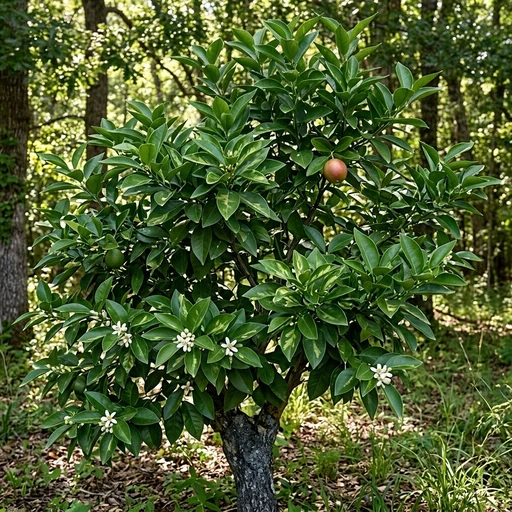
Moro Blood Orange
Citrus sinensis 'Moro'
Keep exploring
Explore the genus
Hardy in your zone?
Grow Makrut Lime with confidence
See it in a design of your actual yard, get zone-matched care reminders, and track it season by season in your garden journal.