146 saves
Citrus
We track 20 varieties; the ones most used by real gardeners.
The 20 most-saved Citrus varieties
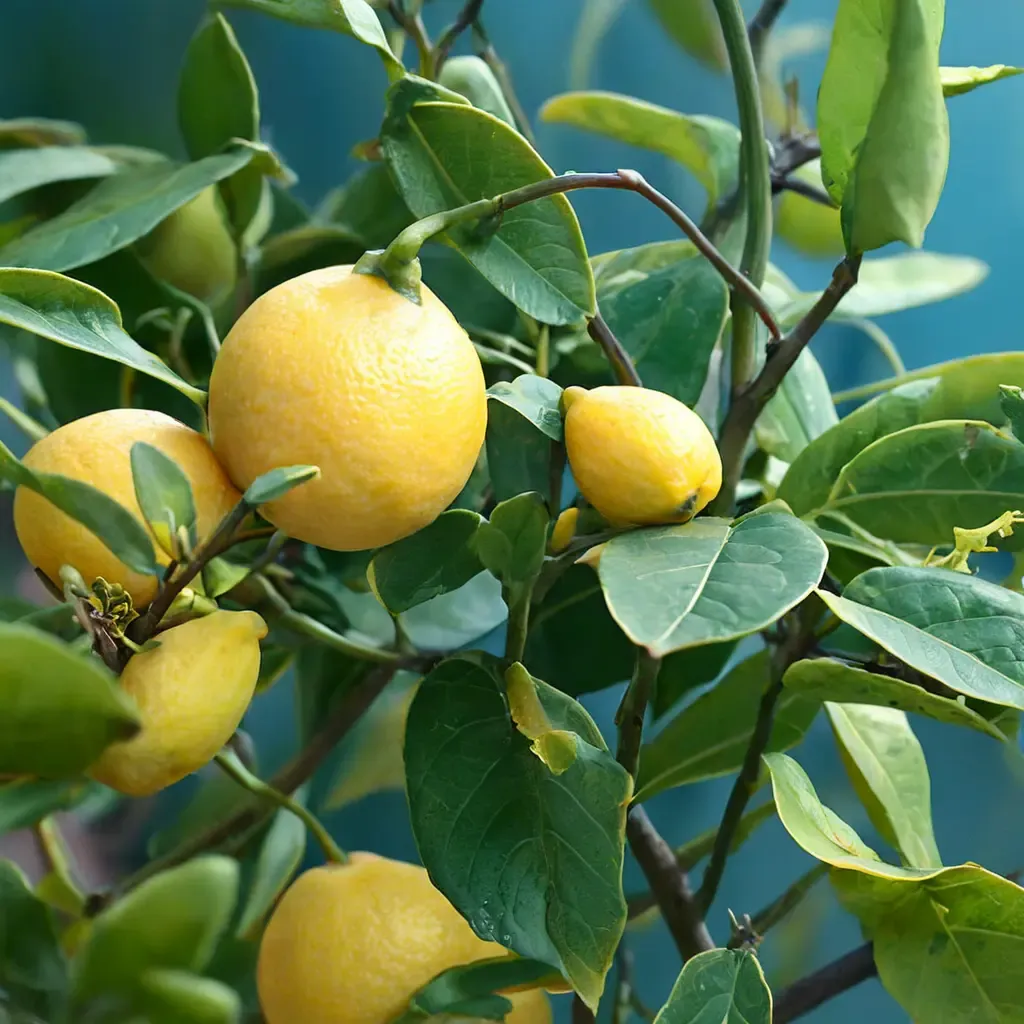
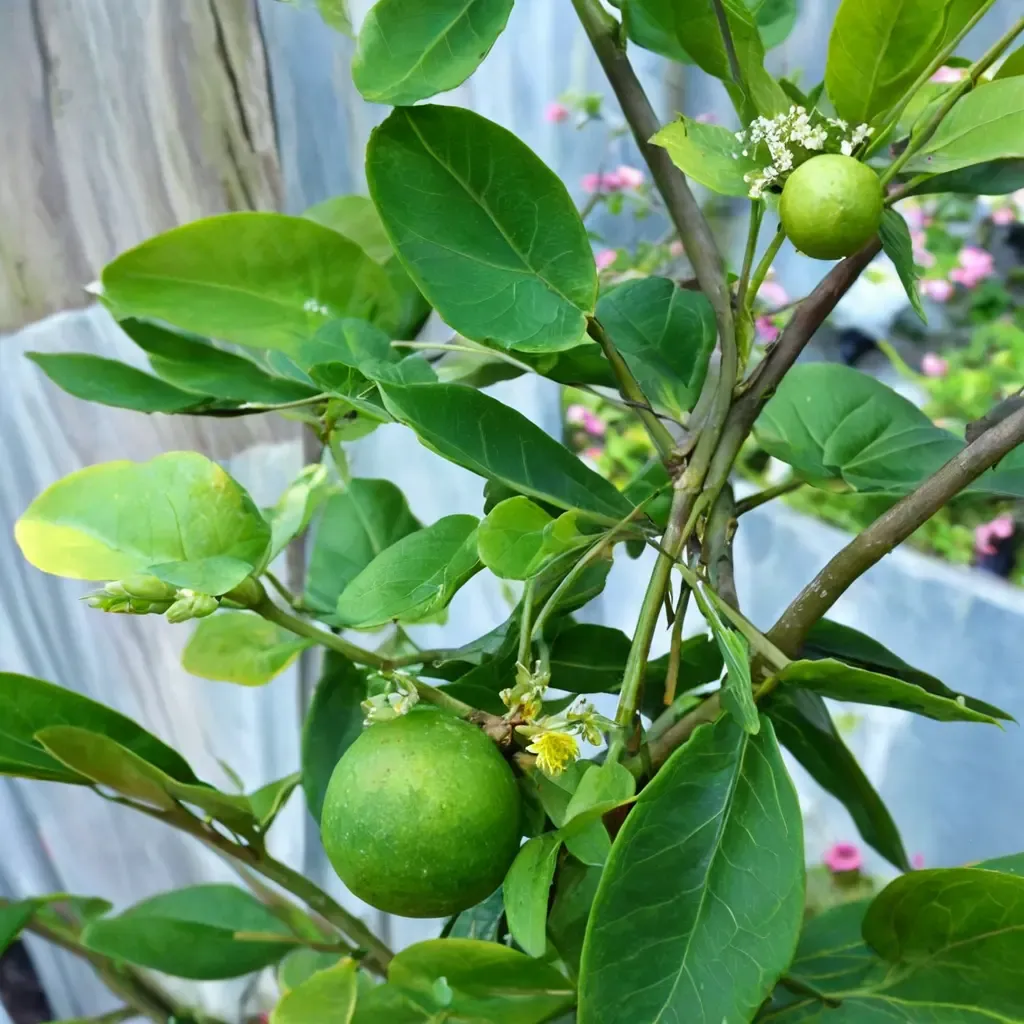
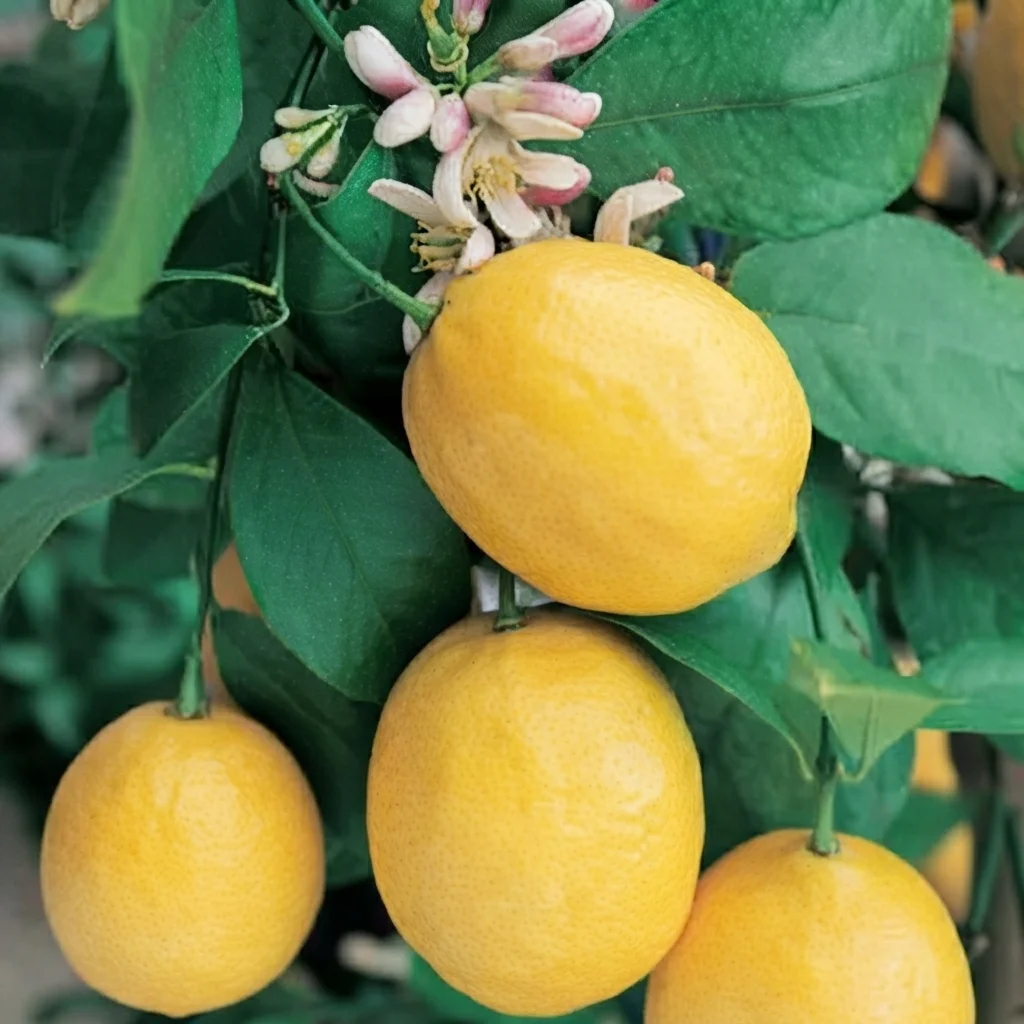
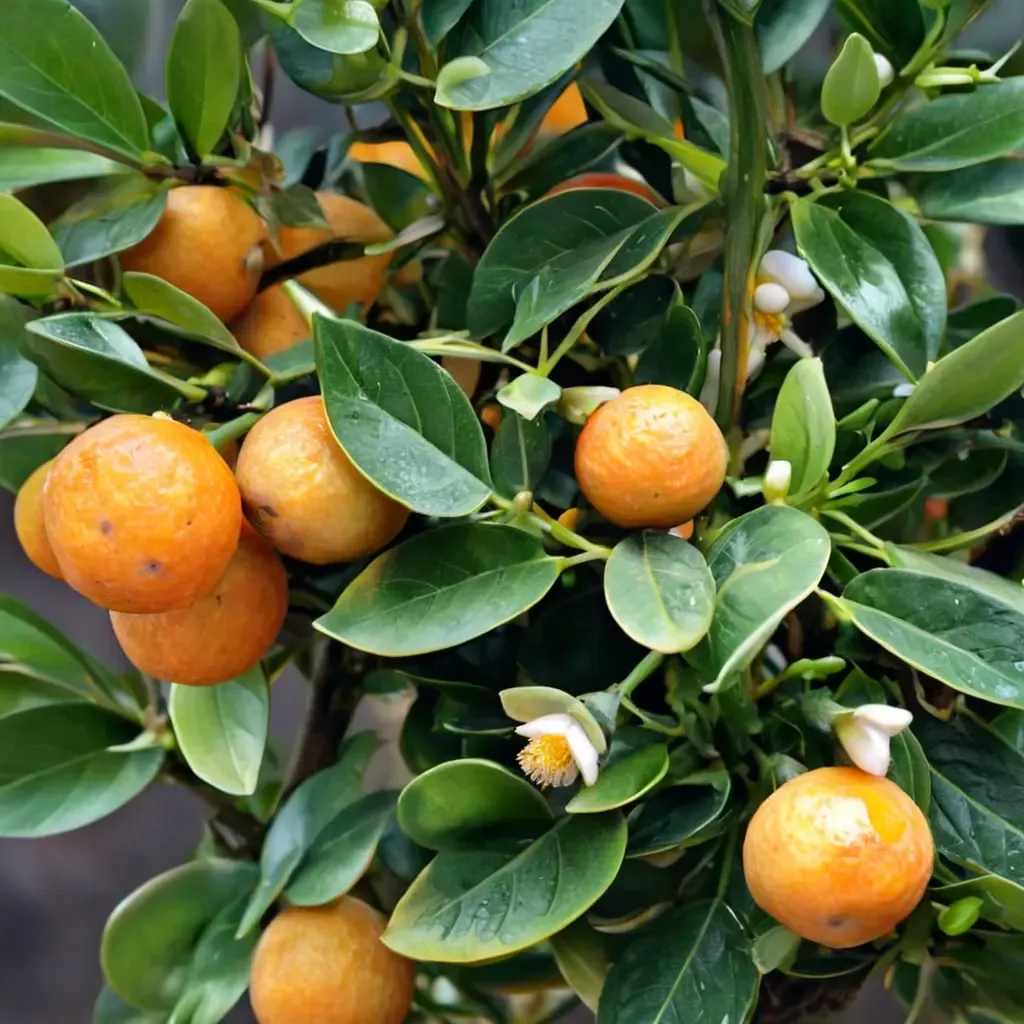
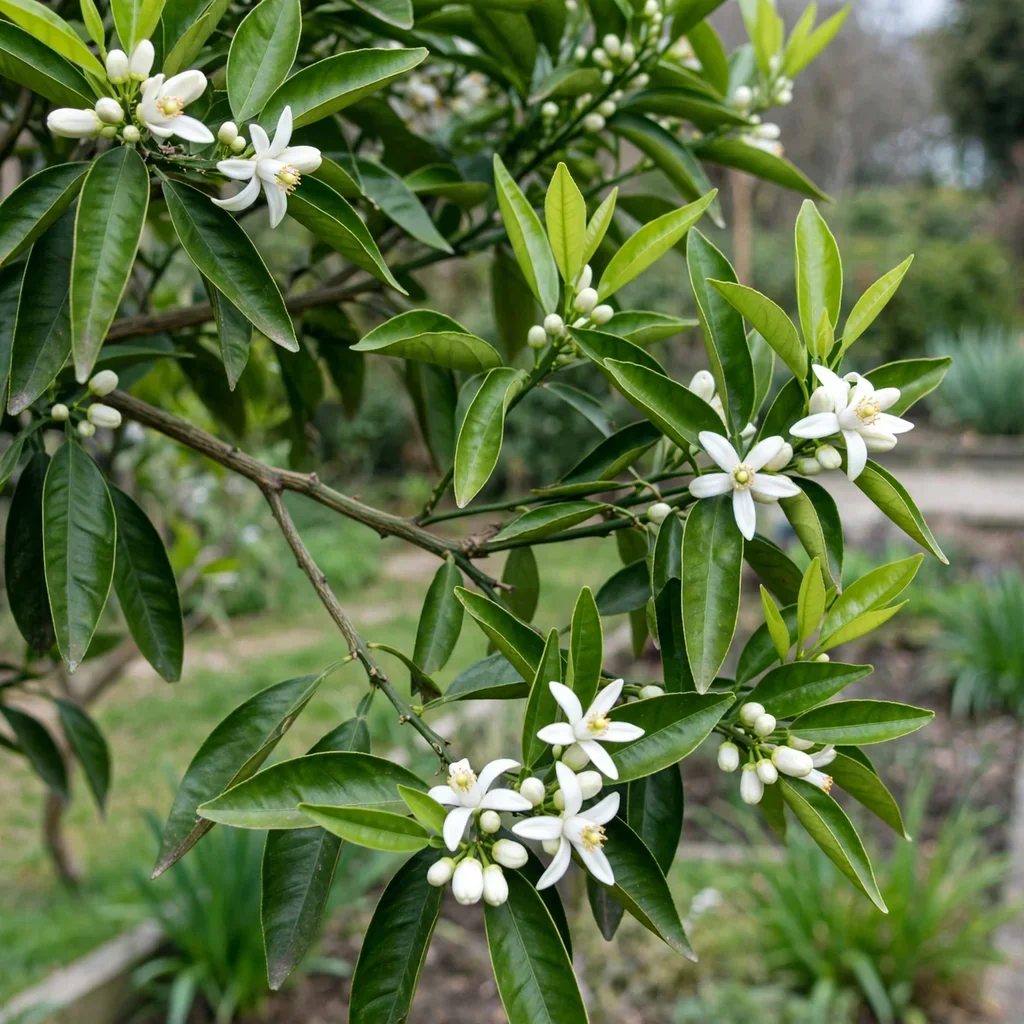
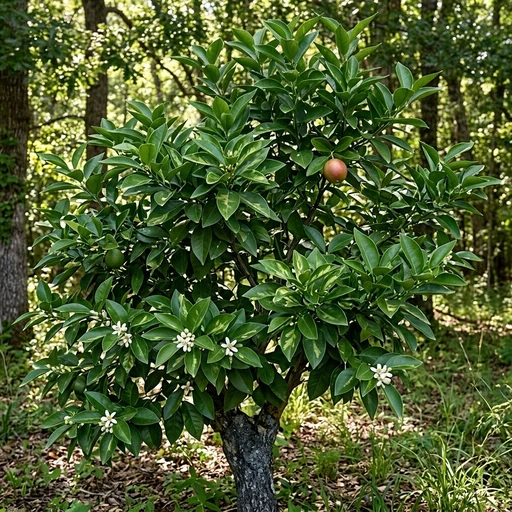
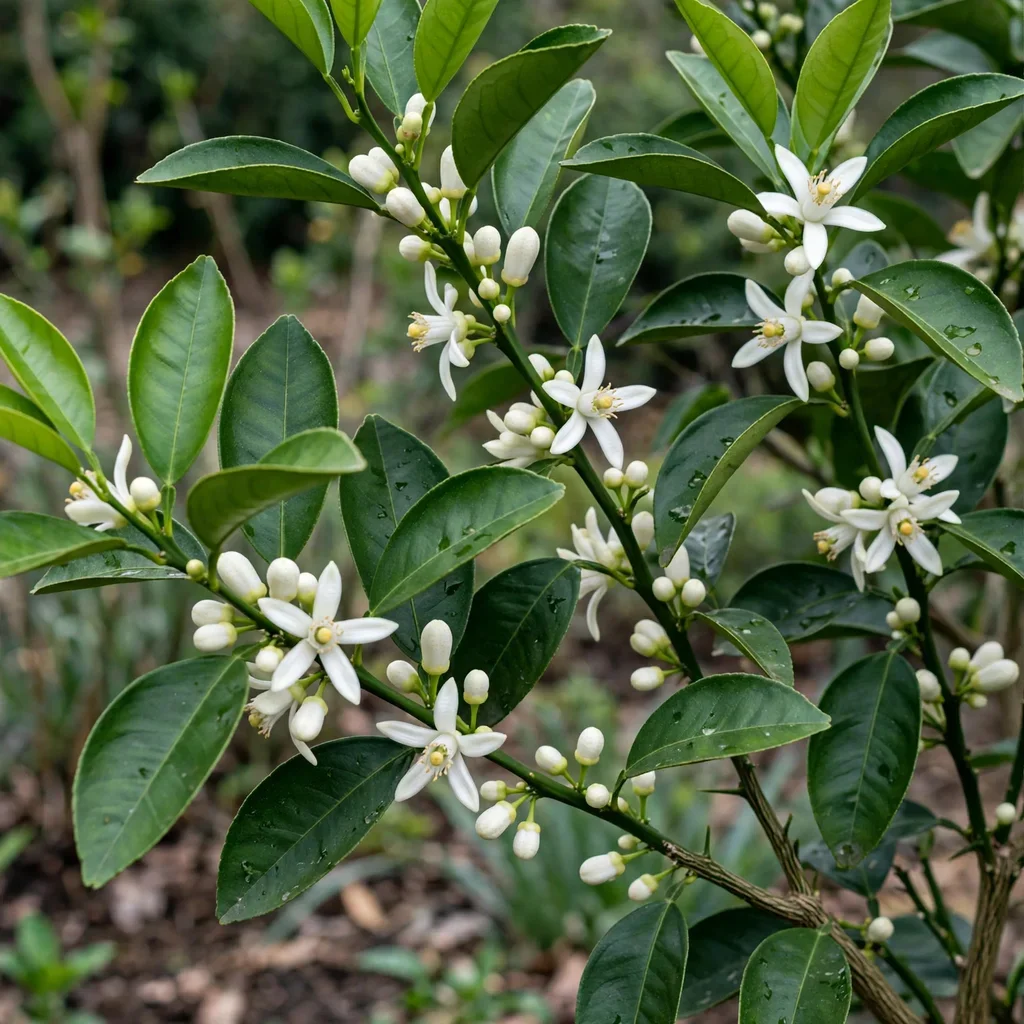
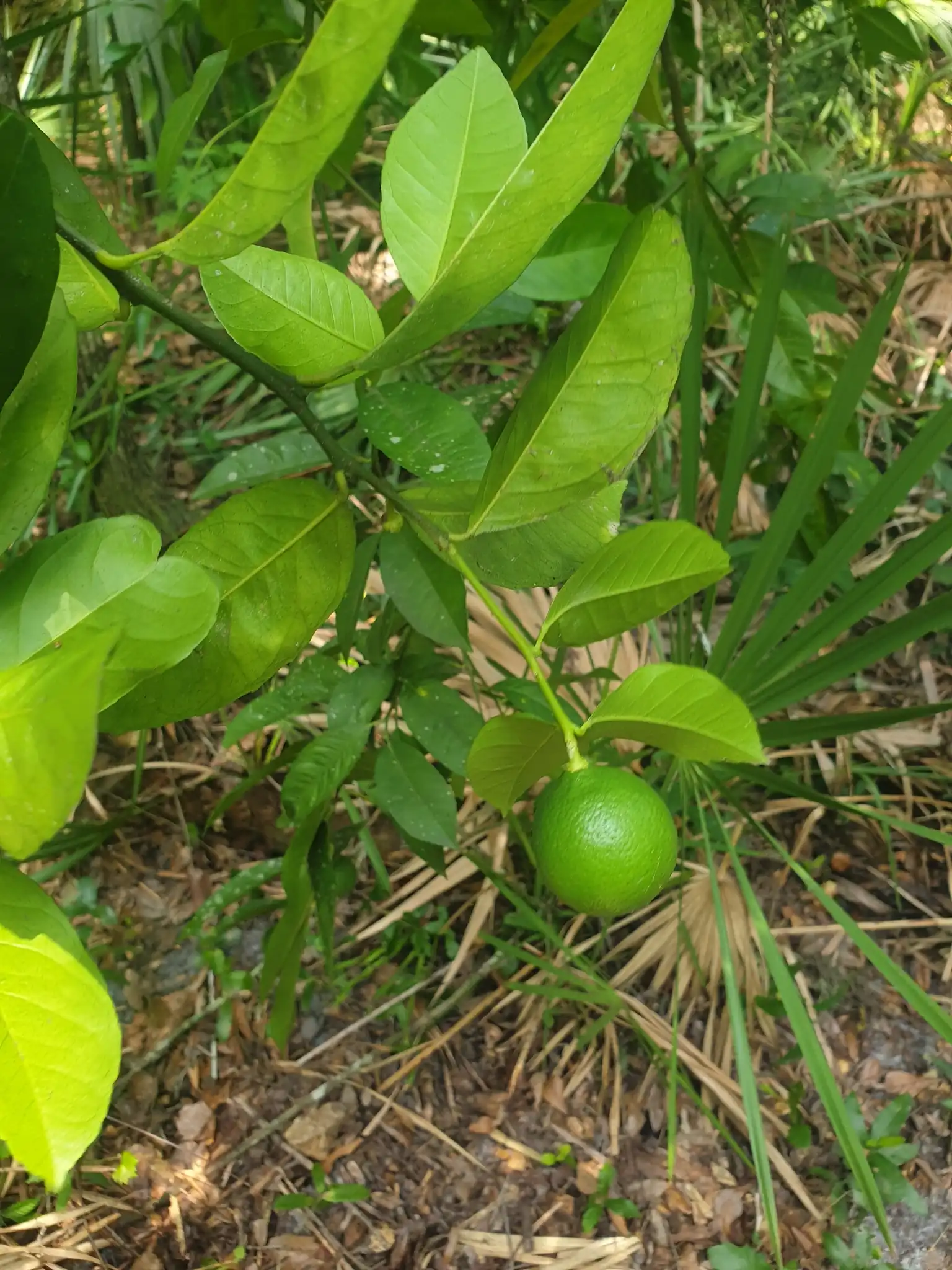
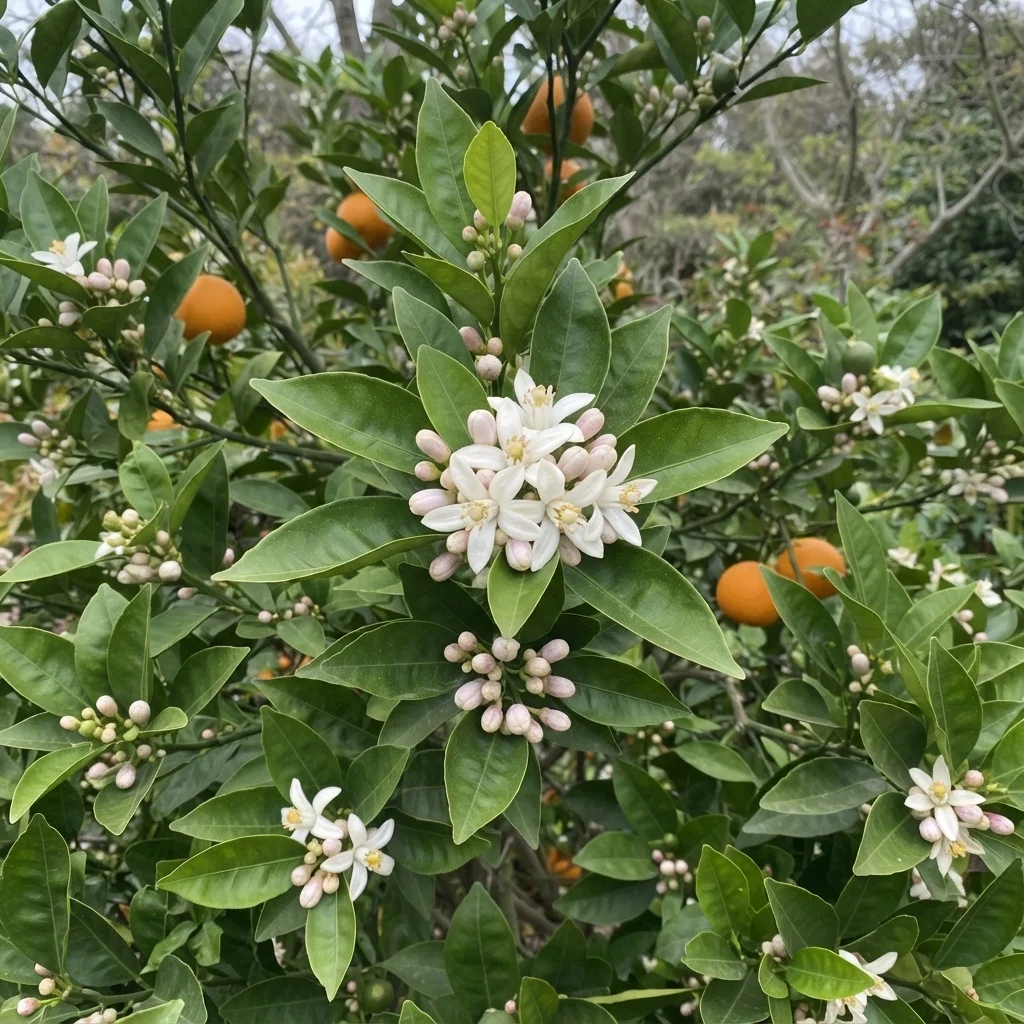
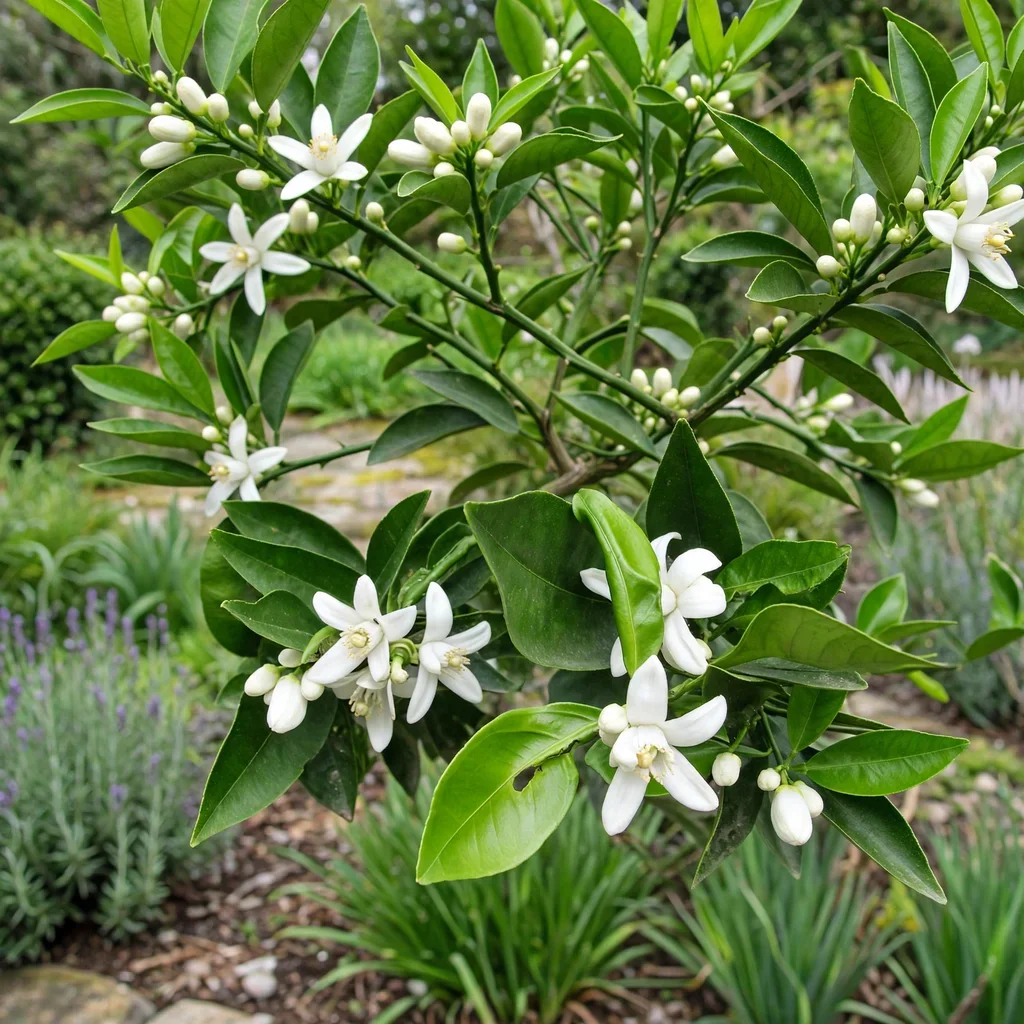
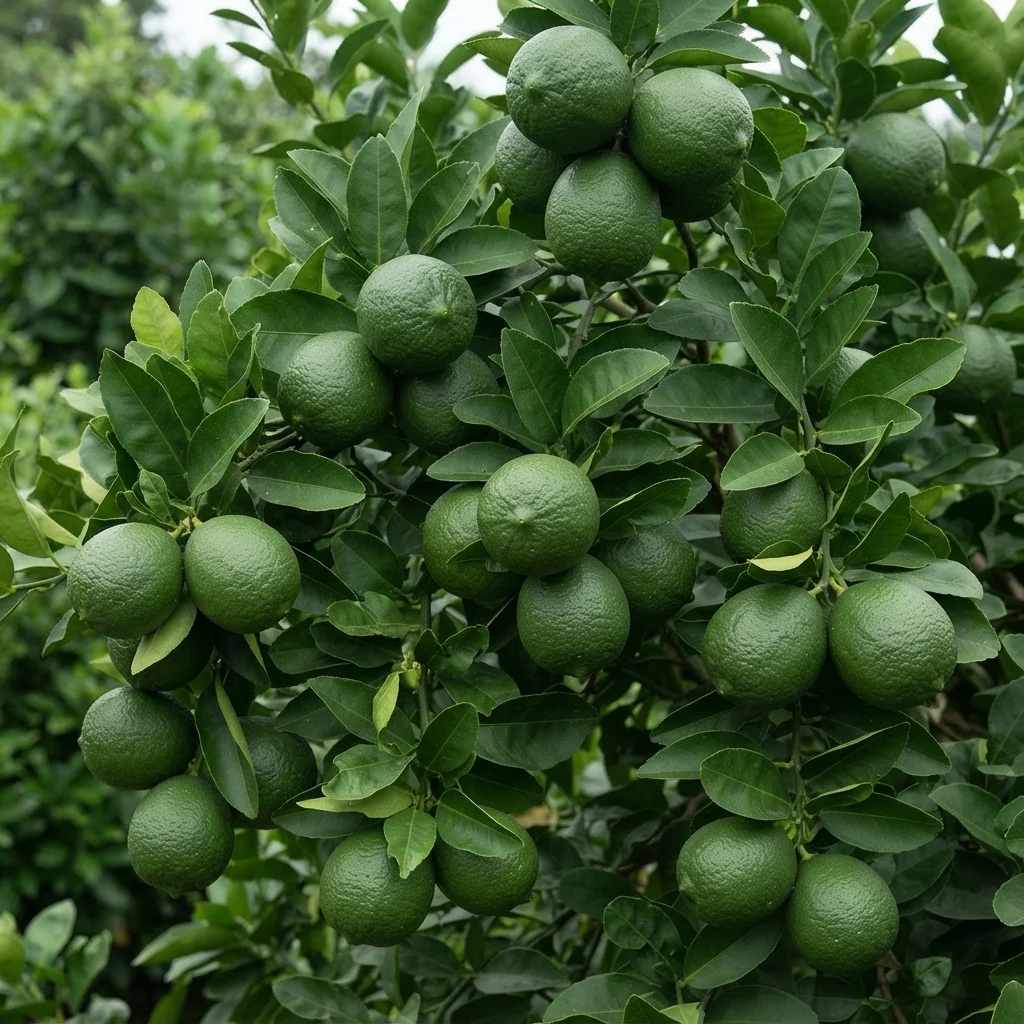
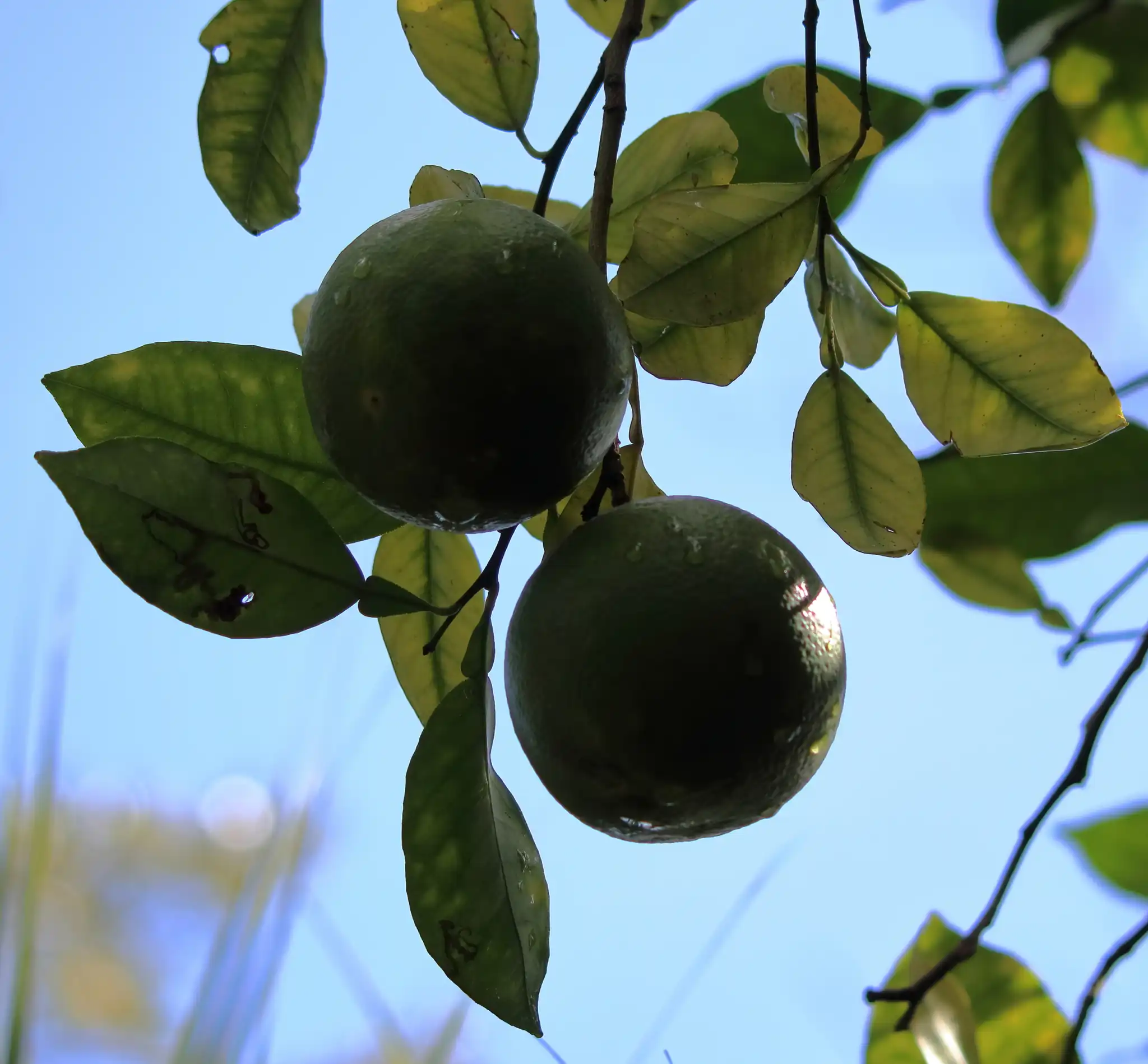
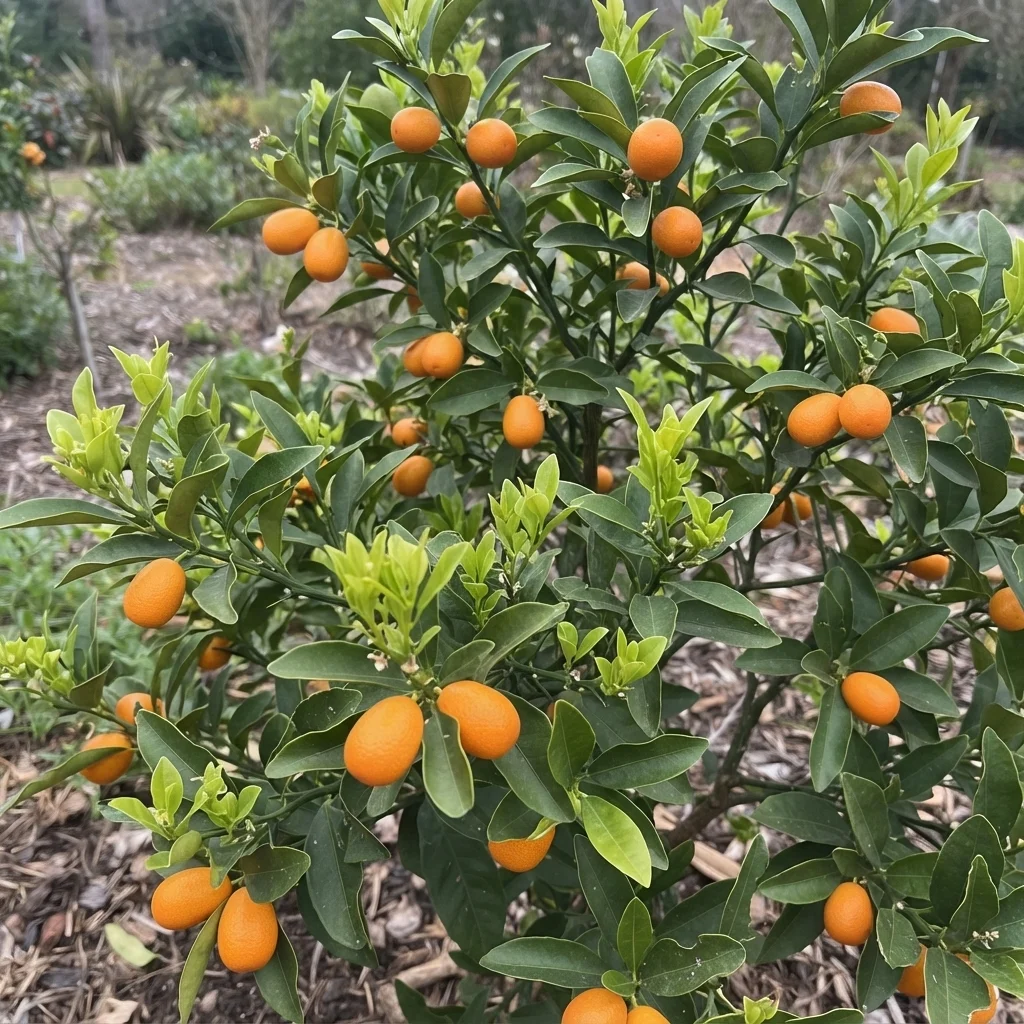
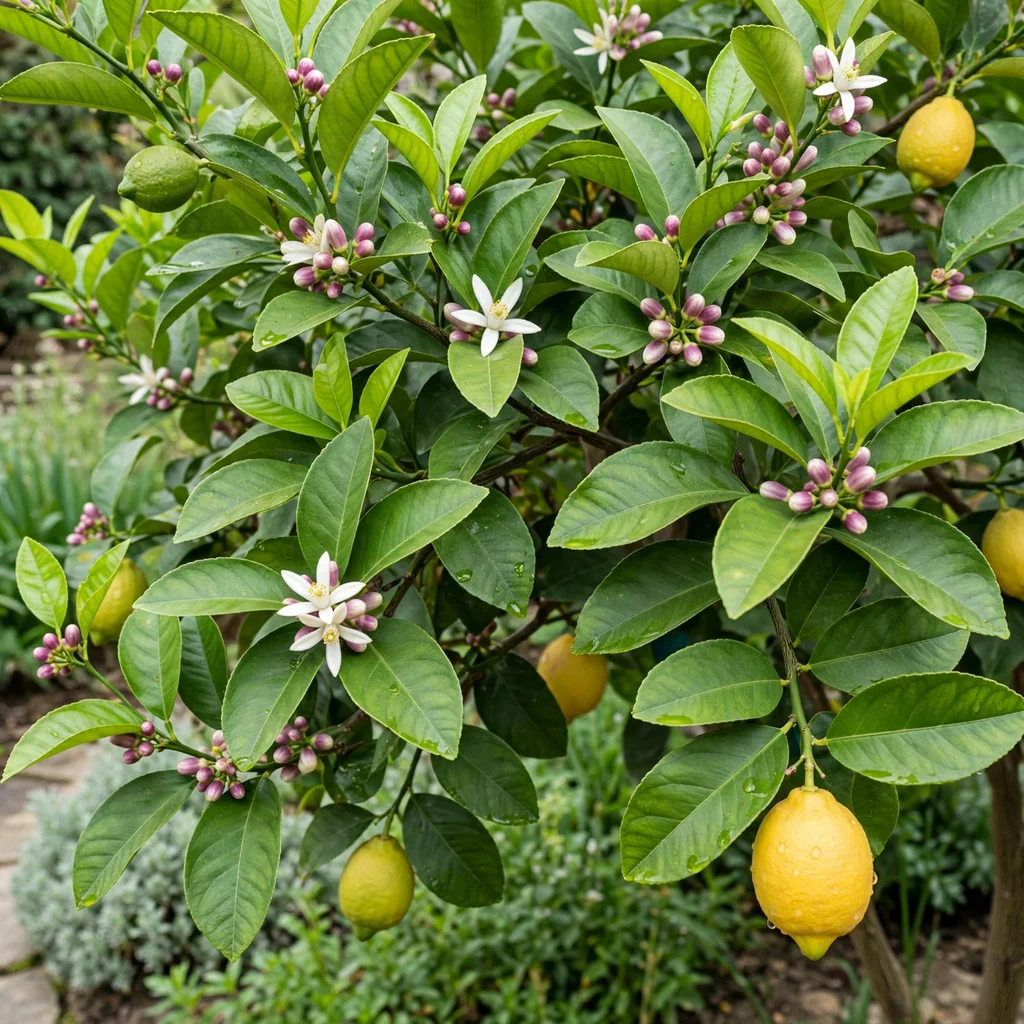
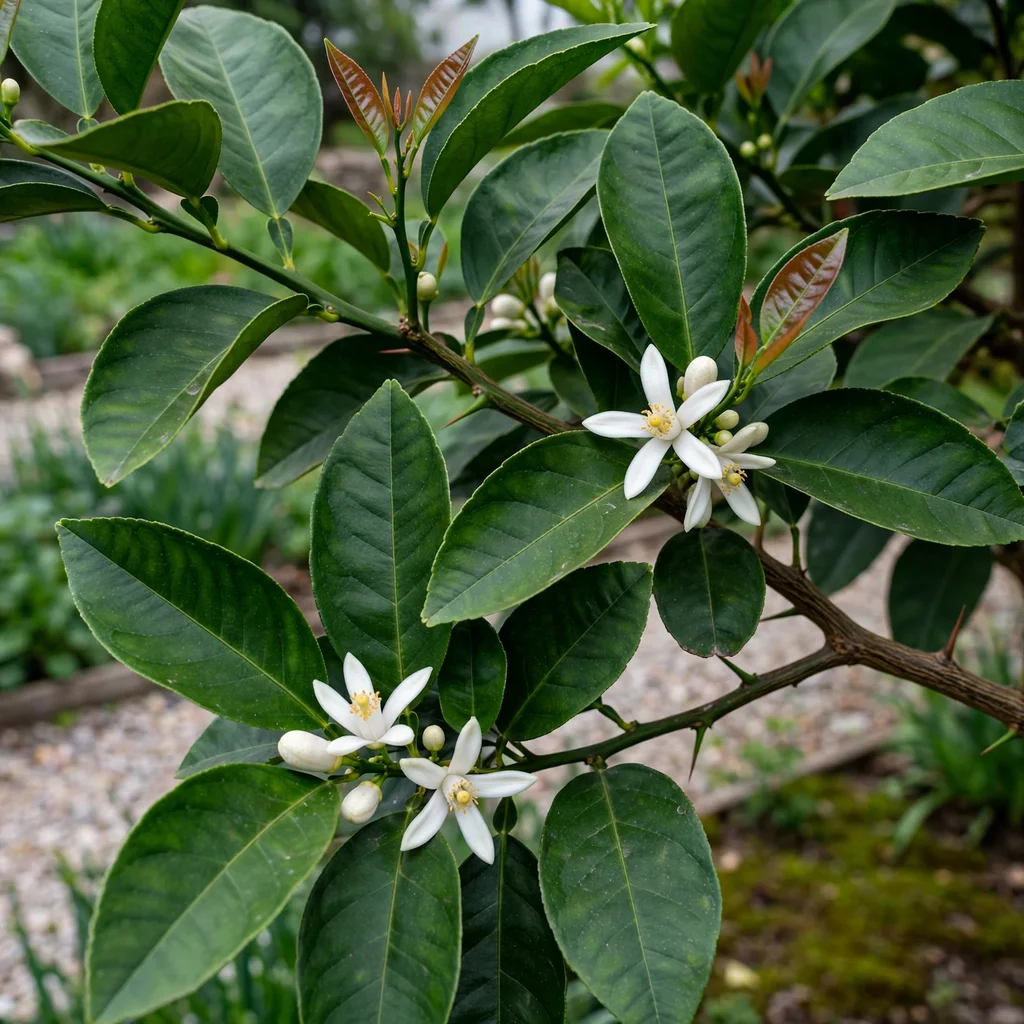
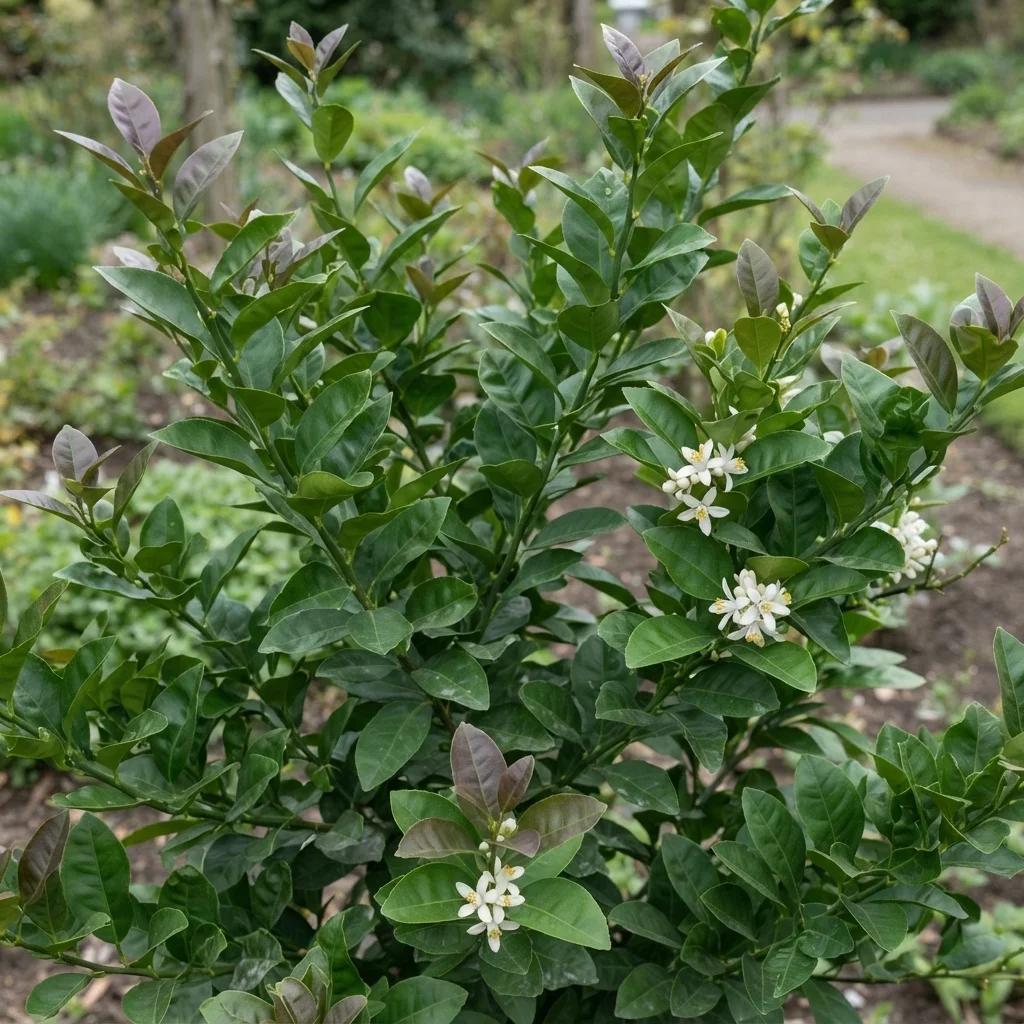
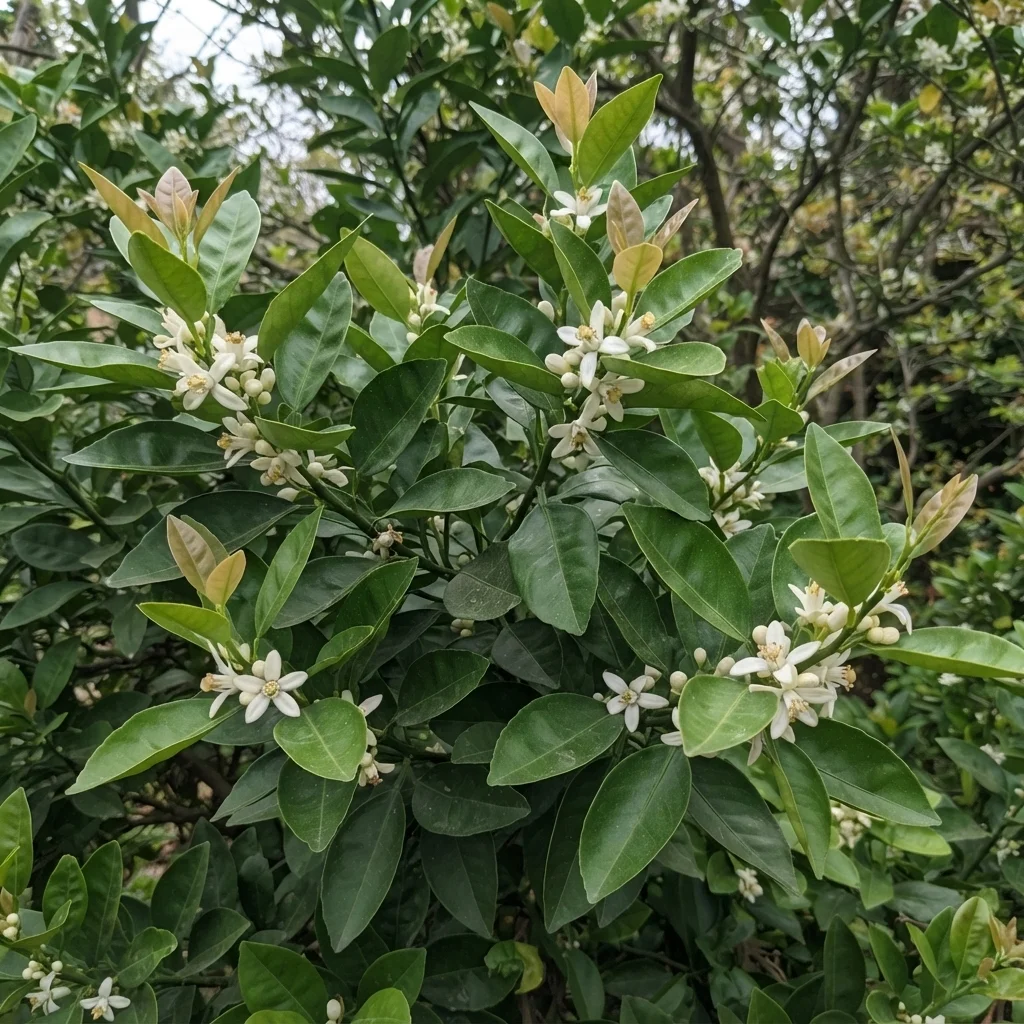
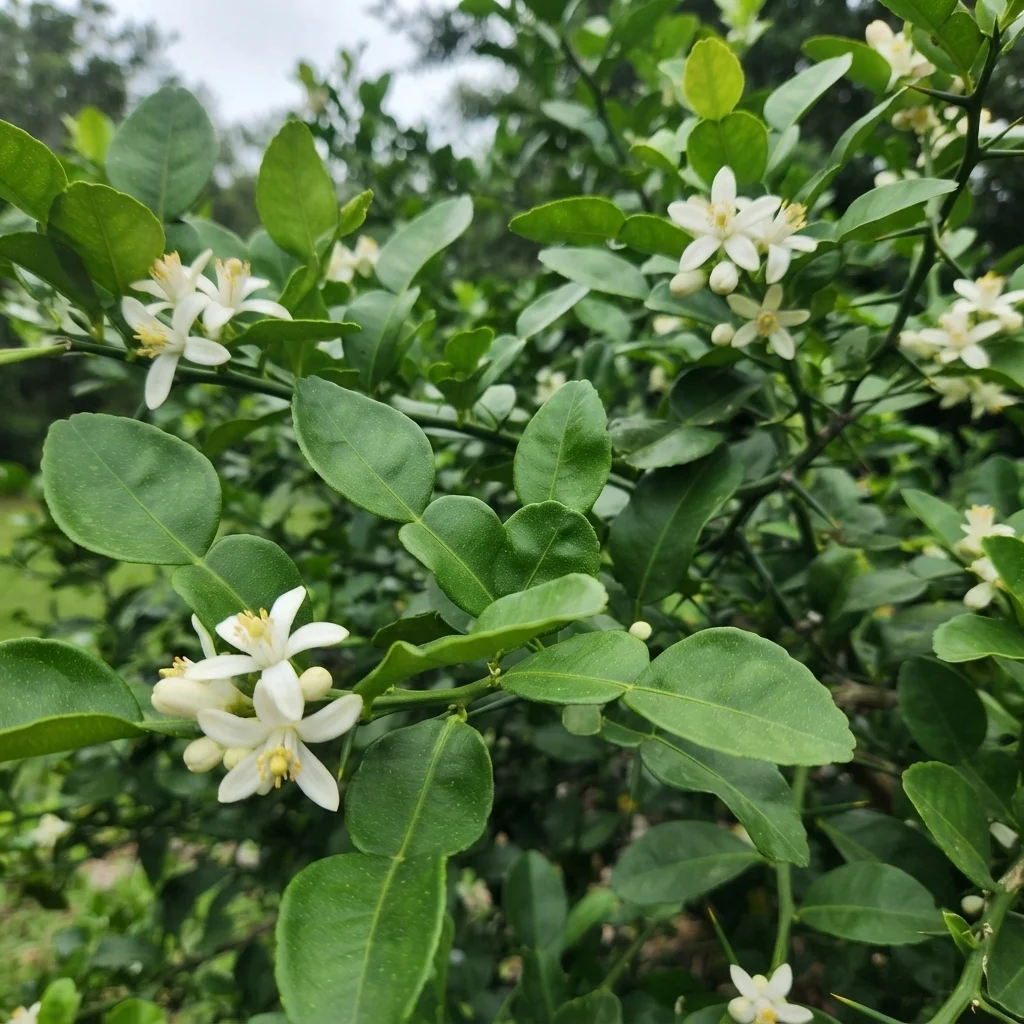
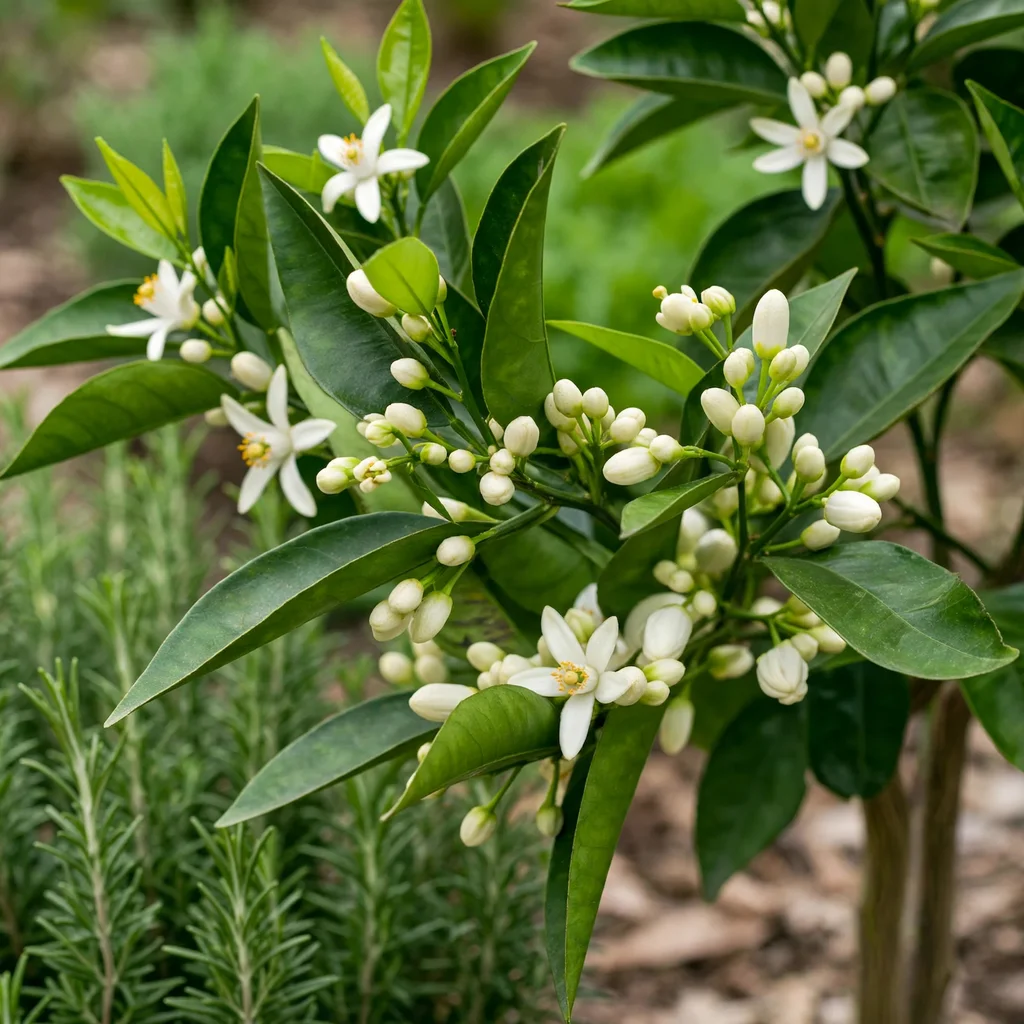
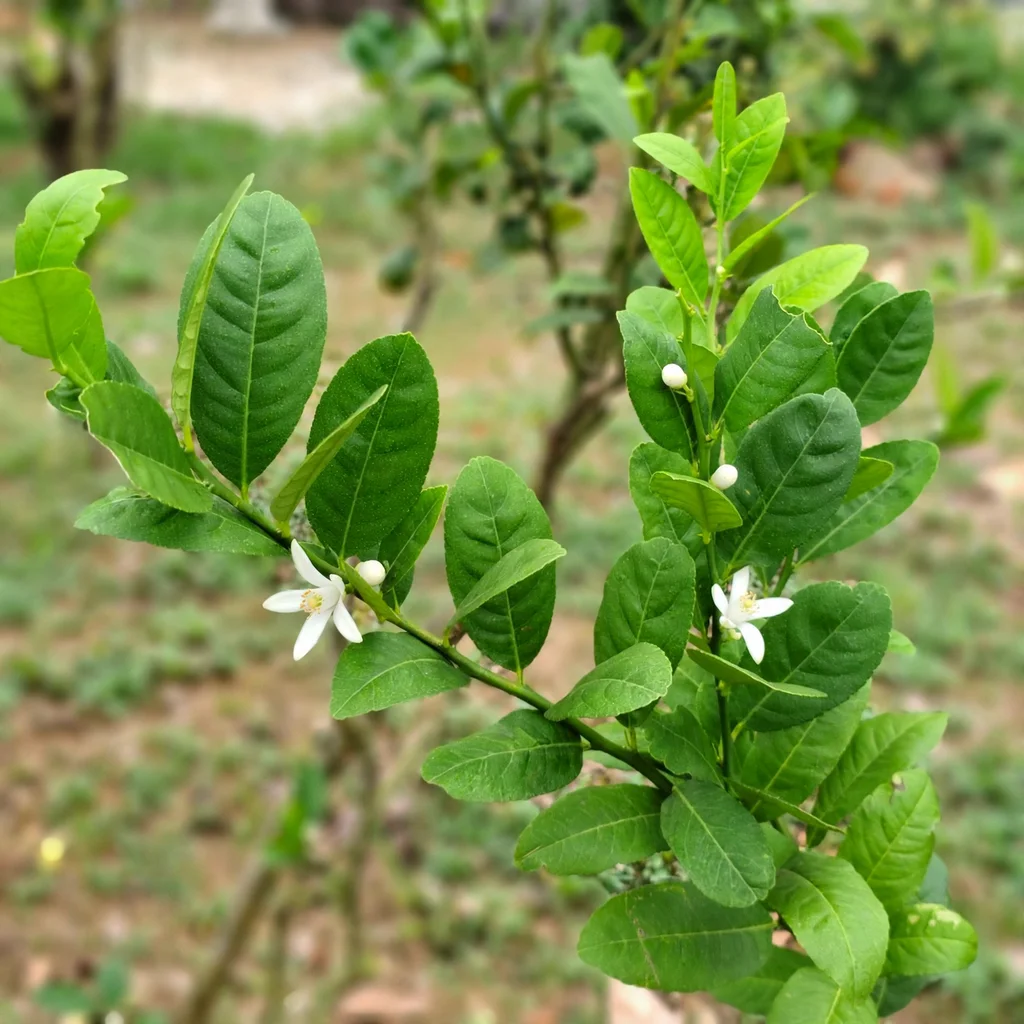
8 species of Citrus
Each one is a parent of the varieties above.
Track your Citrus in Sow
Save the Citrus you grow and get care reminders timed to your zone.
How to grow Citrus
Whats common across all Citrus varieties in our catalog — drawn from the care records of the 20 most-grown of them.
The Citrus year
- FertilizeMarch, May, June, July, August and September90% of varieties
Apply a balanced citrus fertilizer containing nitrogen, iron, and micronutrients during active growth.
- Check for PestsMay–August90% of varieties
Inspect new growth flushes for Asian citrus psyllid, scale insects, and mites.
- PruneMarch and April85% of varieties
Perform light maintenance pruning immediately after harvest to remove dead or crossing branches.
- HarvestJanuary, February, November and December70% of varieties
Harvest fruit as it reaches full color and sweetness on the tree.
- Winter PrepOctober–December60% of varieties
Move container-grown plants indoors to a sunny, frost-free location before the first freeze.


Do
- Water deeply when topsoil feels dry 🌱
- Use free-draining citrus compost 🌱
- Prune to maintain shape and remove dead wood
- Water consistently while the fruit is sizing to prevent fruit drop and splitting.
- Protect young trees and tender new growth from freezing temperatures below twenty-eight degrees Fahrenheit.
Avoid
- Avoid overwatering to prevent root rot ❌
- Do not prune heavily into old, leafless wood, as regrowth will be slow and patchy.
- Avoid overwatering, which can cause root rot ❌
- Keep the compost wet in winter ❌
What goes wrong with Citrus
| Problem | What you'll see | What to do |
|---|---|---|
| Scale insects | Raised waxy bumps on twigs and leaves, sticky honeydew, and black sooty mold. | Spray with horticultural oils during the crawler stage or release beneficial predatory insects. |
| Aphids | Insects cluster on tender new growth, sucking sap and causing leaf distortion. | Blast the foliage with a strong stream of water or apply insecticidal soap. |
| Citrus leafminer | Larvae tunnel inside the leaves, leaving silvery trails and causing leaf curling. | Apply spinosad spray during active growth flushes or release beneficial parasitoid wasps. |
| Spider mites | Tiny pests cause fine yellow stippling on leaves, thriving in dry indoor winter air. | Apply horticultural oil and increase ambient humidity around the foliage. |
| Root rot | Phytophthora fungi cause yellowing leaves, leaf drop, and root decay in waterlogged soils. | Improve soil drainage, avoid overwatering, and apply copper-based fungicides if necessary. |
| Phytophthora root rot | Yellowing leaves, dieback, and bark decay near the soil line due to wet soil. | Improve soil drainage and apply copper-based fungicides. |
| Citrus Canker | Raised, corky lesions on fruit, leaves, and twigs. | Apply copper-based bactericides and adhere to strict quarantine protocols. |
Making more Citrus
Grafting
- Choose compatible rootstock and scion in early spring.
- Make matching cuts and join tightly.
- Secure with grafting tape.
- Keep in warm, humid environment for 4–6 weeks until healed.
Cuttings
- Select healthy semi-hardwood cuttings (6-8 inches) and remove lower leaves.
- Dip cut end in rooting hormone powder.
- Plant in moist potting mix and keep in warm, bright location.
- Mist regularly to maintain humidity.
- Roots develop in approximately 6 weeks.
Citrus questions
How many types of Citrus are there?
The Sow catalog tracks 20 distinct Citrus varieties. The most popular — ranked by 146 real gardeners — are shown first above.
What zones does Citrus grow in?
Across its varieties, Citrus covers USDA Zones 8–10. Individual varieties differ — each plant page lists its exact range, and Sow filters the catalog to your zone automatically.
When does Citrus bloom?
Most Citrus varieties bloom in early spring, late spring, spring. Staggering early, mid, and late varieties extends the genus's season in one bed.
Which Citrus should I choose?
Start from the most-saved varieties above — popularity across thousands of gardens is a strong signal of reliability — then filter by your zone and sun. In the Sow app you can preview any of them in a photo of your actual yard before you buy.