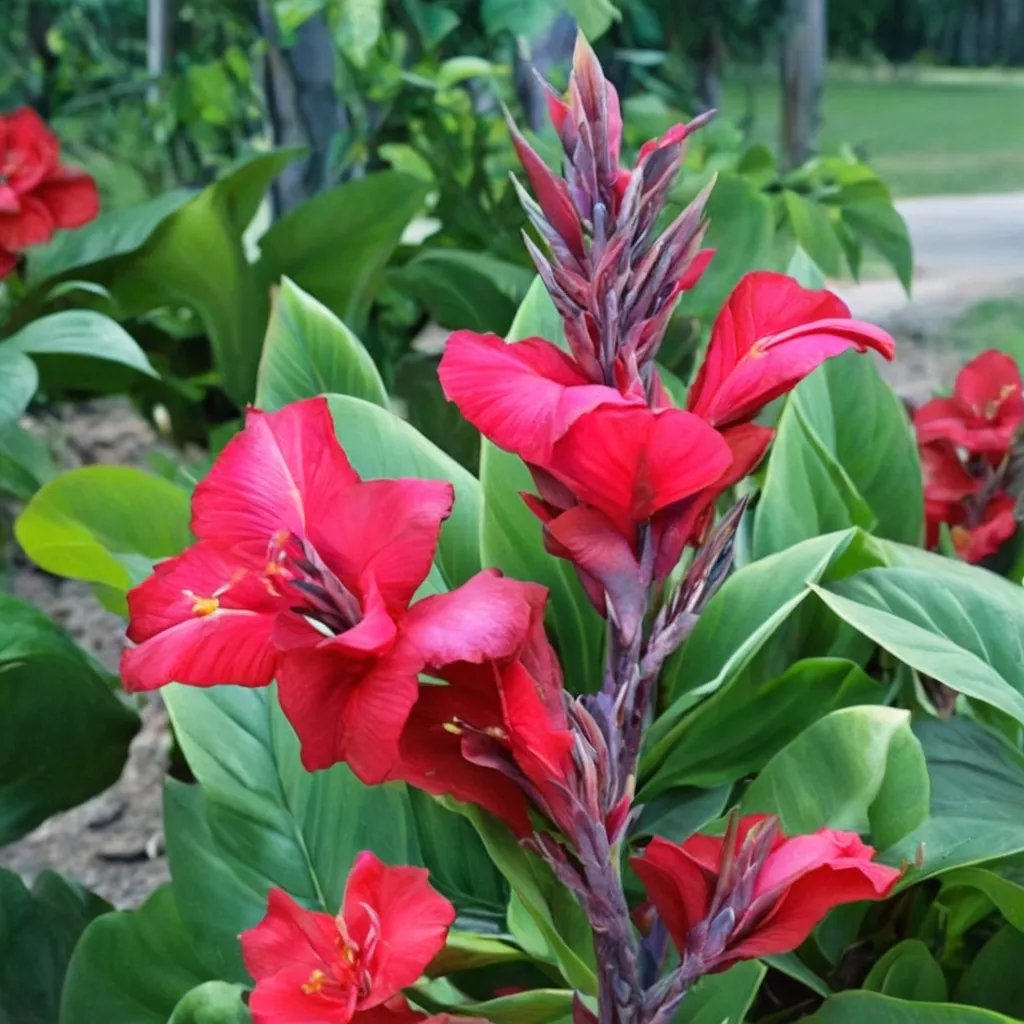
Species
 Canna x generalisCanna
16 other cultivars
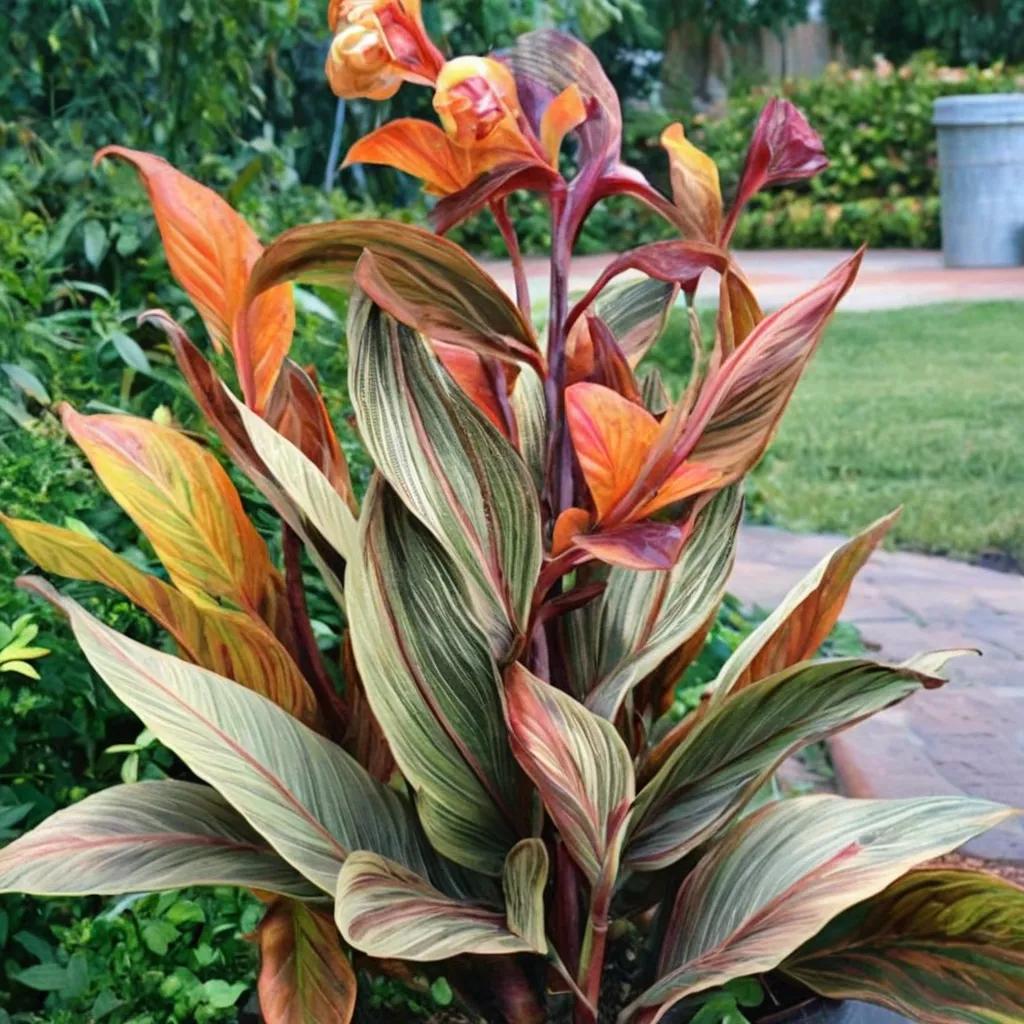 ‘Durban’Tropicanna Canna
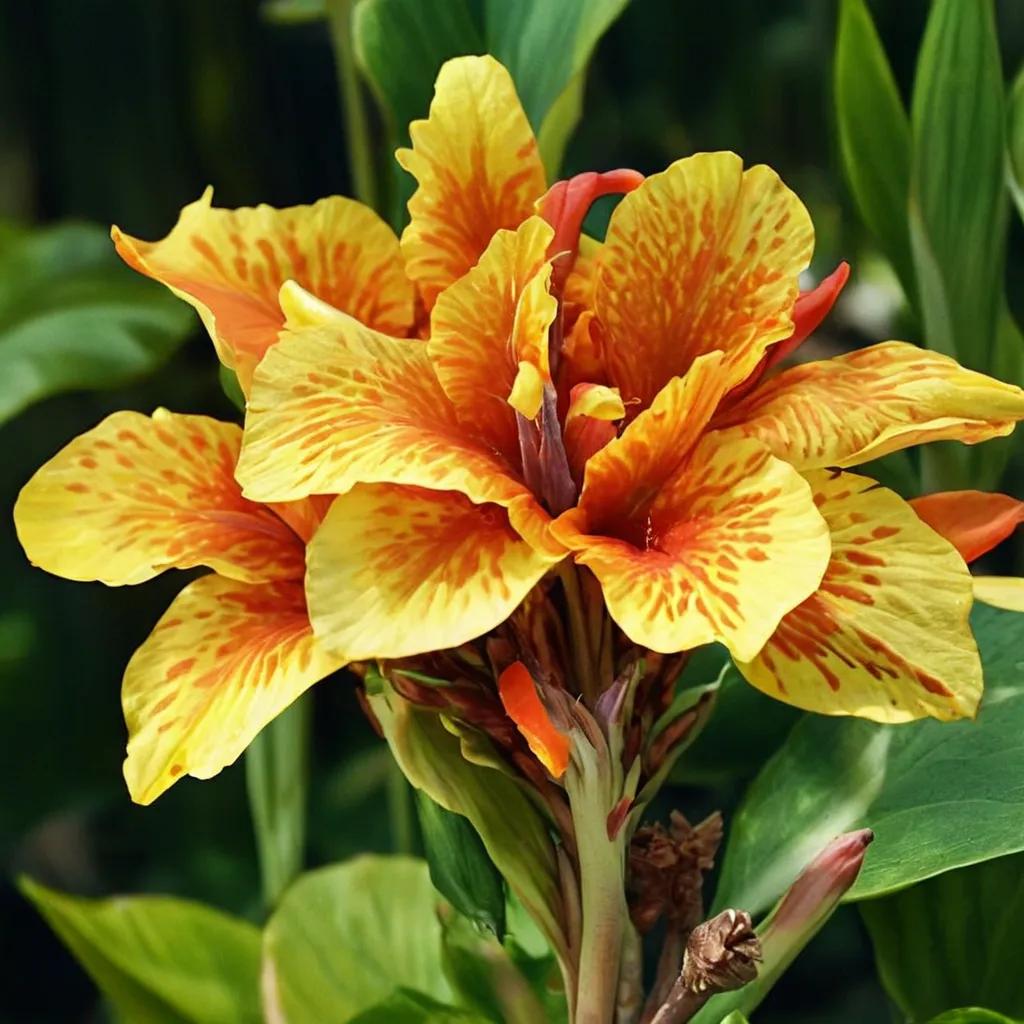 ‘Mactro’Mactro Canna Lily
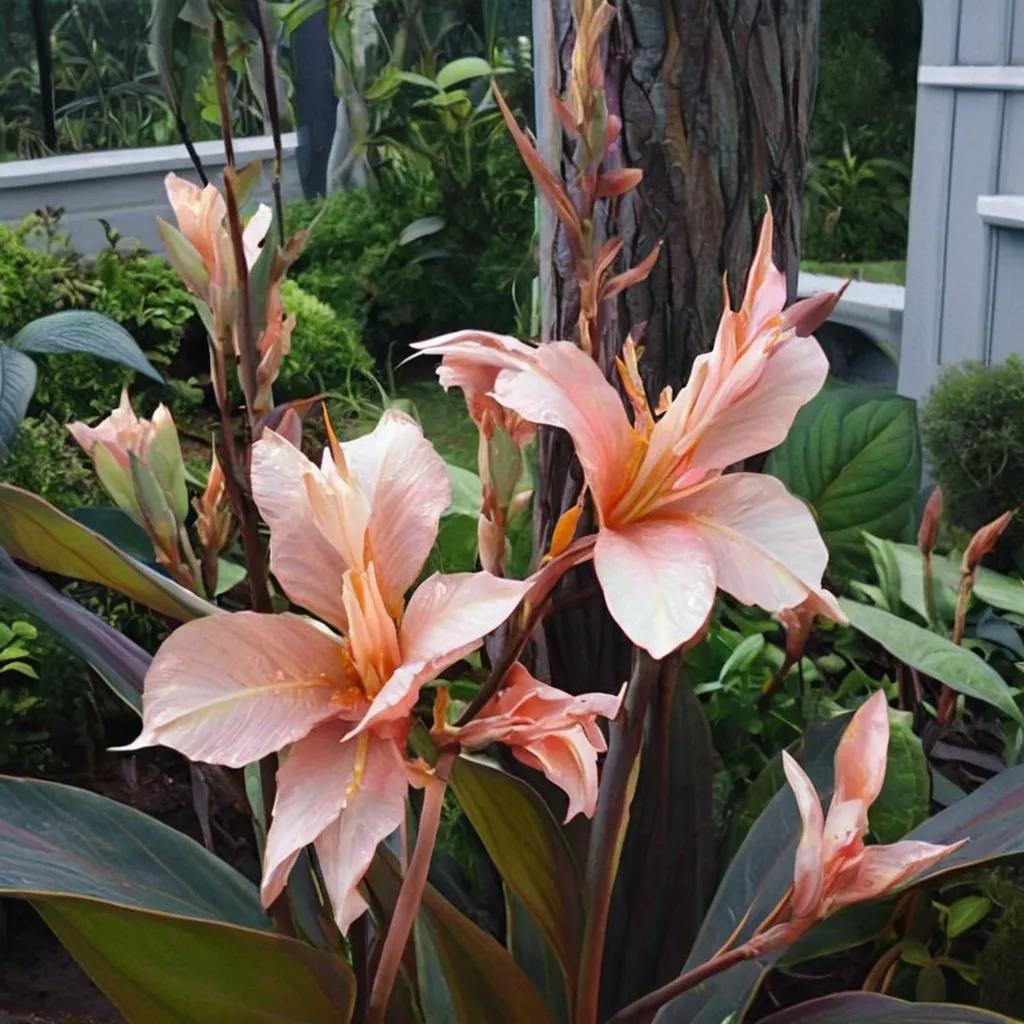 ‘Constitution’Canna Constitution
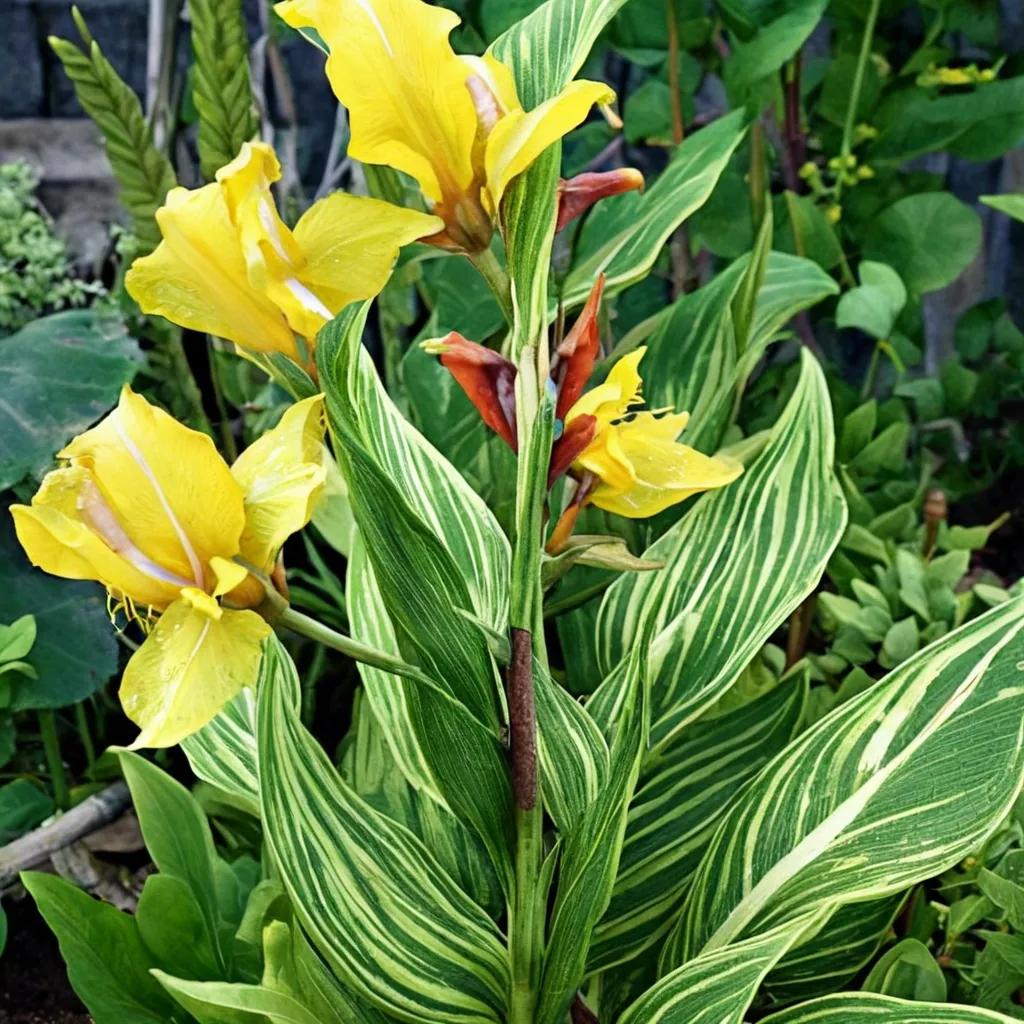 ‘Minerva’Canna 'Minerva'
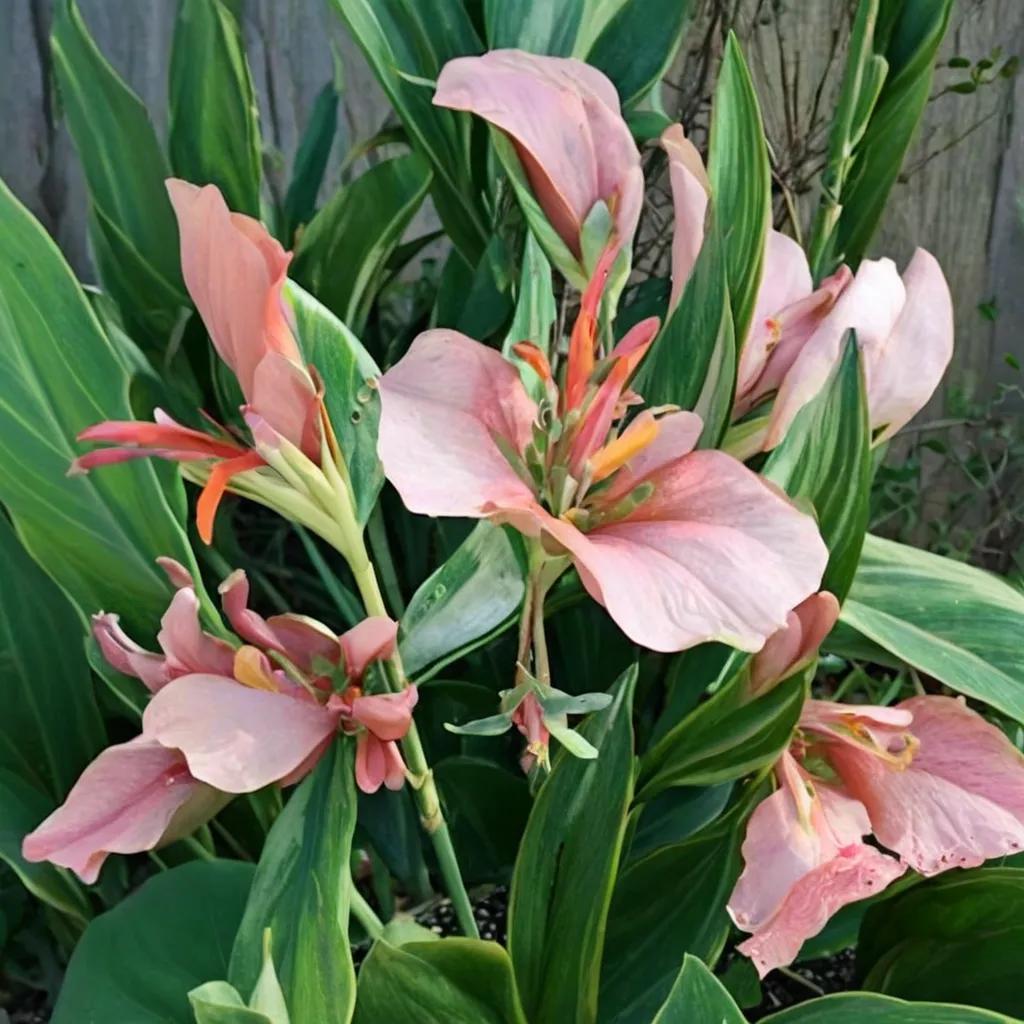 ‘Thai One On’Canna Lily 'Thai One On'
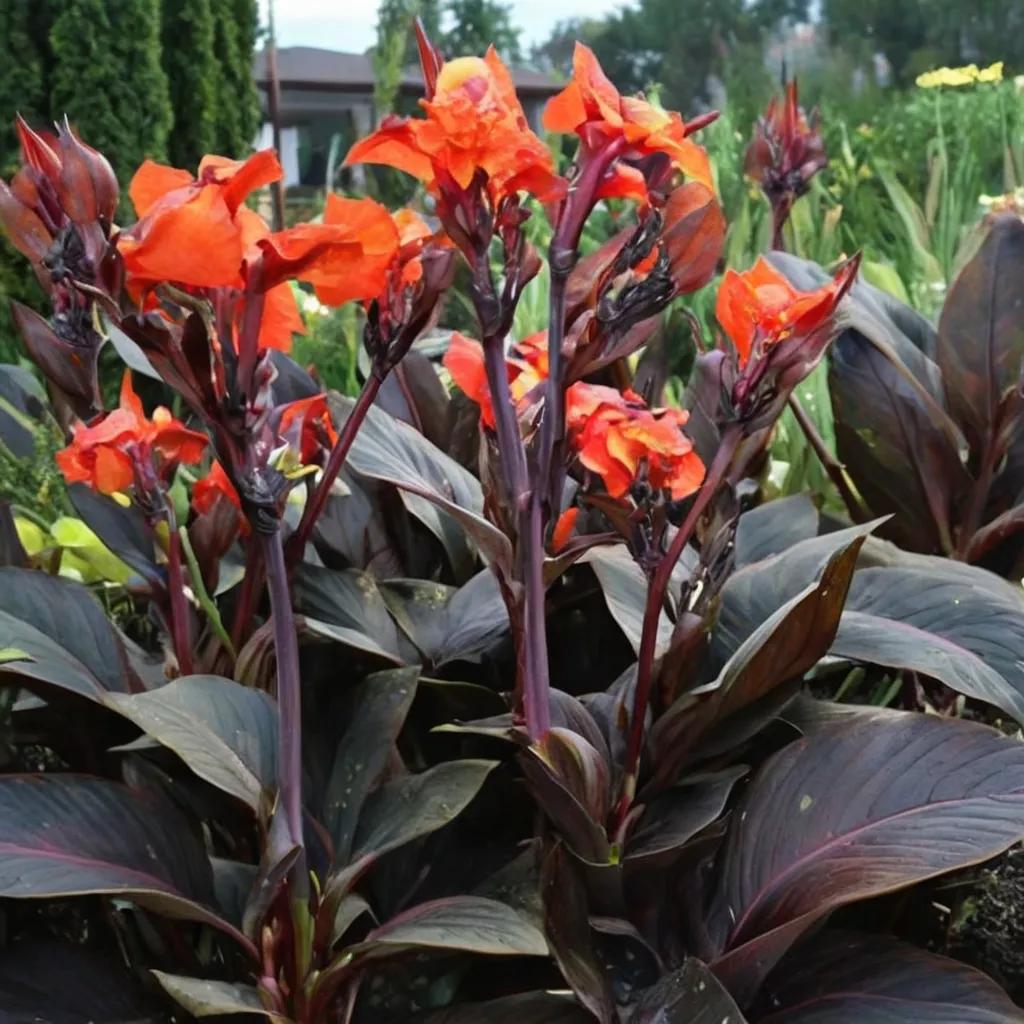 ‘Tropicanna Black’Tropicanna Black Canna
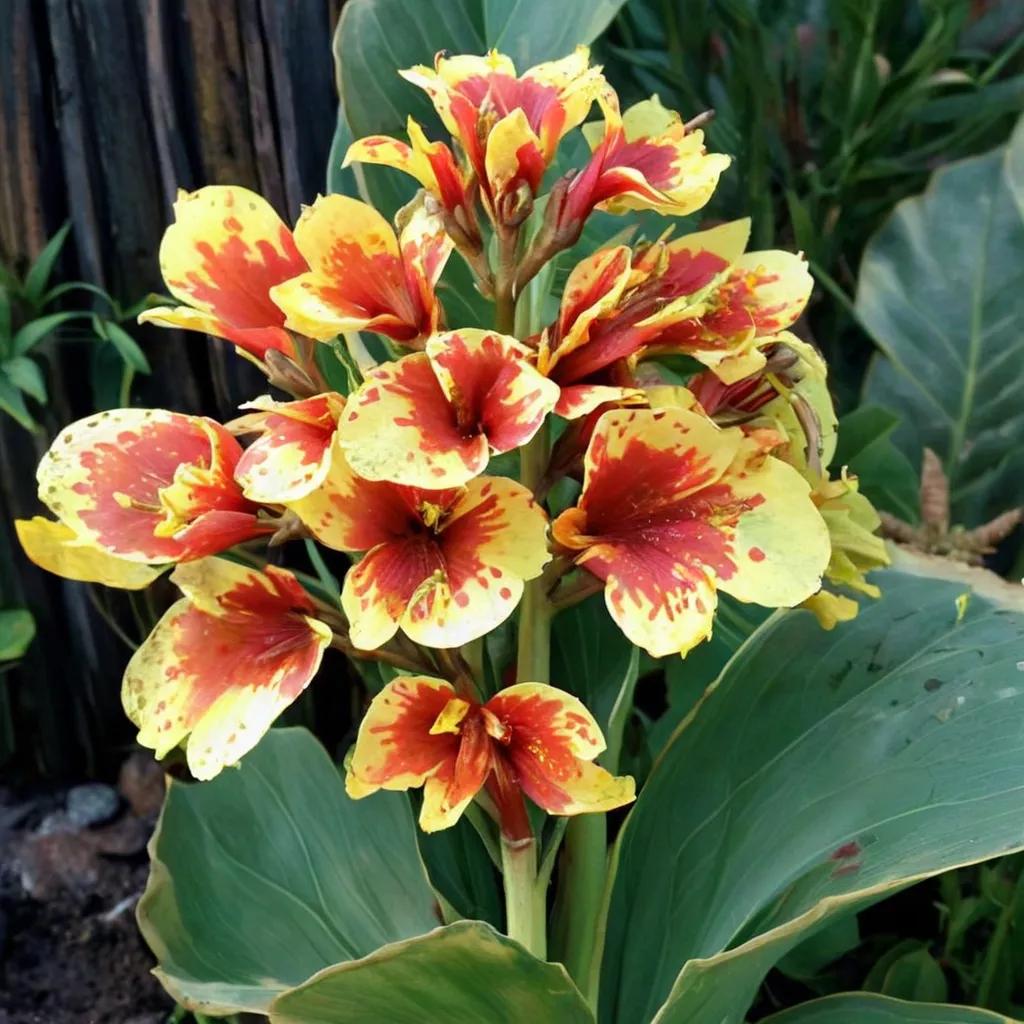 ‘Reine Charlotte’Queen Charlotte Canna
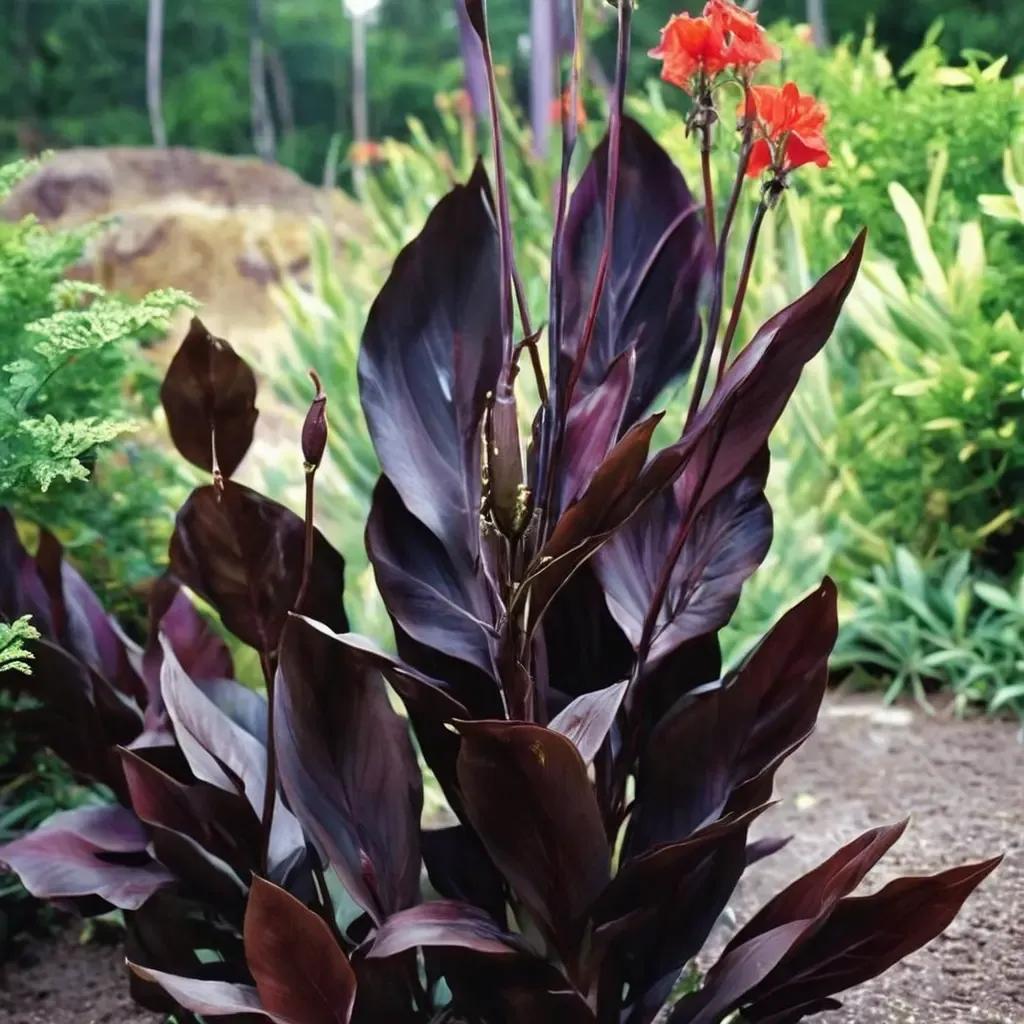 ‘Australia’Canna Lily 'Australia'
 ‘Chocolate Sunrise’Canna Chocolate Sunrise
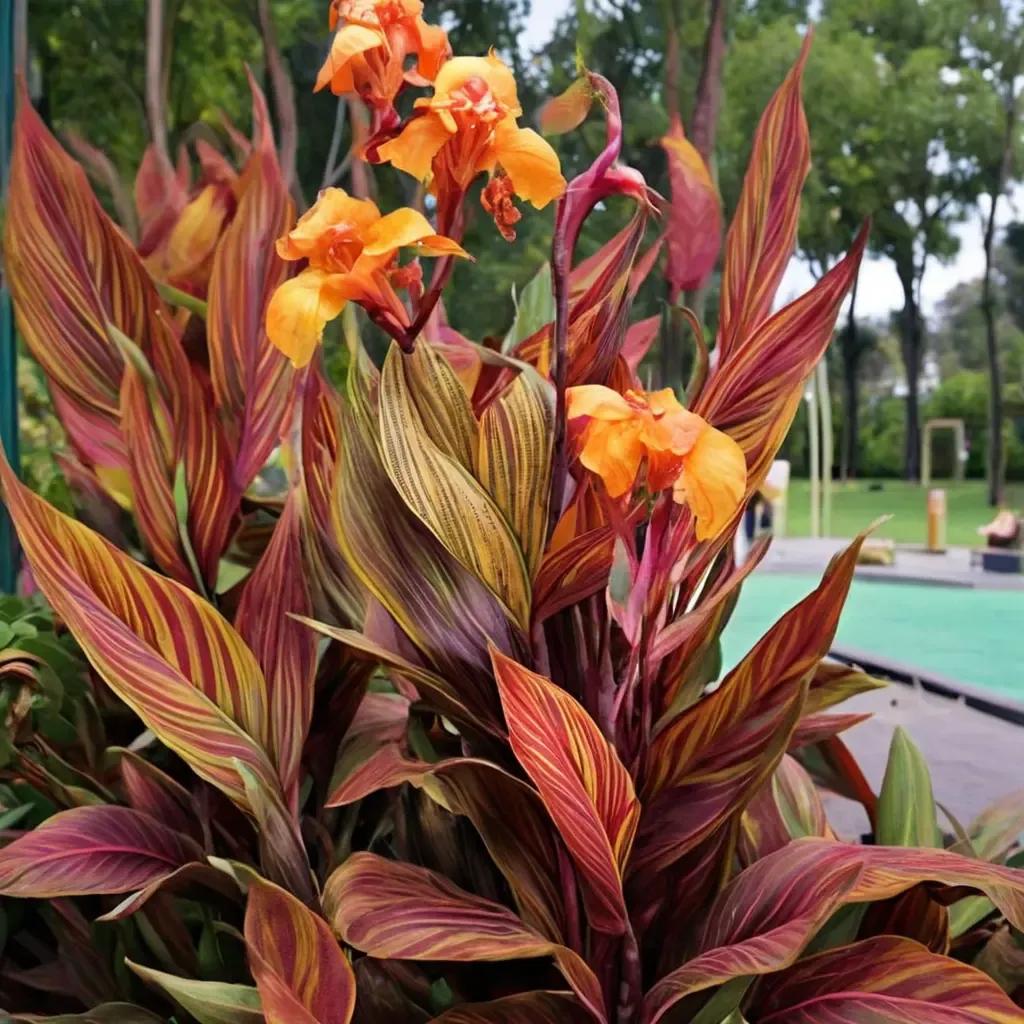 ‘Phasion’Tropicanna Canna Lily
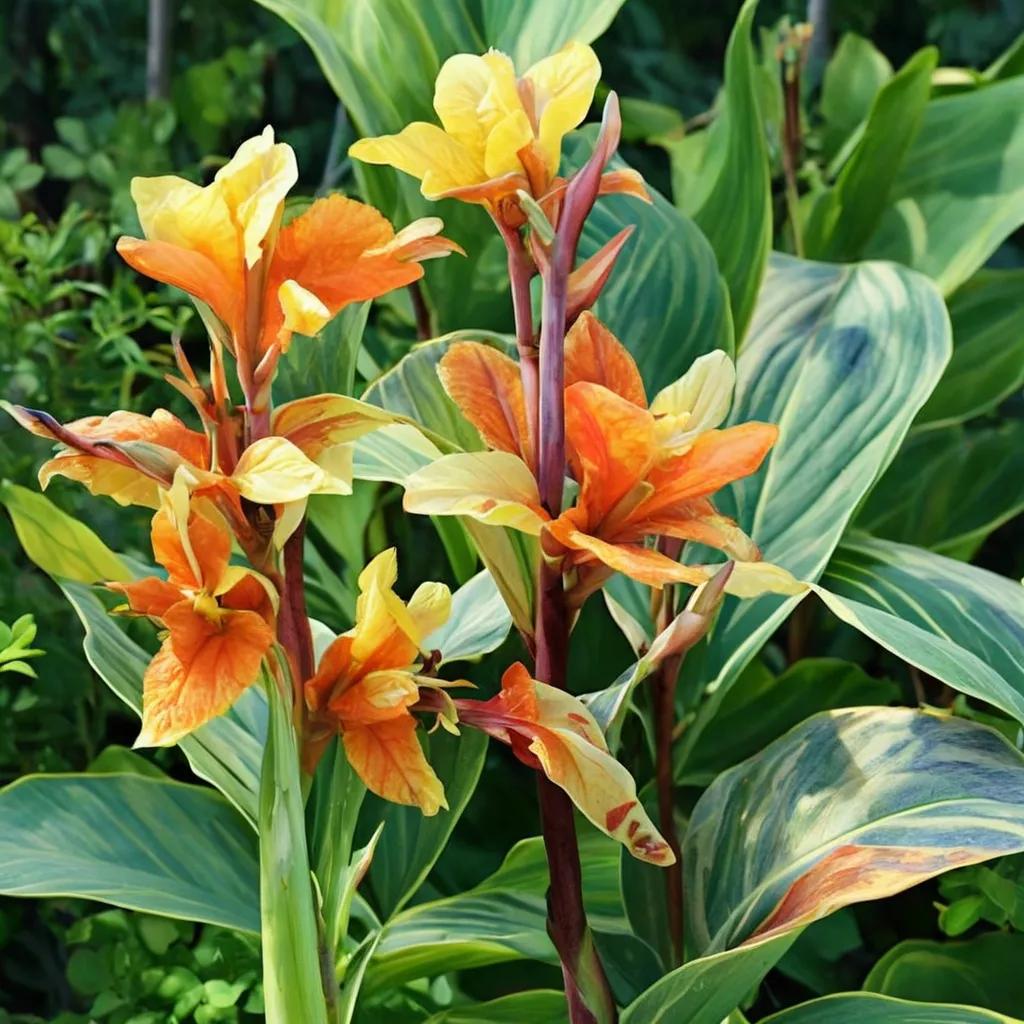 ‘Nuance’Canna Nuance
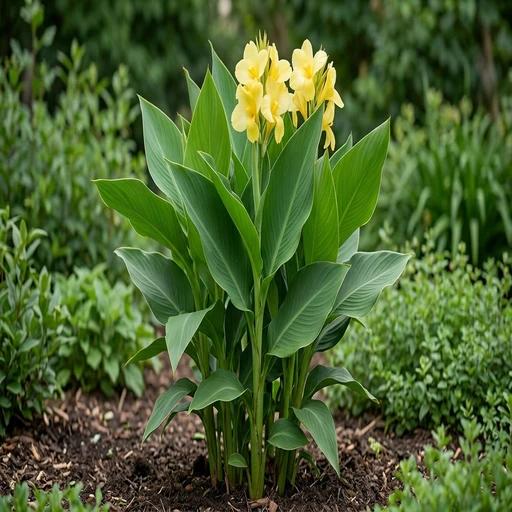 ‘Cannova Yellow’Cannova Yellow Canna
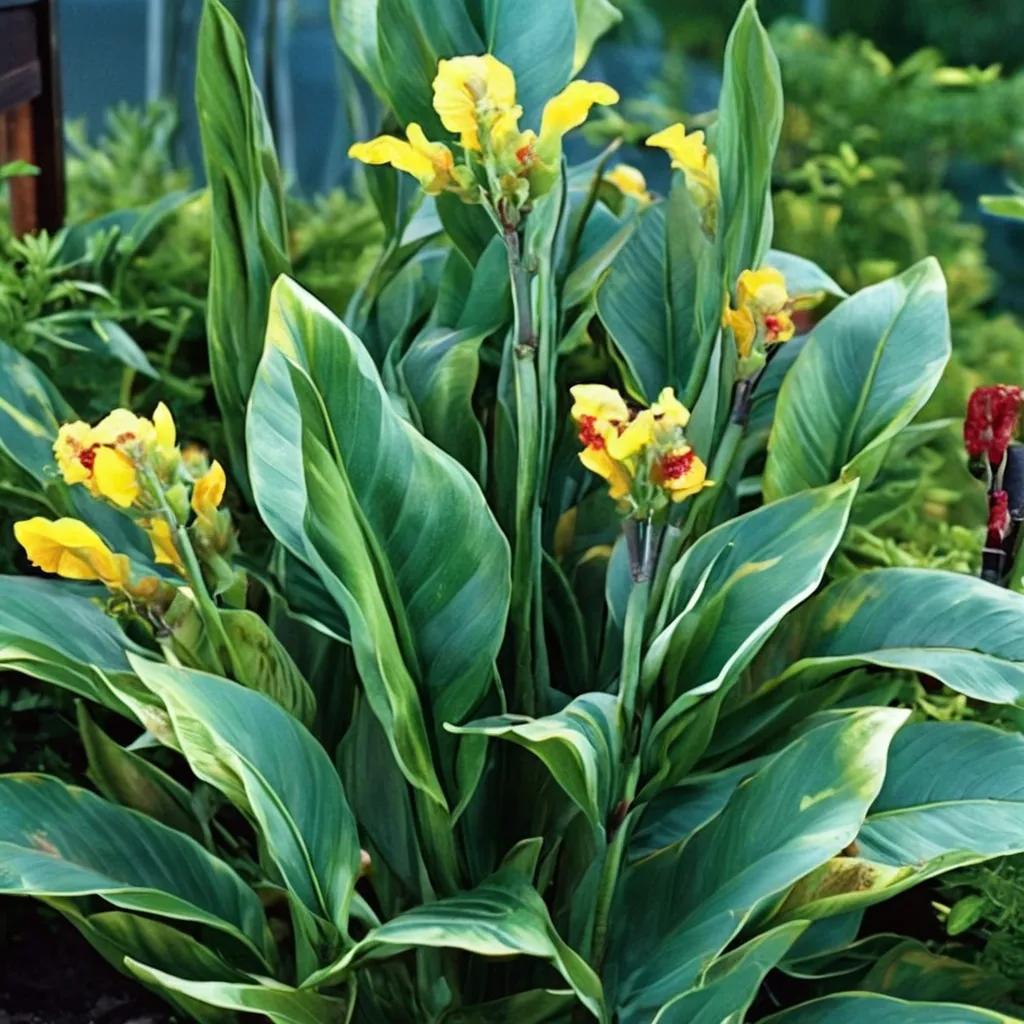 ‘Kansas City’Canna Kansas City
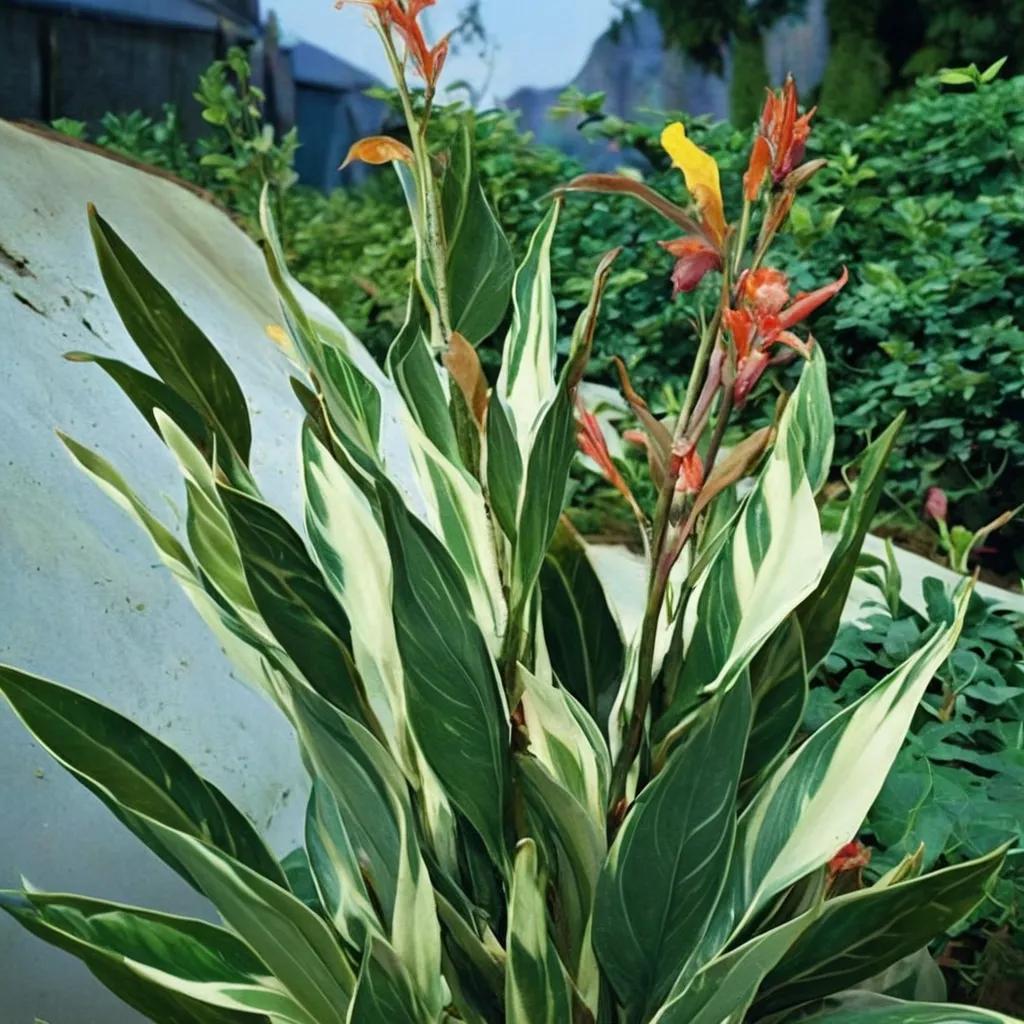 ‘Stuttgart’Stuttgart Canna
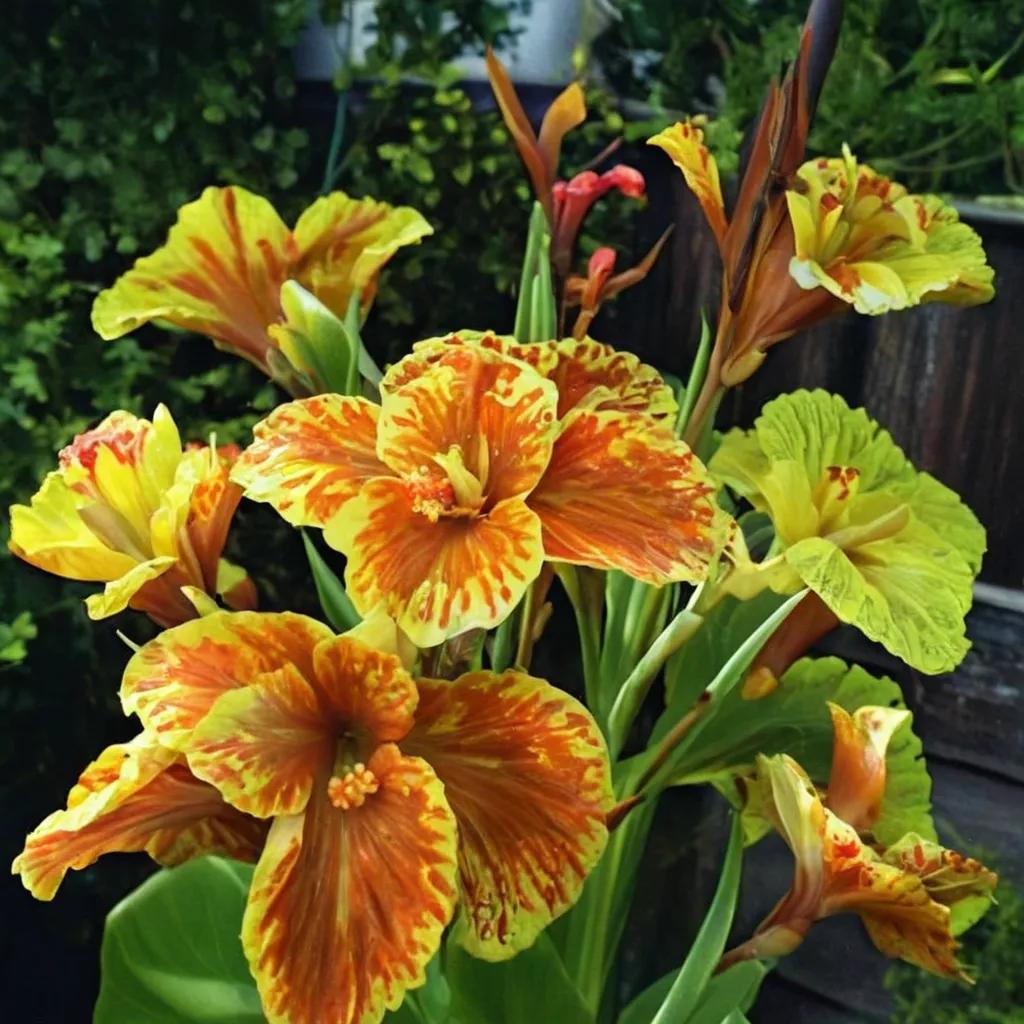 ‘Florence Vaughan’Canna Florence Vaughan
 ‘Pink Sunrise’Pink Sunrise Canna
The Story
Plant Bio
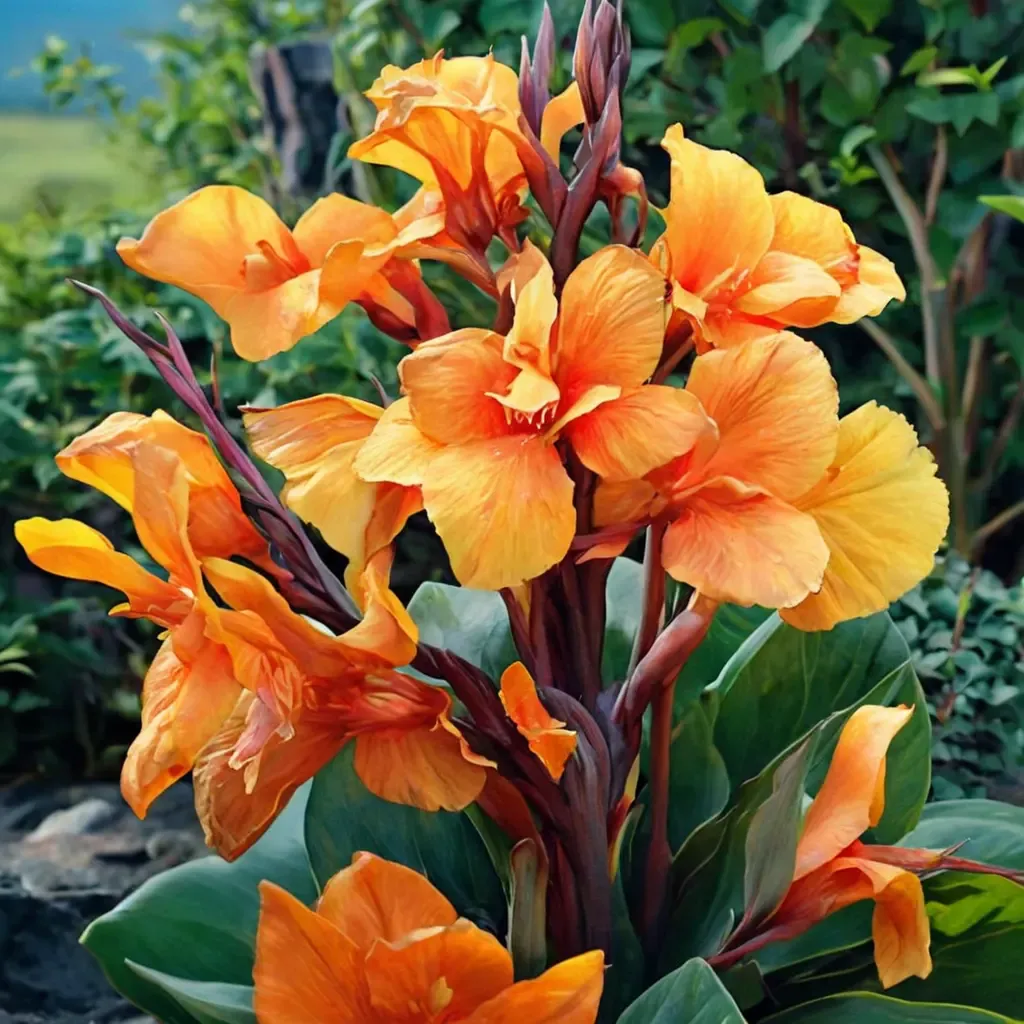
Canna x generalis, commonly known as canna lily, are rhizomatous tropical and subtropical flowering perennials. They are prized for their large, paddle-shaped leaves and showy, iris-like flowers on erect stalks. Foliage color varies widely from green to bronze or variegated.
A compact cultivar, 'Valentine' is noted for its large, brilliant cherry-red flowers that bloom profusely from summer to fall. The vibrant flowers rise above lush, lance-shaped, bright green foliage, making it an excellent 'thriller' in containers and a standout in border fronts.
Uses & Benefits:
Essentials
At a Glance
Plant Type
Perennial
Height
36"
Width
24"
Light
Full Sun, Partial Sun
Zones
7, 8, 9, 10
Water
Moderate to high
Humidity
Prefers humid environments
Lifespan
Perennial in suitable zones
Native To
Hybrid of species native to the Americas
Toxicity
Non-toxic to humans and pets
Bloom period
Mid-summer to early fall – Late summer
In flower about 2 months of the year
Planting
How to Grow
- Tuck rhizomes 4 inches deep in rich, well-drained soil.
- Water regularly during the growing season, keeping soil moist.
- Apply a balanced fertilizer every 4-6 weeks for vibrant blooms.
- Divide clumps every 2-3 years in early spring to promote growth.
- Remove dead foliage in late fall after frost, mulch for winter protection.
- Place in full sun for best flowering performance.
Pro Tip
Ensure rhizomes are planted in full sun and protected from frost for best results.
Keep It Thriving
Care Guide
Do
- Water consistently during active growth 🌱
- Apply fertilizer monthly during summer
- Remove spent flowers to encourage more blooms
- Mulch to conserve moisture and suppress weeds
Don't
- Overwater, which can cause rhizome rot ❌
- Plant in shady areas, reducing flowering
- Neglect winter protection in colder zones
- Use heavy clay soil without amendments
Seasonal Care Calendar
| Task | Jan | Feb | Mar | Apr | May | Jun | Jul | Aug | Sep | Oct | Nov | Dec |
|---|---|---|---|---|---|---|---|---|---|---|---|---|
| Deadhead | ||||||||||||
| Fertilize | ||||||||||||
| Lift Store | ||||||||||||
| Plant | ||||||||||||
| Propagate |
Watch Out For
Pests & Diseases
Common Pests
Common Diseases
In the Garden
Landscape Uses & Companions
Landscape Uses
Companion Plants
Multiply
Propagation Methods
Good to Know
Common Questions
Canna 'Valentine' questions
What zones can Canna 'Valentine' grow in?
Canna 'Valentine' is hardy in USDA Zones 7–10. Inside that range it survives winter in the ground; outside it, grow it as an annual or a container plant you protect.
Is Canna 'Valentine' deer resistant?
Yes — Canna 'Valentine' is rated deer-resistant. Deer typically pass it over, though extreme hunger can override any plant's defenses.
When does Canna 'Valentine' bloom?
Canna 'Valentine' typically blooms in mid-summer to early fall through late summer. Exact timing shifts a week or two with your zone — Sow's bloom calendar maps it to your garden.
Does Canna 'Valentine' need full sun?
Canna 'Valentine' does best in full sun to part shade. In hot climates, afternoon shade keeps blooms fresher longer.
More Canna to compare
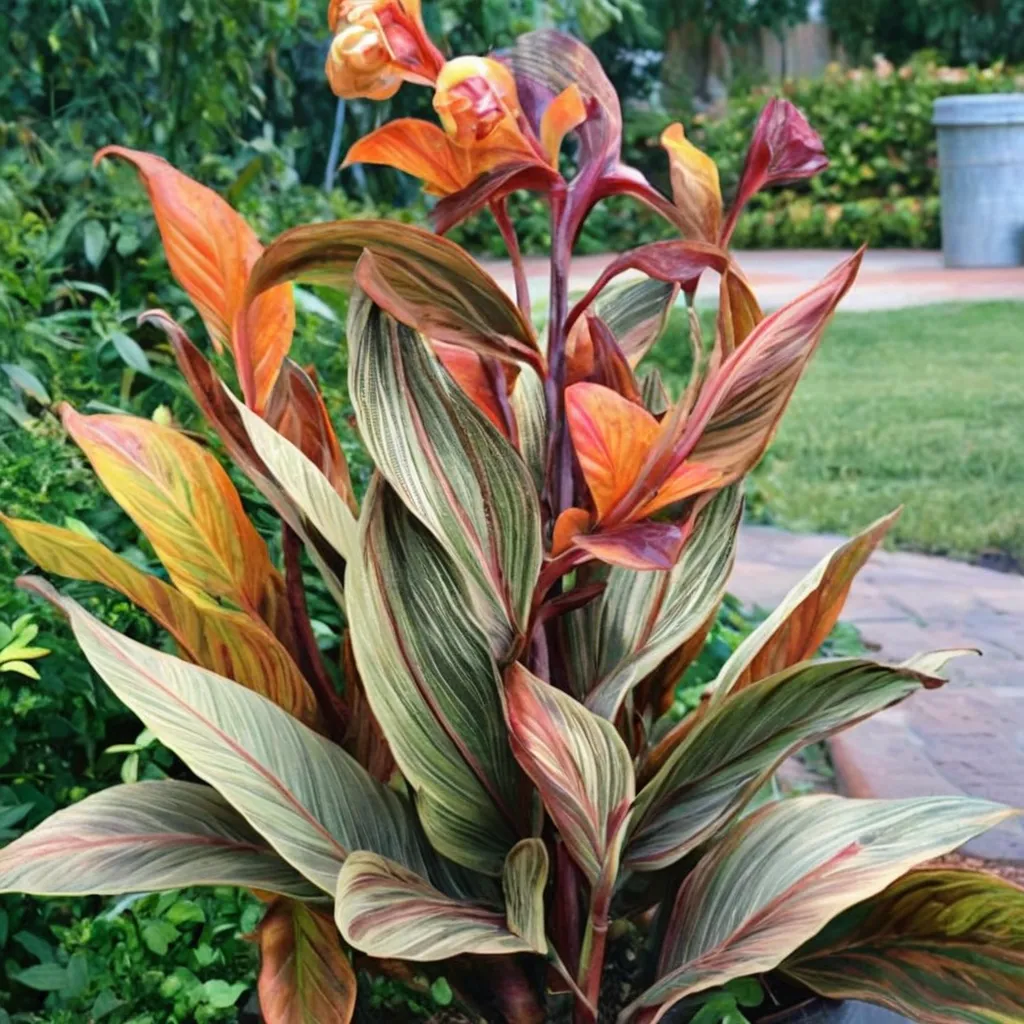
Tropicanna Canna
Canna x generalis 'Durban'
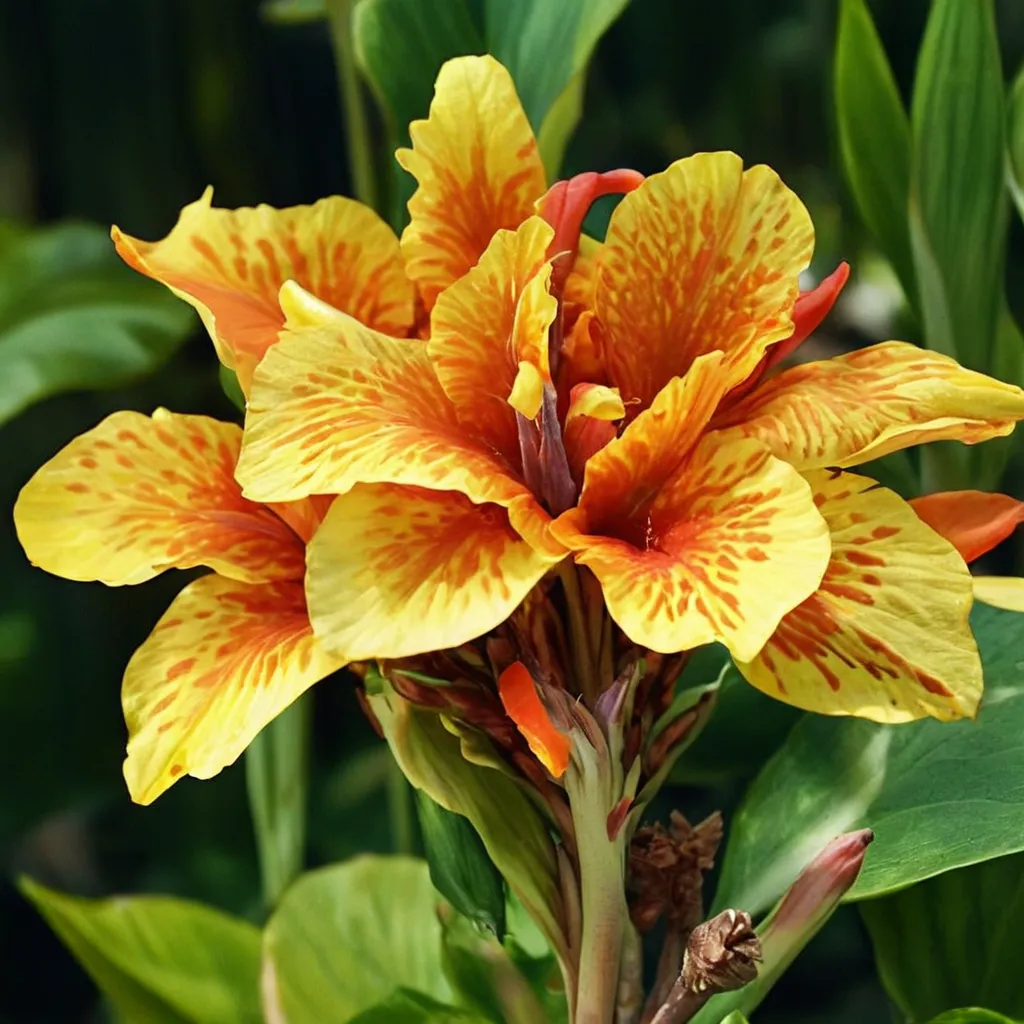
Mactro Canna Lily
Canna x generalis 'Mactro'
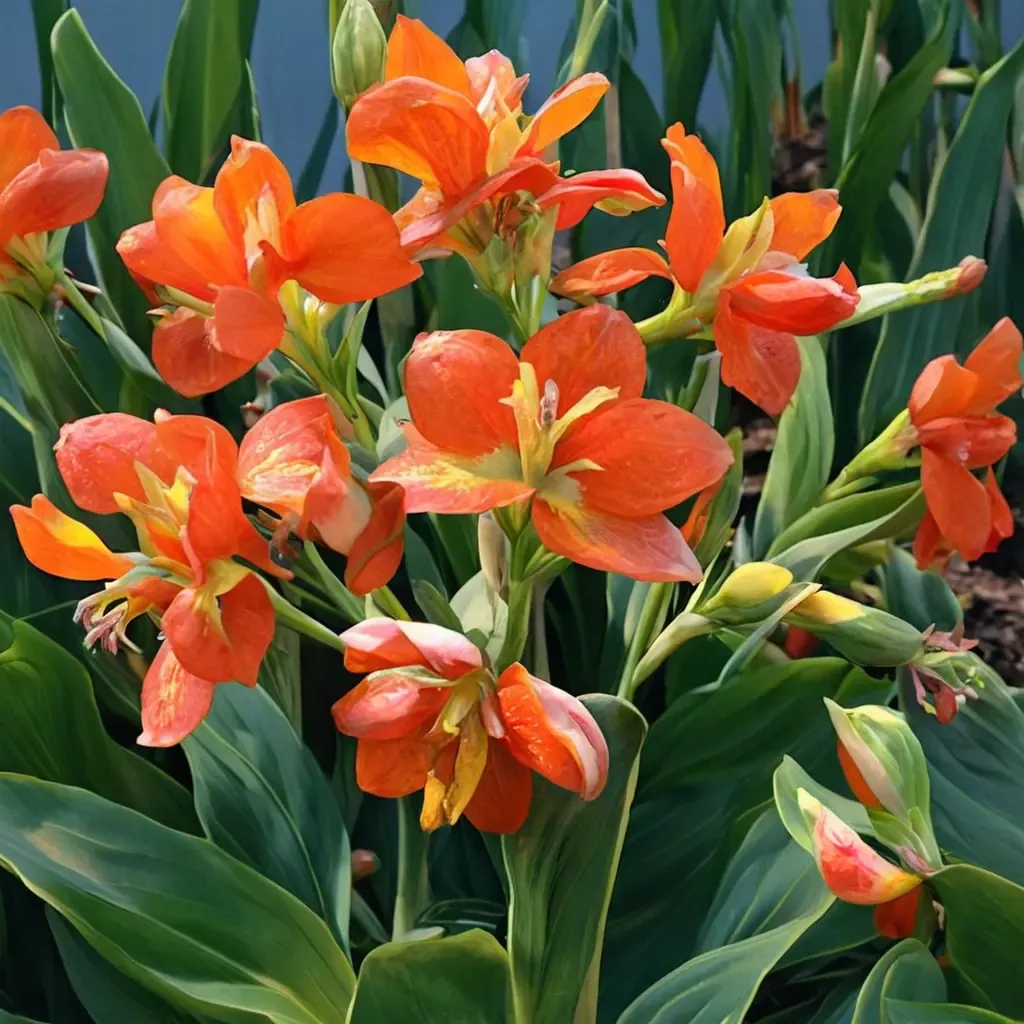
Orange Punch Canna
Canna x hybrida 'Orange Punch'
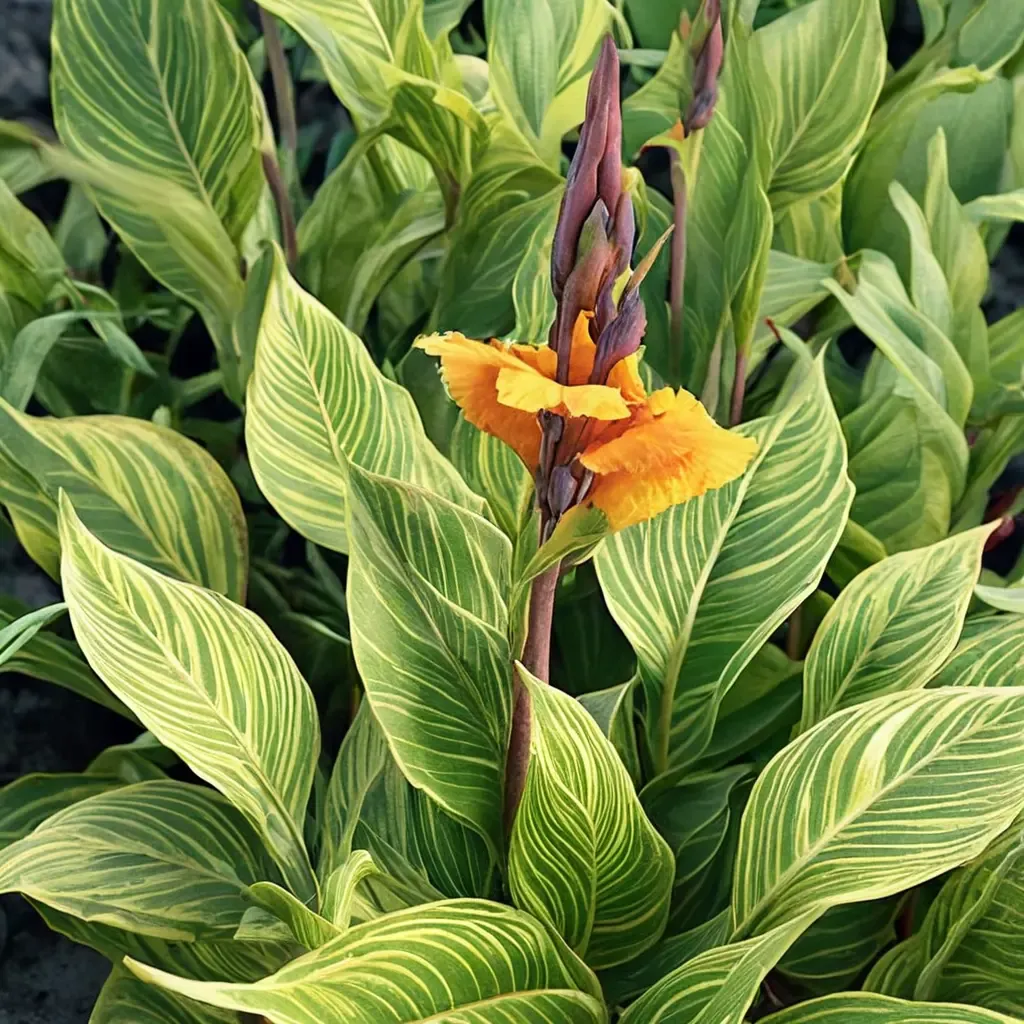
Bengal Tiger Canna
Canna x hybrida 'Bengal Tiger'
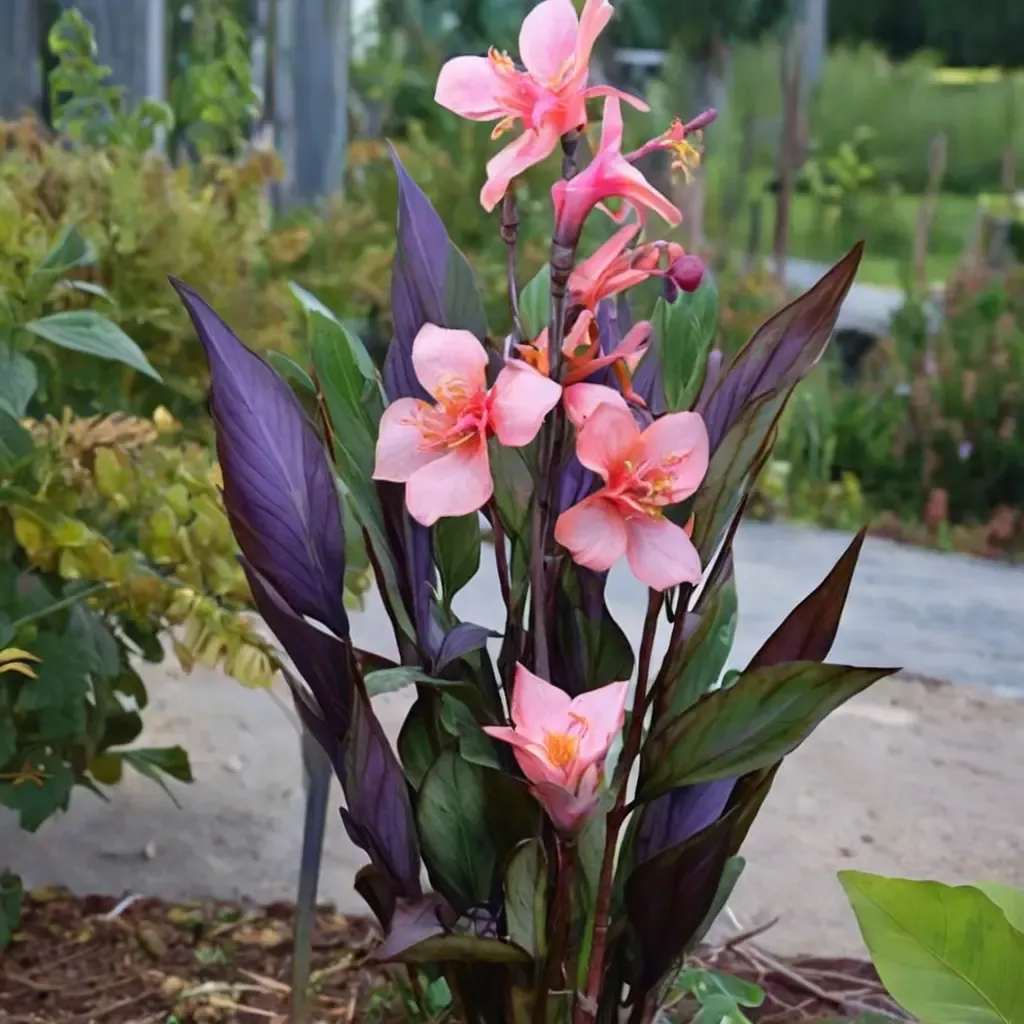
Blueberry Sparkler Canna
Canna x hybrida 'Blueberry Sparkler'
Wyoming Canna
Canna indica 'Wyoming'
Keep exploring
Explore the genus
Hardy in your zone?
Grow Canna 'Valentine' with confidence
See it in a design of your actual yard, get zone-matched care reminders, and track it season by season in your garden journal.