Also known as Banana · 97 saves
Musa
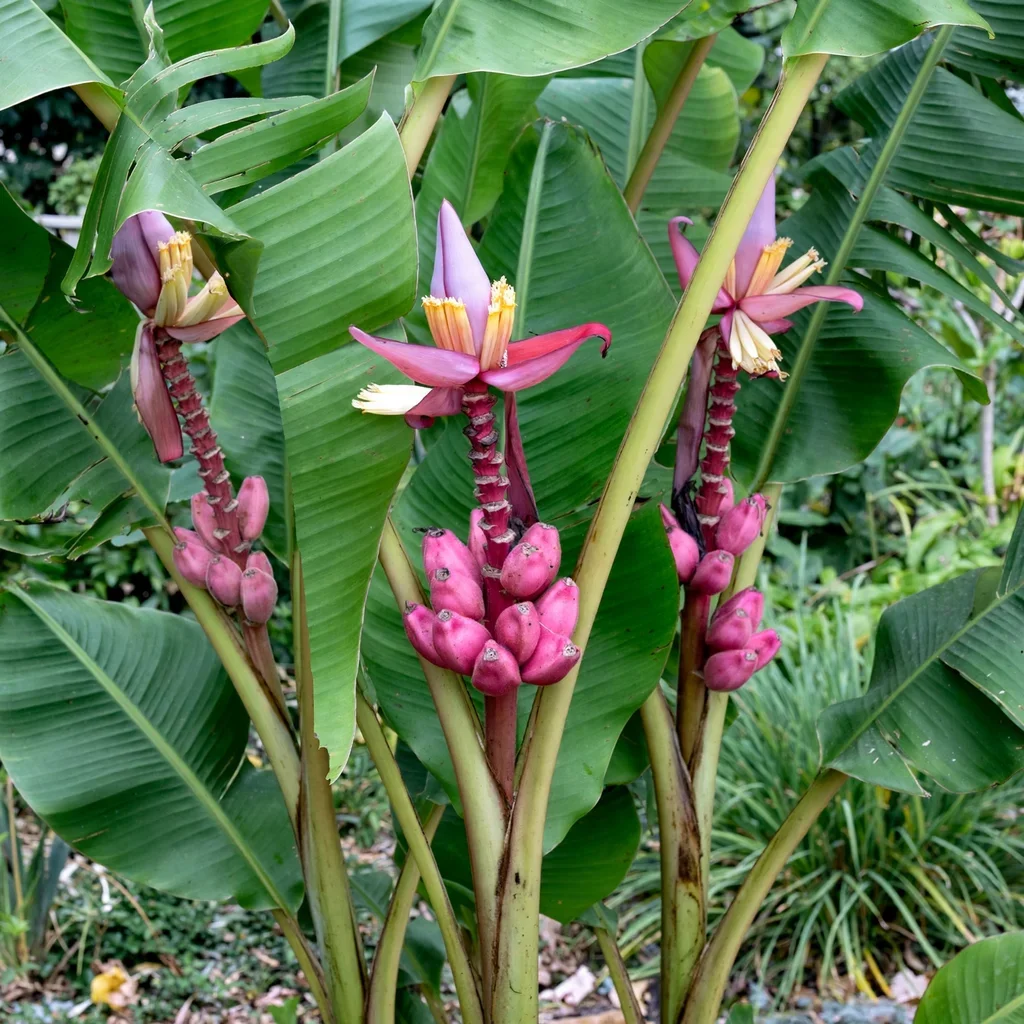
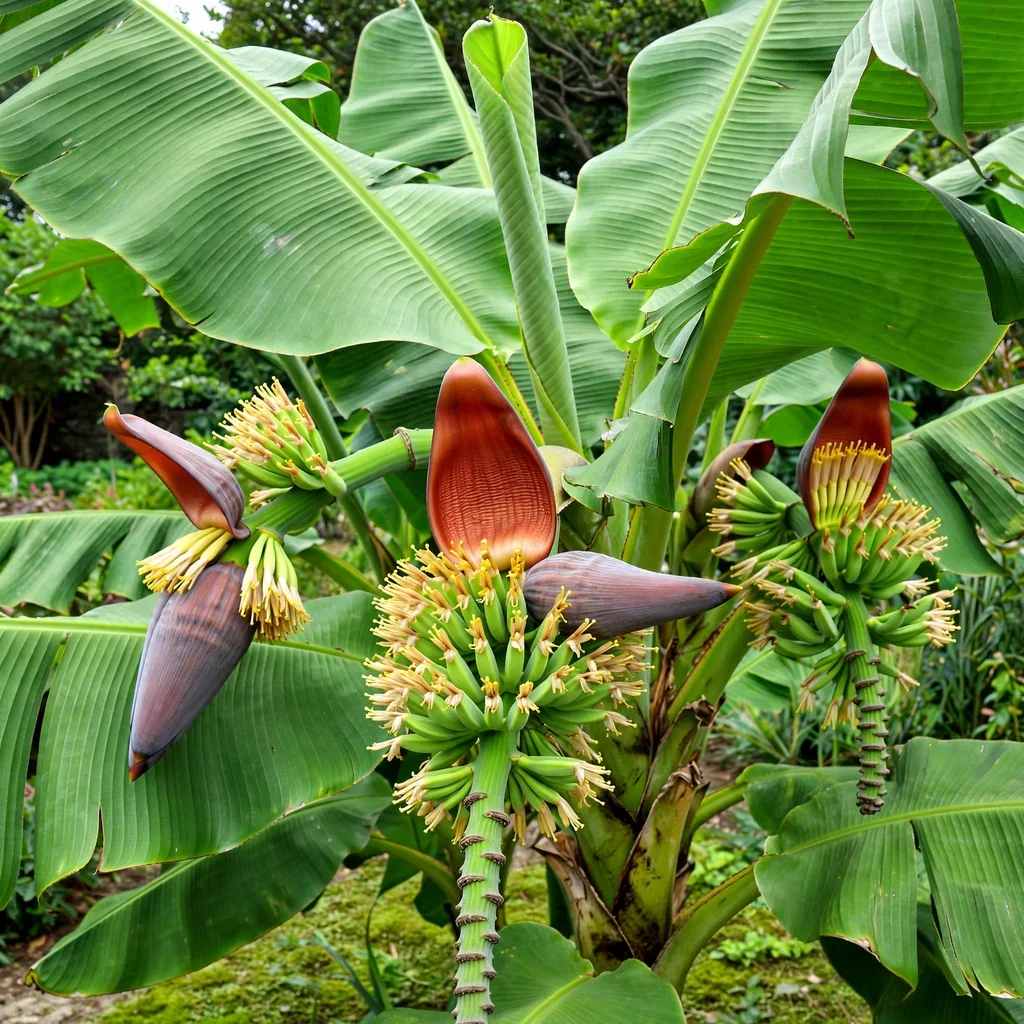
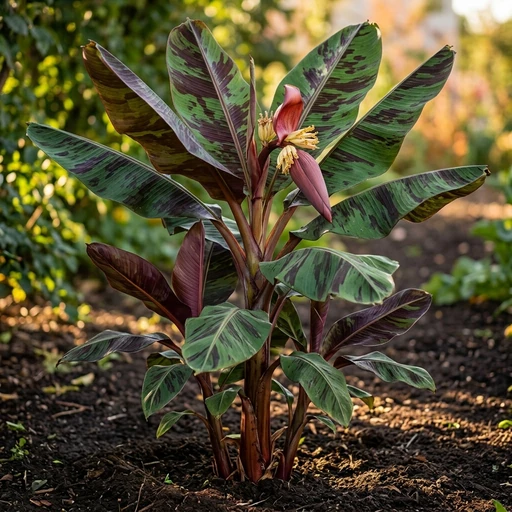
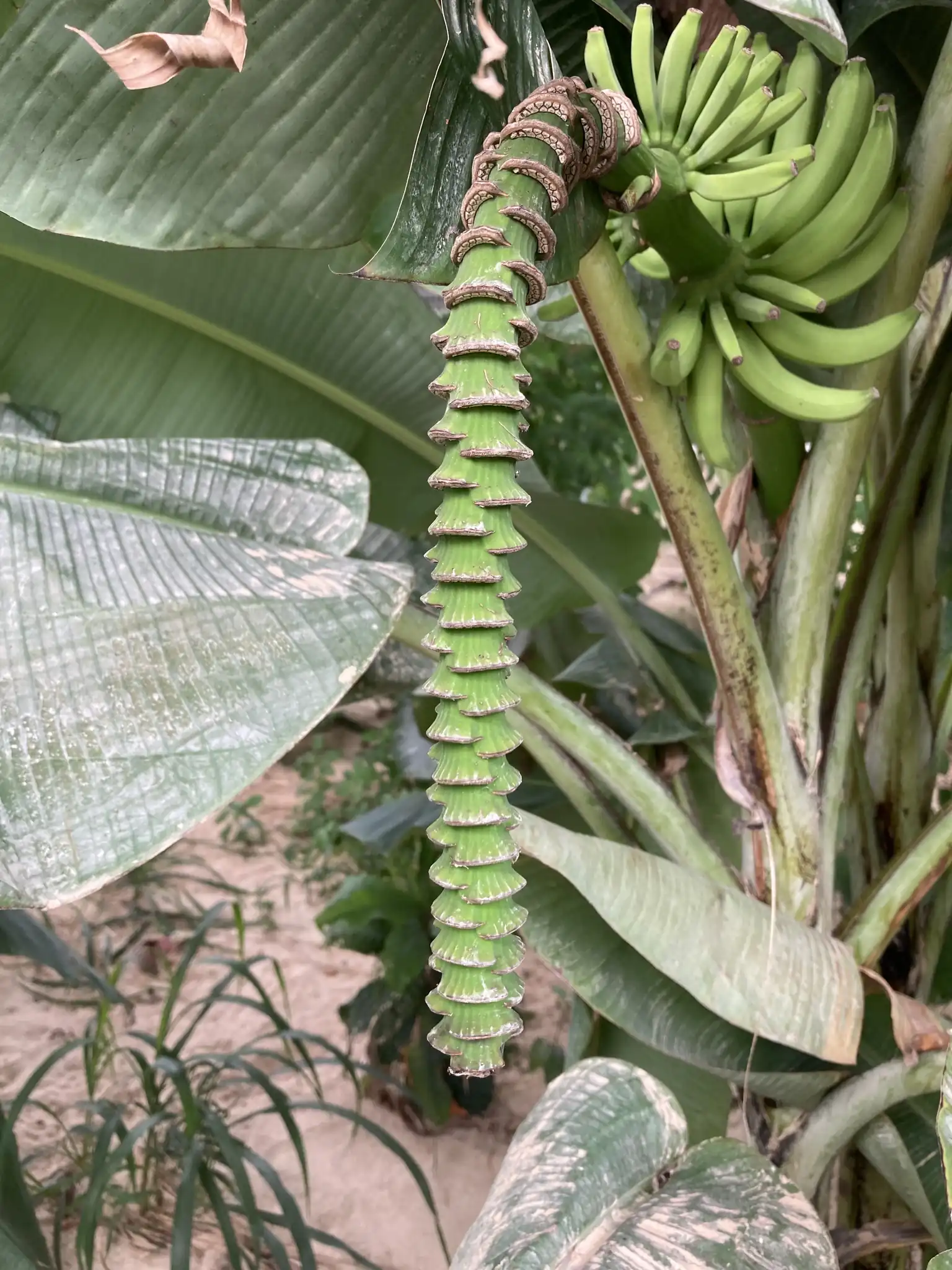
Musa, the genus most gardeners know as banana. We track 8 varieties; the ones most used by real gardeners.
The 8 most-saved Musa varieties
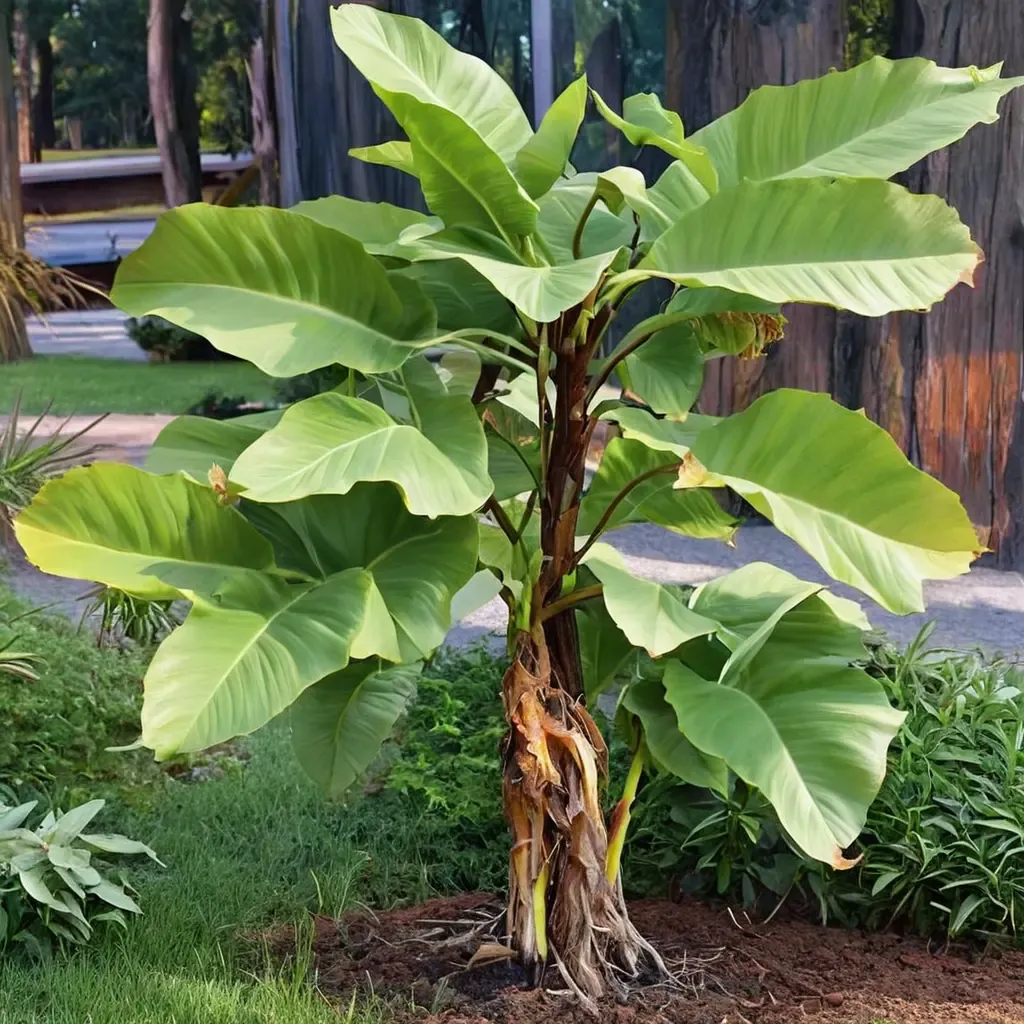
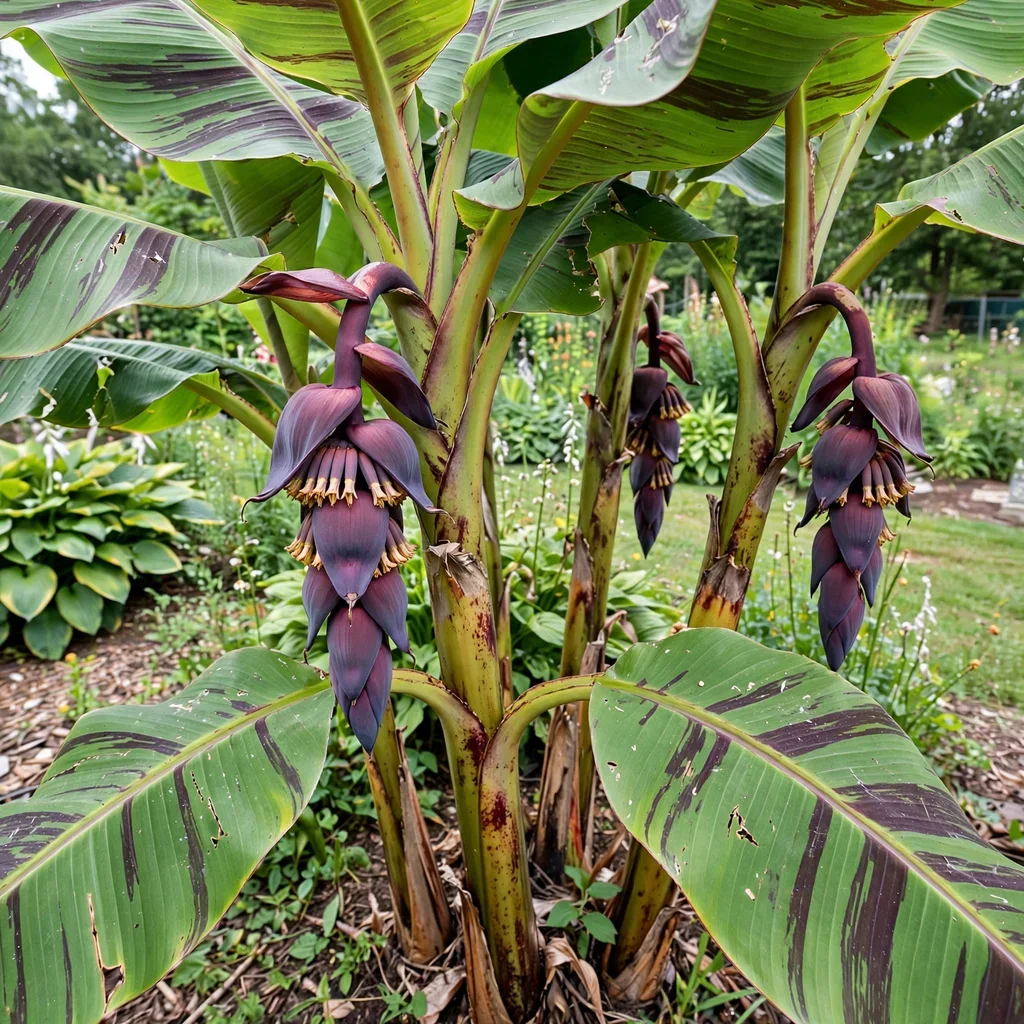
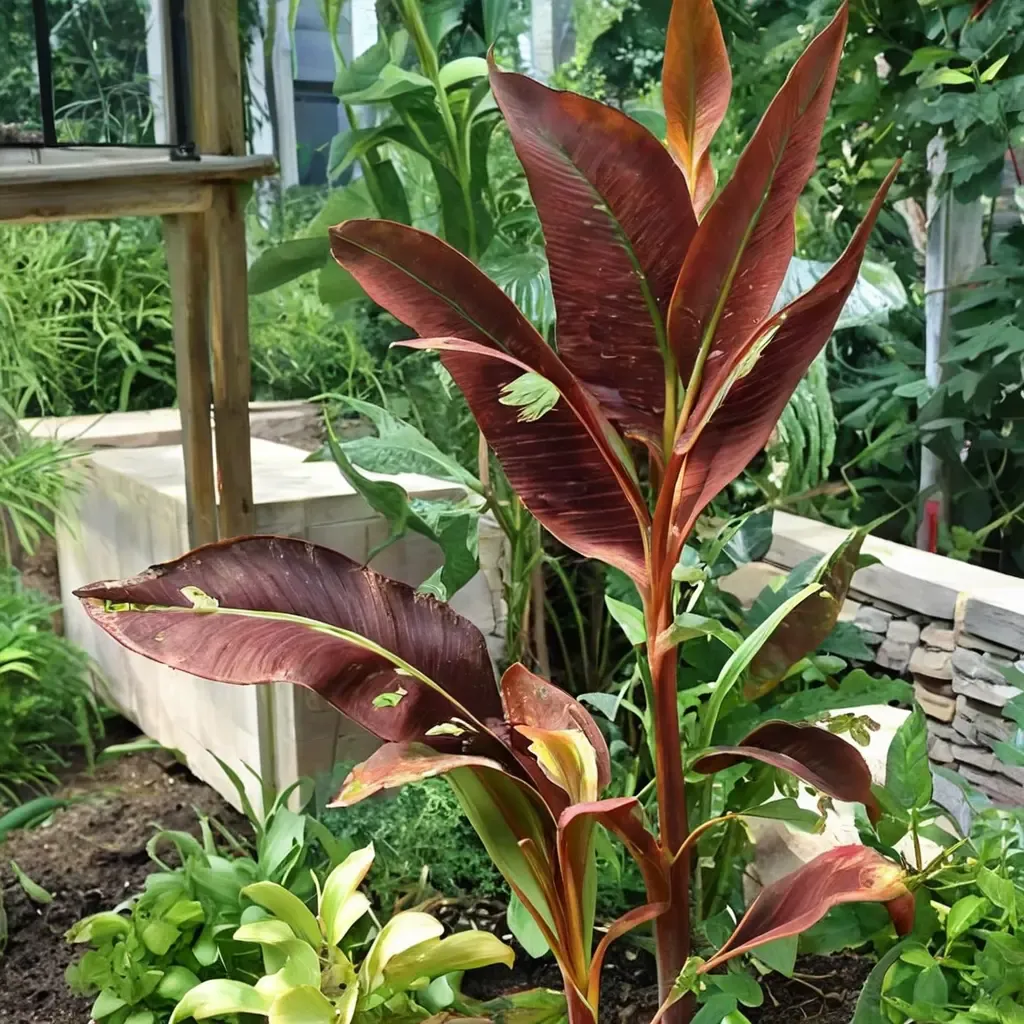
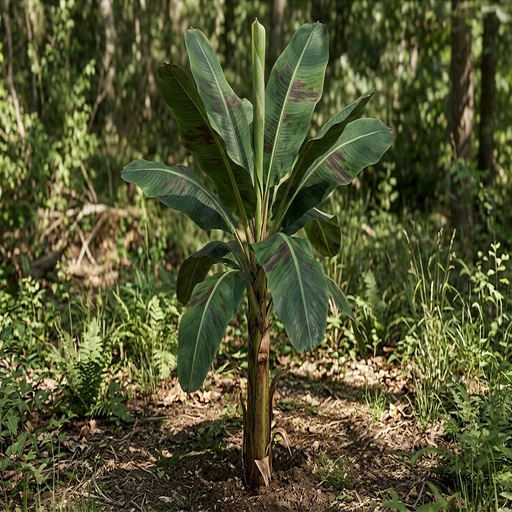
3 species of Musa
Each one is a parent of the varieties above.
Track your Musa in Sow
Save the Musa you grow and get care reminders timed to your zone.
How to grow Musa
Whats common across all Musa varieties in our catalog — drawn from the care records of the 8 most-grown of them.
The Musa year
- PlantMay and June88% of varieties
Plant or transplant suckers after the last expected frost
- FertilizeMay–September88% of varieties
Apply high-nitrogen fertilizer monthly for rapid, lush growth
- Winter PrepOctober–December88% of varieties
Cut stems back and heavily mulch or wrap the base for winter survival
- PruneSeptember50% of varieties
Remove unwanted suckers to control spread and maintain clump size
- Spring CleanupMarch and April38% of varieties
Remove dead pseudostems and winter protection material


Do
- Prune dead or damaged leaves
- Water regularly to keep soil moist 🌱
- Apply mulch to retain soil moisture
- Fertilize monthly during growing season
- Provide partial shade in hot climates
Avoid
- Avoid waterlogging the roots ❌
- Do not expose to full harsh sun in summer ❌
- Skip fertilizing during dormancy ❌
- Do not disturb rhizomes unnecessarily ❌
What goes wrong with Musa
| Problem | What you'll see | What to do |
|---|---|---|
| Spider Mites | Fine webbing on leaves, stippled appearance, loss of color. | Increase humidity. Wipe leaves with a damp cloth or spray with insecticidal soap. |
| Aphids | Sticky residue and distorted leaves | Use insecticidal soap or neem oil |
| Spider mites | Fine webbing and speckled leaves | Apply horticultural oil or insecticidal soap |
| Mealybugs | White, cottony masses in leaf axils and on stems. | Dab with a cotton swab dipped in rubbing alcohol. Use neem oil for larger infestations. |
| Panama Disease | Yellowing and wilting leaves | Remove infected plants and rotate crops |
| Root Rot | Yellowing lower leaves, mushy stem base, stunted growth. | Caused by overwatering. Allow soil to dry out more between waterings. Repot in fresh, well-draining soil if severe. |
| Panama disease | Wilting and yellowing leaves | Use resistant varieties and crop rotation |
Making more Musa
Tissue culture
- Obtain healthy tissue samples from a nursery.
- Follow sterile lab procedures for tissue culture propagation.
- Plant tissue cultures in pots with rich soil after 6 weeks.
Rhizome division
- Dig up the clump in early spring.
- Cut rhizomes into sections with at least one eye each.
- Plant divisions 4 inches deep in prepared soil.
- Water thoroughly and keep moist for 2 weeks.
Musa questions
How many types of Musa are there?
The Sow catalog tracks 8 distinct Musa varieties. The most popular — ranked by 97 real gardeners — are shown first above.
What zones does Musa grow in?
Across its varieties, Musa covers USDA Zones 5–10. Individual varieties differ — each plant page lists its exact range, and Sow filters the catalog to your zone automatically.
When does Musa bloom?
Most Musa varieties bloom in late summer, early summer, mid-summer. Staggering early, mid, and late varieties extends the genus's season in one bed.
Which Musa should I choose?
Start from the most-saved varieties above — popularity across thousands of gardens is a strong signal of reliability — then filter by your zone and sun. In the Sow app you can preview any of them in a photo of your actual yard before you buy.