The Story
Plant Bio
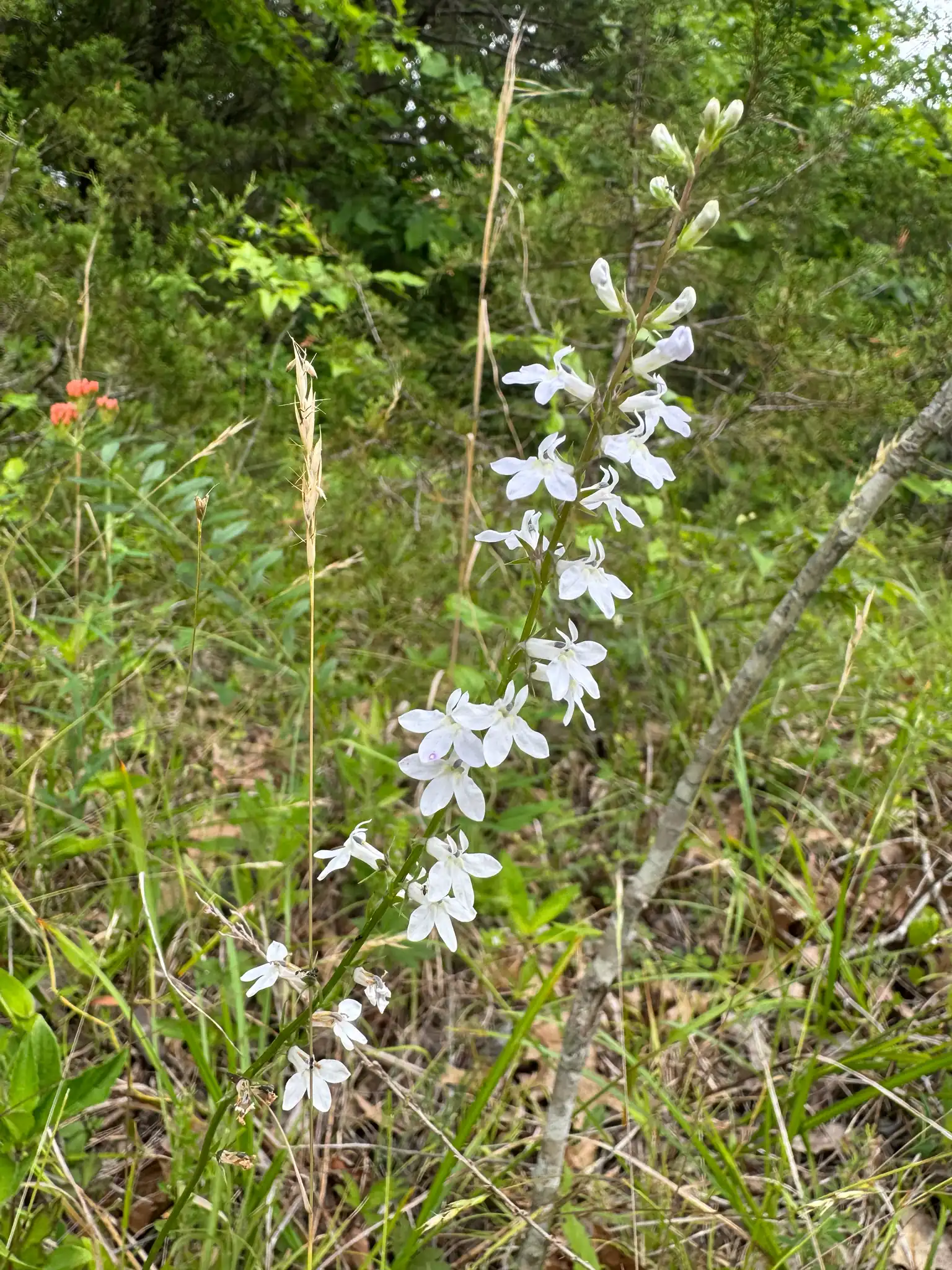
Lobelia spicata is an erect herbaceous perennial native to North American meadows, fields, and open thickets, growing from a low basal rosette. It produces slender central stems holding narrow, lanceolate leaves along the lower portion, topped in summer by tight, upright flowering spikes.
Unlike wetland lobelias, this species thrives in dry to moist well-drained soils and exhibits moderate drought tolerance once established. Its interrupted flower spikes feature small, two-lipped pale blue to white blooms that attract native bees.
Uses & Benefits:
Essentials
At a Glance
Plant Type
Perennial
Height
36"
Width
12"
Light
Full Sun, Partial Sun
Zones
4, 5, 6, 7, 8
Water
Low to Moderate
Humidity
Moderate
Lifespan
Perennial
Native To
North America
Toxicity
Toxic if ingested, skin irritant
Bloom period
Summer
In flower about 3 months of the year
Planting
How to Grow
- Select a site in full sun or partial shade with moist, well-drained loamy or sandy soil.
- Plant basal rosettes flush with the soil surface, spacing individual plants 6 to 12 inches apart.
- Water regularly during the first growing season to establish deep roots, then reduce frequency as plants mature.
- Deadhead spent flower spikes in late summer if self-seeding is not desired, or leave them standing to drop seed naturally.
Pro Tip
Avoid heavy fertilization and swampy soil; rich nutrients cause slender stems to flop over, while waterlogging induces root rot.
Keep It Thriving
Care Guide
Do
- Provide well-drained soil to protect against winter root rot.
- Keep young plants consistently moist until established.
- Leave basal leaves intact over winter to support early spring regrowth.
Don't
- Do not over-fertilize, which creates weak, leggy stems that fall over.
- Do not plant in poorly drained, waterlogged sites.
- Do not prune back into old bare wood or disturb the basal rosette excessively.
Seasonal Care Calendar
| Task | Jan | Feb | Mar | Apr | May | Jun | Jul | Aug | Sep | Oct | Nov | Dec |
|---|---|---|---|---|---|---|---|---|---|---|---|---|
| Deadhead | ||||||||||||
| Pest Check | ||||||||||||
| Plant | ||||||||||||
| Winter Prep |
Watch Out For
Pests & Diseases
Common Pests
Common Diseases
In the Garden
Landscape Uses & Companions
Landscape Uses
Multiply
Propagation Methods
Good to Know
Common Questions
Pale-spike Lobelia questions
What zones can Pale-spike Lobelia grow in?
Pale-spike Lobelia is hardy in USDA Zones 4–8. Inside that range it survives winter in the ground; outside it, grow it as an annual or a container plant you protect.
Is Pale-spike Lobelia deer resistant?
Not reliably. Deer may browse Pale-spike Lobelia, especially tender spring growth — plan on repellents or fencing where pressure is high.
When does Pale-spike Lobelia bloom?
Pale-spike Lobelia typically blooms in summer through summer. Exact timing shifts a week or two with your zone — Sow's bloom calendar maps it to your garden.
Does Pale-spike Lobelia need full sun?
Pale-spike Lobelia does best in full sun to part shade. In hot climates, afternoon shade keeps blooms fresher longer.
Is Pale-spike Lobelia drought tolerant?
Yes — once established (usually after the first full season), Pale-spike Lobelia handles dry spells with minimal watering. Water deeply its first year to build the root system that makes that possible.
More Lobelia to compare
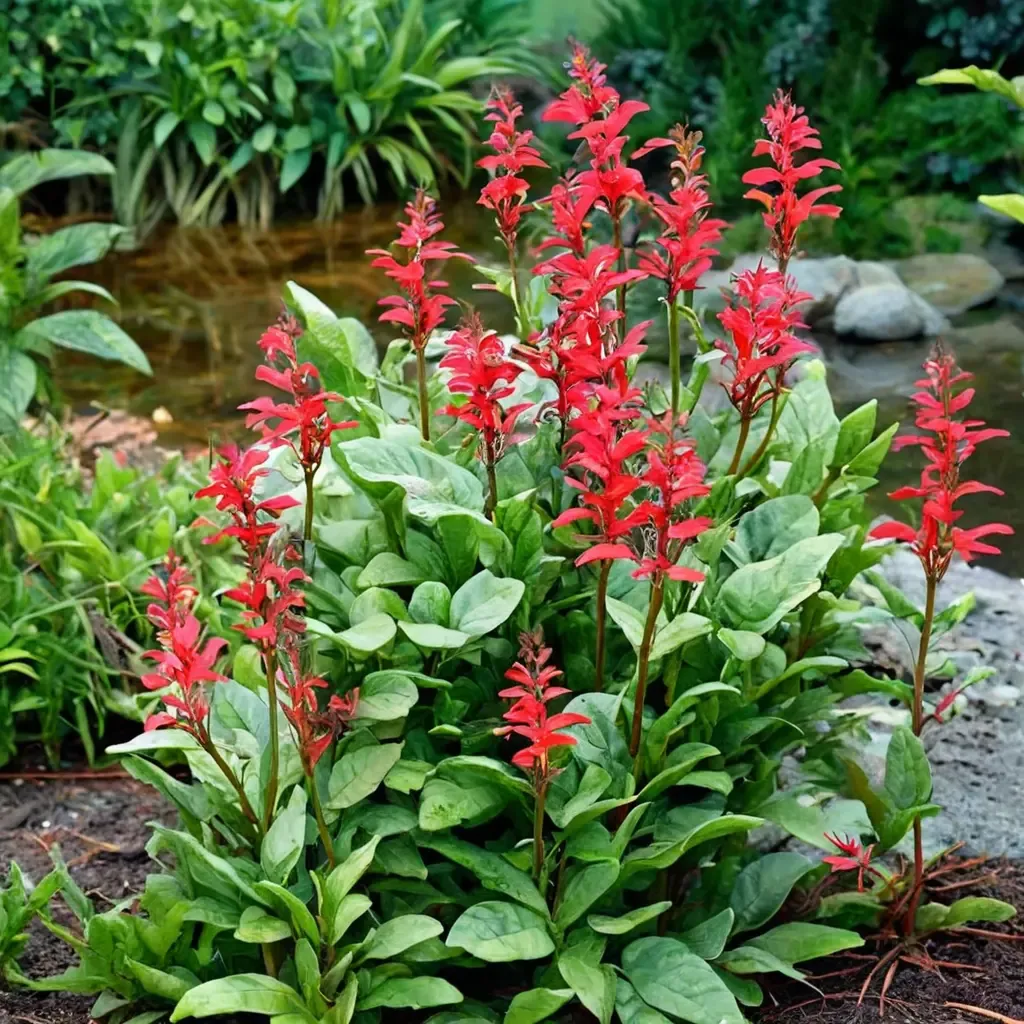
Cardinal Flower
Lobelia cardinalis
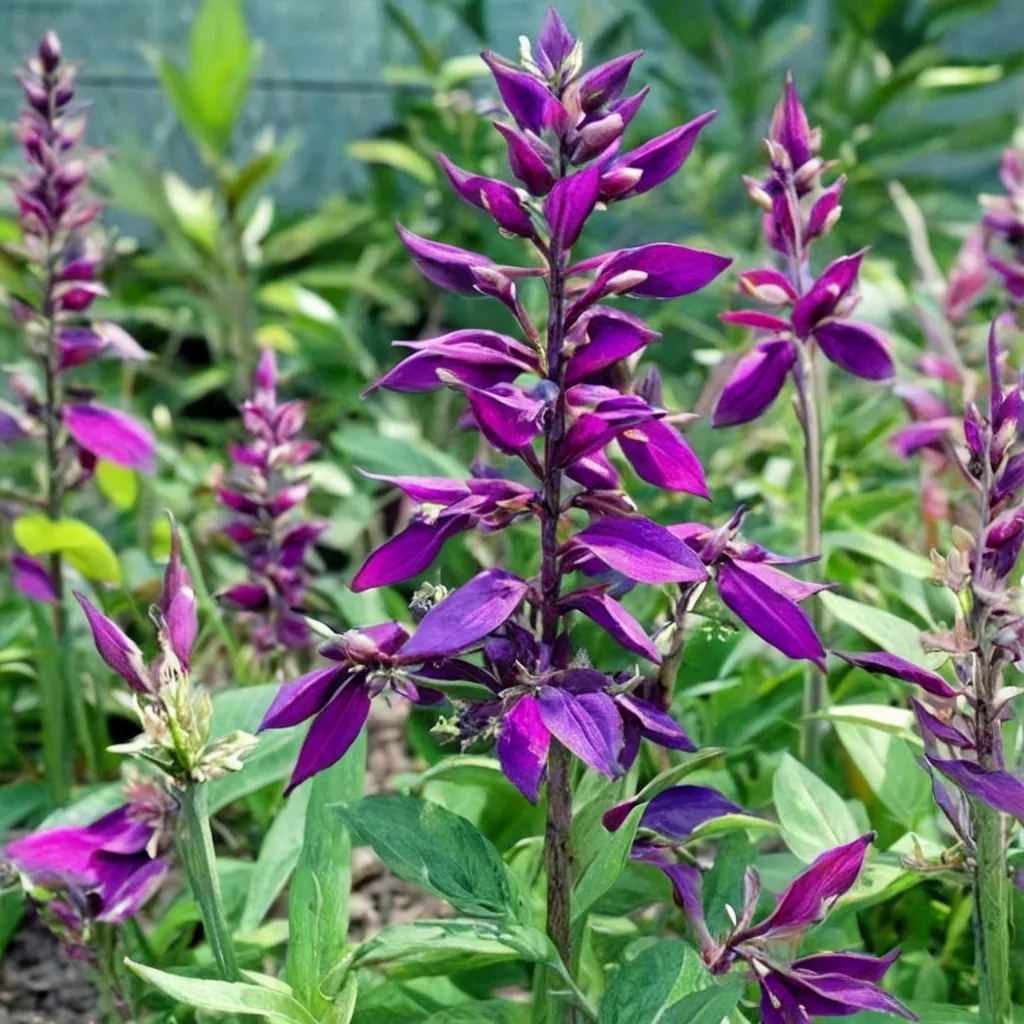
Hybrid Cardinal Flower
Lobelia speciosa 'Compliment Violet'
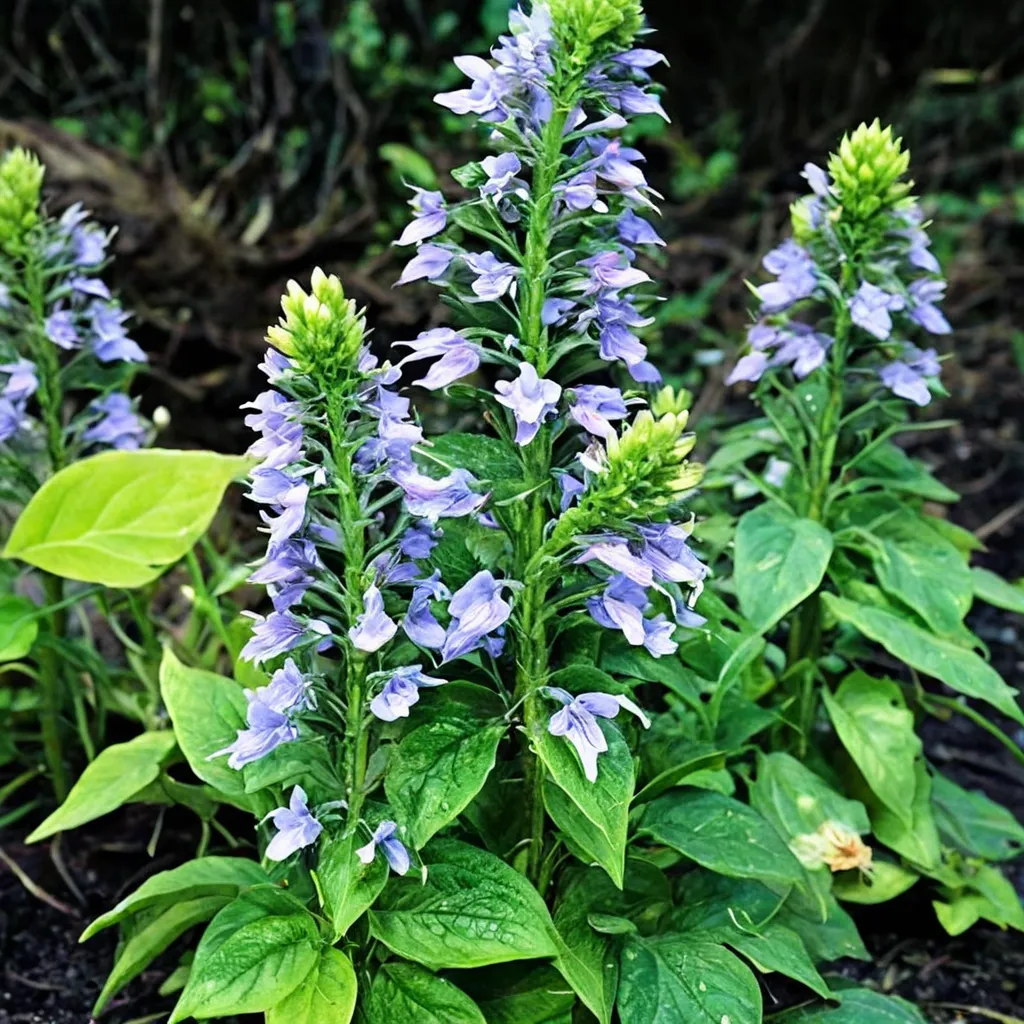
Lilac Candles Great Blue Lobelia
Lobelia siphilitica 'Lilac Candles'
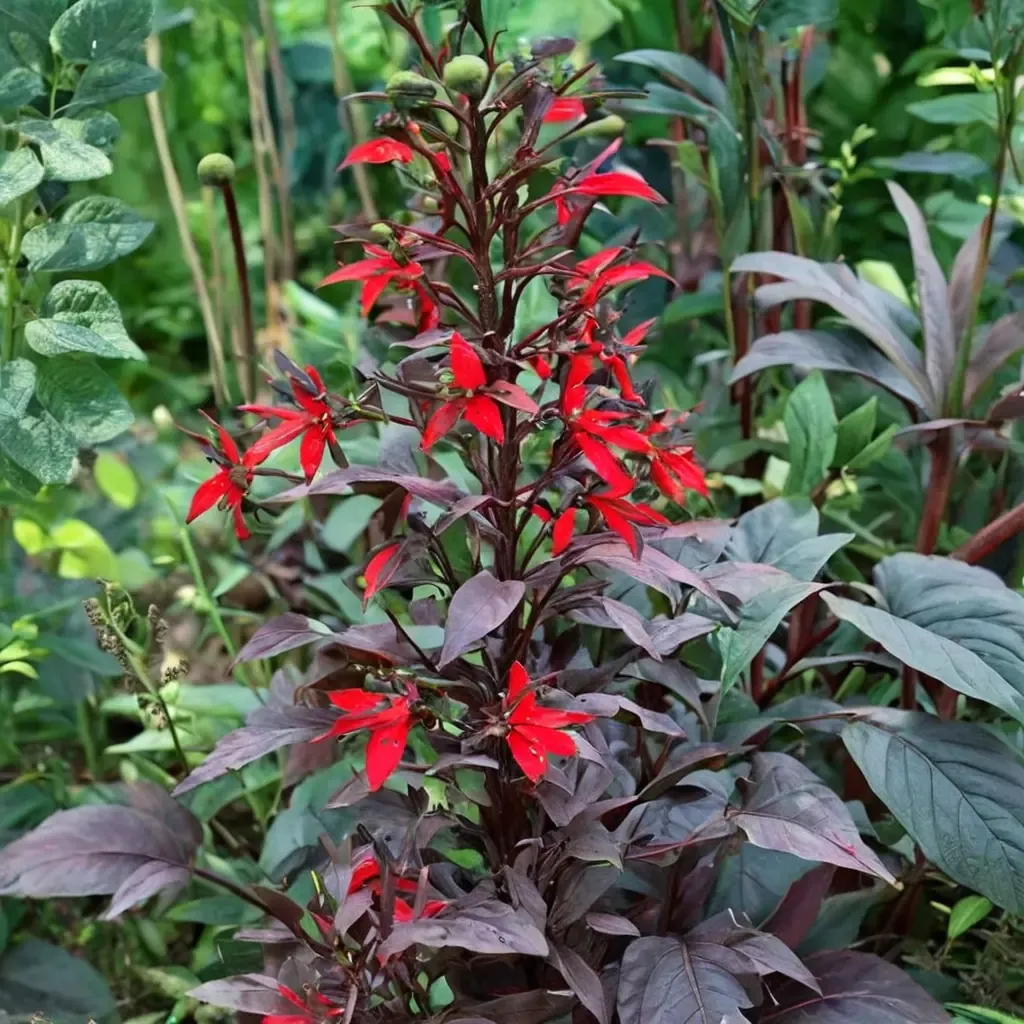
Cardinal Flower 'Black Truffle'
Lobelia cardinalis 'Black Truffle'
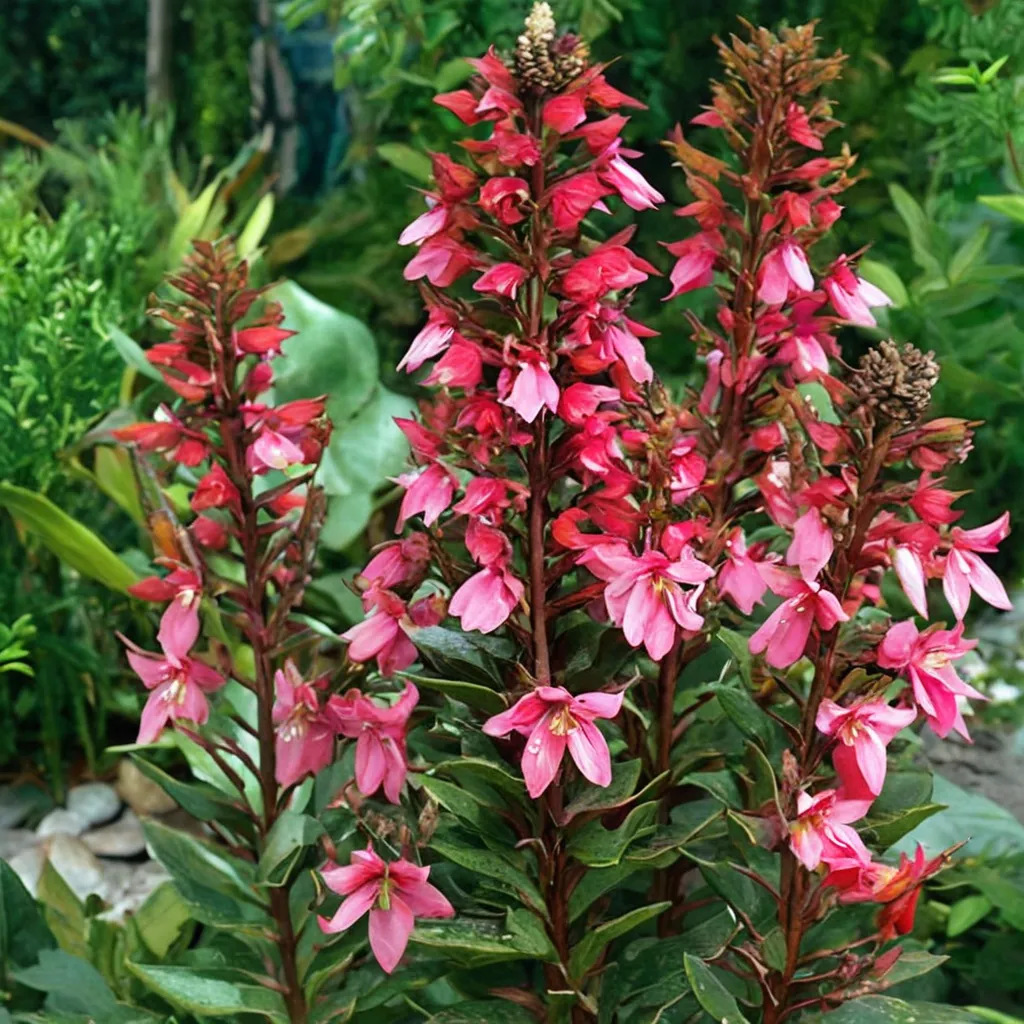
Fan Cinnabar Rose Lobelia
Lobelia speciosa 'Fan Cinnabar Rose'
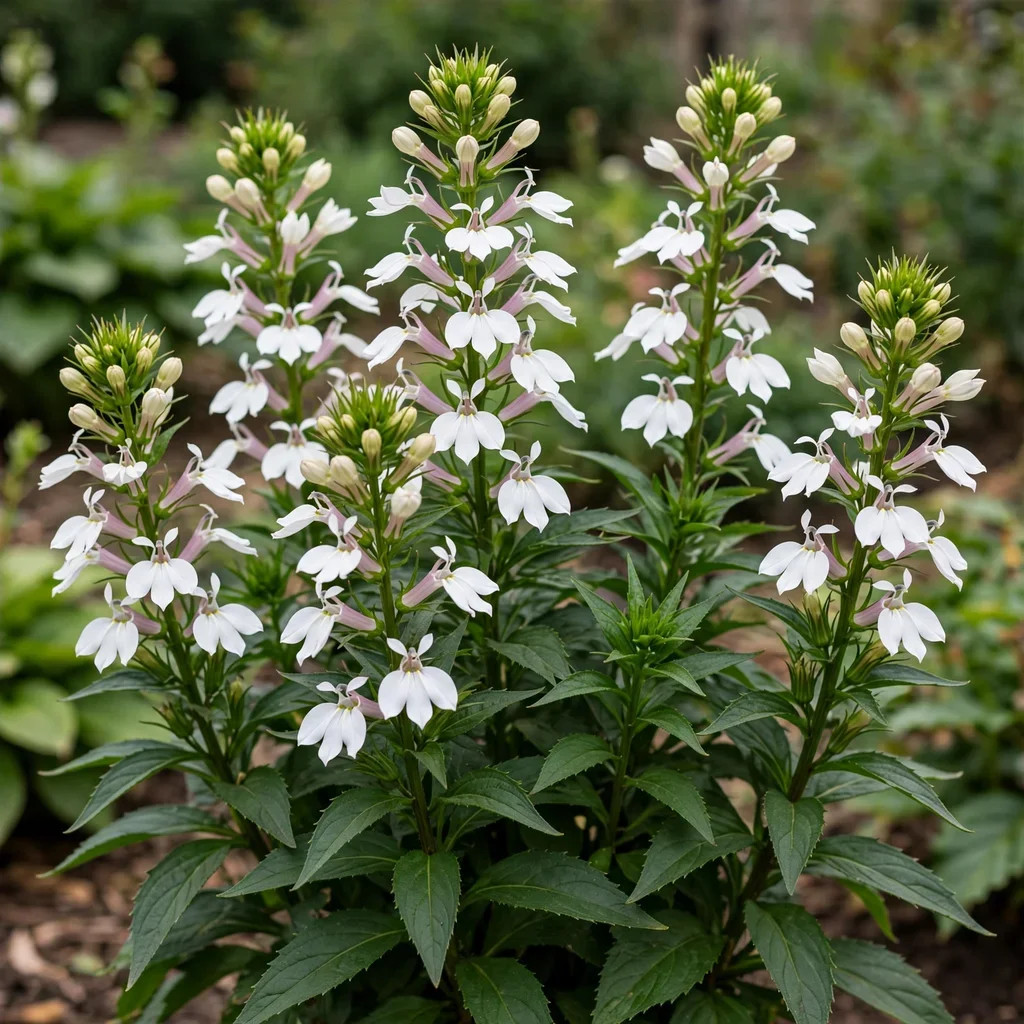
Perrys White Cardinal Flower
Lobelia cardinalis 'Perrys White'
Keep exploring
Explore the genus
Hardy in your zone?
Grow Pale-spike Lobelia with confidence
See it in a design of your actual yard, get zone-matched care reminders, and track it season by season in your garden journal.