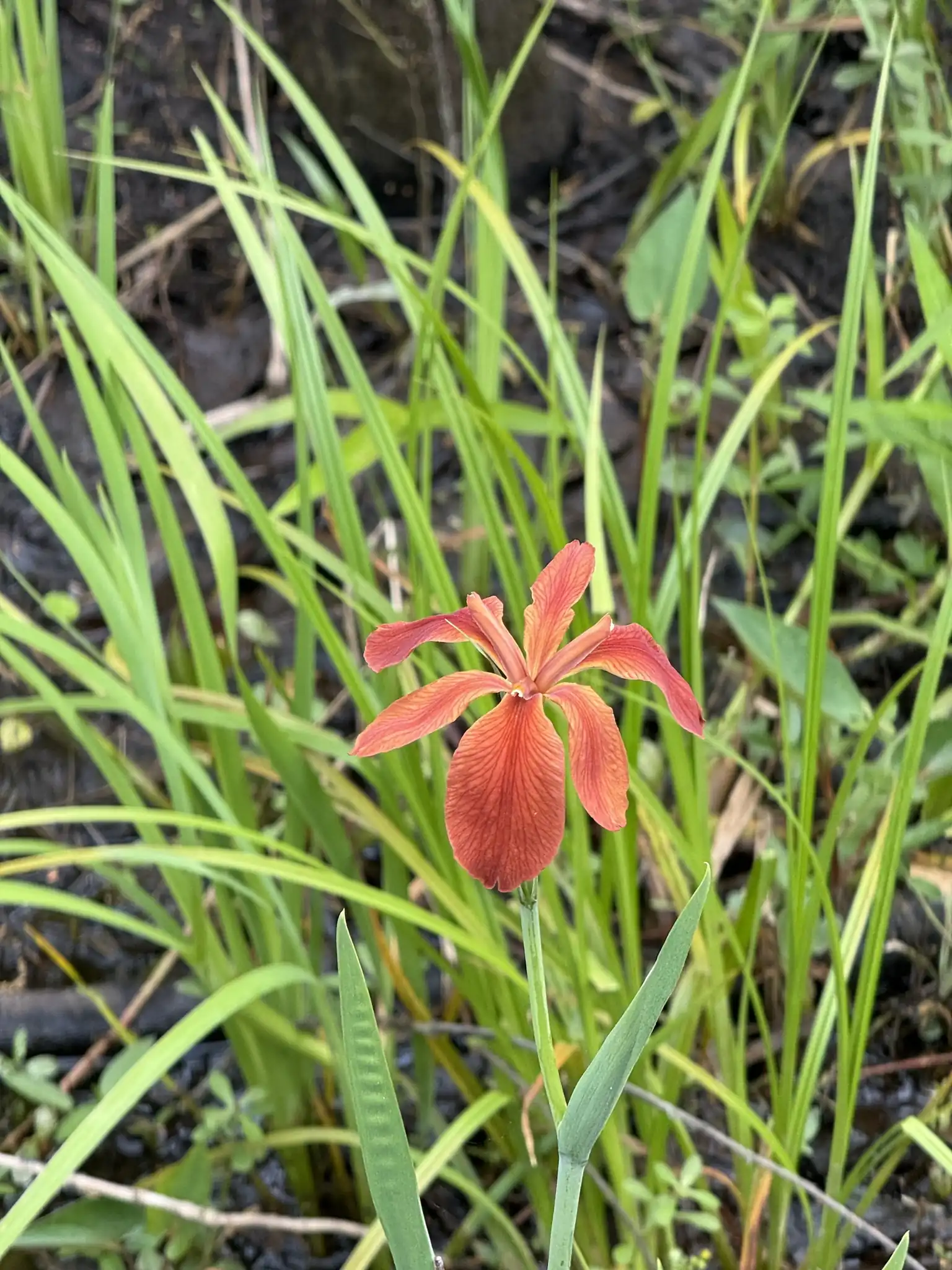
2 named cultivars
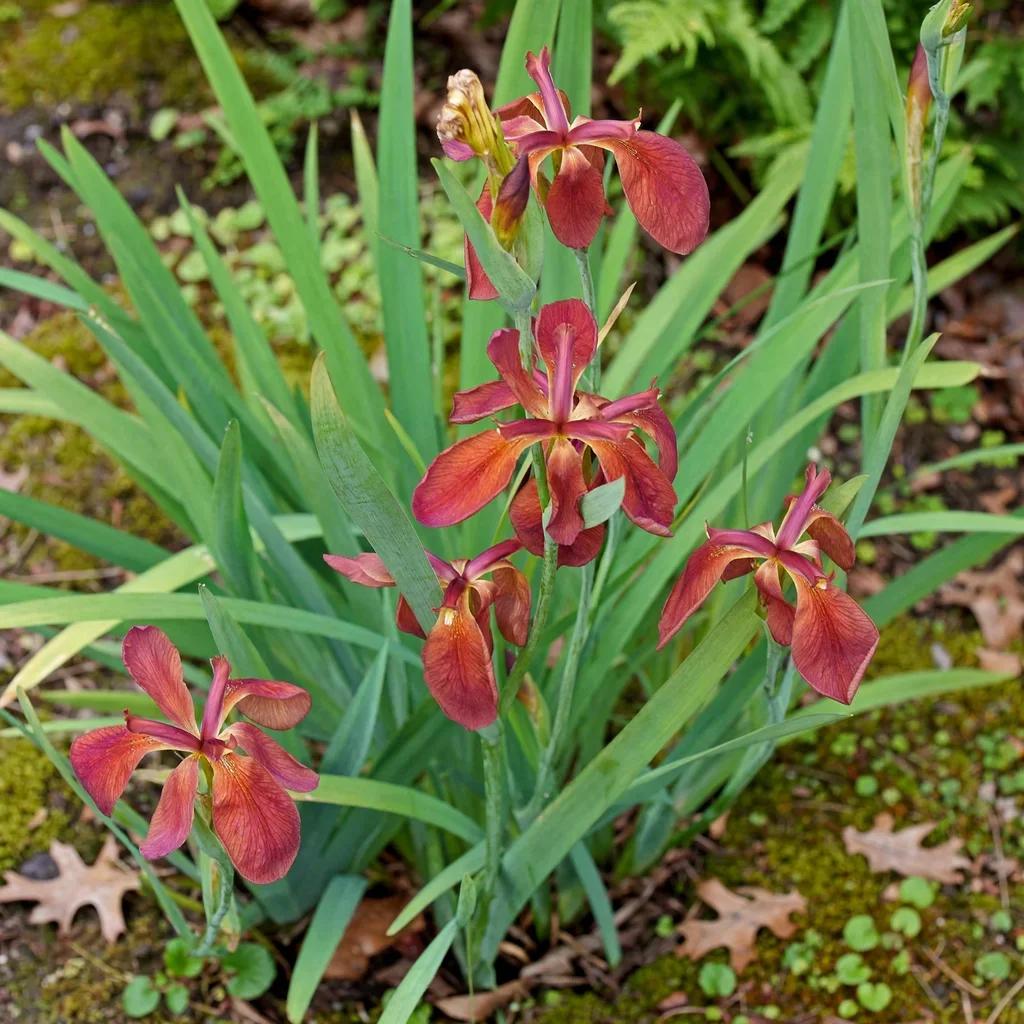

The Story
Plant Bio
Iris fulva, the copper iris, is a beardless rhizomatous iris native to the central United States, standing two to three feet high in wet ground. Narrow arching leaves rise from spreading rhizomes, and the flowers are an unusual coppery brown through shades of orange-red, with drooping falls and no beard. It blooms in May and June.
The colour is genuinely rare among hardy irises and is the reason to grow it, but it depends on wet feet: this is a plant for pond margins, rain gardens and heavy wet clay, and it will grow in up to six inches of standing water. In an ordinary well-drained border it slowly dwindles rather than failing outright.
Uses & Benefits:
Essentials
At a Glance
Plant Type
Perennial
Height
24"
Width
18"
Light
Full Sun, Partial Sun
Zones
5, 6, 7, 8, 9, 10
Water
High
Humidity
High
Lifespan
Perennial
Native To
Central United States
Toxicity
Toxic if ingested
Marketplace
Where to Buy
Shipping costs Year-round shipping Free shipping
Planting
How to Grow
- Plant rhizomes in late summer or early autumn.
- Choose a consistently moist to wet, slightly acidic site.
- Set rhizomes just below the soil surface.
- Give full sun, or part shade in the southern range.
- Keep the soil wet; standing water is tolerated.
- Divide congested clumps every few years after flowering.
Pro Tip
Unlike bearded irises, this one wants its rhizome covered and the ground wet; treating it like a border iris is what kills it.
Keep It Thriving
Care Guide
Do
- Keep the soil consistently wet 💧
- Plant it at pond margins or in rain gardens 🪷
- Set the rhizome just below the surface 🌱
- Divide congested clumps after flowering ✂️
Don't
- Treat it like a bearded iris in dry soil ❌
- Let the ground dry out in summer ❌
- Plant it in deep shade ❌
Seasonal Care Calendar
| Task | Jan | Feb | Mar | Apr | May | Jun | Jul | Aug | Sep | Oct | Nov | Dec |
|---|---|---|---|---|---|---|---|---|---|---|---|---|
| Divide |
Watch Out For
Pests & Diseases
Common Pests
Common Diseases
In the Garden
Landscape Uses & Companions
Landscape Uses
Companion Plants
Multiply
Propagation Methods
Good to Know
Common Questions
Copper Iris questions
What zones can Copper Iris grow in?
Copper Iris is hardy in USDA Zones 5–10. Inside that range it survives winter in the ground; outside it, grow it as an annual or a container plant you protect.
Is Copper Iris deer resistant?
Yes — Copper Iris is rated deer-resistant. Deer typically pass it over, though extreme hunger can override any plant's defenses.
When does Copper Iris bloom?
Copper Iris typically blooms in late spring to early summer through early summer. Exact timing shifts a week or two with your zone — Sow's bloom calendar maps it to your garden.
Does Copper Iris need full sun?
Copper Iris does best in full sun to part shade. In hot climates, afternoon shade keeps blooms fresher longer.
More Iris to compare
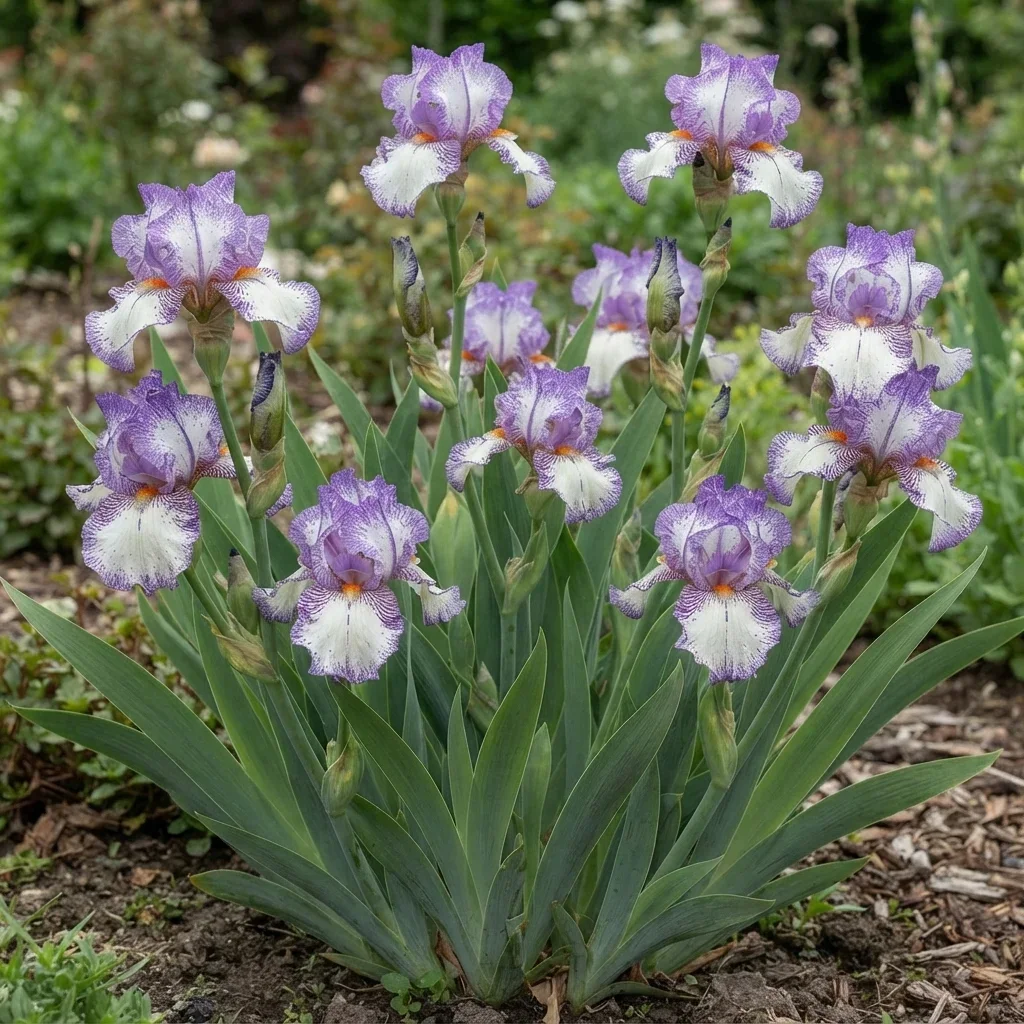
German Iris Bearded Iris
Iris x germanica 'Mix'
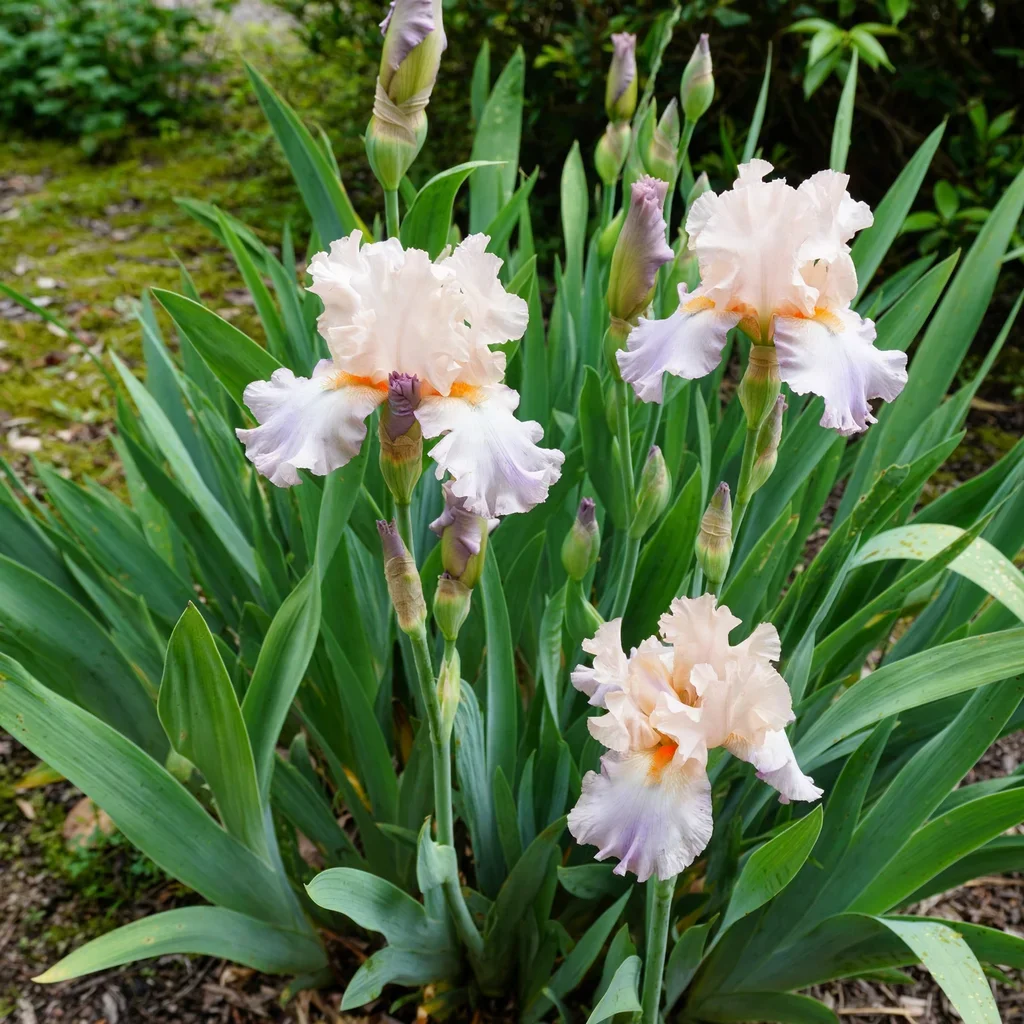
Celebration Song Iris
Iris tenuissima 'Celebration Song'
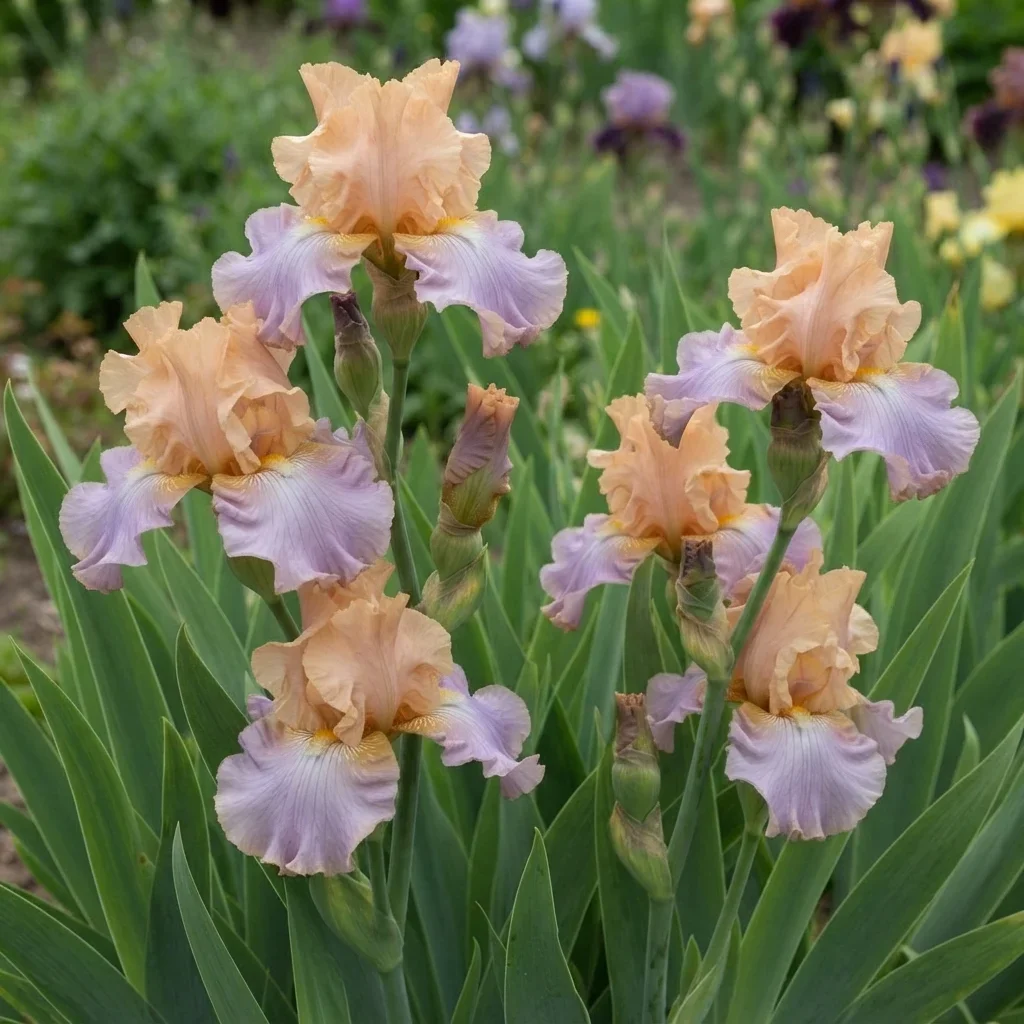
Poem of Ecstasy German Iris
Iris x germanica 'Poem Of Ecstasy'
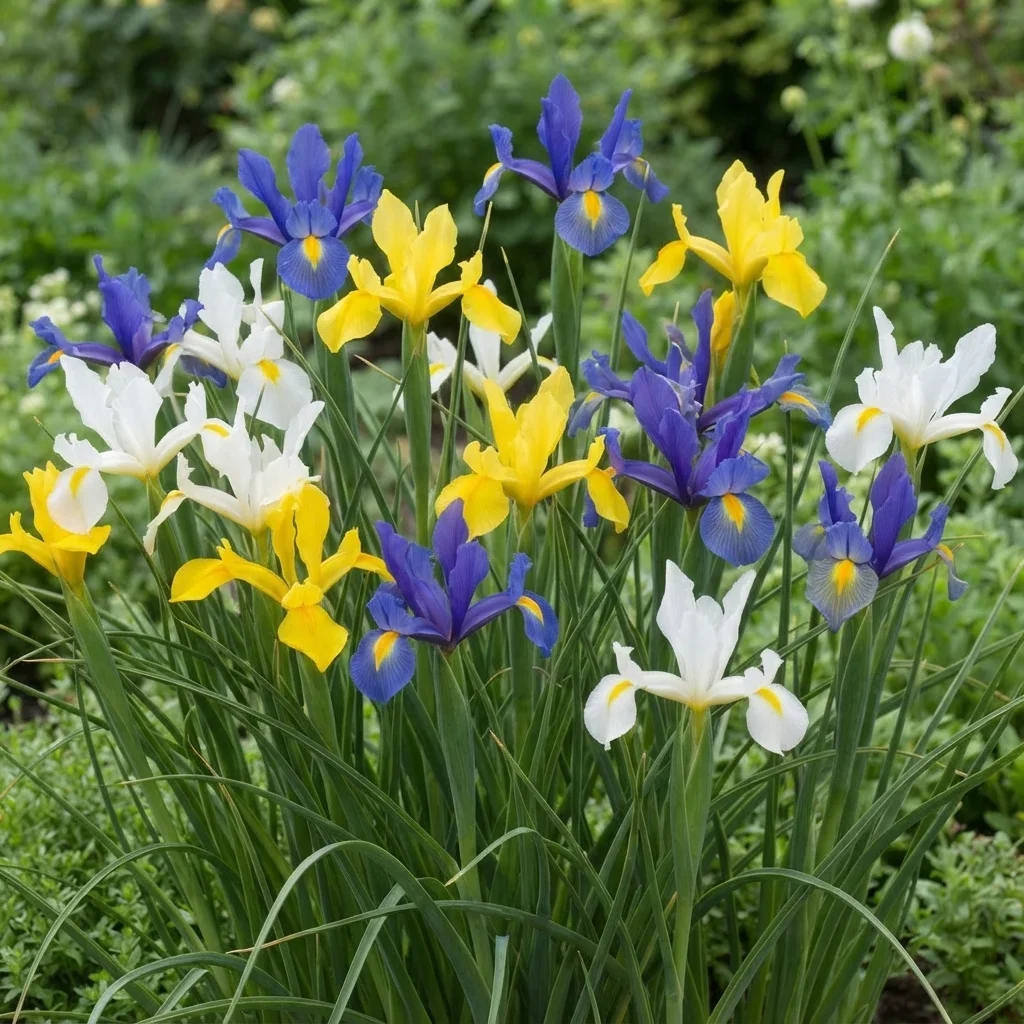
Dutch Iris Mix
Iris x hollandica 'Mix'
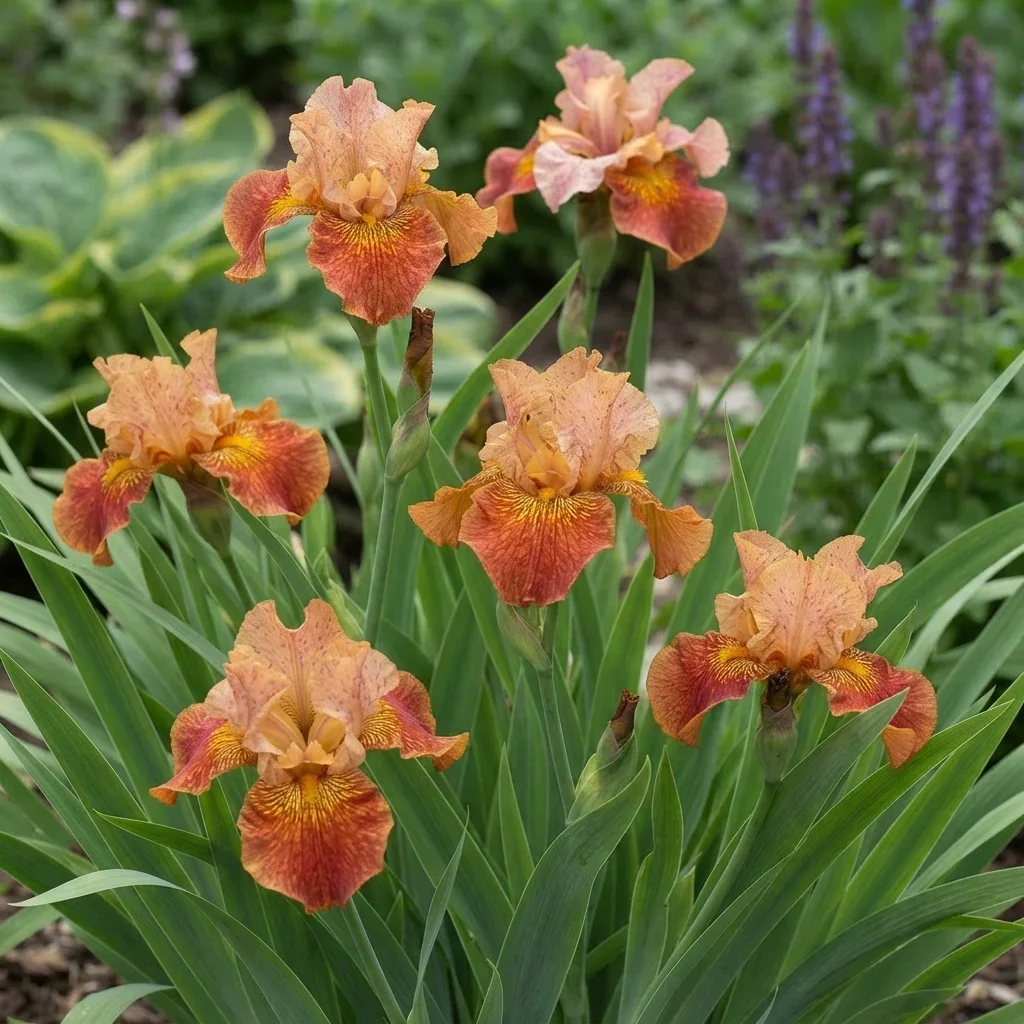
Siberian Iris 'Paprikash'
Iris x hybrida 'Paprikash'
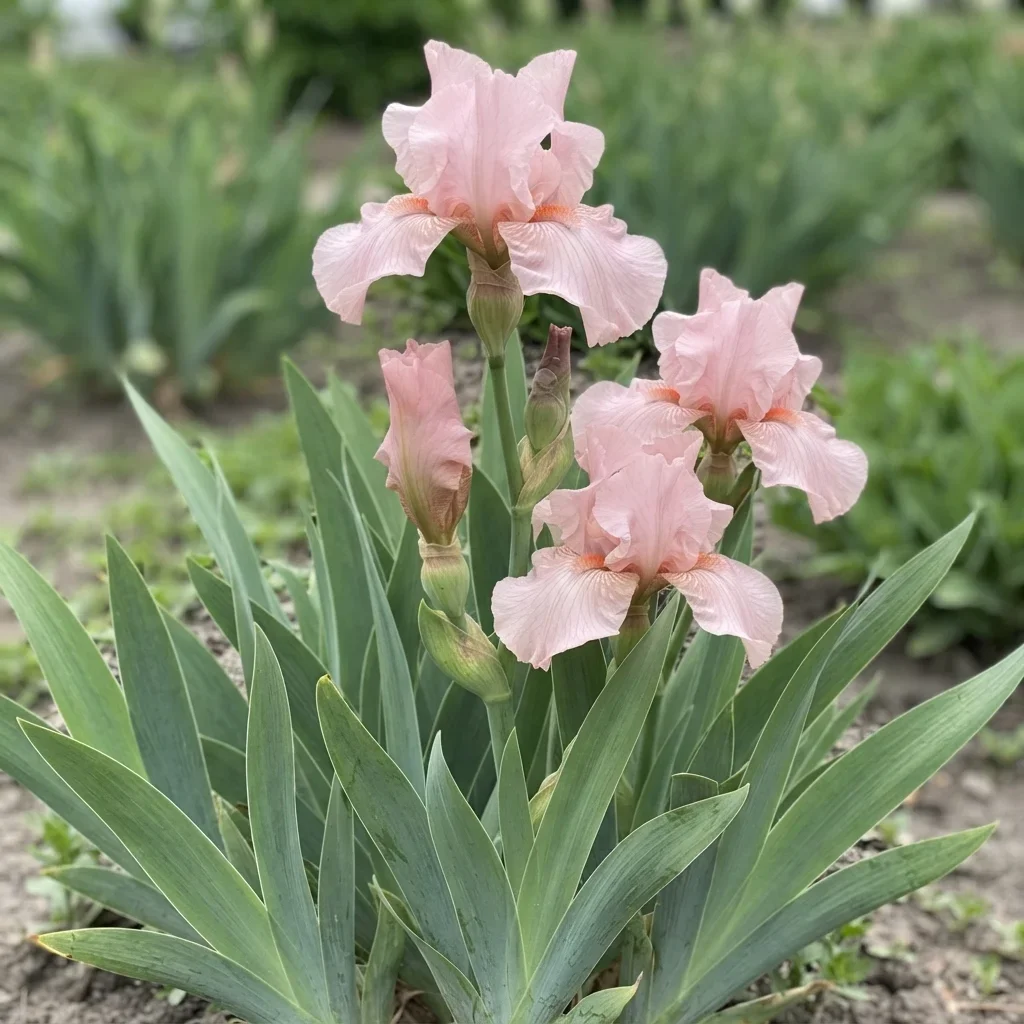
Baboon Bottom Bearded Iris
Iris x germanica 'Baboon Bottom Bearded'
Keep exploring
Explore the genus
Grow Copper Iris with confidence
See it in a design of your actual yard, get zone-matched care reminders, and track it season by season in your garden journal.