The Story
Plant Bio
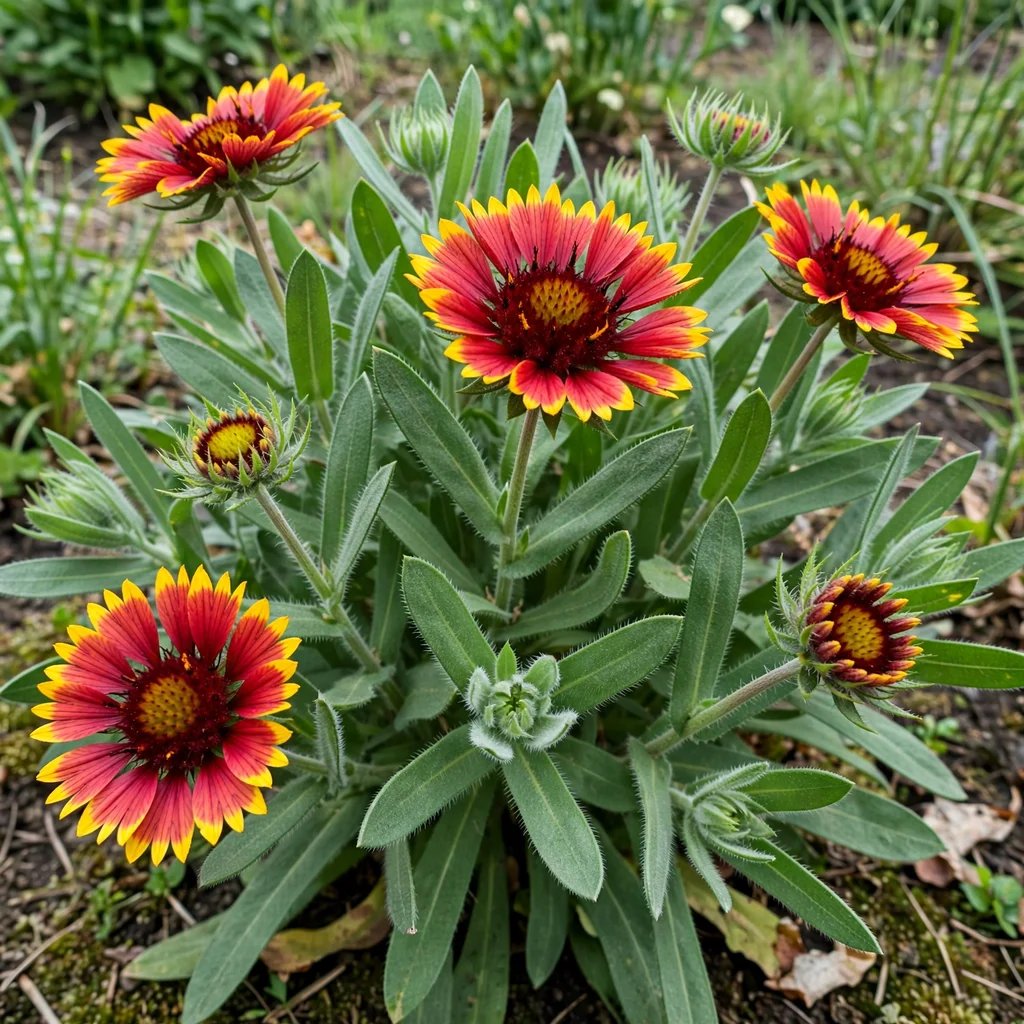
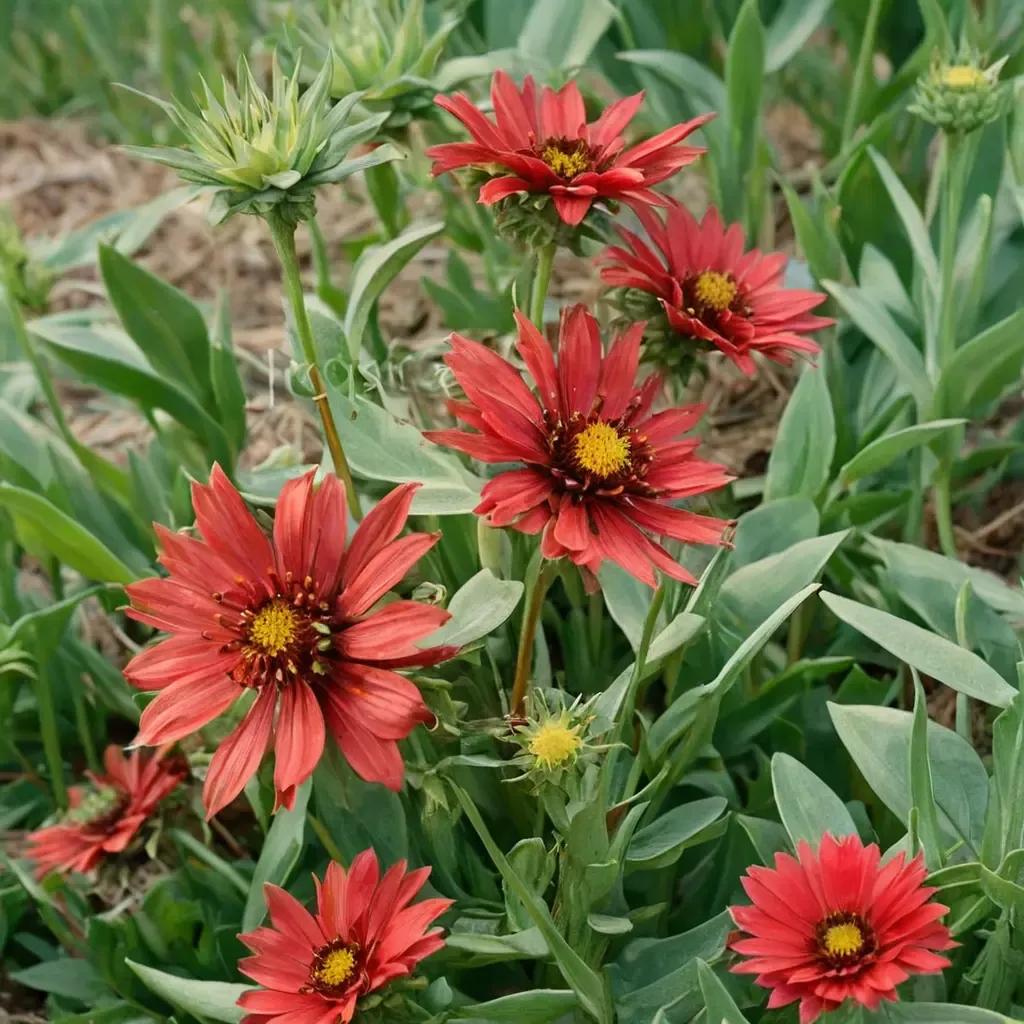
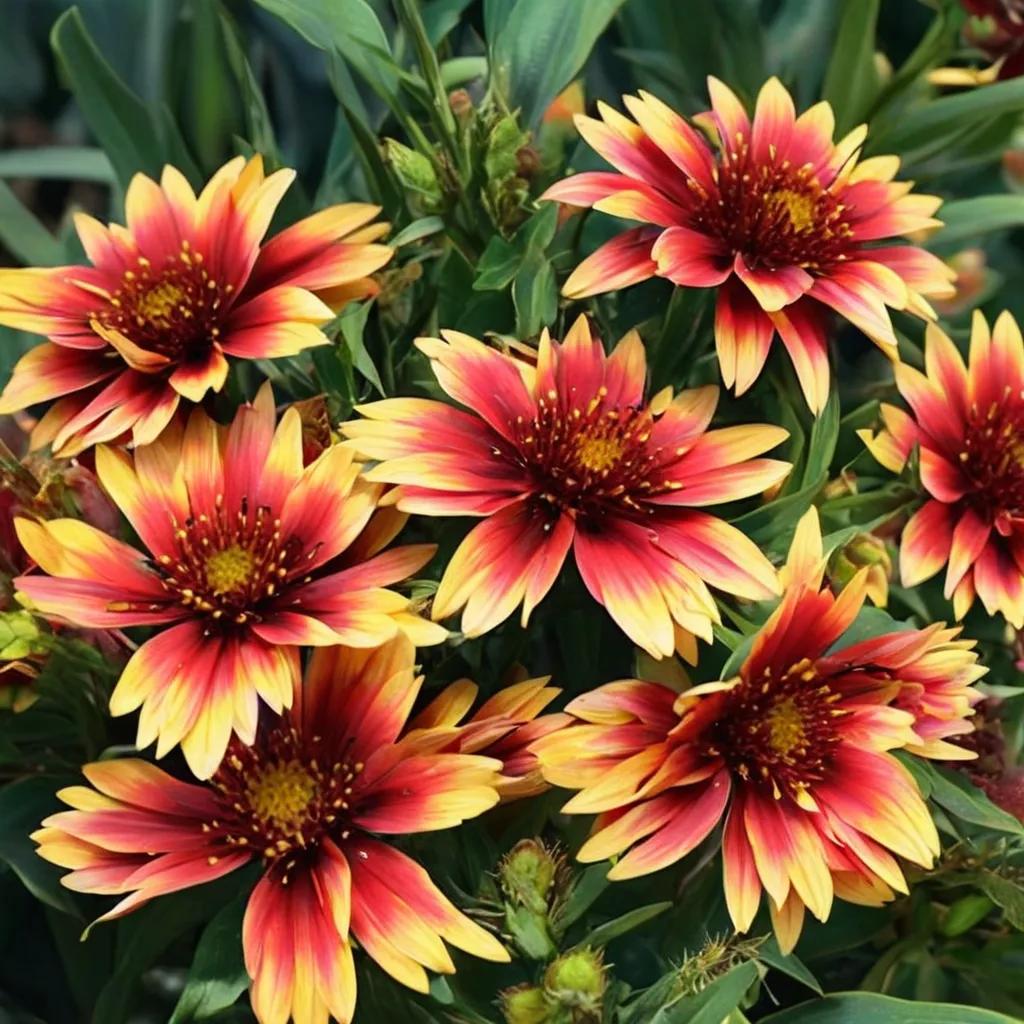
Gaillardia aristata is a taprooted, mound-forming herbaceous perennial native to the prairies and open montane regions of western North America. The species produces coarse, gray-green foliage covered in rough, bristly hairs and bears daisy-like composite flowers with prominent central disks.
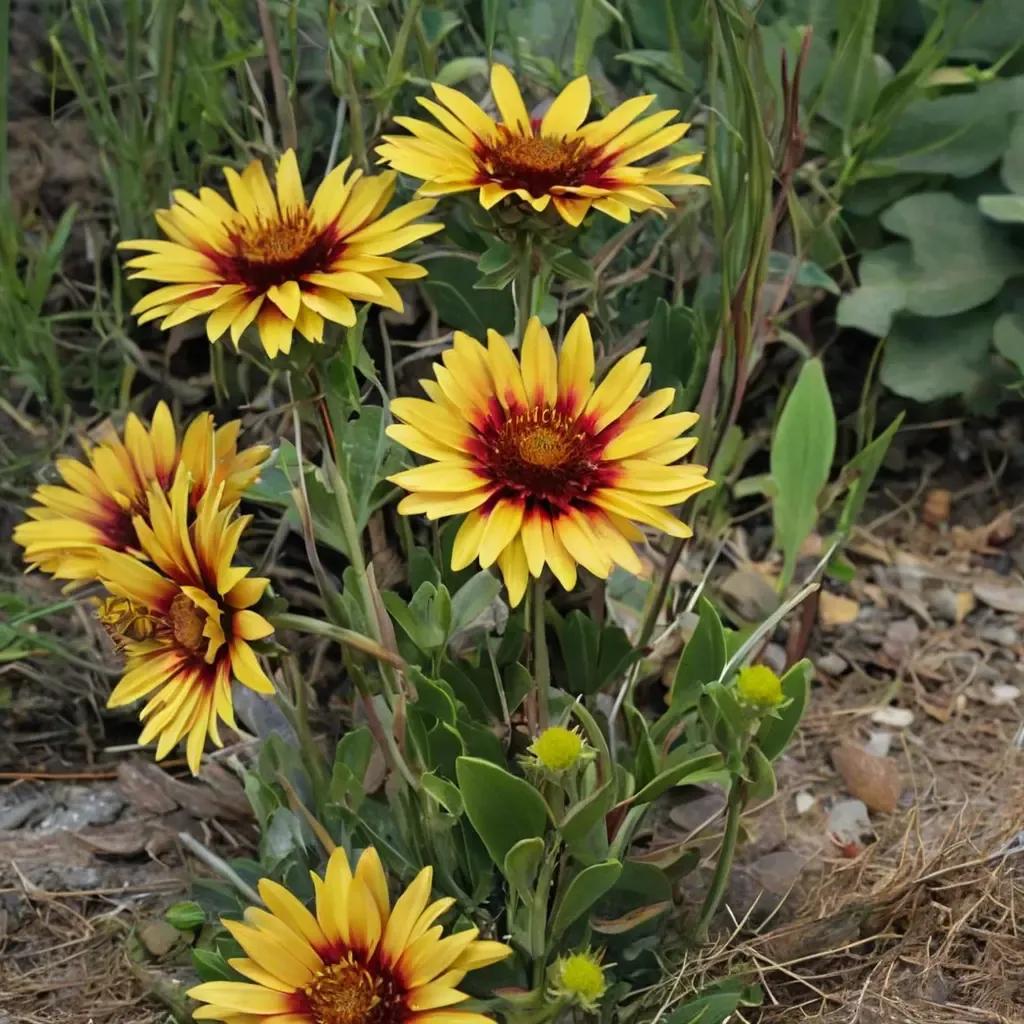
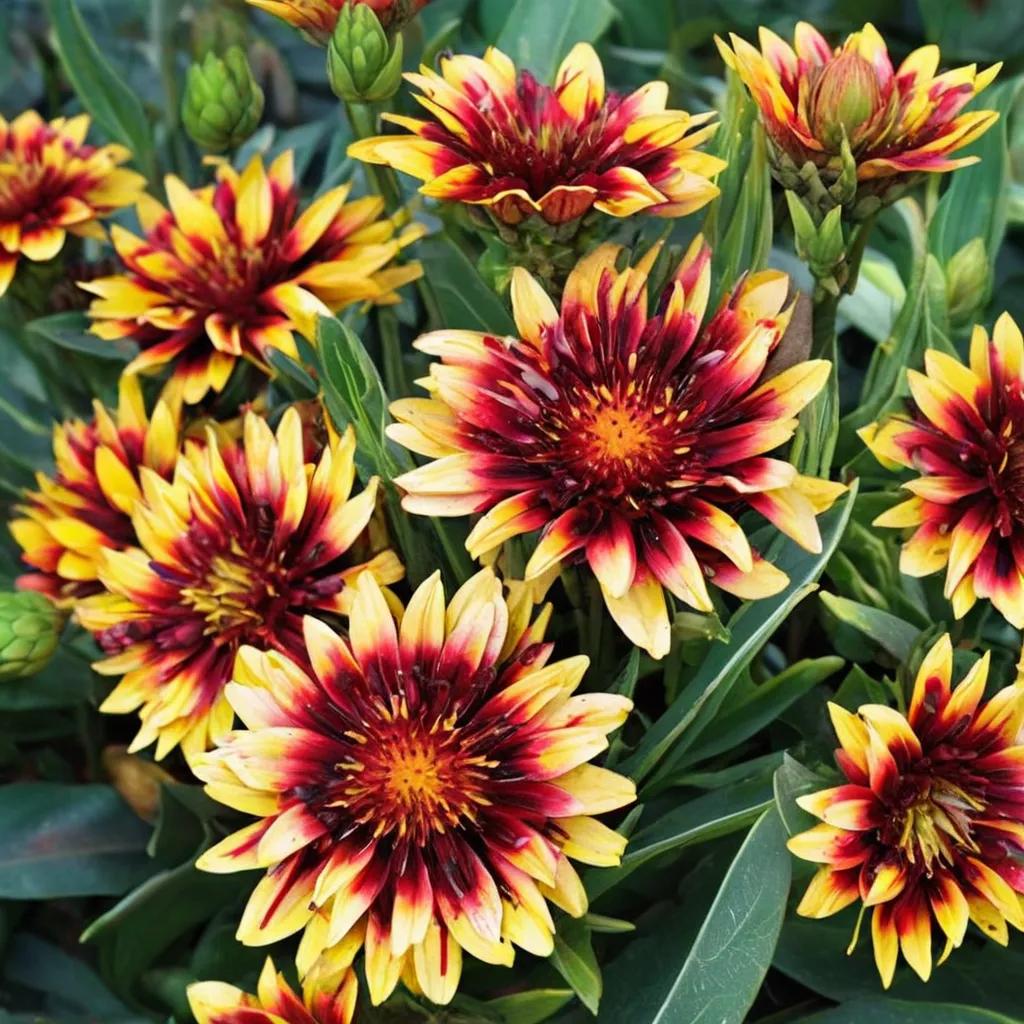
'Yellow Touch' is a compact, mounded cultivar distinguished by its short, sturdy stature and highly saturated flower coloration. The daisy-like blooms feature rich burgundy-scarlet centers and red ray florets tipped with a narrow, scalloped band of bright yellow.
Uses & Benefits:
Essentials
At a Glance
Plant Type
Perennial
Height
12"
Width
14"
Light
Full Sun, Partial Sun
Zones
4, 5, 6, 7, 8, 9
Water
Low
Humidity
Moderate
Lifespan
Short-lived Perennial
Native To
North America
Toxicity
Skin Irritant
Bloom period
Late spring – Early fall
In flower about 5 months of the year
Marketplace
Where to Buy
Shipping costs Year-round shipping Free shipping
Planting
How to Grow
- Select a planting site in full sun with sharply drained, sandy or loamy soil.
- Dig a hole slightly wider than the root ball and set the plant so the crown is level with the surrounding soil.
- Water moderately to settle the soil, ensuring no water pools around the base of the plant.
- Apply a thin layer of gravel mulch around the base to keep the crown dry and prevent rot.
Pro Tip
Plant in poor, sandy, or gravelly soils with sharp drainage; excess nutrients and winter wetness quickly rot the crown and shorten the plant's lifespan.
Keep It Thriving
Care Guide
Do
- Plant in lean, sandy, or gravelly soils to ensure excellent drainage.
- Deadhead spent flowers regularly to encourage continuous blooming.
- Cut the plant back hard in mid-summer if flower production slows down.
Don't
- Do not plant in heavy clay or poorly drained soils where winter wet will rot the roots.
- Do not over-fertilize, as rich soils lead to floppy growth and a shorter lifespan.
- Do not use overhead irrigation, which can promote powdery mildew and leaf spots.
Seasonal Care Calendar
| Task | Jan | Feb | Mar | Apr | May | Jun | Jul | Aug | Sep | Oct | Nov | Dec |
|---|---|---|---|---|---|---|---|---|---|---|---|---|
| Deadhead | ||||||||||||
| Fertilize | ||||||||||||
| Pest Check | ||||||||||||
| Prune |
Watch Out For
Pests & Diseases
Common Pests
Common Diseases
In the Garden
Landscape Uses & Companions
Landscape Uses
Multiply
Propagation Methods
Good to Know
Common Questions
Blanket Flower questions
What zones can Blanket Flower grow in?
Blanket Flower is hardy in USDA Zones 4–9. Inside that range it survives winter in the ground; outside it, grow it as an annual or a container plant you protect.
Is Blanket Flower deer resistant?
Yes — Blanket Flower is rated deer-resistant. Deer typically pass it over, though extreme hunger can override any plant's defenses.
When does Blanket Flower bloom?
Blanket Flower typically blooms in late spring through early fall. Exact timing shifts a week or two with your zone — Sow's bloom calendar maps it to your garden.
Does Blanket Flower need full sun?
Blanket Flower does best in full sun to part shade. In hot climates, afternoon shade keeps blooms fresher longer.
Is Blanket Flower drought tolerant?
Yes — once established (usually after the first full season), Blanket Flower handles dry spells with minimal watering. Water deeply its first year to build the root system that makes that possible.
More Gaillardia to compare
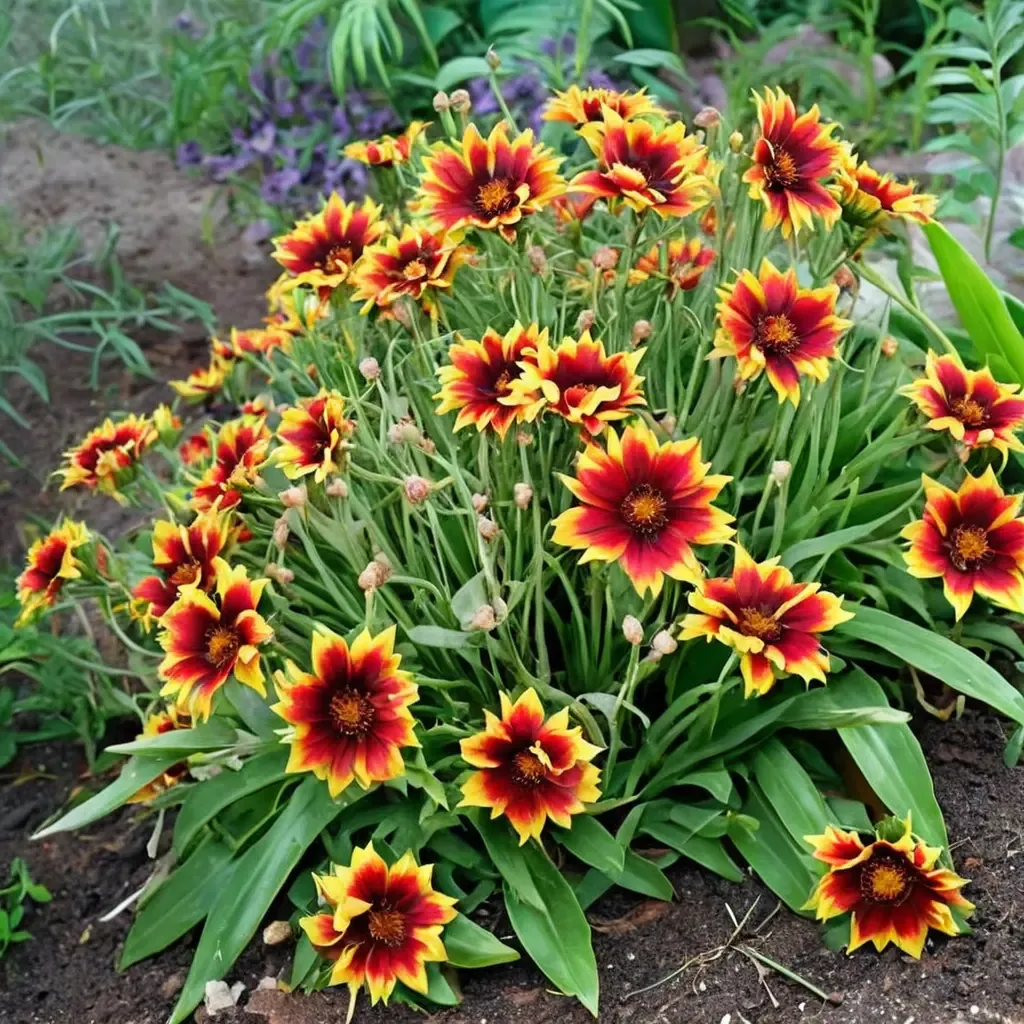
Mixed Border Blanket Flower
Gaillardia x grandiflora 'Mixed Border'
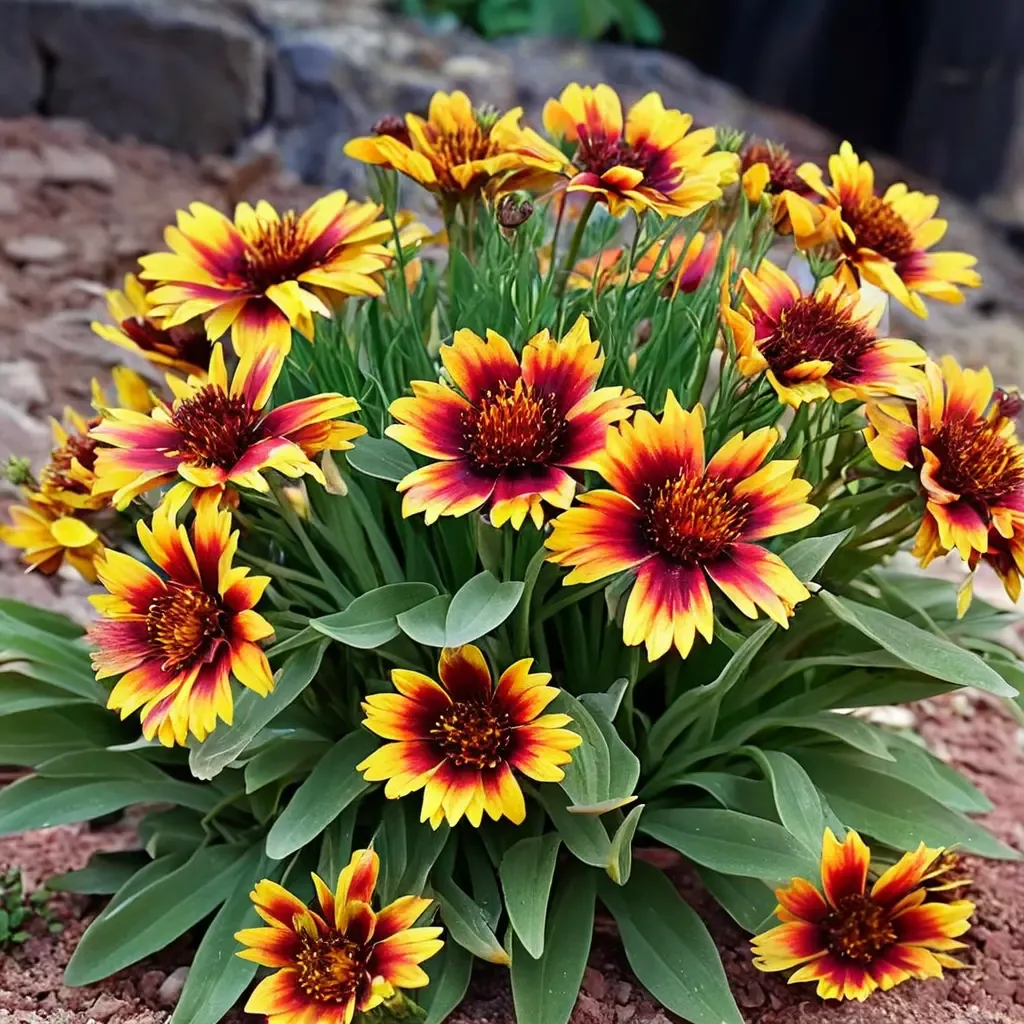
Arizona Sun Blanket Flower
Gaillardia x hybrida 'Arizona Sun'
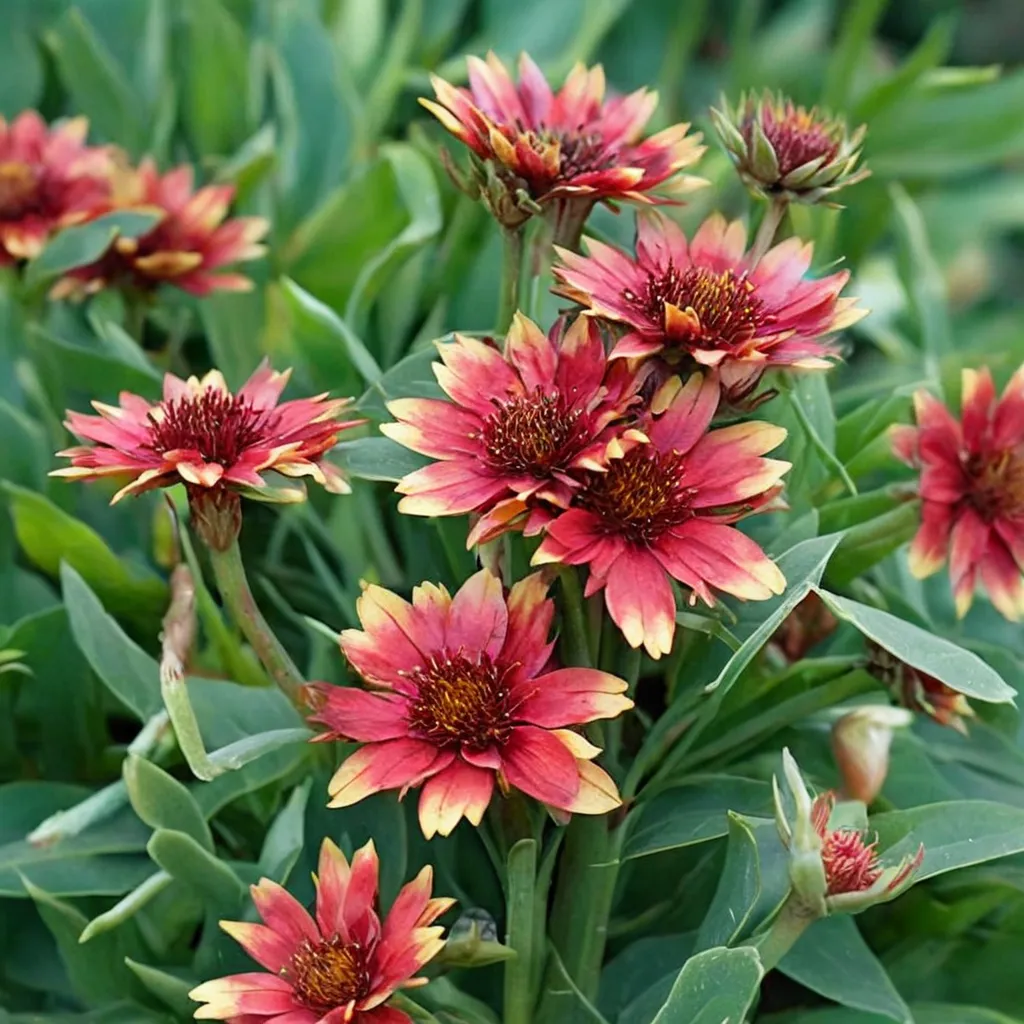
Gaillardia Globe Red
Gaillardia x grandiflora 'Globe Red'
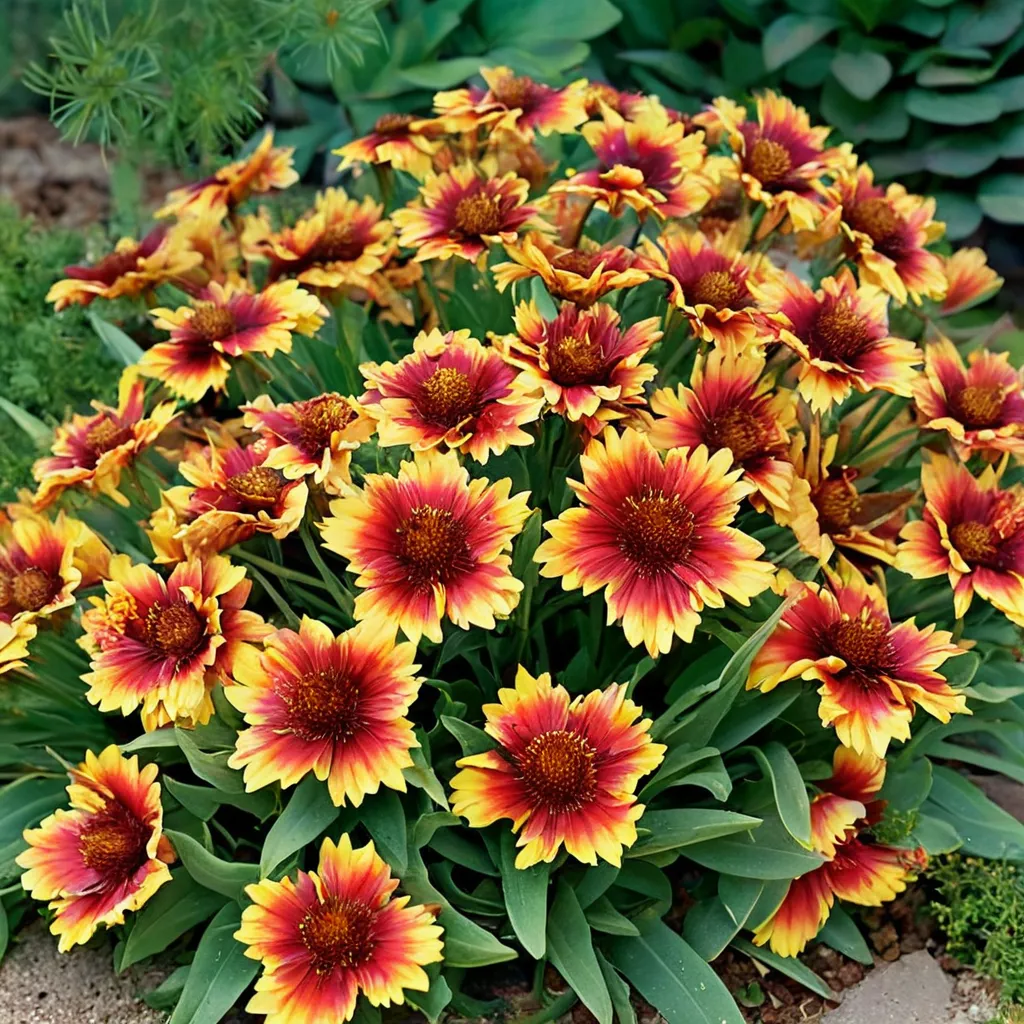
Blanket Flower The Sun
Gaillardia x grandiflora 'The Sun'
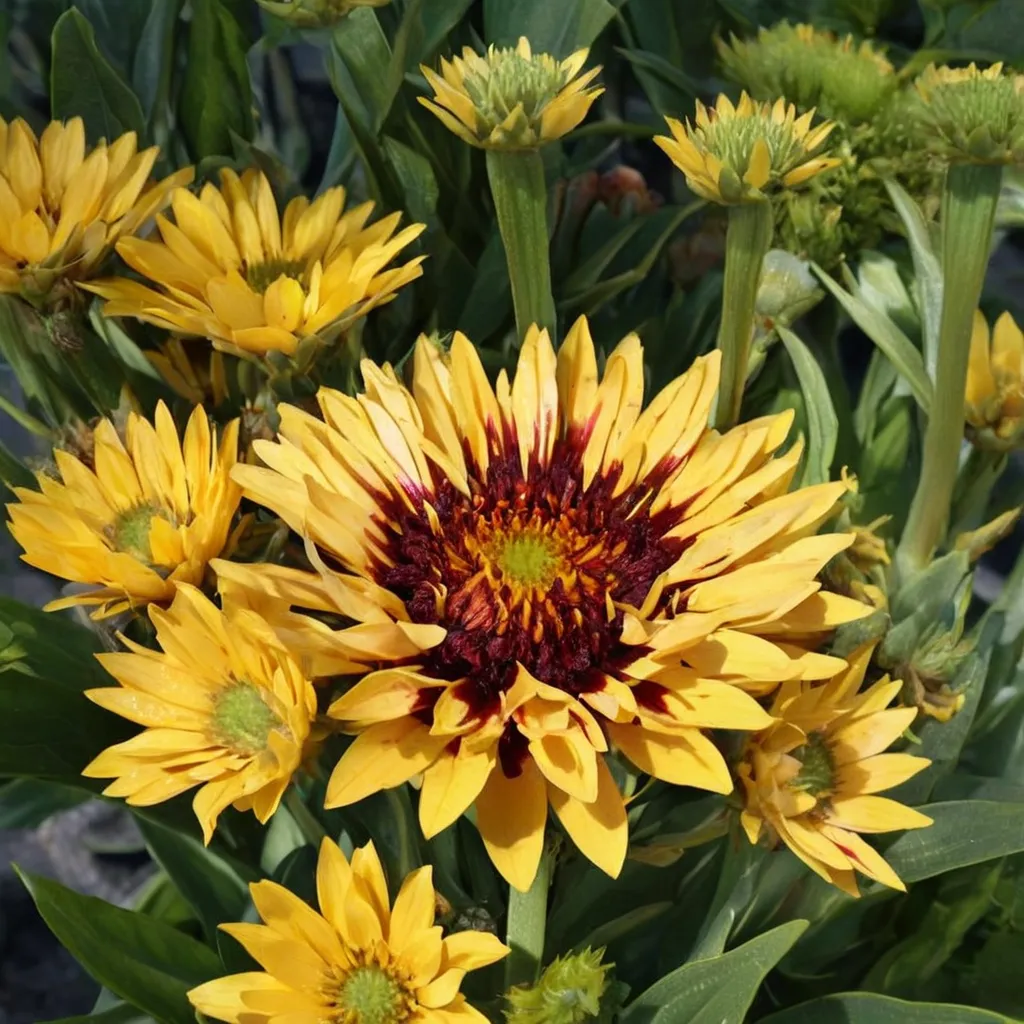
Blanket Flower Fanfare Citronella
Gaillardia x grandiflora 'Fanfare Citronella'
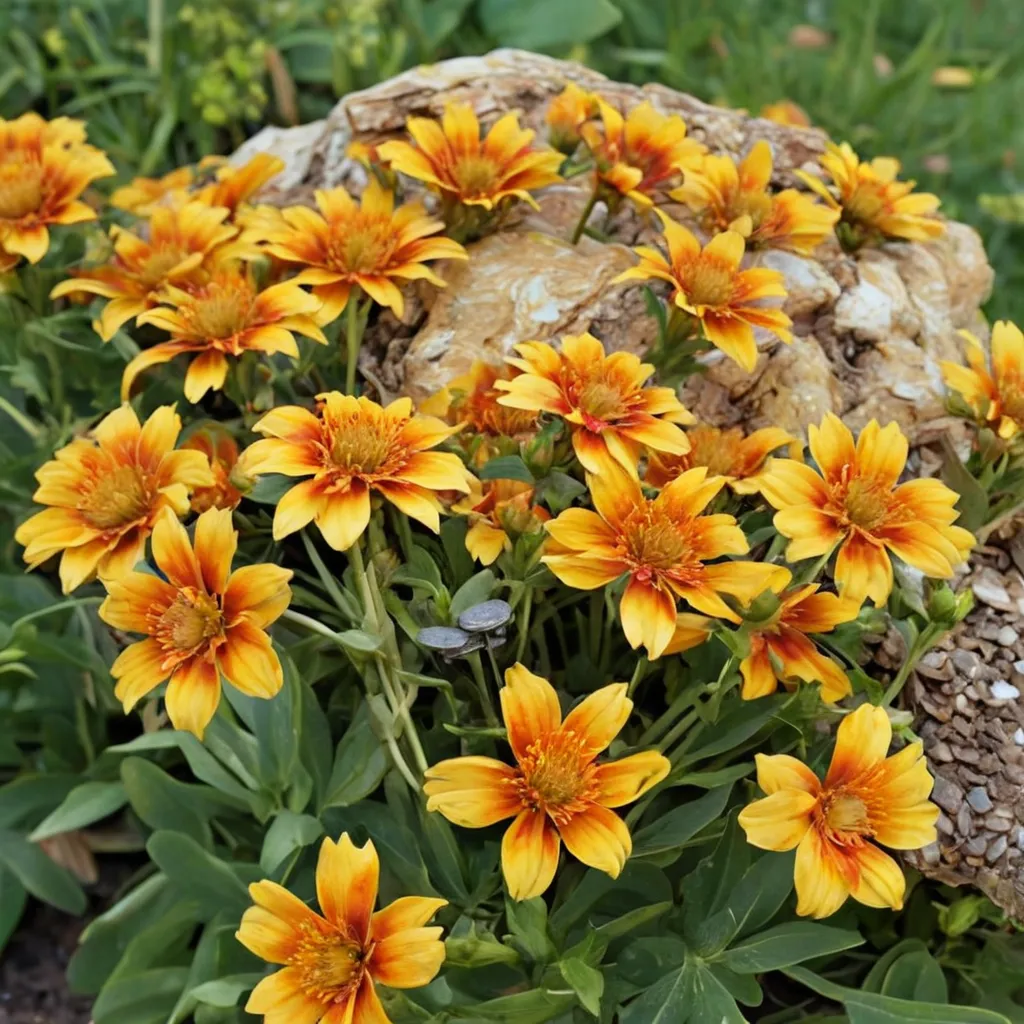
Mesa Peach Blanket Flower
Gaillardia x grandiflora 'Mesa Peach'
Keep exploring
Explore the genus
Grow Blanket Flower with confidence
See it in a design of your actual yard, get zone-matched care reminders, and track it season by season in your garden journal.