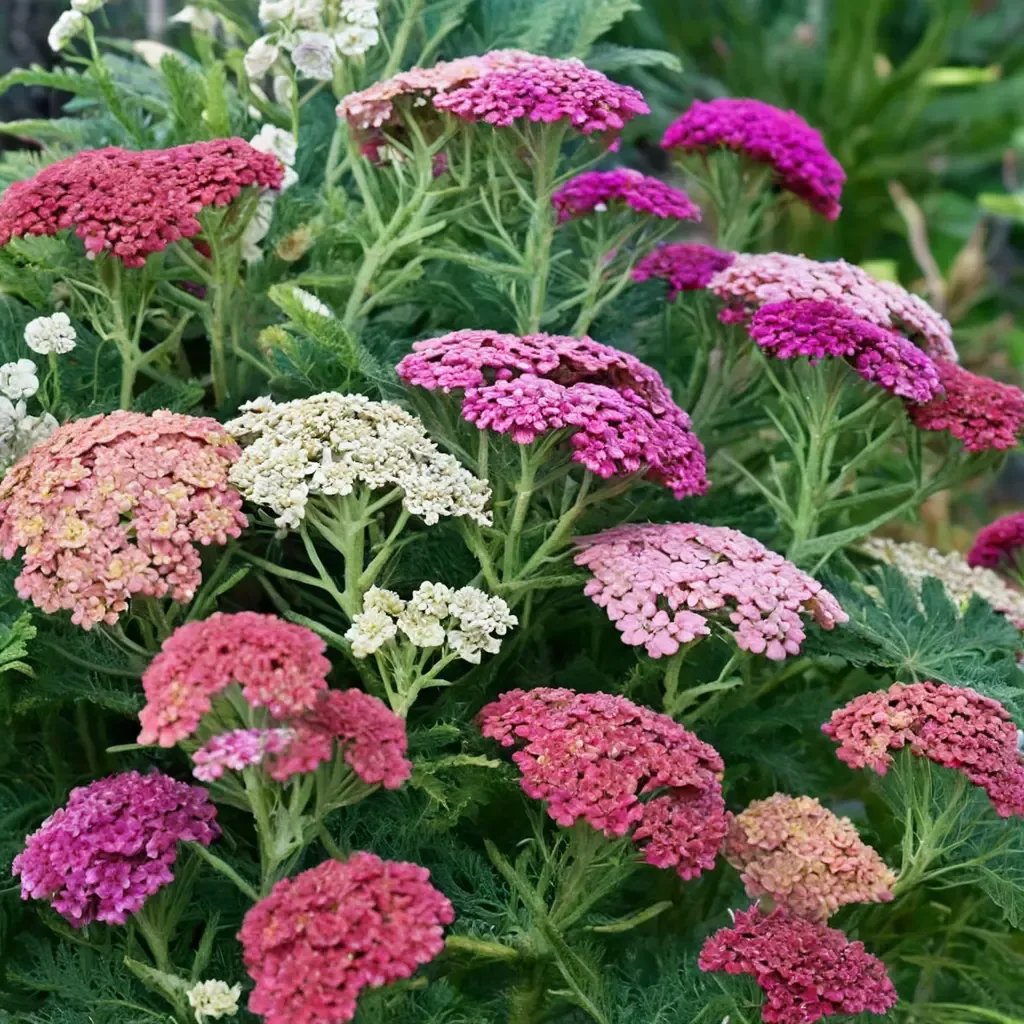
Species
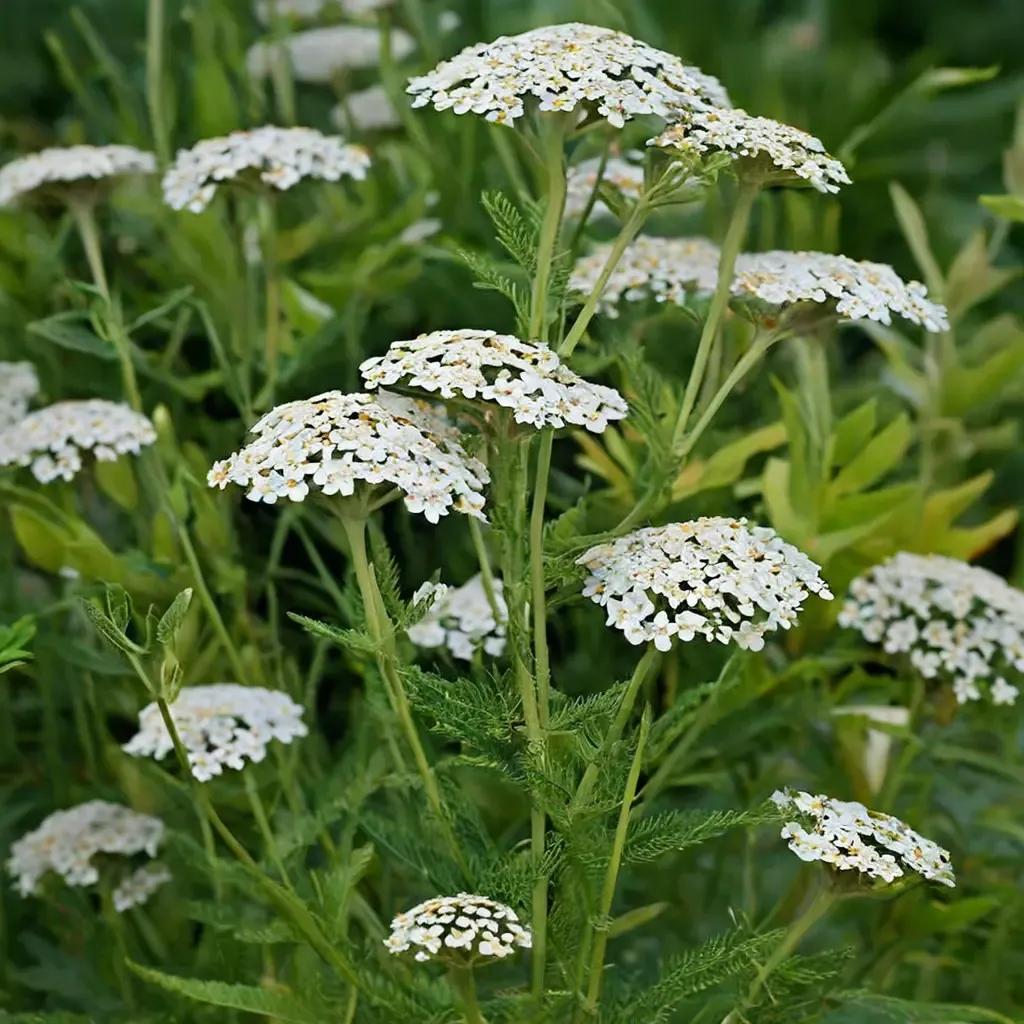 Achillea millefoliumCommon Yarrow
34 other cultivars
 ‘Sassy Summer Taffy’Sassy Summer Taffy Common Yarrow
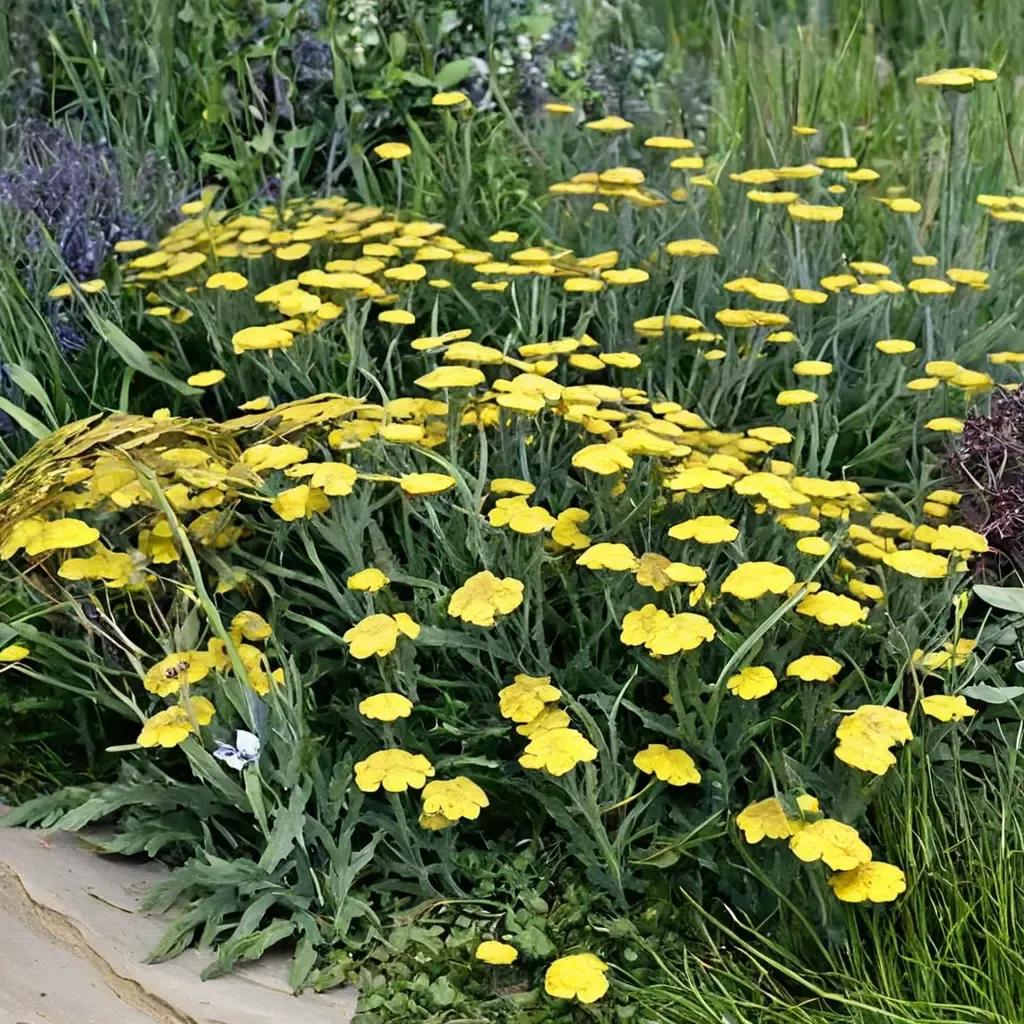 ‘Moonshine’Moonshine Yarrow
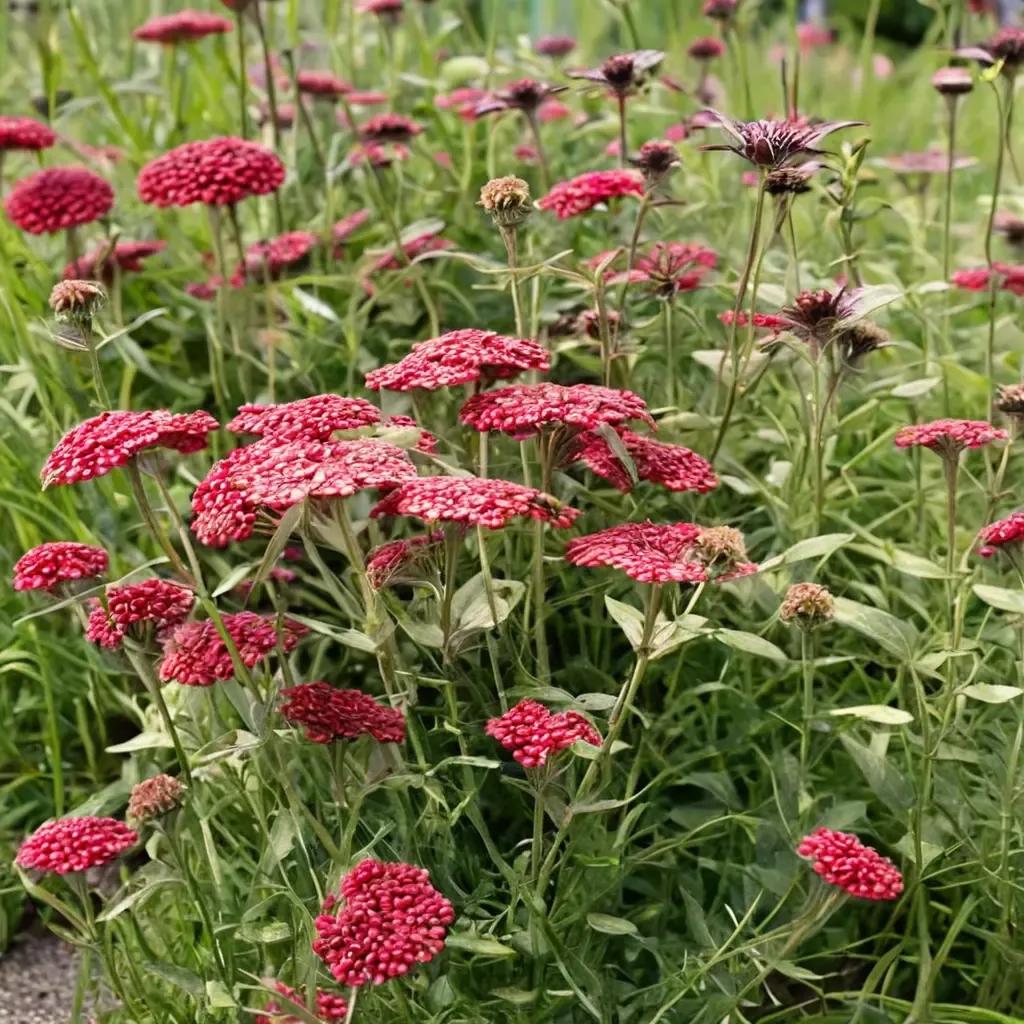 ‘Red Velvet’Red Velvet Yarrow
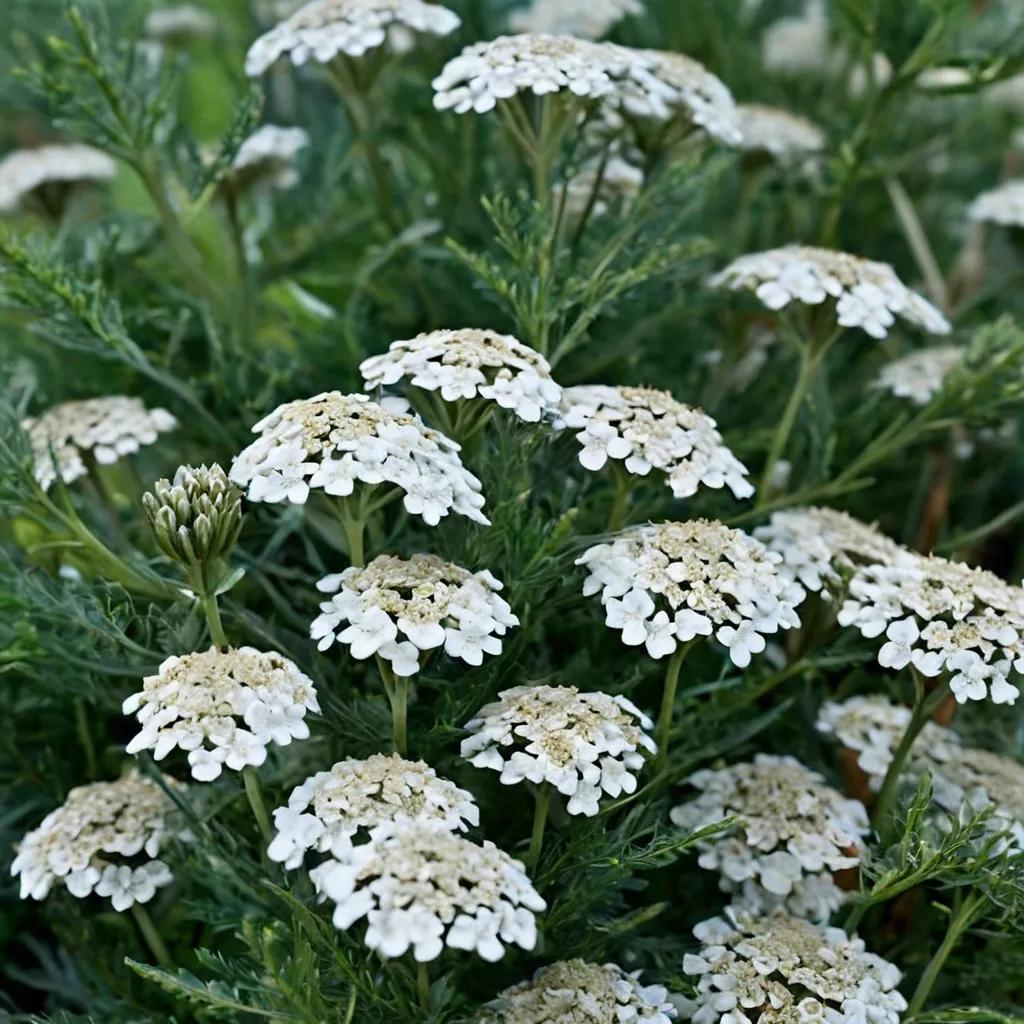 ‘New Vintage White’New Vintage White Common Yarrow
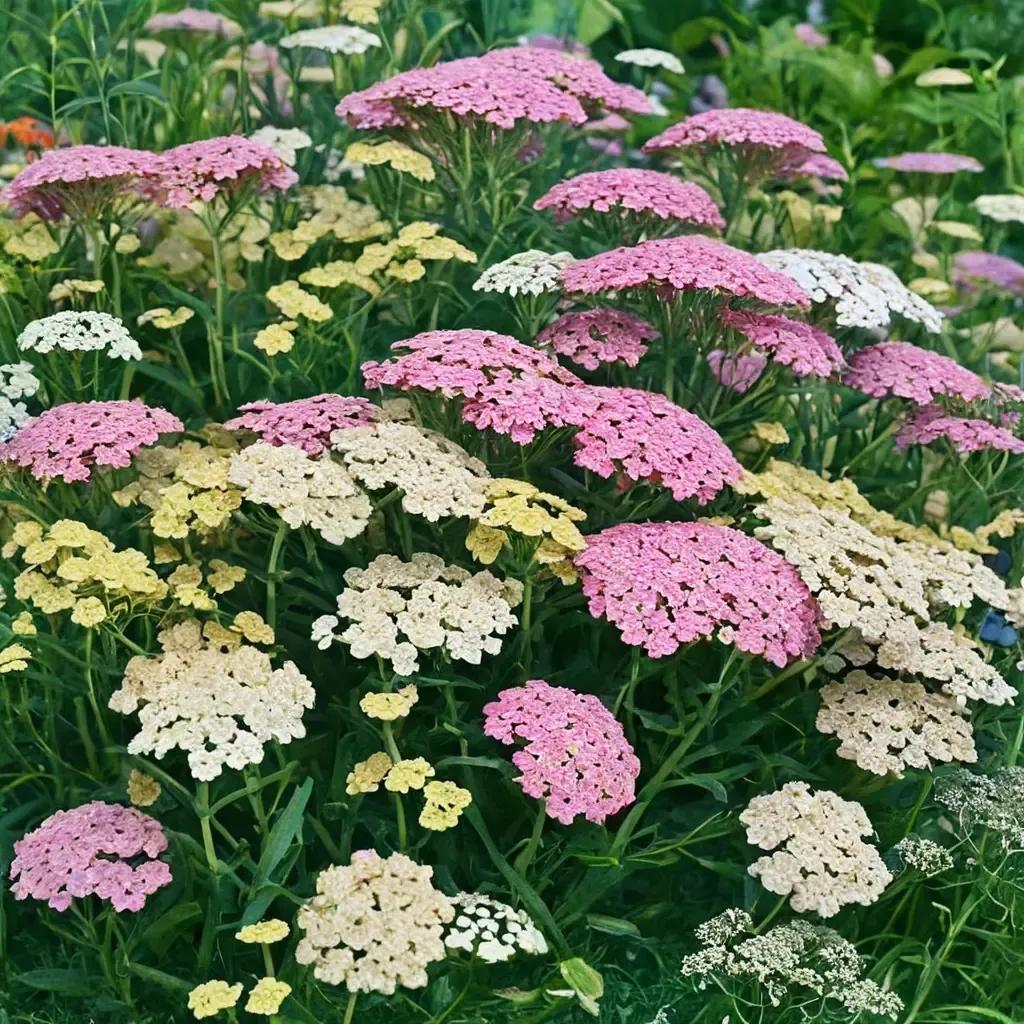 ‘Summer Pastels’Summer Pastels Yarrow
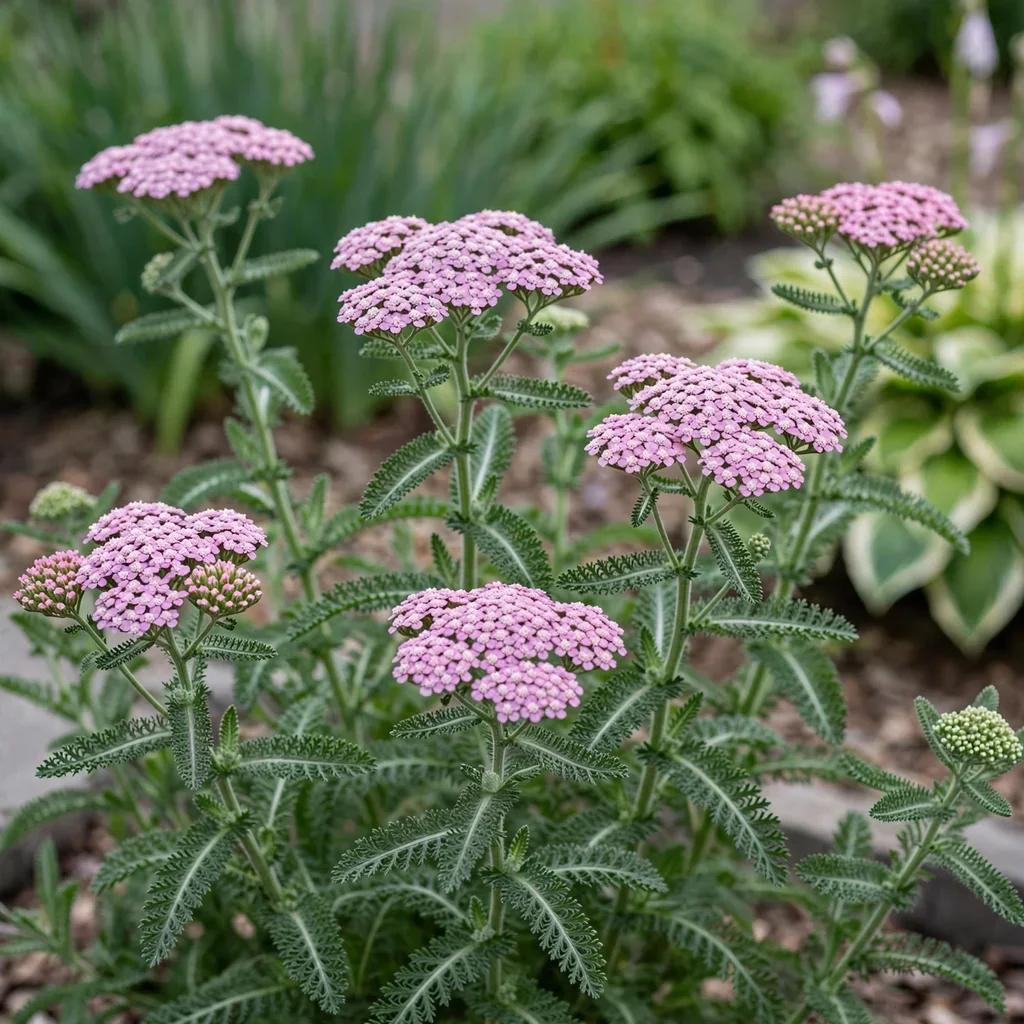 ‘Pink Grapefruit’Pink Grapefruit Yarrow
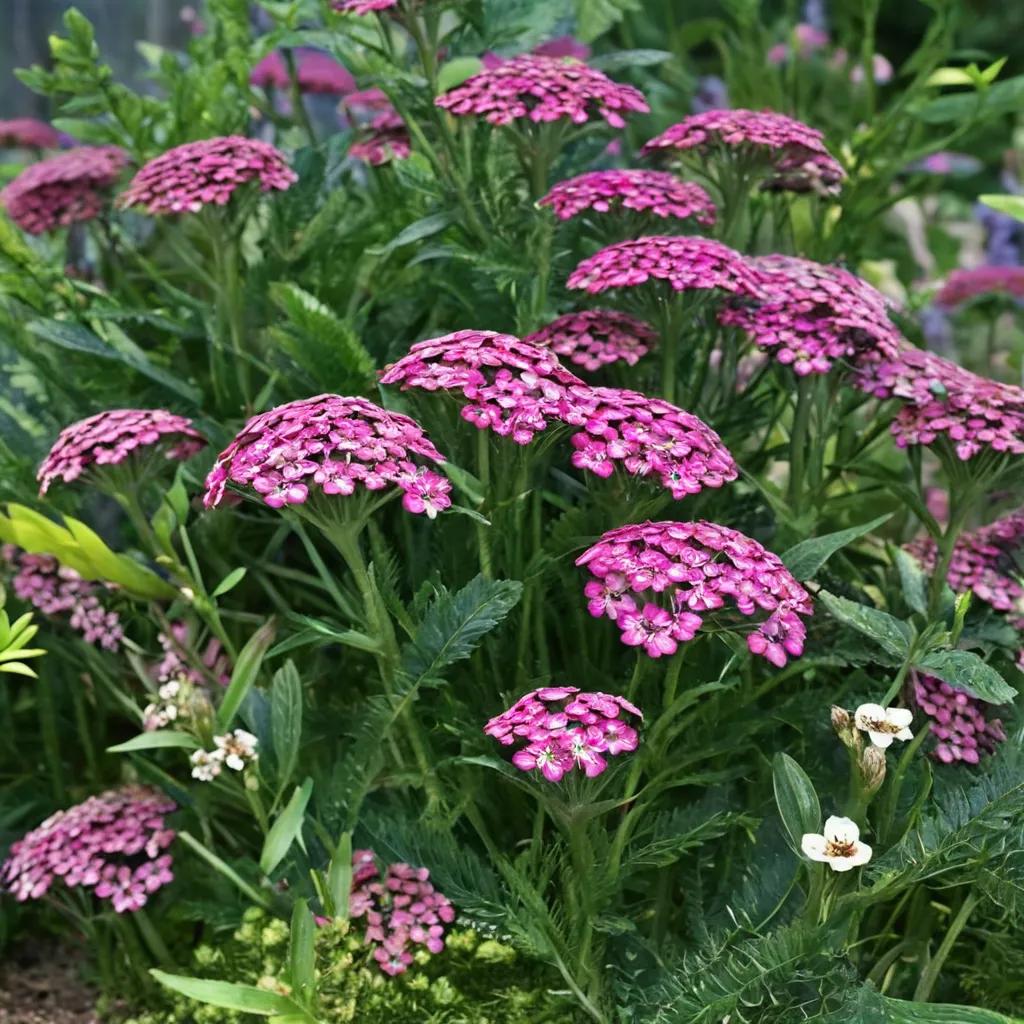 ‘New Vintage Violet’Yarrow New Vintage Violet
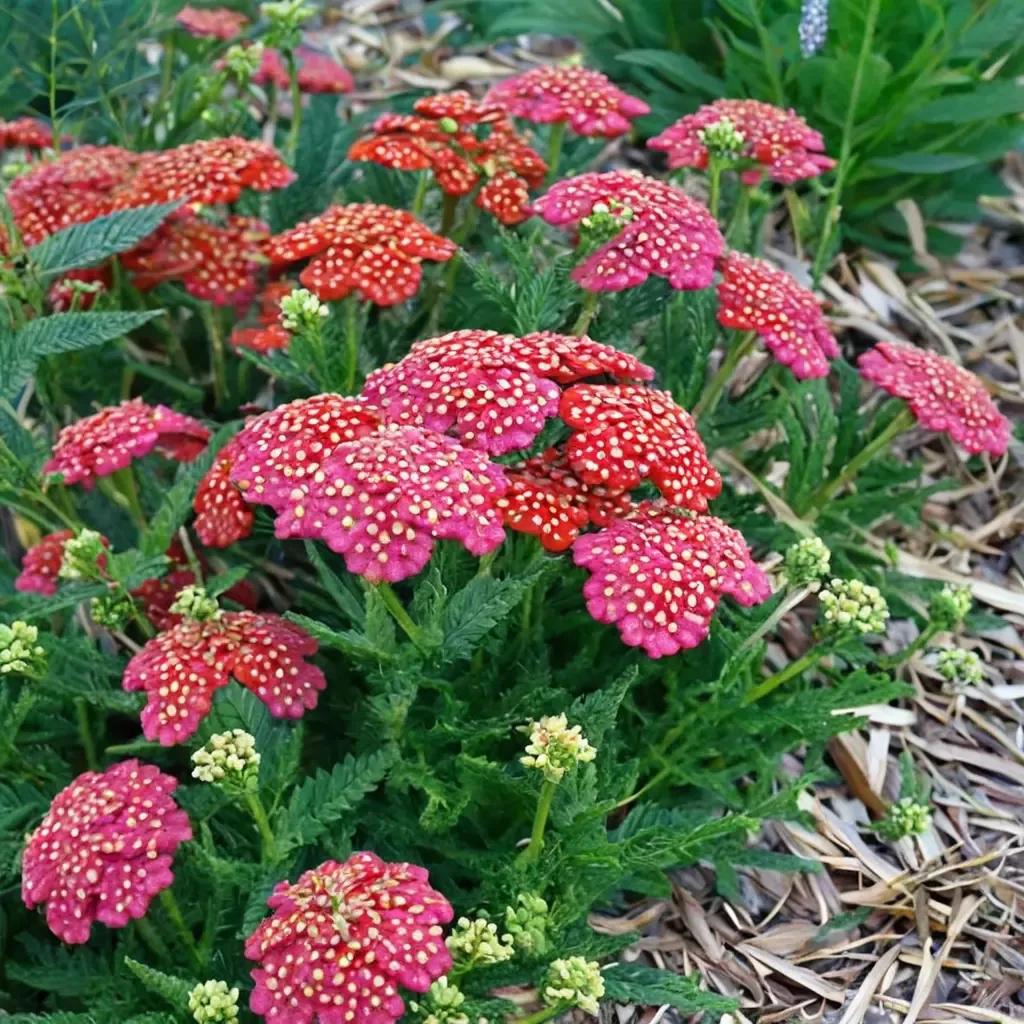 ‘Seduction’Seduction yarrow
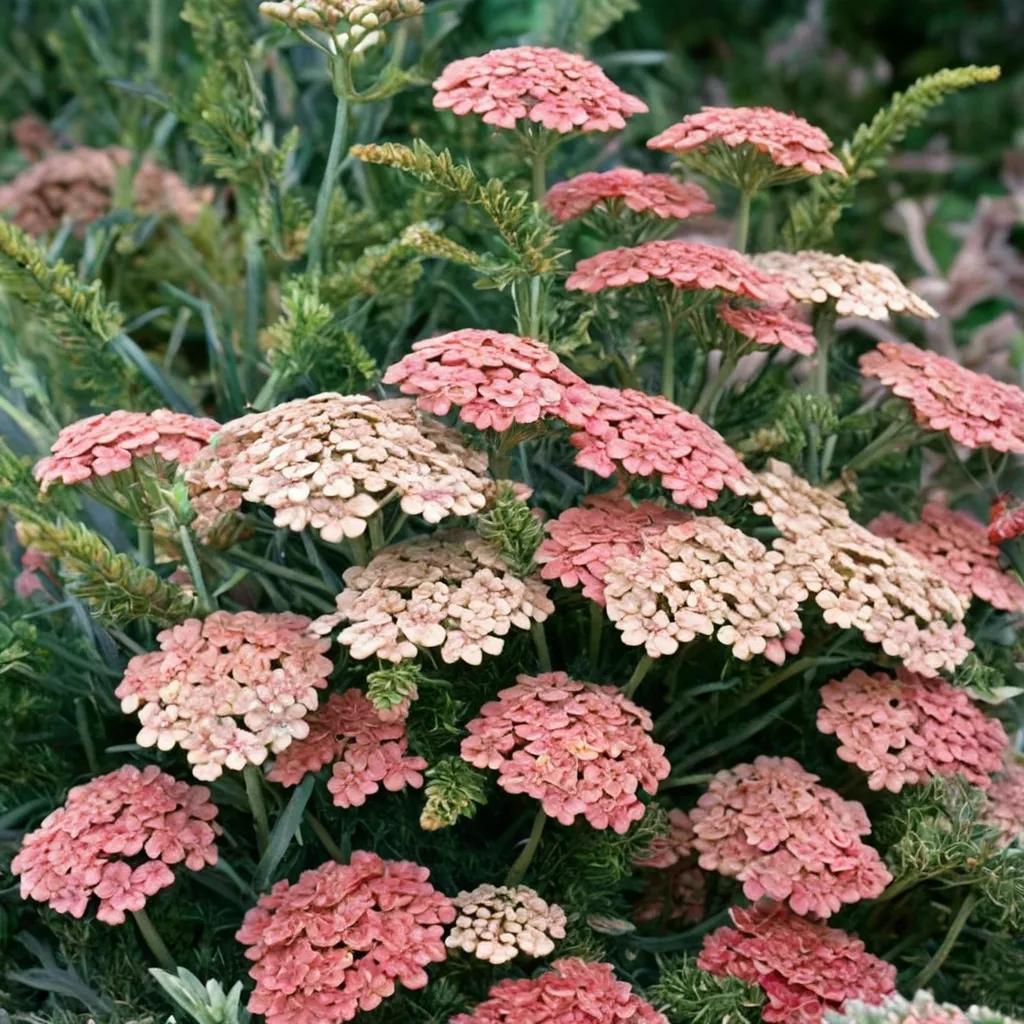 ‘Apricot Delight’Apricot Delight Yarrow
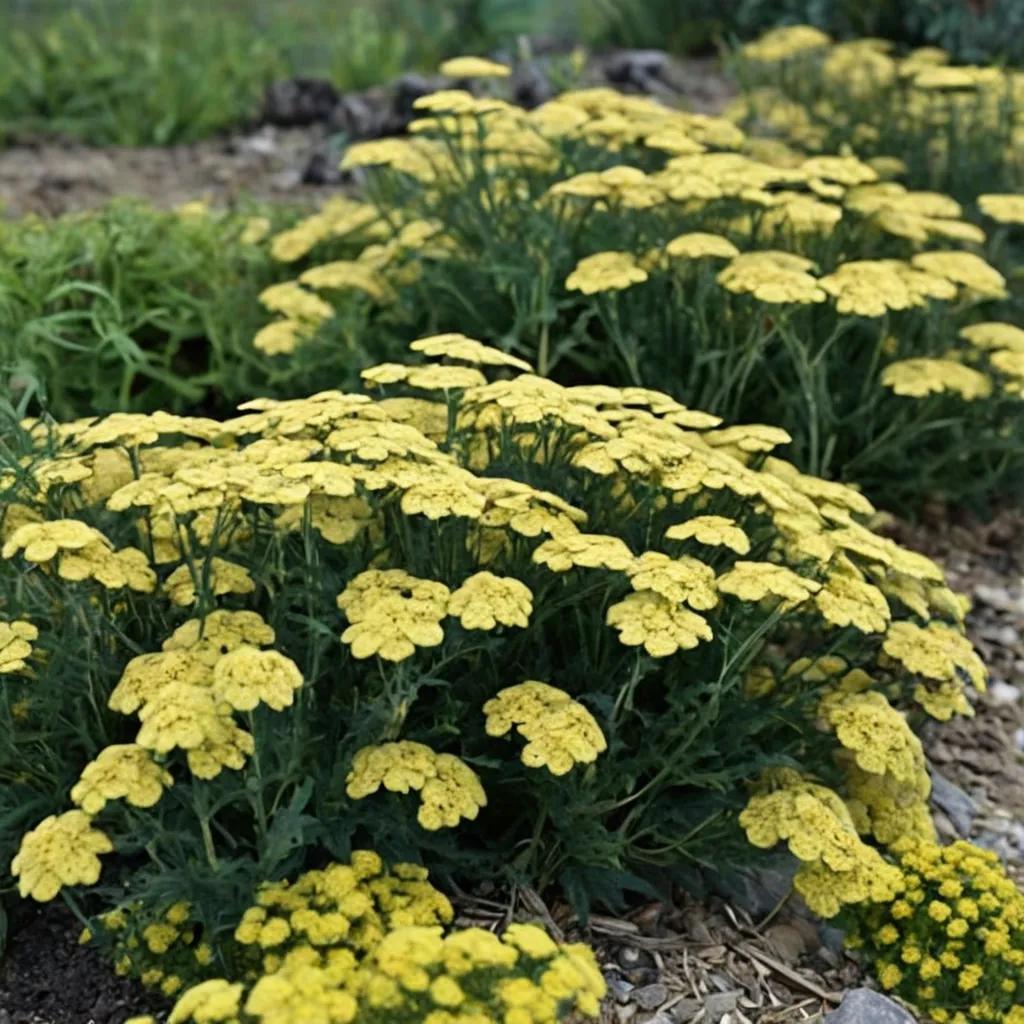 ‘Firefly Sunshine’Yarrow Firefly Sunshine
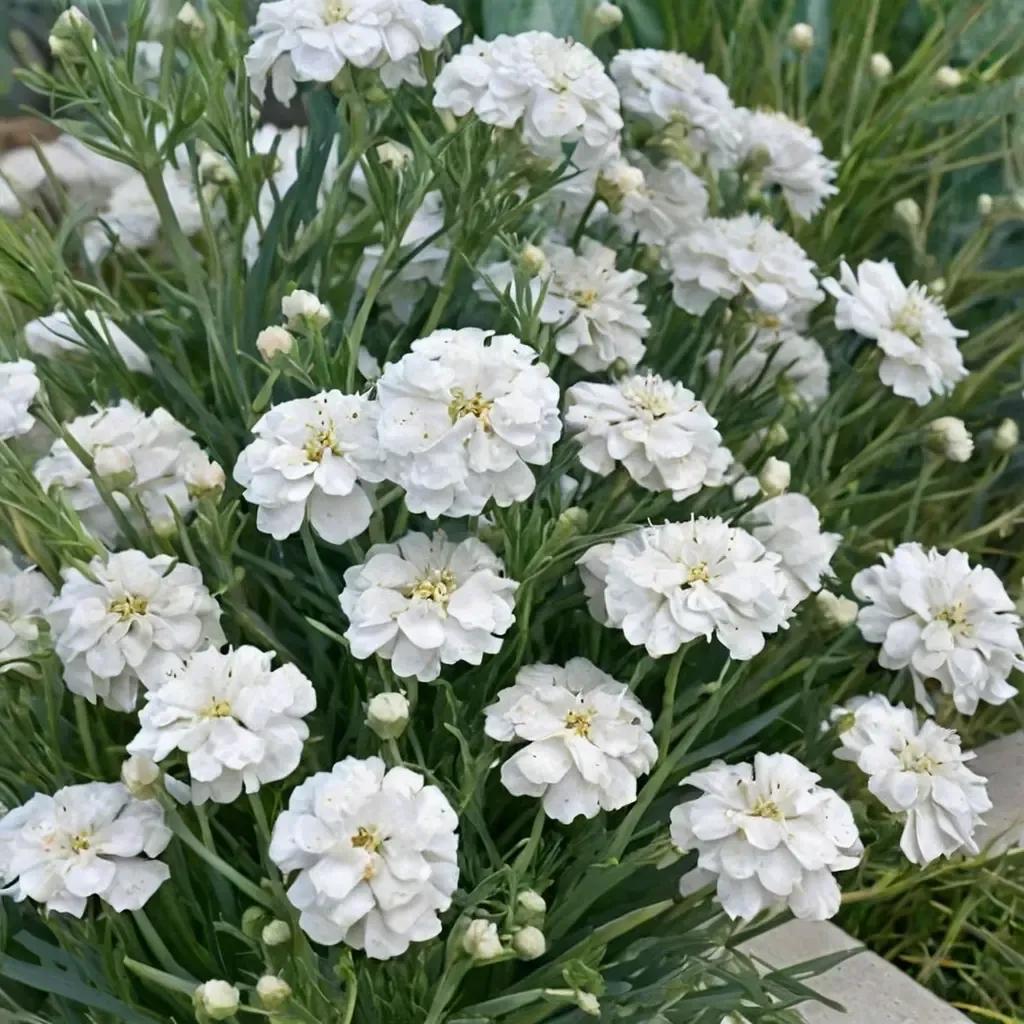 ‘Marshmallow’Marshmallow Yarrow
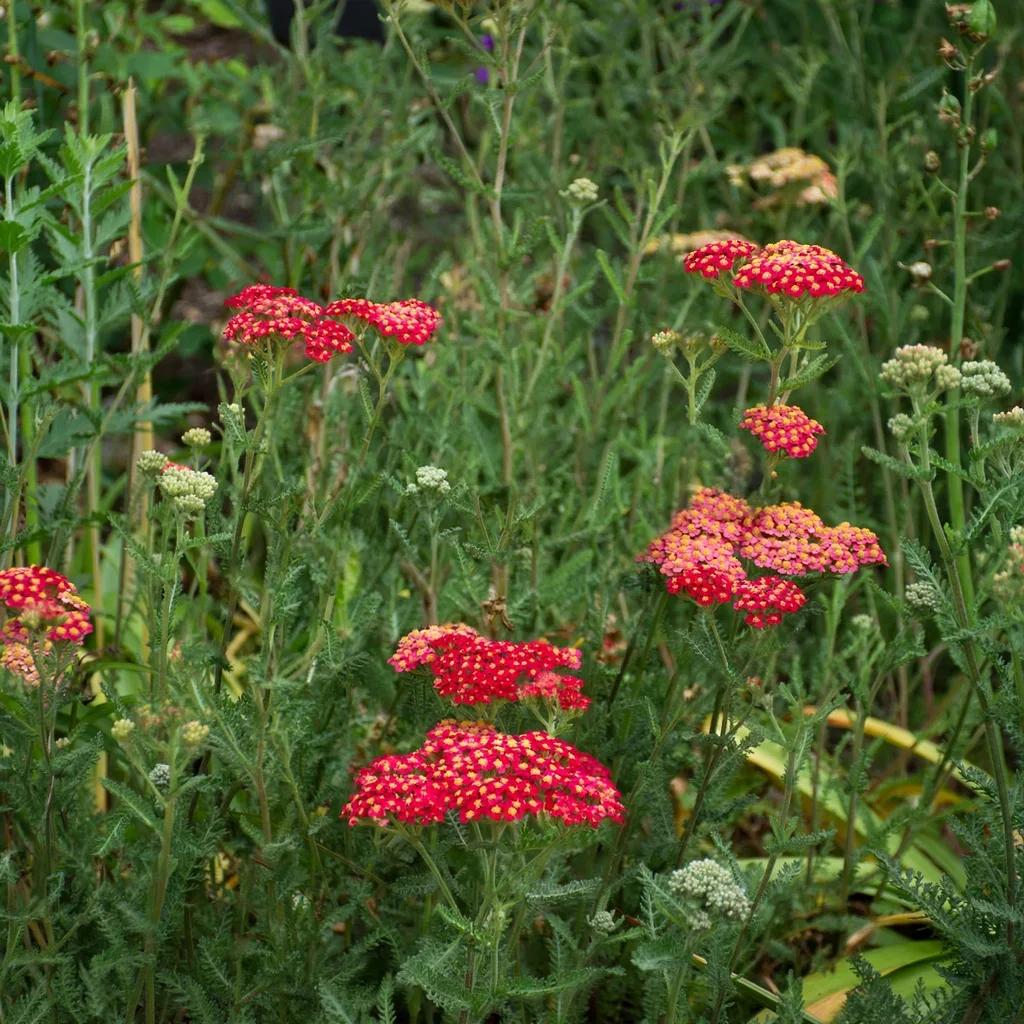 ‘Paprika’Paprika Yarrow
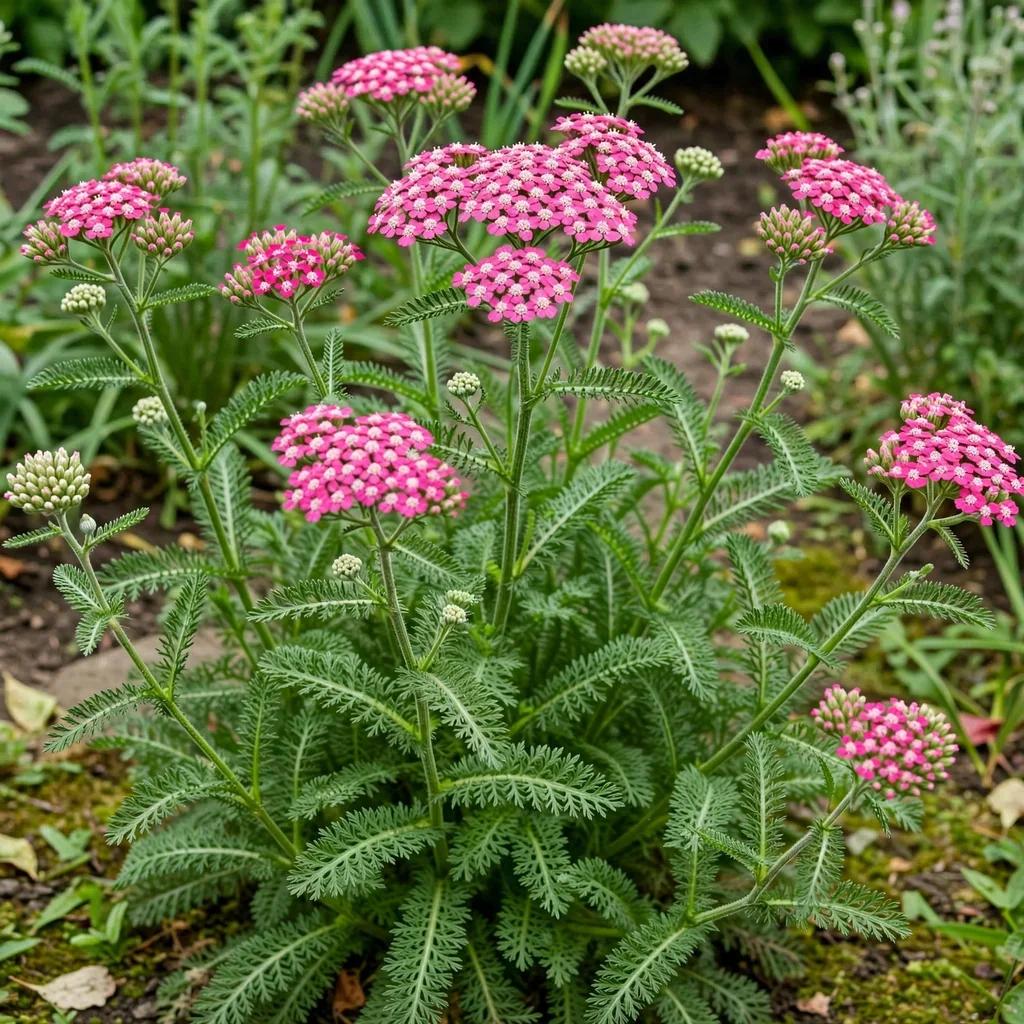 ‘Cerise Queen’Cerise Queen Yarrow
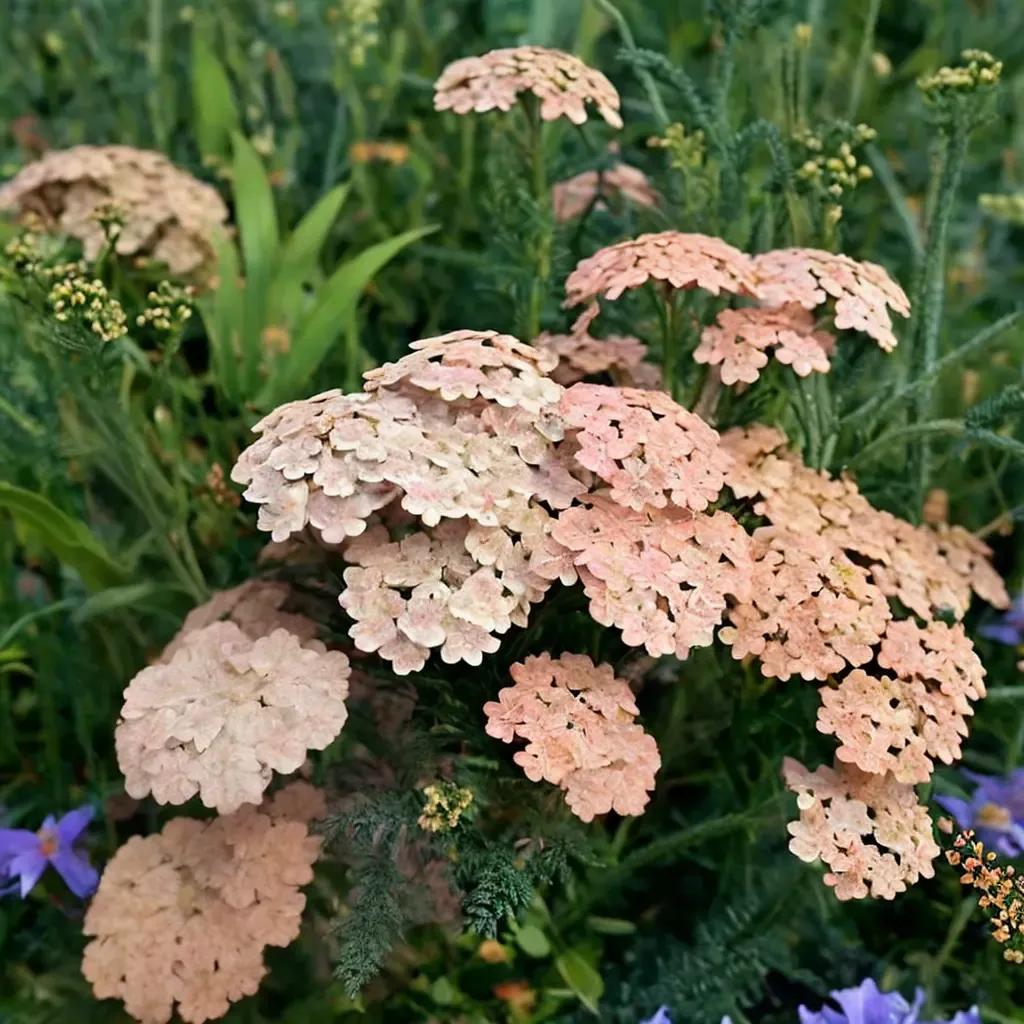 ‘Cameo’Cameo Yarrow
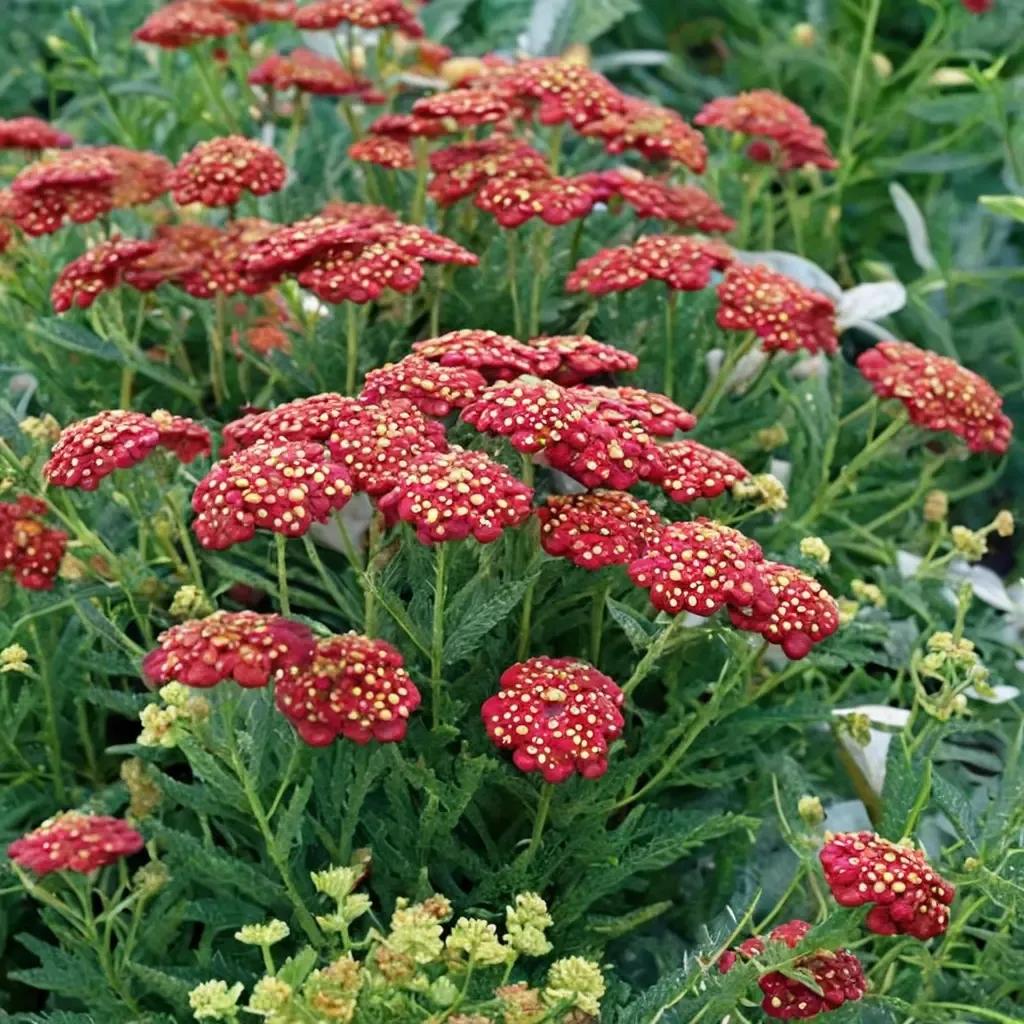 ‘Strawberry Seduction’Strawberry Seduction Yarrow
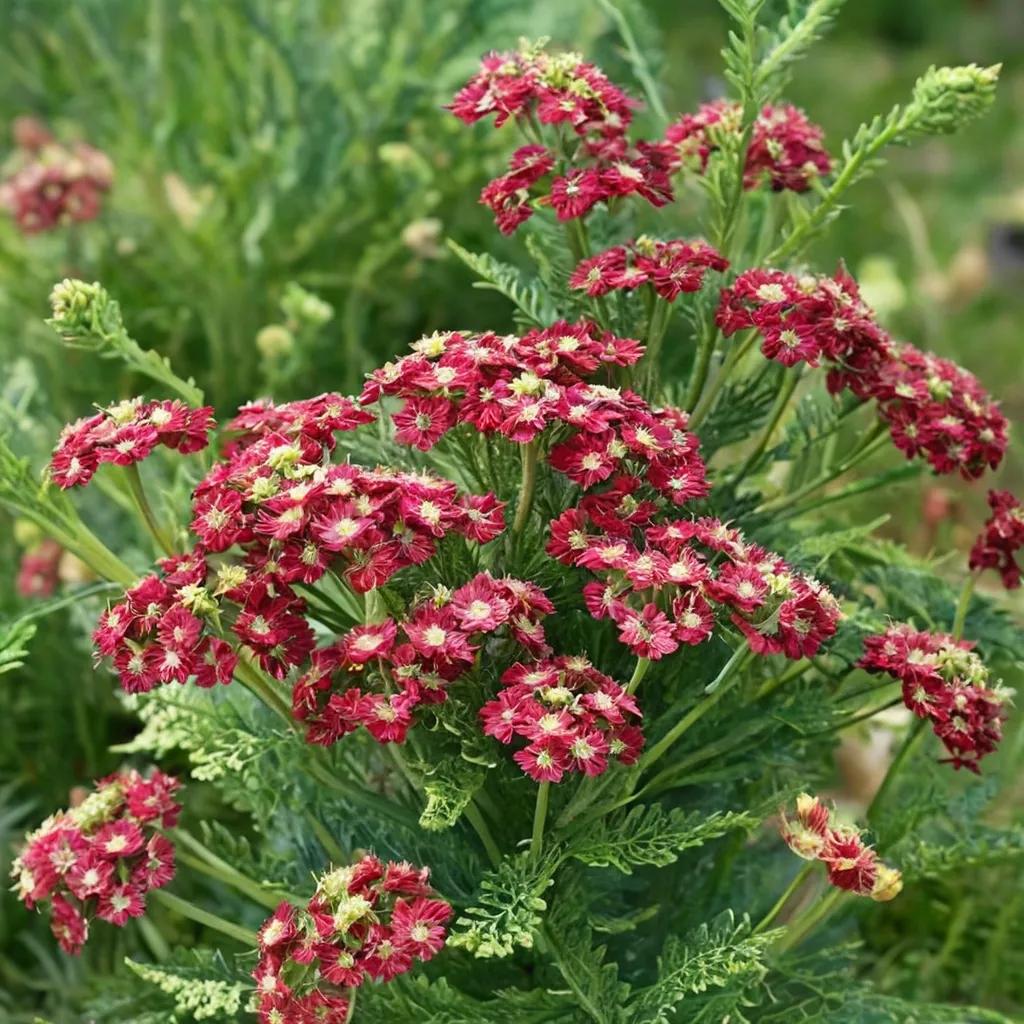 ‘New Vintage Red’Yarrow New Vintage Red
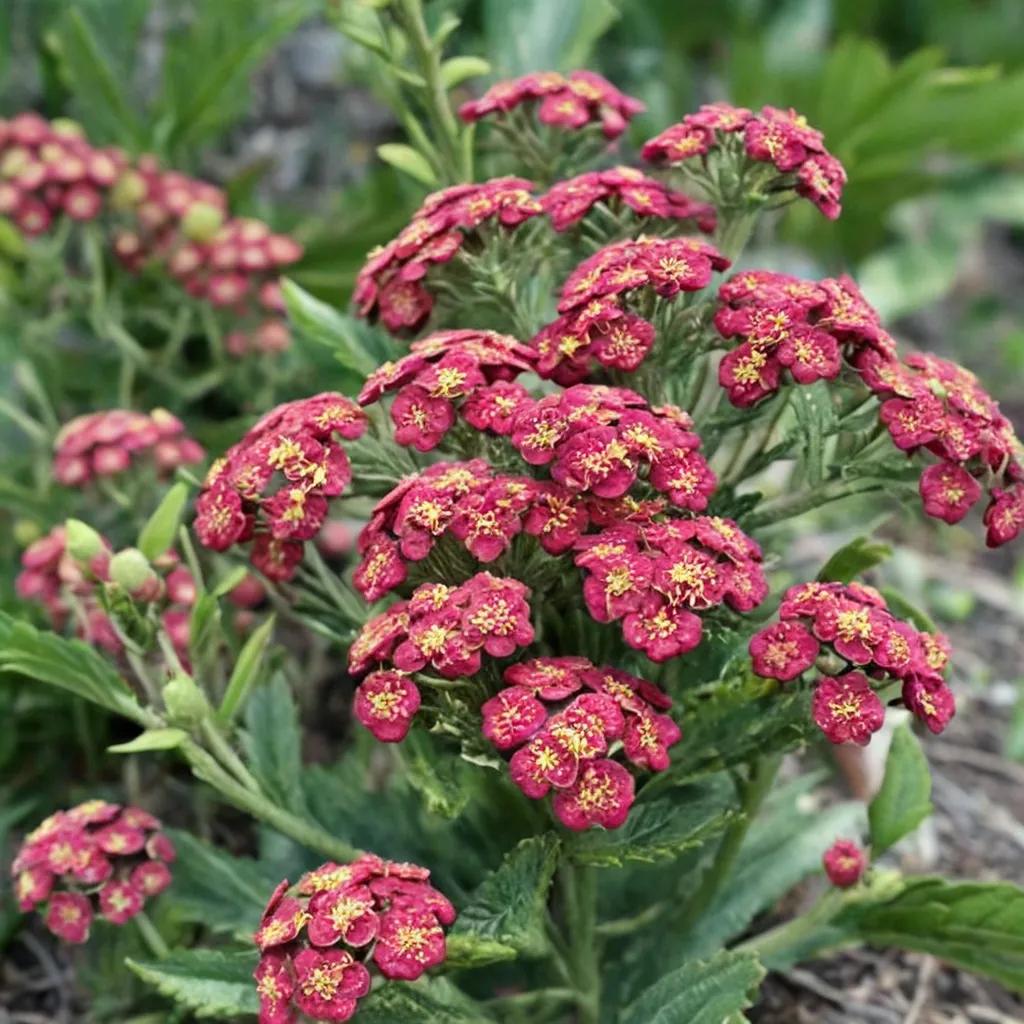 ‘Firefly Red Pop’Firefly Red Pop Yarrow
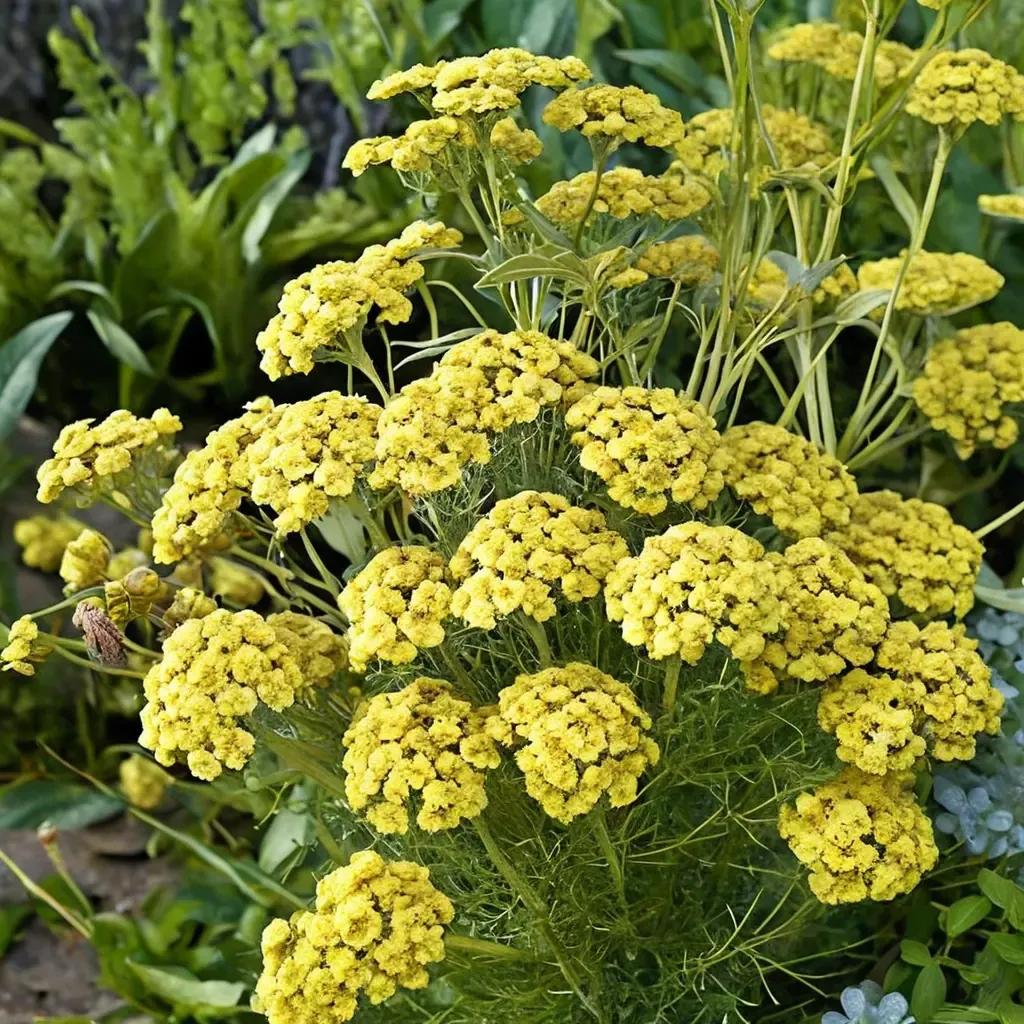 ‘Little Moonshine’Little Moonshine Yarrow
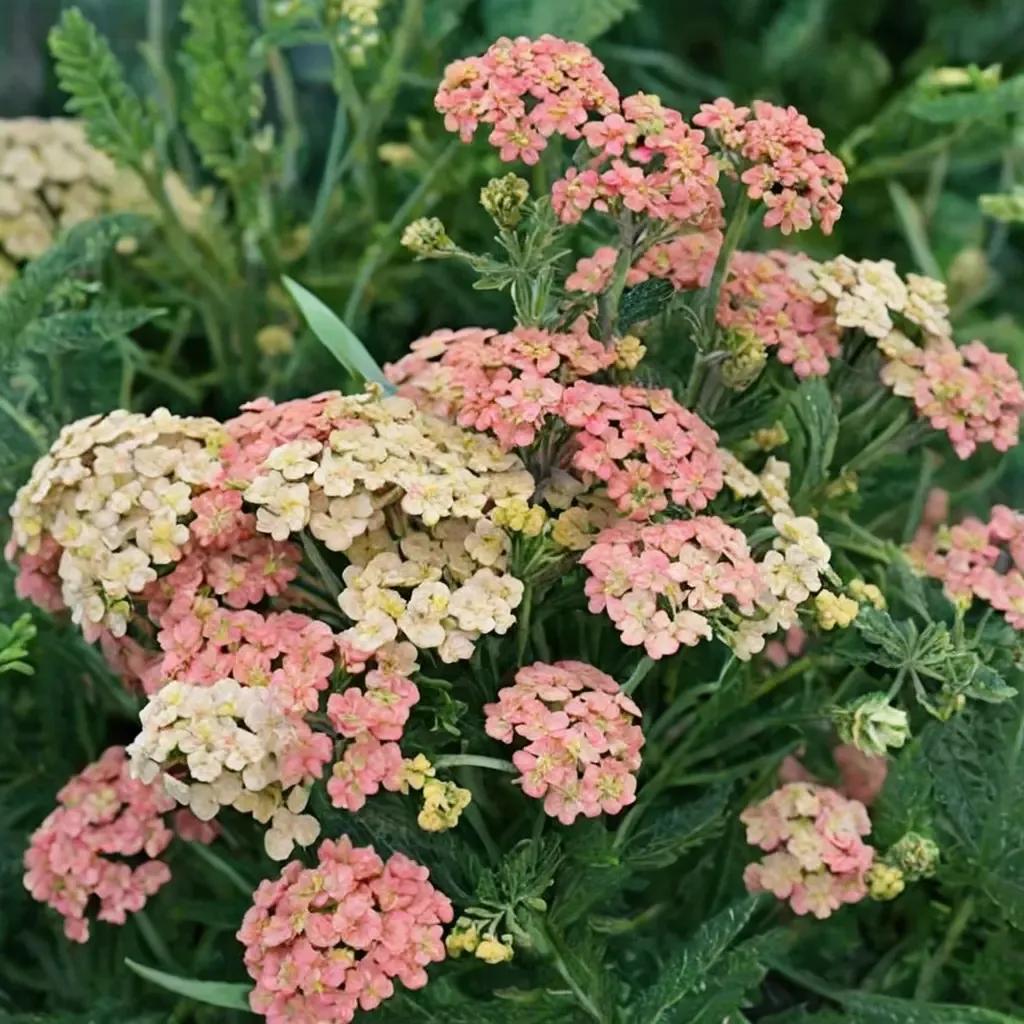 ‘Salmon Beauty’Salmon yarrow
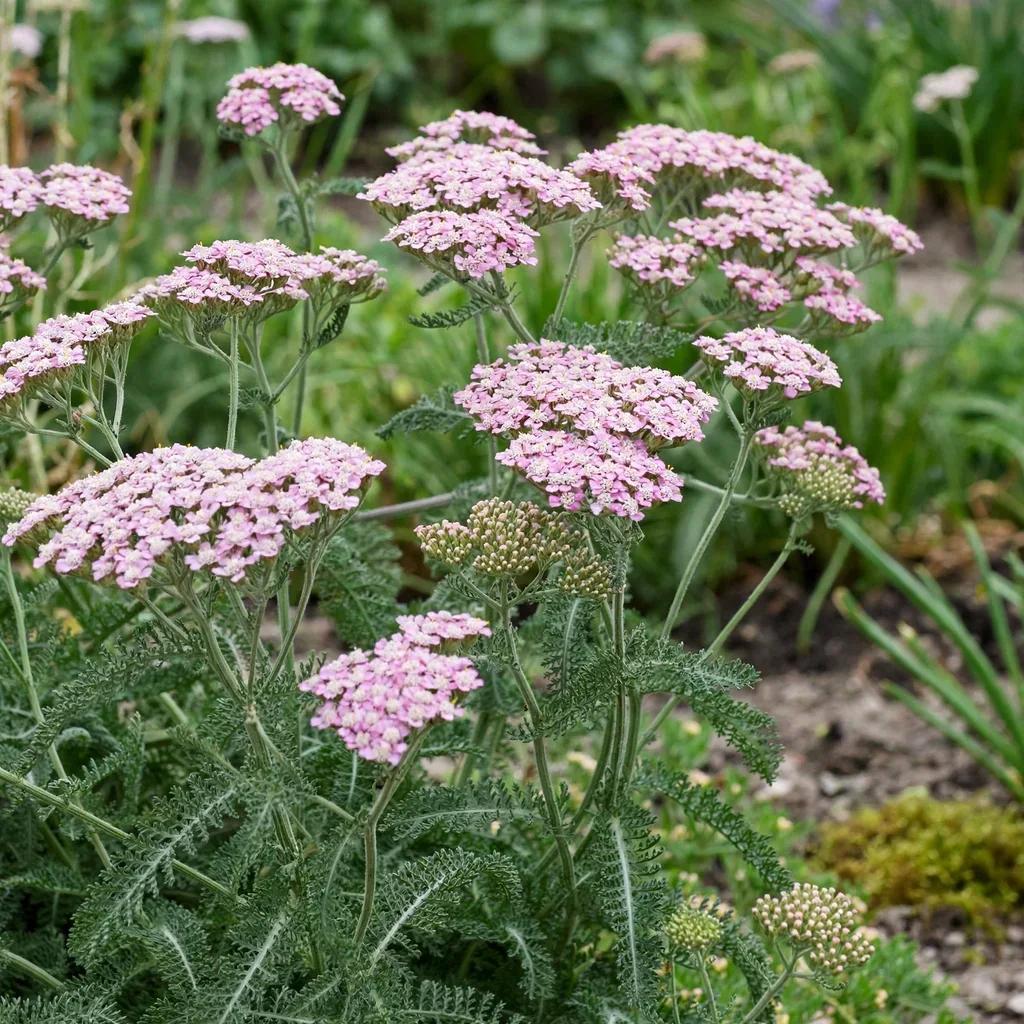 ‘Apple Blossom’Apple Blossom Yarrow
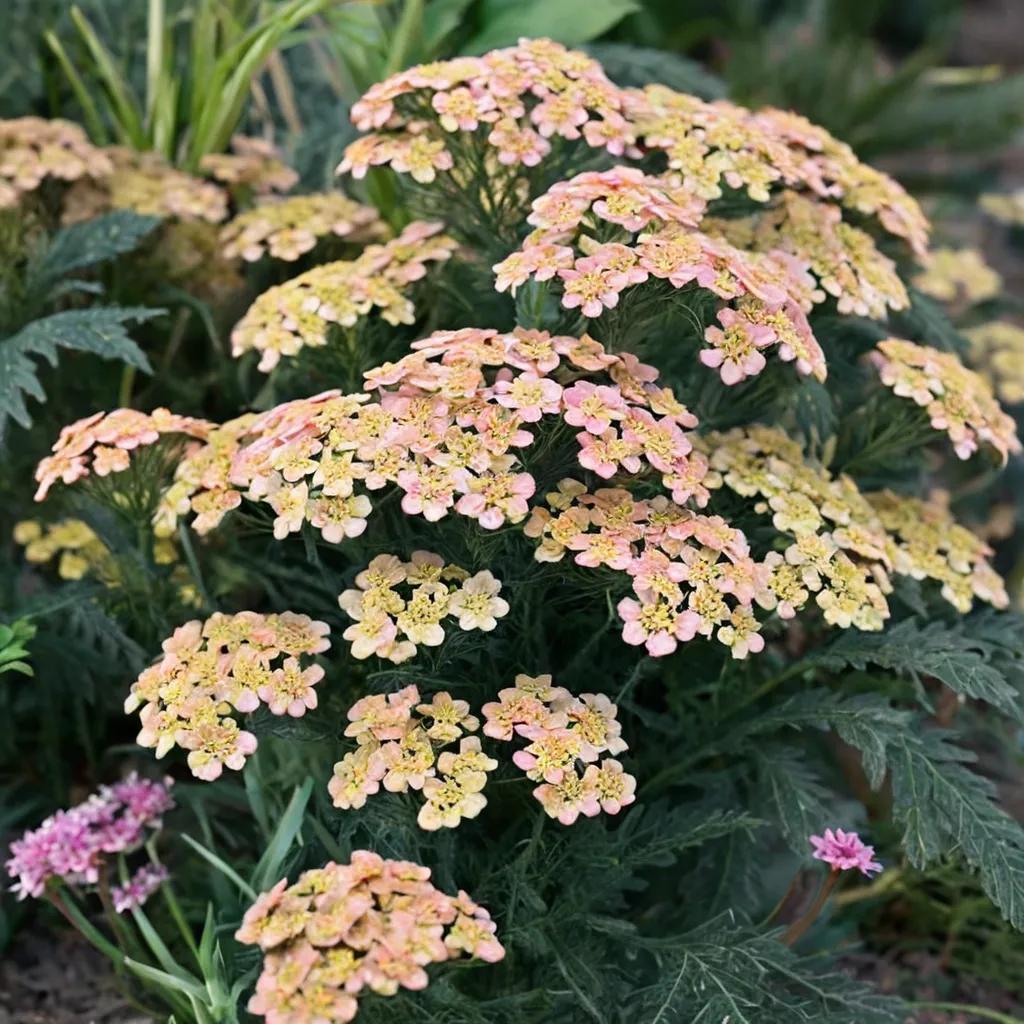 ‘Firefly Peach Sky’Firefly Peach Sky Yarrow
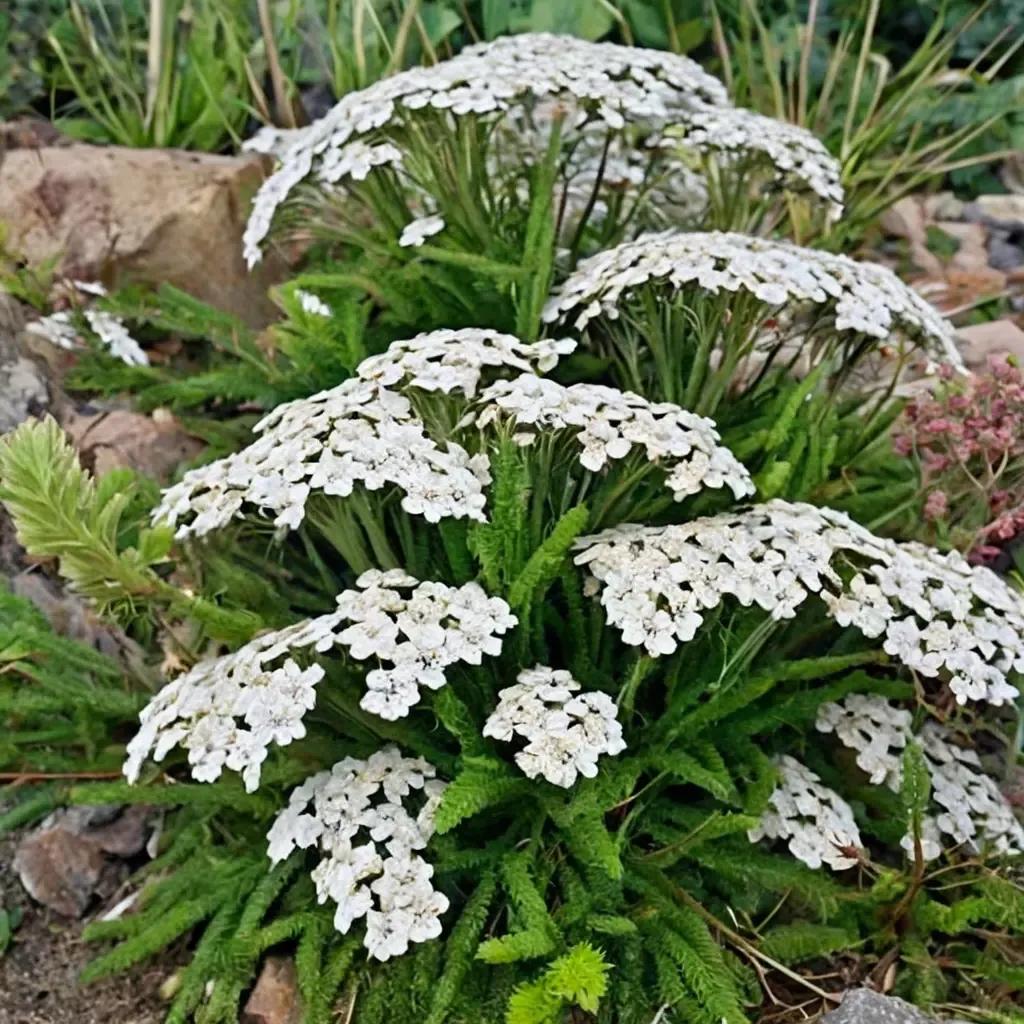 ‘Sonoma Coast’Sonoma Coast Yarrow
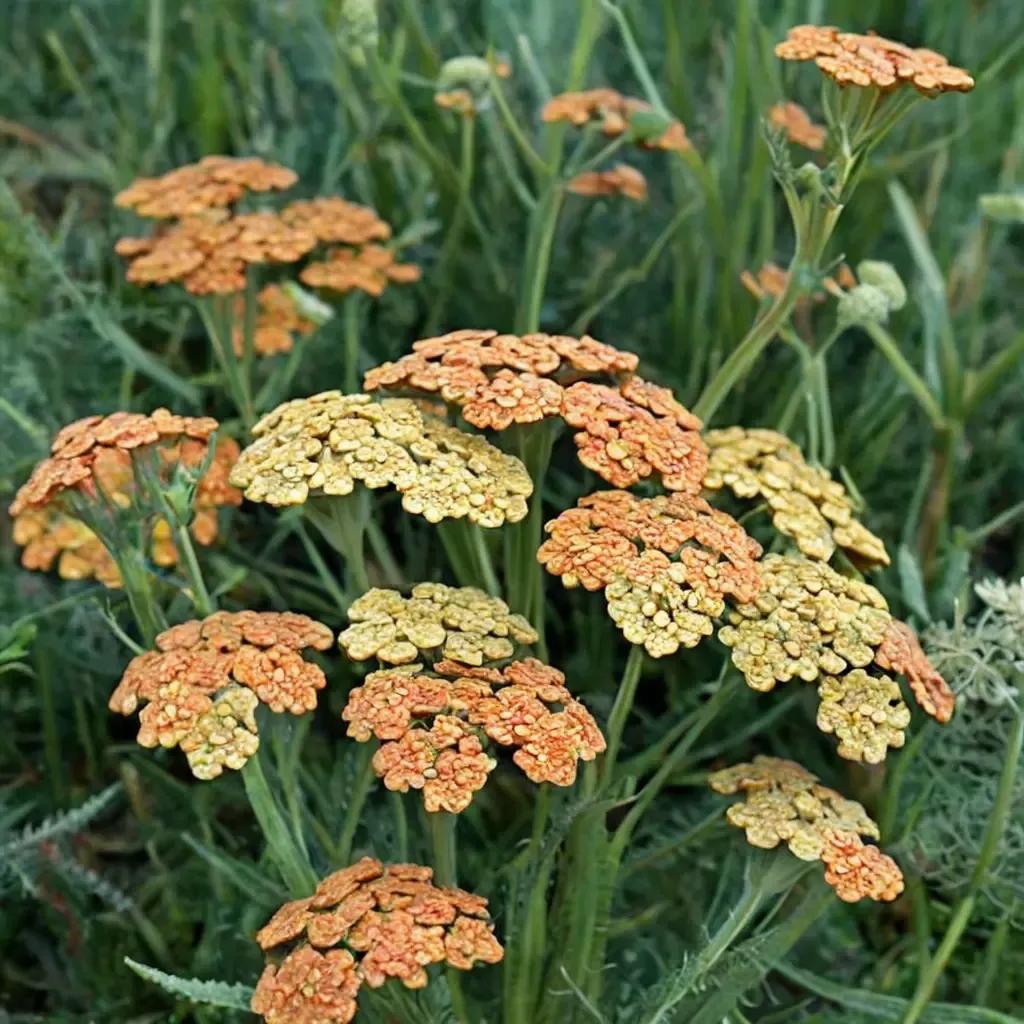 ‘Terracotta’Terracotta Yarrow
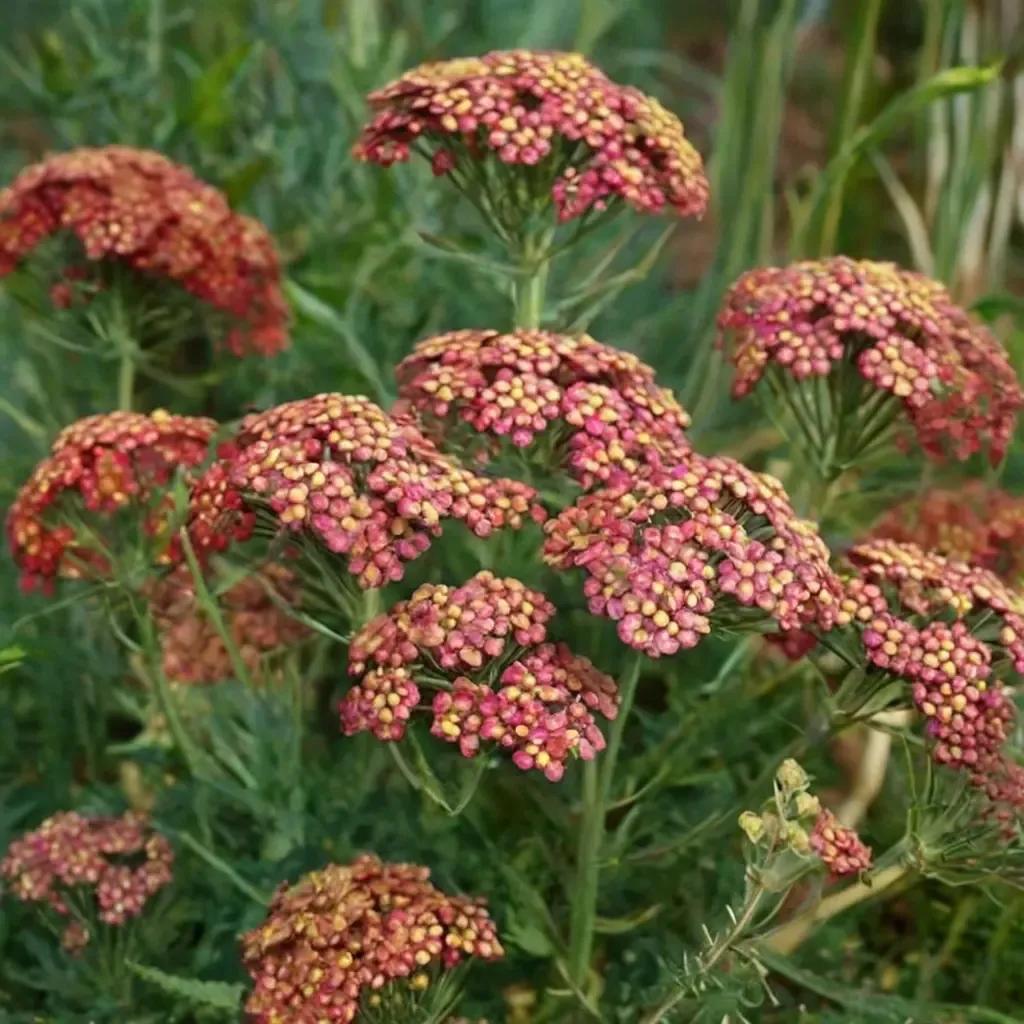 ‘Fanal’Fanal Yarrow
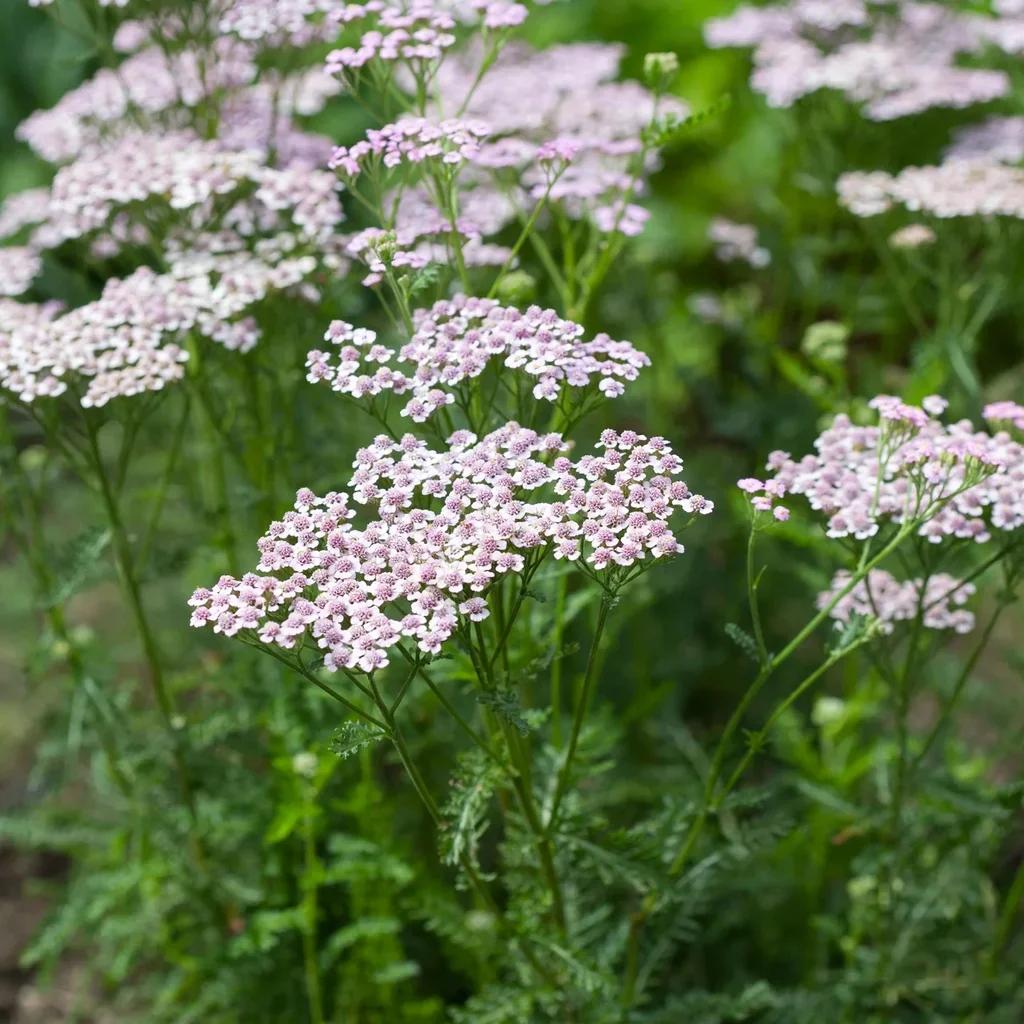 ‘Hope’Yarrow Hope
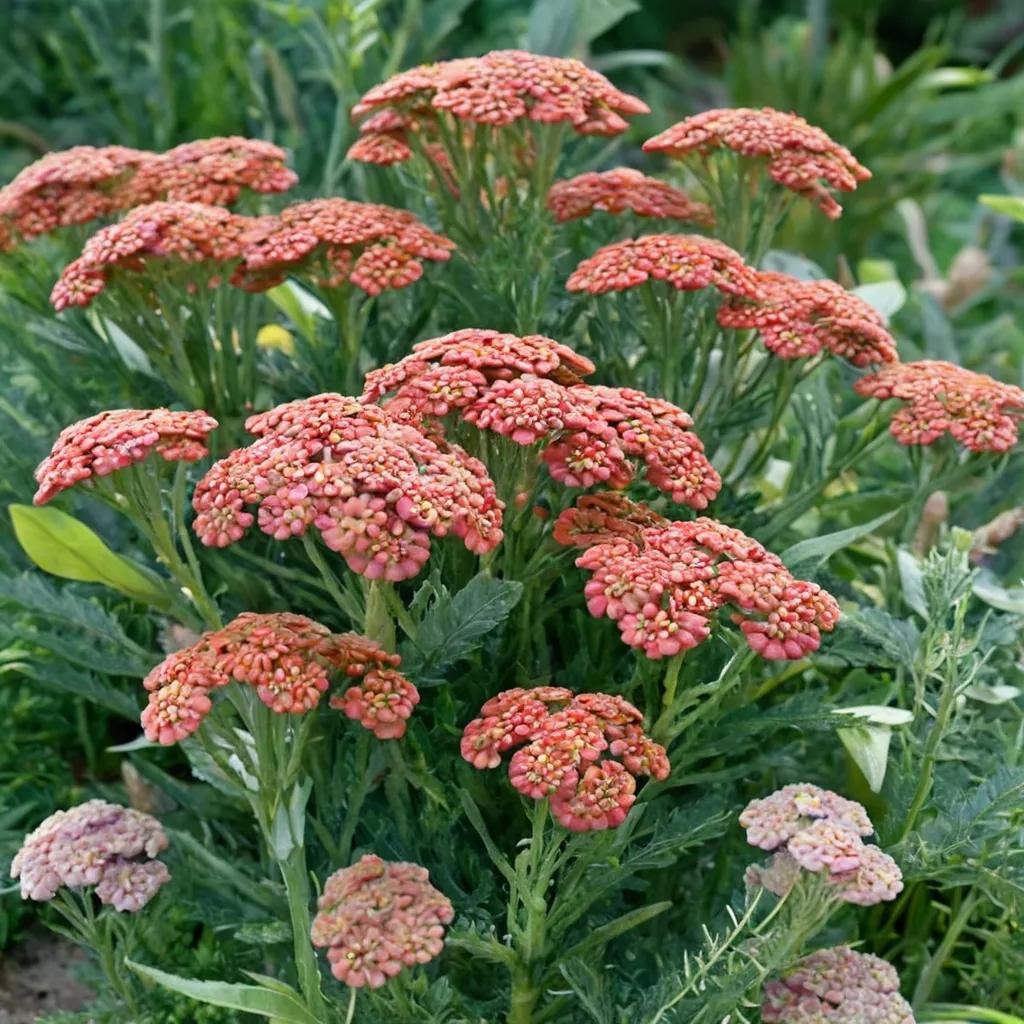 ‘Sassy Summer Sunset’Yarrow Sassy Summer Sunset
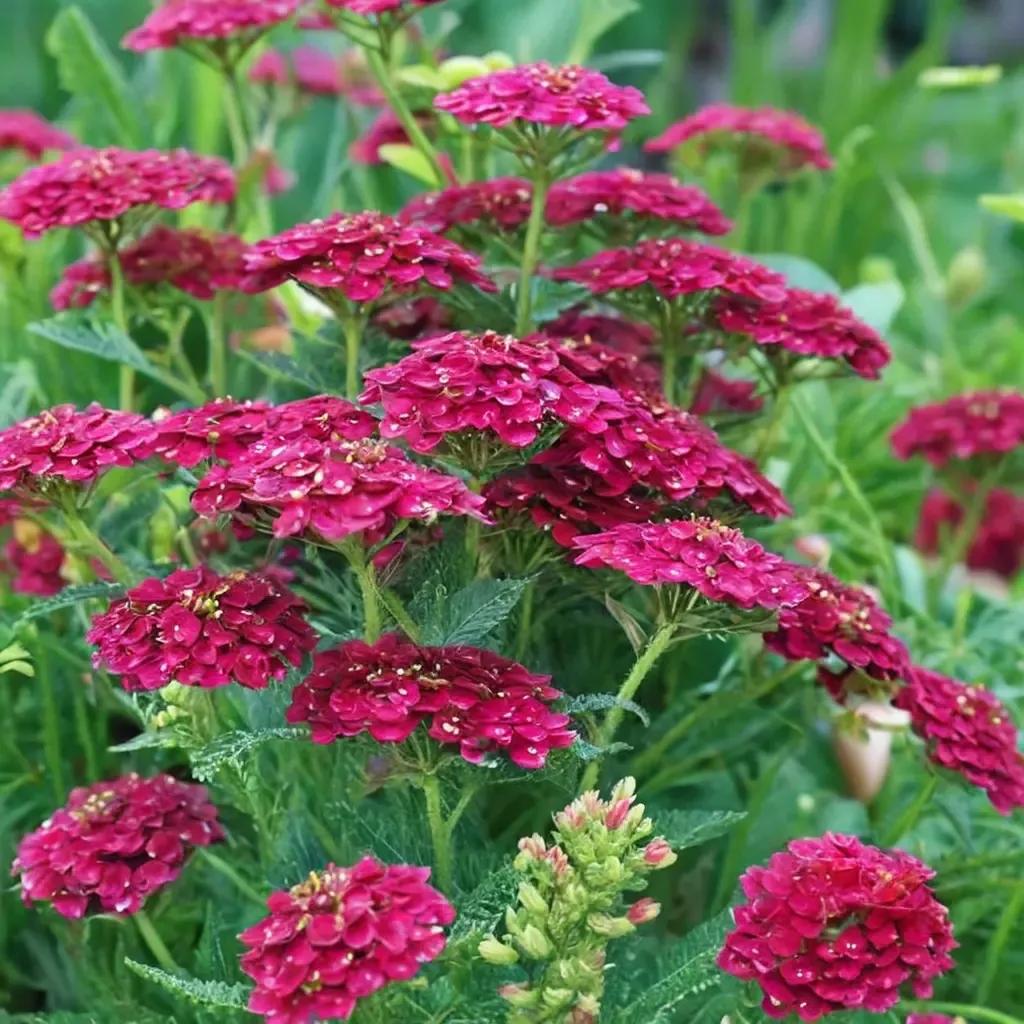 ‘Pomegranate’Pomegranate Yarrow
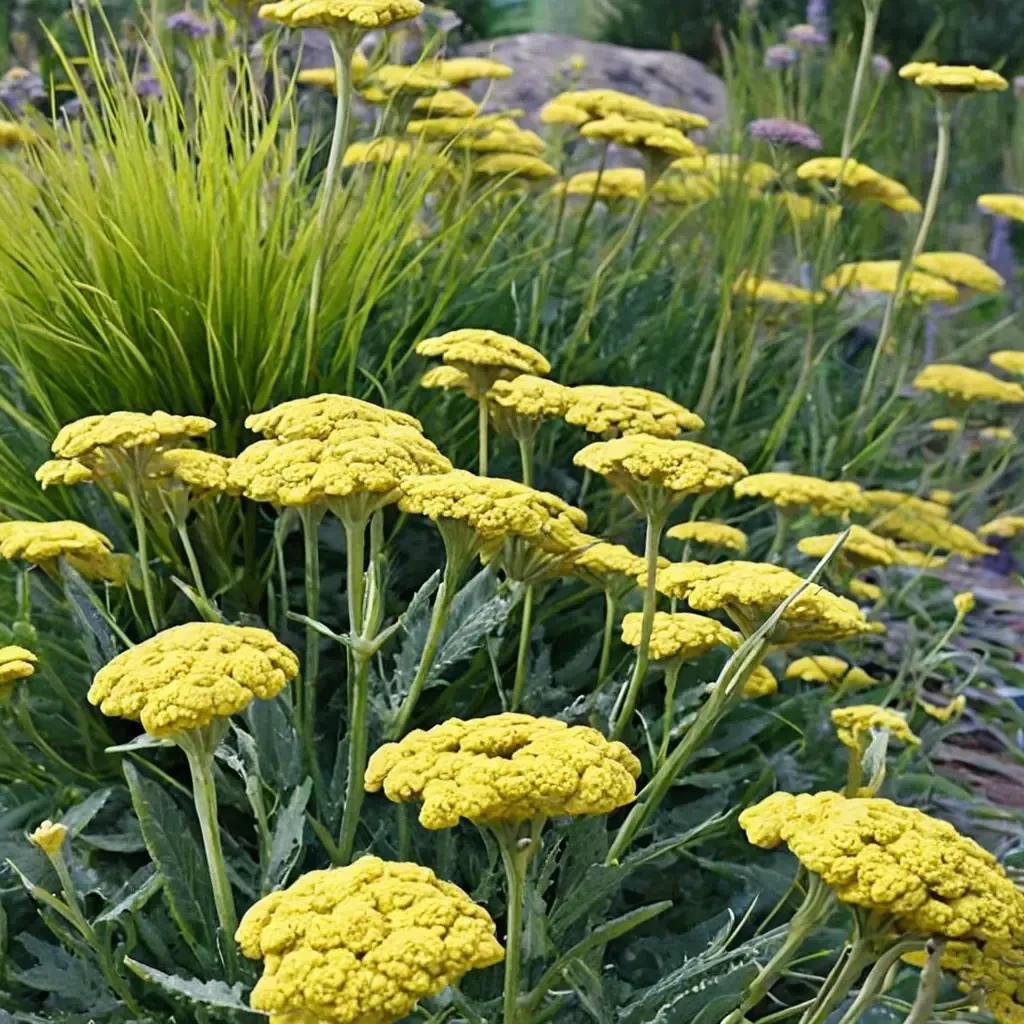 ‘Coronation Gold’Achillea Coronation Gold Golden Yarrow
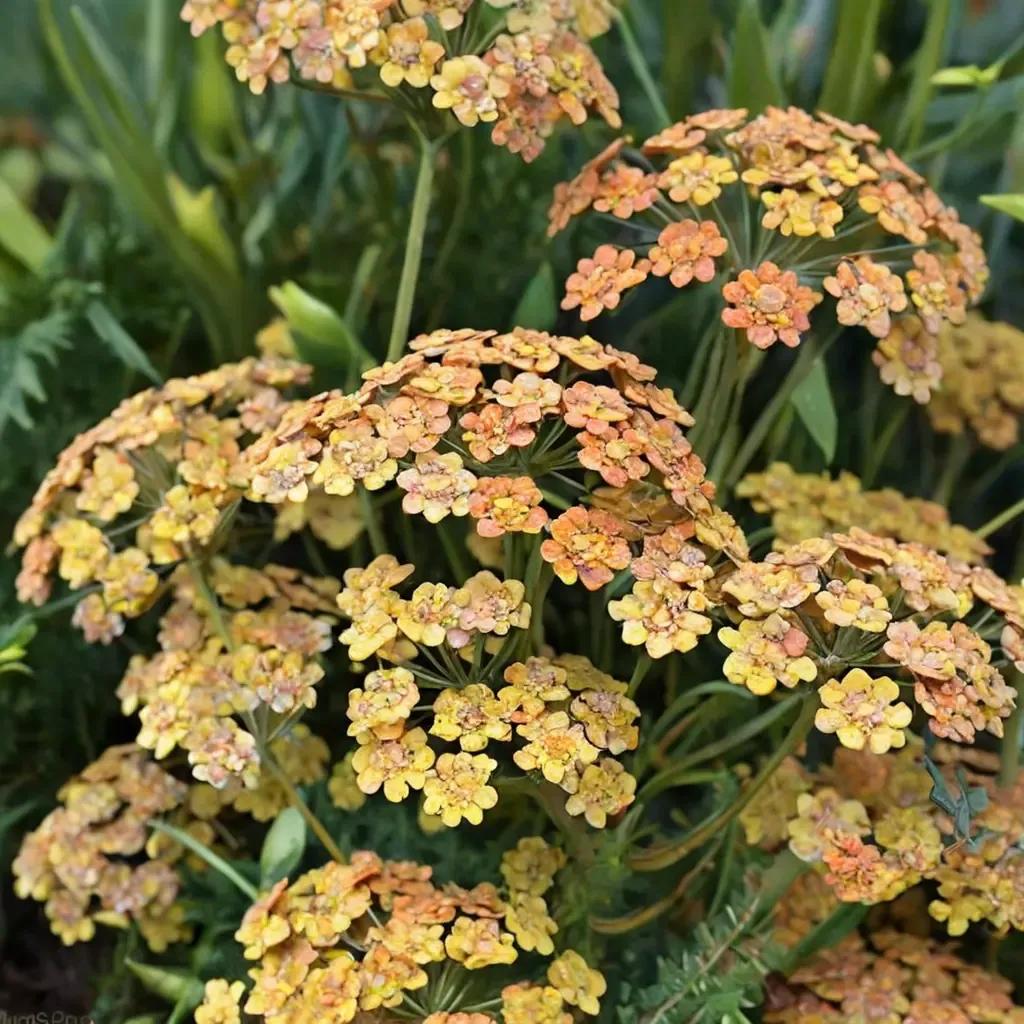 ‘Inca Gold’Inca Gold Yarrow
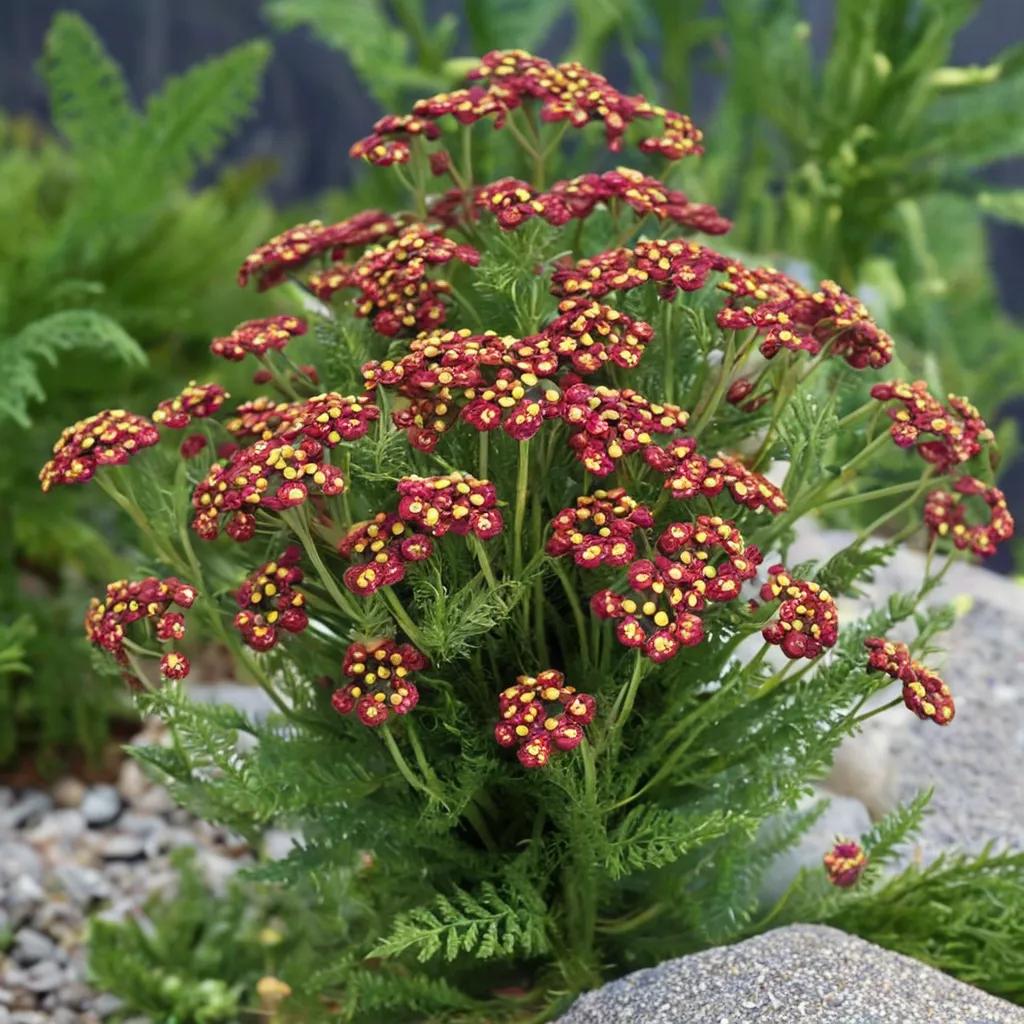 ‘Rock Red’Yarrow Rock Red
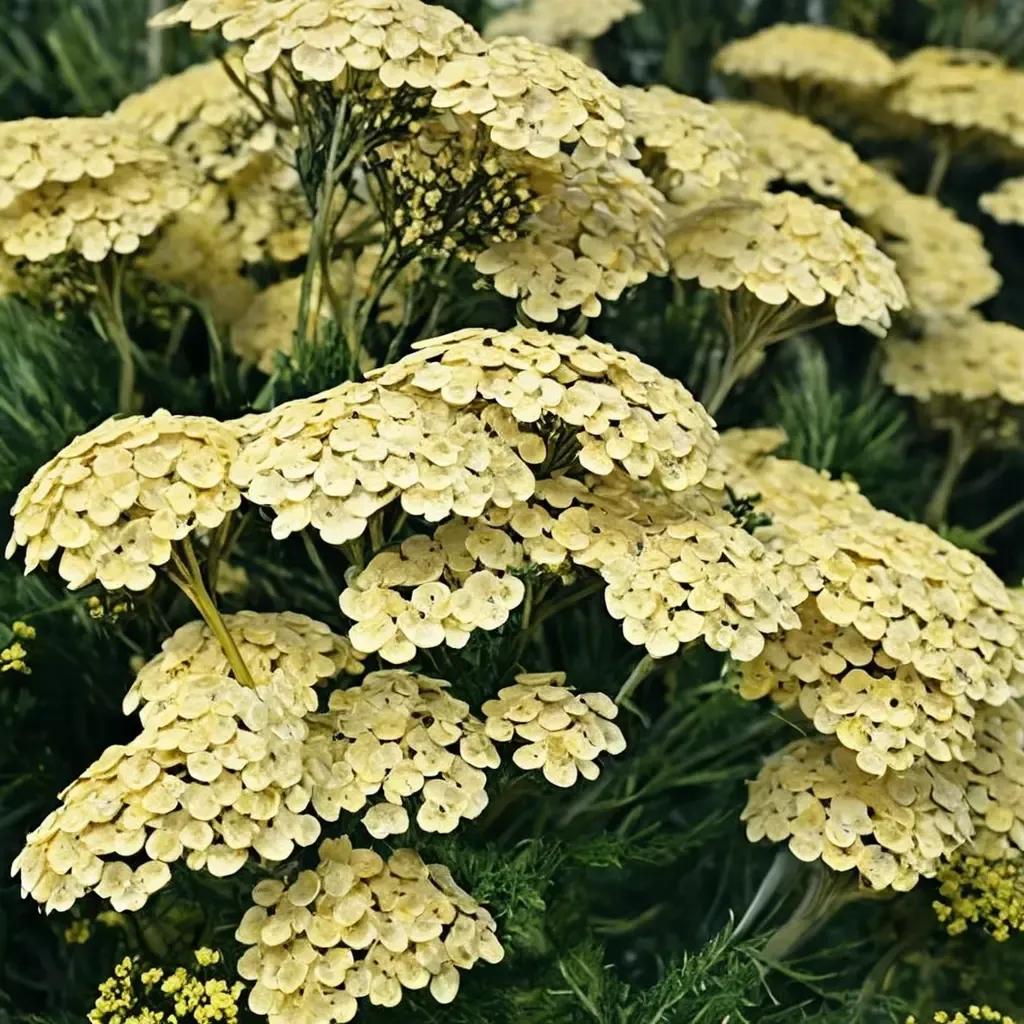 ‘Marie Ann’Common Yarrow 'Marie Ann'
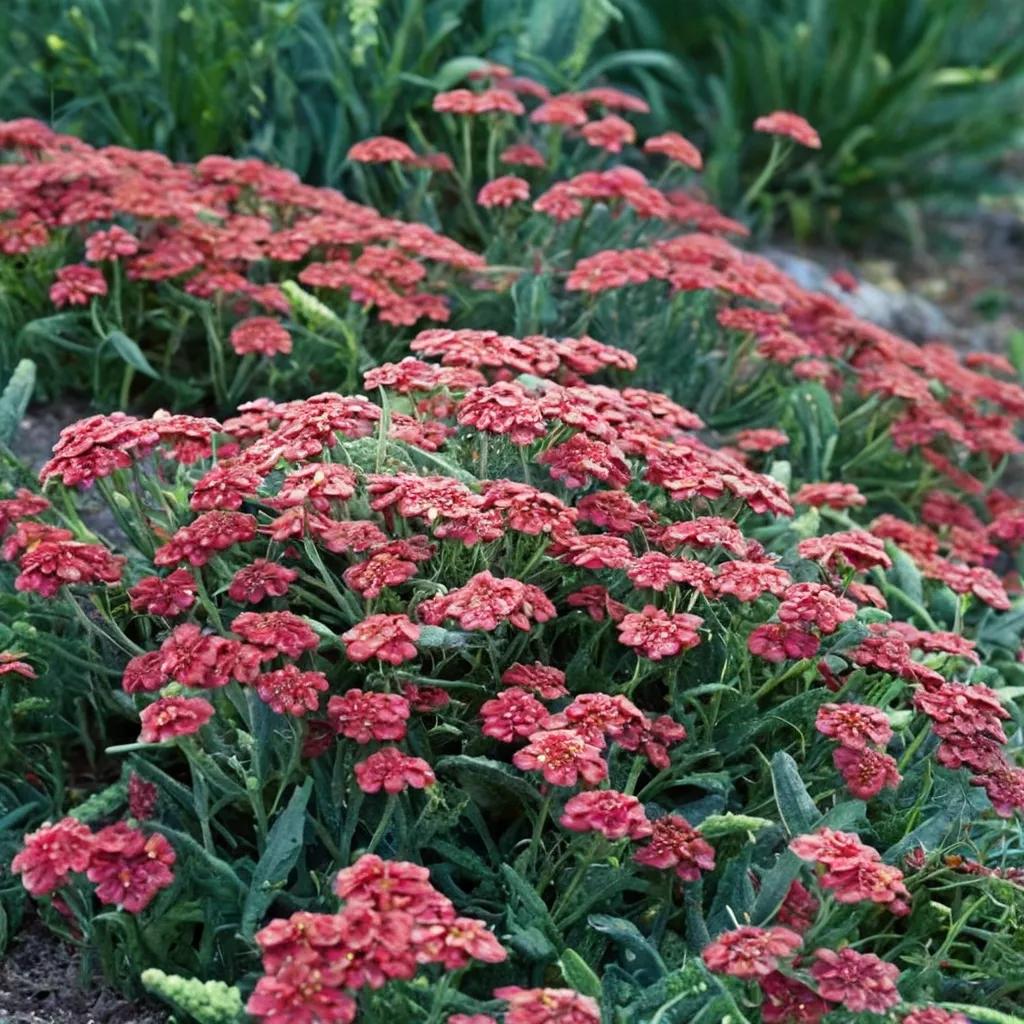 ‘Sassy Summer Sangria’Yarrow Sassy Summer Sangria
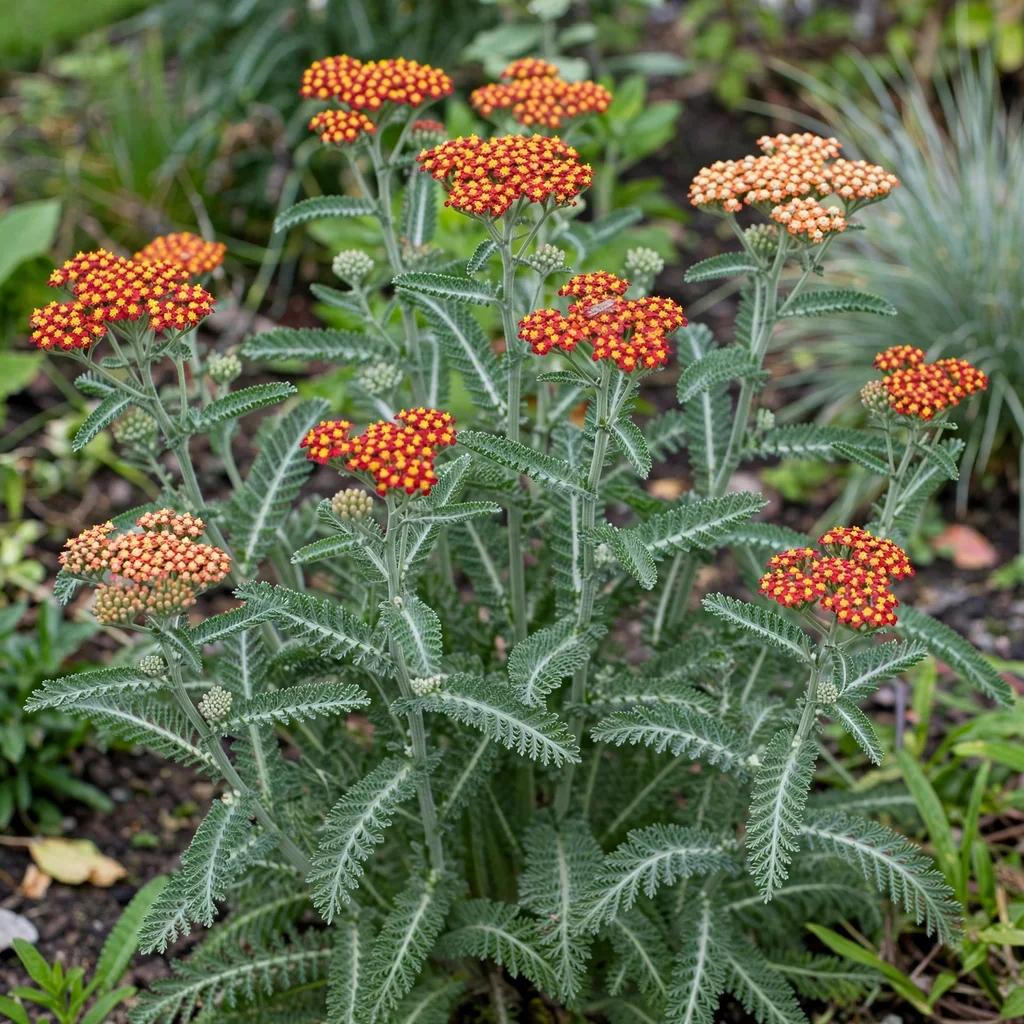 ‘Walther Funcke’Walther Funcke yarrow
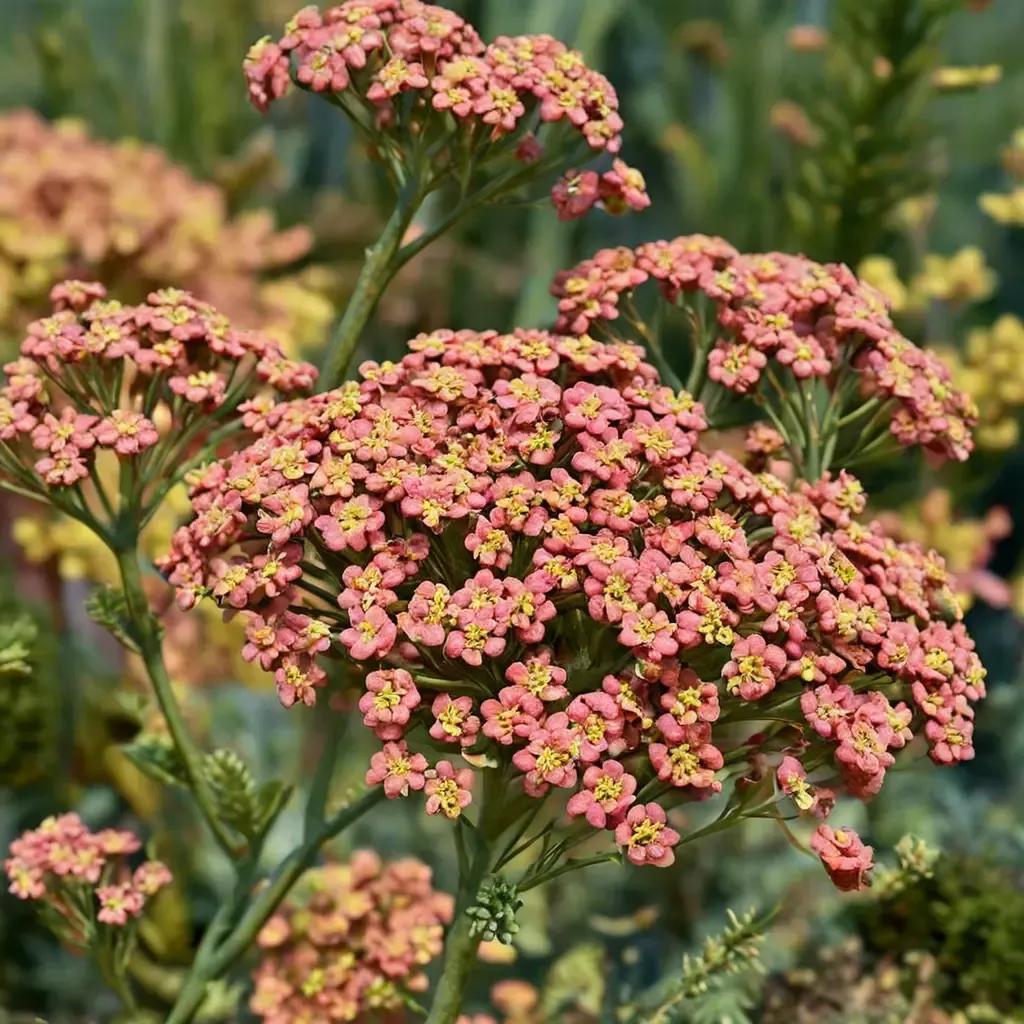 ‘Feuerland’'Feuerland' Yarrow
The Story
Plant Bio
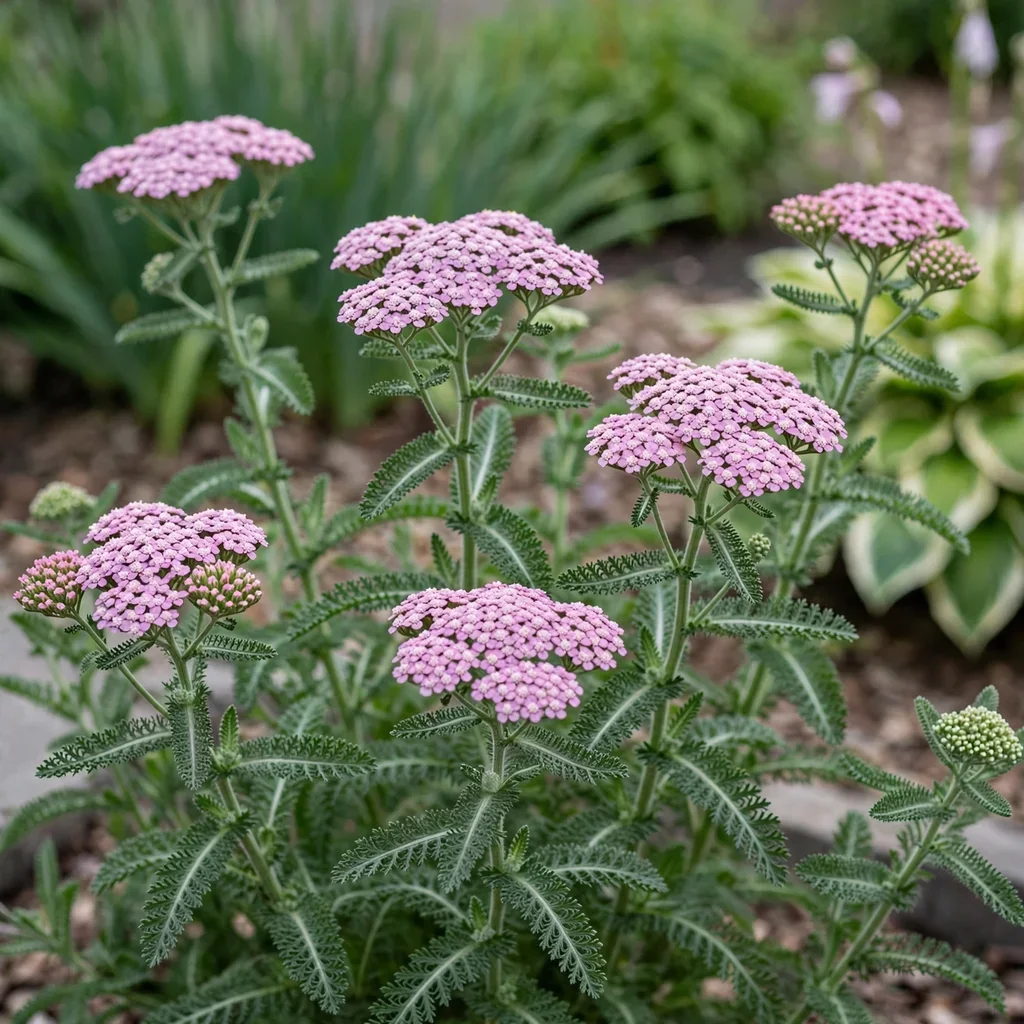
Achillea millefolium, or common yarrow, is a hardy, rhizomatous perennial known for its aromatic, feathery, fern-like foliage and flat-topped clusters (corymbs) of small, daisy-like flowers. It is drought-tolerant and spreads easily.
The 'Summer Berries' cultivar is a seed-grown mix distinguished by its rich, warm color palette, featuring long-lasting flower clusters in shades of salmon-pink, cherry-red, apricot, and cream, which often fade to lighter hues as they age.
Uses & Benefits:
Essentials
At a Glance
Plant Type
Perennial
Height
24"
Width
18"
Light
Full Sun
Zones
4, 5, 6, 7, 8, 9
Water
Low
Humidity
Low to moderate
Lifespan
Perennial
Native To
Europe and Asia
Toxicity
Toxic to dogs, cats, and horses. Can cause skin irritation in humans.
Bloom period
Summer – Late summer
In flower about 3 months of the year
Planting
How to Grow
- Tuck seeds into well-drained soil in early spring for best germination.
- Mist cuttings regularly to maintain humidity and encourage rooting.
- Transplant seedlings when they are 4-6 inches tall, after last frost.
- Divide mature plants every 2-3 years in early spring or fall.
- Mulch around plants to retain moisture and suppress weeds.
- Water deeply during prolonged dry spells to promote healthy growth.
Pro Tip
Ensure good air circulation to prevent powdery mildew and promote healthy foliage.
Keep It Thriving
Care Guide
Do
- Water at the base to avoid fungal diseases 🌱
- Prune lightly after flowering to encourage bushier growth
- Fertilize with a balanced organic fertilizer in spring
Don't
- Avoid overhead watering to prevent leaf diseases ❌
- Don’t let soil become waterlogged, as it can cause root rot
- Refrain from over-fertilizing, which can lead to leggy growth
Seasonal Care Calendar
| Task | Jan | Feb | Mar | Apr | May | Jun | Jul | Aug | Sep | Oct | Nov | Dec |
|---|---|---|---|---|---|---|---|---|---|---|---|---|
| Deadhead | ||||||||||||
| Divide | ||||||||||||
| Plant | ||||||||||||
| Prune |
Watch Out For
Pests & Diseases
Common Pests
Common Diseases
In the Garden
Landscape Uses & Companions
Landscape Uses
Multiply
Propagation Methods
Good to Know
Common Questions
Summer Berries Yarrow questions
What zones can Summer Berries Yarrow grow in?
Summer Berries Yarrow is hardy in USDA Zones 4–9. Inside that range it survives winter in the ground; outside it, grow it as an annual or a container plant you protect.
Is Summer Berries Yarrow deer resistant?
Yes — Summer Berries Yarrow is rated deer-resistant. Deer typically pass it over, though extreme hunger can override any plant's defenses.
When does Summer Berries Yarrow bloom?
Summer Berries Yarrow typically blooms in summer through late summer. Exact timing shifts a week or two with your zone — Sow's bloom calendar maps it to your garden.
Does Summer Berries Yarrow need full sun?
Summer Berries Yarrow does best in full sun (6+ hours).
Is Summer Berries Yarrow drought tolerant?
Yes — once established (usually after the first full season), Summer Berries Yarrow handles dry spells with minimal watering. Water deeply its first year to build the root system that makes that possible.
More Achillea to compare
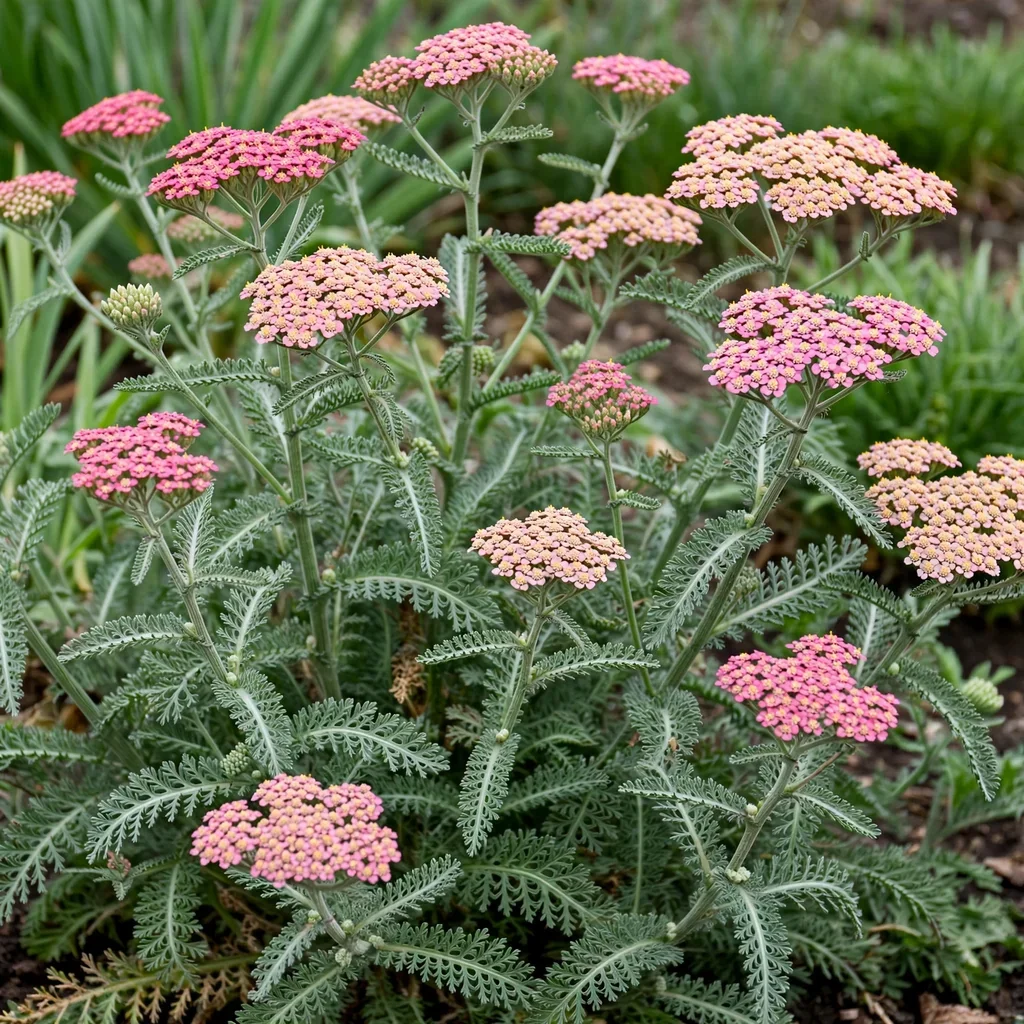
Sassy Summer Taffy Common Yarrow
Achillea millefolium 'Sassy Summer Taffy'
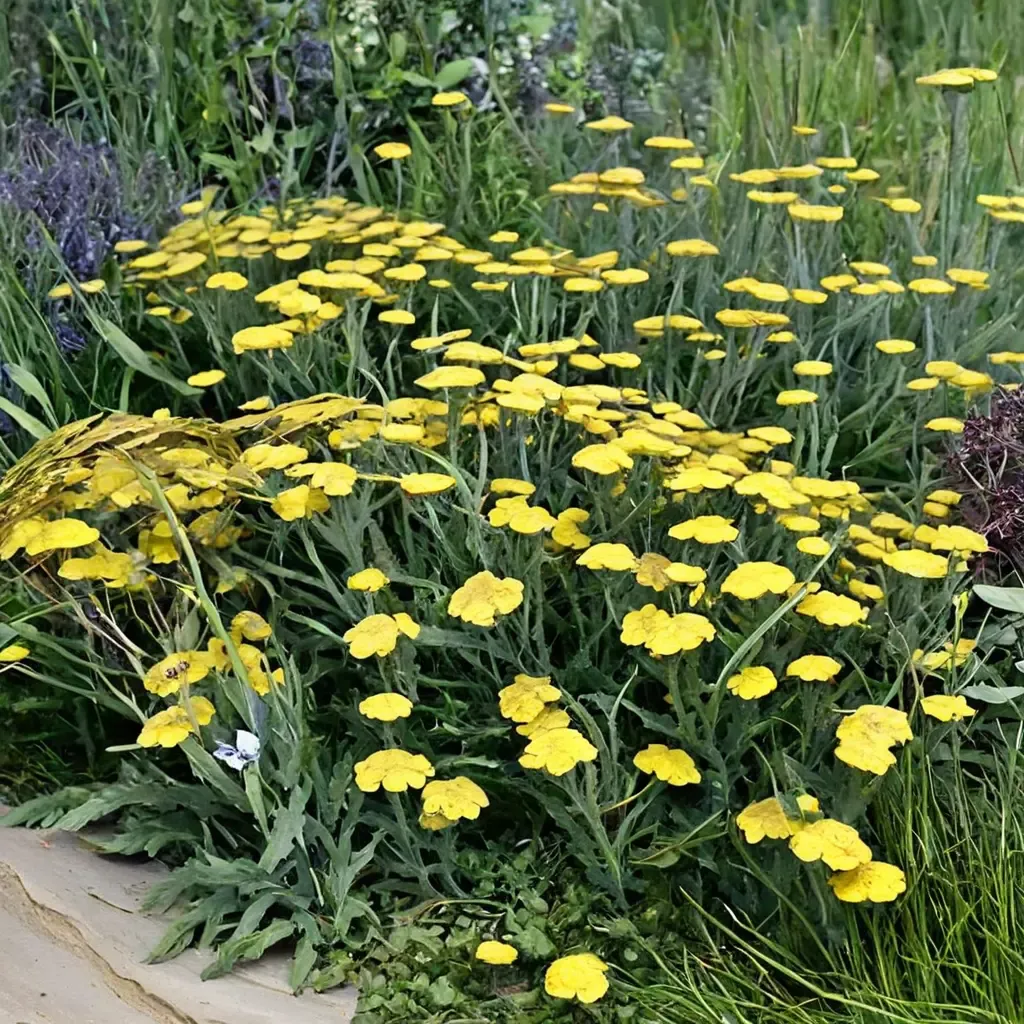
Moonshine Yarrow
Achillea millefolium 'Moonshine'
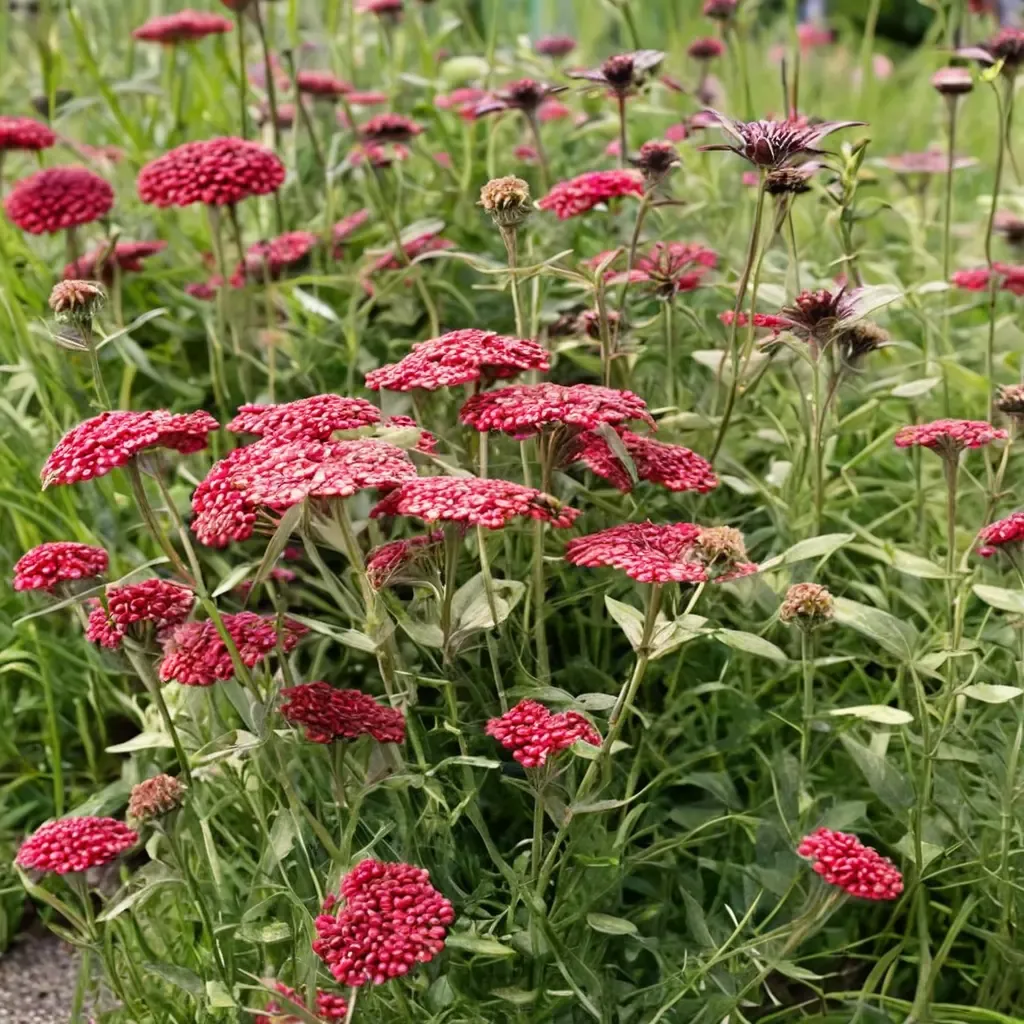
Red Velvet Yarrow
Achillea millefolium 'Red Velvet'
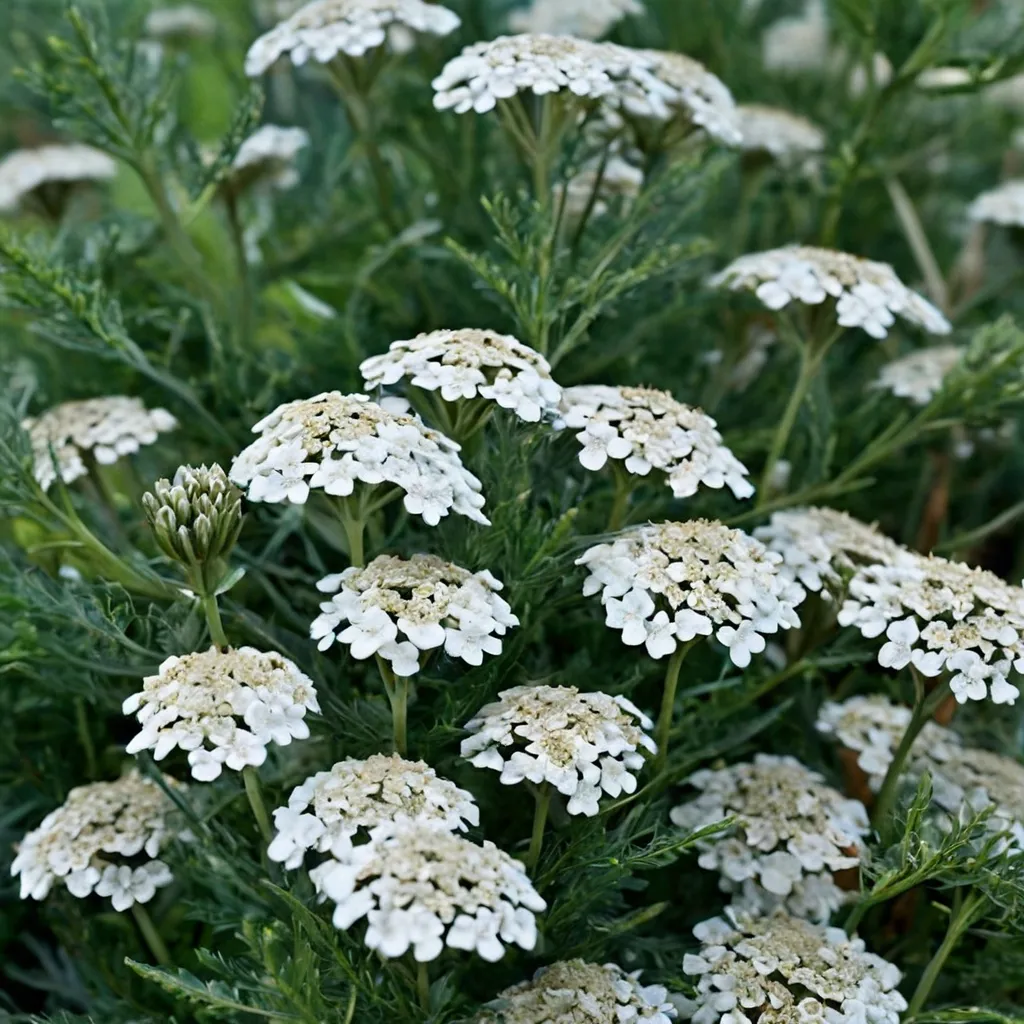
New Vintage White Common Yarrow
Achillea millefolium 'New Vintage White'
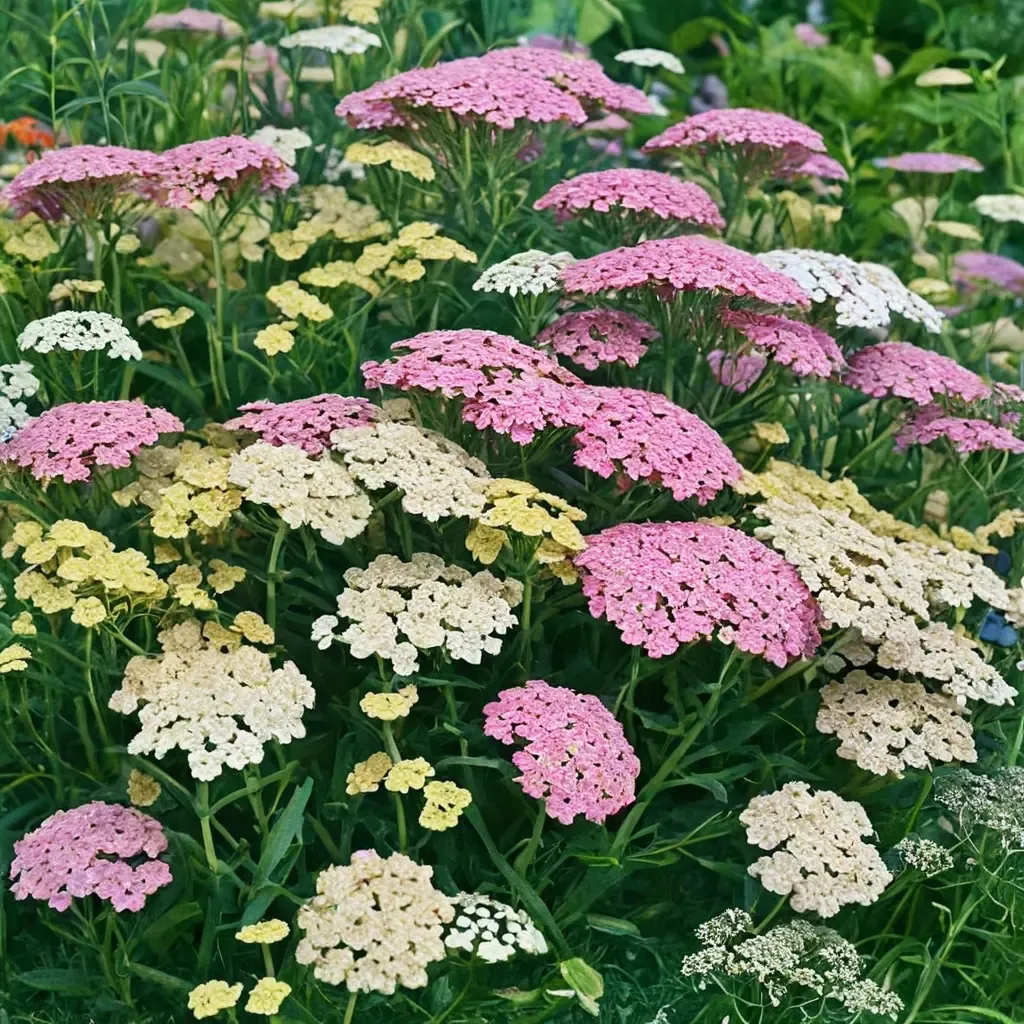
Summer Pastels Yarrow
Achillea millefolium 'Summer Pastels'
Pink Grapefruit Yarrow
Achillea millefolium 'Pink Grapefruit'
Keep exploring
Explore the genus
Grow Summer Berries Yarrow with confidence
See it in a design of your actual yard, get zone-matched care reminders, and track it season by season in your garden journal.