The Story
Plant Bio
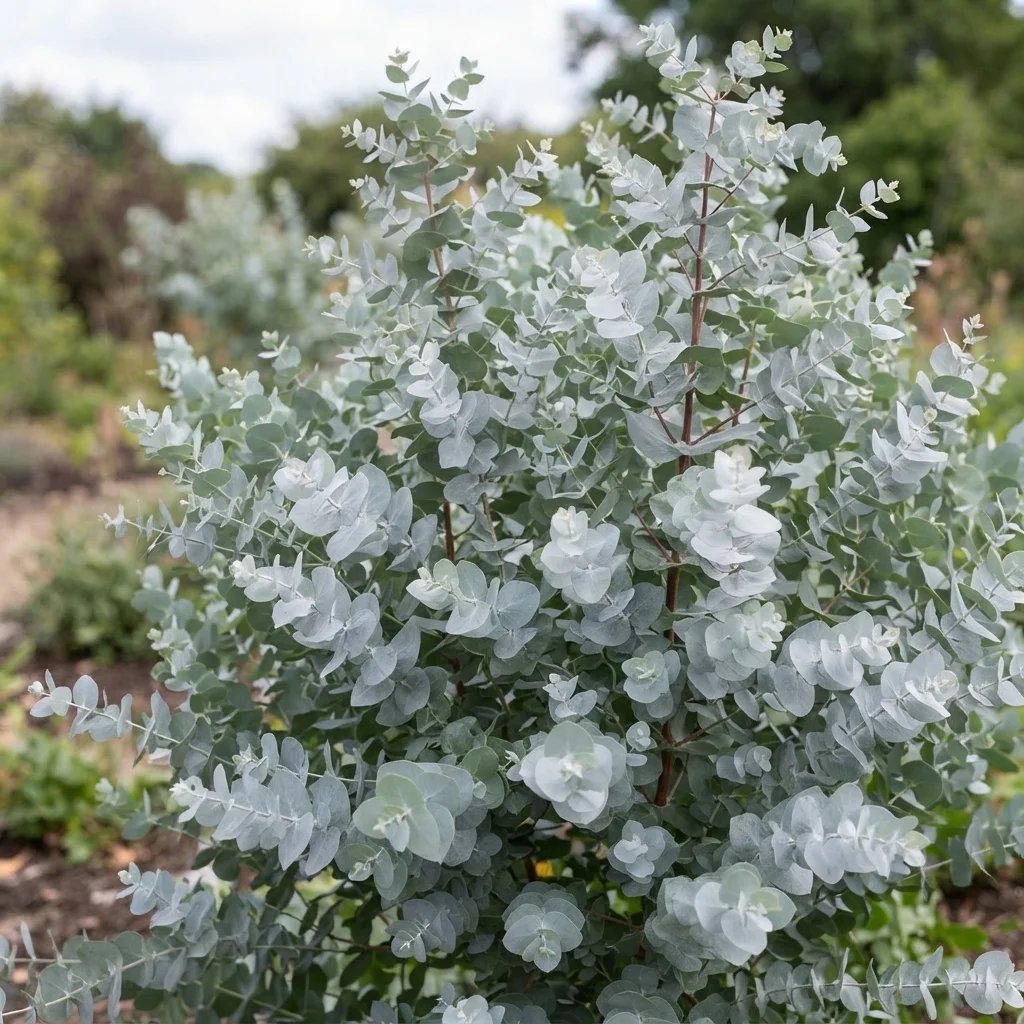
Eucalyptus pulverulenta is an evergreen woody species native to the tablelands of New South Wales, characterized by its persistent juvenile foliage and sprawling, multi-stemmed growth habit. The sessile, opposite leaves are round to heart-shaped and covered in an intense, powdery silver-blue waxy coating that persists throughout the life of the plant.
'Baby Blue' is a compact cultivar selected for its dense, bushy form and highly concentrated, intensely glaucous foliage. It maintains a smaller garden footprint than the wild species, producing crowded whorls of silvery leaves on stiff, upright stems that are highly valued for floral arrangements.
Uses & Benefits:
Essentials
At a Glance
Plant Type
Shrub
Height
118"
Width
94"
Light
Full Sun
Zones
8, 9, 10
Water
Low
Humidity
Low to Moderate
Lifespan
Perennial
Native To
Australia
Toxicity
Toxic if Ingested
Bloom period
Winter – Spring
In flower about 6 months of the year
Planting
How to Grow
- Select a planting site in full sun with exceptionally well-draining sandy loam or gravelly soil.
- Dig a hole twice as wide as the root ball but of equal depth, ensuring the crown sits level with the surrounding soil.
- Water deeply immediately after planting, then transition to infrequent, deep waterings once the root system establishes.
- Apply a thin layer of organic mulch around the base, keeping it several inches away from the main trunk to prevent rot.
Pro Tip
Prune the stems back hard to a low framework or coppice them annually in spring; this stimulates a flush of the highly desirable, rounded juvenile foliage and prevents the plant from developing leggy, bare lower branches.
Keep It Thriving
Care Guide
Do
- Prune annually in early spring to encourage dense, silvery juvenile growth.
- Ensure the soil drains rapidly to prevent root rot pathogens.
- Handle fresh cut foliage with gloves if you have sensitive skin.
Don't
- Do not prune deep into old, leafless woody stems where dormant buds are absent.
- Do not apply heavy synthetic fertilizers, especially those high in phosphorus.
- Do not plant in low-lying areas of the garden where water pools after rain.
Seasonal Care Calendar
| Task | Jan | Feb | Mar | Apr | May | Jun | Jul | Aug | Sep | Oct | Nov | Dec |
|---|---|---|---|---|---|---|---|---|---|---|---|---|
| Fertilize | ||||||||||||
| Pest Check | ||||||||||||
| Prune | ||||||||||||
| Winter Prep |
Watch Out For
Pests & Diseases
Common Pests
Common Diseases
In the Garden
Landscape Uses & Companions
Landscape Uses
Companion Plants
Multiply
Propagation Methods
Good to Know
Common Questions
Baby Blue Eucalyptus questions
What zones can Baby Blue Eucalyptus grow in?
Baby Blue Eucalyptus is hardy in USDA Zones 8–10. Inside that range it survives winter in the ground; outside it, grow it as an annual or a container plant you protect.
Is Baby Blue Eucalyptus deer resistant?
Not reliably. Deer may browse Baby Blue Eucalyptus, especially tender spring growth — plan on repellents or fencing where pressure is high.
When does Baby Blue Eucalyptus bloom?
Baby Blue Eucalyptus typically blooms in winter through spring. Exact timing shifts a week or two with your zone — Sow's bloom calendar maps it to your garden.
Does Baby Blue Eucalyptus need full sun?
Baby Blue Eucalyptus does best in full sun (6+ hours).
Is Baby Blue Eucalyptus drought tolerant?
Yes — once established (usually after the first full season), Baby Blue Eucalyptus handles dry spells with minimal watering. Water deeply its first year to build the root system that makes that possible.
More Eucalyptus to compare
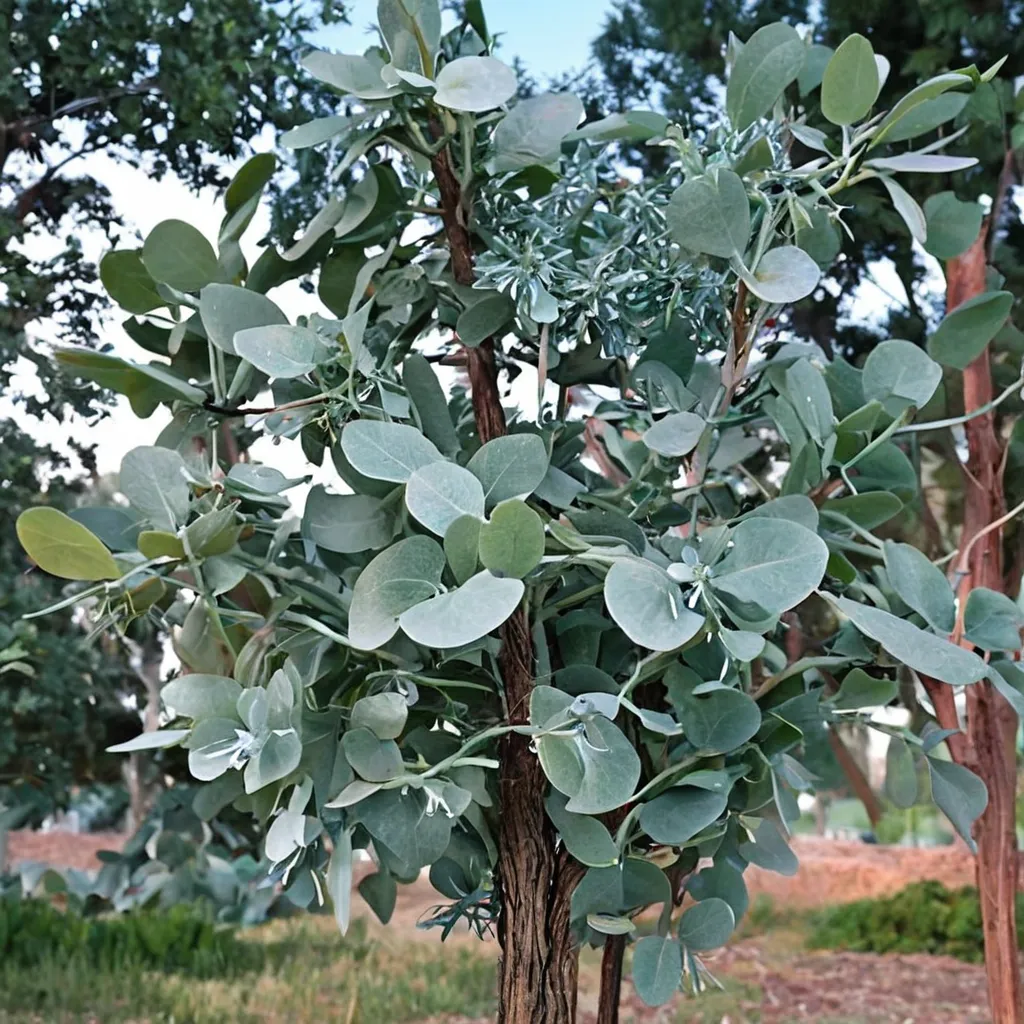
Silver Dollar Eucalyptus
Eucalyptus cinerea
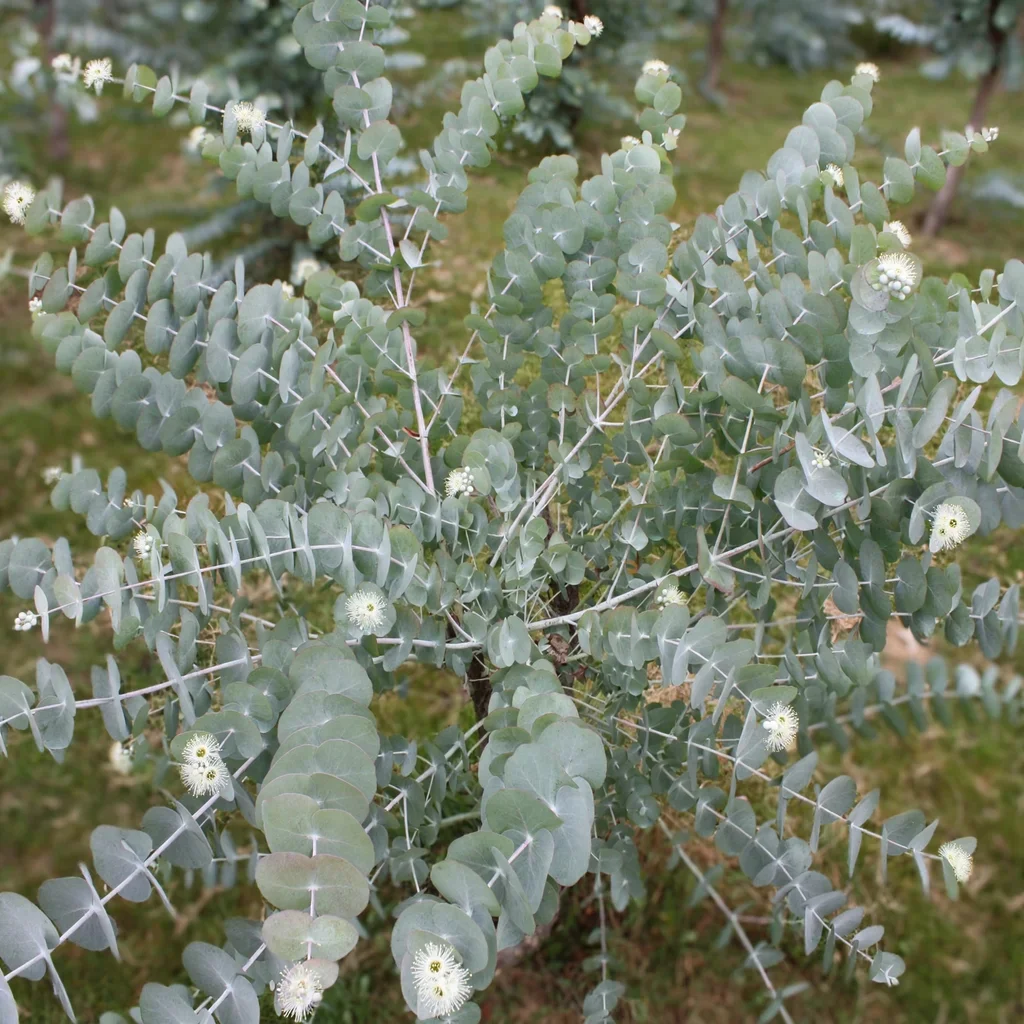
Silver Dollar Tree
Eucalyptus cinerea 'Silver Dollar Tree'
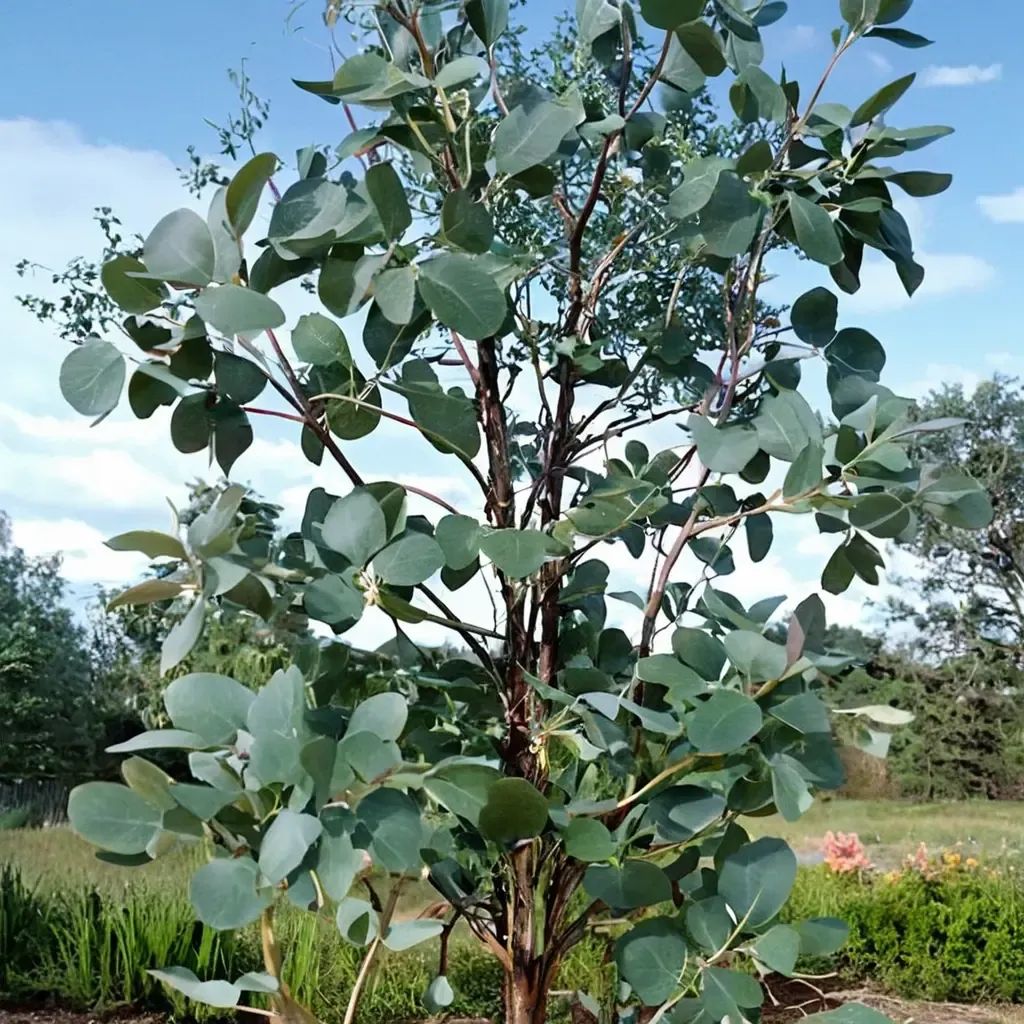
Omeo Gum
Eucalyptus neglecta
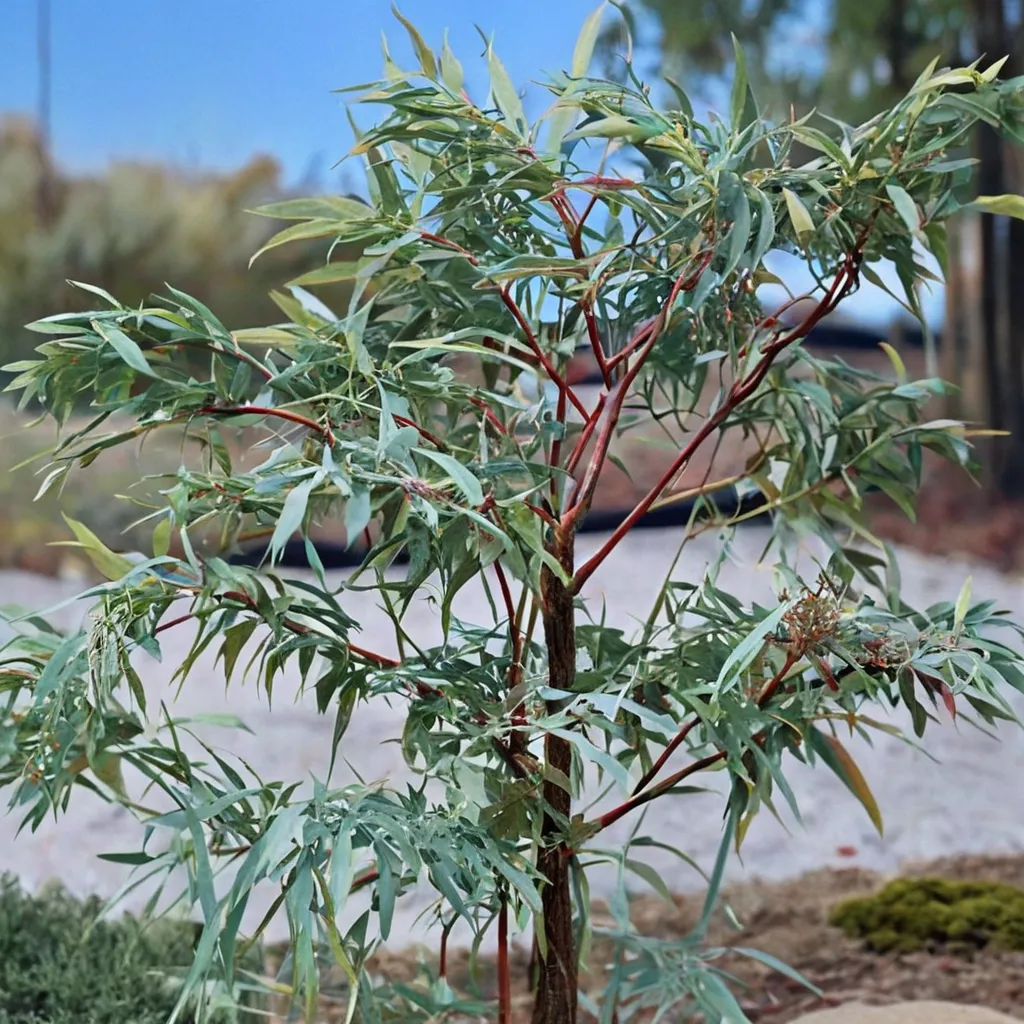
Narrow-leaved Peppermint Eucalyptus
Eucalyptus nicholii
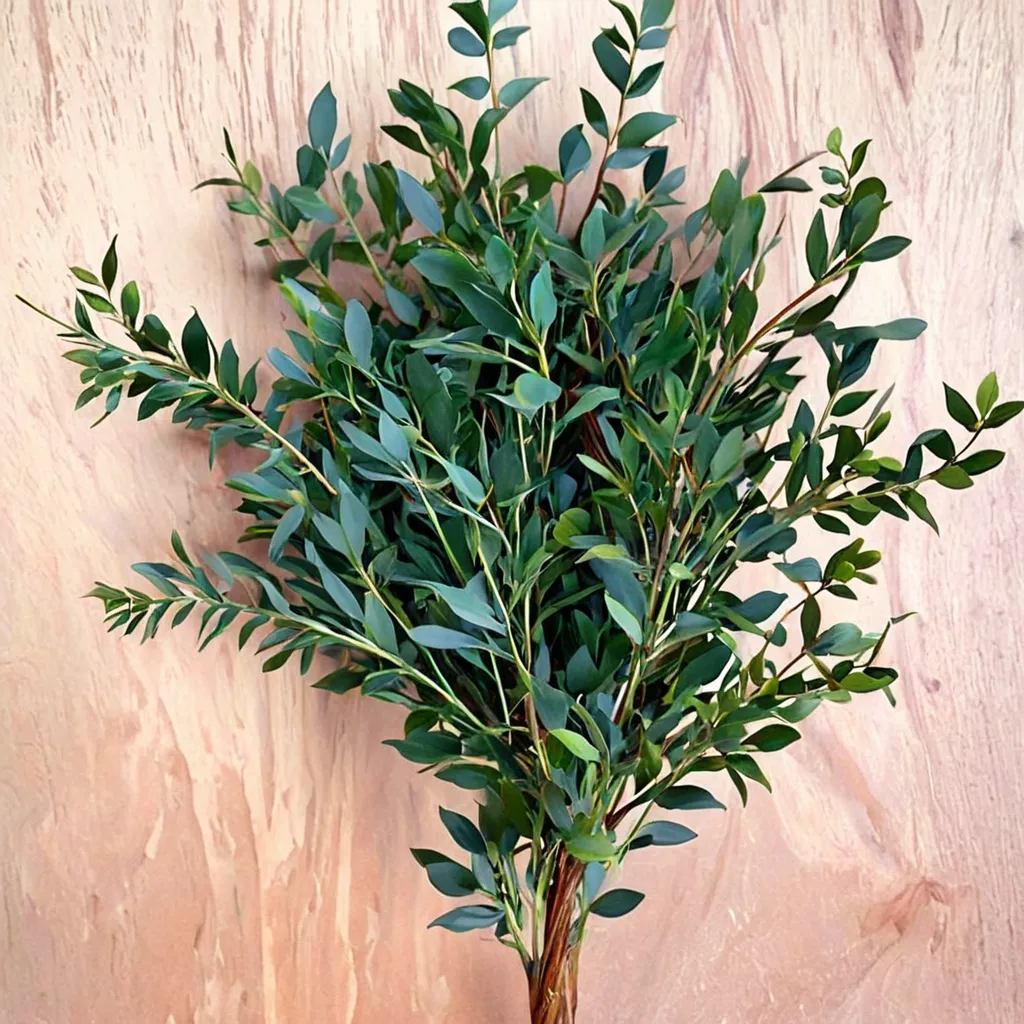
Small-leaved Gum
Eucalyptus parvifolia
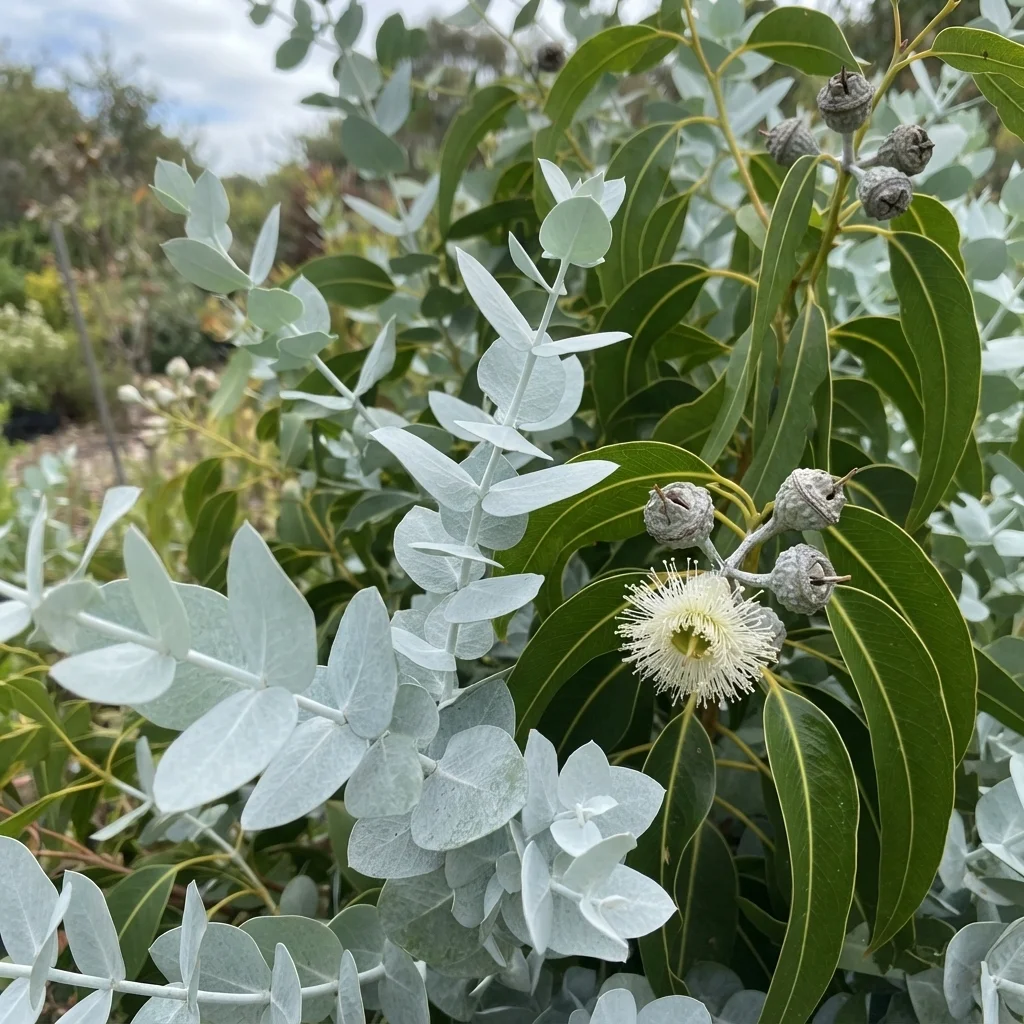
Tasmanian Blue Gum
Eucalyptus globulus
Keep exploring
Explore the genus
Hardy in your zone?
Grow Baby Blue Eucalyptus with confidence
See it in a design of your actual yard, get zone-matched care reminders, and track it season by season in your garden journal.