160 saves
Eucalyptus
We track 22 varieties; the ones most used by real gardeners.
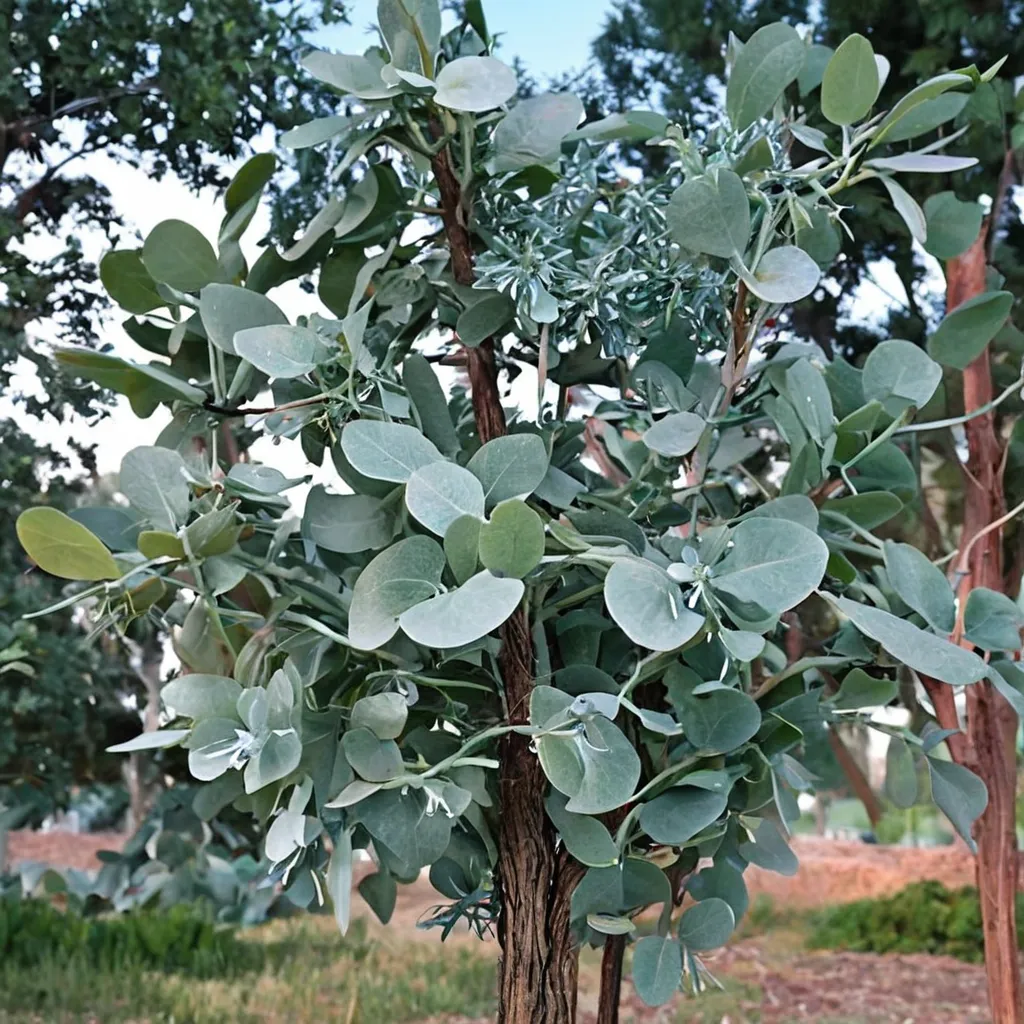
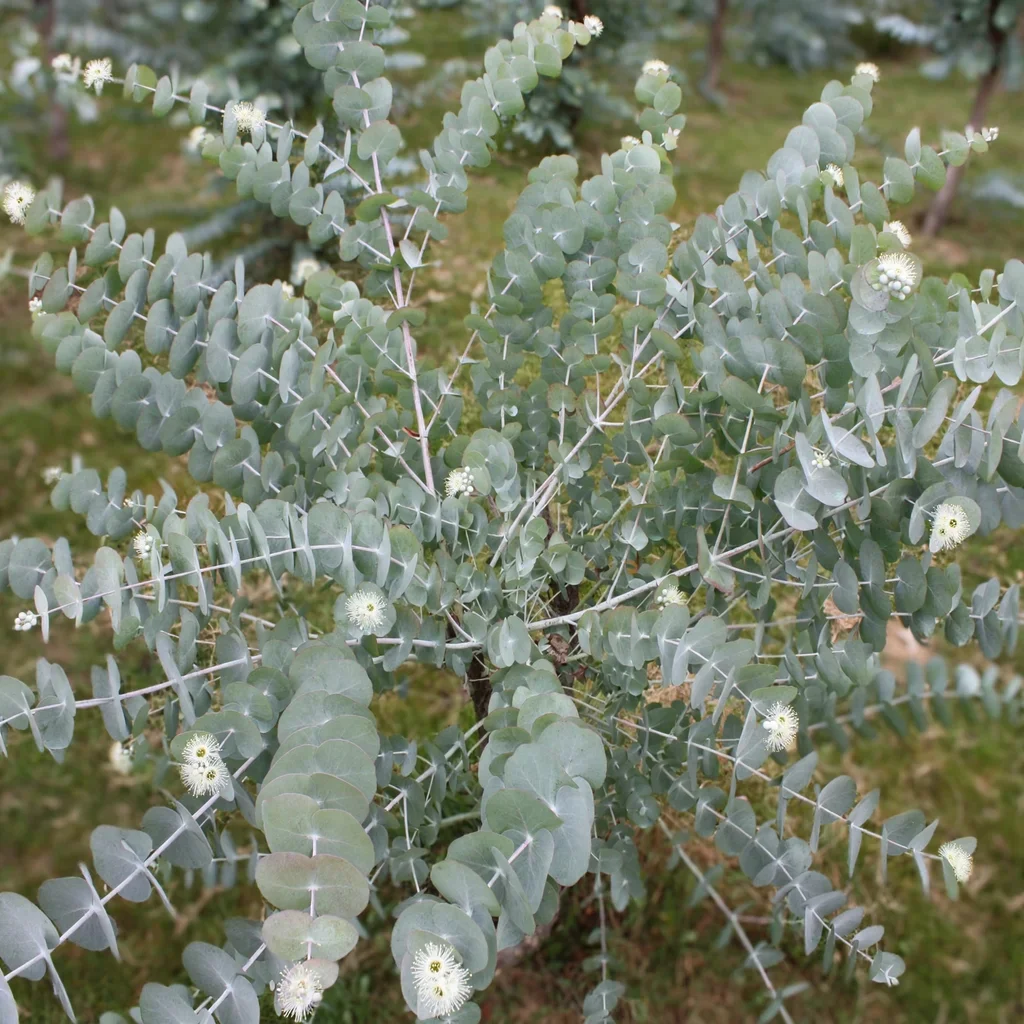
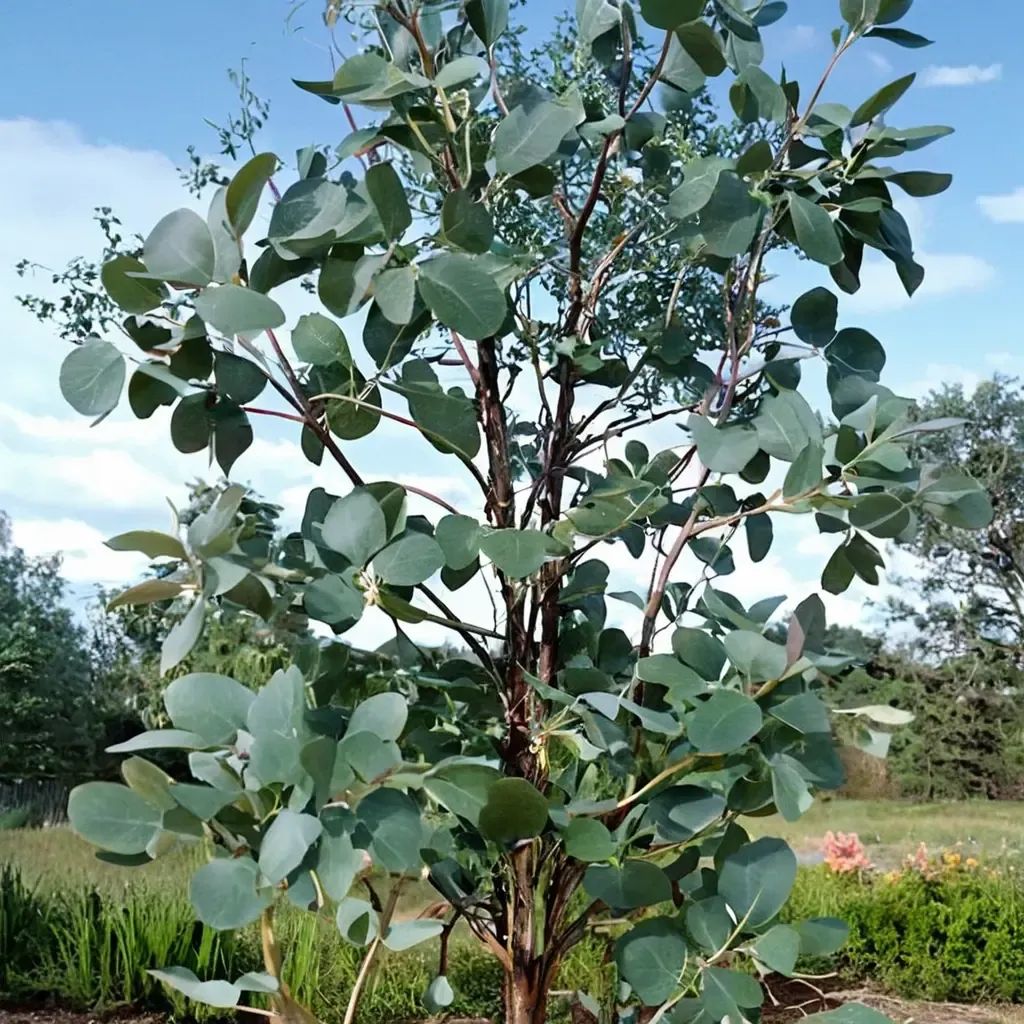
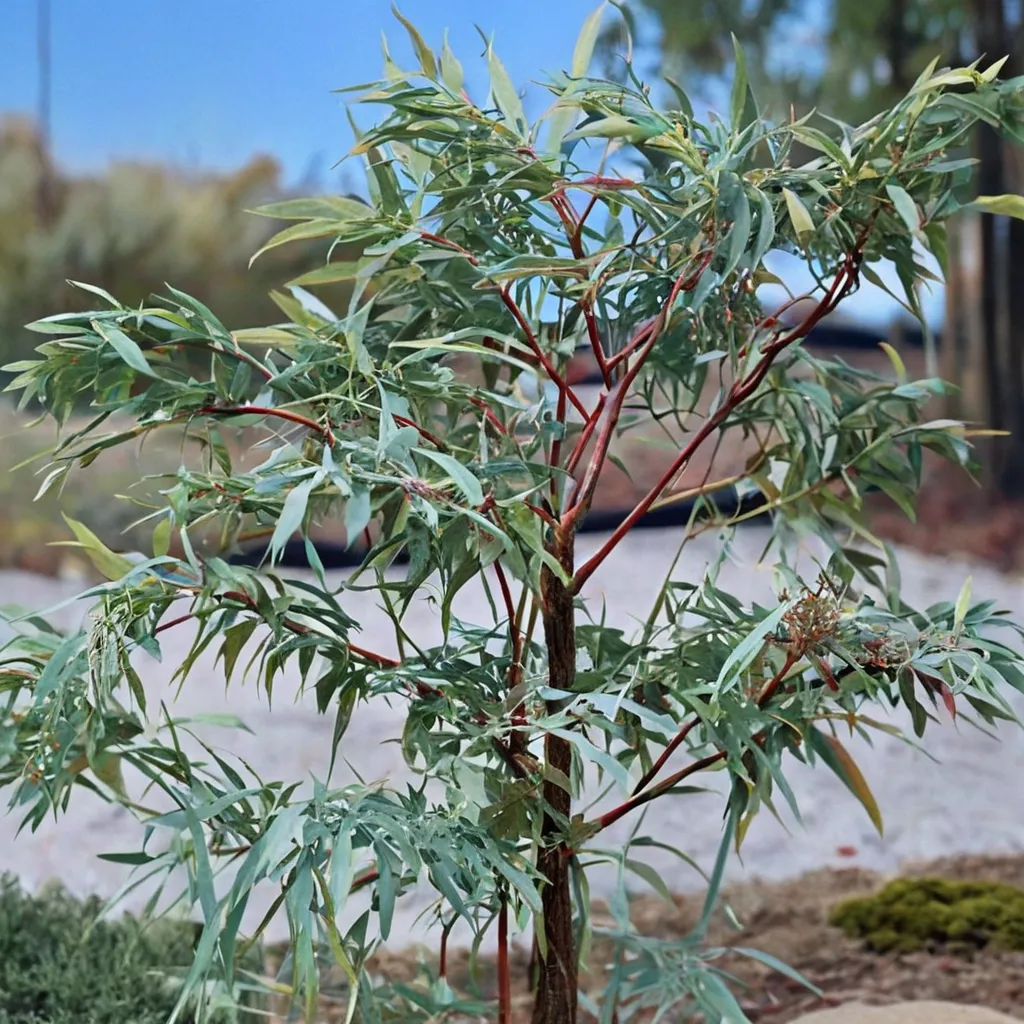
The 21 most-saved Eucalyptus varieties
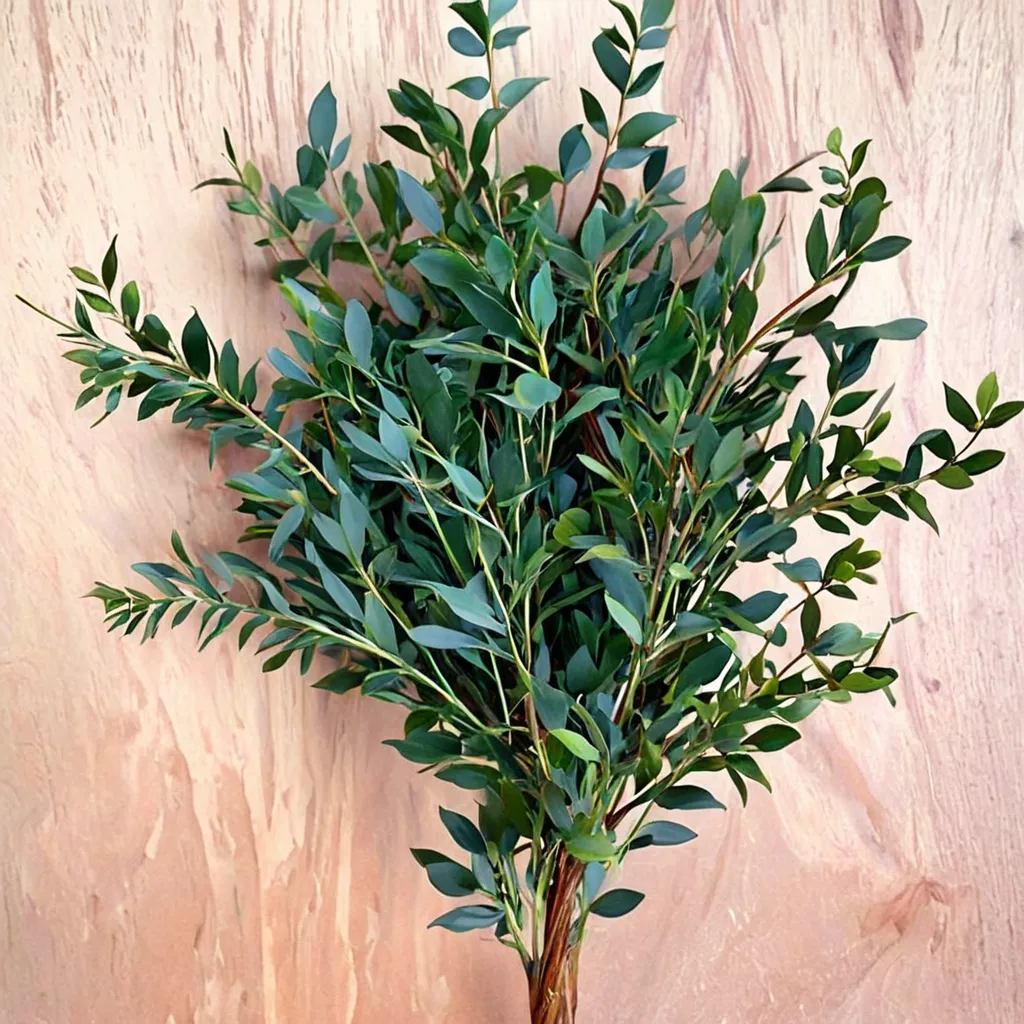
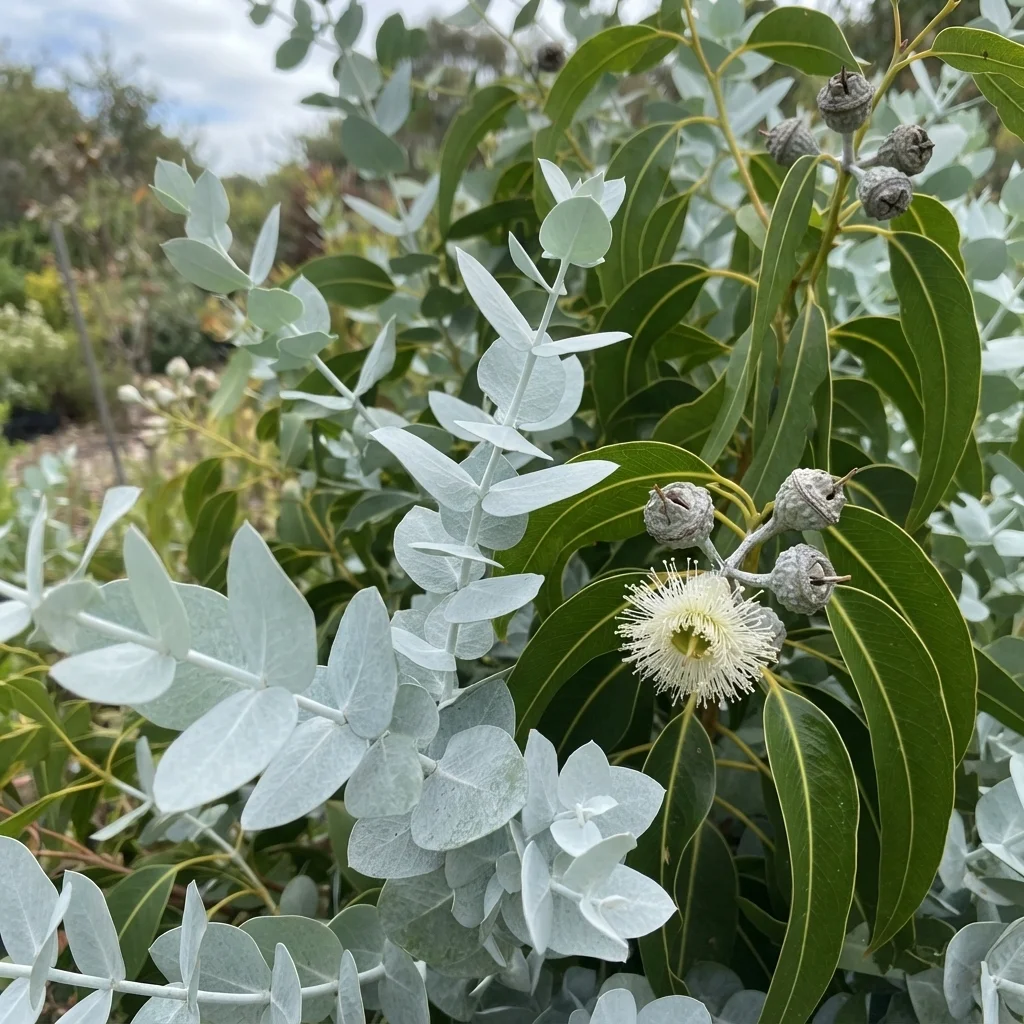
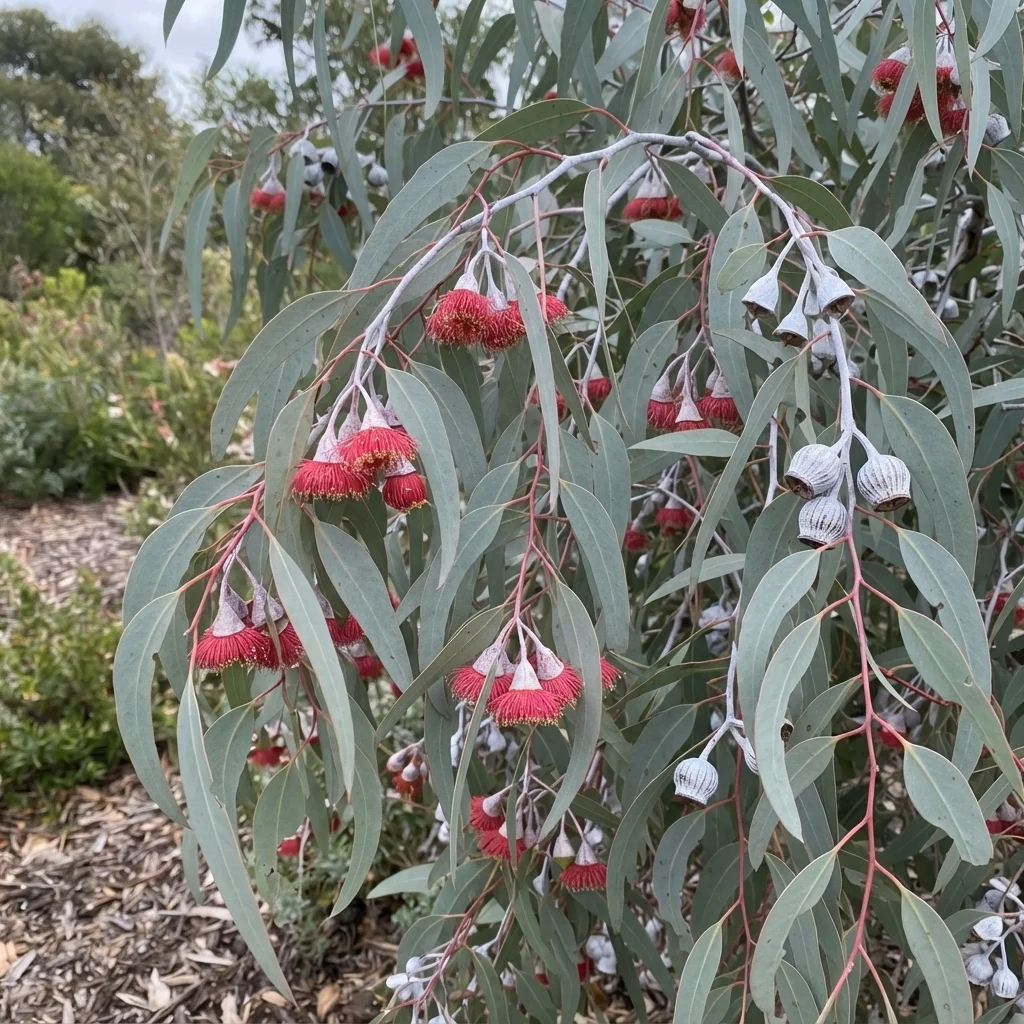
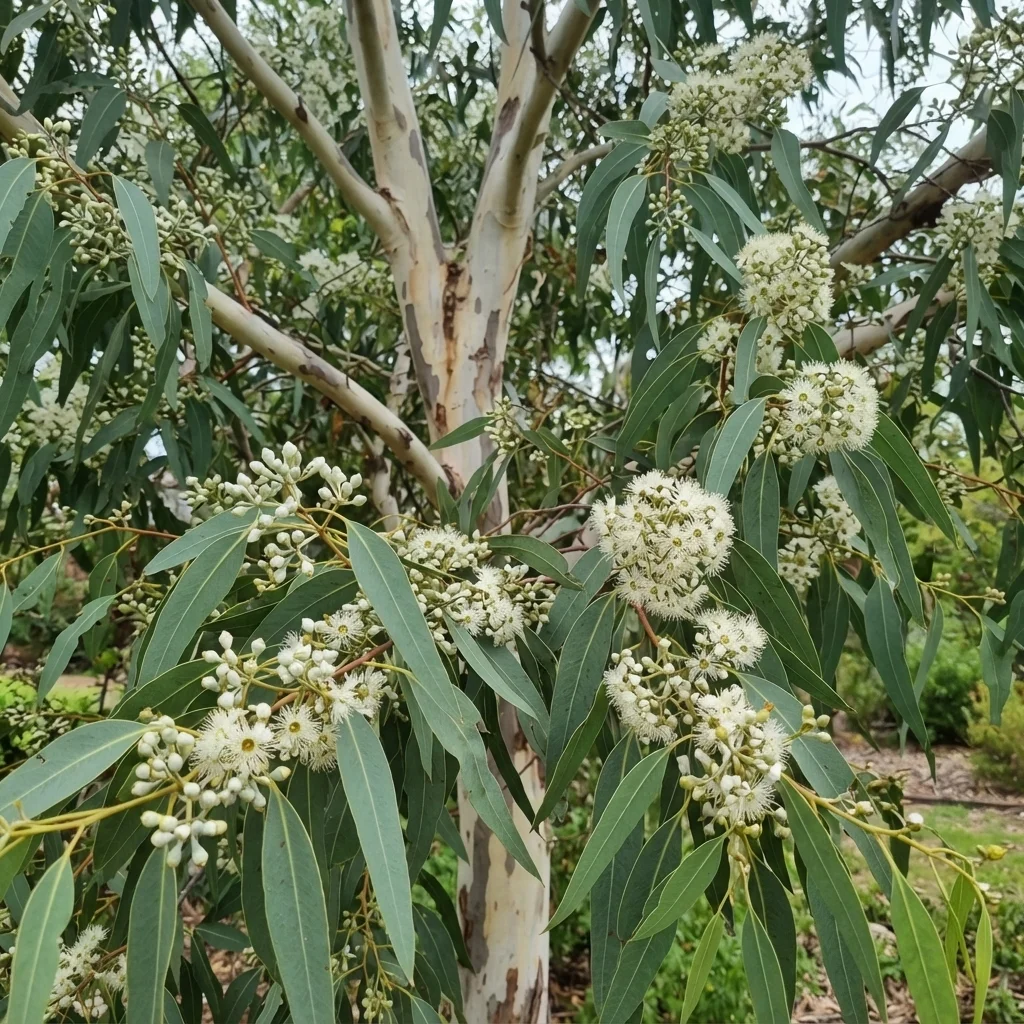
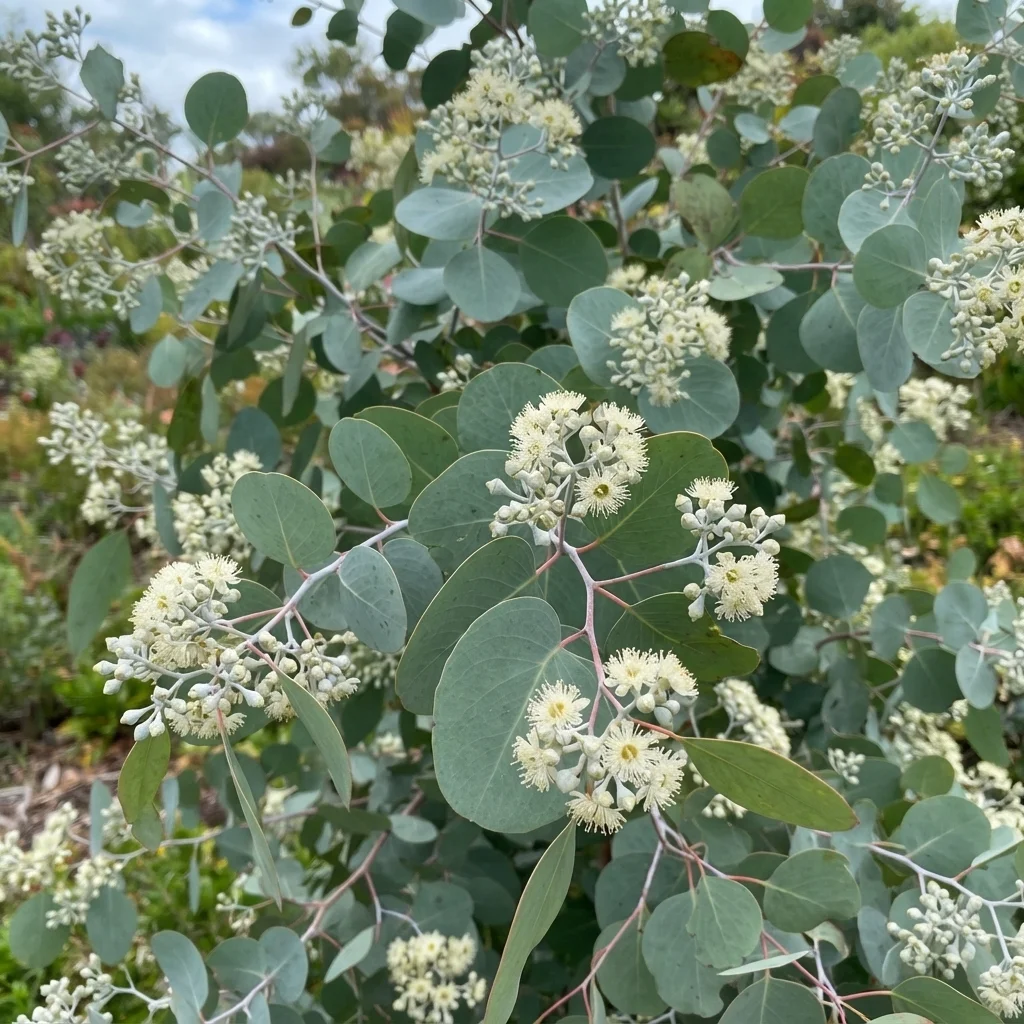
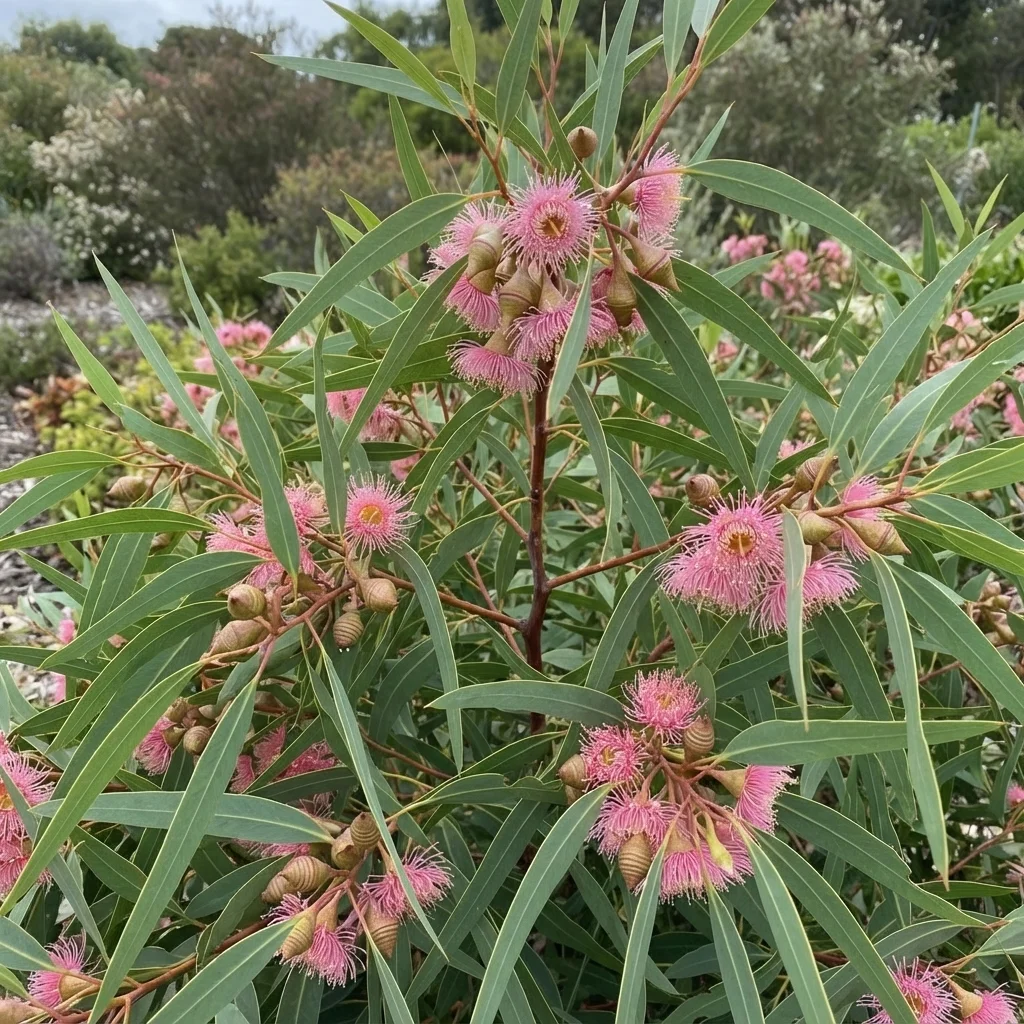
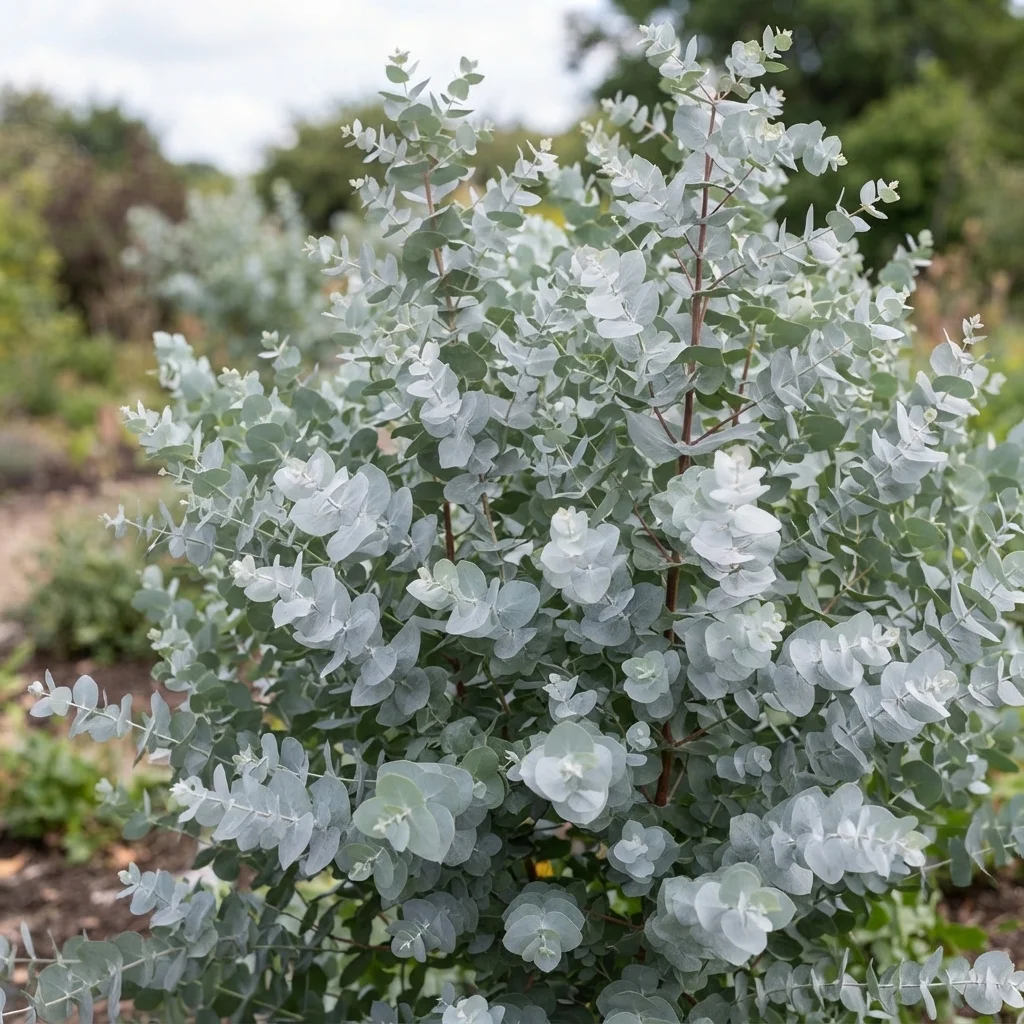
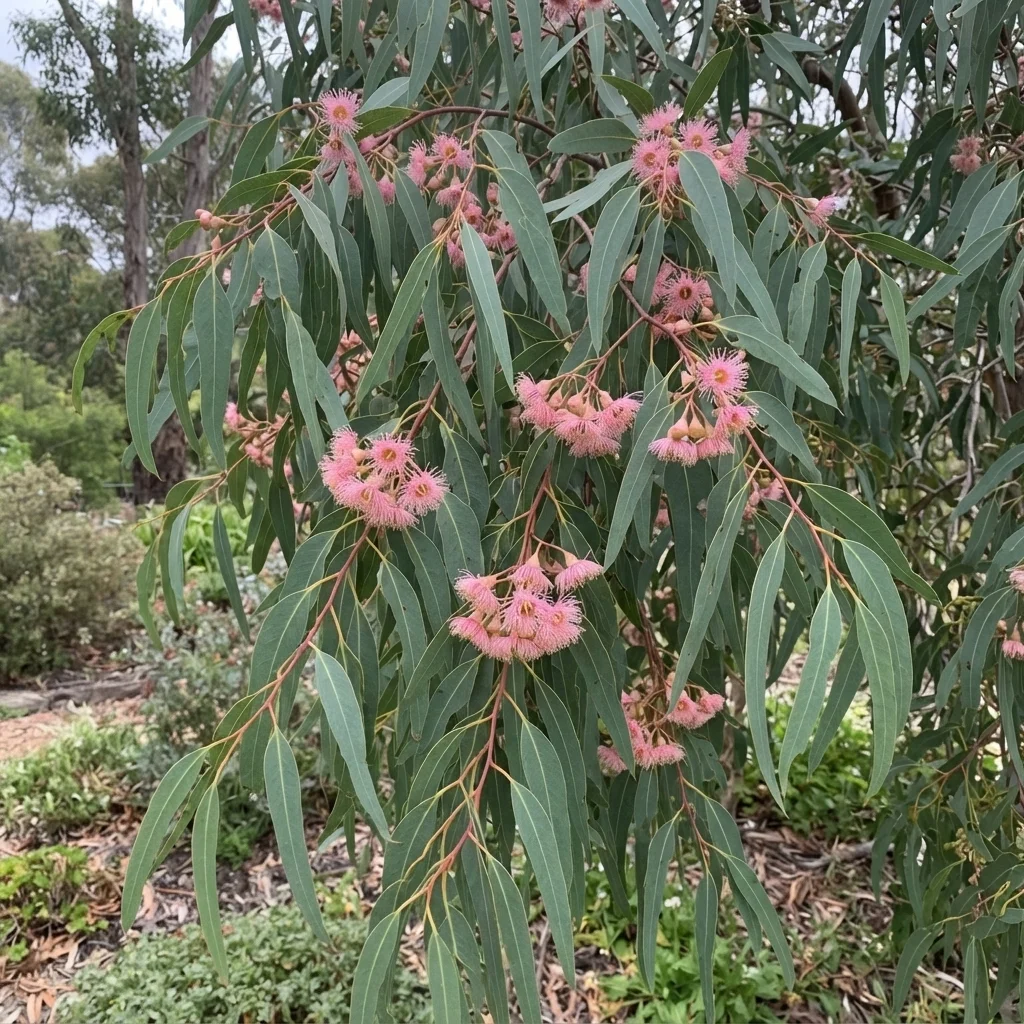
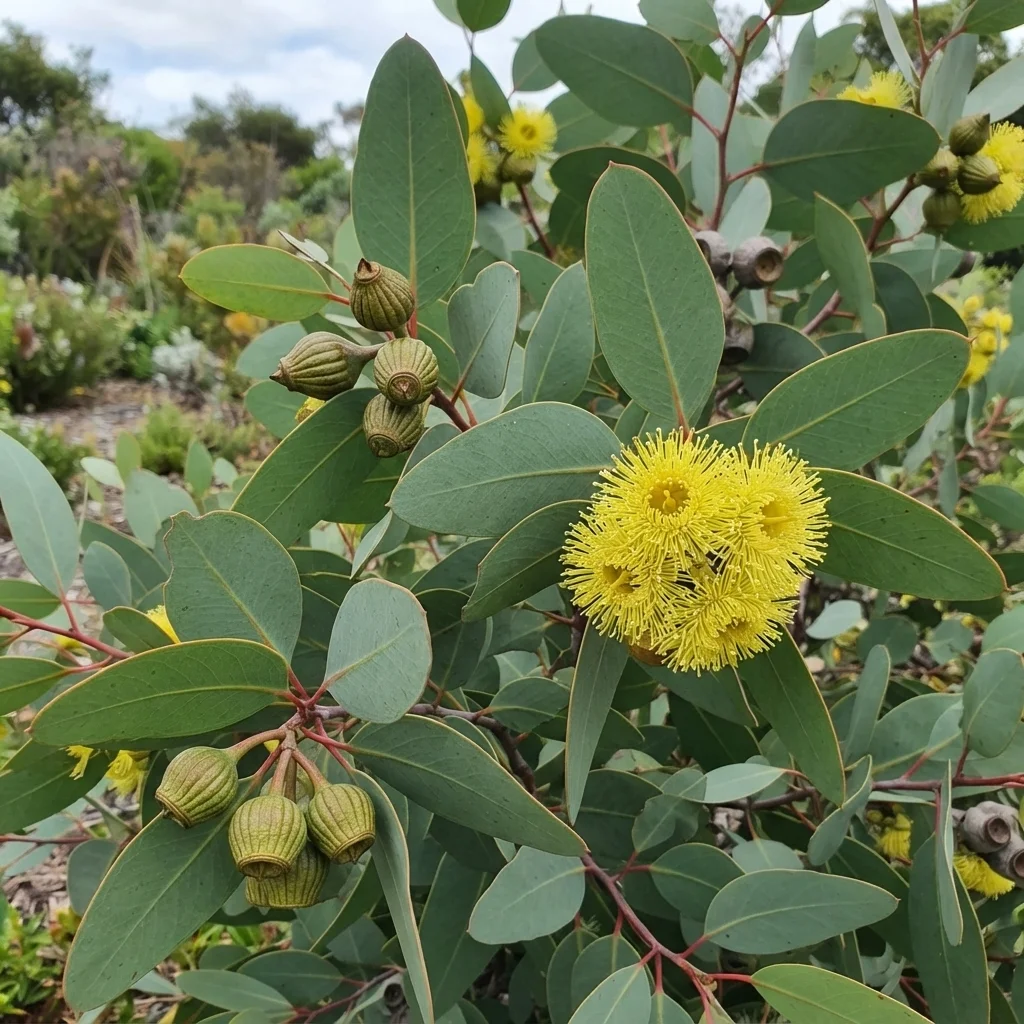
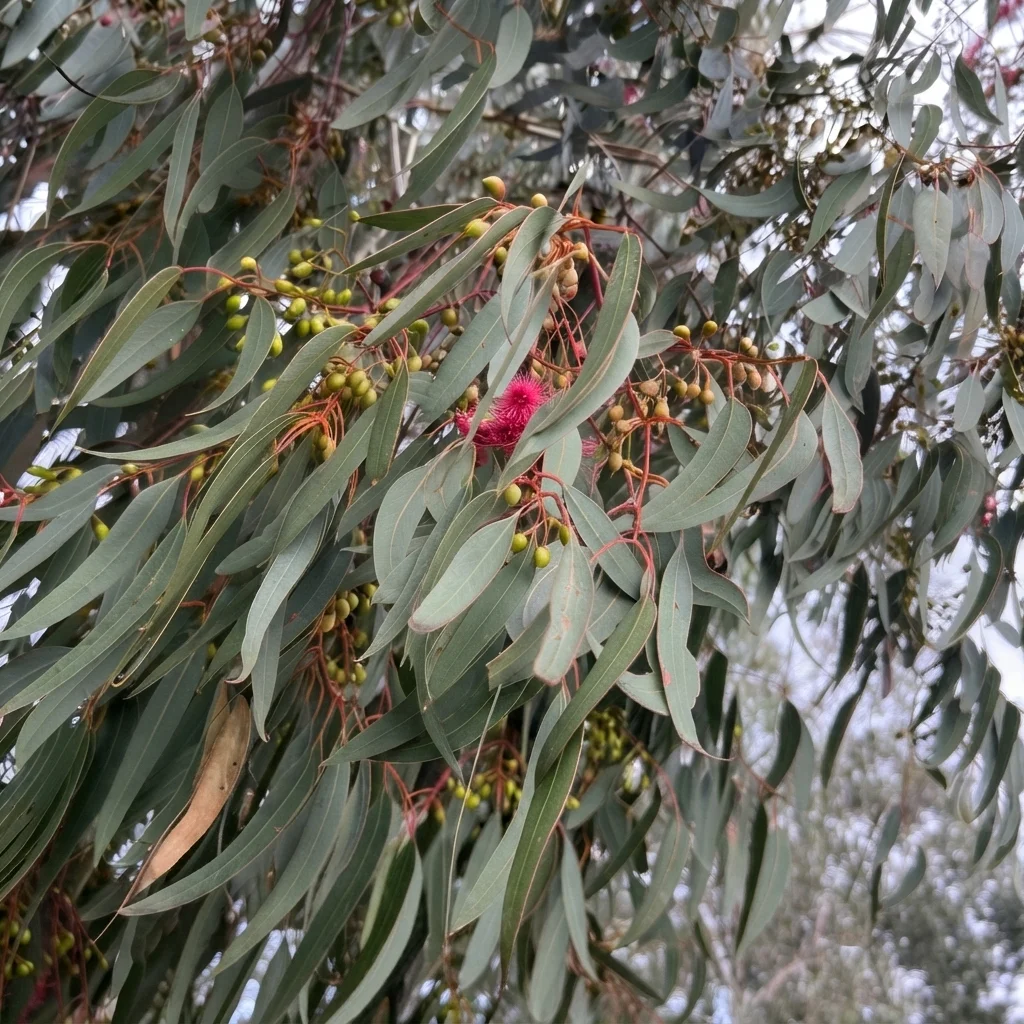
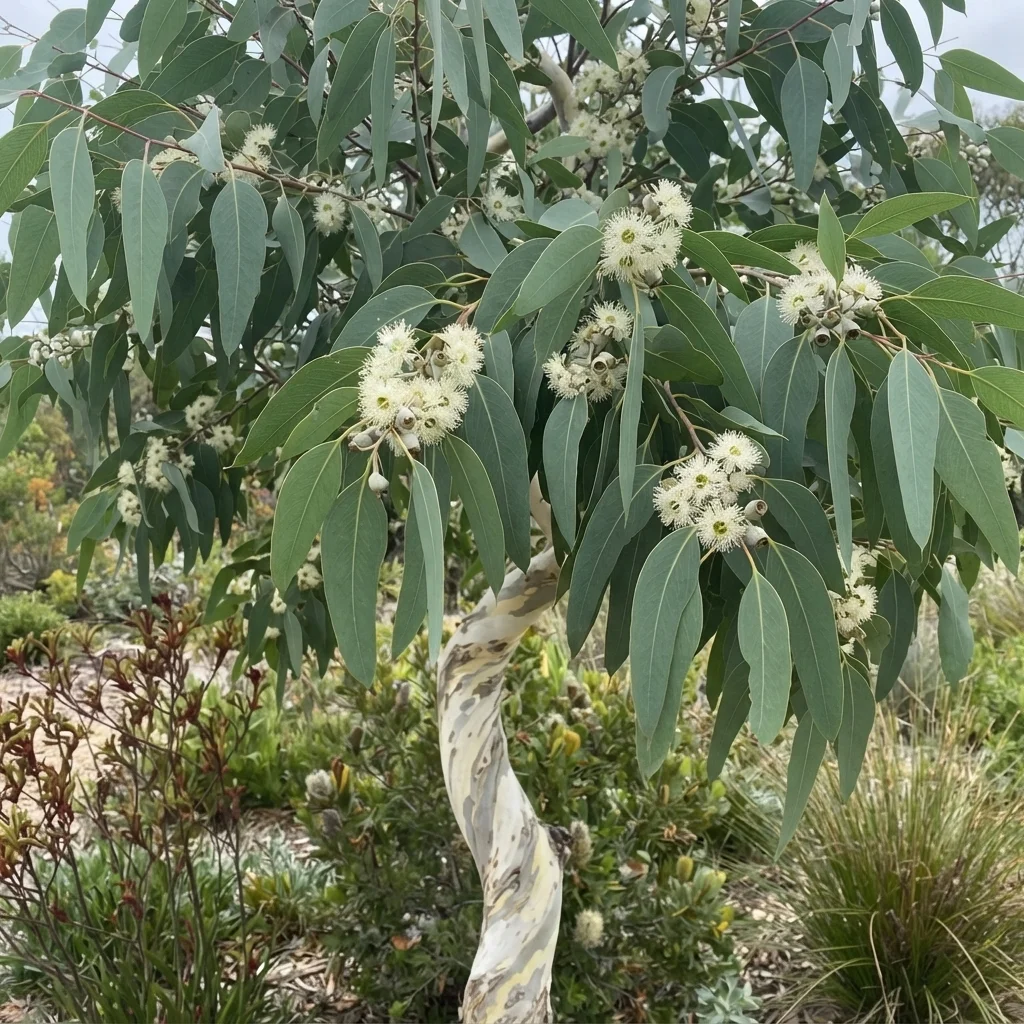
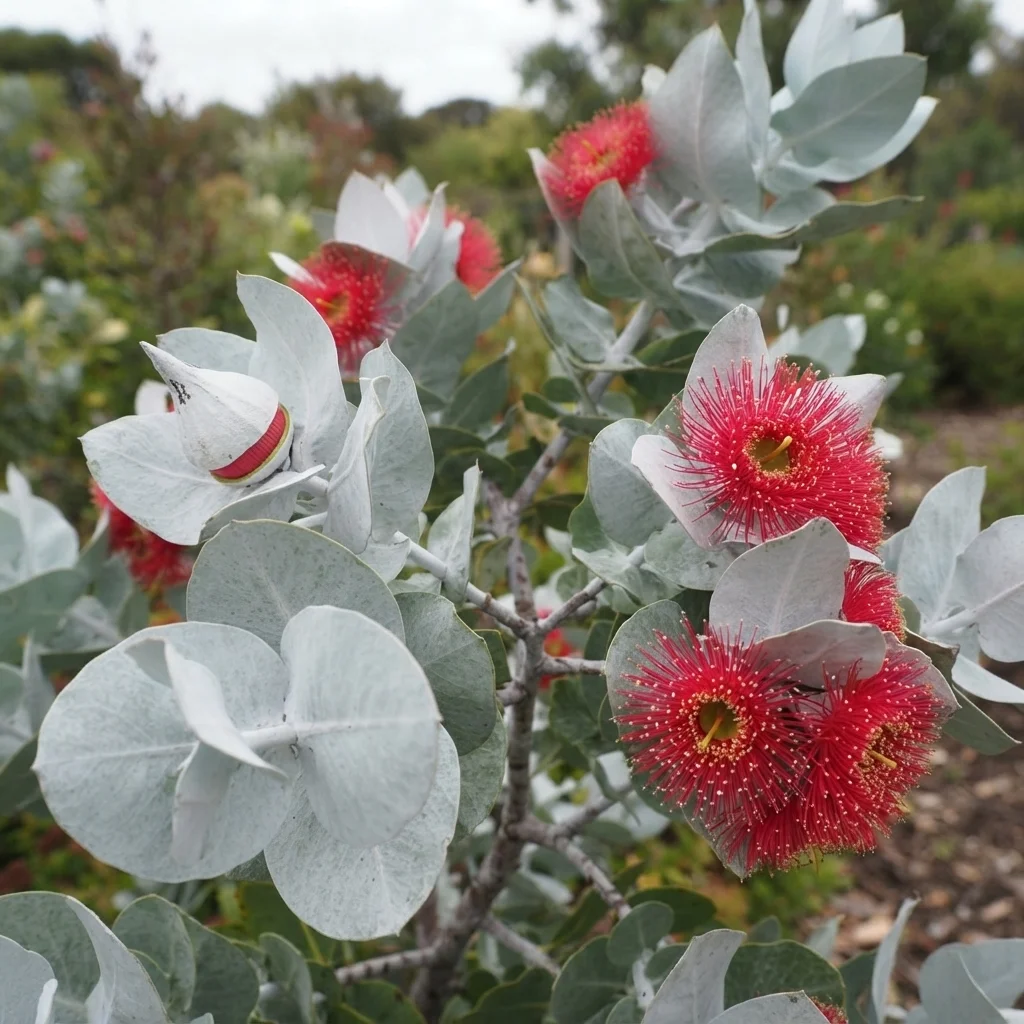
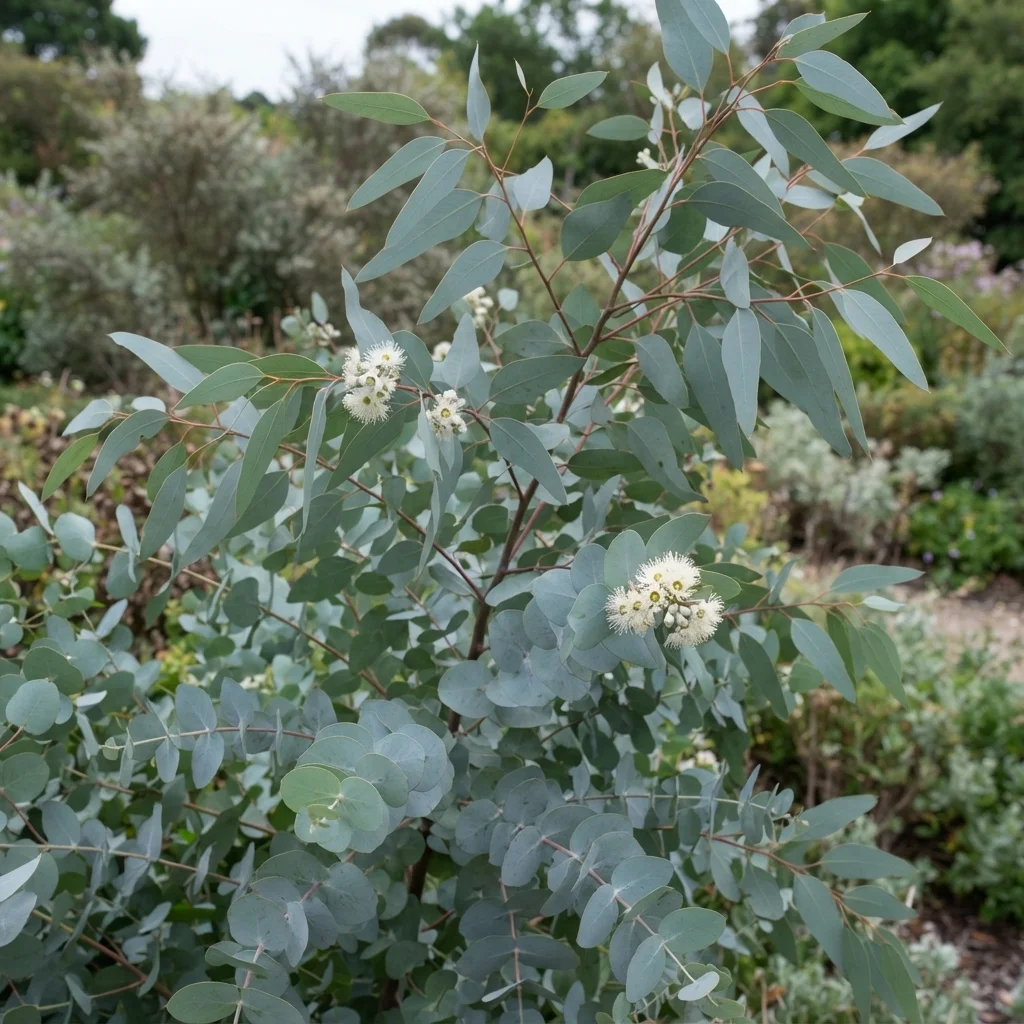
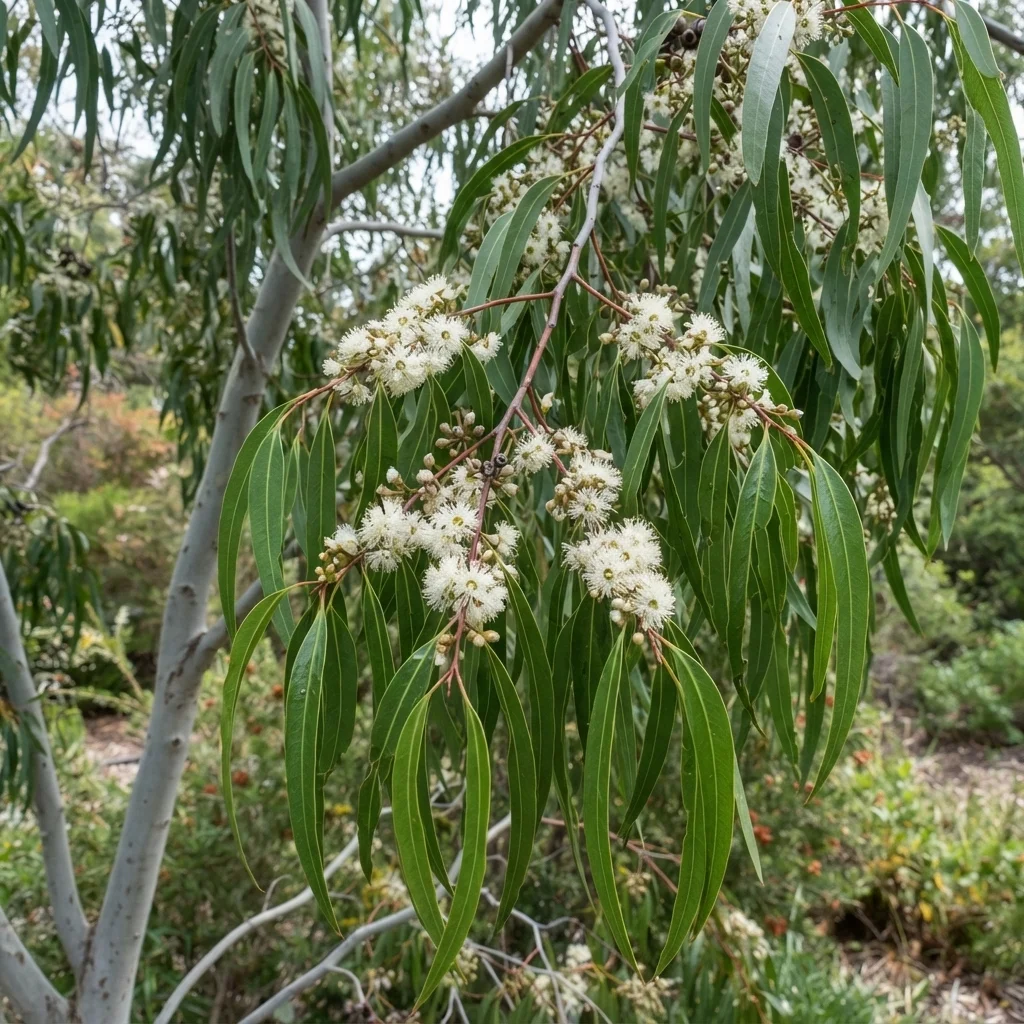
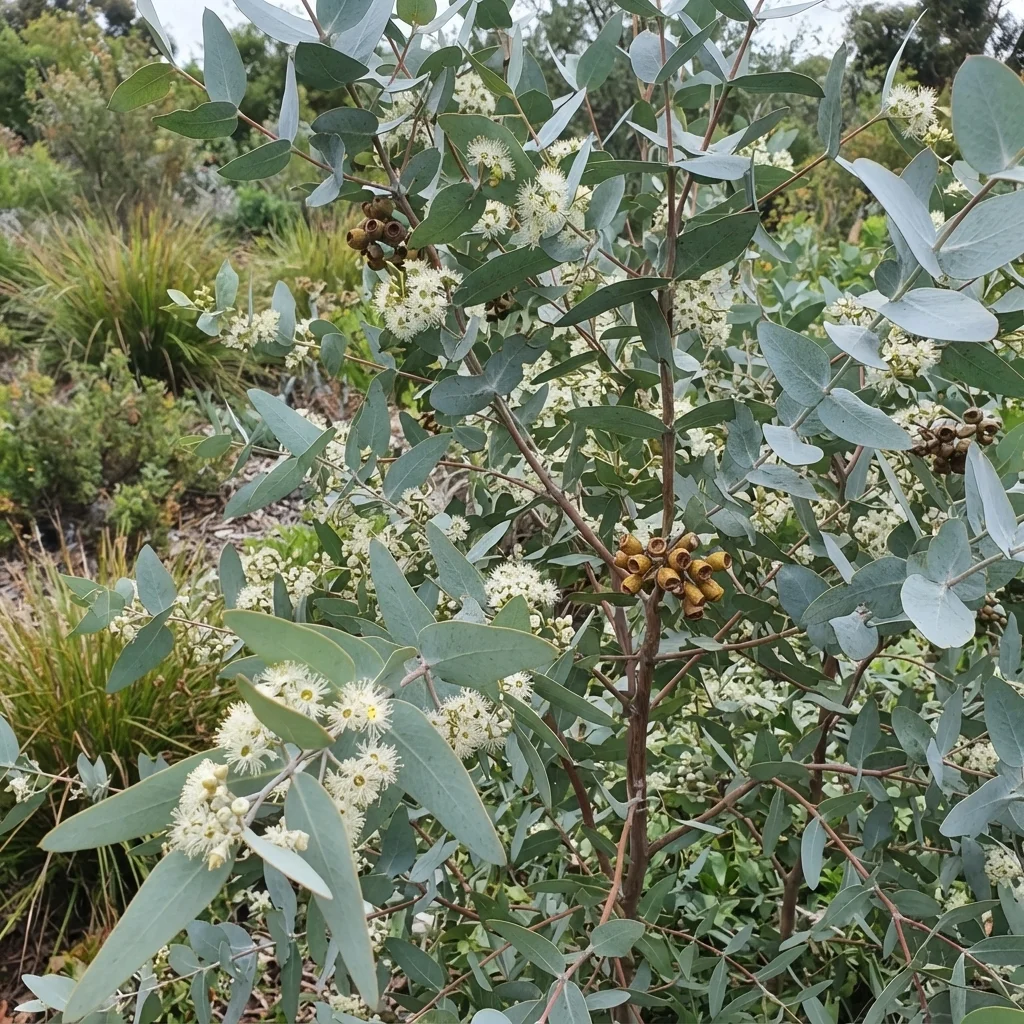
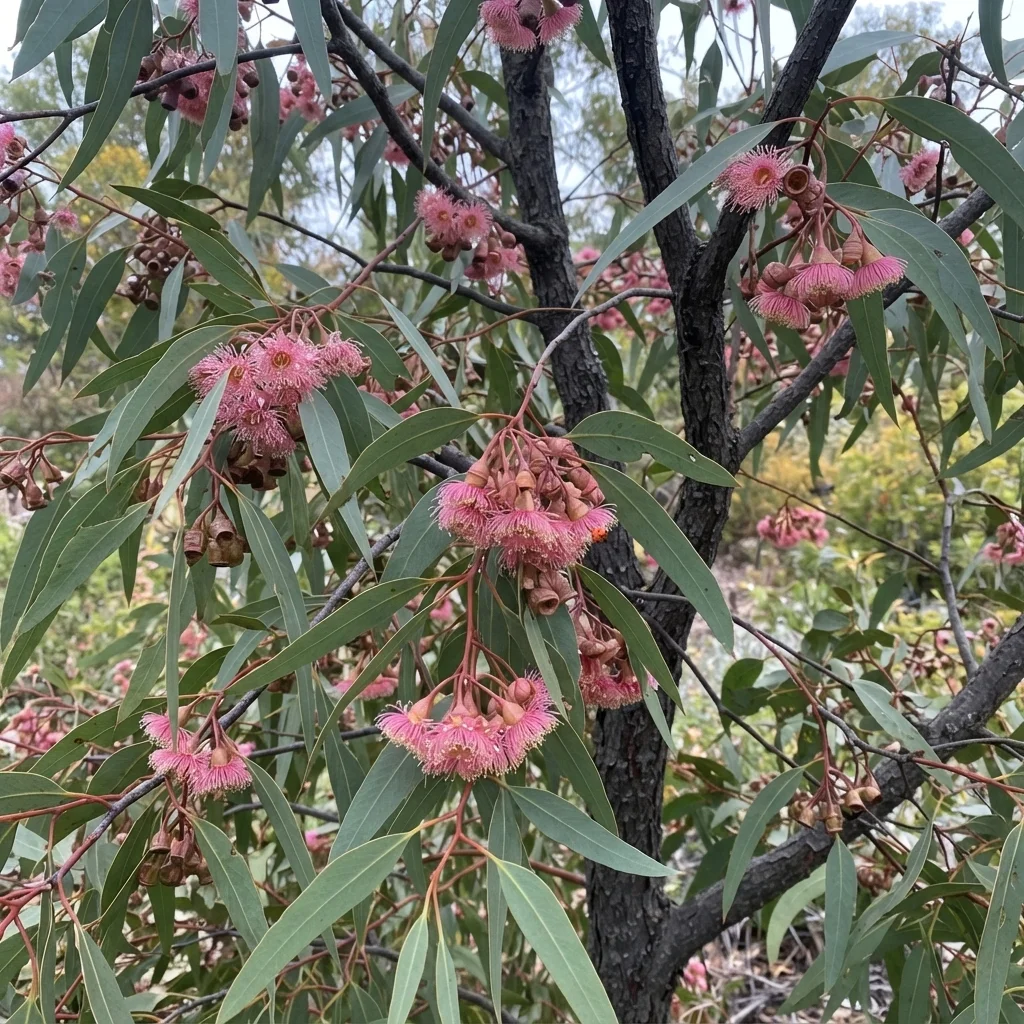
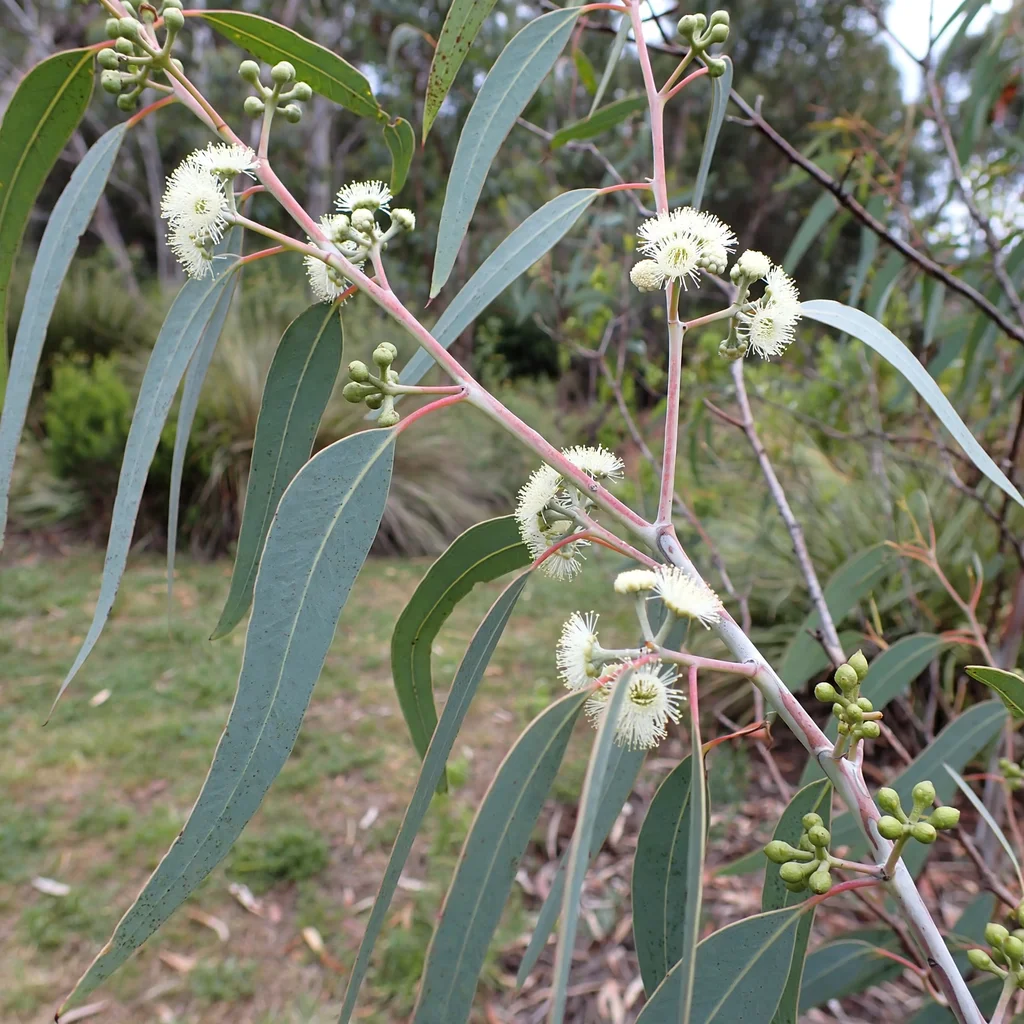
Browse all 22 Eucalyptus varieties →
15 species of Eucalyptus
Each one is a parent of the varieties above.
Track your Eucalyptus in Sow
Save the Eucalyptus you grow and get care reminders timed to your zone.
How to grow Eucalyptus
Whats common across all Eucalyptus varieties in our catalog — drawn from the care records of the 22 most-grown of them.
The Eucalyptus year
- PruneMarch and April100% of varieties
Perform light structural pruning and remove dead wood in early spring.
- Check for PestsJune–August86% of varieties
Inspect the trunk and branches for signs of beetle borers or thrips activity.
- Winter PrepNovember and December59% of varieties
Protect young plants with frost cloth if temperatures are expected to drop below -7 degrees Celsius.
- PlantMarch, April and October55% of varieties
Plant container-grown trees in early spring or mid-autumn to avoid extreme heat.
- FertilizeMarch and April55% of varieties
Apply a low-phosphorus, slow-release organic fertilizer sparingly at the start of the growing season.


Do
- Water deeply during dry periods 🌱
- Mulch to conserve moisture
- Water young trees regularly during their first two growing seasons to establish a deep root system.
- Prune lightly after flowering to maintain structural shape and remove dead wood.
- Ensure excellent soil drainage to prevent root rot pathogens.
Avoid
- Do not prune heavily into old, bare wood.
- Do not apply high-phosphorus or heavy nitrogen fertilizers, which can damage the root system.
- Do not overwater established trees, as they are highly drought-tolerant and sensitive to waterlogged soils.
- Do not prune deep into old, leafless woody stems where dormant buds are absent.
What goes wrong with Eucalyptus
| Problem | What you'll see | What to do |
|---|---|---|
| Aphids | Distorted new growth and sticky honeydew deposits on the leaves. | Blast foliage with a strong stream of water or apply insecticidal soap. |
| Spider mites | Fine webbing on leaves and stippled, dusty-looking foliage. | Increase humidity around the plant or spray with insecticidal soap. |
| Spider Mites | Fine webbing and stippled leaves in hot, dry conditions. | Maintain adequate soil moisture or apply targeted miticides. |
| Scale insects | Small, immobile bumps on stems and leaves, accompanied by yellowing. | Apply horticultural oil during the cooler months or scrape off minor infestations. |
| Root rot | Yellowing leaves, wilting, and sudden canopy decline in wet soils. | Plant in well-drained sites and strictly avoid overwatering. |
| Powdery mildew | White powdery coating on juvenile leaves. | Improve air circulation around the canopy and apply fungicides if severe. |
| Root Rot | Decaying root systems and crown dieback caused by Phytophthora or Pythium. | Improve soil permeability and strictly reduce irrigation. |
Making more Eucalyptus
Seed
- Sow seeds on the surface of a well-draining seed-starting mix.
- Press seeds lightly into the medium and cover with a very thin layer of fine grit.
- Keep the medium consistently moist but not soggy at a temperature of 70°F.
- Transplant seedlings into individual deep containers once they develop two pairs of true leaves.
Cuttings
- Take semi-hardwood cuttings in late summer.
- Dip in rooting hormone and plant in moist soil.
- Keep humid for 6 weeks until roots develop.
Eucalyptus questions
How many types of Eucalyptus are there?
The Sow catalog tracks 22 distinct Eucalyptus varieties. The most popular — ranked by 160 real gardeners — are shown first above.
What zones does Eucalyptus grow in?
Across its varieties, Eucalyptus covers USDA Zones 7–10. Individual varieties differ — each plant page lists its exact range, and Sow filters the catalog to your zone automatically.
When does Eucalyptus bloom?
Most Eucalyptus varieties bloom in late summer, early summer, summer to autumn. Staggering early, mid, and late varieties extends the genus's season in one bed.
Which Eucalyptus should I choose?
Start from the most-saved varieties above — popularity across thousands of gardens is a strong signal of reliability — then filter by your zone and sun. In the Sow app you can preview any of them in a photo of your actual yard before you buy.