Species
 Fagus sylvaticaEuropean Beech
7 other cultivars



The Story
Plant Bio
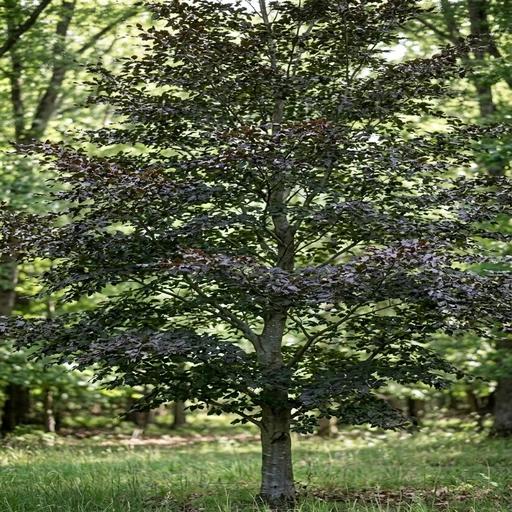
Fagus sylvatica, the European Beech, is a large, majestic deciduous tree known for its smooth, silver-gray bark and dense canopy. It is a dominant tree in many European forests and is widely planted as an ornamental for its beauty and stature.
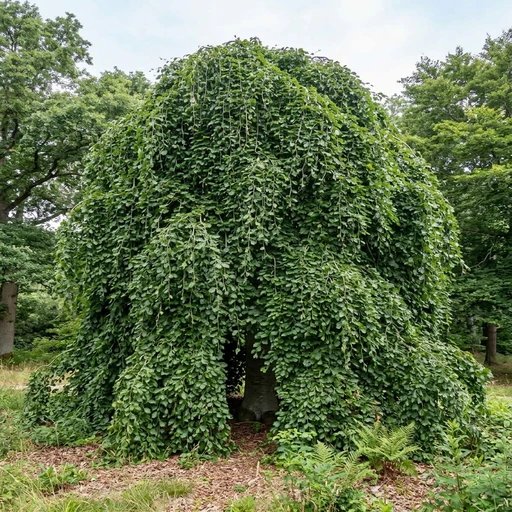
'Pendula' is a magnificent weeping form that develops into a massive, irregular, cascading mound of green foliage. Each specimen is unique, with its form dictated by its branching structure, creating a dramatic, living sculpture in the landscape, especially in winter.
Uses & Benefits:
Essentials
At a Glance
Plant Type
Tree
Height
600"
Width
360"
Light
Full Sun, Partial Sun
Zones
4, 5, 6, 7
Water
Moderate
Humidity
Moderate
Lifespan
Very long-lived (150+ years)
Native To
Europe
Toxicity
Nuts are edible but mildly toxic if eaten in large quantities.
Bloom period
Mid-spring
In flower about 1 month of the year
Planting
How to Grow
- Select a site with well-drained soil and protection from harsh winds.
- Dig a wide, shallow hole, no deeper than the root ball.
- Carefully place the tree, ensuring the root flare is visible at soil level.
- Backfill with native soil, avoiding amendments that can trap water.
- Water deeply and consistently for the first two years to establish.
- Mulch widely around the base, but do not pile it against the trunk.
Pro Tip
Give this tree ample space to develop its unique, weeping form; it can become very wide over time.
Keep It Thriving
Care Guide
Do
- Provide consistent moisture, especially during dry periods.
- Protect the thin bark from sunscald and mechanical damage.
- Allow lower branches to sweep the ground to create its characteristic mound.
- Appreciate its slow growth rate; this is a tree for generations.
Don't
- Don't plant in heavy, compacted, or poorly drained clay soils.
- Avoid disturbing the shallow root system with cultivation.
- Do not attempt to heavily prune or shape the tree; let its natural form develop.
- Don't allow the soil to completely dry out, as beech trees are not drought tolerant.
Seasonal Care Calendar
| Task | Jan | Feb | Mar | Apr | May | Jun | Jul | Aug | Sep | Oct | Nov | Dec |
|---|---|---|---|---|---|---|---|---|---|---|---|---|
| Mulch | ||||||||||||
| Plant | ||||||||||||
| Prune |
Watch Out For
Pests & Diseases
Common Pests
Common Diseases
In the Garden
Landscape Uses & Companions
Landscape Uses
Multiply
Propagation Methods
Good to Know
Common Questions
Weeping European Beech questions
What zones can Weeping European Beech grow in?
Weeping European Beech is hardy in USDA Zones 4–7. Inside that range it survives winter in the ground; outside it, grow it as an annual or a container plant you protect.
Is Weeping European Beech deer resistant?
Yes — Weeping European Beech is rated deer-resistant. Deer typically pass it over, though extreme hunger can override any plant's defenses.
When does Weeping European Beech bloom?
Weeping European Beech typically blooms in mid-spring through mid-spring. Exact timing shifts a week or two with your zone — Sow's bloom calendar maps it to your garden.
Does Weeping European Beech need full sun?
Weeping European Beech does best in full sun to part shade. In hot climates, afternoon shade keeps blooms fresher longer.
More Fagus to compare
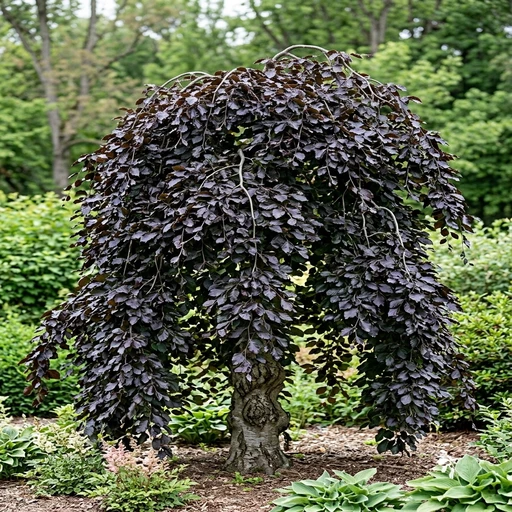
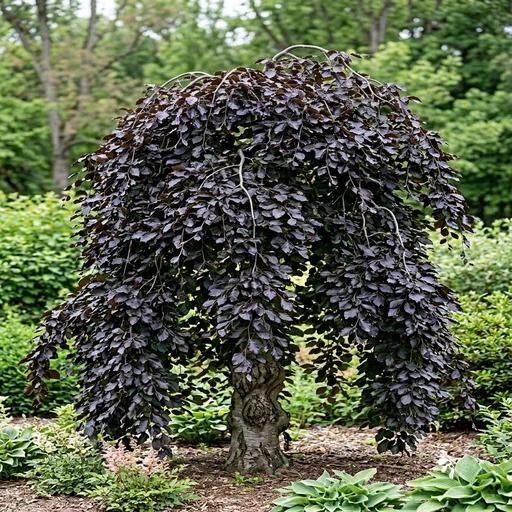
Purple Weeping European Beech
Fagus sylvatica 'Purpurea Pendula'
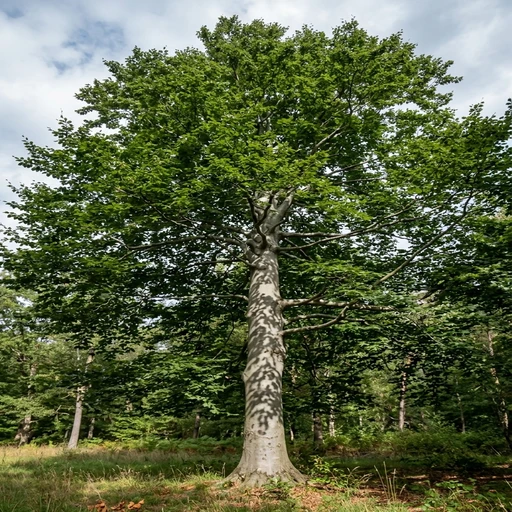
American Beech
Fagus grandifolia
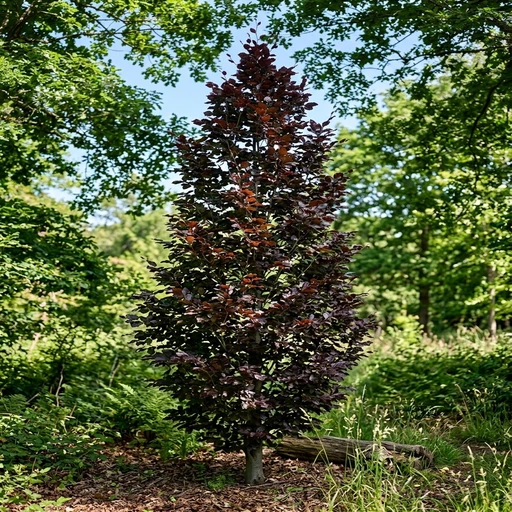
Red Obelisk Beech
Fagus sylvatica 'Red Obelisk'
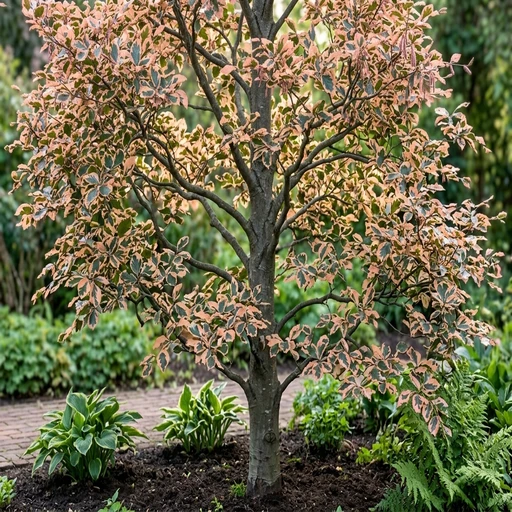
Tricolor Beech
Fagus sylvatica 'Tricolor'
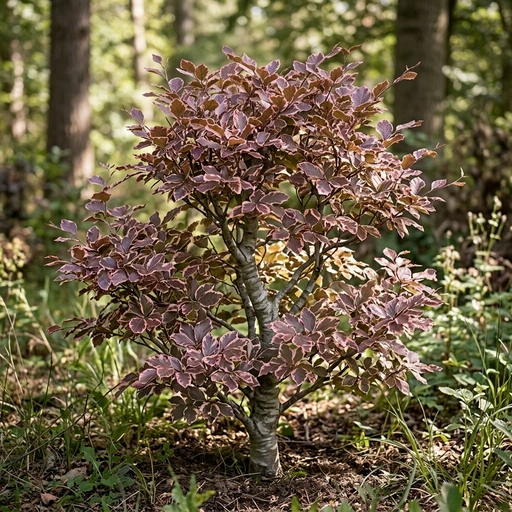
Tricolor European Beech
Fagus sylvatica 'Roseo-Marginata'
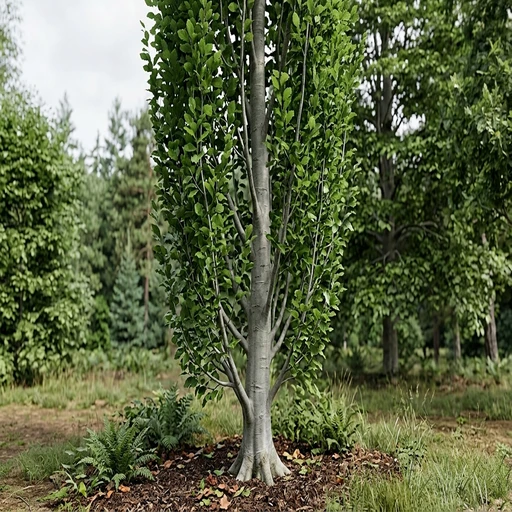
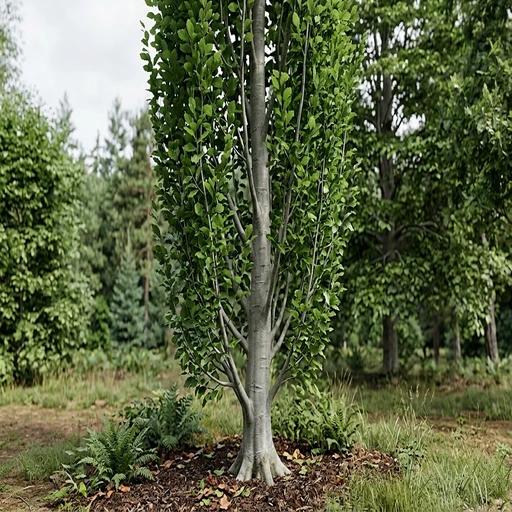
Dawyck Upright European Beech
Fagus sylvatica 'Dawyckii'
Keep exploring
Explore the genus
Hardy in your zone?
Grow Weeping European Beech with confidence
See it in a design of your actual yard, get zone-matched care reminders, and track it season by season in your garden journal.