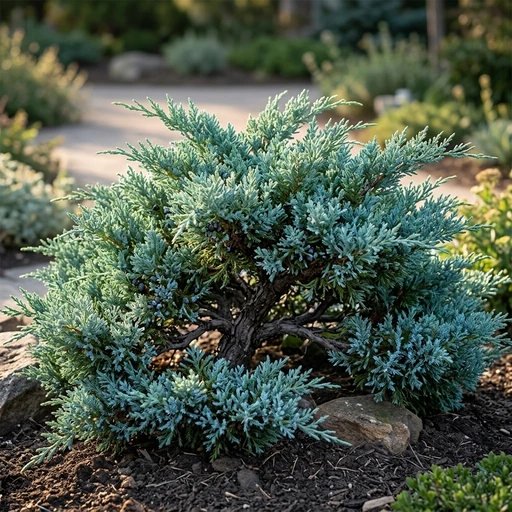
Species
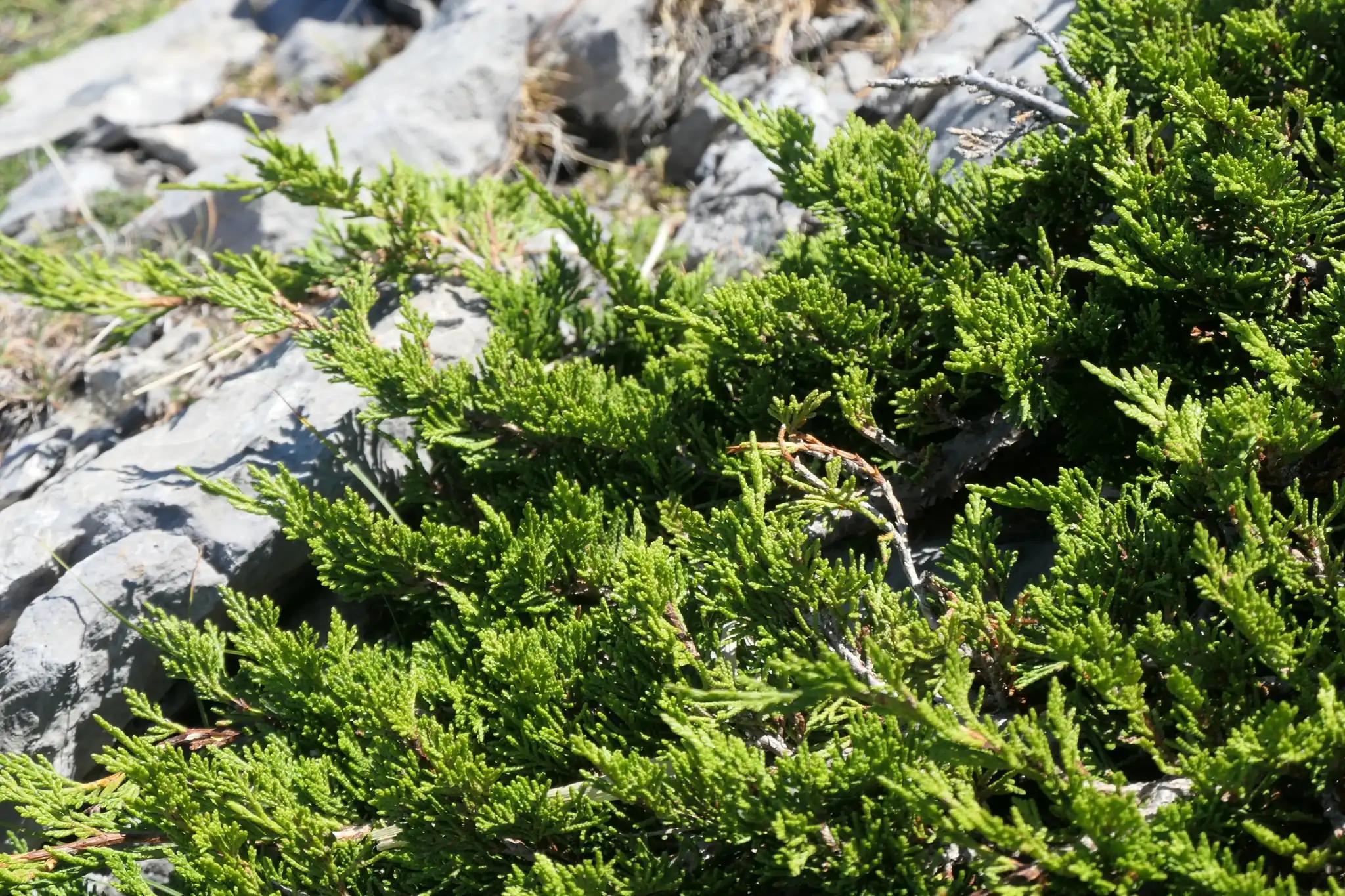 Juniperus sabinaJuniper
2 other cultivars
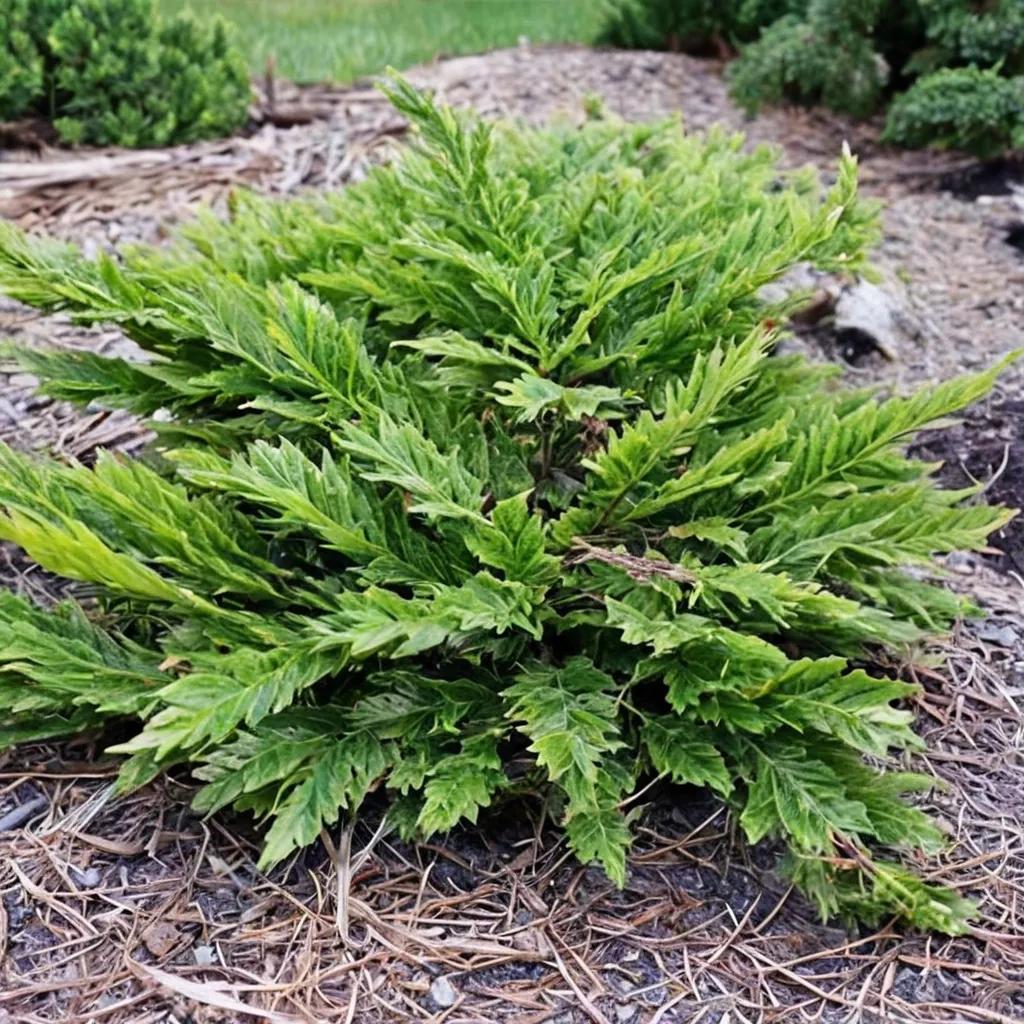

The Story
Plant Bio
Juniperus sabina, or Savin Juniper, is a species of juniper native to the mountains of central and southern Europe and western and central Asia. It is a variable shrub, often with a low, spreading habit.
'Broadmoor' is a popular male cultivar known for its dense, mounding, spreading habit and attractive gray-green foliage. It is highly resistant to juniper blight, a common problem for the species.
Uses & Benefits:
Essentials
At a Glance
Plant Type
Groundcover
Height
30"
Width
108"
Light
Full Sun
Zones
4, 5, 6, 7, 8, 9
Water
Low
Humidity
Low to average
Lifespan
Long-lived
Native To
Europe, Asia
Toxicity
All parts are toxic if ingested
Bloom period
Late spring
In flower about 1 month of the year
Planting
How to Grow
- Select a location in full sun with excellent drainage.
- Dig a hole as deep as the root ball and twice as wide.
- Place the plant in the hole, ensuring it's at the same depth as in the pot.
- Backfill with soil and water thoroughly to settle.
- Water regularly for the first season until established.
- Mulch is not typically necessary once established.
Pro Tip
Space plants 5-6 feet apart for mass plantings; they will fill in to form a dense, weed-suppressing mat.
Keep It Thriving
Care Guide
Do
- Provide full sun for best growth and density.
- Plant in well-drained soil to prevent root rot.
- Prune out any dead branches as they appear to improve air circulation.
- Allow soil to dry completely between waterings once established.
Don't
- Do not plant in shade, which causes sparse, leggy growth.
- Avoid overhead watering to help prevent fungal diseases.
- Do not overwater, as junipers are susceptible to root rot.
- Do not plant in poorly drained, heavy clay soils.
Seasonal Care Calendar
| Task | Jan | Feb | Mar | Apr | May | Jun | Jul | Aug | Sep | Oct | Nov | Dec |
|---|---|---|---|---|---|---|---|---|---|---|---|---|
| Prune |
Watch Out For
Pests & Diseases
Common Pests
Common Diseases
In the Garden
Landscape Uses & Companions
Landscape Uses
Companion Plants
Multiply
Propagation Methods
Good to Know
Common Questions
Broadmoor Juniper questions
What zones can Broadmoor Juniper grow in?
Broadmoor Juniper is hardy in USDA Zones 4–9. Inside that range it survives winter in the ground; outside it, grow it as an annual or a container plant you protect.
Is Broadmoor Juniper deer resistant?
Yes — Broadmoor Juniper is rated deer-resistant. Deer typically pass it over, though extreme hunger can override any plant's defenses.
When does Broadmoor Juniper bloom?
Broadmoor Juniper typically blooms in late spring through late spring. Exact timing shifts a week or two with your zone — Sow's bloom calendar maps it to your garden.
Does Broadmoor Juniper need full sun?
Broadmoor Juniper does best in full sun (6+ hours).
Is Broadmoor Juniper drought tolerant?
Yes — once established (usually after the first full season), Broadmoor Juniper handles dry spells with minimal watering. Water deeply its first year to build the root system that makes that possible.
More Juniperus to compare
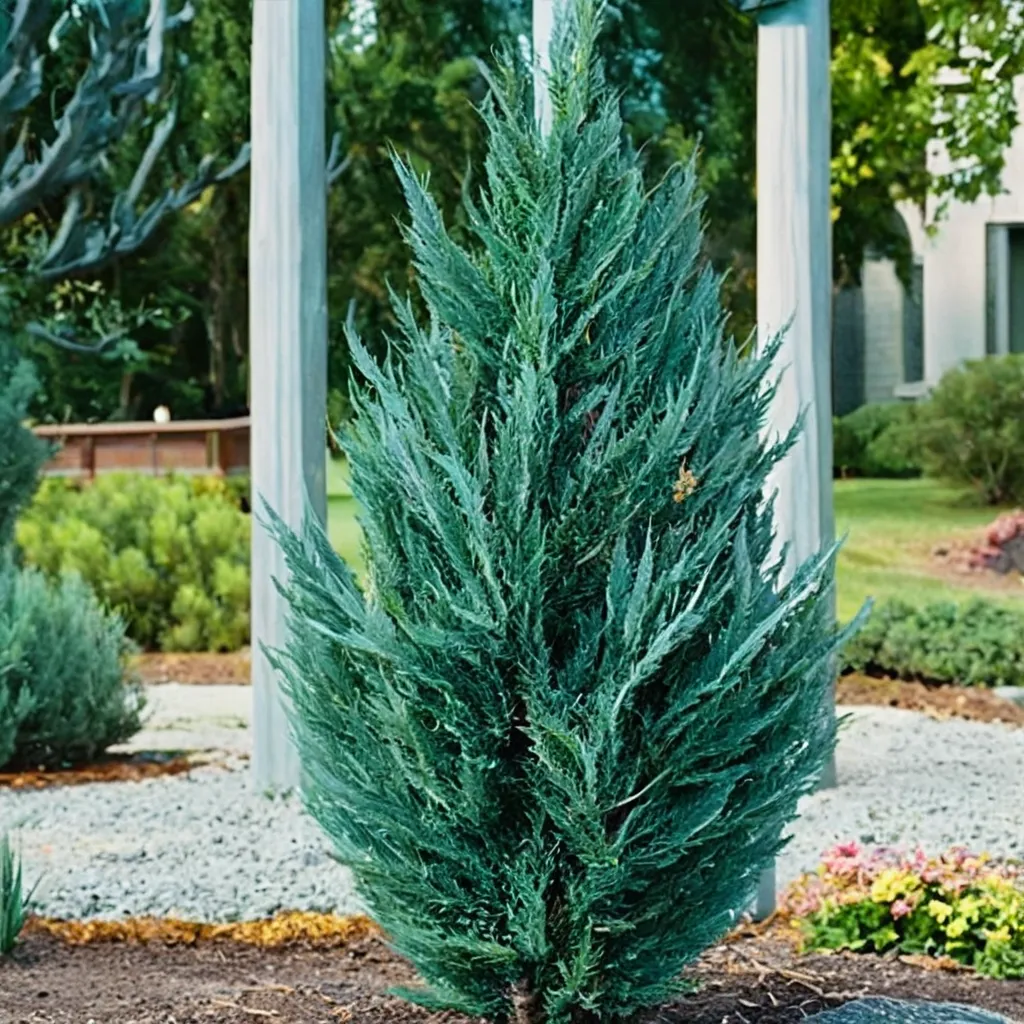
Blue Point Juniper
Juniperus chinensis 'Blue Point'
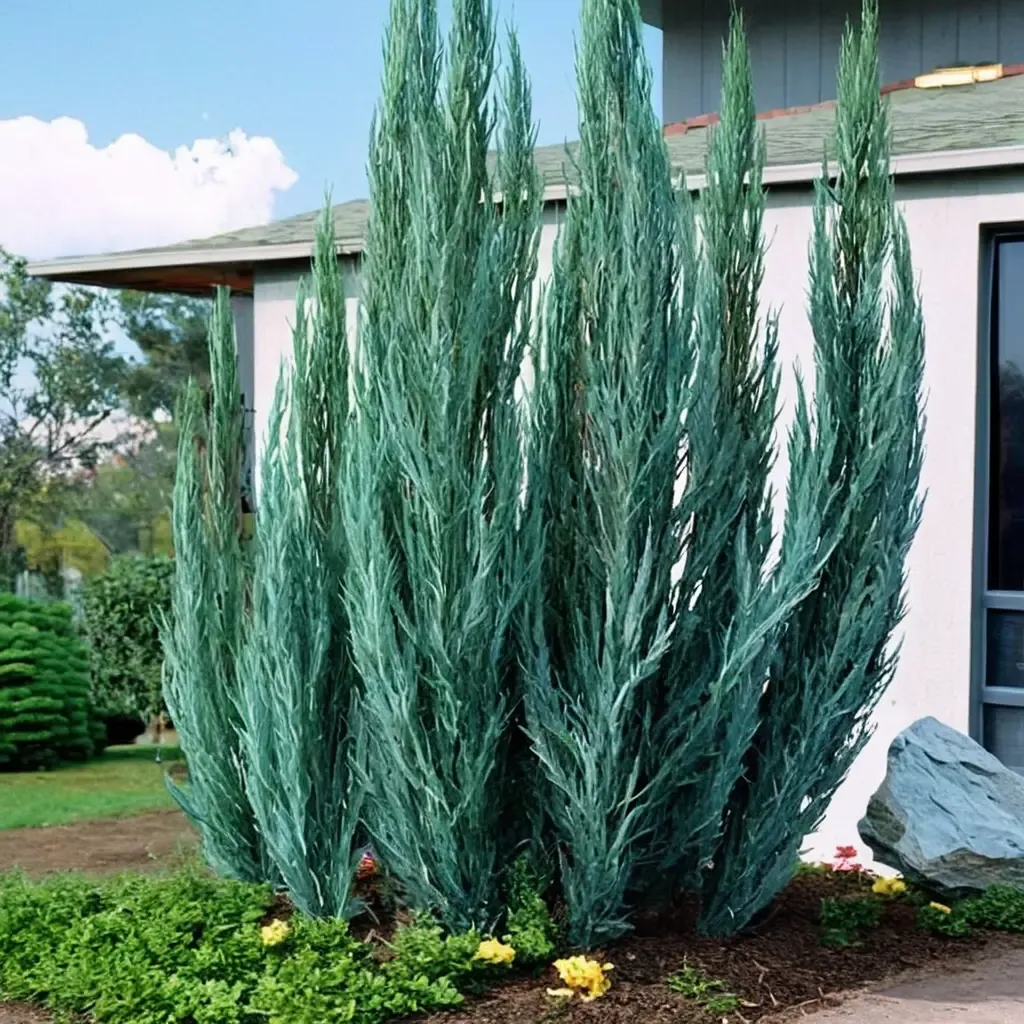
Skyrocket Juniper
Juniperus horizontalis 'Skyrocket'
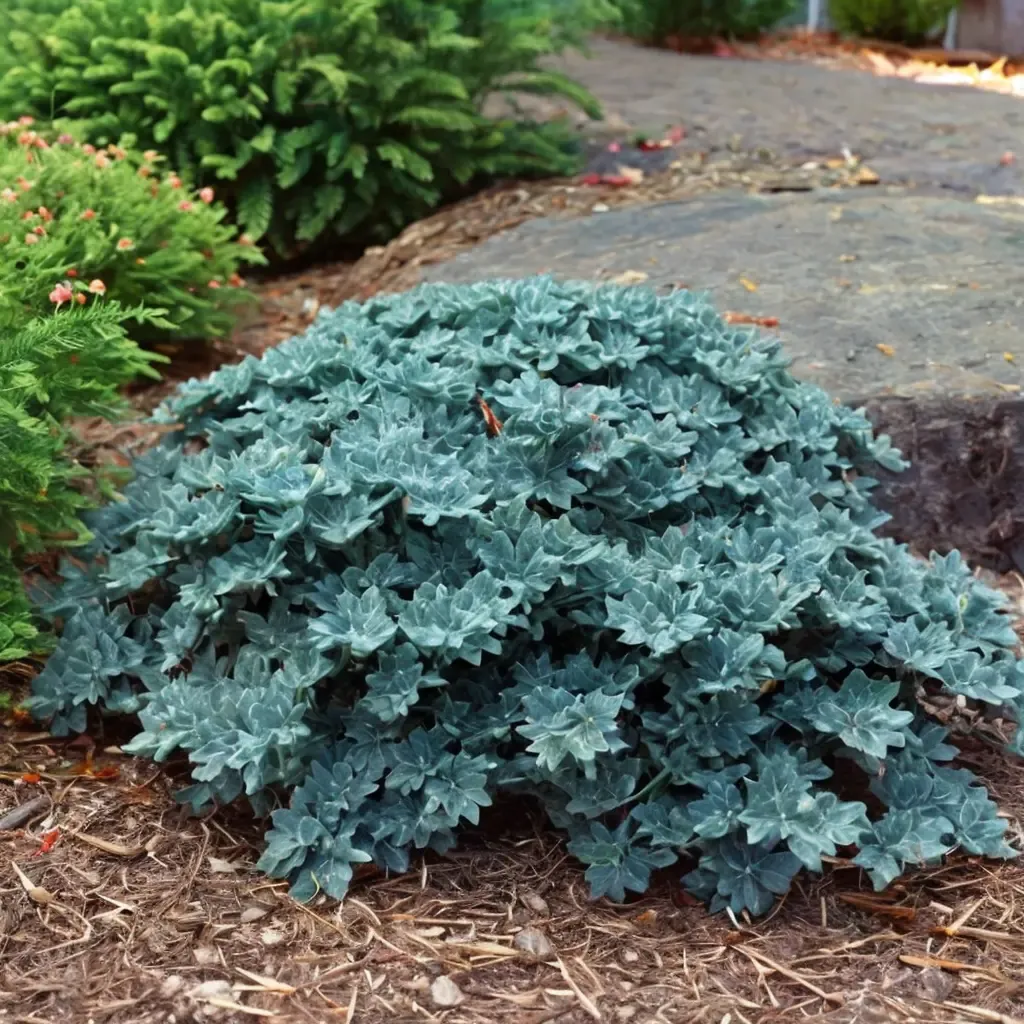
Blue Star Juniper
Juniperus squamata 'Blue Star'
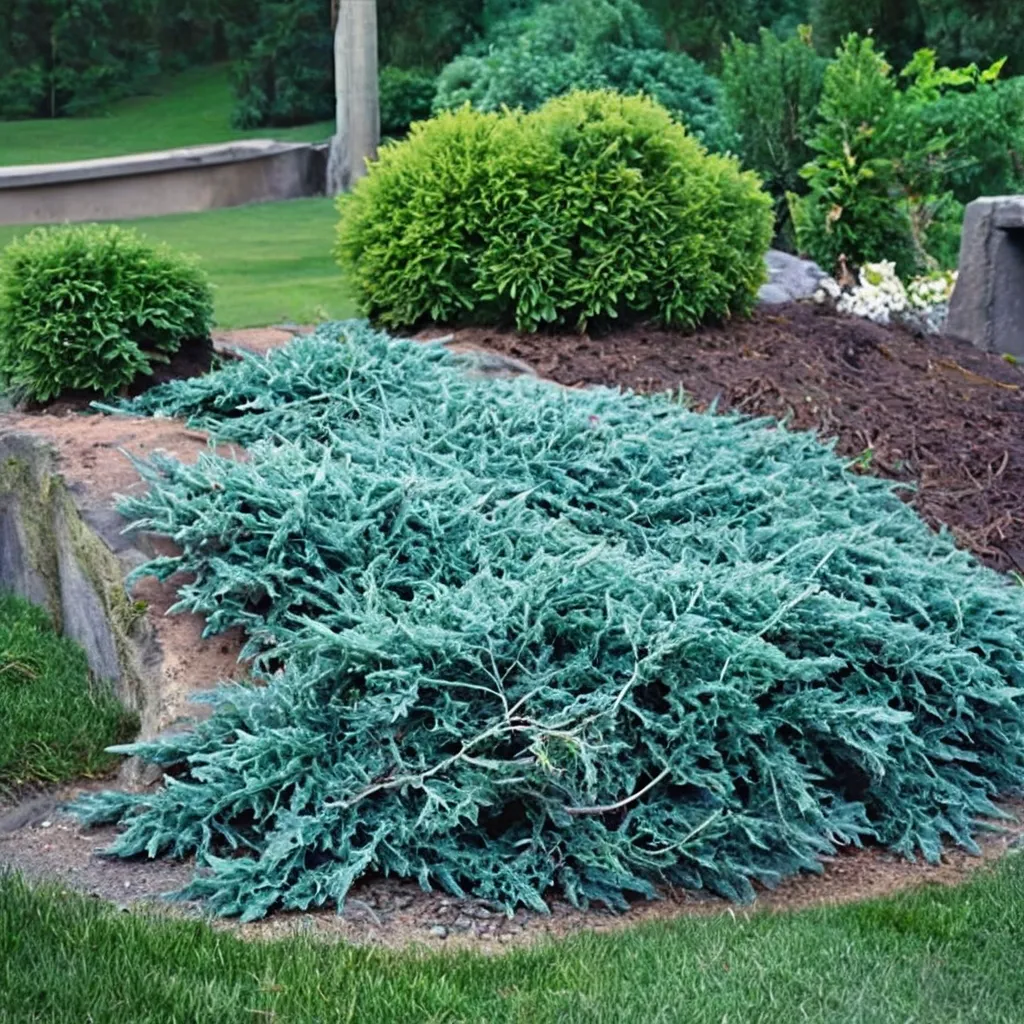
Blue Rug Juniper
Juniperus horizontalis 'Blue Rug'
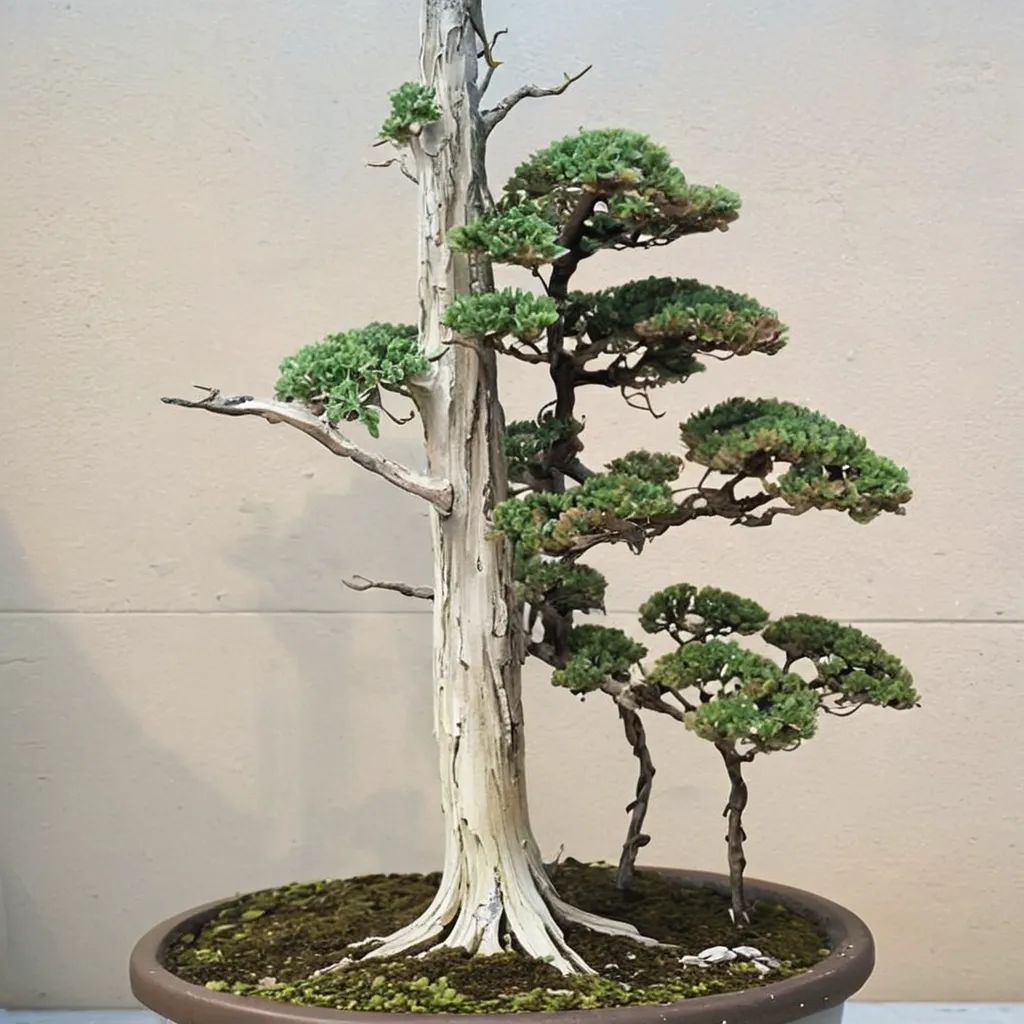
Foemina Chinese Juniper
Juniperus chinensis 'Foemina'
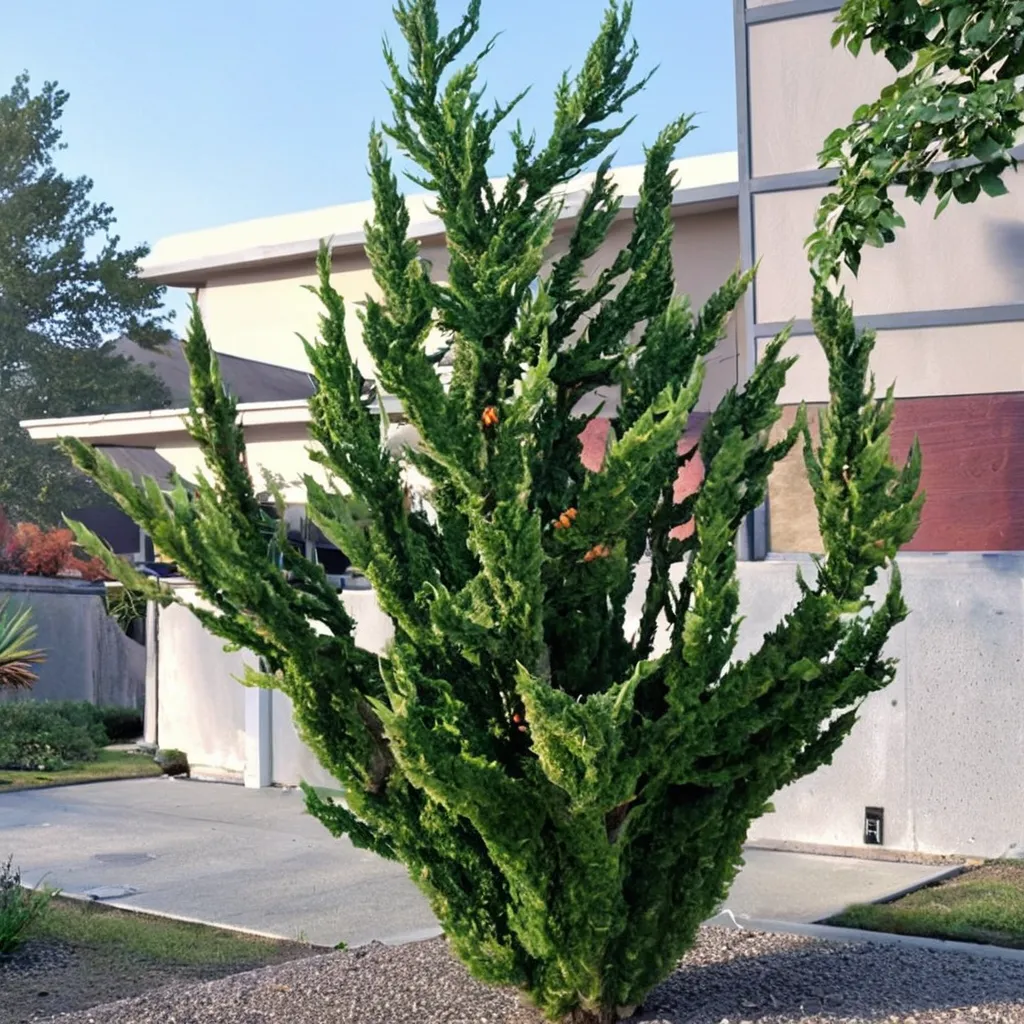
Hollywood Juniper
Juniperus chinensis 'Kaizuka'
Keep exploring
Explore the genus
Grow Broadmoor Juniper with confidence
See it in a design of your actual yard, get zone-matched care reminders, and track it season by season in your garden journal.