

The Story
Plant Bio
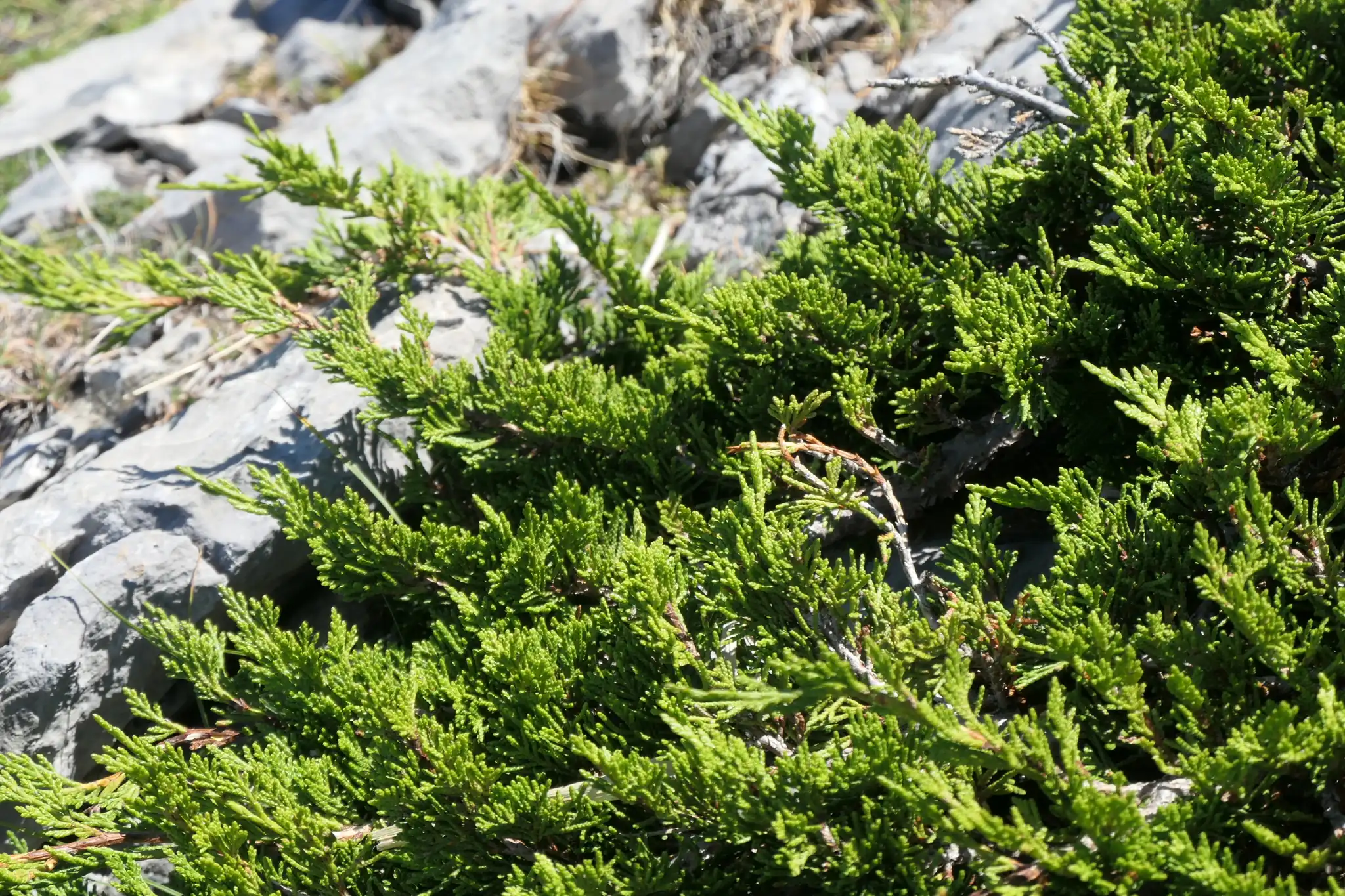
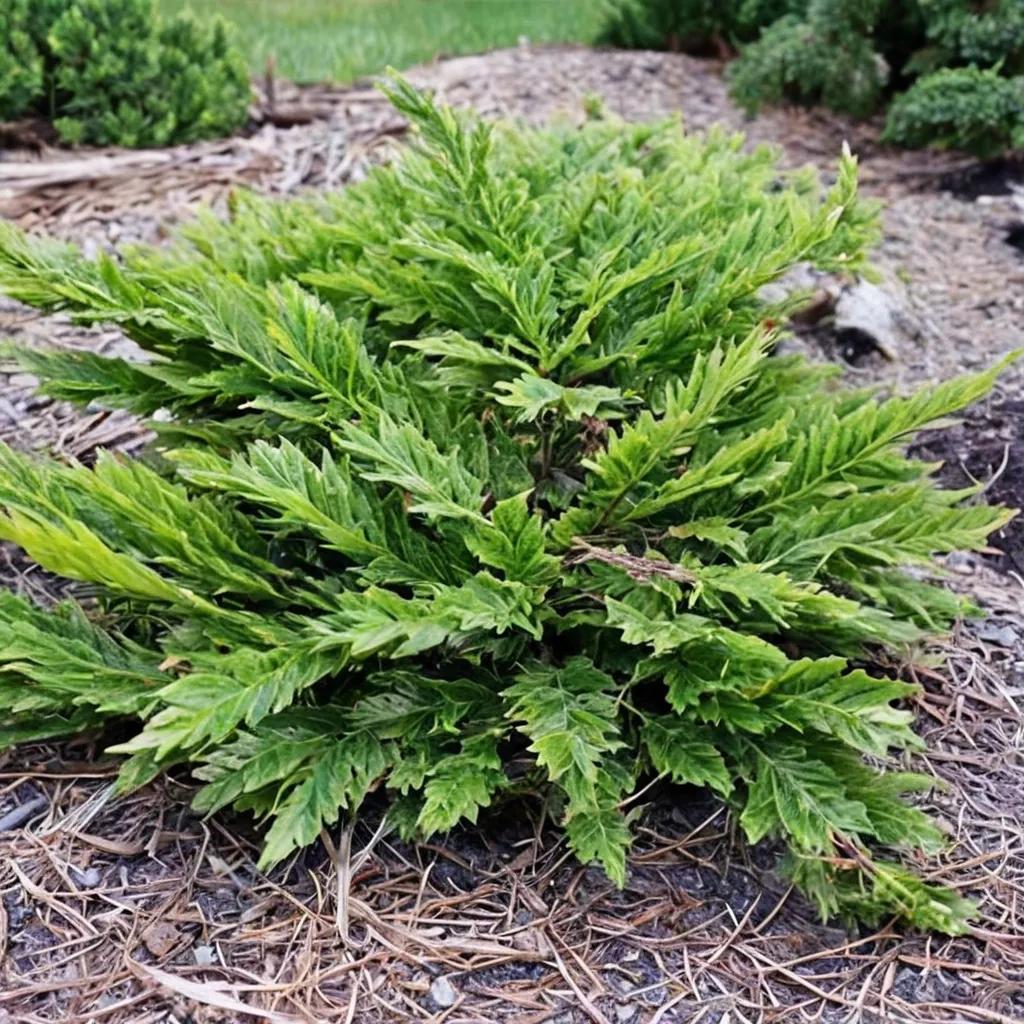
Juniperus sabina, or savin juniper, is a spreading needled evergreen from northern Africa, Asia and Europe, growing four to six feet high and five to ten across. Branches rise at an angle and then arch outward, clothed in scale-like adult foliage that gives off a sharp resinous smell when crushed. It carries small blue-black cones.
It is genuinely toxic rather than merely unpalatable, containing sabinyl acetate, so it is a poor choice around grazing animals or where children play. It is also among the more blight-prone junipers; give it full sun, sharp drainage and space for air to move, and cut out affected shoots promptly rather than letting them spread.
Uses & Benefits:
Essentials
At a Glance
Plant Type
Shrub
Height
60"
Width
84"
Light
Full Sun
Zones
4, 5, 6, 7, 8
Water
Medium
Humidity
Low to average
Lifespan
Perennial
Native To
Northern Africa, Asia and Europe
Toxicity
Toxic if ingested
Planting
How to Grow
- Plant in spring or autumn in full sun.
- Choose free-draining soil; clay and limestone are both tolerated.
- Allow the full mature spread; it resents being cut back.
- Water through the first season only.
- Cut out any blighted or dieback shoots as soon as seen.
- Prune lightly into green growth, never into bare wood.
Pro Tip
Space it for its mature width from the start; savin will not regrow from bare old wood, so a plant cut back to fit stays gappy.
Keep It Thriving
Care Guide
Do
- Plant in full sun with good air movement ☀️
- Give it sharply drained soil 🪨
- Cut out blighted shoots promptly ✂️
- Wear gloves when pruning; the foliage is irritant 🧤
Don't
- Plant it in wet or poorly drained ground ❌
- Cut back into bare old wood ❌
- Site it where livestock or small children can reach it ❌
Seasonal Care Calendar
| Task | Jan | Feb | Mar | Apr | May | Jun | Jul | Aug | Sep | Oct | Nov | Dec |
|---|---|---|---|---|---|---|---|---|---|---|---|---|
| Inspect | ||||||||||||
| Prune |
Watch Out For
Pests & Diseases
Common Pests
Common Diseases
In the Garden
Landscape Uses & Companions
Landscape Uses
Multiply
Propagation Methods
Good to Know
Common Questions
Juniper questions
What zones can Juniper grow in?
Juniper is hardy in USDA Zones 4–8. Inside that range it survives winter in the ground; outside it, grow it as an annual or a container plant you protect.
Is Juniper deer resistant?
Yes — Juniper is rated deer-resistant. Deer typically pass it over, though extreme hunger can override any plant's defenses.
When does Juniper bloom?
Juniper typically blooms in non-flowering; small blue-black cones through late spring. Exact timing shifts a week or two with your zone — Sow's bloom calendar maps it to your garden.
Does Juniper need full sun?
Juniper does best in full sun (6+ hours).
Is Juniper drought tolerant?
Yes — once established (usually after the first full season), Juniper handles dry spells with minimal watering. Water deeply its first year to build the root system that makes that possible.
More Juniperus to compare
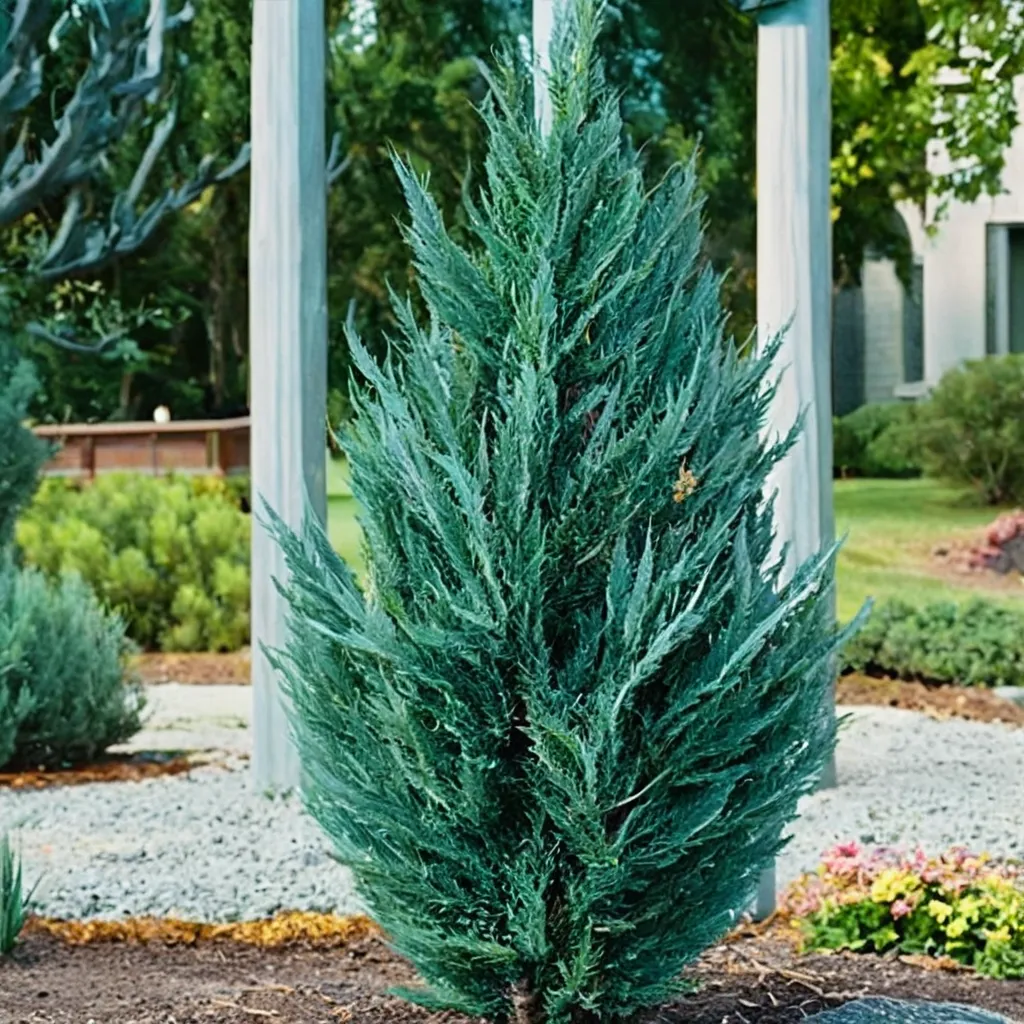
Blue Point Juniper
Juniperus chinensis 'Blue Point'
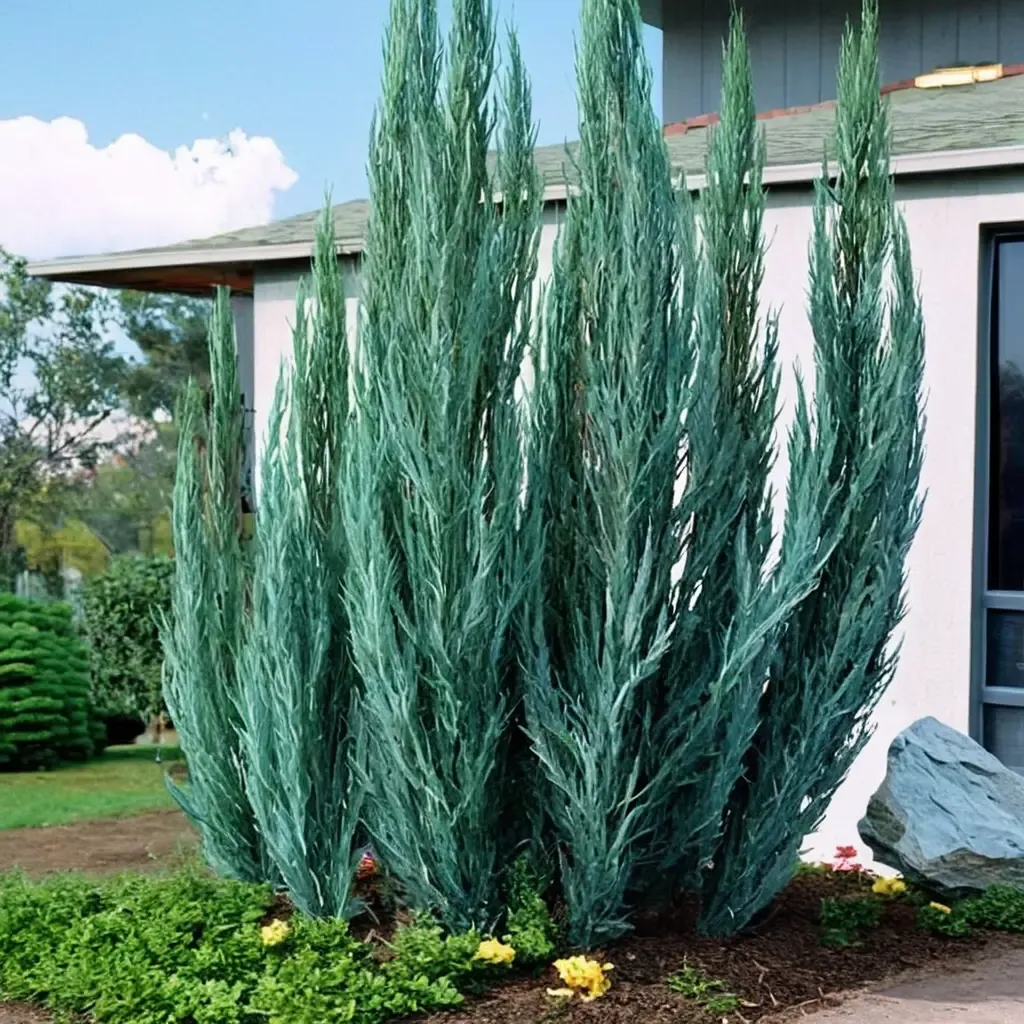
Skyrocket Juniper
Juniperus horizontalis 'Skyrocket'
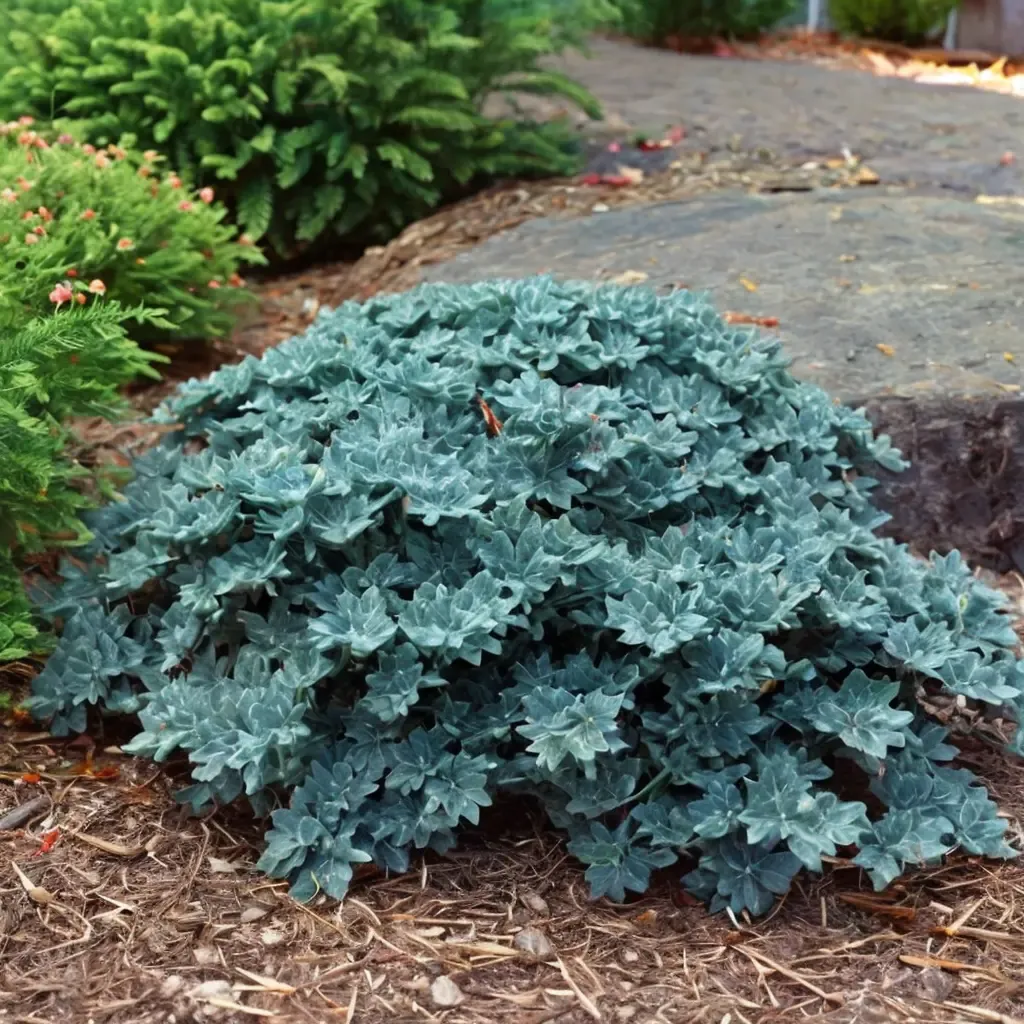
Blue Star Juniper
Juniperus squamata 'Blue Star'
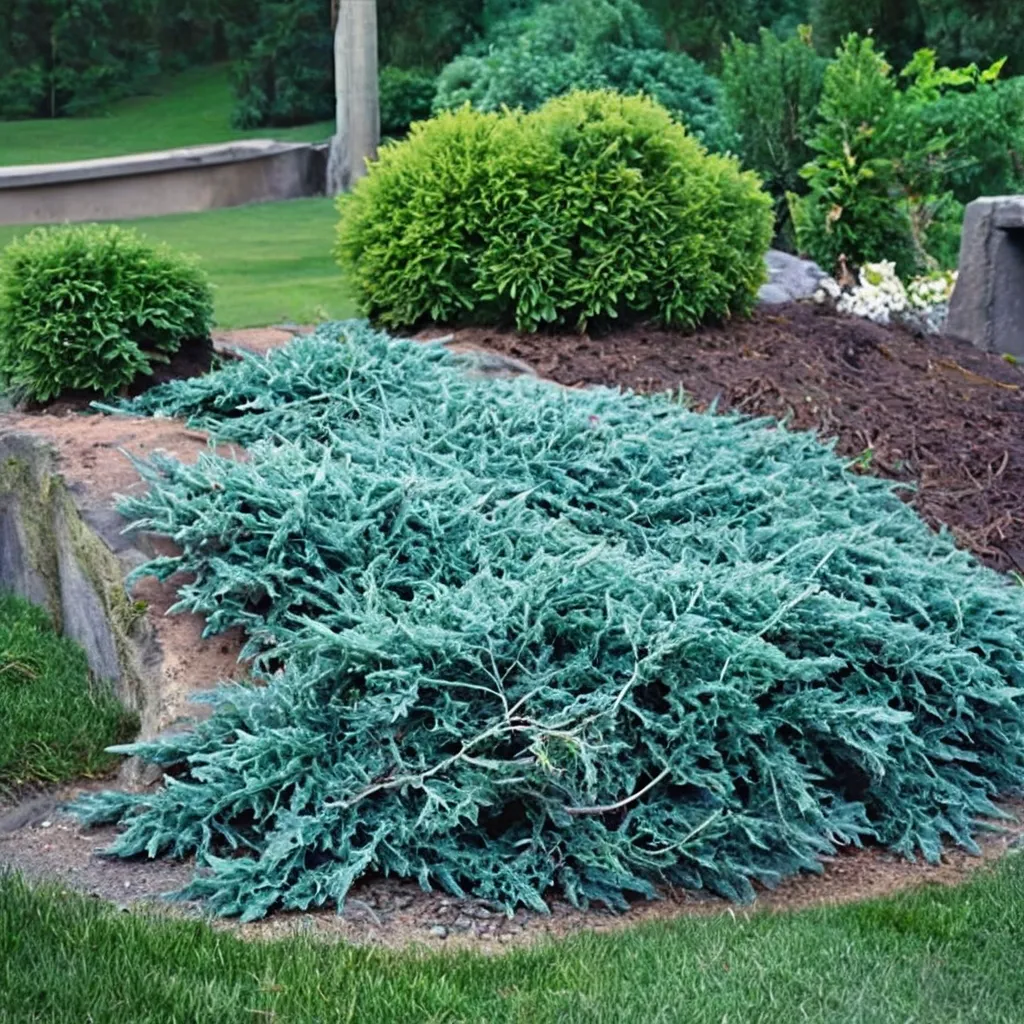
Blue Rug Juniper
Juniperus horizontalis 'Blue Rug'
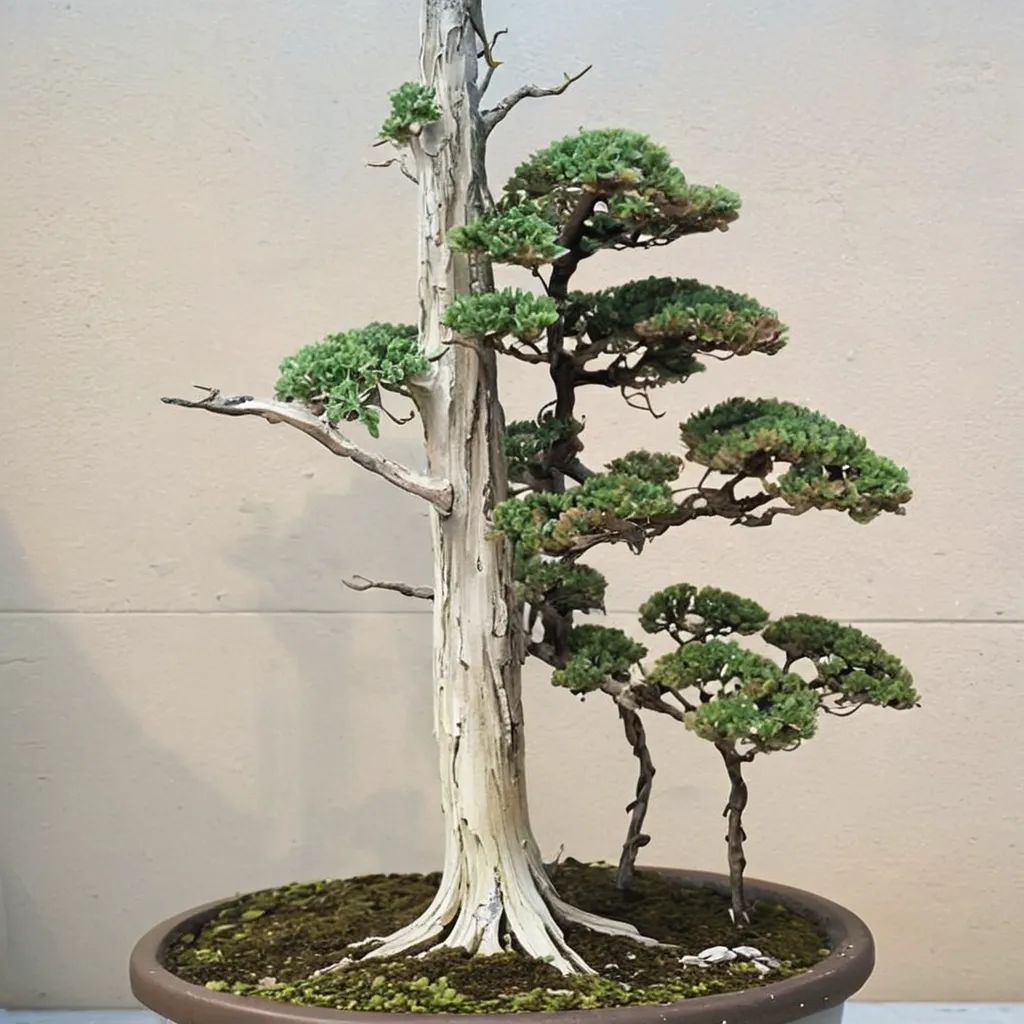
Foemina Chinese Juniper
Juniperus chinensis 'Foemina'
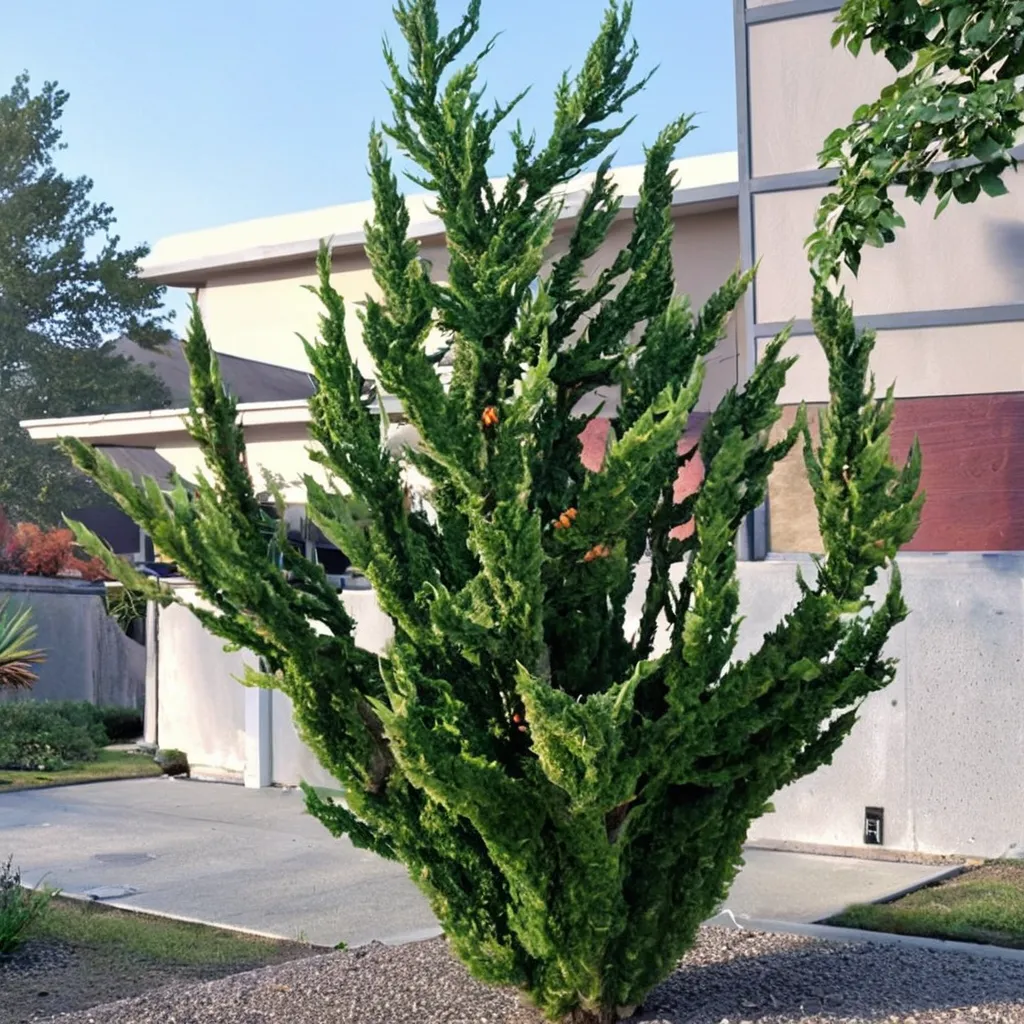
Hollywood Juniper
Juniperus chinensis 'Kaizuka'
Keep exploring
Explore the genus
Hardy in your zone?
Grow Juniper with confidence
See it in a design of your actual yard, get zone-matched care reminders, and track it season by season in your garden journal.