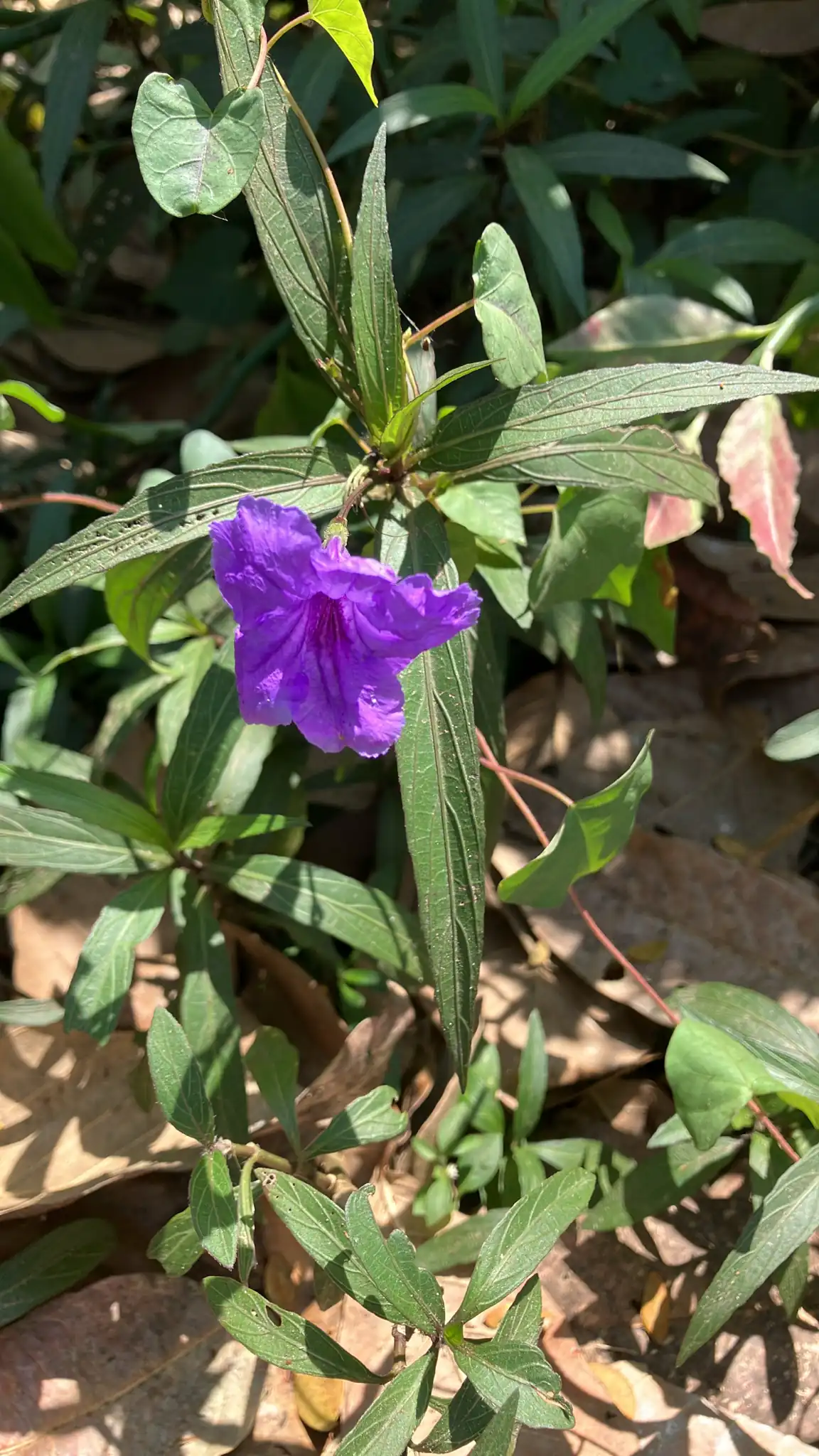
The Story
Plant Bio
Ruellia simplex is an erect, rhizomatous perennial herb that forms dense colonies of woody-based stalks lined with dark green, lanceolate leaves. The petunia-like, funnel-shaped flowers open in flushes from spring through fall, lasting only a single day but producing continuously at the stem tips.
This species is highly adaptable to extreme moisture variations, thriving in standing water and rain gardens while maintaining high drought tolerance once established. The dark green foliage often develops deep purplish-bronze highlights under intense, full sun.
Uses & Benefits:
Essentials
At a Glance
Plant Type
Perennial
Height
48"
Width
36"
Light
Full Sun, Partial Sun
Zones
8, 9, 10
Water
Medium to Wet
Humidity
High
Lifespan
Perennial
Native To
Mexico, Central America, South America, Caribbean
Toxicity
Non-toxic
Bloom period
Spring – Fall
In flower about 9 months of the year
Planting
How to Grow
- Select a planting site in full sun to partial shade, prioritizing full sun for the most prolific flower production.
- Dig a hole twice the width of the root ball and set the plant at the same depth it was growing in its container.
- Water thoroughly after planting to settle the soil, maintaining consistent moisture until the root system is established.
- Apply a light layer of organic mulch around the base to retain moisture, keeping the mulch clear of the immediate stems.
Pro Tip
Cut the stalks back hard in late winter or after a hard freeze to clear dead wood and stimulate vigorous, free-flowering spring growth from the rhizomes.
Keep It Thriving
Care Guide
Do
- Prune stems back to the ground in late winter to rejuvenate the clump.
- Grow in containers or use physical root barriers if planting near garden borders to restrict the spreading rhizomes.
- Verify the sterility of the cultivar before planting in warm, humid regions.
Don't
- Do not shear heavily into old, leafless woody stems where new buds cannot break.
- Do not plant non-sterile wild types near natural waterways or wetland margins where they can escape.
- Do not over-fertilize, as excess nutrients encourage leggy foliage at the expense of flowers.
Seasonal Care Calendar
| Task | Jan | Feb | Mar | Apr | May | Jun | Jul | Aug | Sep | Oct | Nov | Dec |
|---|---|---|---|---|---|---|---|---|---|---|---|---|
| Fertilize | ||||||||||||
| Pest Check | ||||||||||||
| Propagate | ||||||||||||
| Prune |
Watch Out For
Pests & Diseases
Common Pests
Common Diseases
In the Garden
Landscape Uses & Companions
Landscape Uses
Companion Plants
Multiply
Propagation Methods
Good to Know
Common Questions
Mexican Petunia questions
What zones can Mexican Petunia grow in?
Mexican Petunia is hardy in USDA Zones 8–10. Inside that range it survives winter in the ground; outside it, grow it as an annual or a container plant you protect.
Is Mexican Petunia deer resistant?
Yes — Mexican Petunia is rated deer-resistant. Deer typically pass it over, though extreme hunger can override any plant's defenses.
When does Mexican Petunia bloom?
Mexican Petunia typically blooms in spring through fall. Exact timing shifts a week or two with your zone — Sow's bloom calendar maps it to your garden.
Does Mexican Petunia need full sun?
Mexican Petunia does best in full sun to part shade. In hot climates, afternoon shade keeps blooms fresher longer.
Is Mexican Petunia drought tolerant?
Yes — once established (usually after the first full season), Mexican Petunia handles dry spells with minimal watering. Water deeply its first year to build the root system that makes that possible.
More Ruellia to compare
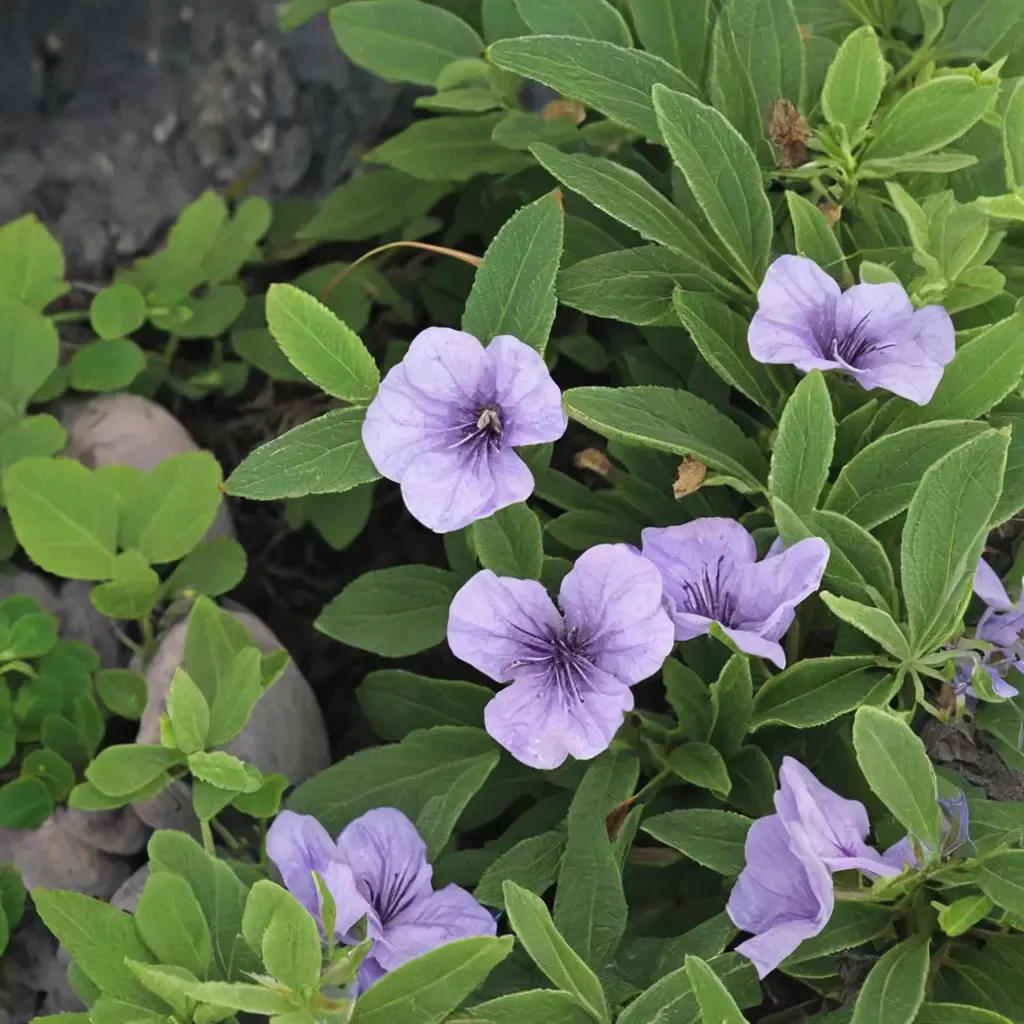
Wild Petunia
Ruellia humilis
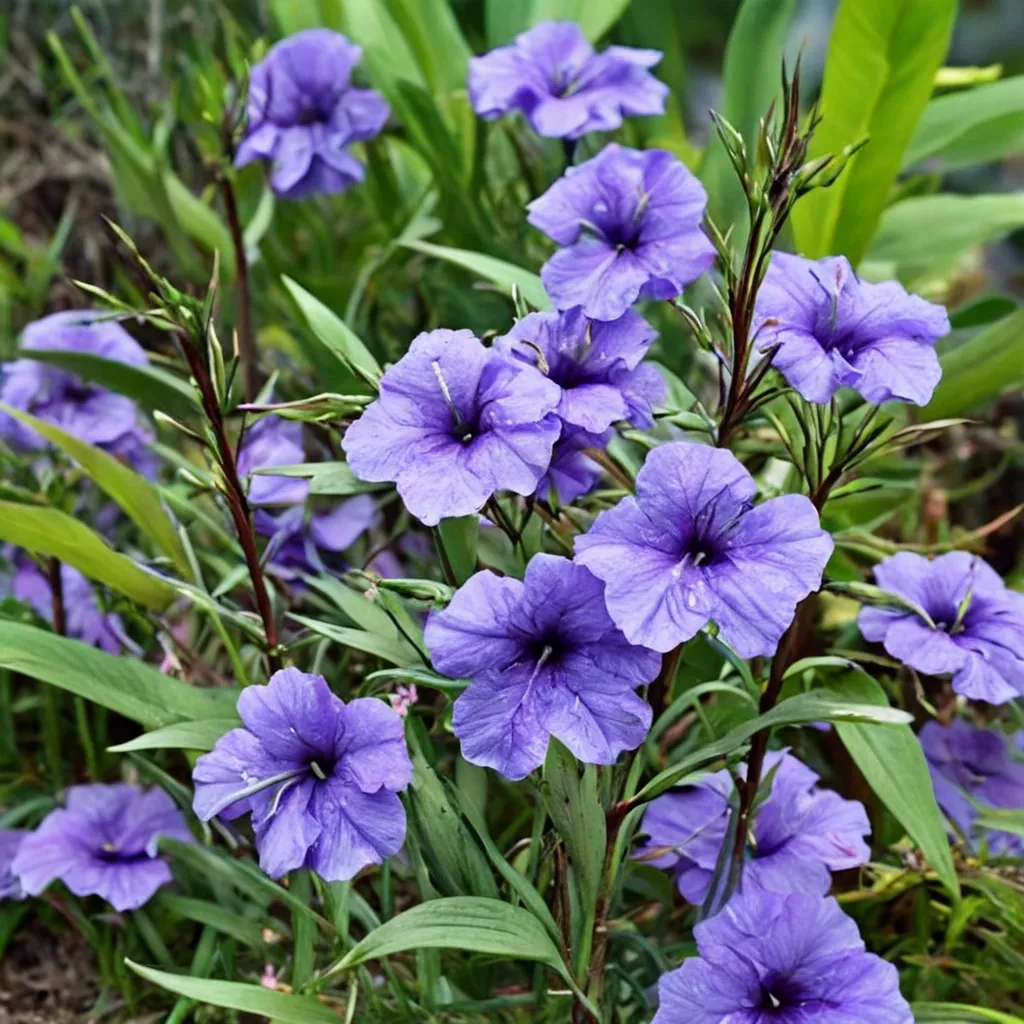
Tall Purple Ruellia
Ruellia brittoniana 'Tall Purple Form'
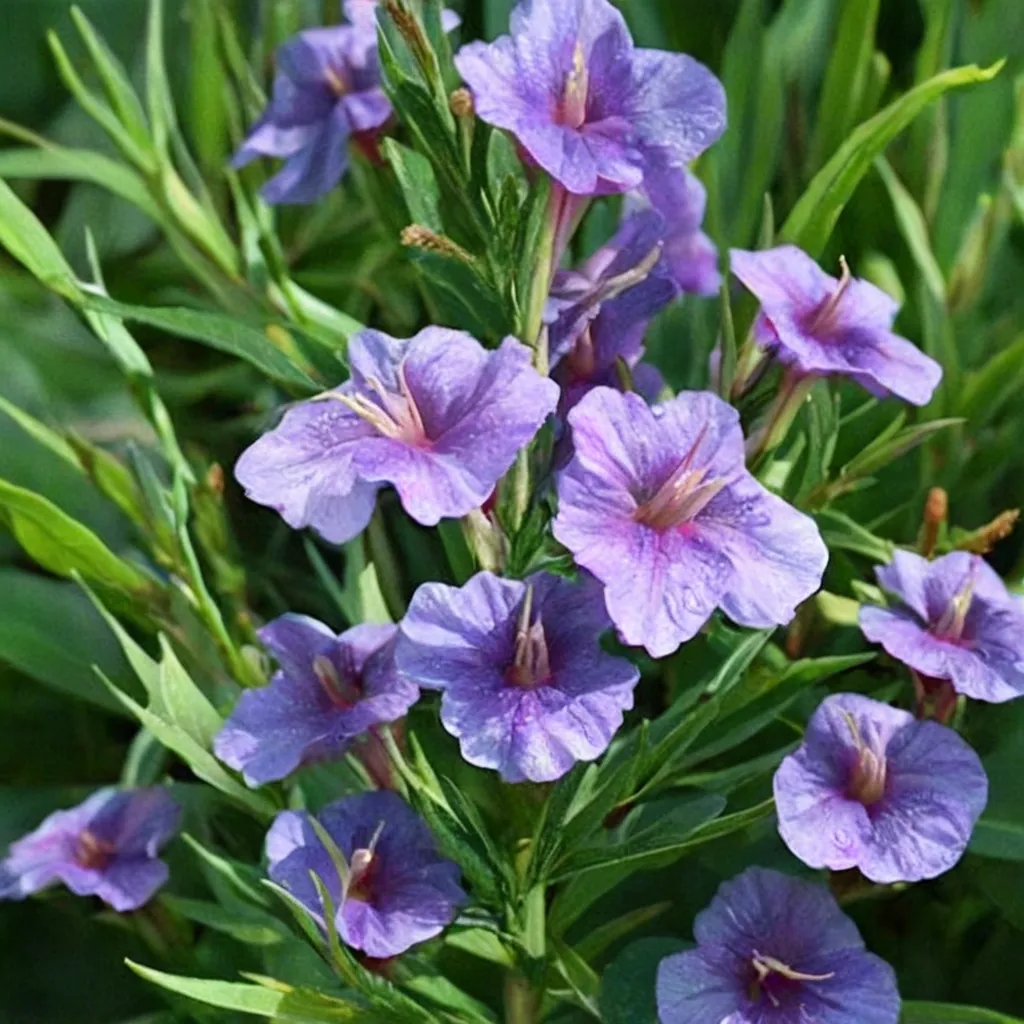
Ruellia Strawberries and Cream
Ruellia brittoniana 'Strawberries and Cream'
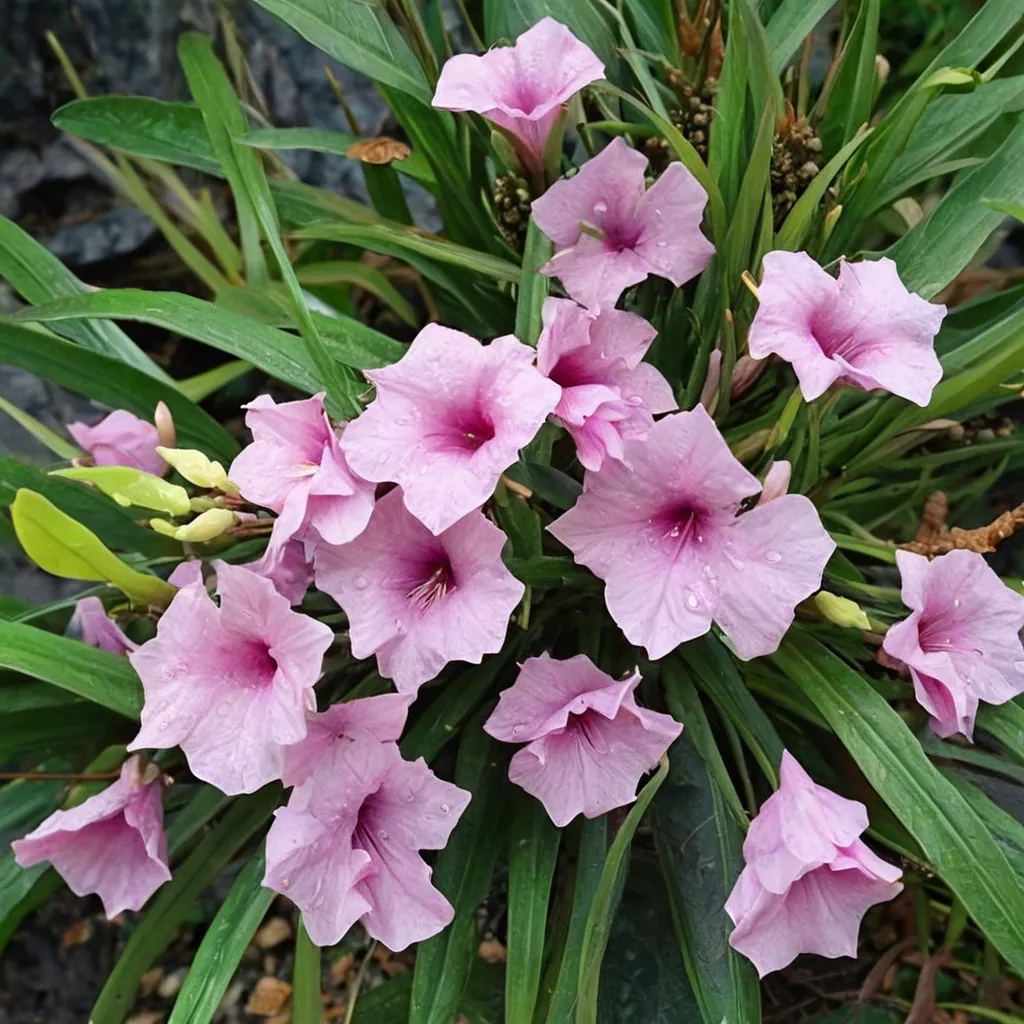
Pink Mexican Petunia
Ruellia brittoniana 'Colobe Pink'
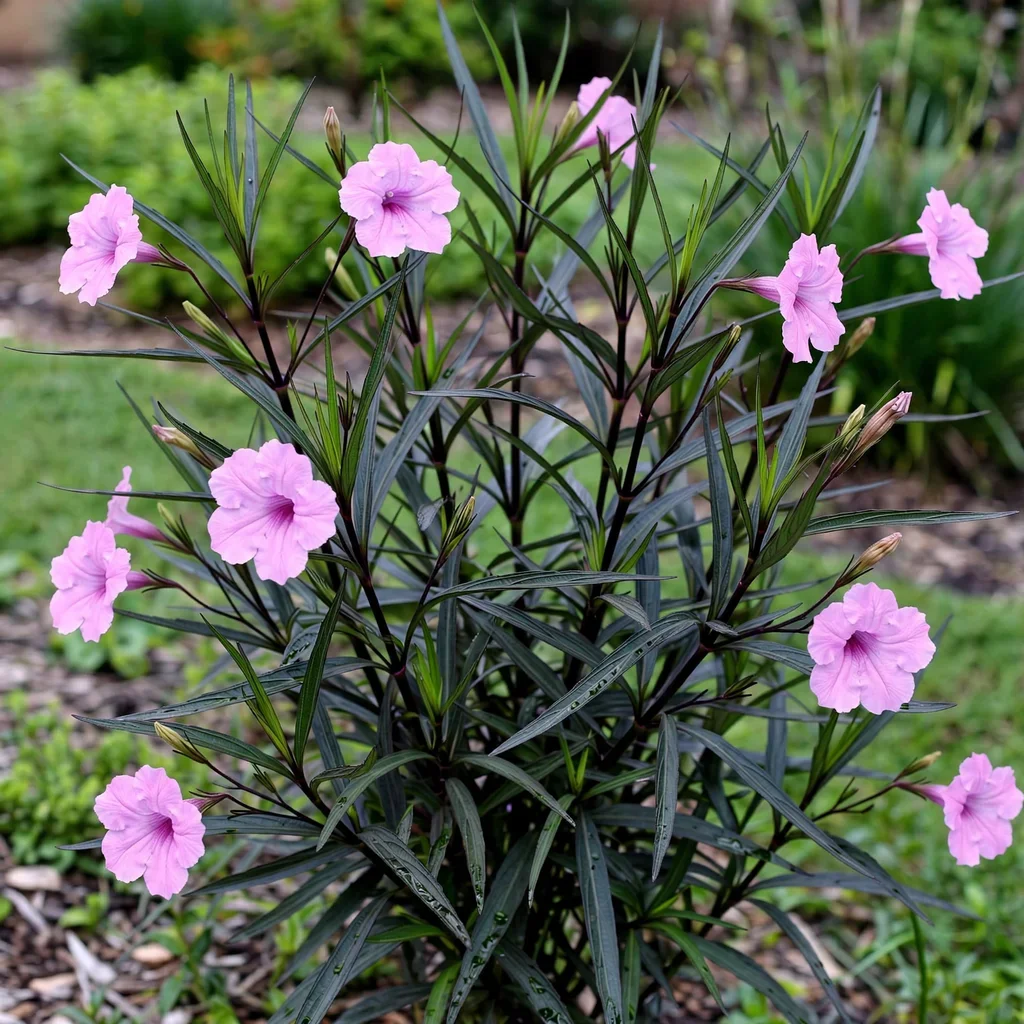
Chi Chi Mexican Petunia
Ruellia brittoniana 'Chi Chi'
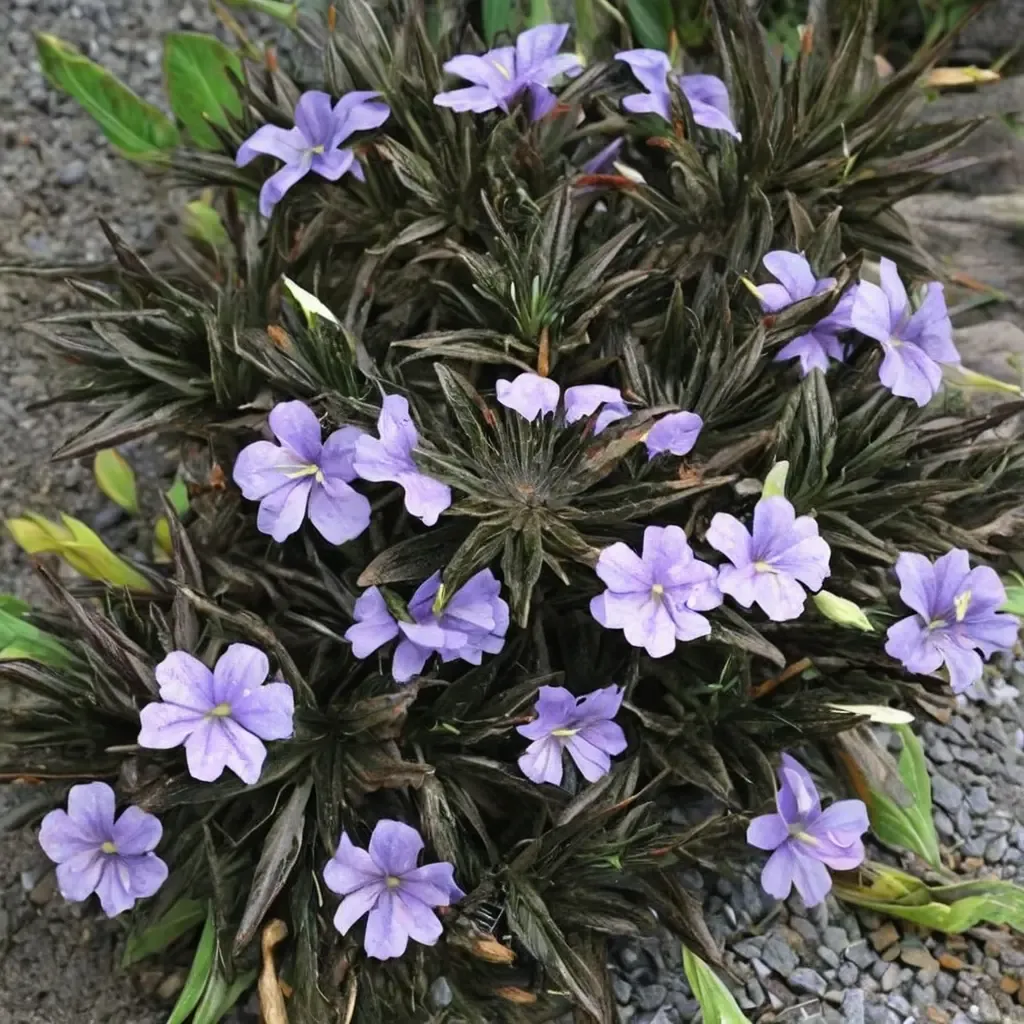
Black Beauty Ruellia
Ruellia tuberosa 'Black Beauty'
Keep exploring
Explore the genus
Hardy in your zone?
Grow Mexican Petunia with confidence
See it in a design of your actual yard, get zone-matched care reminders, and track it season by season in your garden journal.