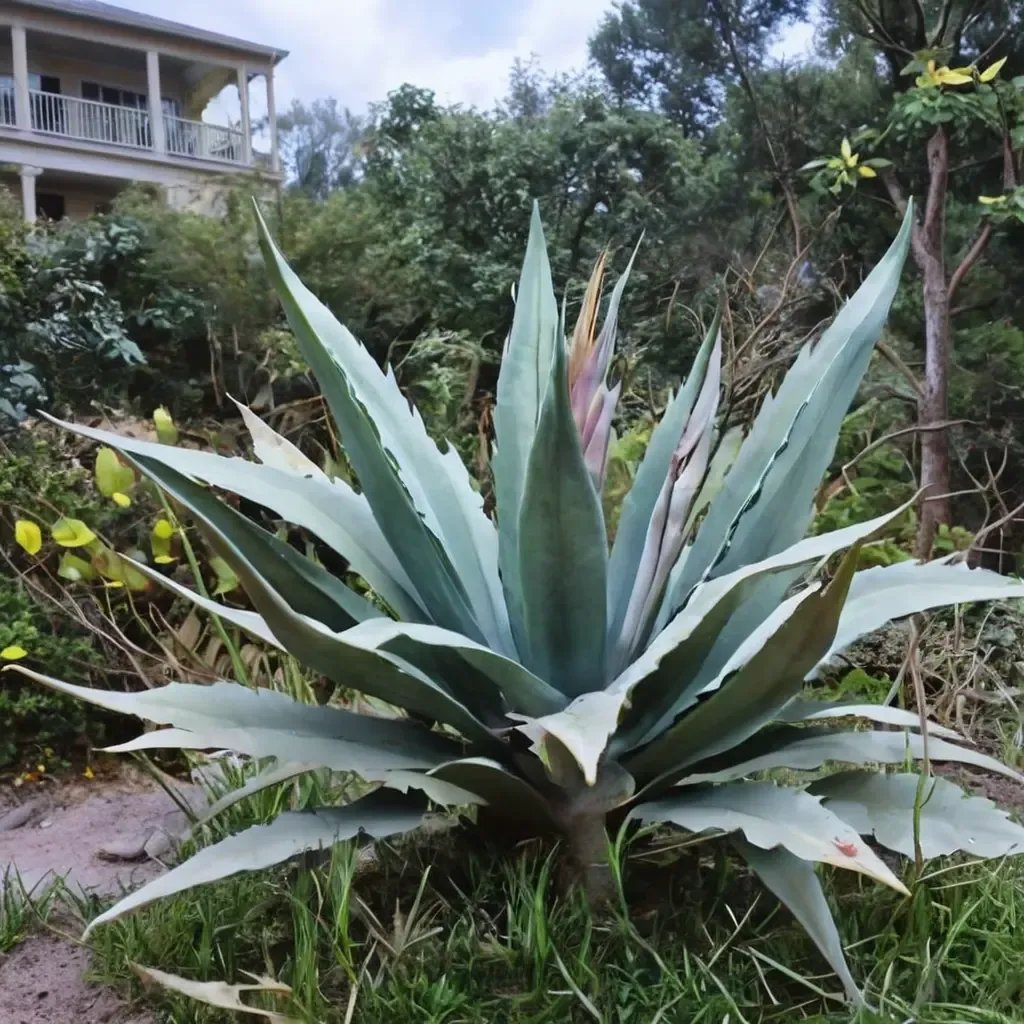
Garden hybrid
This is a garden hybrid, bred from more than one wild species, so it has no single species page of its own.
3 other cultivars
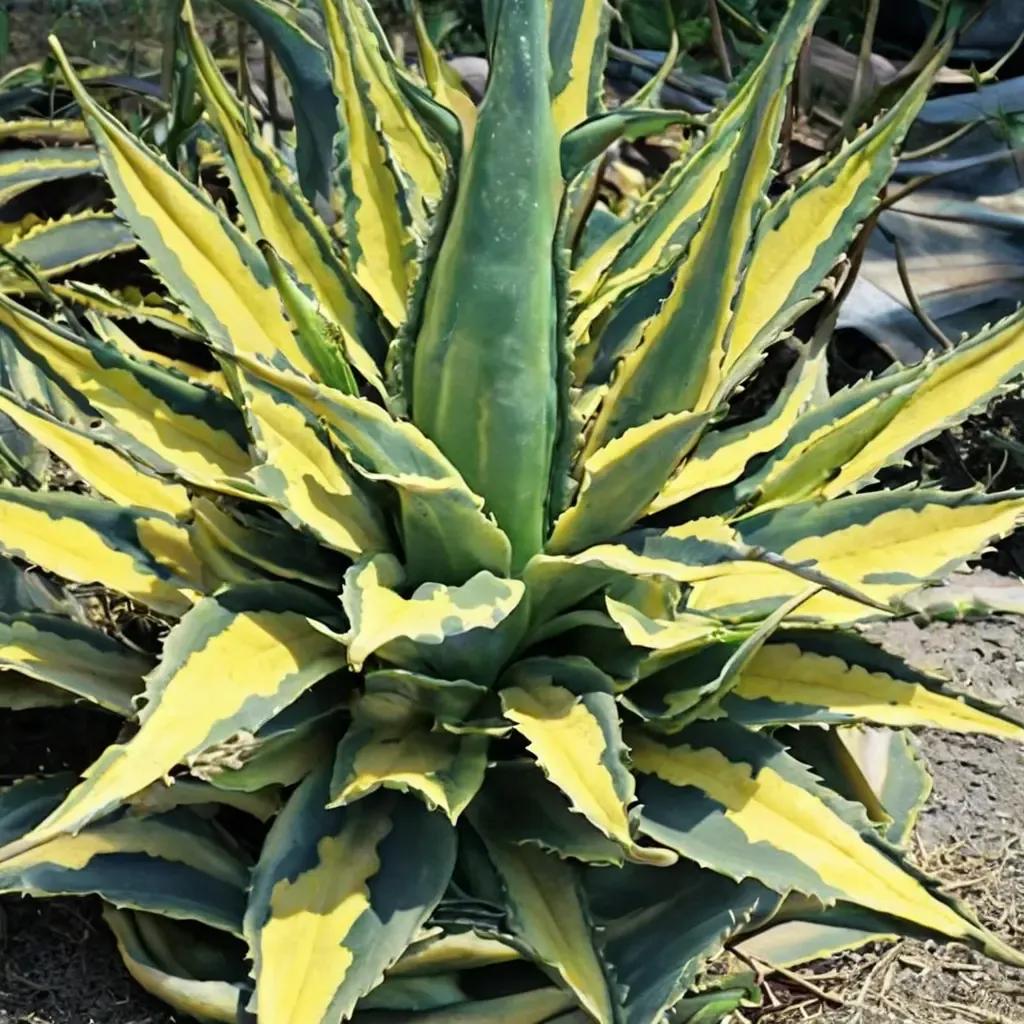


The Story
Plant Bio
Large, solitary succulent forming a symmetrical rosette of wide, thick, pale blue-gray leaves. The leaves have a powdery coating and prominent bud imprints, giving them a distinct texture.
This cultivar has a distinctive gator-like texture on its leaves.
Uses & Benefits:
Bred from more than one wild species, so it has no species page of its own.
Essentials
At a Glance
Plant Type
Cactus Succulent
Height
48"
Width
75"
Light
Full Sun, Partial Sun
Zones
8, 9, 10
Water
Low
Humidity
Low
Lifespan
Decades
Native To
Mexico
Toxicity
Toxic to pets if ingested
Bloom period
Mid-summer – Late summer
In flower about 2 months of the year
Marketplace
Where to Buy
Shipping costs Year-round shipping Free shipping
Planting
How to Grow
- Select well-draining soil, such as sandy or gravelly mix.
- Tuck seeds or offsets into soil, gently pressing down for good contact.
- Mist cuttings or seedlings regularly to keep soil lightly moist, avoiding overwatering.
- Place in a bright, sunny location with at least 6 hours of direct sunlight daily.
- Water sparingly, allowing soil to dry out completely between watering, especially in winter.
- Transplant or repot when the plant outgrows its container, ideally in spring.
Pro Tip
Use a cactus-specific soil mix for optimal drainage and root health.
Keep It Thriving
Care Guide
Do
- Ensure plenty of sunlight for healthy growth 🌞
- Water deeply but infrequently, letting soil dry out between waterings 💧
- Use well-draining soil to prevent root rot
- Protect from frost during cold months
- Fertilize lightly during the active growing season
Don't
- Overwater, which can cause root rot ❌
- Place in low-light or shaded areas ❌
- Use heavy, clay soils that retain excess moisture ❌
- Expose to frost without protection ❌
- Neglect pruning or removal of dead leaves
Seasonal Care Calendar
| Task | Jan | Feb | Mar | Apr | May | Jun | Jul | Aug | Sep | Oct | Nov | Dec |
|---|---|---|---|---|---|---|---|---|---|---|---|---|
| Fertilize | ||||||||||||
| Plant | ||||||||||||
| Propagate | ||||||||||||
| Spring Cleanup | ||||||||||||
| Winter Prep |
Watch Out For
Pests & Diseases
Common Pests
Common Diseases
In the Garden
Landscape Uses & Companions
Landscape Uses
Multiply
Propagation Methods
Good to Know
Common Questions
Grey Gator Agave questions
What zones can Grey Gator Agave grow in?
Grey Gator Agave is hardy in USDA Zones 8–10. Inside that range it survives winter in the ground; outside it, grow it as an annual or a container plant you protect.
Is Grey Gator Agave deer resistant?
Yes — Grey Gator Agave is rated deer-resistant. Deer typically pass it over, though extreme hunger can override any plant's defenses.
When does Grey Gator Agave bloom?
Grey Gator Agave typically blooms in mid-summer through late summer. Exact timing shifts a week or two with your zone — Sow's bloom calendar maps it to your garden.
Does Grey Gator Agave need full sun?
Grey Gator Agave does best in full sun to part shade. In hot climates, afternoon shade keeps blooms fresher longer.
Is Grey Gator Agave drought tolerant?
Yes — once established (usually after the first full season), Grey Gator Agave handles dry spells with minimal watering. Water deeply its first year to build the root system that makes that possible.
More Agave to compare
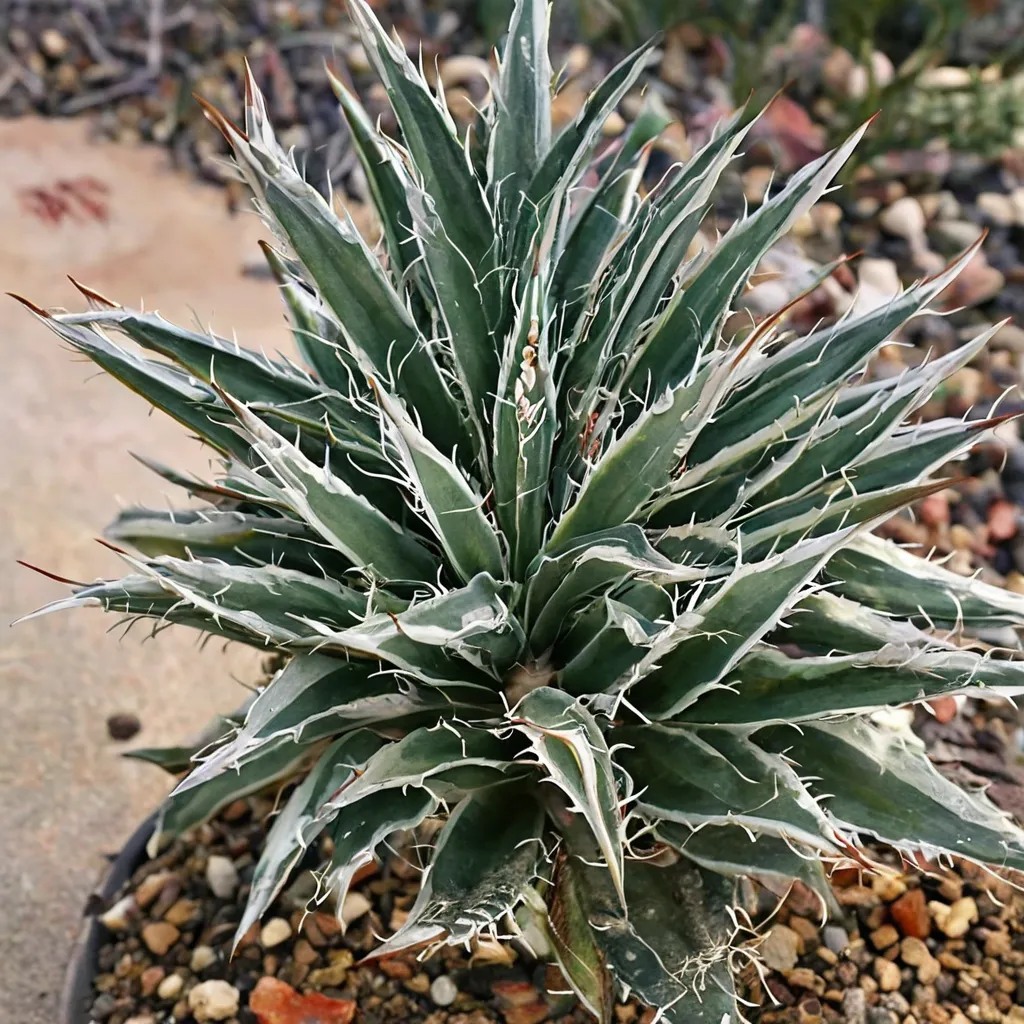
Toumey's Agave
Agave toumeyana
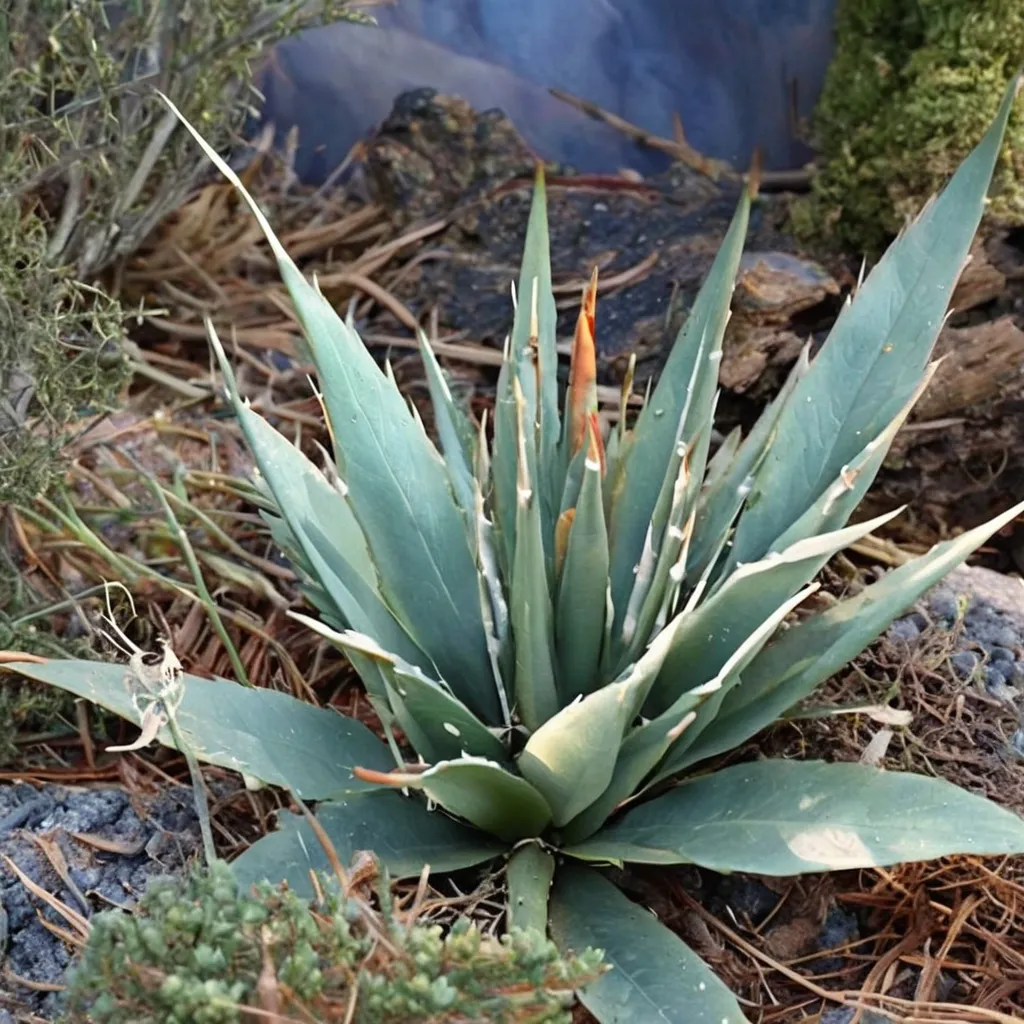
Utah Agave Kaibabensis
Agave utahensis 'kaibabensis'
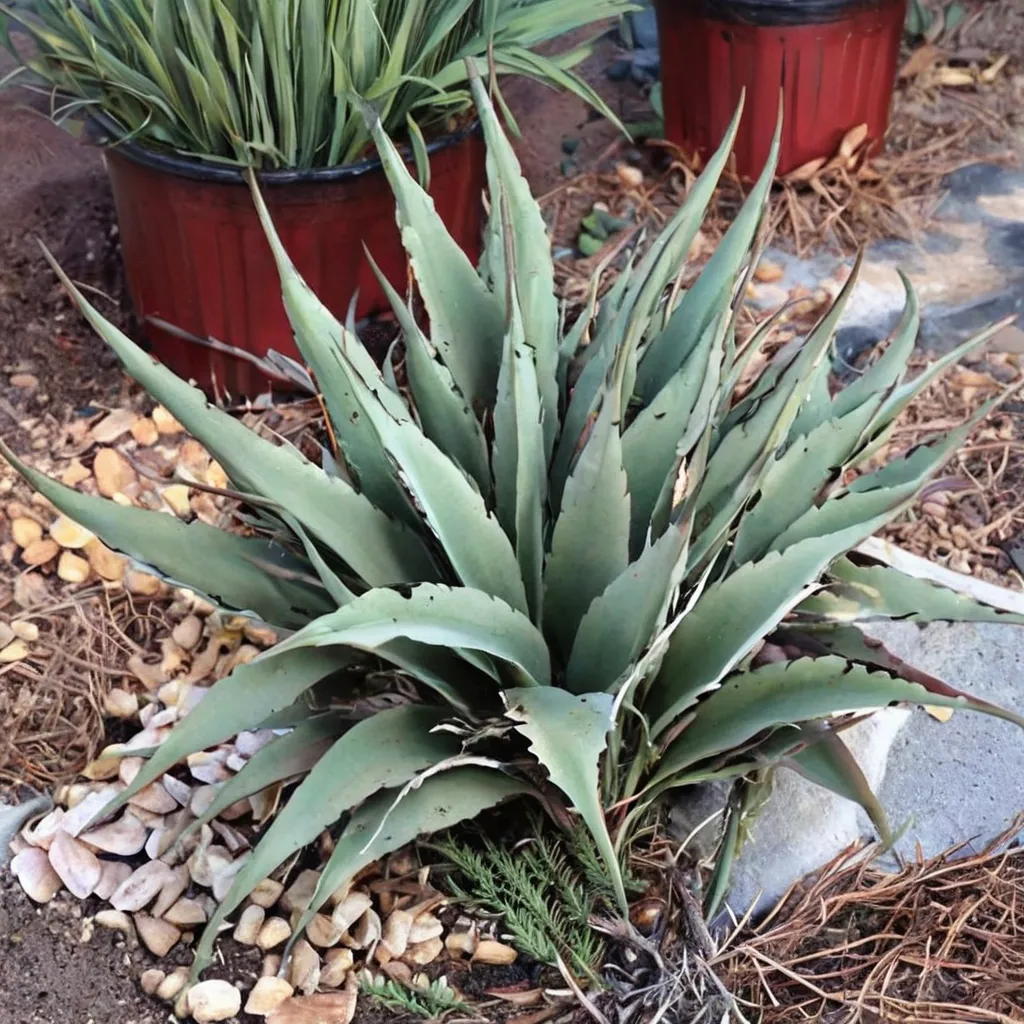
Slimfoot Century Plant
Agave gracilipes
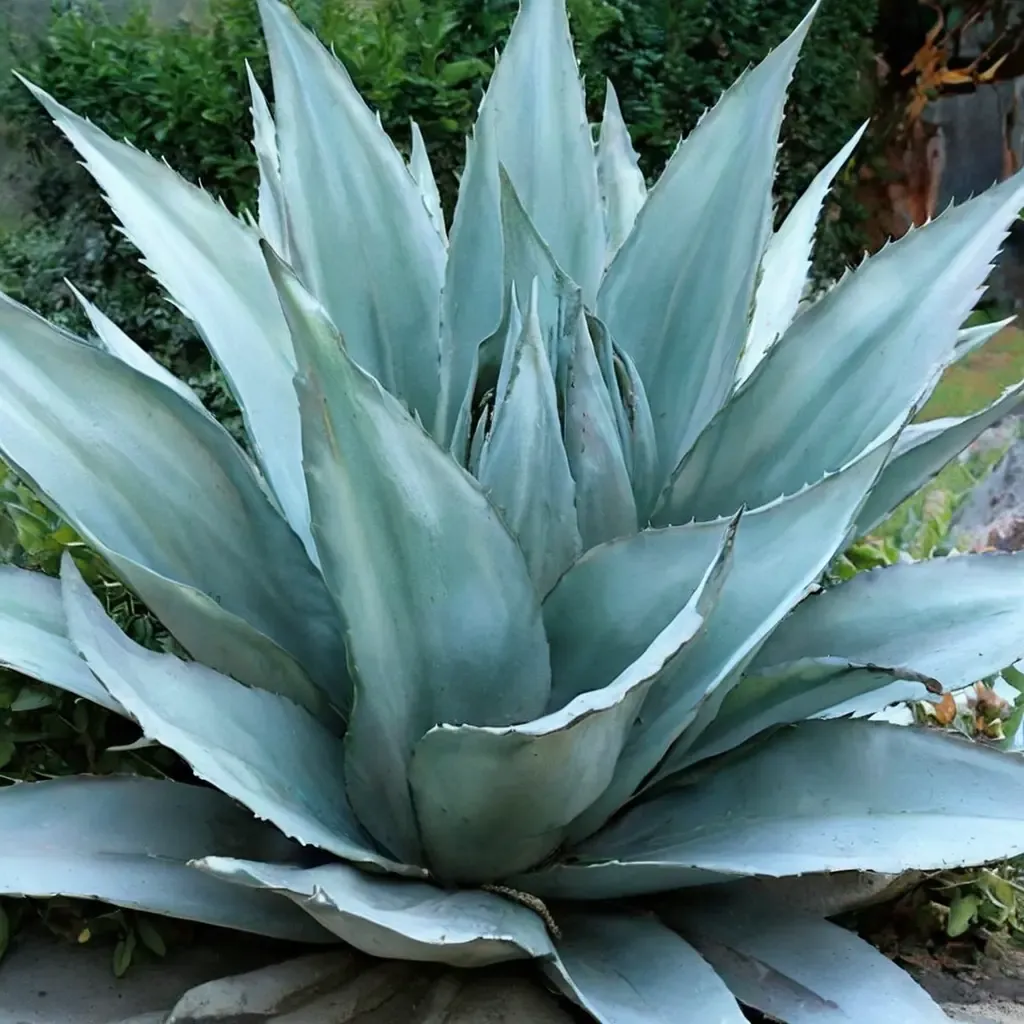
Vanzie Whale's Tongue Agave
Agave ovatifolia 'Vanzie'
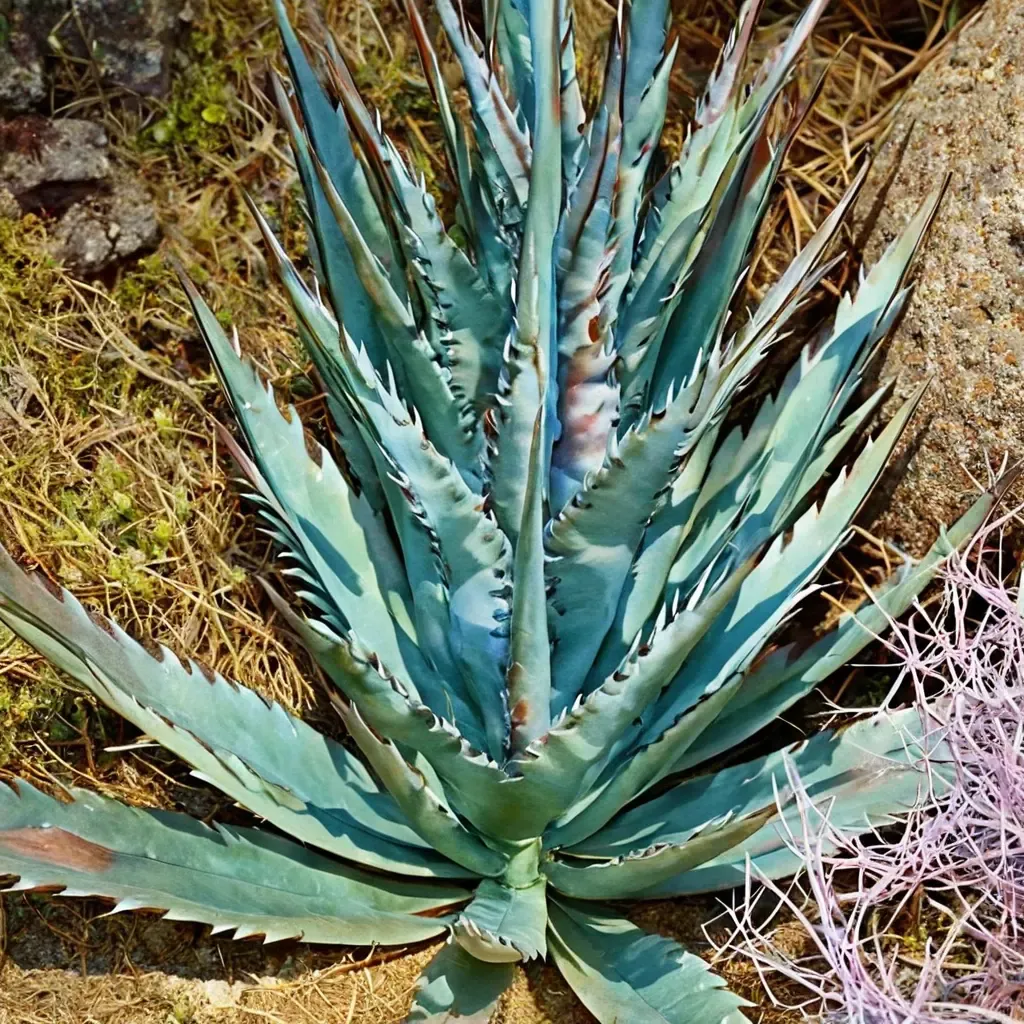
McKelvey's Agave
Agave mckelveyana
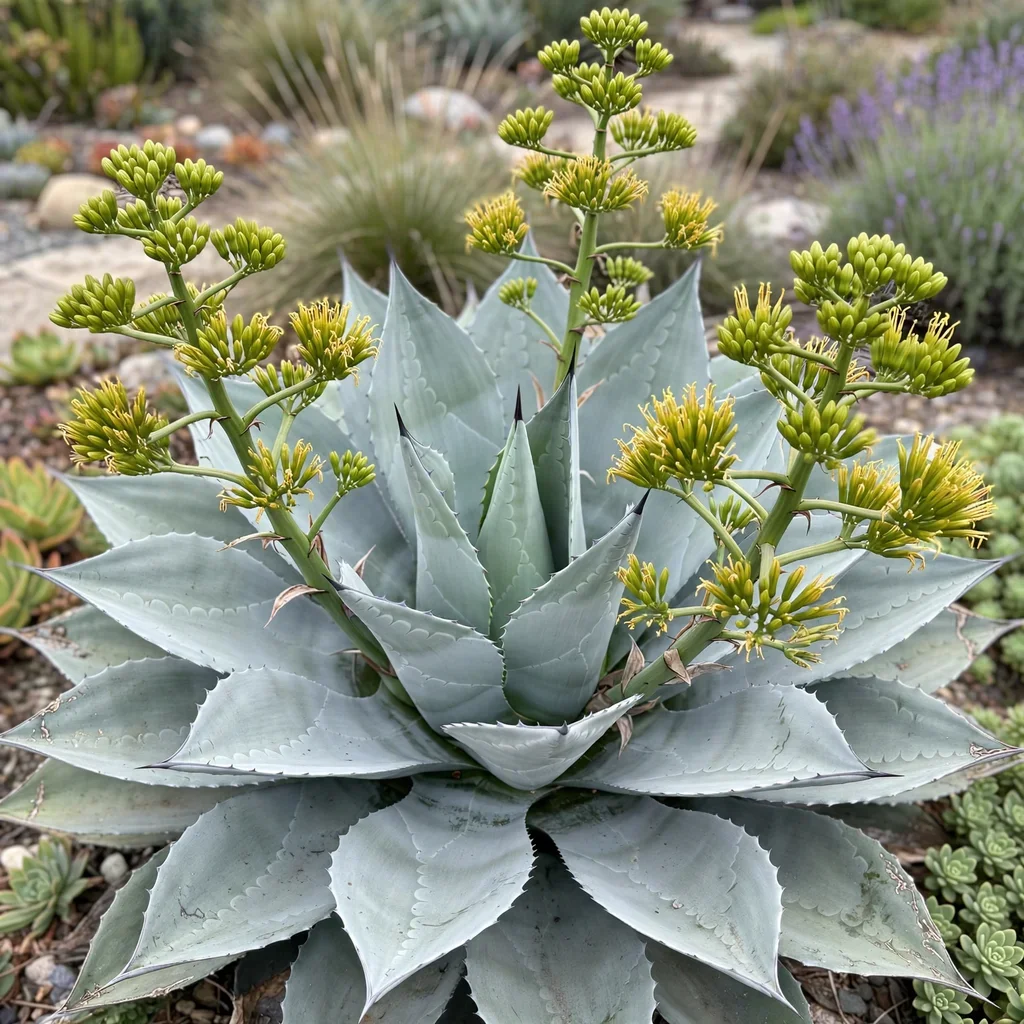
Frosty Blue Whale's Tongue Agave
Agave ovatifolia 'Frosty Blue'
Keep exploring
Explore the genus
Hardy in your zone?
Grow Grey Gator Agave with confidence
See it in a design of your actual yard, get zone-matched care reminders, and track it season by season in your garden journal.