
The Story
Plant Bio
Allium porrum is an upright biennial geophyte grown as an annual vegetable, native to southwestern Asia and the Mediterranean. It produces a thick, non-bulbing cylindrical pseudostem of overlapping leaf sheaths topped by a fan of glaucous blue-green, linear leaves.
When allowed to bolt in its second year, the plant sends up a tall, solid scape bearing a dense, spherical umbel of white to pale pink flowers. The edible shanks require active soil mounding to remain tender, white, and mild in flavor.
Uses & Benefits:
Essentials
At a Glance
Plant Type
Fruit Vegetable
Height
48"
Width
12"
Light
Full Sun
Zones
4, 5, 6, 7, 8, 9
Water
High
Humidity
Moderate
Lifespan
Biennial (grown as annual)
Native To
Southwestern Asia, Mediterranean, Southern Europe
Toxicity
Toxic to Dogs & Cats
Bloom period
Summer
In flower about 3 months of the year
Planting
How to Grow
- Sow seeds indoors in late winter or early spring, transplanting outdoors once seedlings reach pencil thickness.
- Plant in deep furrows or individual holes six inches deep, leaving only the leaf tips exposed to naturally start the blanching process.
- Maintain consistent soil moisture through regular irrigation, as the shallow root system does not tolerate drying out.
- Hill soil or compost up around the stems as they grow to extend the length of the white, blanched shank.
Pro Tip
Mound soil or compost progressively around the stems multiple times during the growing season to blanch the lower shafts, ensuring they remain tender and white rather than tough and green.
Keep It Thriving
Care Guide
Do
- Water regularly to keep the shallow root zone consistently moist.
- Apply nitrogen-rich organic fertilizers during active vegetative growth.
- Hill soil around the stems progressively to blanch the shafts.
Don't
- Do not plant in heavy, unamended clay or poorly drained soils.
- Do not prune the green leaves aggressively during the growing season.
- Do not allow the soil to dry out completely during dry spells.
Seasonal Care Calendar
| Task | Jan | Feb | Mar | Apr | May | Jun | Jul | Aug | Sep | Oct | Nov | Dec |
|---|---|---|---|---|---|---|---|---|---|---|---|---|
| Fertilize | ||||||||||||
| Harvest | ||||||||||||
| Pest Check | ||||||||||||
| Plant | ||||||||||||
| Winter Prep |
Watch Out For
Pests & Diseases
Common Pests
Common Diseases
In the Garden
Landscape Uses & Companions
Landscape Uses
Companion Plants
Multiply
Propagation Methods
Good to Know
Common Questions
Leek questions
What zones can Leek grow in?
Leek is hardy in USDA Zones 4–9. Inside that range it survives winter in the ground; outside it, grow it as an annual or a container plant you protect.
When does Leek bloom?
Leek typically blooms in summer through summer. Exact timing shifts a week or two with your zone — Sow's bloom calendar maps it to your garden.
Does Leek need full sun?
Leek does best in full sun (6+ hours).
More Allium to compare
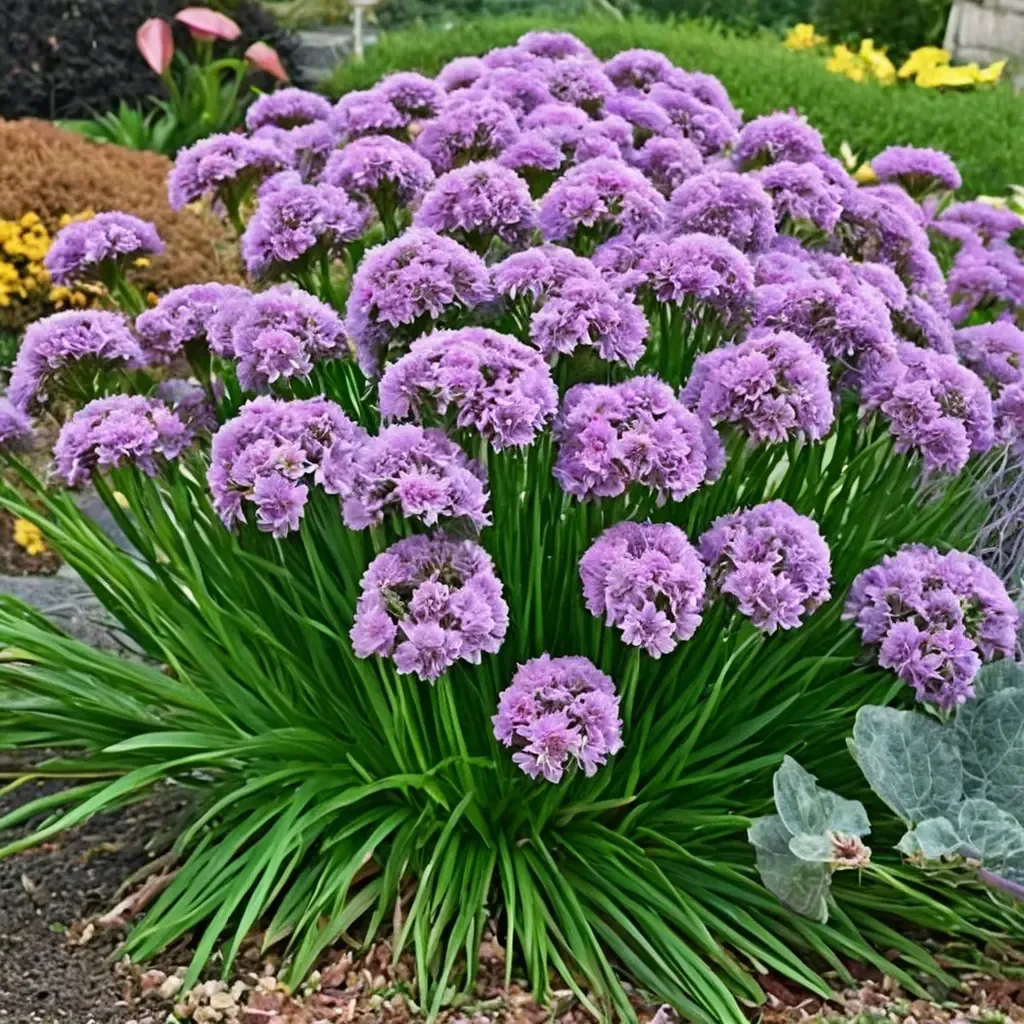
Millennium Gold Onion Moly Onion
Allium x moly 'Millenium'
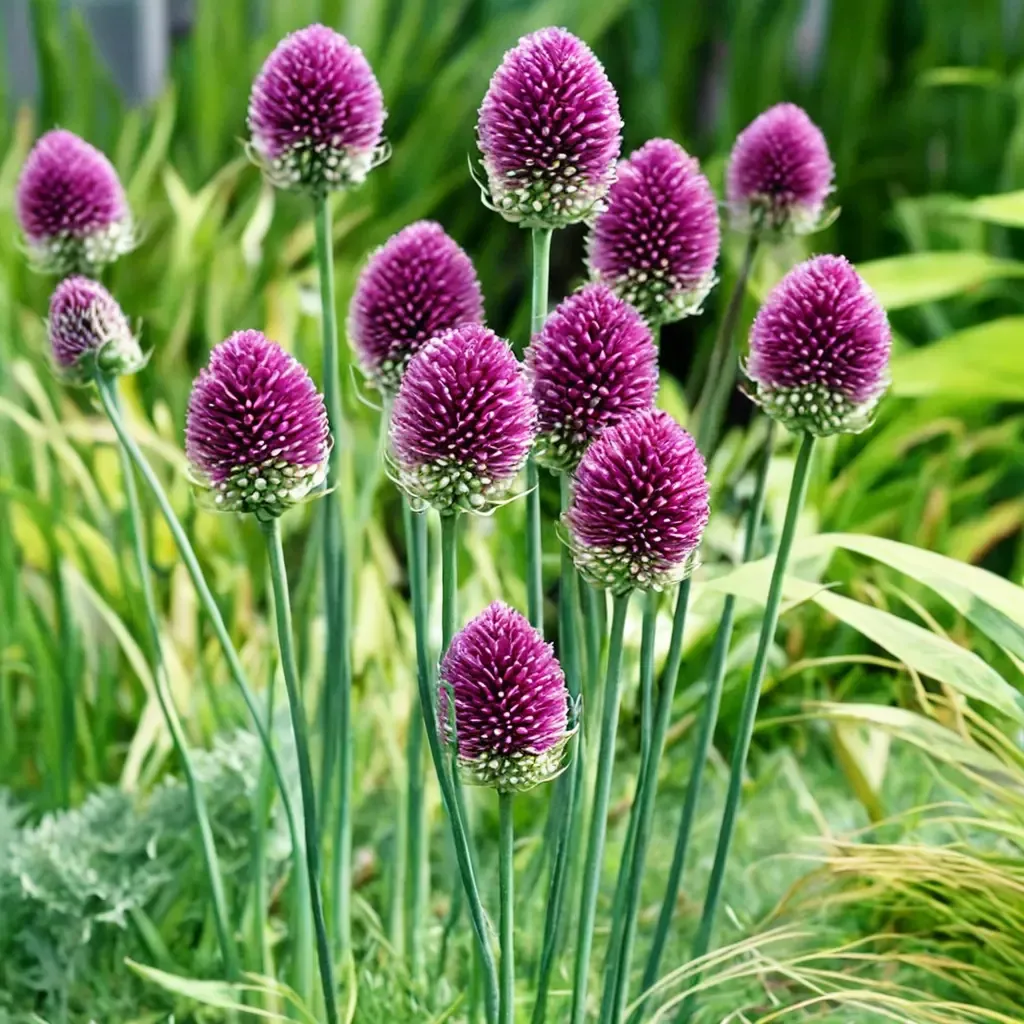
Drumstick Allium
Allium sphaerocephalon
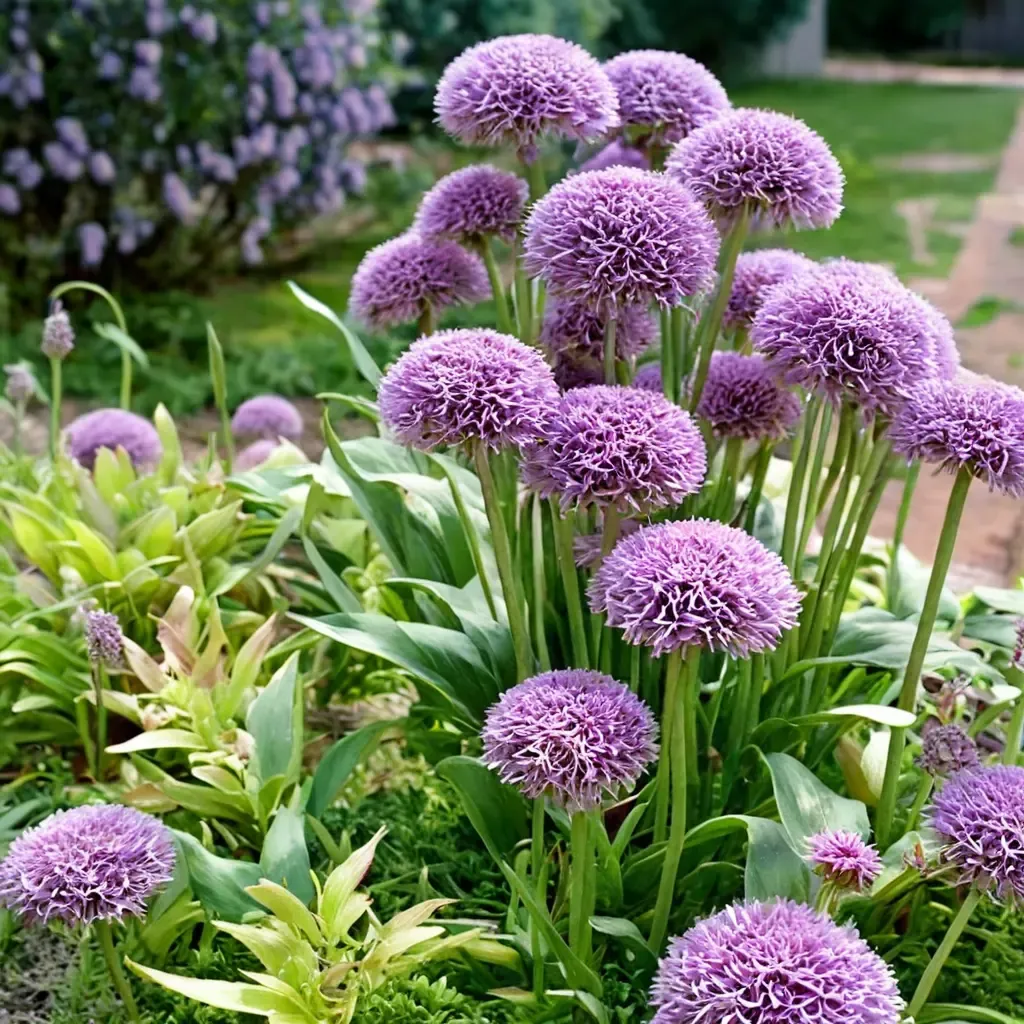
Globemaster Allium
Allium giganteum 'Globemaster'
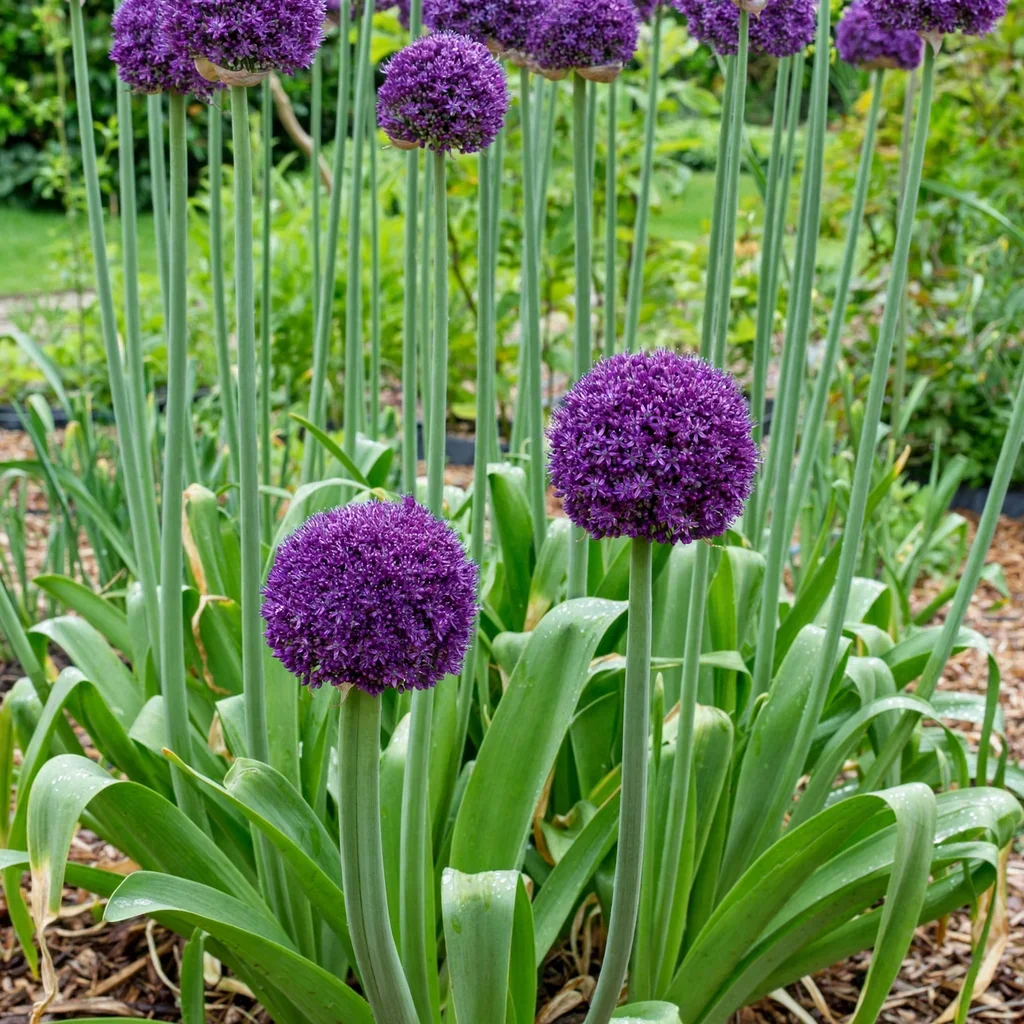
Ornamental Onion 'Ambassador'
Allium x hybrida 'Ambassador'
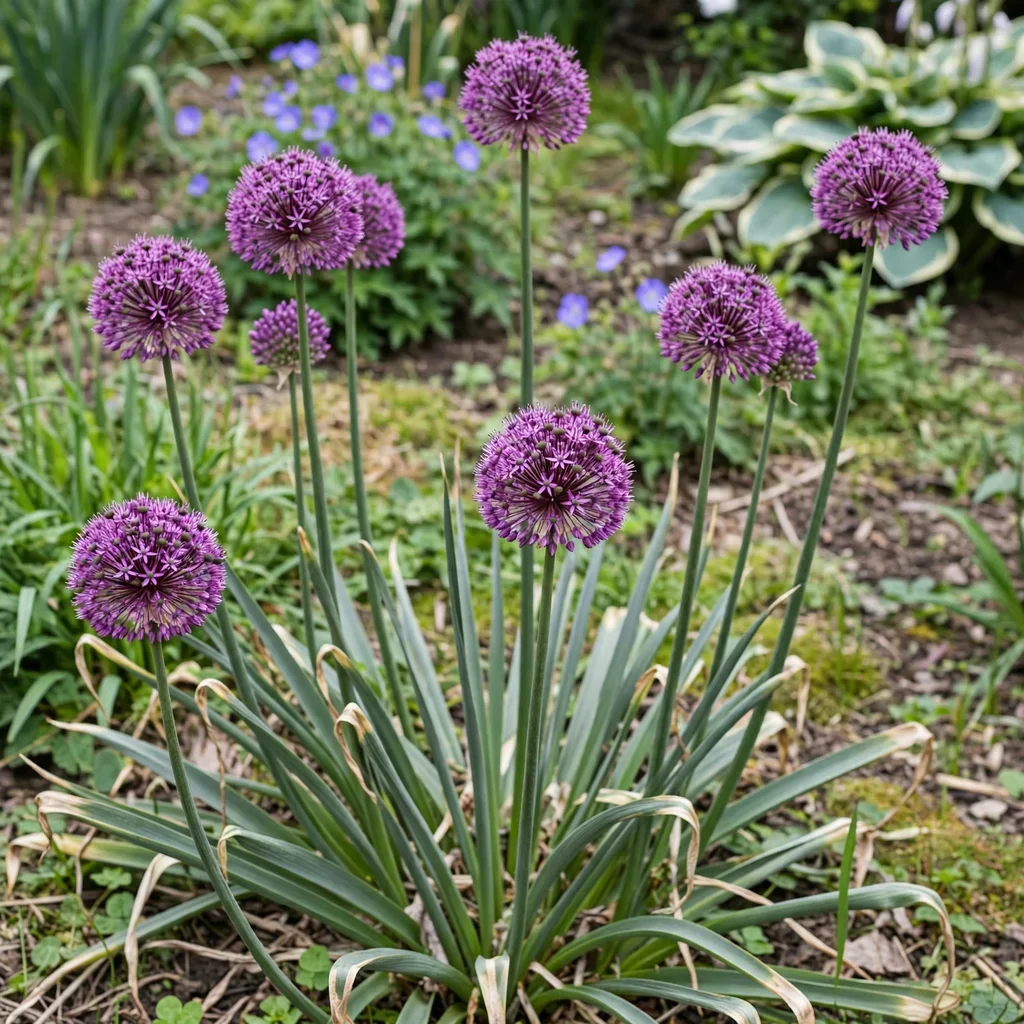
Purple Sensation Allium
Allium hollandicum 'Purple Sensation'
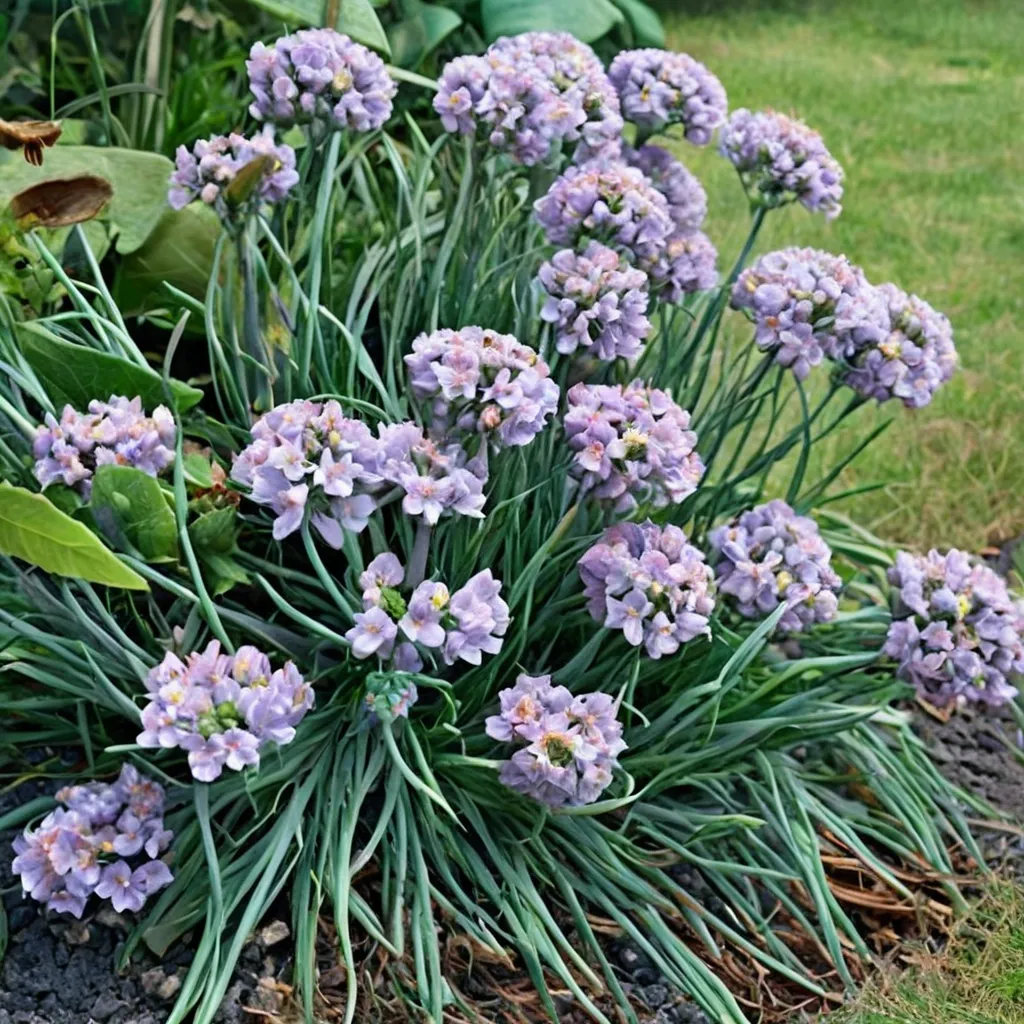
Blue Eddy Allium
Allium senescens 'Blue Eddy'
Keep exploring
Explore the genus
Grow Leek with confidence
See it in a design of your actual yard, get zone-matched care reminders, and track it season by season in your garden journal.