Also known as Lettuce · 573 saves
Lactuca
Lactuca, the genus most gardeners know as lettuce. We track 11 varieties; the ones most used by real gardeners.
The 11 most-saved Lactuca varieties
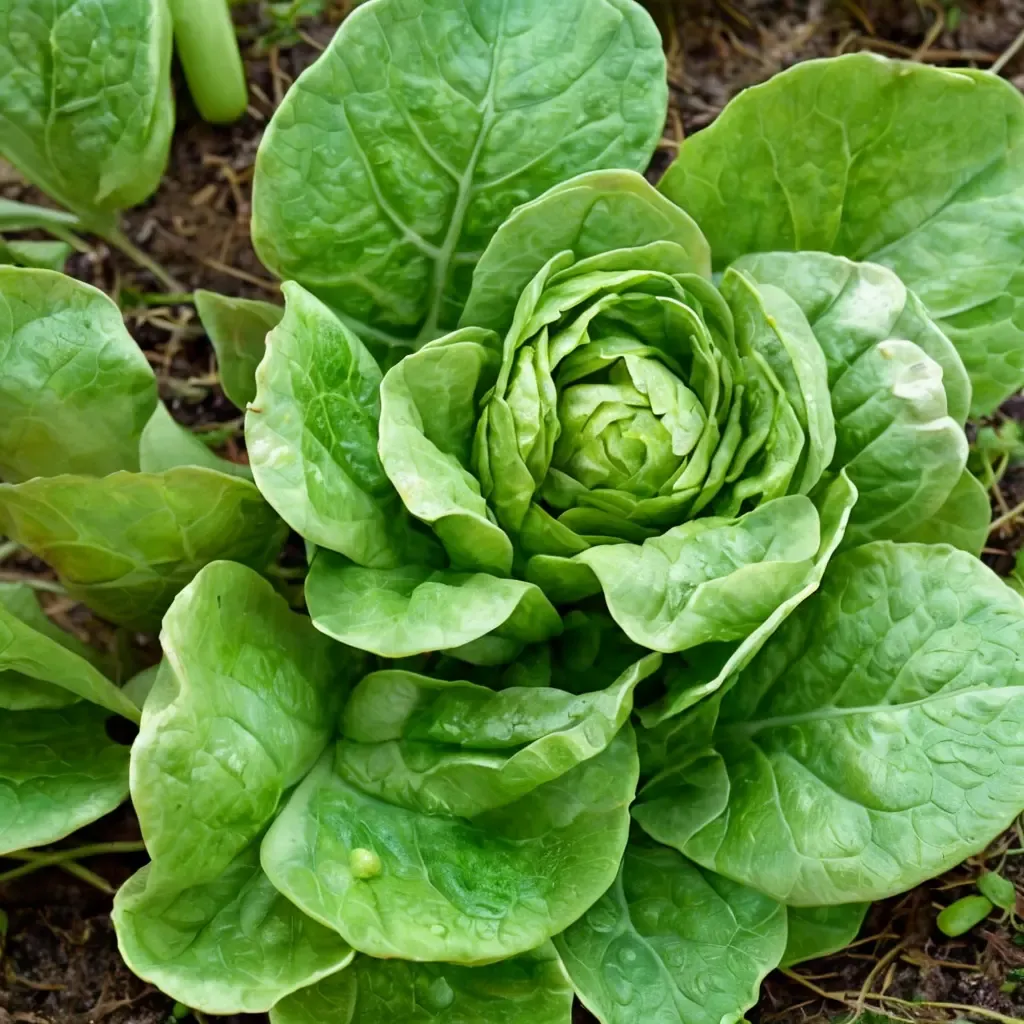
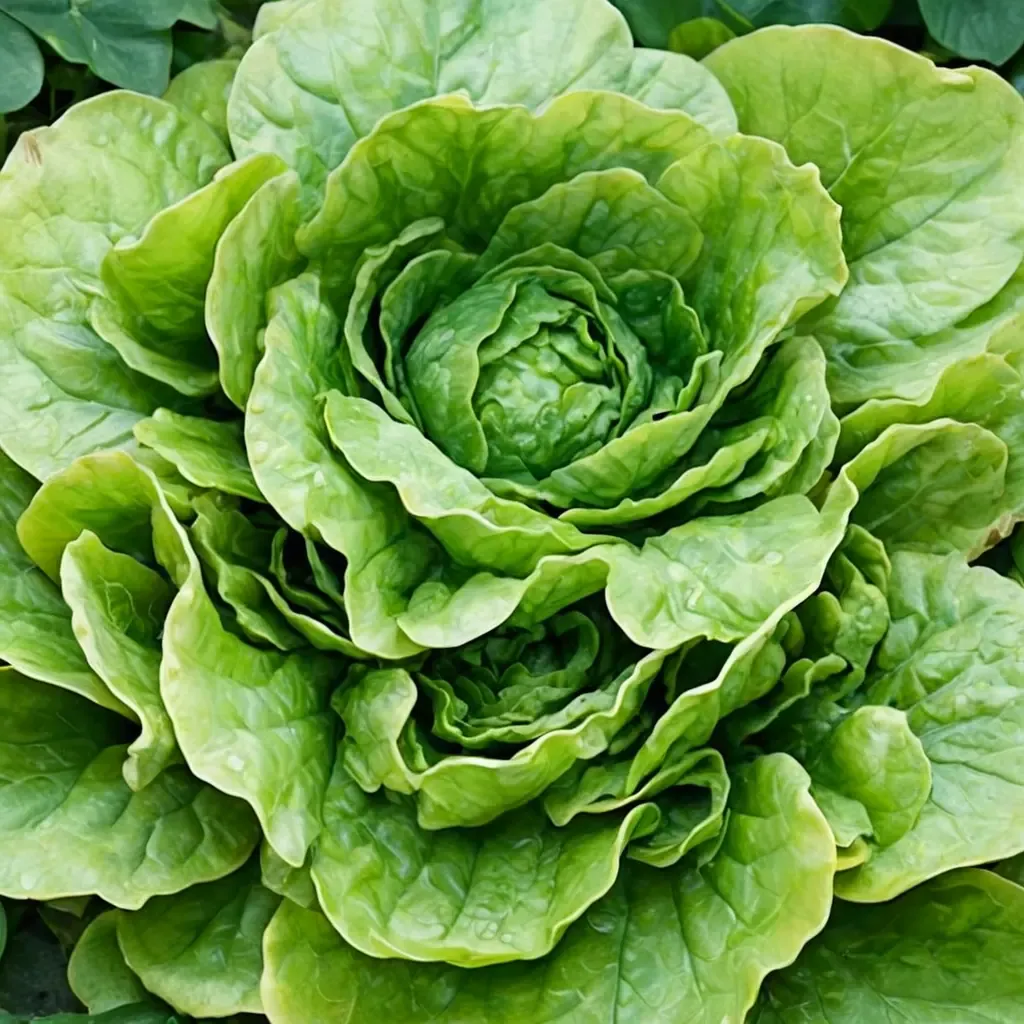
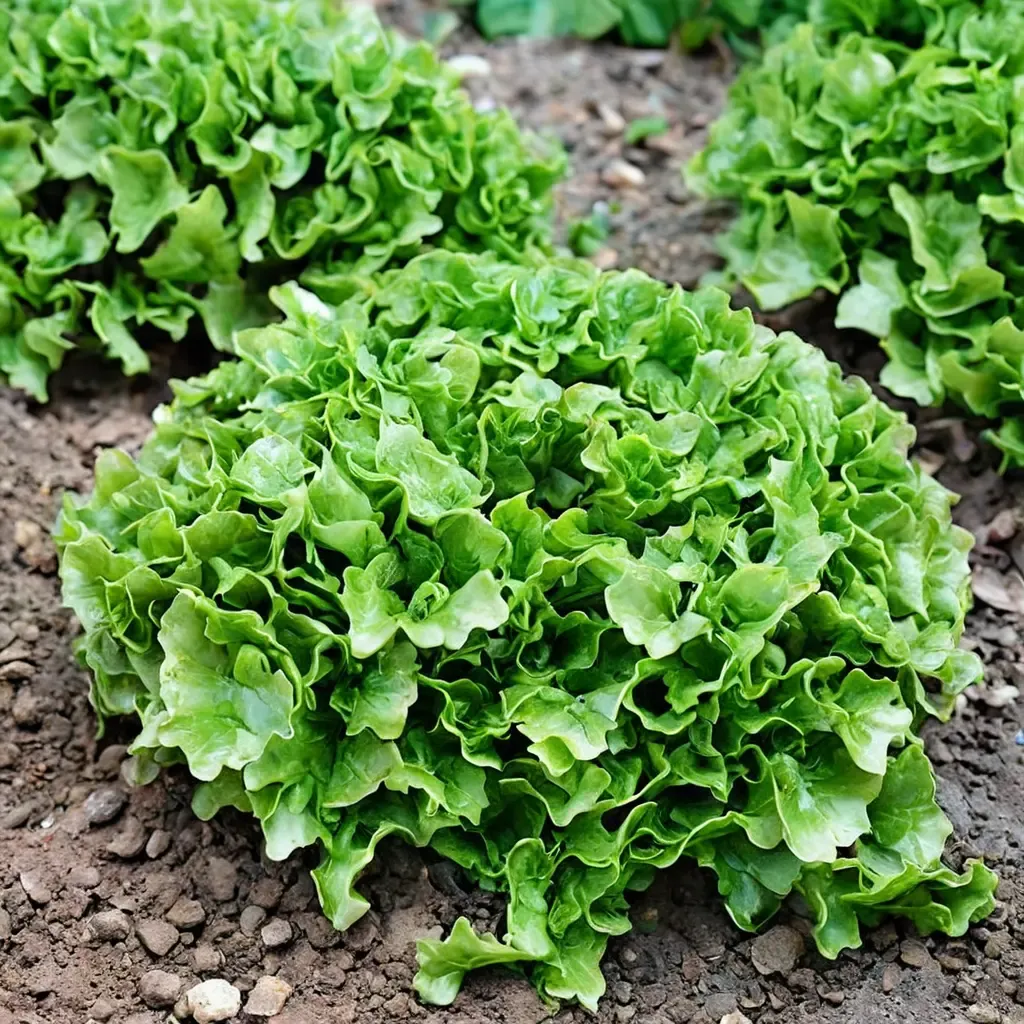
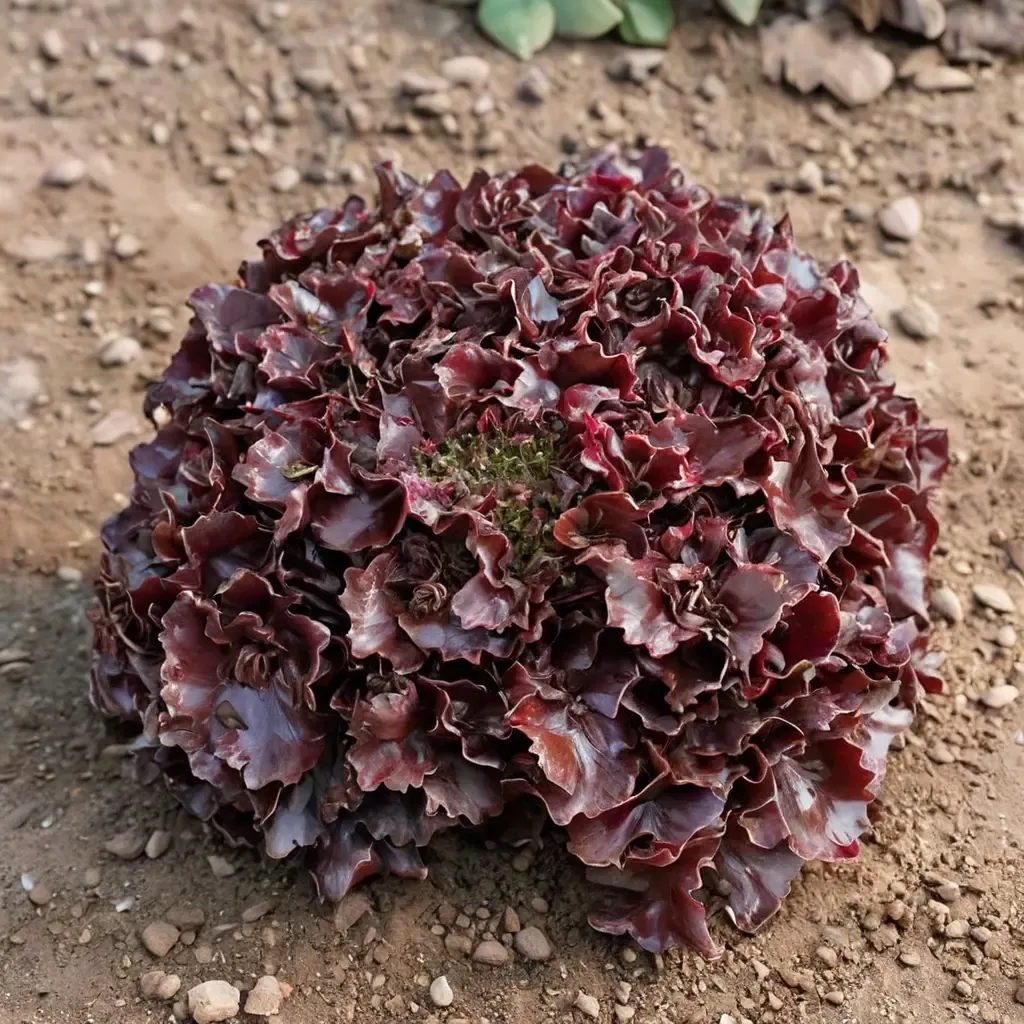
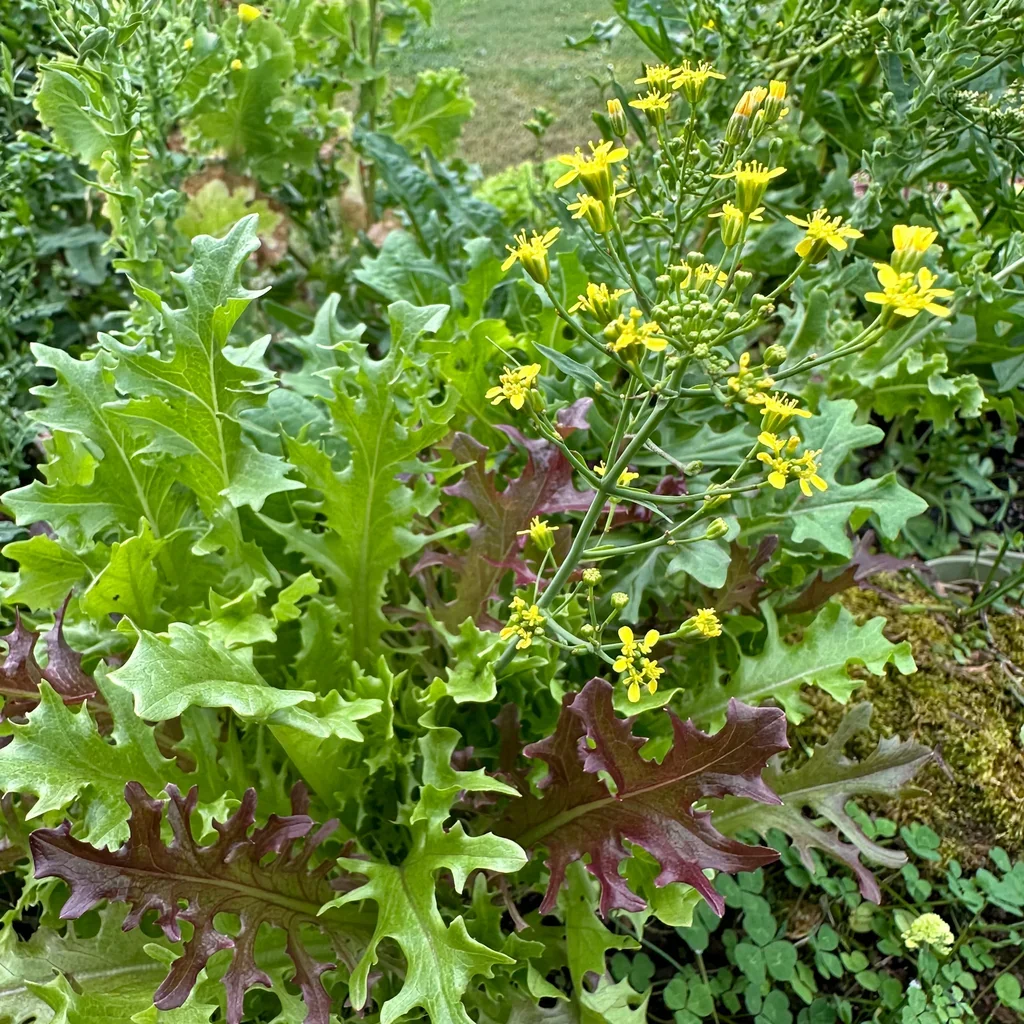
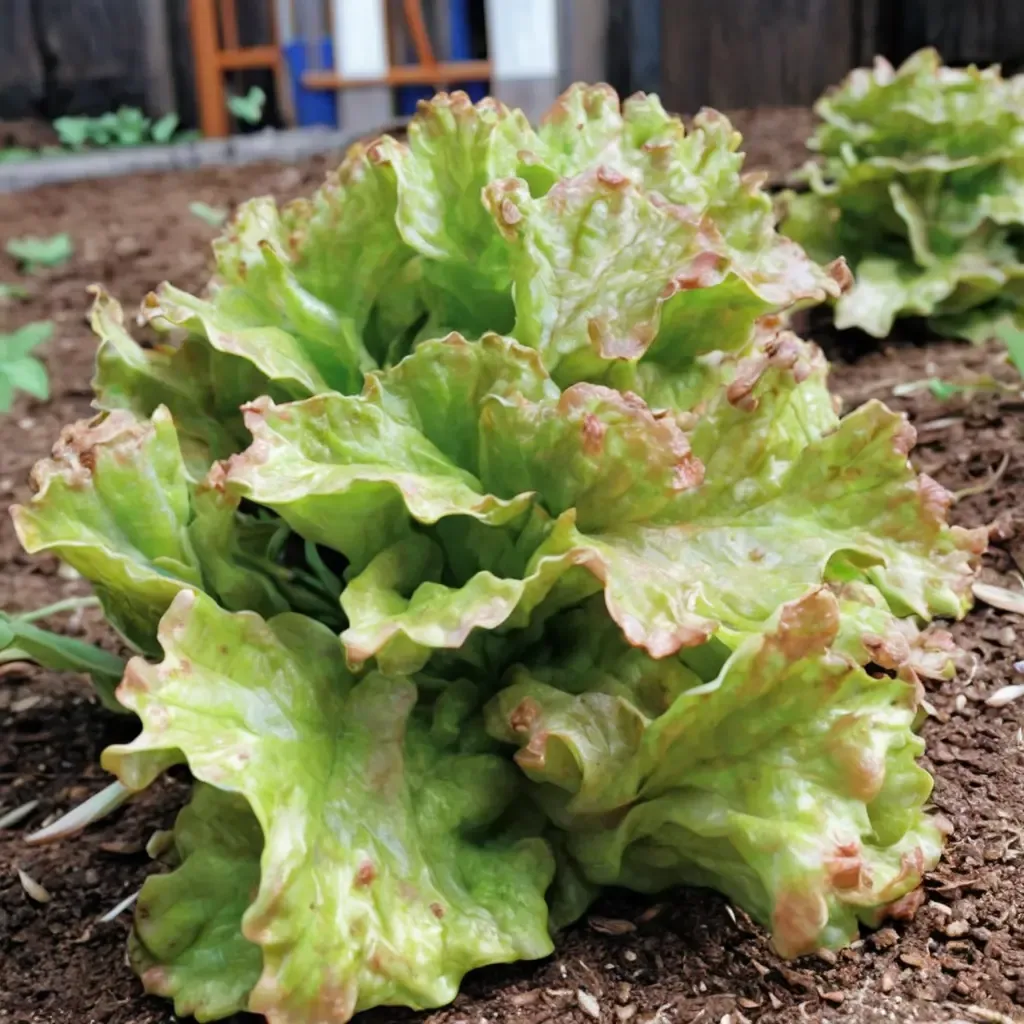
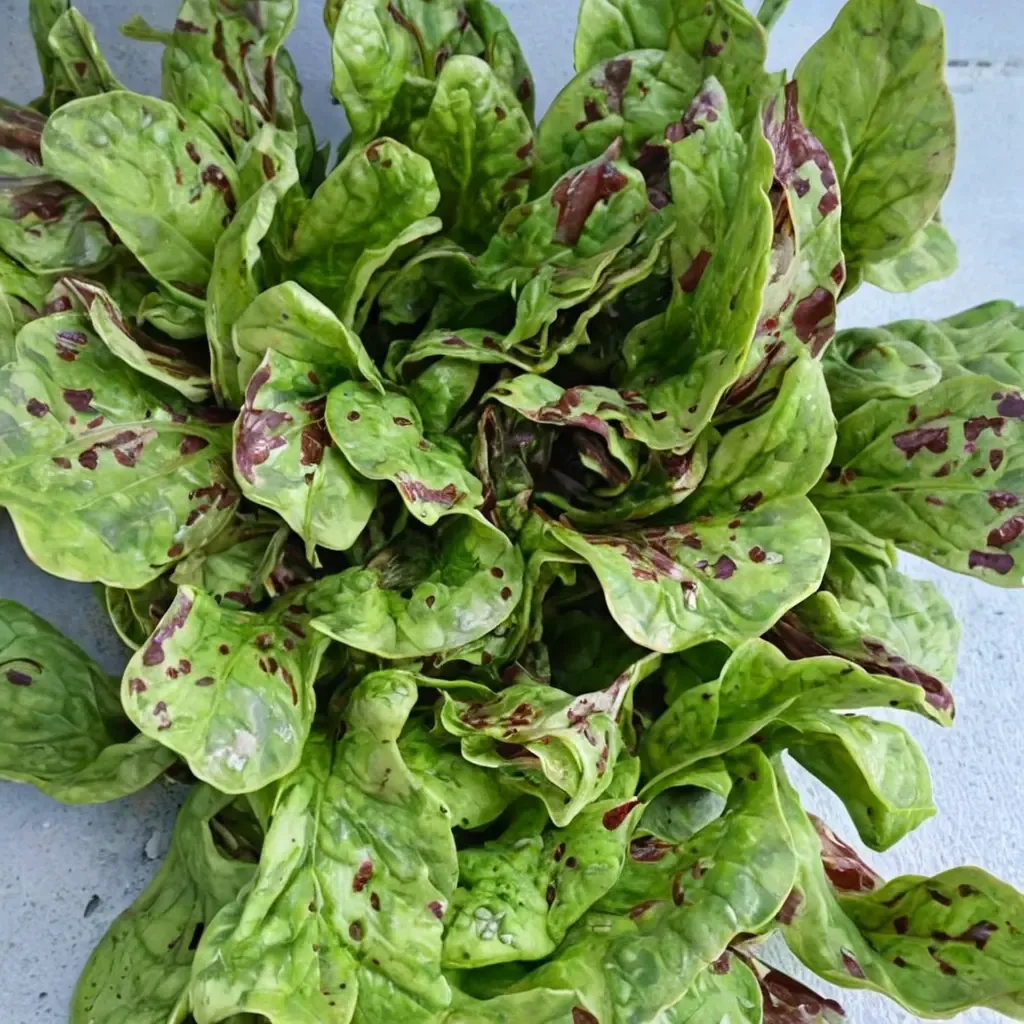
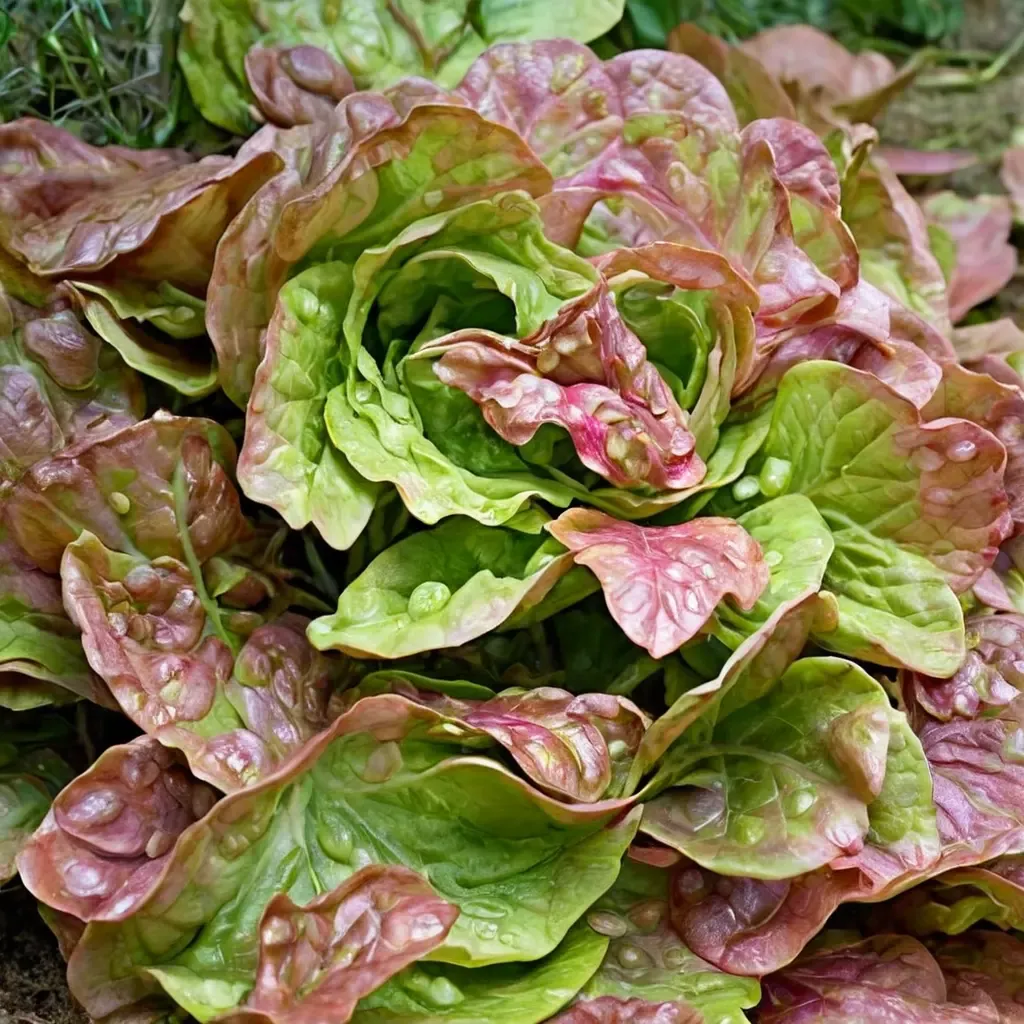
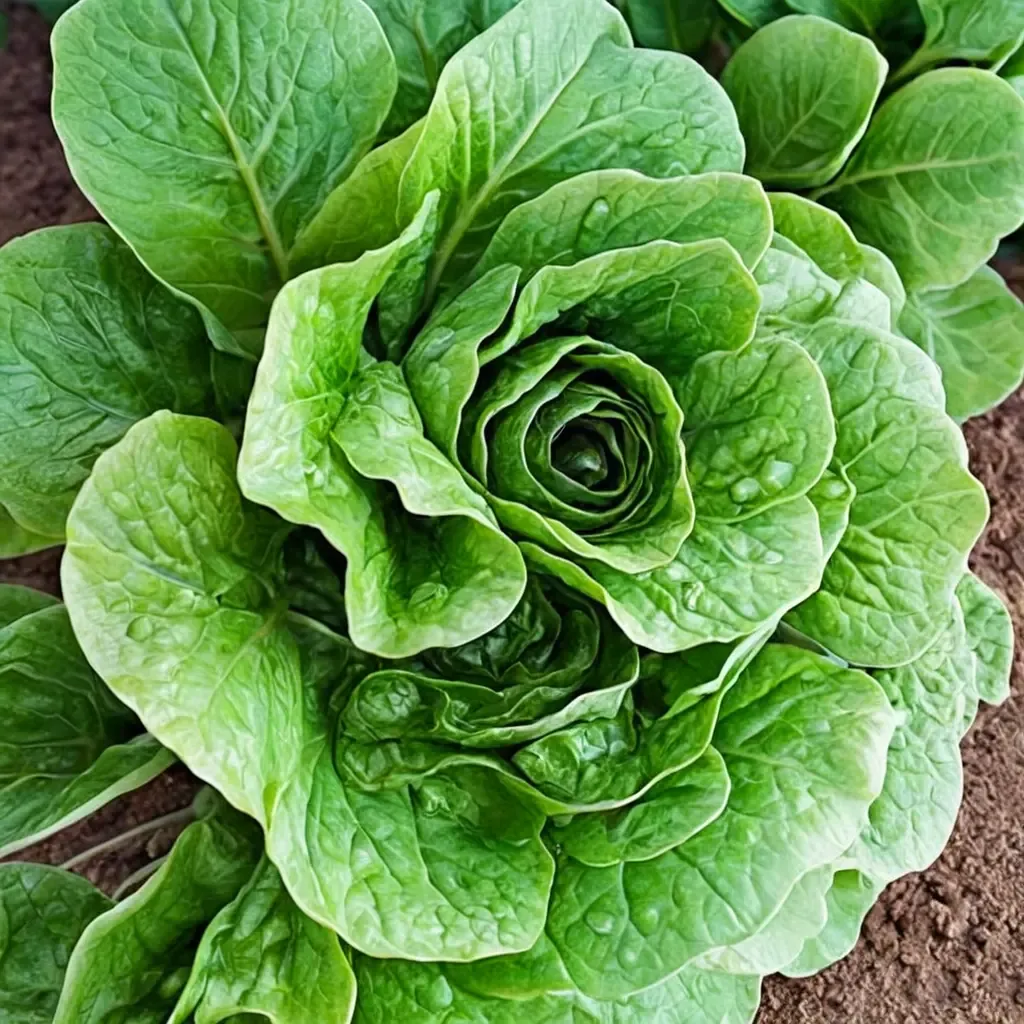
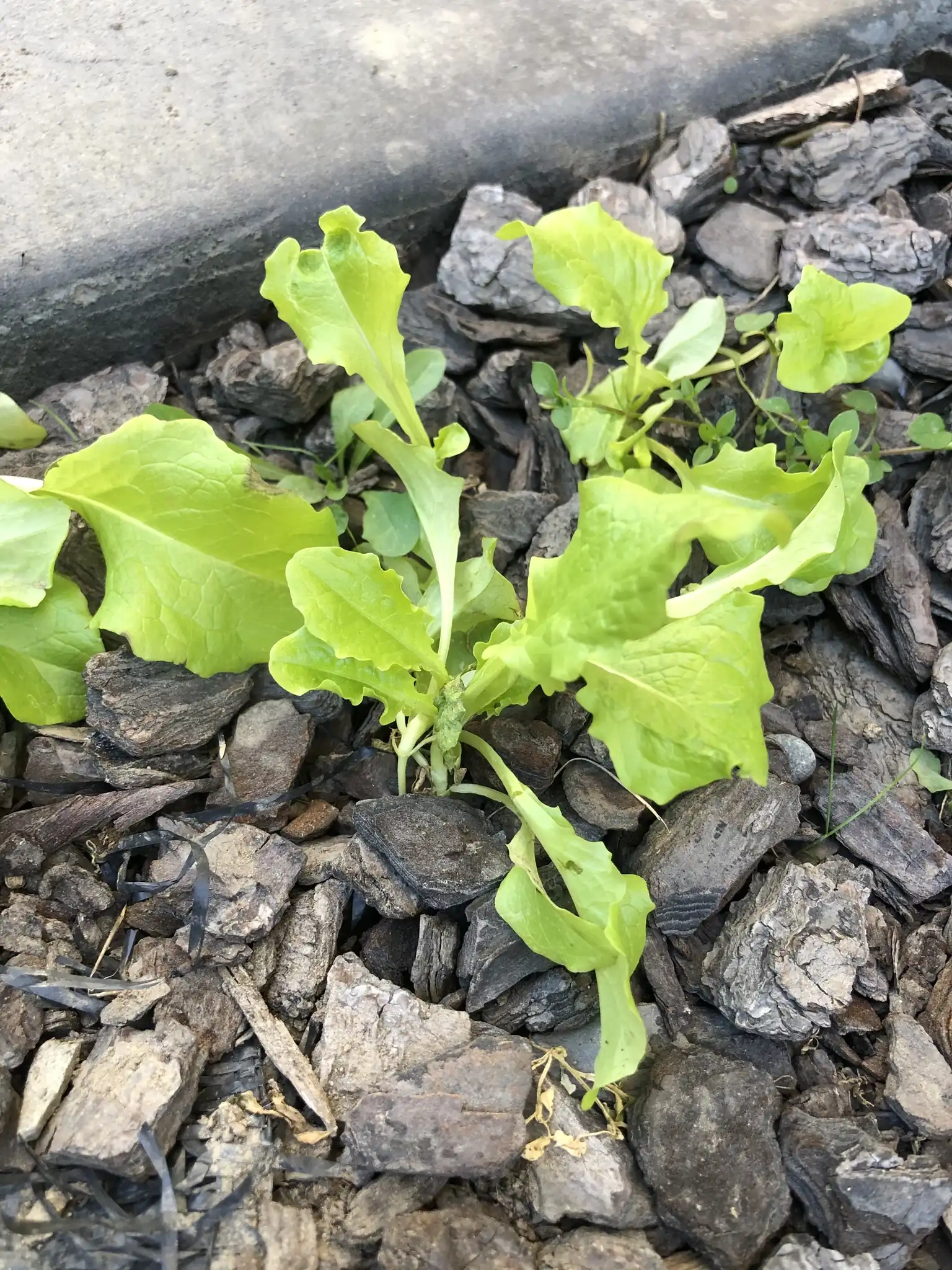
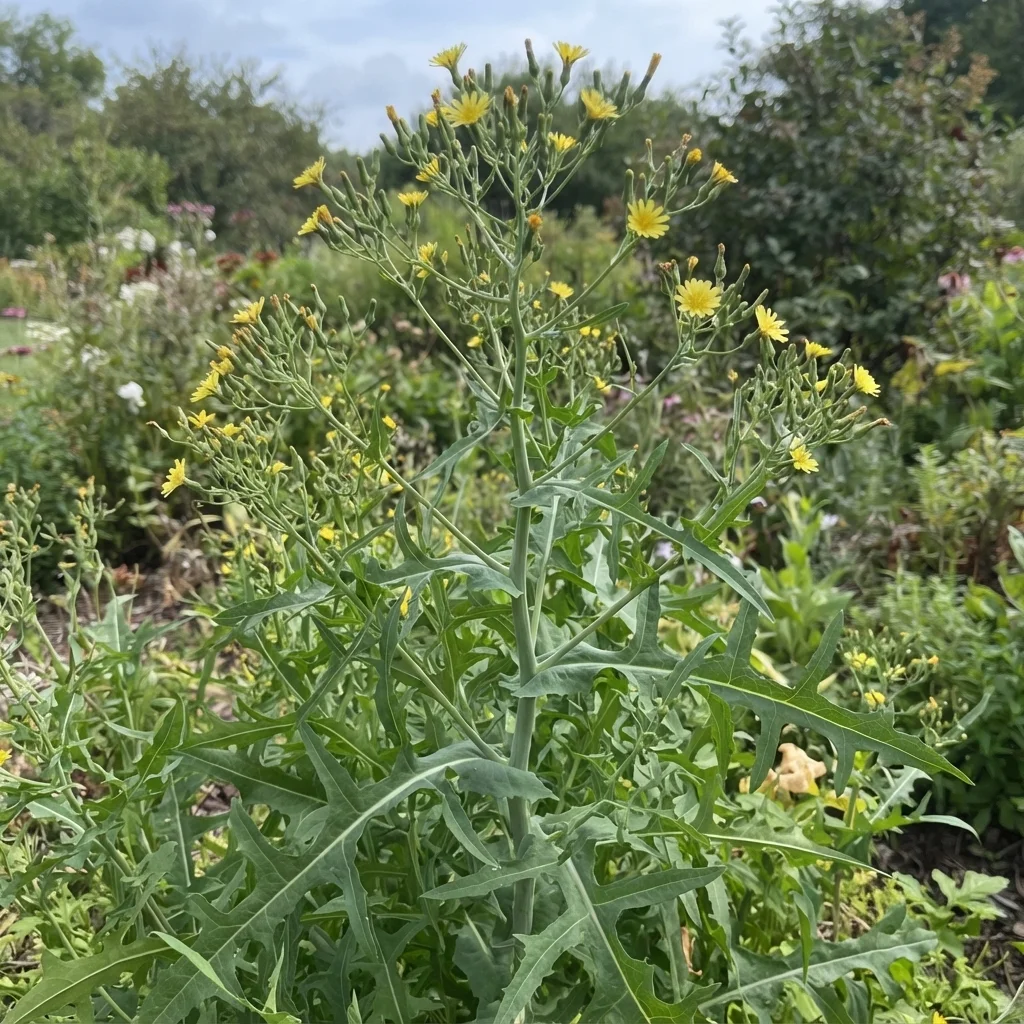
2 species of Lactuca
Each one is a parent of the varieties above.
Track your Lactuca in Sow
Save the Lactuca you grow and get care reminders timed to your zone.
How to grow Lactuca
Whats common across all Lactuca varieties in our catalog — drawn from the care records of the 11 most-grown of them.
The Lactuca year
- PlantMarch, April, May, August and September91% of varieties
Sow seeds in early spring and late summer for succession crops
- Check for PestsApril, May, June, September, October and November91% of varieties
Monitor for aphids and slugs, especially in damp conditions
- HarvestMay, June, July, October and November82% of varieties
Harvest outer leaves (cut-and-come-again) or entire heads
- FertilizeApril, May, June, September and October73% of varieties
Apply balanced, nitrogen-rich fertilizer every 4 weeks


Do
- Provide full sun for optimal growth
- Thin seedlings to prevent overcrowding
- Water regularly to keep soil moist but not waterlogged 🌱
- Mulch to retain soil moisture and suppress weeds
- Water regularly to keep soil moist 🌱
Avoid
- Avoid overwatering to prevent root rot ❌
- Avoid letting soil dry out completely ❌
- Don’t let soil dry out completely
- Don't over-fertilize, which can cause bitter leaves
What goes wrong with Lactuca
| Problem | What you'll see | What to do |
|---|---|---|
| Aphids | Curling and yellowing leaves | Apply neem oil or insecticidal soap |
| Downy Mildew | Yellow patches on upper leaf surfaces with fuzzy growth underneath | Use organic fungicides and improve air circulation |
| Slugs | Holes in leaves and slime trails | Use copper tape or organic slug bait |
| Slugs and snails | Ragged holes in leaves and seedlings grazed off | Clear damp debris nearby; protect seedlings |
| Downy Mildew | Yellow patches with fuzzy growth | Improve air circulation and apply organic fungicides |
| Leaf Spot | Dark spots on leaves | Remove affected leaves and avoid overhead watering |
| Powdery Mildew | White, powdery fungal patches on the upper surfaces of leaves during humid weather. | Ensure adequate spacing for air circulation and avoid overhead watering to keep foliage dry. |
Making more Lactuca
Cuttings
- Select healthy leaf or stem cuttings.
- Plant in moist soil or water until roots develop, approximately 2–3 weeks.
Seeds
- Tuck seeds into moist soil in spring
- Keep soil consistently moist for germination (7–14 days)
Lactuca questions
How many types of Lactuca are there?
The Sow catalog tracks 11 distinct Lactuca varieties. The most popular — ranked by 573 real gardeners — are shown first above.
What zones does Lactuca grow in?
Across its varieties, Lactuca covers USDA Zones 4–10. Individual varieties differ — each plant page lists its exact range, and Sow filters the catalog to your zone automatically.
When does Lactuca bloom?
Most Lactuca varieties bloom in early summer, late spring to summer, late spring to mid-summer. Staggering early, mid, and late varieties extends the genus's season in one bed.
Which Lactuca should I choose?
Start from the most-saved varieties above — popularity across thousands of gardens is a strong signal of reliability — then filter by your zone and sun. In the Sow app you can preview any of them in a photo of your actual yard before you buy.